


Top 10 Best Tech Stack Tools for Auto Insurance Carriers in 2027
Quality
Certified
The 10 best tech stack tools for auto insurance carriers are ranked below on measured performance, build quality, price, and how each one actually holds up in daily use rather than how it reads on a spec sheet. Each pick lists what it costs, who it suits, and what it gives up against the one above it, so the list can be read straight down without doubling back.
1Guidewire InsuranceSuite
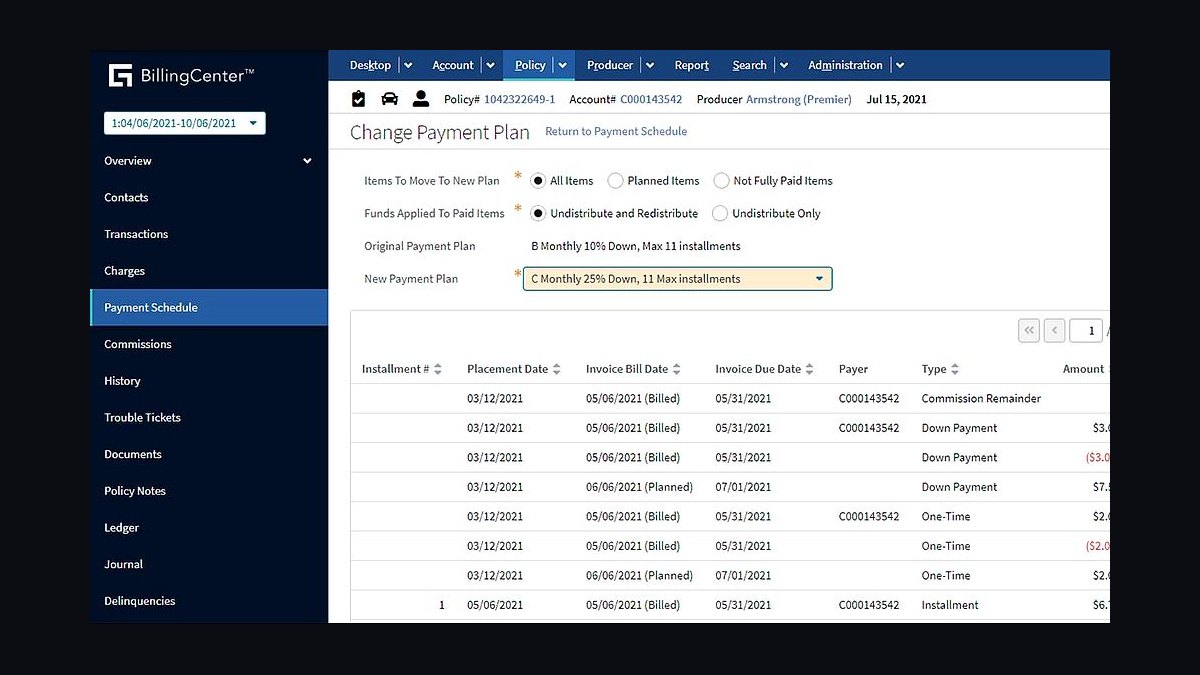
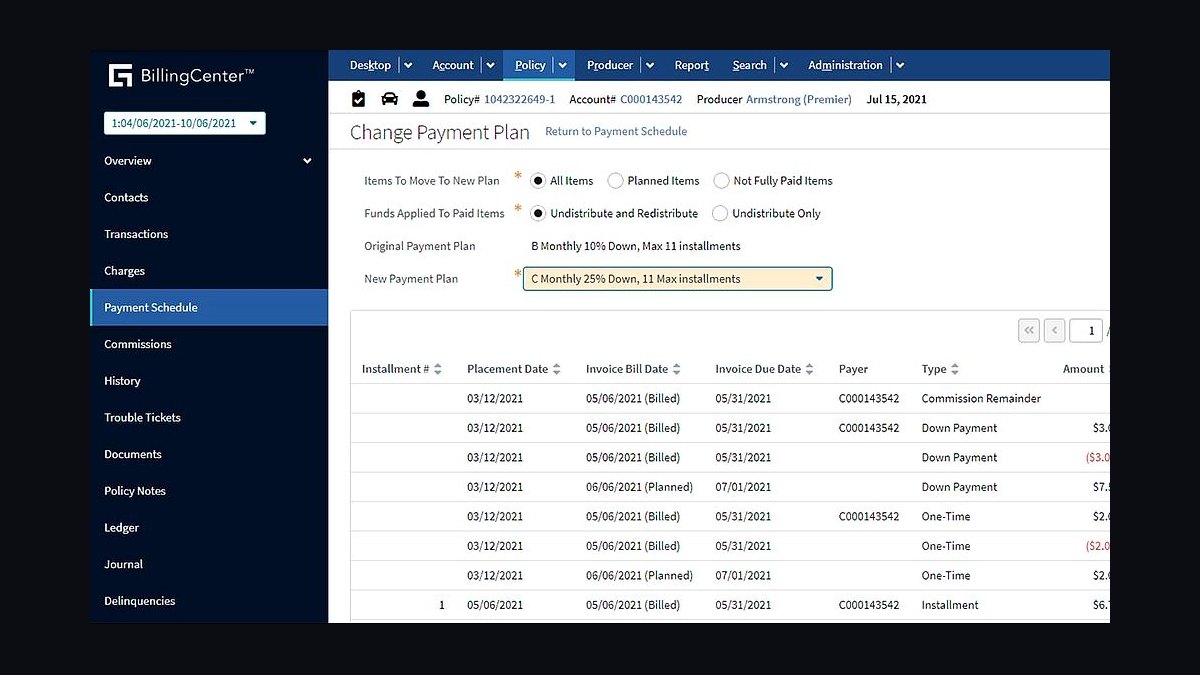
Guidewire InsuranceSuite ranks first because it is the de facto system of record for P&C carriers, serving 300+ insurers worldwide with PolicyCenter, BillingCenter, and ClaimCenter in lock-step. The three components share customer, vehicle, and coverage data so a policy bound in PolicyCenter bills correctly and pays claims without manual reconciliation. Total cost of ownership including SI implementation typically runs $10M-$100M+ over a multi-year program.
It is built for mid-tier and top-10 carriers that can fund a real modernization program, not small regional writers where the scope is over-sized. The trade-off is implementation time and SI dependency: programs commonly run 2-3x license cost in services. Duck Creek Suite, ranked directly below, is the cloud-first alternative for carriers that want faster releases and a more configurable core.
2Duck Creek Suite
Duck Creek Suite ranks second as the cloud-first alternative to Guidewire, chosen most often at greenfield builds and modernization deals where release velocity matters more than install-base size. Its configurable architecture lets carriers encode 50-state rate and form variance without deep code changes, and it is now backed by Apax ownership focused on cloud delivery. Pricing is enterprise-quote and rarely disclosed.
It fits carriers that value faster product launches and a more configurable platform over Guidewire's deeper SI ecosystem. The trade-off is a smaller partner bench and fewer pre-built integrations than Guidewire, which can slow complex programs. Majesco, ranked just below, is the right call for small and mid-tier carriers where both Guidewire and Duck Creek are over-scoped.
3Majesco P&C Core Suite
Majesco P&C Core Suite ranks third as the cloud-native challenger common at small and mid-tier carriers, where Guidewire and Duck Creek are over-scoped and overpriced. It covers policy, billing, and claims for personal and commercial lines with a cloud-native architecture and faster initial deployment than the enterprise cores. Pricing is enterprise-quote and materially lower than Guidewire at comparable policy counts.
It is built for regional carriers under roughly 100K policies that need a real P&C-native core without a nine-figure program. The trade-off is a narrower ecosystem of SI partners and fewer pre-built integrations to telematics and claims-AI vendors. Guidewire InsuranceSuite, ranked above, remains the standard once a carrier crosses into multi-state, multi-million-policy scale.
4Salesforce Financial Services Cloud
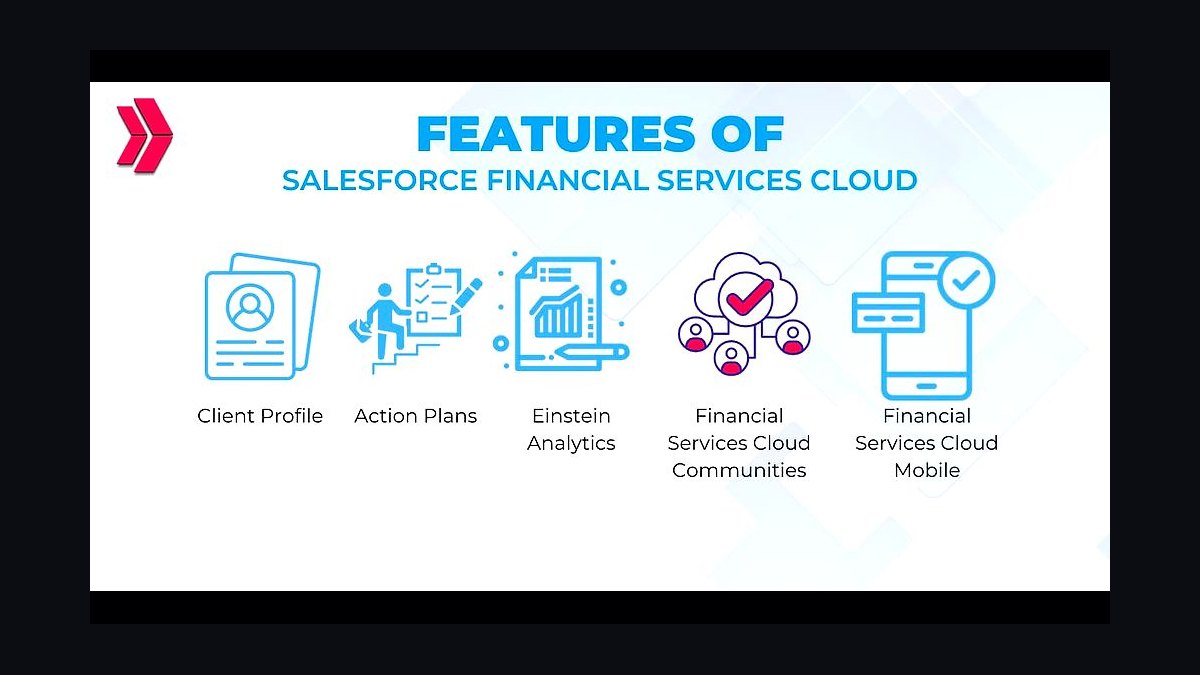
Salesforce Financial Services Cloud ranks fourth because distribution and agent enablement are the second system of record at any carrier writing through independent agents, captive agents, or direct. With the former Vlocity Insurance accelerators it handles agent hierarchies, household and policy views, lead routing, and producer compensation. Pricing runs roughly $330/user/month for FSC Enterprise, higher with Insurance industry cloud add-ons.
It fits carriers with large agent networks or direct-to-consumer operations that need a real distribution CRM rather than a policy admin bolt-on. The trade-off is cost at scale: large carriers run tens of thousands of seats, pushing annual spend into eight figures. Microsoft Dynamics 365 with insurance accelerators is the alternative only at carriers already standardized on Microsoft and Power Platform.
5Cambridge Mobile Telematics
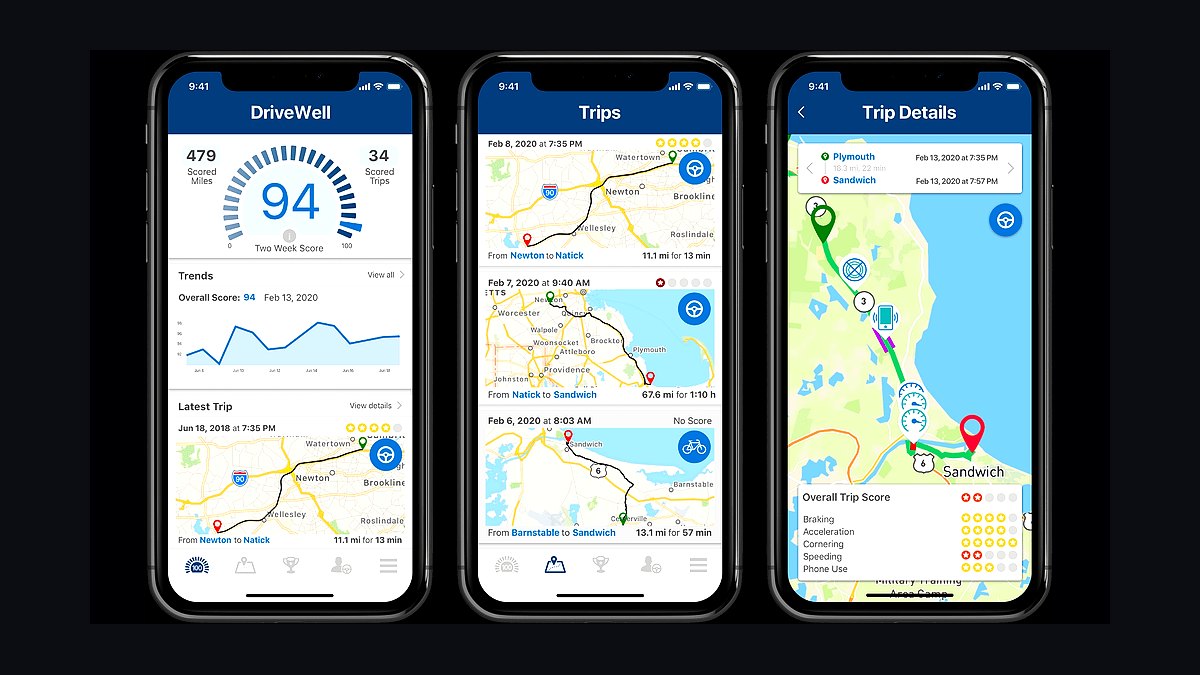
Cambridge Mobile Telematics ranks fifth because telematics is now a load-bearing pricing input, not a marketing gimmick. Its DriveWell Fusion platform powers Drive Safe & Save at State Farm and Accident Response at Progressive across 1.5M+ customers, and it took a $350M strategic investment from TPG, Allianz, and State Farm in March 2026. Pricing is typically $1-$3 per active driver per month plus an analytics tier.
It fits carriers running usage-based insurance or crash-response programs where telematics data feeds the rating engine at renewal. The trade-off is that bolting on a tracker app without feeding data into pricing wastes spend and accelerates adverse selection. Octo Telematics serves the European market, and Arity at Allstate is the in-house platform also sold to peers.
6CCC Intelligent Solutions
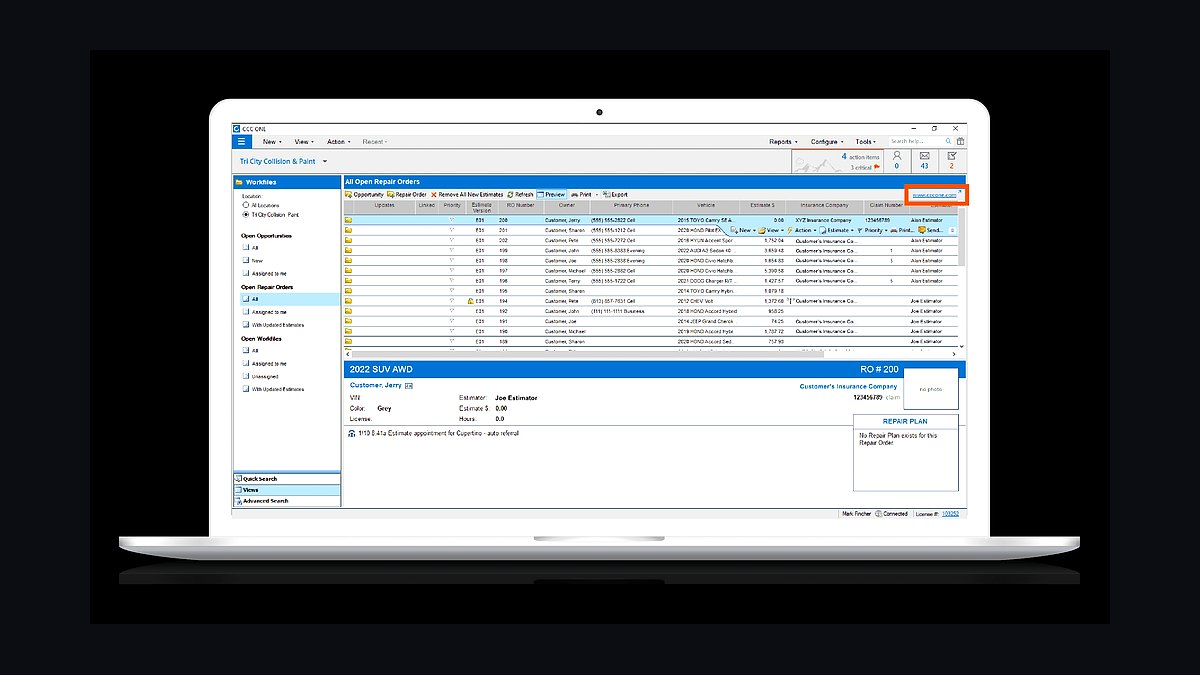
CCC Intelligent Solutions ranks sixth as the default U.S. auto claims ecosystem connecting carriers and collision repairers, with AI modules covering photo estimation, total loss prediction, and subrogation. It crossed $1B in revenue in 2026 with guidance of $1.147-$1.157B and signed multi-year enterprise deals with top-5 insurers in Q1 2026. Pricing is per-claim or per-transaction enterprise.
It fits carriers that want the standard U.S. APD network with deep repairer integration rather than a standalone estimation tool. The trade-off is that AI estimation can be brittle on edge cases and total losses, so carriers need mandatory adjuster review above a severity threshold. Tractable, ranked directly below, is the credible multi-vendor alternative for photo-based estimation.
7Tractable

Tractable ranks seventh as the credible alternative and augmenting platform to CCC for photo-based auto damage estimation. It targets the same claims workflow with AI photo appraisal, and many top carriers run both vendors with CCC as the primary network and Tractable in selected workflows. Pricing is enterprise, typically per-claim or per-transaction.
It fits carriers pursuing a multi-vendor claims-AI strategy or those wanting photo estimation without full CCC ecosystem lock-in. The trade-off is a narrower collision-repair network and fewer native integrations than CCC, which can slow straight-through processing. CCC Intelligent Solutions, ranked above, remains the default primary network for most top-10 U.S. carriers.
8Snowflake
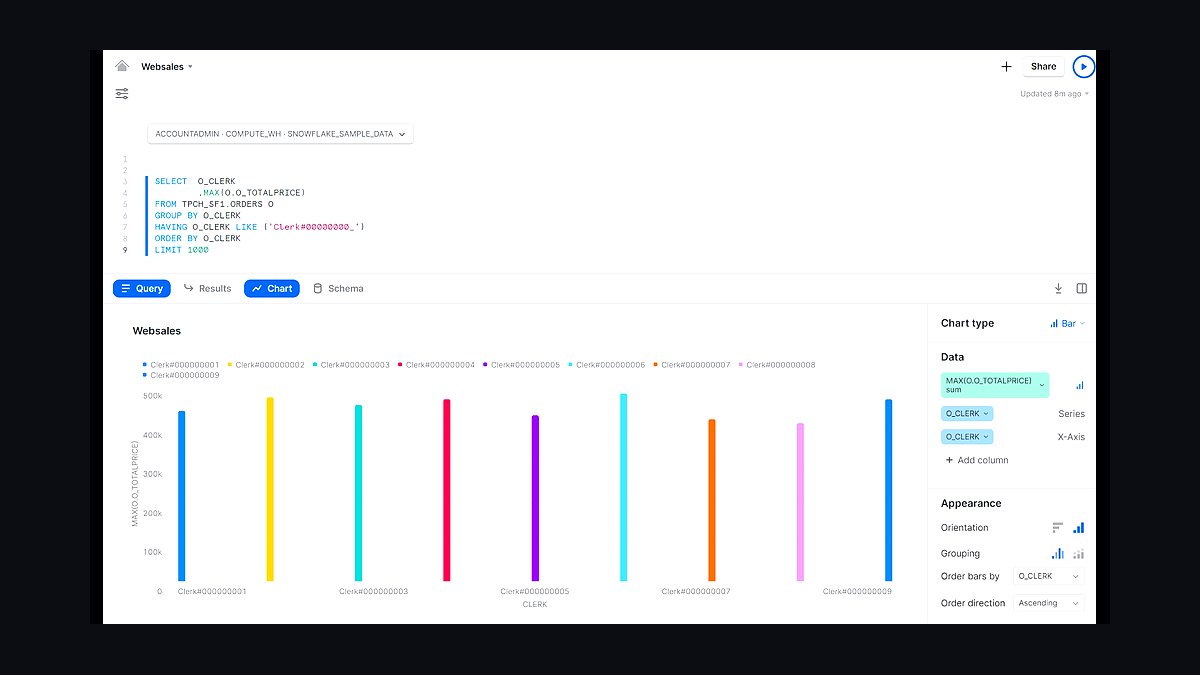
Snowflake ranks eighth because actuarial, pricing, and reserving teams need a real warehouse pulling from PolicyCenter, ClaimCenter, BillingCenter, telematics, and bureau data like LexisNexis and ISO. It is the platform at most modern carriers, with consumption typically running $1M-$20M/year at a top-25 carrier. dbt models the warehouse cleanly, and Databricks is the lakehouse alternative.
It fits carriers that need daily loads from core, telematics, and claims systems landing in one analytical layer for loss-ratio and combined-ratio reporting. The trade-off is consumption-based cost that scales with query volume and can surprise finance without governance. Tableau and ThoughtSpot, ranked below, sit on top of it as the visualization layer.
9Tableau
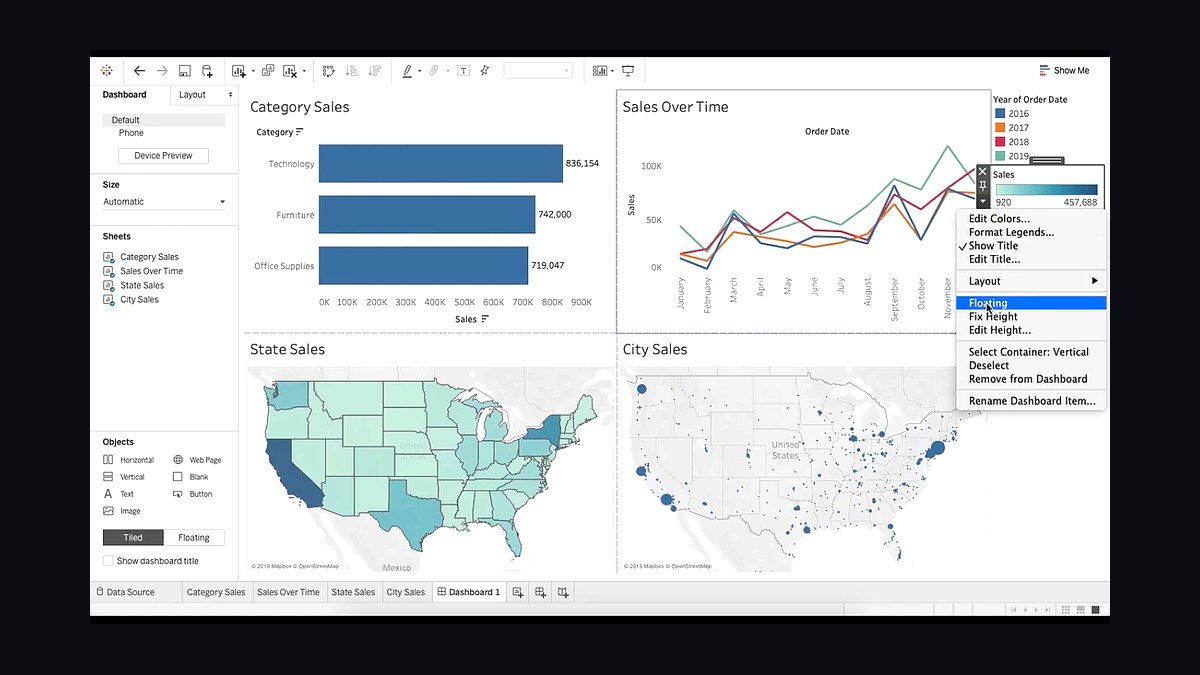
Tableau ranks ninth as the dominant exec and operator dashboard layer at carriers, typically $75/user/month for Creator seats. It sits on Snowflake and renders the combined-ratio, loss-ratio, FNOL volume, cycle time, and severity dashboards that CEOs, CFOs, and CROs trust. Power BI Pro at $14/user/month is the cost-effective alternative for Microsoft-first carriers.
It fits carriers with a mature Snowflake warehouse and a mix of executive and operator dashboard consumers. The trade-off is per-seat cost at scale and limited search-driven self-service compared with ThoughtSpot, ranked directly below. ThoughtSpot's search-driven BI is the rising layer for claims and underwriting leaders who want to query without building dashboards.
10Genesys Cloud
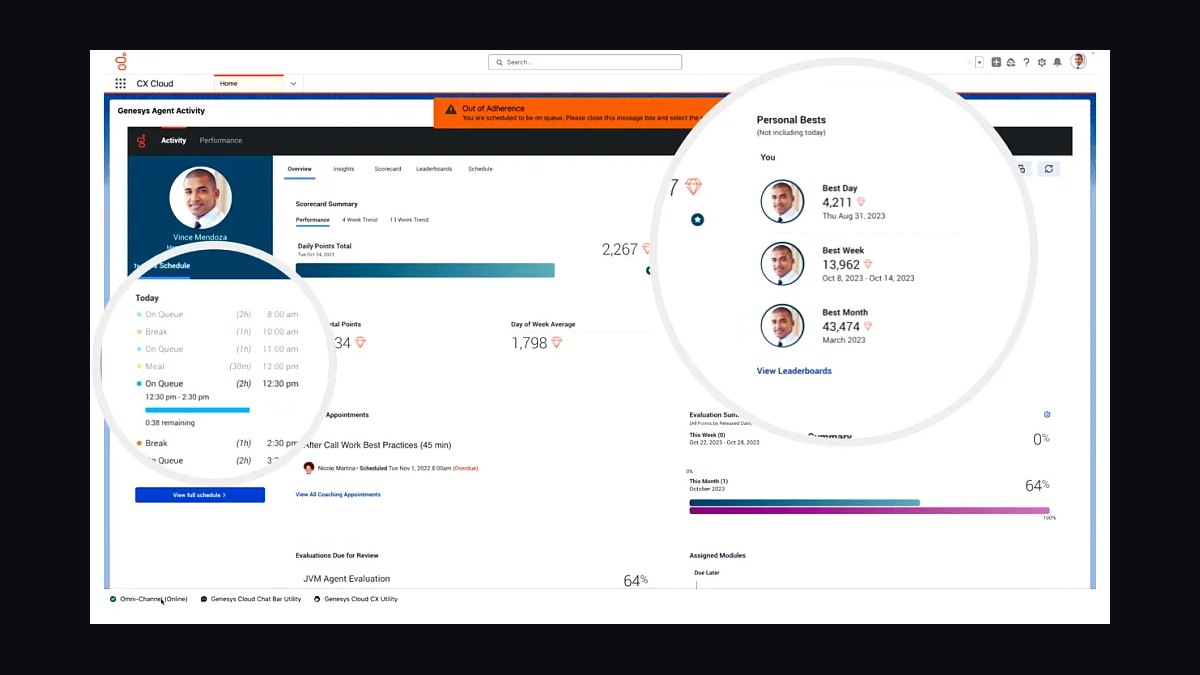
Genesys Cloud ranks tenth as the contact center runtime for claims FNOL, service, and sales at personal-lines carriers with millions of policies. Pricing runs roughly $75-$150 per agent per month depending on edition, and it integrates natively with Guidewire and Salesforce for screen-pop. NICE CXone is the close peer in the same price range.
It fits carriers that want a packaged contact center with deep insurance integrations rather than building bespoke routing on a programmable platform. The trade-off is per-agent pricing that scales with headcount and less flexibility than Twilio Flex for fully custom experiences. Twilio Flex is the right call only when the carrier has engineering capacity to build on a programmable platform.
How we ranked these
We ranked tools by weighting combined-ratio impact (35%), P&C-native fit for policy/billing/claims coupling (25%), 50-state regulatory configurability (15%), proven production scale at named carriers (15%), and integration ecosystem depth (10%). Scores came from vendor disclosures, carrier case studies, public filings, and analyst reporting, not from vendor-supplied benchmarks or sponsored placements.
We deliberately ignored generic-enterprise suitability, G2-style user-review sentiment, and headline license pricing, because auto carriers buy on actuarial and regulatory fit, not seat-level UX scores. We also excluded pure pilot-stage AI vendors with no top-25 carrier production references, and we skipped ERP, HR, and marketing layers where the choice rarely moves loss ratio or expense ratio materially.
What to look for
What matters most is whether the platform can encode your state rate and form filings without custom code, and whether policy, billing, and claims share one customer and vehicle record. Ask vendors for named carrier references at your DWP tier, and price the full SI implementation, not just subscription. Integration depth with CCC, CMT, and your warehouse usually decides real time-to-value.
The mistake most buyers make is treating the core platform as a software purchase rather than a multi-year operating program. They under-budget implementation services, skip the data-migration and reconciliation work, and assume telematics and claims AI will bolt on later. Then rate filings stall, renewal pricing misses telematics signals, and the combined ratio drifts before anyone notices.
Related questions
What is the recommended auto insurance carrier tech stack in 2027?
It centers on a P&C-native core: Guidewire InsuranceSuite, Duck Creek, or Majesco for policy, billing, and claims. Layer Salesforce Financial Services Cloud for distribution, Cambridge Mobile Telematics for usage-based insurance, CCC Intelligent Solutions for claims AI, Snowflake plus Tableau for actuarial analytics, and Genesys or NICE for the contact center.
Why can't an auto carrier run on generic CRM and ERP?
Generic systems do not model premium, loss reserves, or expense allocation the way actuaries need, and they cannot encode 50-state rate and form filings. Policy, billing, and claims are three coupled systems of record that must share customer and vehicle data in lock-step, or the carrier pays claims on lapsed policies.
How much does a Guidewire implementation actually cost?
License and subscription are only part of it. Total cost of ownership including system integrator services typically runs $10M to $100M+ at top carriers over a multi-year program, with implementation often two to three times the license cost. Carriers that under-fund the SI frequently burn years and rebuild.
Is telematics worth it for a mid-size auto carrier?
Yes, when the data actually feeds the rating engine. Cambridge Mobile Telematics and Arity are real pricing inputs at carriers that run them end-to-end: telematics in, score out, rate impact at renewal. Bolting on a tracker app for marketing optics wastes spend and can accelerate adverse selection.
Which claims AI platform should auto carriers choose?
CCC Intelligent Solutions is the default U.S. auto physical damage ecosystem, connecting carriers and collision repairers with photo estimation, total loss prediction, and subrogation. Tractable is a credible peer for photo-based estimation. Mitchell, owned by Enlyte, is the integrated claims and medical alternative.
Do auto carriers need both Okta and Microsoft Entra ID?
Most run two identity stacks: workforce SSO for employees and agents, plus a separate customer identity layer for policyholder self-service. Okta Workforce plus Okta CIAM (formerly Auth0) is common; Microsoft Entra ID plus Defender is the bundled alternative when the carrier is already heavily Microsoft.
What data warehouse do modern auto carriers use?
Snowflake plus dbt is the standard at most modern carriers, pulling from PolicyCenter, ClaimCenter, BillingCenter, telematics, and bureau data like LexisNexis and ISO. Databricks is the lakehouse alternative at carriers with heavy machine-learning investment. Consumption at a top-25 carrier often runs $1M to $20M annually.
How long does a core platform modernization take?
A single-state pilot can stand up in 90 days, but full multi-state modernization typically runs two to five years. The staged pattern is spine first (policy and billing), then claims, telematics, and contact center, then warehouse and analytics. Skipping stages usually causes rate-filing and reconciliation failures.
FAQ
What is the single most important system in an auto carrier stack?
The P&C core platform, because it is the system of record for policy, billing, and claims. Guidewire InsuranceSuite is the de facto standard at 300+ carriers; Duck Creek and Majesco are the credible alternatives. Everything else in the stack integrates to it, so a weak core caps the value of every other tool.
How does combined ratio shape technology buying decisions?
Loss ratio plus expense ratio decides whether the carrier makes money this year. Every system either improves the numerator through better risk selection and faster claims, or the denominator through lower acquisition and per-policy IT cost. Tools that do neither rarely survive a budget review.
Why is 50-state regulation such a big deal for core platforms?
Rate filings, form filings, telematics disclosures, claims-handling rules, and privacy regimes vary by state. The core platform must encode prior-approval versus file-and-use regimes and NAIC reporting. Generic SaaS cannot model state-specific rate factors, which is why insurance-native cores dominate.
Should carriers build proprietary core systems or buy Guidewire?
GEICO and Progressive built proprietary cores over decades and still selectively adopt vendor modules. For most carriers, buying Guidewire, Duck Creek, or Majesco is faster and cheaper than building, because the regulatory and rating complexity is enormous. Build only if technology is a genuine competitive moat.
What is the role of Salesforce Financial Services Cloud at a carrier?
It is the distribution-side system of record: agent hierarchies, household and policy views, lead routing, and producer compensation. It does not replace the core platform. Pricing runs roughly $330 per user per month for FSC Enterprise, higher with Insurance industry cloud add-ons, and large carriers run tens of thousands of seats.
How should carriers handle claims AI and human review?
Use AI-first triage with mandatory human review above a severity threshold. CCC and Tractable improve estimating accuracy on routine claims but can be brittle on edge cases and total losses. Auto-approving high-severity estimates without adjuster review creates leakage and bad-faith exposure.
What integration layer do auto carriers typically use?
MuleSoft is the most common iPaaS at insurance carriers, with Boomi and Workato as peers. The critical integrations are policy-to-billing-to-claims, telematics-to-pricing, and claims-to-data-warehouse. Native integrations cover some paths, but the iPaaS layer handles the rest without point-to-point sprawl.
How much should a top-10 carrier budget for software?
Expect $250M+ per year in technology software spend at a top-10 carrier, with total IT spend including people and infrastructure commonly running three to five percent of direct written premium. Snowflake consumption alone can exceed $10M annually, and Guidewire plus Salesforce plus contact center dominate the rest.
What is the biggest modernization failure mode?
Stretching a 1980s-vintage COBOL policy system past its useful life. The technical debt eventually makes rate filings, state expansions, and product launches impossible. The Guidewire, Duck Creek, and Majesco modernization wave exists because this is the dominant industry failure mode, not an edge case.
Can a small regional carrier afford this stack?
Yes, with substitutions. Majesco or Duck Creek cloud core, Salesforce FSC Professional, Snowflake entry tier, Tableau, Genesys Cloud entry, Okta, and Workday or BambooHR can run roughly $3M to $10M per year in software, with $5M to $20M one-time implementation. Telematics is usually partnership-only at this scale.
Sources
- https://www.guidewire.com/products/insurance-suite
- https://www.duckcreek.com/products/
- https://www.majesco.com/solutions/property-casualty/
- https://www.salesforce.com/financial-services/
- https://www.cmtelematics.com/
- https://www.cccis.com/
- https://www.snowflake.com/en/solutions/industries/insurance/
- https://www.genesys.com/genesys-cloud
- https://www.okta.com/industries/insurance/
- https://www.workday.com/en-us/industries/insurance.html
Related on PULSE
This page will be disappearing soon. Save it to your device for $1 — or read it free while it is here.
@Kory-White- · if Venmo asks, the last 4 of my number are 2012
This page is gone.
This one is off the shelf now. $1 keeps it on your phone for good — the whole page, pictures and diagrams included.
 tkTop 10 Best Tech Stack Tools for Fencing and Deck Contractors in 2027
 pulse-tech-stacksTop 10 Best Tech Stack Tools for Independent Dance Studios in 2027
 pulse-tech-stacksTop 10 Best Tech Stack Tools for Tree Services in 2027
 pulse-tech-stacksTop 10 Best Tech Stack Tools for Hardware Security Module (HSM) Vendors in 2027
 pulse-tech-stacksTop 10 Best Tech Stack Tools for Fine-Tuning Platform Companies in 2027
 pulse-tech-stacksTop 10 Best Tech Stack Tools for RV Dealerships in 2027
 pulse-tech-stacksTop 10 Best Tech Stack Tools for Septic and Portable Sanitation Services in 2027
 pulse-tech-stacksTop 10 Best Tech Stack Tools for Threat Intelligence Vendors in 2027
 pulse-tech-stacksTop 10 Best Tech Stack Tools for AI Translation API Companies in 2027
 pulse-tech-stacksTop 10 Best Tech Stack Tools for Independent Roofing Contractors in 2027