


Top 10 Best Tech Stack Tools for Hotel Brands in 2027
Quality
Certified
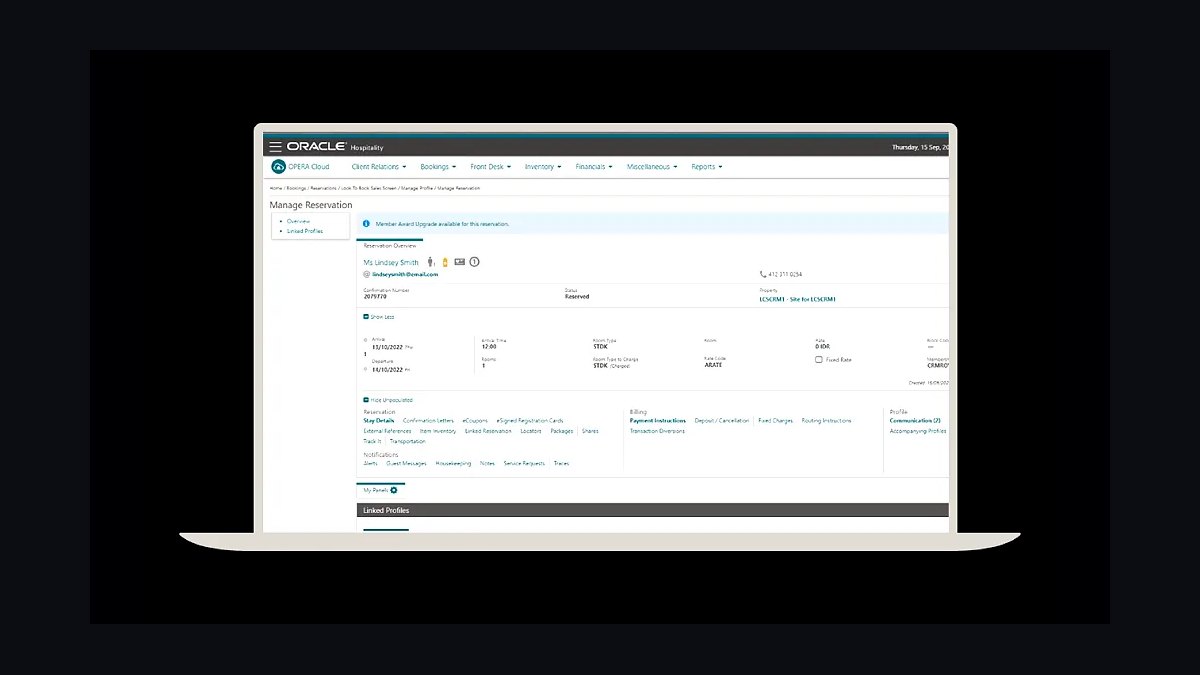
The 10 best tech stack tools for hotel brands are ranked below on measured performance, build quality, price, and how each one actually holds up in daily use rather than how it reads on a spec sheet. Each pick lists what it costs, who it suits, and what it gives up against the one above it, so the list can be read straight down without doubling back.
1Oracle OPERA Cloud PMS
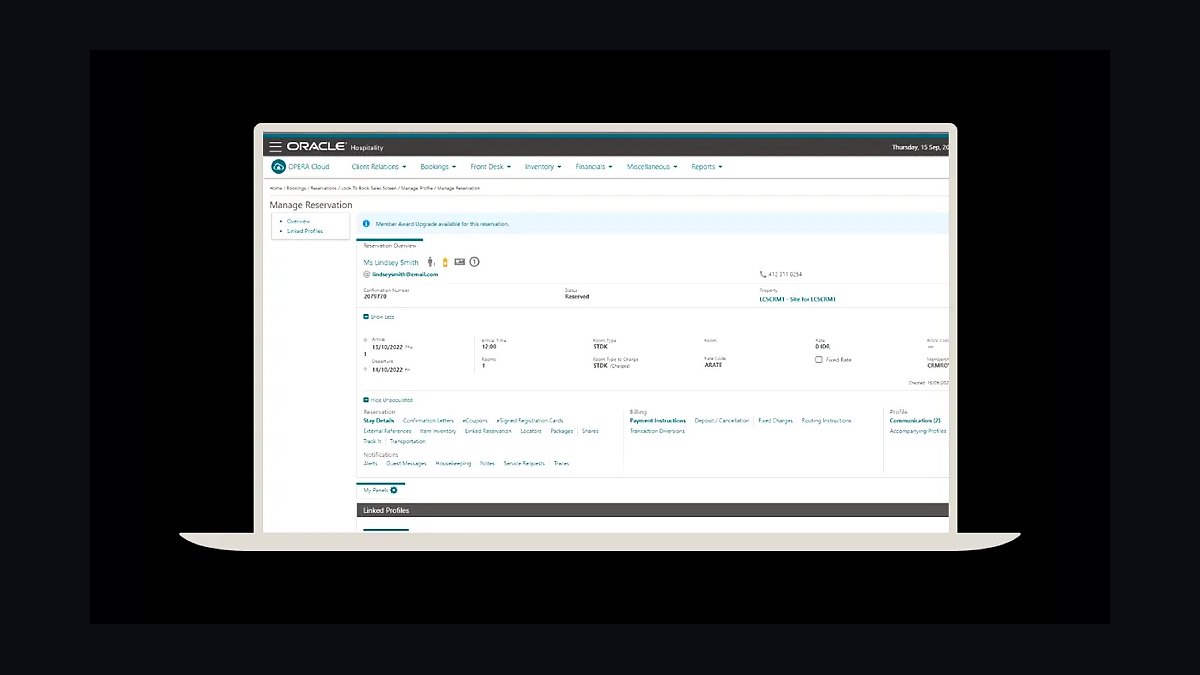
Oracle OPERA Cloud ranks first because it is the enterprise PMS standard at Marriott, Hyatt, and IHG-approved properties, with Hyatt migrating 1,000+ hotels to it. Per-property pricing runs roughly $500-$2,500/month all-in, while full-chain rollouts are quote-only seven-figure commitments. It integrates natively with Oracle Simphony, IDeaS, and Cvent, which is why full-service brands standardize on it.
It is built for enterprise full-service chains with convention, resort, and multi-property complexity, not for independents or soft brands wanting fast cloud cadence. It trades away implementation speed and price transparency for depth and Oracle ecosystem lock-in. Compared to Mews directly below, OPERA Cloud wins on scale and integration breadth but loses on API-first flexibility.
2Mews Hospitality PMS
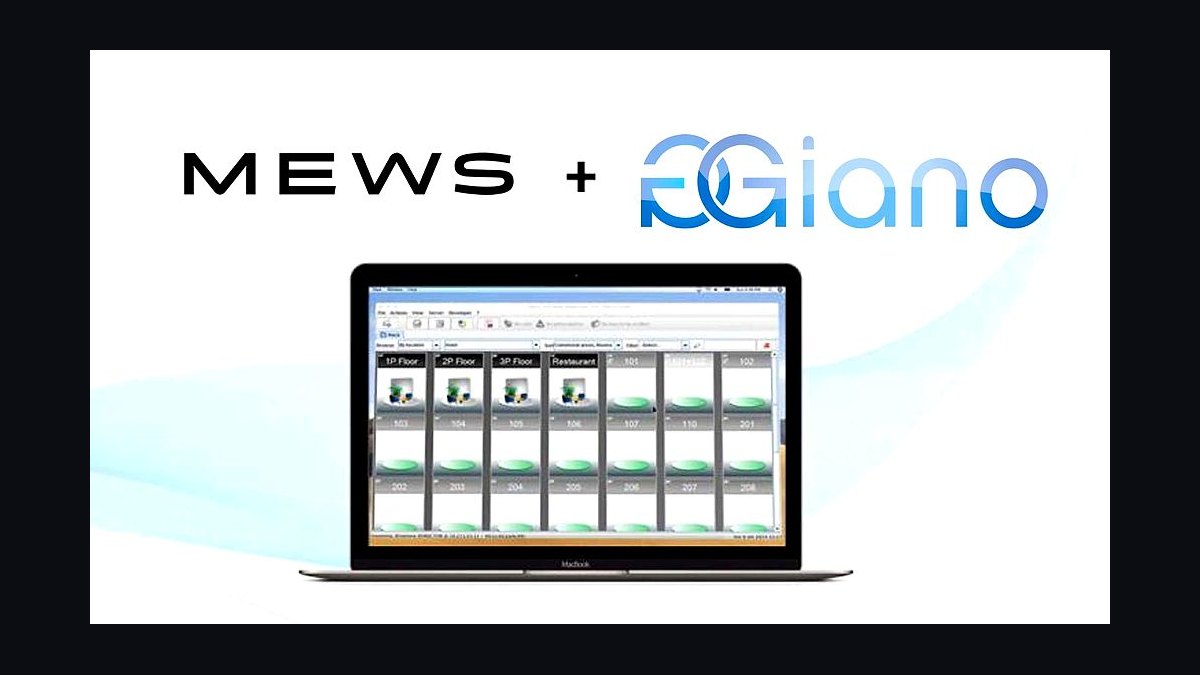
Mews ranks second as the cloud-native challenger gaining traction at lifestyle, boutique, and limited-service brands inside larger portfolios. It acquired Atomize in 2024, adding real-time price optimization directly into the Mews-centric stack. API depth and faster product cadence let brands deploy in weeks rather than the months an OPERA Cloud rollout demands.
It suits lifestyle and select-service brands that value modern APIs over Oracle's convention and resort modules. It trades away enterprise-grade group, banquet, and casino depth that OPERA Cloud handles natively. Against Sabre SynXis Property below, Mews is stronger at the property layer while SynXis owns the chain-wide reservation and distribution layer.
3Sabre SynXis Central Reservations
Sabre SynXis Central Reservations ranks third as the most widely deployed CRS, serving as the single source of truth for chain-wide availability and rates across brand.com, mobile, GDS, OTAs, voice, and call center. It is the CRS layer at Accor and Wyndham, and pricing is per-property-per-month plus transaction fees on enterprise six- to seven-figure annual contracts.
It is for chains that need one logical inventory and rate record across thousands of properties and every distribution channel. It trades away the property-level operational depth that OPERA Cloud or Mews provides, since it is a distribution and reservation layer, not a PMS. Compared to IDeaS G3 below, SynXis distributes the rate while IDeaS decides it.
4IDeaS G3 Revenue Management
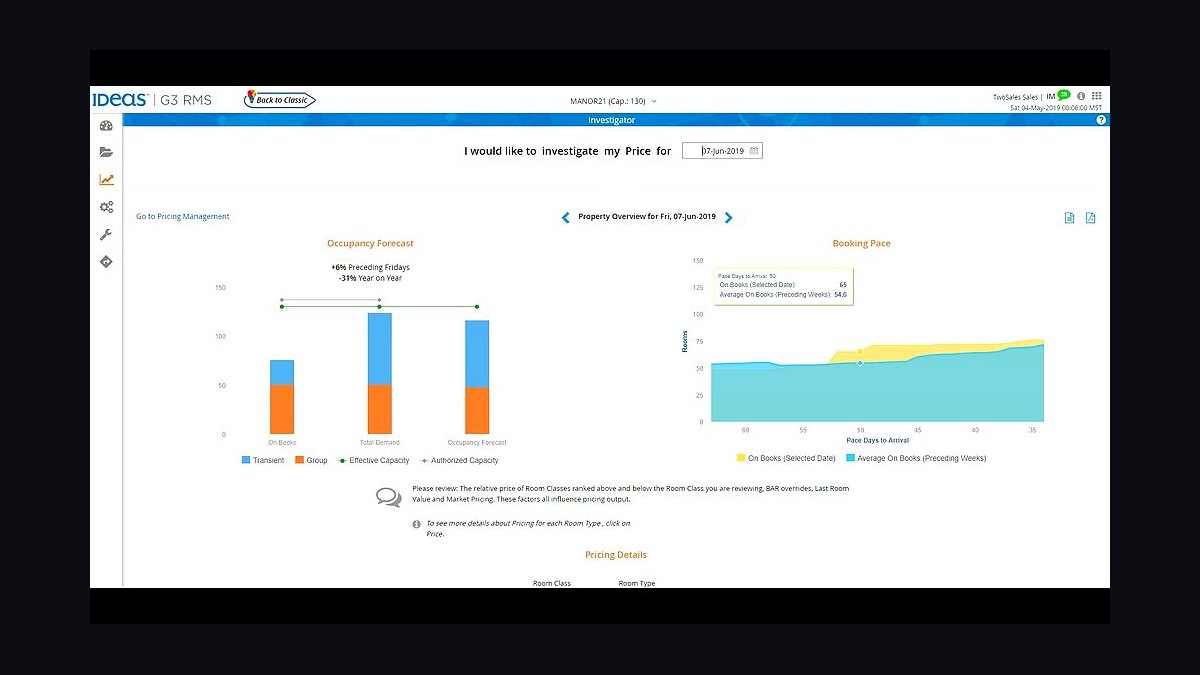
IDeaS G3 ranks fourth because it is the enterprise revenue management standard deployed across most of Marriott, Hilton, and IHG, modeling demand, displacement, and group-versus-transient mix at hundreds of price points per property per day. Enterprise pricing is quote-only and lands in the high six figures per chain annually. The multi-property demand model is what makes the AI accurate.
It is for chains that can feed portfolio-level demand signals across hundreds of properties, not single hotels running static rate cards. It trades away simplicity and fast deployment for modeling depth that only pays off at scale. Against Duetto below, IDeaS wins at enterprise full-service scale while Duetto wins at lifestyle and luxury brands wanting Open Pricing.
5Duetto Open Pricing RMS
Duetto ranks fifth as the cloud-native revenue management challenger built on Open Pricing, which yields per-channel and per-segment rather than setting one fixed rate per room type. It is deployed at Hyatt lifestyle brands alongside IDeaS elsewhere in the portfolio, and it fits brands that want segment-level yield control. It is quote-only enterprise pricing.
It is for lifestyle and luxury brands that want per-channel and per-segment rate optimization without IDeaS's full enterprise footprint. It trades away the deepest convention and group displacement modeling that IDeaS G3 handles at scale. Compared to Cendyn CRM below, Duetto sets the price while Cendyn manages the guest relationship that fills the room.
6Cendyn CRM
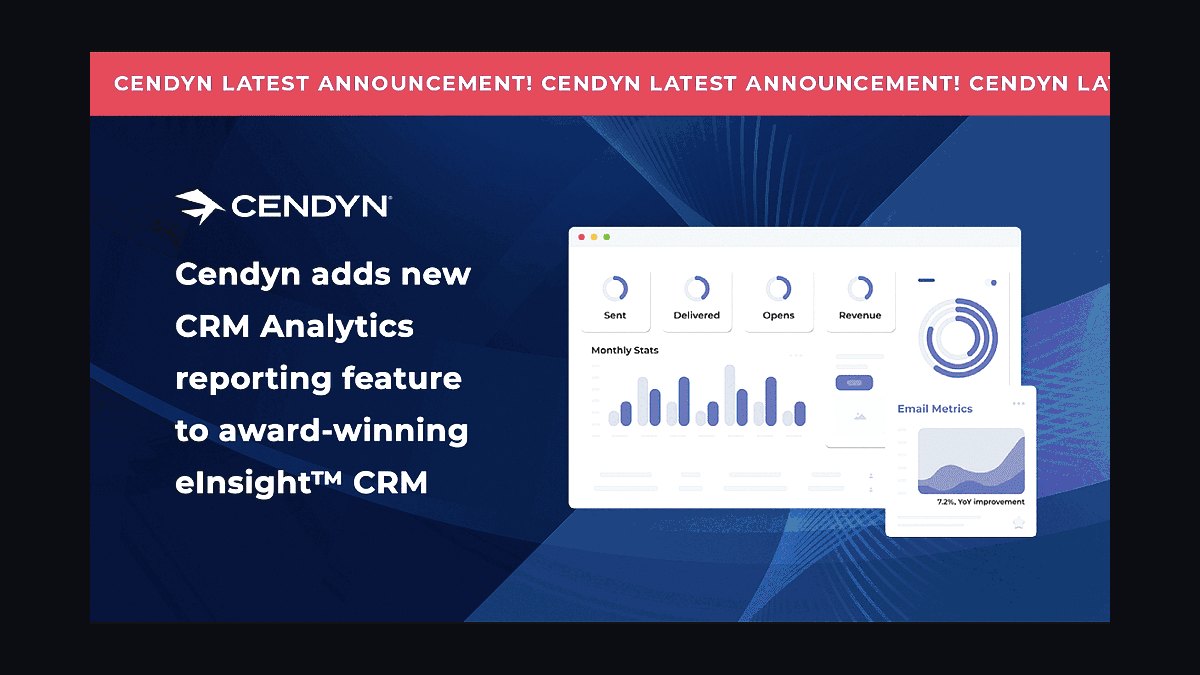
Cendyn CRM ranks sixth as the integrated hotel CRM, marketing, and CRS suite following the Pegasus merger, deployed at enterprise brands including Wyndham for marketing. It plays the system-of-record role for guest profiles, campaign execution, and pre-arrival messaging, and it also carries Guestrev and Grouprev modules. Pricing is enterprise and quote-only.
It is for chains that want CRM, marketing, and CRS capability from one vendor rather than stitching point tools together. It trades away the reputation-management specialization that Revinate owns at the property-marketing-team level. Against Revinate below, Cendyn wins at the system-of-record layer while Revinate wins at guest-profile and reputation workflows.
7Revinate Guest CRM
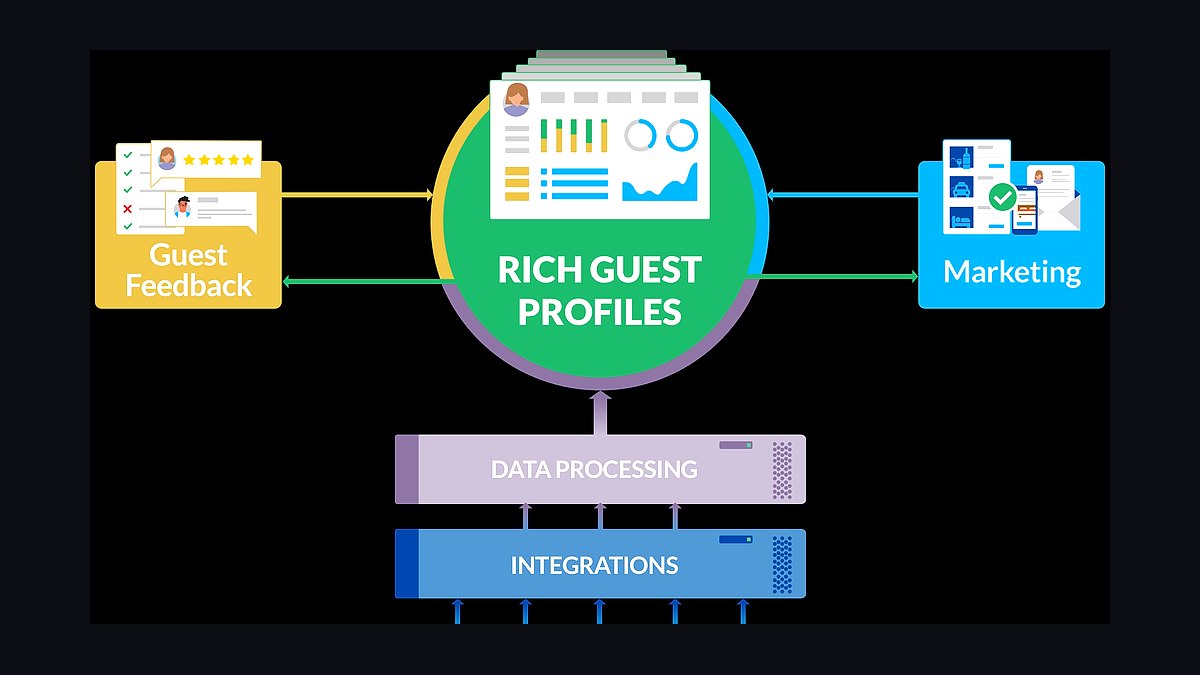
Revinate ranks seventh as the guest-profile, reputation, and email specialist used at the property-marketing-team level across branded hotels. It overlaps with Cendyn on email but wins different jobs, feeding guest profiles, review response, and pre-arrival messaging into the loyalty and CRM pipeline. Pricing is per-property and scales with portfolio size.
It is for property marketing teams that need reputation and guest-profile tooling beyond what the chain CRM provides. It trades away the CRS and system-of-record depth that Cendyn carries at the enterprise level. Compared to Oracle Simphony below, Revinate owns the guest relationship while Simphony owns the F&B transaction that posts to the folio.
8Oracle Simphony POS
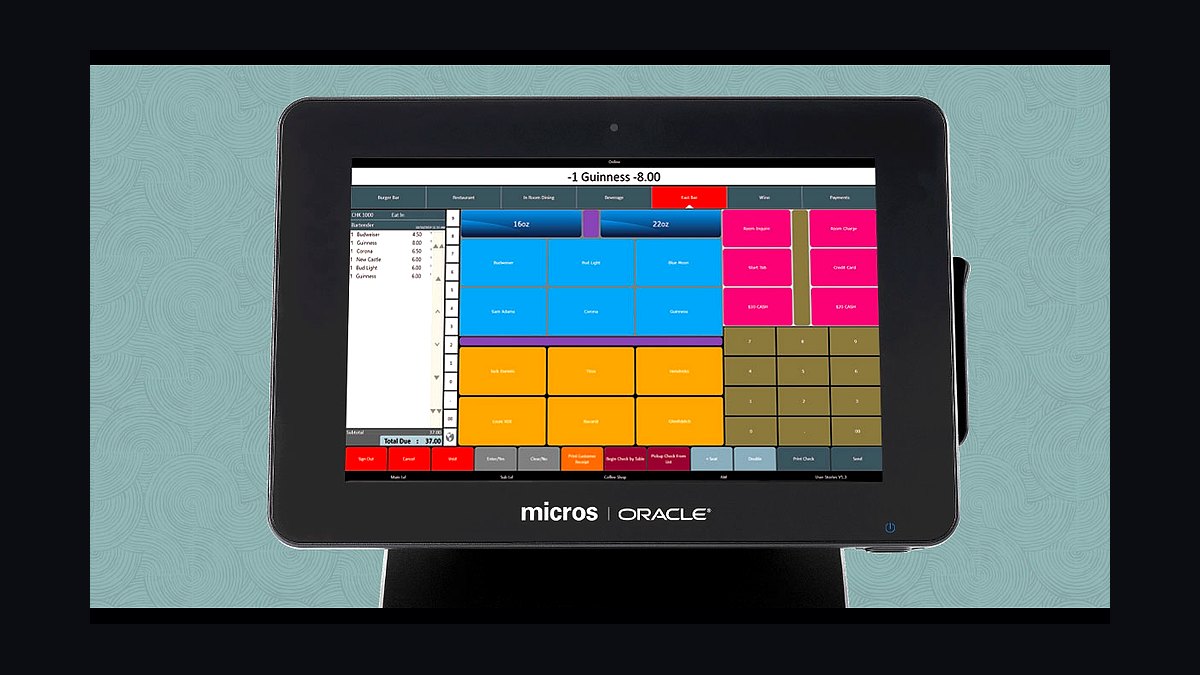
Oracle Simphony ranks eighth as the F&B point-of-sale standard at branded hotels, covering restaurants, bars, room service, and banquets with deep OPERA integration so charges post cleanly to the guest folio. Pricing runs roughly $150-$300 per terminal per month plus implementation. It is deployed at Marriott and Hilton for F&B operations.
It is for full-service branded properties where F&B is a profit center and folio posting accuracy drives margin. It trades away the casino and resort specialization that Agilysys InfoGenesis handles at those property types. Against Agilysys Spa & Golf below, Simphony owns restaurant and banquet POS while Agilysys owns spa and golf appointment and billing flows.
9Cvent Group Sales
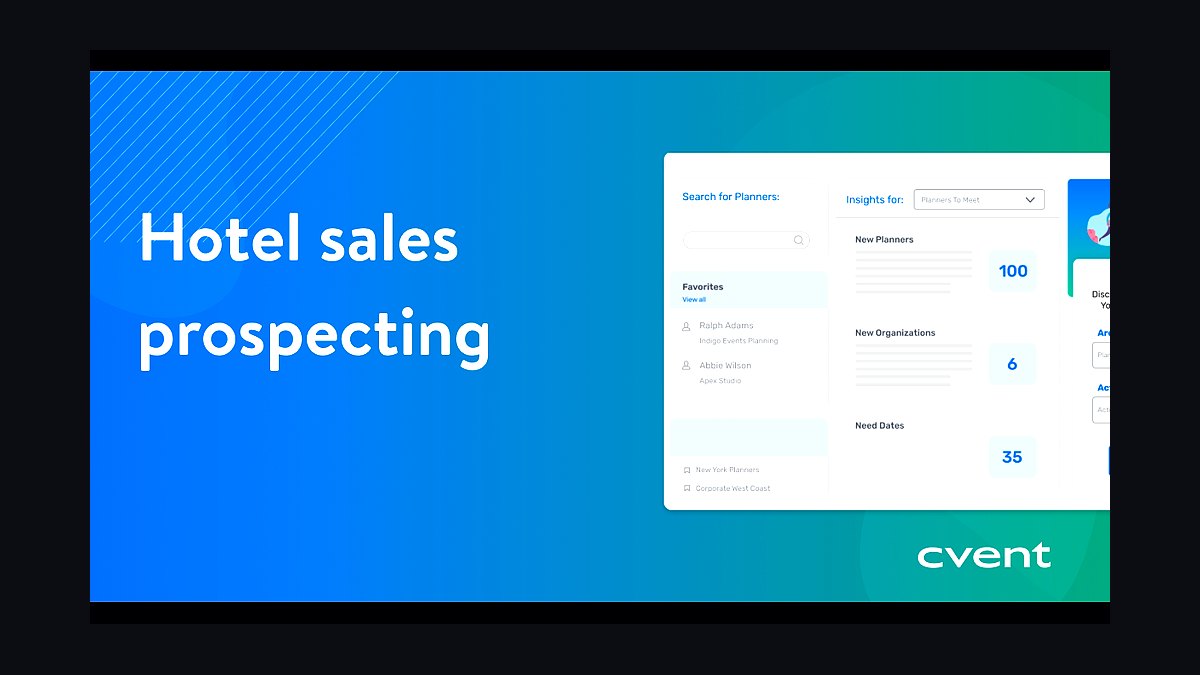
Cvent ranks ninth as the global RFP and meetings marketplace where corporate and association planners source group business, and its Transient RFP platform (formerly Lanyon) is the standard for corporate negotiated rate programs. It is deployed at Marriott, Hilton, Hyatt, and IHG for group sales. Supplier pricing is enterprise and quote-only.
It is for chains with meaningful group, meetings, and transient RFP revenue that needs a marketplace and sourcing platform. It trades away the catering and banquet execution depth that Tripleseat handles for event teams. Compared to Shift4 below, Cvent captures the group booking while Shift4 processes the payment that follows it.
10Shift4 Hospitality Payments
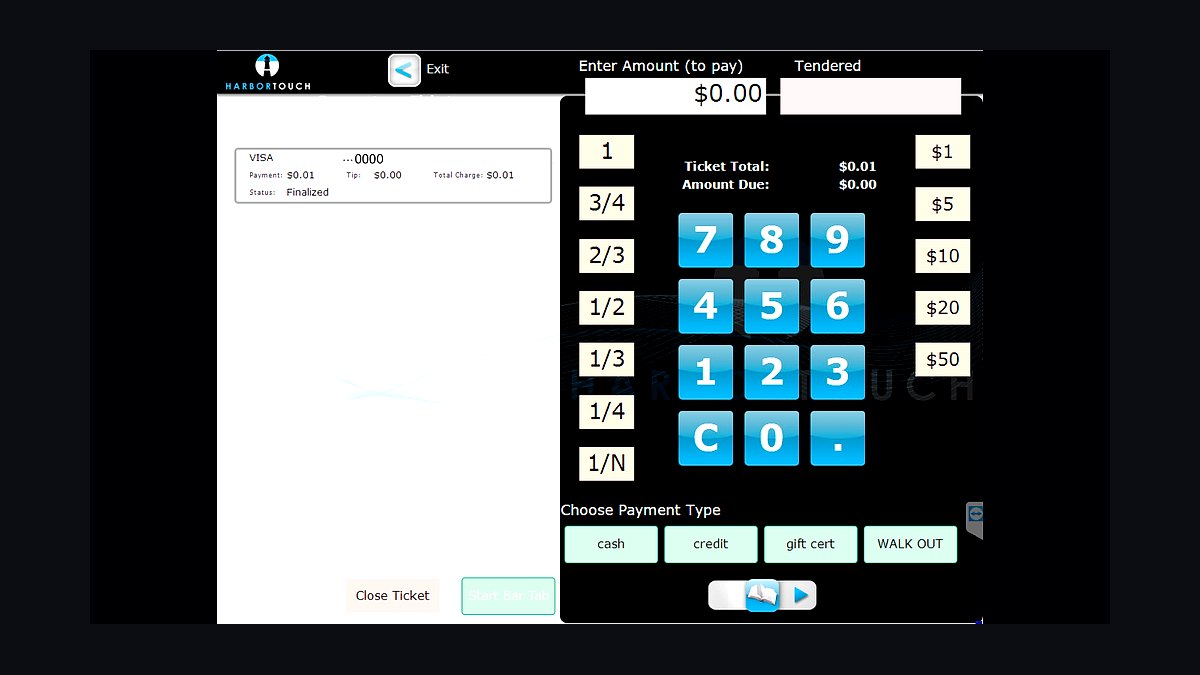
Shift4 ranks tenth as the dominant North American hospitality payments processor, with deep OPERA Cloud, Simphony, and Agilysys integrations and deployment at Marriott and Hilton. Pricing is interchange-plus, and large chains negotiate well below a 2% blended rate. It handles card-present and card-not-present flows across property and chain channels.
It is for North American chains that want one hospitality-native processor wired into the PMS, POS, and spa systems. It trades away single-platform global acquiring across many currencies, which Adyen handles better for international flows. Against Adyen, Shift4 wins on North American hospitality integration depth while Adyen wins on global multi-currency enterprise acquiring.
How we ranked these
Rankings were built by scoring each tool on five weighted factors: enterprise deployment depth at named chains, integration fidelity with PMS, CRS, and loyalty systems, revenue-management or CRM data quality, total cost of ownership at chain scale, and analyst-validated market position. Weighting favored proven multi-property deployments over feature breadth, since branded hotel operations live or die on chain-wide consistency rather than per-property capability.
Deliberately ignored: vendor marketing claims, G2-style user-review scores, and single-property case studies. Those signals skew toward independent hotels and select-service operators, not the 1,000-plus-property brand environments this page targets. Also excluded were niche tools with no verifiable chain-scale reference, and any product whose pricing could not be anchored to a public or analyst-reported range.
What to look for
What matters most is whether the tool writes to the same member and inventory record as the rest of the stack. A best-in-class revenue management engine that cannot read portfolio demand data or push rates to every channel in minutes is worse than a mediocre one that can. Integration depth beats feature checklists every time at chain scale.
The mistake most buyers make is piloting tools at a single flagship property and extrapolating chain-wide. A PMS that shines at one resort can collapse under 500 franchisee configurations, mixed brand standards, and international tax logic. Test at three properties across two brands and two countries before signing anything.
Related questions
What PMS do Marriott and Hilton actually run in 2027?
Marriott runs Oracle OPERA Cloud as its enterprise PMS standard across most brands, with a multi-property reservation layer above it. Hilton runs a heavily customized proprietary PMS layer rather than off-the-shelf OPERA. Both feed proprietary loyalty engines — Bonvoy and Honors — that no third-party platform can replicate at 180M-plus member scale.
Is Oracle OPERA Cloud worth the cost versus Mews?
OPERA Cloud wins when the chain needs deep multi-property inventory, franchisee standardization, and native Simphony F&B integration. Mews wins at lifestyle and boutique brands where cloud-native architecture and faster deployment matter more than enterprise breadth. For a 500-property full-service chain, OPERA Cloud is usually the safer long-term commitment.
How does IDeaS G3 differ from Duetto for hotel revenue management?
IDeaS G3 is the enterprise standard, deployed chain-wide at Marriott, Hilton, and IHG with deep portfolio demand modeling. Duetto's Open Pricing model is stronger at lifestyle and luxury brands that price by segment and channel rather than by room type. Both need multi-property data to work; running either property-by-property halves accuracy.
Why can't hotel brands just buy a third-party loyalty platform?
No off-the-shelf loyalty engine handles 100M-plus members, tier mechanics across 5,000-plus properties, co-brand credit card partnerships with Chase and Amex, and cross-portfolio status matching. Every major chain builds its own because loyalty is the competitive moat and the direct-booking channel that avoids 15-30% OTA commissions.
What does Cendyn CRM do that Revinate doesn't?
Cendyn CRM spans marketing, guest profiles, and CRS integration after the Pegasus merger, making it a broader operational suite. Revinate is stronger on reputation management, guest feedback, and email marketing depth. Many chains run both — Cendyn for the operational CRM layer, Revinate for reputation and direct guest communication.
Do hotel brands really need Cvent and Tripleseat both?
Yes, they solve different problems. Cvent is the global RFP marketplace where corporate and association planners source group business, plus the Transient RFP platform for negotiated rates. Tripleseat handles the actual event booking, catering, and banquet execution once the group is on property. Dropping either leaks group revenue.
How much does a full hotel brand tech stack cost per month?
A 10-100 property soft brand runs roughly $50,000-$200,000 monthly. A 100-1,000 property mid-scale chain runs $1.5M-$8M monthly. A global enterprise brand with 1,000-plus properties runs $25M-plus monthly in software, infrastructure, and integration spend. Full-service mix and international footprint drive the upper ranges.
What is the biggest integration failure in hotel brand stacks?
The PMS-to-loyalty loop. If every stay, charge, and elite-tier benefit does not apply consistently across the portfolio in near real time, members lose trust and defect to OTAs. The second-biggest is CRS-to-RMS latency — rate decisions that take hours to reach every channel sell inventory at the wrong price.
FAQ
What is the recommended hotel brand operations tech stack in 2027?
Oracle OPERA Cloud or Mews for PMS, Sabre SynXis Central Reservations or Pegasus for CRS, IDeaS G3 or Duetto for revenue management, Cendyn CRM plus Revinate for guest marketing, a proprietary loyalty engine, Oracle Simphony plus Agilysys for F&B, Cvent plus Tripleseat for group, Shift4 plus Adyen for payments, and Snowflake plus Tableau for BI.
Why is loyalty the most important layer in a hotel brand stack?
Bonvoy, Honors, World of Hyatt, IHG One Rewards, and ALL hold over a billion members combined. Direct bookings through loyalty avoid 15-30% OTA commissions, and the member database is the brand's most valuable asset. Every other system in the stack exists partly to feed and enrich that member profile.
Can a hotel brand run revenue management without portfolio data?
Technically yes, but accuracy roughly halves. IDeaS G3 and Duetto model demand, displacement, and group-versus-transient mix using multi-property signals — what happens in Dallas affects what to charge in Fort Worth. Property-by-property deployments waste the AI's core advantage and leave money on the table daily.
What is the difference between a PMS and a CRS in a hotel brand?
The PMS is the system of record for the individual stay — check-in, folio, room assignment, housekeeping. The CRS is the source of truth for chain-wide availability and rates across every distribution channel: brand.com, mobile, GDS, OTAs, voice, and call center. Both are required; neither replaces the other.
How long does a chain-wide PMS migration take?
A staged rollout across a large chain typically runs 12-36 months. Hyatt's OPERA Cloud migration across 1,000-plus properties is a multi-year program. Pilot clusters go live in 30-90 days, then waves of properties follow. The PMS and CRS cannot go dark, so cutover windows are tight and reconciliation is mandatory.
Should franchisees be allowed to pick their own PMS?
No. Brand standardization on OPERA Cloud, Mews, or a proprietary platform is what makes loyalty, revenue management, and CRM work chain-wide. Franchisee opt-outs fragment the member experience, break the data pipeline, and make portfolio-level revenue decisions impossible. Standardization is a brand requirement, not a preference.
What role does Adobe Experience Cloud play at major hotel chains?
Adobe runs the digital experience and personalization layer at Marriott, Hilton, and IHG-scale chains — brand.com, mobile app, and personalized offers driven by loyalty and booking data. It sits above Cendyn and Revinate, which handle operational CRM and reputation. Adobe deployments alone are eight-figure annual commitments at the largest chains.
How do hotel brands handle F&B and group sales technology?
Oracle Simphony plus Agilysys InfoGenesis run restaurant, bar, room service, and banquet POS with deep PMS integration. Cvent sources group RFPs and negotiated rates; Tripleseat executes event booking and catering. Full-service properties earn 30-50% of revenue outside rooms, so these are profit centers, not afterthoughts.
What payments processors do hotel brands use in 2027?
Shift4 dominates North American hospitality payments with deep OPERA Cloud, Simphony, and Agilysys integrations. Adyen is the global enterprise acquirer at Marriott and Accor for international flows and chain-level acquiring. Pricing is interchange-plus; large chains negotiate well below 2% blended on card volume.
What BI stack do hotel chains run for executive reporting?
Snowflake as the data warehouse with Tableau on top is the most common enterprise pattern. Power BI plus Databricks is the alternative at chains standardized on Microsoft. Executive dashboards cover RevPAR, ADR, occupancy, loyalty enrollment, direct-booking share, and labor cost per occupied room in one operator view.
Sources
- https://www.oracle.com/hospitality/property-management/opera-cloud/
- https://www.ideas.com/
- https://www.sabre.com/hospitality/synxis/
- https://www.cendyn.com/
- https://www.revinate.com/
- https://www.cvent.com/
- https://www.shift4.com/
- https://www.adyen.com/
- https://www.agilysys.com/
- https://www.mews.com/
Related on PULSE
This page will be disappearing soon. Save it to your device for $1 — or read it free while it is here.
@Kory-White- · if Venmo asks, the last 4 of my number are 2012
This page is gone.
This one is off the shelf now. $1 keeps it on your phone for good — the whole page, pictures and diagrams included.
 tkTop 10 Best Tech Stack Tools for Concrete and Paving Contractors in 2027
 pulse-tech-stacksTop 10 Best Tech Stack Tools for RV Dealerships in 2027
 pulse-tech-stacksTop 10 Best Tech Stack Tools for AI Observability Platform Companies in 2027
 pulse-tech-stacksTop 10 Best Tech Stack Tools for Independent Bakeries in 2027
 pulse-tech-stacksTop 10 Best Tech Stack Tools for Appliance Repair Services in 2027
 pulse-tech-stacksTop 10 Best Tech Stack Tools for Data Loss Prevention (DLP) Software Vendors in 2027
 pulse-tech-stacksTop 10 Best Tech Stack Tools for Employee Benefits Consulting Firms in 2027
 pulse-tech-stacksTop 10 Best Tech Stack Tools for Tire Shops in 2027
 pulse-tech-stacksTop 10 Best Tech Stack Tools for Independent Driving Schools in 2027
 pulse-tech-stacksTop 10 Best Tech Stack Tools for Bot Mitigation Vendors in 2027