


Top 10 Best Tech Stack Tools for Employee Benefits Consulting Firms in 2027
Quality
Certified
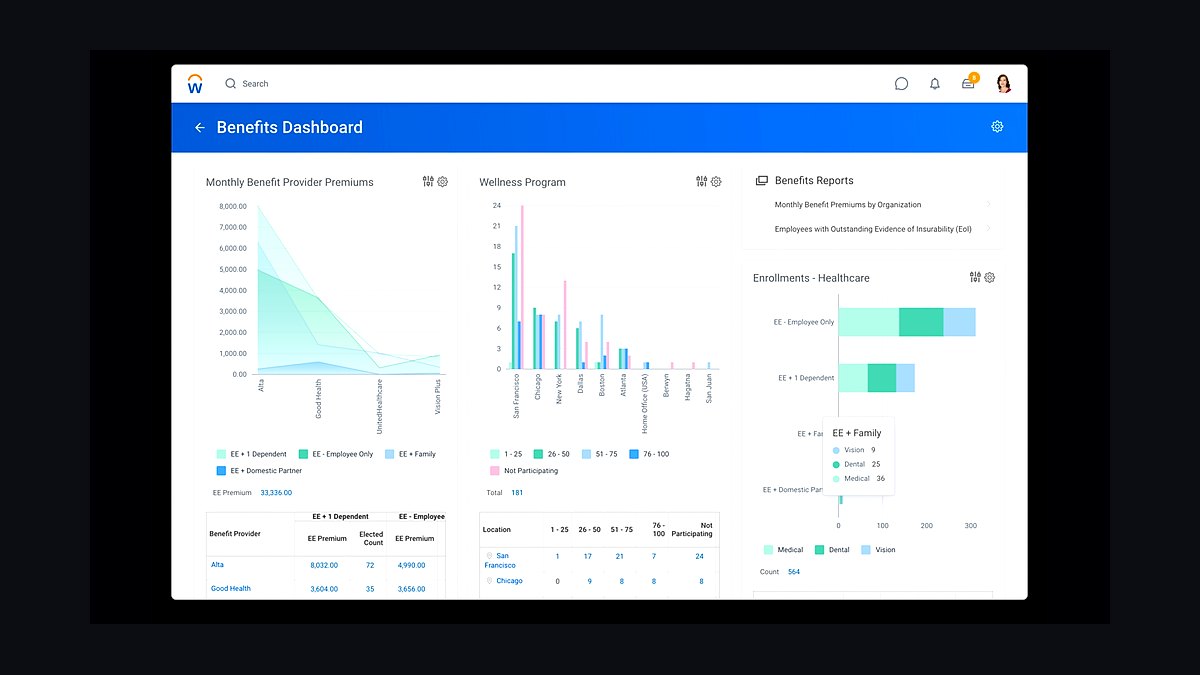
The 10 best tech stack tools for employee benefits consulting firms are ranked below on measured performance, build quality, price, and how each one actually holds up in daily use rather than how it reads on a spec sheet. Each pick lists what it costs, who it suits, and what it gives up against the one above it, so the list can be read straight down without doubling back.
1Employee Navigator
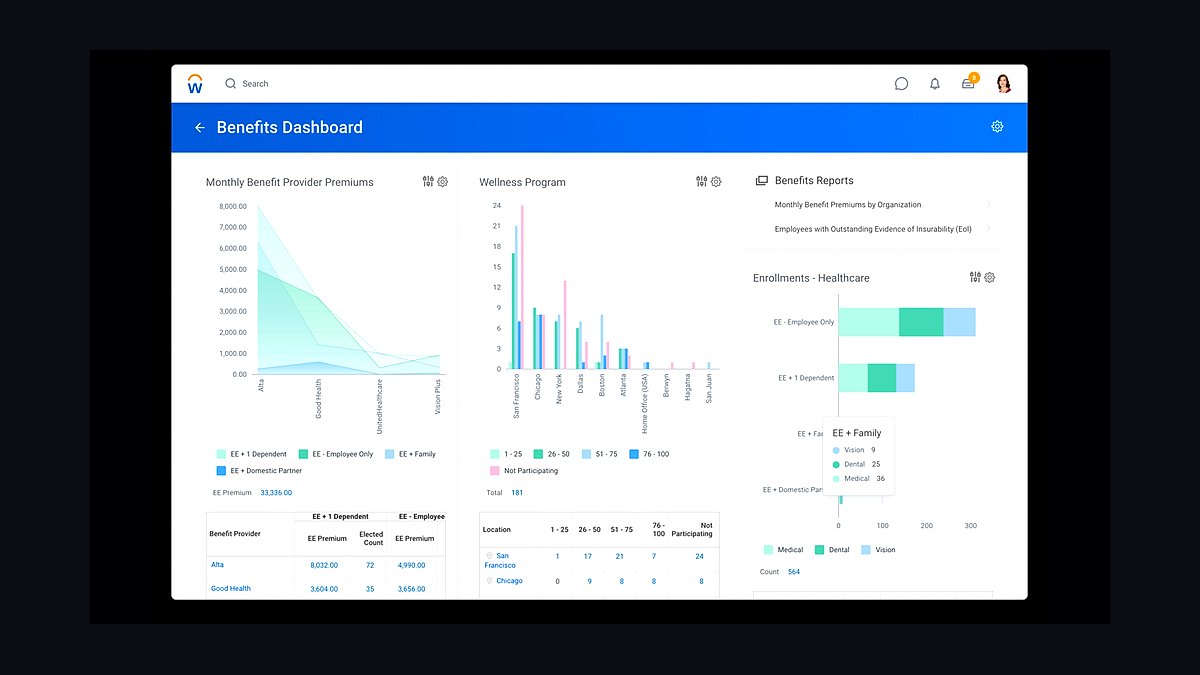
Employee Navigator ranks first because it is the enrollment platform that doubles as the retention moat, with deep carrier EDI feeds and built-in ACA 1094-C/1095-C filing from the same enrolled-lives data. It is the broker-distributed standard for mid-market groups, priced roughly $4-7 per enrolled employee per year. Once an employer's HR team and hundreds of employees are trained on it, re-platforming mid-year is painful, so the broker keeps the account.
It suits firms managing dozens to thousands of groups that want to own configuration and the client relationship. It trades away the design simplicity Ease offers small groups, and its interface is less modern than newer entrants. Compared with Ease directly below, Employee Navigator scales further into mid-market and carries stronger native ACA and carrier-feed depth, which is why it takes the top slot.
2Ease

Ease ranks second as the broker-loved ben-admin platform for small groups, winning on configuration speed and a cleaner enrollment experience than Employee Navigator. It stands up faster for a 20-life group, and its pricing is comparable on a per-enrolled-employee basis. For firms whose book skews small, Ease often delivers a better open-enrollment experience with less setup effort.
It is built for boutique and small-group-focused firms, and it trades away some of Employee Navigator's mid-market carrier-feed depth and enterprise configurability. Compared with Employee Navigator above, Ease is easier to deploy but graduates clients upward as groups grow past a few hundred lives, which is why many firms eventually run both.
3Zywave Quotit / FormFire

Zywave Quotit and FormFire rank third because renewal season is quoting season, and this suite lets a firm market a group to ten carriers in days instead of weeks. Quotit handles individual and small-group medical quoting while FormFire collects the census and medical data carriers need to underwrite. Zywave bundles the quoting suite into annual subscriptions commonly running $3,000-12,000 depending on modules and seats.
It is aimed at firms with a steady renewal calendar and enough groups to justify the subscription, and it trades away the flexibility of building custom quoting on Ideon's carrier-data APIs. Compared with Employee Navigator and Ease above, which own enrollment, this layer drives the marketing cycle that feeds those platforms, and it pairs directly with the benchmarking tool below.
4Zywave Decision Master Warehouse
Zywave Decision Master Warehouse ranks fourth because employers want to know how their plan stacks up by industry, size, and region, and this tool builds the side-by-side plan modeling, contribution strategy, and benchmarking decks consultants present at renewal. It is usually part of the Zywave bundle, so incremental cost is low once Quotit and FormFire are in place. The output is presentation-ready analytics rather than raw data.
It suits mid-size firms whose clients expect peer benchmarking at every renewal, and it trades away the self-funded claims depth that standalone tools like Artemis target. Compared with the quoting layer directly above, benchmarking is a presentation and advisory capability rather than a marketing engine, and it depends on the same Zywave subscription to be cost-effective.
5AgencyBloc
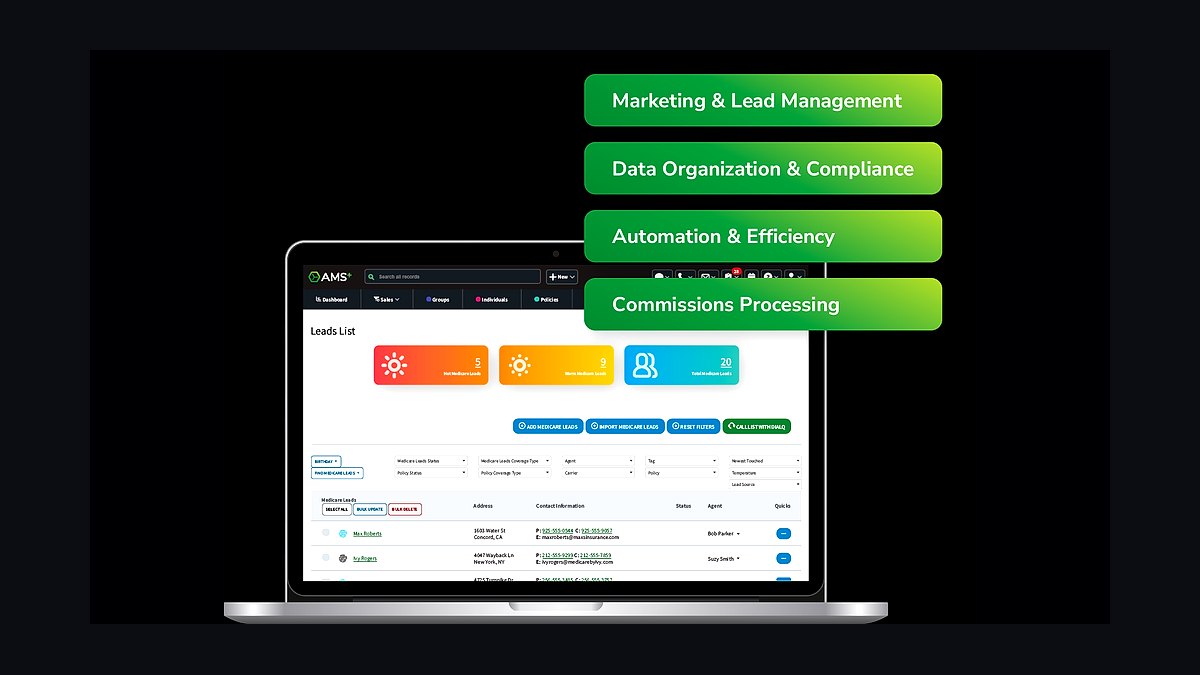
AgencyBloc ranks fifth because it is purpose-built for life-and-health agencies, automating carrier commission reconciliation down to the policy and member level, which is the layer P&C-oriented systems handle poorly. It runs roughly $70-100 per user per month plus setup, and catching carrier underpayments alone often justifies the cost. It also manages the book of business and renewal workflows in one system.
It is aimed at firms past a few hundred groups where spreadsheet reconciliation starts losing real revenue, and it trades away the heavy customization that Applied Epic offers P&C-centric shops. Compared with the Zywave analytics layer above, AgencyBloc is the revenue spine rather than the presentation layer, and its enrolled-lives data must reconcile against ben-admin records to be trustworthy.
6HubSpot
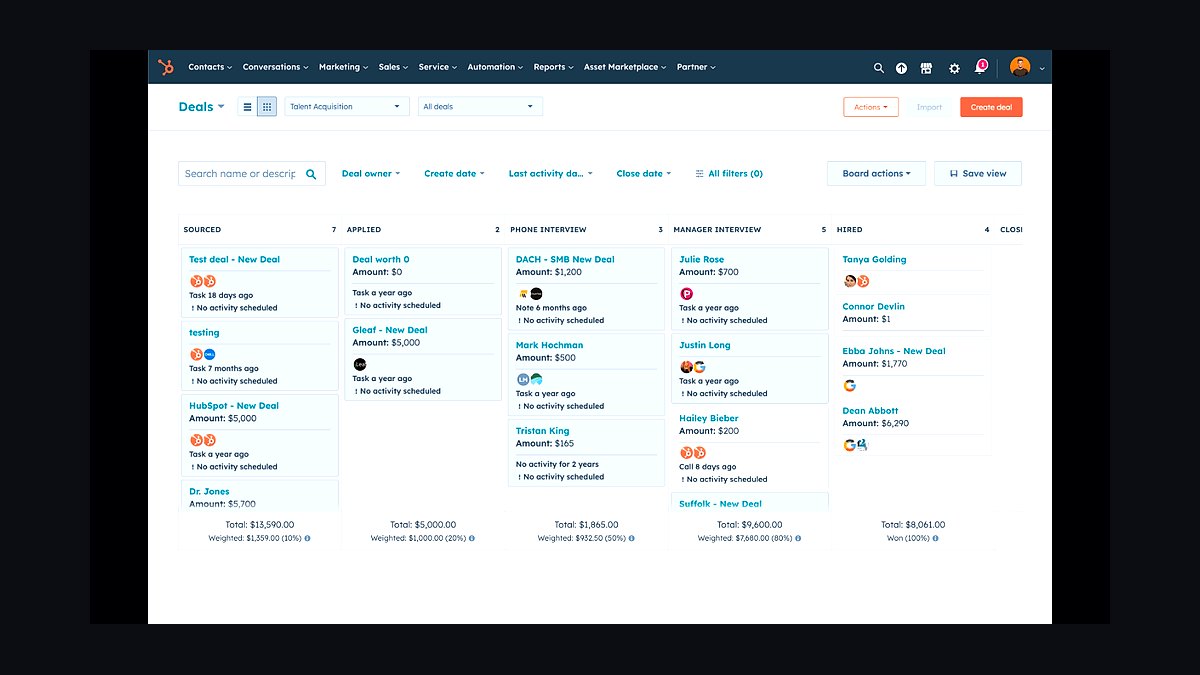
HubSpot ranks sixth because new-business prospecting and the employer-client relationship need a CRM, and HubSpot deploys quickly with strong email sequences for prospecting employers. Sales Hub Professional runs about $100 per user per month, well under Salesforce Enterprise at roughly $165. For most benefits firms it is the pragmatic pick that gets pipeline discipline in place without a long implementation.
It suits firms with an active new-business motion and no dedicated sales-ops staff, and it trades away the deep customization and warehouse integration that large brokerages need from Salesforce. Compared with AgencyBloc directly above, HubSpot owns prospecting while AgencyBloc owns the existing book, and smaller firms often skip HubSpot and run AgencyBloc's built-in CRM instead.
7Employee Navigator ACA
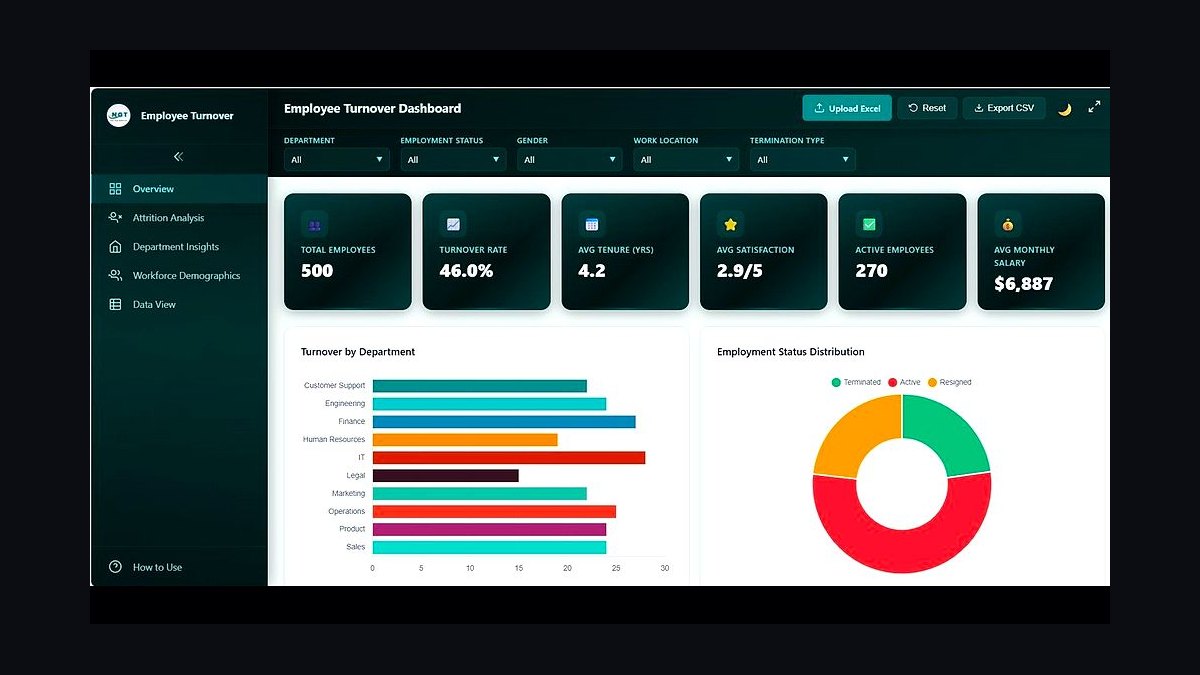
Employee Navigator ACA ranks seventh because it generates and e-files 1094-C and 1095-C forms directly from enrollment data already in the platform, eliminating the manual reconciliation that standalone filing services require. A blown 1095-C deadline exposes the client to IRS penalties, so driving filings from a single source of truth is a genuine risk reduction. Filing is typically bundled into the ben-admin fee or runs $3-5 per form.
It is for any firm with ACA-reporting obligations across its book, and it trades away the standalone support some firms want if they run ben-admin from a different vendor. Compared with HubSpot above, this is a compliance capability rather than a growth tool, and it only works if the enrollment platform below it is the authoritative record of enrolled lives.
8Mineral

Mineral ranks eighth because benefits firms increasingly bundle HR support to deepen client relationships, and Mineral gives clients a handbook builder, an HR hotline, and compliance content the broker white-labels. It is sold through brokers at wholesale per-client rates, often $300-1,200 per client per year depending on size. It is a retention play more than a profit center, which is exactly how it should be positioned.
It suits firms that want to be a one-stop employer back office without building HR advisory in-house, and it trades away depth compared with dedicated employment-law counsel. Compared with the ACA module above, Mineral broadens the relationship beyond benefits compliance, and it pairs naturally with a payroll or HRIS reselling motion at the same client.
9Jellyvision ALEX
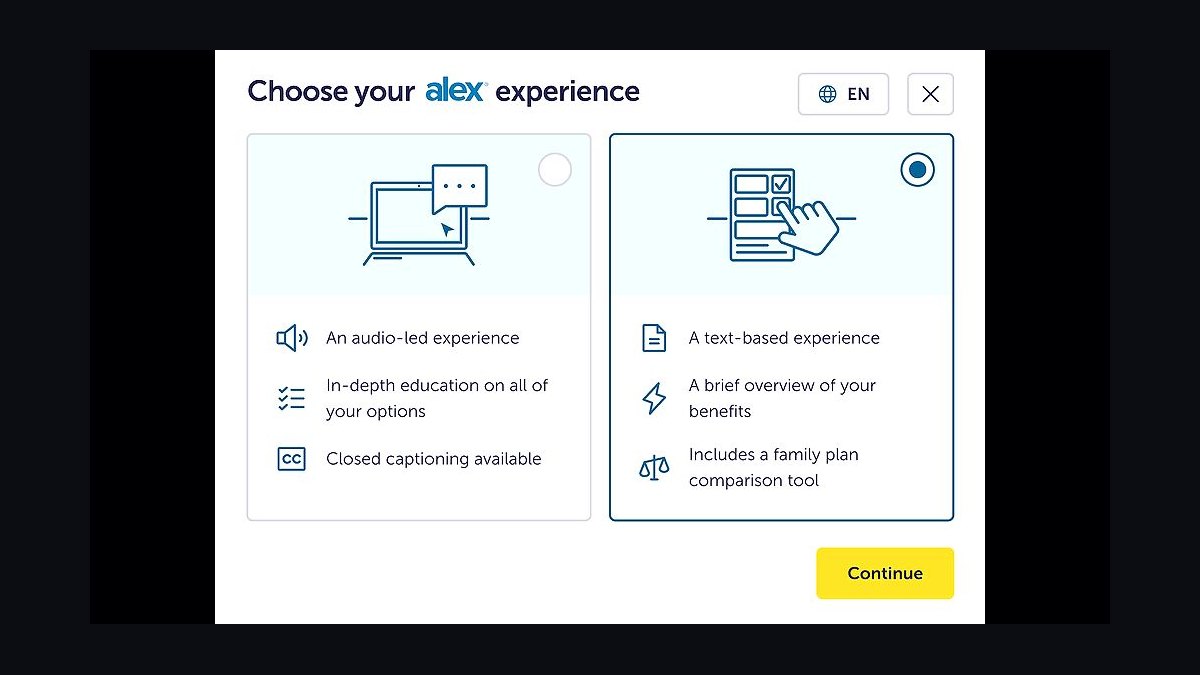
Jellyvision ALEX ranks ninth because employees struggle to choose plans at open enrollment, and ALEX walks each one through a conversational decision-support flow that recommends a plan based on their situation. Better decisions mean fewer regrets, higher voluntary-benefit uptake, and a happier client at renewal. Pricing is typically per-employee-per-year, often $1-4 PEPY, and frequently subsidized by voluntary-benefit carriers.
It suits mid-size and larger groups where employees face several plan options, and it trades away the claims-data-driven personalization that Nayya offers as an alternate. Compared with Mineral above, ALEX touches the employee rather than the employer, and it only pays off when the enrollment platform beneath it can absorb the resulting elections cleanly.
10Microsoft Power BI
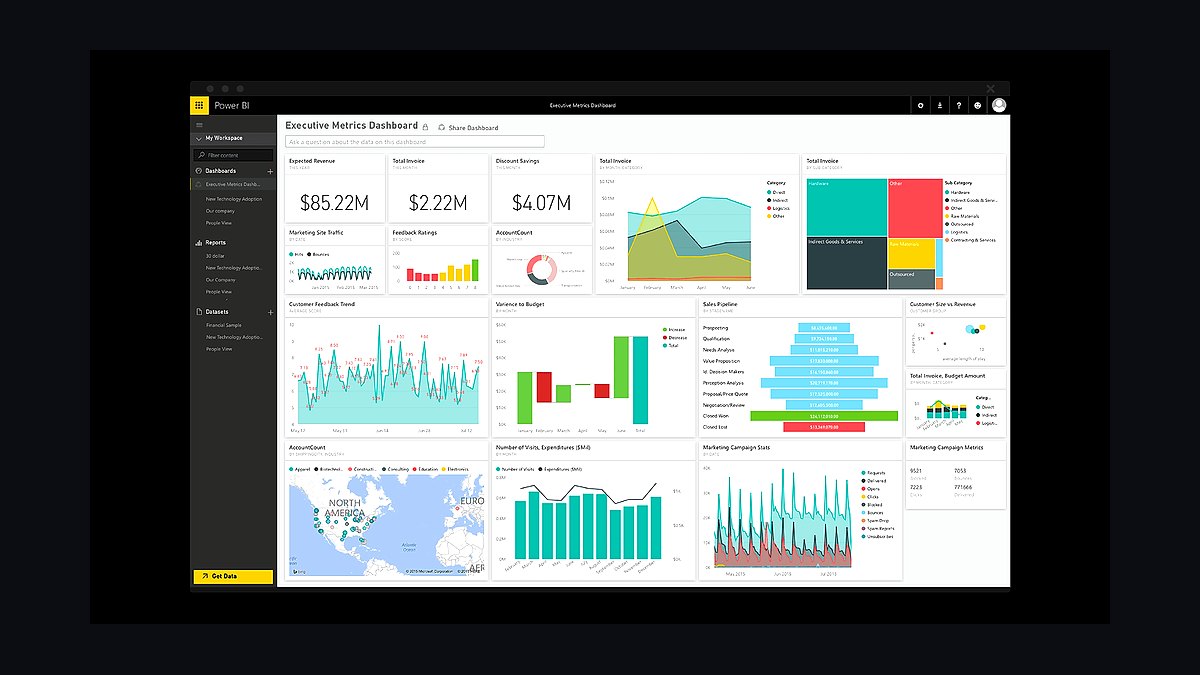
Microsoft Power BI ranks tenth because once commissions sit in AgencyBloc, enrollment in the ben-admin platform, and pipeline in the CRM, leadership wants book-of-business, retention, and revenue-per-client dashboards. At roughly $14 per user per month, it is cost-effective given most firms already run Microsoft 365. It turns scattered operational data into renewal and retention visibility.
It is for firms above roughly 20 staff with multiple data sources worth combining, and it trades away the setup simplicity of reporting straight out of AgencyBloc. Compared with Jellyvision ALEX above, Power BI serves leadership rather than employees, and below this size the honest answer is to skip BI and run reports from the agency management system.
How we ranked these
We ranked tools by weighting five factors: depth of benefits-specific functionality (30%), integration with carrier EDI feeds and payroll systems (25%), total cost of ownership at typical firm sizes (20%), compliance coverage for ACA/ERISA/5500 (15%), and implementation and support burden (10%). Scores came from vendor documentation, published pricing, G2 and Capterra reviews, and operator interviews across solo, mid-size, and enterprise benefits firms.
We deliberately ignored brand prestige, generic CRM feature breadth, and any tool whose primary market is property-and-casualty insurance rather than group benefits. We also excluded speculative 2027 roadmap promises, venture funding totals, and analyst quadrant placement, since those rarely predict renewal-season performance. Tools were judged on what a benefits firm can deploy and support today, not on marketing claims about future AI capabilities.
Related questions
Why is the enrollment platform considered the product rather than back-office software?
Because the employer client and its employees interact with the enrollment portal directly, it becomes the visible deliverable of the consulting relationship. Once HR teams and employees are trained on it and it feeds payroll deductions and carrier eligibility, switching brokers means re-platforming mid-year, which most employers refuse to do. That stickiness is the retention moat.
How does the annual open-enrollment cycle shape which tools a benefits firm needs?
Every group renews on a calendar, and each renewal triggers census gathering, carrier quoting, plan comparison, and benchmarking. The workload spikes hard around Q4 for January-1 effective dates, so the stack must absorb seasonal peaks. Quoting engines, underwriting data collection, and decision-support tools exist specifically to compress that cycle from weeks to days.
What does AgencyBloc do that a generic CRM cannot?
AgencyBloc is purpose-built for life-and-health agencies, tracking carrier commissions down to the policy and member level and automating reconciliation against enrolled lives. Generic CRMs track pipeline but not commission statements, so underpayments go unnoticed. For benefits firms paid largely by carrier commissions, that reconciliation alone often justifies the subscription cost.
Do small benefits firms really need a separate quoting platform like Zywave Quotit?
Not always. Solo brokers can often get by with carrier portals for small-group quotes, especially when writing only a handful of groups per season. Quotit and FormFire pay off once a firm markets multiple groups to many carriers simultaneously, because they centralize census collection, underwriting data, and side-by-side plan comparison in one workflow.
How do ACA and ERISA reporting obligations change the tech stack?
Group health plans require 1094-C and 1095-C filing, Form 5500 preparation, ERISA wrap documents, COBRA administration, and nondiscrimination testing. Missing deadlines exposes clients to IRS penalties, so compliance is table stakes rather than optional polish. Integrated ben-admin platforms generate ACA forms from enrollment data, while Zywave and Mineral handle ERISA documents and regulatory bulletins.
What role do decision-support tools like Jellyvision ALEX and Nayya play?
They sit between the enrollment platform and the employee, walking each person through plan selection with conversational guidance or claims-based recommendations. Better decisions reduce post-enrollment regret, increase voluntary-benefit uptake, and make the employer happier at renewal. Pricing typically runs per-employee-per-year and is often subsidized by voluntary carriers eager to boost enrollment.
When should a benefits firm move from Employee Navigator or Ease to bswift or PlanSource?
The trigger is usually landing an employer above roughly 1,000 lives with complex eligibility rules, multiple legal entities, or call-center support requirements. At that scale, mid-market platforms strain, and enterprise ben-admin with a benefits service center becomes necessary. Most firms should not buy enterprise platforms speculatively, since pricing is negotiated and implementation is heavy.
Is a data warehouse and BI layer worth it for a mid-size benefits firm?
Below roughly 20 staff, reporting out of AgencyBloc and the ben-admin platform is usually sufficient. Once a firm runs multiple systems and wants book-of-business dashboards, retention rates, and revenue-per-client views, Power BI at about $14 per user per month is the pragmatic entry point. Tableau and Looker only make sense with a real warehouse behind them.
FAQ
What is the single most important tool in a benefits consulting tech stack?
The benefits administration and online enrollment platform, typically Employee Navigator or Ease. It is the tangible product deployed into employer clients, the system employees and HR teams touch, and the data spine feeding renewals, ACA reporting, and carrier feeds. Get this layer right and the rest of the stack integrates around it.
How much should a mid-size benefits firm budget annually for its tech stack?
A 40-150 person regional firm running Employee Navigator, Zywave, AgencyBloc, HubSpot, and a decision-support tool typically spends somewhere between $50,000 and $200,000 per year depending on enrolled lives and module selection. Ben-admin runs $4-7 per enrolled employee annually, Zywave bundles run $3,000-12,000, and AgencyBloc runs $70-100 per user monthly.
Can a benefits firm run on Ease instead of Employee Navigator?
Yes, and many small-group-focused firms do. Ease is generally easier to stand up and has a more modern interface, which suits brokers writing small groups and wanting fast implementations. Employee Navigator has deeper carrier EDI coverage and stronger mid-market ACA tooling. The right pick depends on your average group size and carrier mix.
What is the biggest implementation risk in a benefits tech stack?
Carrier and payroll data feeds. Native connectors to ADP, Paychex, Gusto, and major carriers exist, but configuration gaps cause eligibility errors, missed deductions, and reconciliation headaches. Budget services time and test feeds before open enrollment rather than during it. Most failed implementations trace back to feed configuration, not platform capability.
Do benefits firms need both AgencyBloc and a separate CRM like HubSpot?
Often yes, because they serve different purposes. AgencyBloc manages the existing book, commissions, and renewals, while HubSpot drives new-business prospecting and employer outreach. Smaller firms frequently skip HubSpot and use AgencyBloc's built-in CRM, accepting weaker marketing automation in exchange for one less system to maintain and pay for.
How does ICHRA fit into a benefits firm's technology planning?
ICHRA lets employers reimburse employees for individual coverage, which shifts some work toward individual-market quoting and compliance documentation. Zywave Quotit handles individual quoting, and ben-admin platforms increasingly support ICHRA administration. Firms exploring this space should confirm their enrollment and compliance tools can handle reimbursement workflows before pitching ICHRA to clients.
What should a solo benefits broker's minimum viable stack look like?
Ease or Employee Navigator for enrollment, AgencyBloc or its built-in CRM for the book and commission tracking, QuickBooks Online for accounting, and DocuSign for signatures. Skip quoting suites, BI tools, and data warehouses until volume justifies them. This stack typically costs a few hundred dollars per month and covers everything a solo broker actually needs.
How is AI changing benefits administration platforms in 2027?
Vendors are embedding AI into plan recommendation, claims prediction, and compliance document review, but the practical impact so far is incremental. Decision-support tools like Nayya already use claims data to personalize recommendations. Buyers should evaluate AI features on measurable outcomes like enrollment accuracy and call deflection, not on vendor demos or roadmap slides.
Should a benefits firm build its own quoting engine using Ideon APIs?
Only if quoting is a genuine competitive differentiator and the firm has engineering resources to maintain it. Ideon provides carrier plan and rate data via API, but building a quoting experience on top requires ongoing carrier integration work and compliance upkeep. Most firms are better served buying Zywave Quotit or FormFire and focusing internal resources on advisory work.
How do benefits firms measure whether their tech stack is actually working?
Track renewal retention rate, enrolled-lives per account manager, time-to-quote during peak season, commission reconciliation accuracy, and open-enrollment completion rates. If retention is high and account managers are not drowning in manual data entry during Q4, the stack is doing its job. Rising service tickets during enrollment usually signal a feed or configuration problem.
Sources
- https://www.employeenavigator.com/
- https://www.ease.com/
- https://www.zywave.com/
- https://www.agencybloc.com/
- https://www.jellyvision.com/
- https://www.nayya.com/
- https://www.bswift.com/
- https://www.g2.com/categories/benefits-administration
- https://www.shrm.org/topics-tools/news/benefits-compensation
- https://www.dol.gov/general/topic/health-plans
Related on PULSE
This page will be disappearing soon. Save it to your device for $1 — or read it free while it is here.
@Kory-White- · if Venmo asks, the last 4 of my number are 2012
This page is gone.
This one is off the shelf now. $1 keeps it on your phone for good — the whole page, pictures and diagrams included.
 pulse-tech-stacksTop 10 Best Tech Stack Tools for RV Dealerships in 2027
 pulse-tech-stacksTop 10 Best Tech Stack Tools for Garden Centers and Nurseries in 2027
 pulse-tech-stacksTop 10 Best Tech Stack Tools for AI Translation API Companies in 2027
 pulse-tech-stacksTop 10 Best Tech Stack Tools for Audiology and Hearing Aid Practices in 2027
 pulse-tech-stacksTop 10 Best Tech Stack Tools for Software Development Agencies in 2027
 pulse-tech-stacksTop 10 Best Tech Stack Tools for Independent Landscaping Companies in 2027
 tkTop 10 Best Tech Stack Tools for Concrete and Paving Contractors in 2027
 pulse-tech-stacksTop 10 Best Tech Stack Tools for Independent Roofing Contractors in 2027
 pulse-tech-stacksTop 10 Best Tech Stack Tools for Plastics and Injection Molding Manufacturers in 2027
 pulse-tech-stacksTop 10 Best Tech Stack Tools for Medical Billing and RCM Companies in 2027