


Top 10 Best Tech Stack Tools for Cannabis Retail Dispensaries in 2027
Quality
Certified
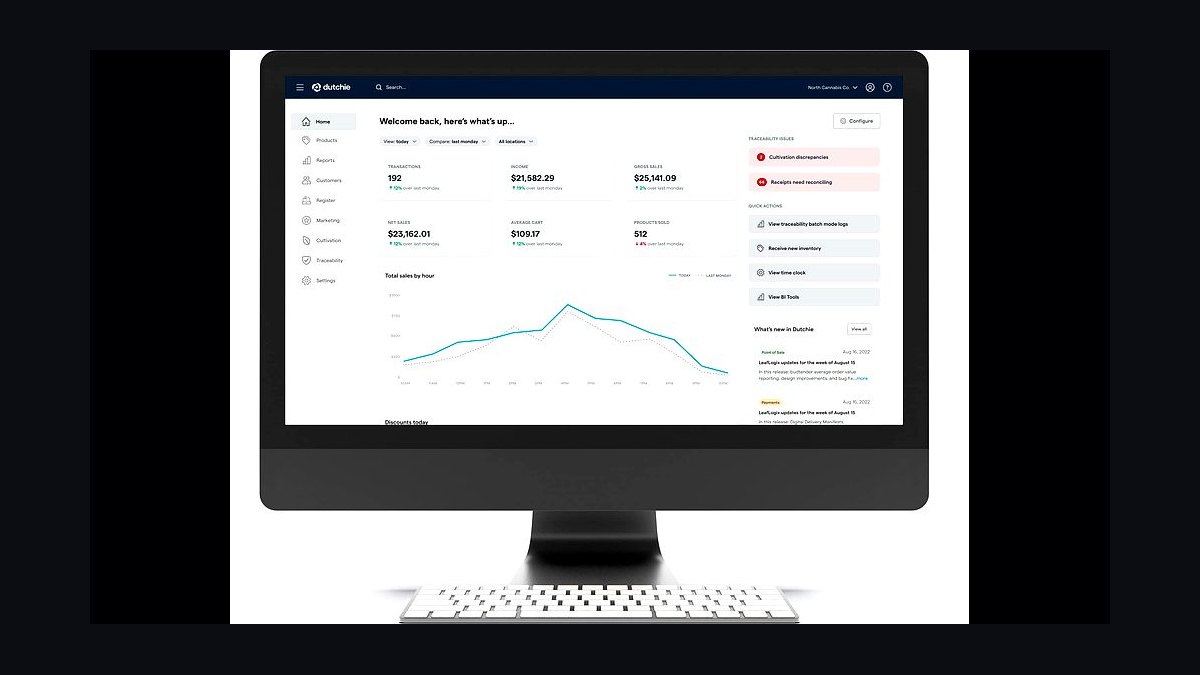
The 10 best tech stack tools for cannabis retail dispensaries are ranked below on measured performance, build quality, price, and how each one actually holds up in daily use rather than how it reads on a spec sheet. Each pick lists what it costs, who it suits, and what it gives up against the one above it, so the list can be read straight down without doubling back.
1Dutchie Cannabis POS
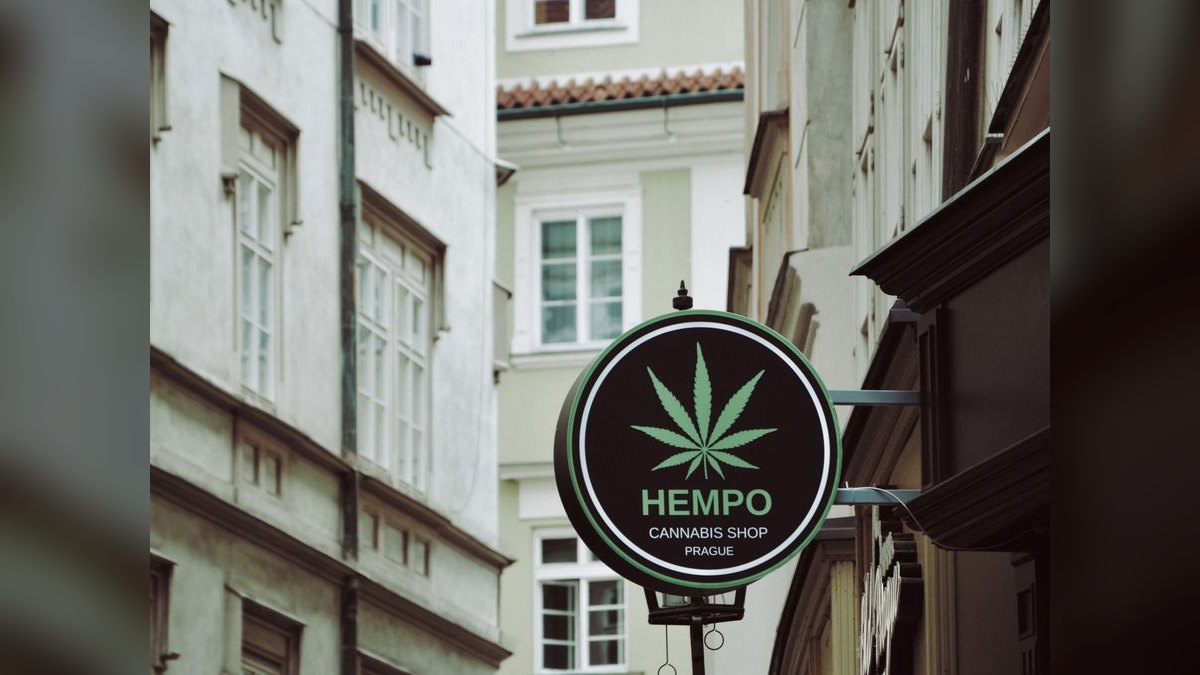
Dutchie ranks first because it powers the majority of licensed dispensaries in North America, bundling in-store checkout, online ordering, embedded menu, and the certified Metrc push in one platform. Entry tiers start near $500 per month per location, with custom enterprise quotes for multi-state operators. Integration depth, not feature count, is the selection criterion that matters.
This suits single-state operators and MSOs wanting the safe default with the broadest integration ecosystem. It trades away some California-specific bundling that Treez offers natively with Treez Pay. Compared to Treez directly below, Dutchie wins on installed base and e-commerce depth; Treez wins on California market fit.
2Treez Cannabis POS
Treez ranks second as the strongest alternative for California-heavy operators, bundling Treez Pay natively inside the register rather than routing through a third-party cashless rail. That native payment integration removes a vendor relationship and a reconciliation seam. It competes directly with Dutchie on the core POS, e-commerce, and Metrc connector layers.
This fits California operators and shops wanting payments tightly coupled to checkout. It trades away Dutchie's larger installed base and broader third-party integration ecosystem. Against Flowhub below, Treez is stronger on payments bundling; Flowhub is stronger for Colorado independents at lower monthly tiers.
3Flowhub Cannabis POS
Flowhub ranks third as the common POS among Colorado independents, sitting in roughly the $499 to $1,099 monthly band depending on tier and store count. It carries a certified Metrc connector and native loyalty hooks, which are the two integration requirements that actually determine whether a POS is usable in a regulated market. Feature-list length is not the deciding factor.
This suits single-store and small-chain Colorado operators who want a proven regional platform. It trades away the e-commerce depth and installed base of Dutchie and Treez. Compared to Cova below, Flowhub is stronger in Colorado; Cova is stronger in Canada and smaller US shops at a lower price point.
4Cova Cannabis POS

Cova ranks fourth as the budget-conscious POS competing in Canada and smaller US dispensaries, priced around $349 to $599 monthly. It carries state and provincial track-and-trace integrations and covers the core register, inventory, and compliance functions a single store needs. The lower price point is the primary reason operators shortlist it.
This suits small shops and Canadian operators watching software spend carefully. It trades away the deeper e-commerce, menu syndication, and integration ecosystem of Dutchie and Treez. Against Flowhub above, Cova is cheaper; Flowhub carries more Colorado-specific operator adoption and a wider monthly tier range.
5Metrc Track-and-Trace

Metrc ranks fifth because it is the regulator's system in roughly two dozen states including Colorado, California, Michigan, Massachusetts, Oregon, Nevada, and Illinois. Tags are billed by the state at about $0.45 per plant tag and $0.25 per package tag. It is not a vendor decision; your only choice is whether your POS carries a certified connector.
This is mandatory for operators in Metrc states, and there is no substitute or workaround. It trades away nothing because it is not optional, but it demands daily reconciliation discipline to avoid orphaned tags. Compared to BioTrack below, Metrc covers more states; BioTrack covers Washington, New York, and most of the remainder.
6BioTrack Seed-to-Sale
BioTrack ranks sixth as the state-mandated track-and-trace system covering most markets where Metrc is not required, including Washington and New York. Operators entering a BioTrack state cannot assume their Metrc-state stack transfers cleanly, because packaging, labeling, and purchase-limit rules differ enough to require integration work per state.
This is mandatory for operators in BioTrack states, and the only real decision is connector certification on the POS side. It trades away nothing since it is regulator-imposed, but it forces per-state integration budgeting. Compared to Metrc above, BioTrack covers fewer states but is equally non-negotiable where it applies.
7Aeropay Cannabis Payments
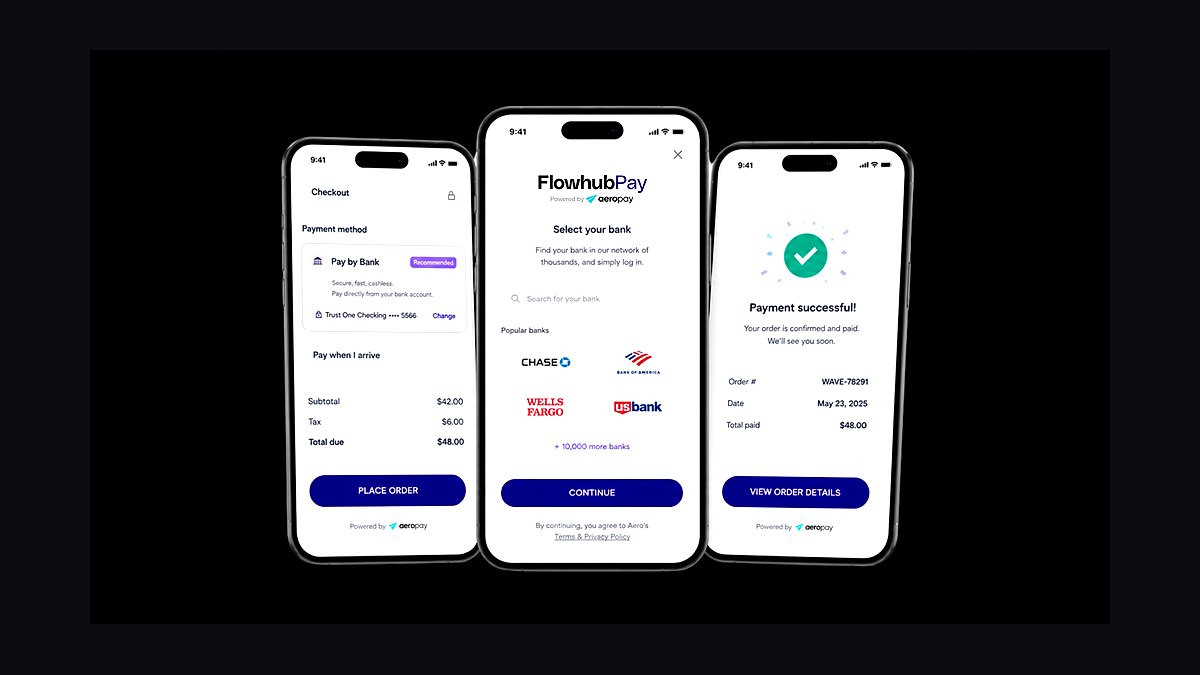
Aeropay ranks seventh because the four major card networks plus Stripe, Square, and Shopify Payments refuse cannabis merchant category codes, forcing dispensaries onto specialty rails. Aeropay prices in the low single-digit percentage per transaction depending on volume, running on ACH pull. It is a peer to Hypur and Treez Pay rather than a unique capability.
This suits operators needing a compliant cashless rail alongside a genuinely functional cash operation. It trades away mainstream card acceptance, which no cannabis vendor can provide. Compared to Treez Pay, Aeropay is rail-agnostic and works with any POS; Treez Pay is native only inside Treez.
8springbig Cannabis Loyalty

springbig ranks eighth because mainstream platforms like Klaviyo and Attentive will not onboard cannabis SMS senders, making cannabis-native loyalty a primary revenue channel rather than a nice-to-have. It is the faster deployment with simpler mechanics, commonly a few hundred to low four figures monthly by store count. It handles carrier-required cannabis messaging compliance.
This suits single stores and small chains wanting quick loyalty launch without deep segmentation complexity. It trades away the deeper automation and reporting that multi-store operators eventually need. Compared to Alpine IQ below, springbig deploys faster; Alpine IQ segments deeper at higher contact-volume pricing.
9Alpine IQ Cannabis Loyalty

Alpine IQ ranks ninth as the deeper segmentation and automation platform typically chosen at multi-store scale, running higher than springbig by contact volume. It appears across several large banners because it handles the segmentation complexity that single-store tools cannot. Like springbig, it carries the cannabis SMS compliance mainstream vendors refuse to touch.
This suits regional chains and MSOs operating multiple banners with real segmentation needs. It trades away the fast, simple deployment that makes springbig attractive to single stores. Against springbig above, Alpine IQ is more powerful; springbig is cheaper and quicker to stand up.
10Wurk Cannabis Payroll

Wurk ranks tenth because ADP, Paychex, and Gusto refuse cannabis employers in many states or off-board mid-contract, leaving a cannabis-native gap for HR, payroll, time, and benefits. It is priced per employee per month plus a platform fee, with tip and cash-handling logic built specifically for dispensary operations. At corporate MSO scale some operators run Workday instead.
This suits any dispensary that cannot retain a mainstream payroll provider through a contract term. It trades away the brand familiarity and breadth of ADP or Gusto. Compared to QuickBooks Online Advanced, Wurk handles payroll and HR while QuickBooks handles the 280E-aware general ledger.
How we ranked these
We ranked each tool on four weighted criteria: certified state track-and-trace integration depth (35%), POS-to-loyalty and POS-to-ledger data fidelity (25%), total cost of ownership at one, five, and twenty store counts (20%), and cannabis-specific compliance features such as 280E-aware reporting and carrier-approved SMS (20%). Scores came from vendor documentation, published pricing, and operator-reported implementation timelines.
We deliberately ignored feature-count comparisons, generic retail reputation, and UI polish. A tool can be beautiful and still fail an audit. We also excluded media spend, hardware, and professional services from cost scoring, since those vary by market and would distort vendor-to-vendor comparison. Finally, we ignored vendor size and funding, because a well-integrated small vendor beats a poorly integrated large one every time.
What to look for
What actually matters is whether the tool writes clean events into the systems you cannot replace: Metrc, your general ledger, and your loyalty database. A POS with a certified connector and daily reconciliation beats a feature-rich platform with a flaky sync. Ask every vendor for named reference customers in your exact state, and ask those operators about sync errors, not sales demos.
The mistake most buyers make is choosing on price or feature grid, then discovering the integration is shallow. The second most common mistake is deferring the 280E chart-of-accounts design until after opening, which forces an expensive cleanup. Sequence legal capability first, then retention, then optimization. Never let a vendor's roadmap promise substitute for a working connector you can test before signing.
Related questions
What is the minimum viable tech stack for a new dispensary?
A certified POS with Metrc integration, a cannabis-compliant payment rail like Aeropay, Weedmaps and Leafly listings, a loyalty and SMS platform such as springbig or Alpine IQ, cannabis-native payroll through Wurk, and QuickBooks Online Advanced with a cannabis CPA. Everything else is optimization. Skipping loyalty at launch is the most common and most expensive omission.
Why can't dispensaries use Square or Stripe?
The major card networks and processors refuse cannabis merchant category codes, and off-boarding typically arrives with frozen reserves and no warning. Miscoding transactions to sneak onboard is discovered eventually and ends the same way. Cannabis-native processors and ACH rails exist precisely because mainstream payment infrastructure is legally unavailable to licensed retailers.
How much should a single-store dispensary budget for software?
Expect roughly $4,500 to $9,000 per month covering software and professional services, excluding media spend. The cannabis CPA retainer is often the largest single line, which surprises operators. Trying to save money on accounting is the most expensive decision available, because 280E misallocation can swing six figures of cash tax at modest revenue.
Does the April 2026 rescheduling change my tax position?
Not for adult-use retail. The rescheduling of FDA-approved and state-licensed medical cannabis to Schedule III did not clear recreational lanes, so most adult-use operators remain fully exposed to IRC Section 280E. Medical-only operators in some states may see relief, but the practical planning assumption for recreational retail is unchanged until further guidance lands.
What is a normal Metrc variance and how do I track it?
Operators running certified integrations and daily reconciliation typically hold variance well under one percent of packages moved, small enough to read as rounding. Track it as a daily metric on the opening checklist and assign a named owner. Weekly reconciliation or an unattended sync error over a holiday weekend is how orphaned tags accumulate into a license review.
Can I use Klaviyo or Attentive for dispensary SMS?
No. Mainstream SMS platforms will not onboard cannabis senders because carriers impose cannabis-specific messaging restrictions. springbig and Alpine IQ exist because they handle those carrier requirements. Substituting a generic tool risks campaign rejection, sender reputation damage, and account termination, and it usually surfaces during a high-revenue promotion.
Is Headset worth the cost for a single location?
Usually yes at the entry tier. Cannabis category benchmarking does not exist in Nielsen or IRI coverage, so without Headset you are comparing your SKU velocity only against your own history. Knowing whether your flower or edible velocity is above or below market changes buying decisions in a way internal data cannot, and the entry tier is priced for single stores.
How do multi-state operators handle different track-and-trace systems?
Budget integration work per state, not per company. A stack that works in a Metrc state does not automatically work in a BioTrack state, and packaging, labeling, and purchase-limit rules differ enough that existing POS deployment is not a complete answer. Most MSOs run a standard POS with state-specific connectors and compliance configuration layered on top.
FAQ
Can I run a dispensary on Square or Shopify?
No. Square, Shopify Payments, Stripe, and the major card networks refuse cannabis merchant category codes and will off-board the account, frequently with reserves frozen, once the business type is identified. Dutchie, Treez, Flowhub, and Cova are the legitimate choices, and all carry certified state track-and-trace integrations that mainstream retail platforms do not offer.
Do I have to use Metrc?
If your state mandates it, yes. Metrc is the regulator's system, not a vendor you evaluate, and roughly two dozen states require it with BioTrack covering several others. The only decision you control is whether your POS carries a certified integration, and buying one without it means manual entry at retail volume, which is how variance begins.
How long does a Metrc integration take to validate?
Plan two to four weeks of parallel testing before opening, covering sales, returns, transfers, and disposals rather than a single happy-path sale. Most integration failures surface on edge-case events, which is exactly what a state inspector will sample. Validate end to end, then assign daily reconciliation to a named person.
What payment rail should a dispensary use in 2027?
Aeropay on ACH pull is the common choice, with Hypur and Treez Pay as peers, typically priced in the low single-digit percentage per transaction depending on volume. Cashless-ATM workarounds are being deprecated by the networks, so do not build a model that assumes they survive. Keep the cash operation genuinely functional regardless.
Why is a cannabis-specialty CPA necessary?
A competent general accountant will still misallocate under IRC Section 280E, either leaving deductible cost on the table or taking positions that will not survive examination. Both outcomes are expensive. The specialty firm designs the chart of accounts before opening, which is far cheaper than retrofitting account structure onto a year of transactions.
Should loyalty launch before or after paid advertising?
Before. Paid reach into a store with no retention engine is a leaky bucket, and cannabis acquisition channels are restricted and expensive. Stand up springbig or Alpine IQ with SMS opt-in and a welcome series from the first transaction, then layer compliant programmatic through Surfside or Fyllo once repeat-purchase data exists to optimize against.
What data should loyalty capture at the basket level?
Line-item data, not just transaction headers. A platform fed only a customer identifier and a dollar total cannot segment by product category, which is where merchandising value lives. Verify at implementation that SKU-level detail flows from the POS, and test it with a real transaction before you sign the contract.
How do I handle payroll for cannabis employees?
ADP, Paychex, and Gusto refuse cannabis employers in many states or off-board mid-contract. Wurk is the cannabis-native alternative covering HR, payroll, time, and benefits, typically priced per employee per month plus a platform fee, with tip and cash-handling logic built for the industry. At MSO scale some operators run Workday instead.
What benchmarks should I instrument from day one?
Metrc package variance tracked daily, basket size and units per transaction by daypart, repeat-purchase rate at 30 and 90 days, the split between aggregator-sourced first-time buyers and loyalty-sourced repeat buyers, and COGS as a percentage of revenue under your 280E allocation. That last number determines whether the business is actually profitable after tax.
Can I skip the smart safe if card-alternative volume is high?
No. A meaningful share of tender stays physical in cannabis retail, and payment rail dependency is a real risk. If a single cashless rail changes terms, the store reverts to cash overnight. Keep trained staff, a working safe, and an armored pickup schedule through Loomis or GardaWorld, and reconcile the safe's reporting to the POS daily.
Sources
- https://www.metrc.com/
- https://dutchie.com/
- https://www.treez.io/
- https://aeropay.com/
- https://springbig.com/
- https://alpineiq.com/
- https://www.weedmaps.com/
- https://www.leafly.com/
- https://www.wurk.com/
- https://www.headset.io/
Related on PULSE
This page will be disappearing soon. Save it to your device for $1 — or read it free while it is here.
@Kory-White- · if Venmo asks, the last 4 of my number are 2012
This page is gone.
This one is off the shelf now. $1 keeps it on your phone for good — the whole page, pictures and diagrams included.
 pulse-tech-stacksTop 10 Best Tech Stack Tools for Independent Bakeries in 2027
 pulse-tech-stacksTop 10 Best Tech Stack Tools for Embeddings API Companies in 2027
 pulse-tech-stacksTop 10 Best Tech Stack Tools for Independent Food Trucks in 2027
 pulse-tech-stacksTop 10 Best Tech Stack Tools for Data Loss Prevention (DLP) Software Vendors in 2027
 pulse-tech-stacksTop 10 Best Tech Stack Tools for Tire Shops in 2027
 pulse-tech-stacksTop 10 Best Tech Stack Tools for Staffing Agencies in 2027
 pulse-tech-stacksTop 10 Best Tech Stack Tools for Independent Dance Studios in 2027
 pulse-tech-stacksTop 10 Best Tech Stack Tools for Fine-Tuning Platform Companies in 2027
 pulse-tech-stacksTop 10 Best Tech Stack Tools for Public Relations Agencies in 2027
 pulse-tech-stacksTop 10 Best Tech Stack Tools for AI Legal Tech Companies in 2027