


Top 10 Best Tech Stack Tools for Computer Vision API Companies in 2027
Quality
Certified
The 10 best tech stack tools for computer vision api companies are ranked below on measured performance, build quality, price, and how each one actually holds up in daily use rather than how it reads on a spec sheet. Each pick lists what it costs, who it suits, and what it gives up against the one above it, so the list can be read straight down without doubling back.
1NVIDIA Triton Inference Server
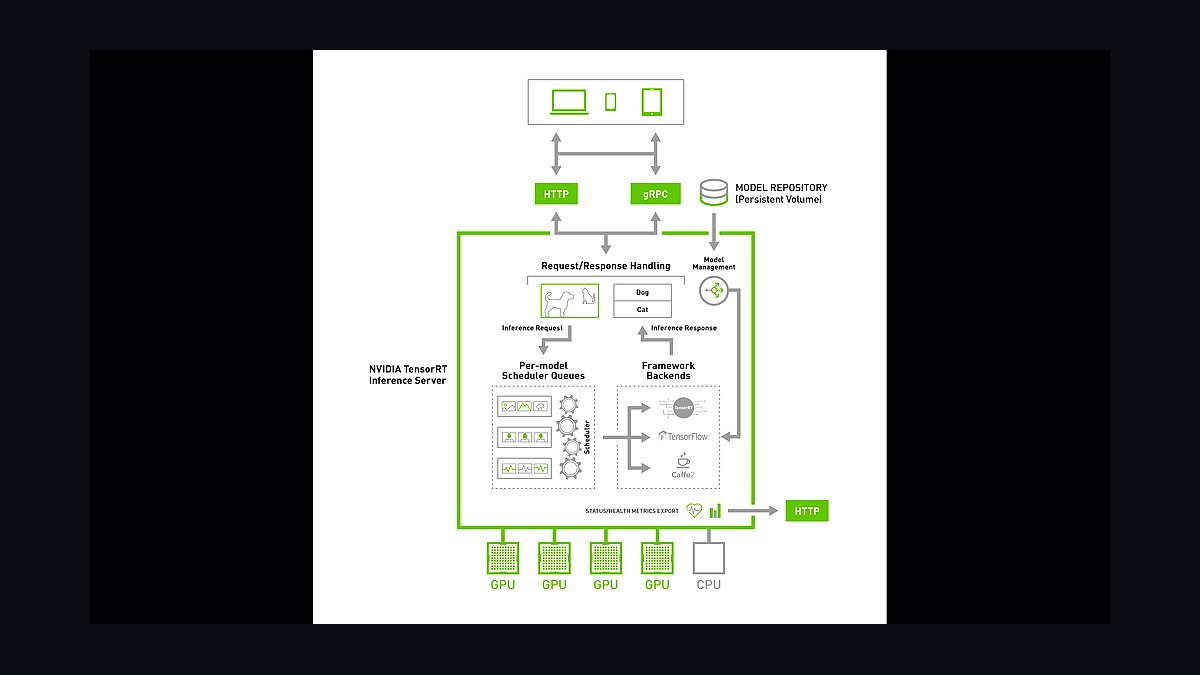
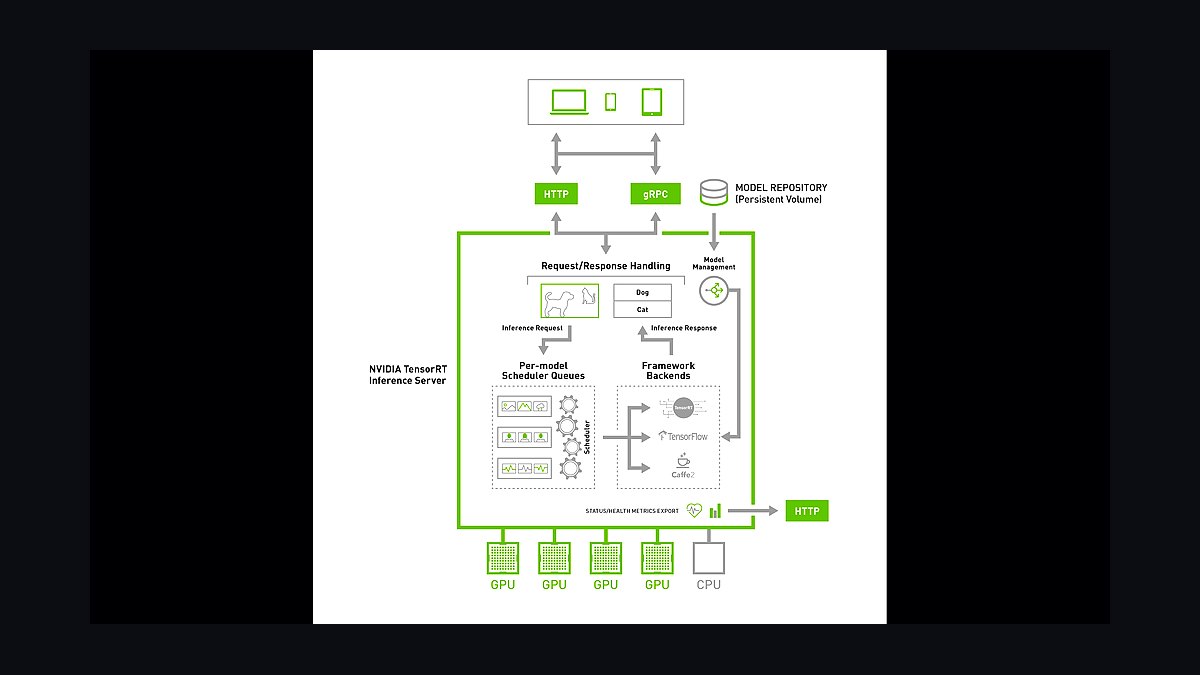
NVIDIA Triton ranks first because it is the single serving layer that lets a vision API vendor route detection, segmentation, OCR, classification, and VQA through one deployment surface, sharing GPU capacity and observability. It natively hosts TensorRT, ONNX Runtime, and PyTorch backends, supports dynamic batching and concurrent model execution, and exposes HTTP/gRPC endpoints plus Prometheus metrics out of the box.
It is built for teams already standardized on NVIDIA GPUs who need multi-model, multi-framework serving without writing bespoke C++ per task. The trade-off is operational complexity: model repository conventions, ensemble configs, and versioning take real effort to get right. Compared with vLLM below, Triton is broader but less turnkey for autoregressive vision-language decoding.
2PyTorch FSDP
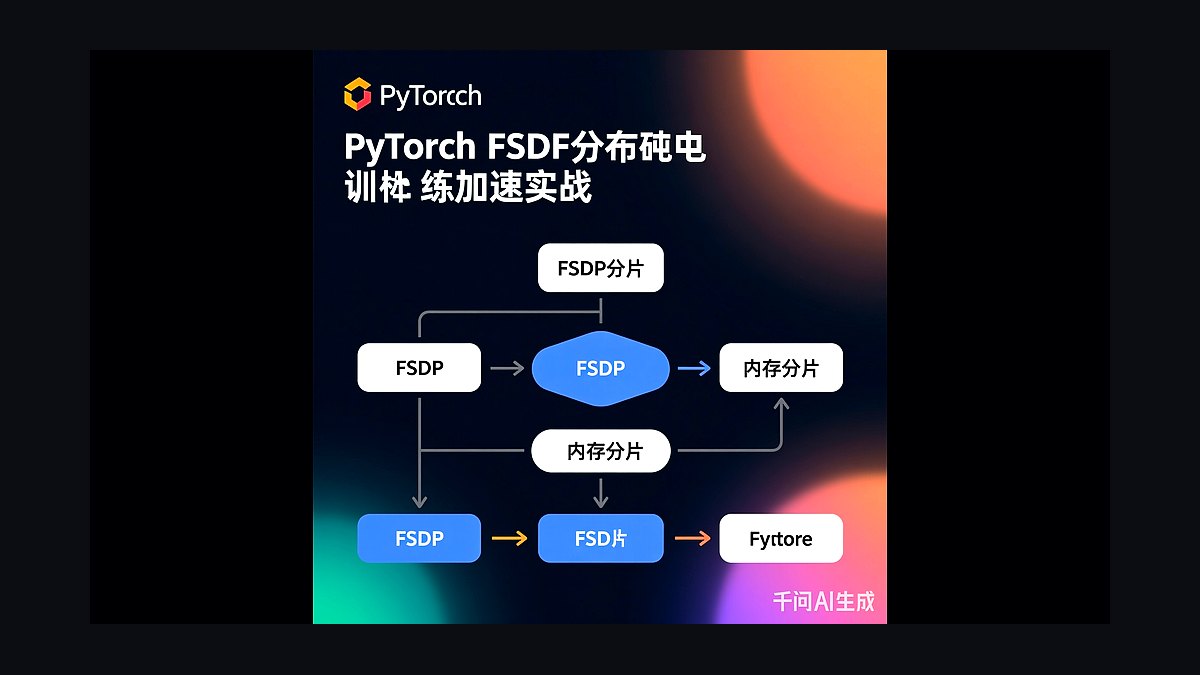
PyTorch FSDP ranks second because it is the training backbone that lets a vision API vendor fine-tune ViT, DINOv2, SAM 2, and Florence-2 models across multi-GPU clusters without rewriting training code. It shards parameters, gradients, and optimizer states across devices, enabling billion-parameter vision backbones to train on commodity A100 or H100 nodes rather than requiring a single giant GPU.
It suits research and platform engineers who already live in the PyTorch ecosystem and want native integration with torch.compile, mixed precision, and checkpointing. The trade-off is that FSDP tuning — sharding strategy, activation checkpointing, CPU offload — is nontrivial and poorly documented for vision workloads. Compared with Hugging Face Transformers below, FSDP is lower-level infrastructure rather than a ready model library.
3Hugging Face Transformers
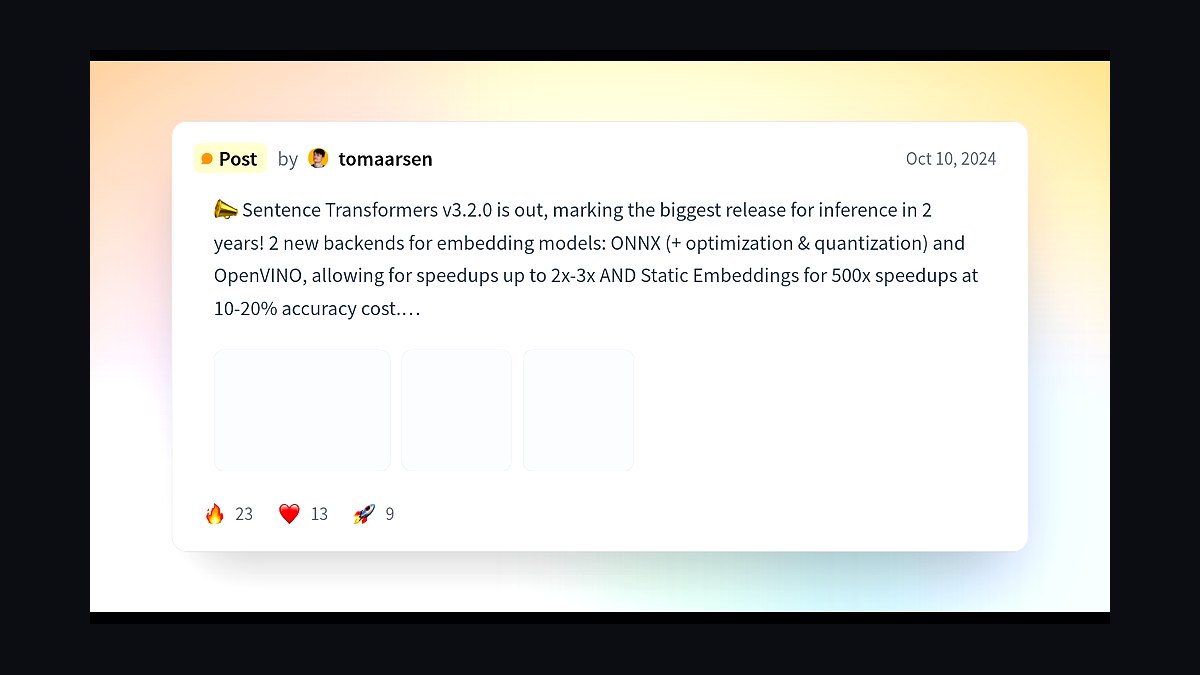
Hugging Face Transformers ranks third because it gives a vision API vendor immediate access to ViT, DINOv2, SAM, SAM 2, Florence-2, and PaddleOCR checkpoints with consistent Python APIs, cutting model integration from weeks to hours. The Hub hosts tens of thousands of vision checkpoints, and the library handles tokenization, preprocessing, and inference wrappers across PyTorch and TensorFlow backends.
It is for ML engineers who need to prototype and ship many vision tasks quickly without maintaining custom model code. The trade-off is that production throughput often requires exporting to ONNX or TensorRT, since the Python-first path is not optimized for high-QPS serving. Compared with PyTorch FSDP above, Transformers is a model-access layer, not a distributed training framework.
4NVIDIA TensorRT
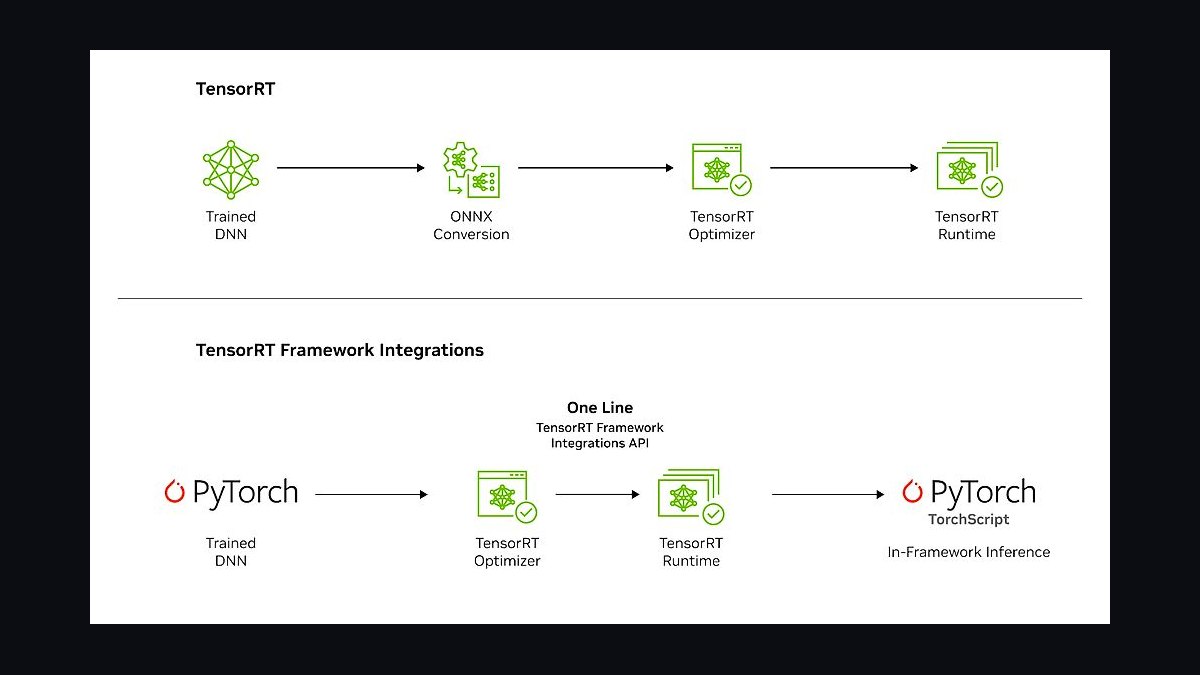
NVIDIA TensorRT ranks fourth because it is the quantization and graph-optimization layer that directly addresses the 25-35% infrastructure-cost problem in vision APIs, delivering INT8 and FP16 inference with layer fusion and kernel auto-tuning. Real-world speedups on detection and segmentation models commonly run 2-6x over unoptimized PyTorch inference on the same GPU.
It is for inference engineers who have stable model architectures and need to cut cost per image at scale. The trade-off is a build step per model per GPU architecture, plus reduced flexibility for dynamic shapes and rapid model iteration. Compared with Triton above, TensorRT optimizes a single model while Triton orchestrates many models behind one endpoint.
5vLLM
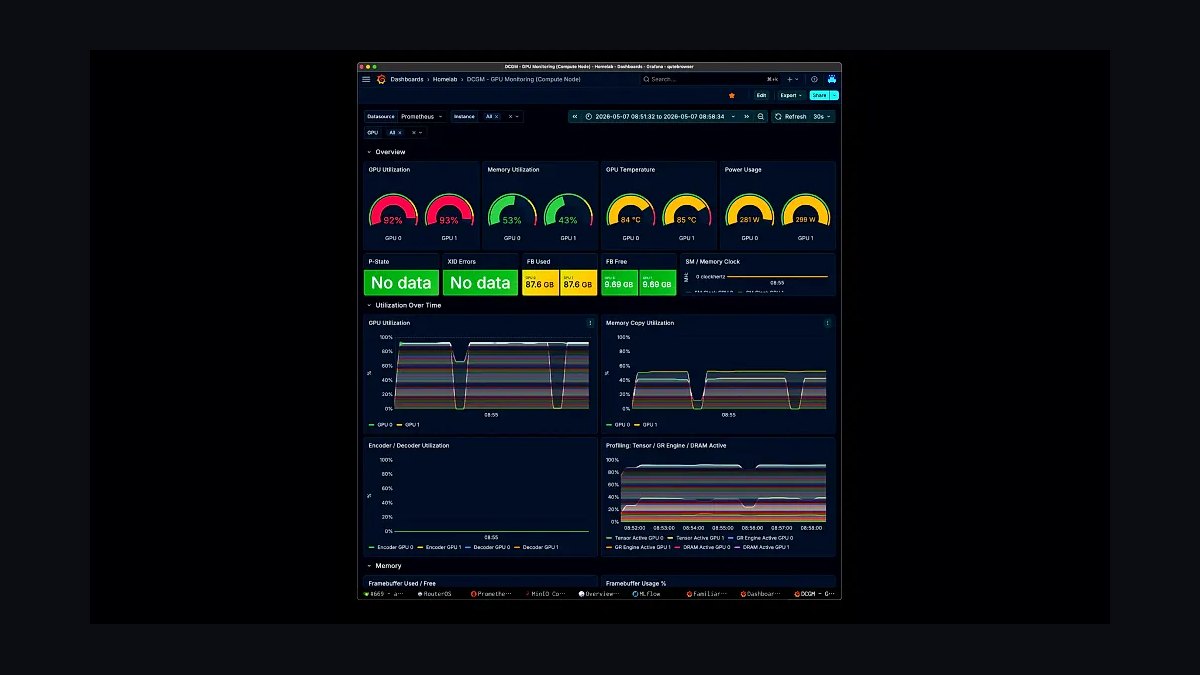
vLLM ranks fifth because it is the highest-throughput open-source serving engine for the vision-language models that handle VQA and captioning endpoints, using PagedAttention to cut KV-cache memory waste and continuous batching to keep GPUs saturated. It routinely delivers several times the throughput of naive Hugging Face generation for multimodal LLMs like LLaVA and Qwen-VL.
It is for teams serving autoregressive vision-language workloads where token-by-token decoding dominates latency and cost. The trade-off is narrower scope: vLLM does not serve YOLO, SAM, or OCR models, so it complements rather than replaces Triton. Compared with Triton above, vLLM is turnkey for LLM decoding but lacks Triton's multi-framework model repository.
6ONNX Runtime
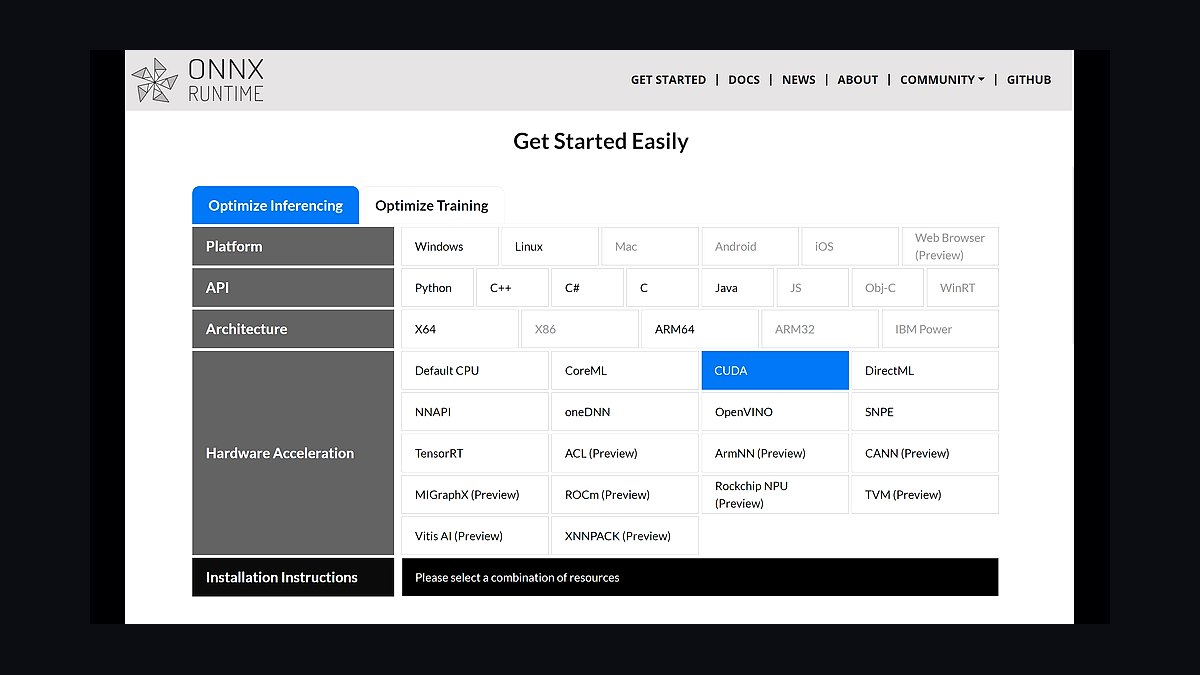
ONNX Runtime ranks sixth because it is the cross-platform inference engine that makes edge and on-device vision deployment possible, running the same exported model on Windows, Linux, Android, iOS, and web via WebAssembly. It supports CPU, CUDA, DirectML, and TensorRT execution providers, and quantized INT8 models routinely run 2-4x faster than FP32 on CPU.
It is for vendors whose customers need inference on retail cameras, mobile apps, or warehouse robots where round-tripping to a cloud API is not viable. The trade-off is that ONNX export can silently break ops unsupported by the target execution provider, requiring per-model validation. Compared with TensorRT above, ONNX Runtime trades peak NVIDIA performance for genuine hardware portability.
7Datadog
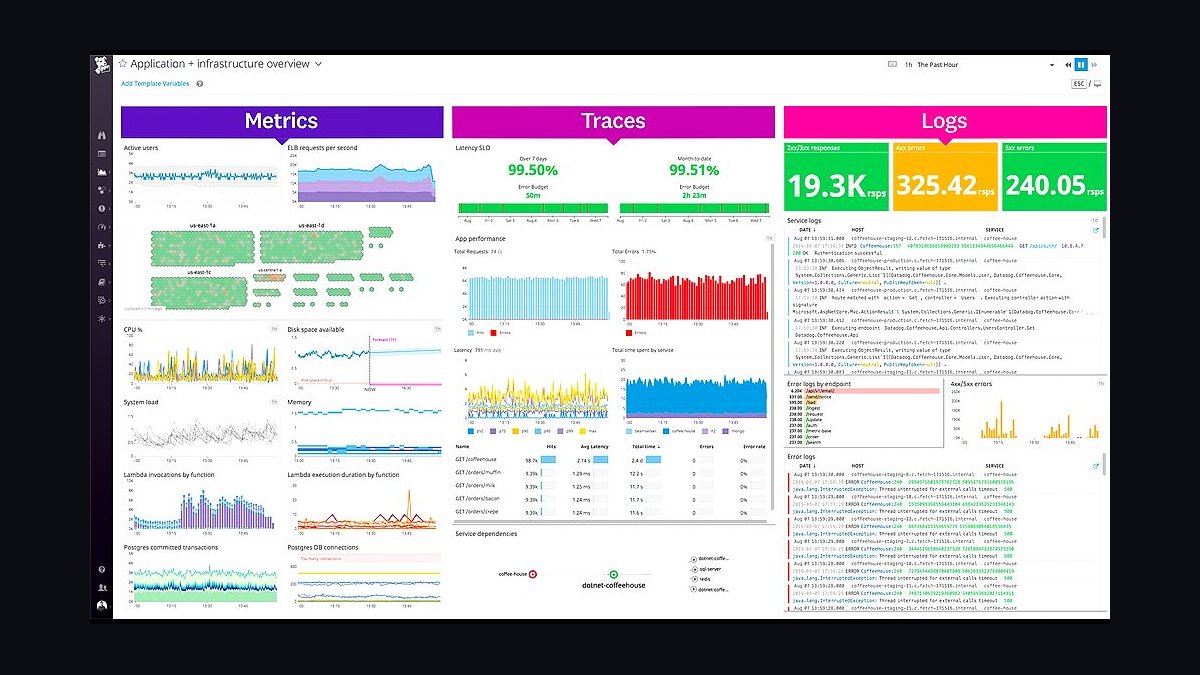
Datadog ranks seventh because a vision API vendor's margin depends on per-request GPU cost visibility, and Datadog correlates Triton latency, GPU utilization, queue depth, and error rates into dashboards that surface cost regressions before they compound. Pricing runs roughly $15-31 per host per month, with GPU monitoring and custom metrics billed separately.
It is for platform and SRE teams running multi-tenant inference where a single misconfigured batch size can double GPU spend. The trade-off is cost at scale: custom metrics and log ingestion can outpace the base host fee significantly. Compared with PagerDuty below, Datadog observes and alerts on trends while PagerDuty handles the on-call escalation path.
8Metronome
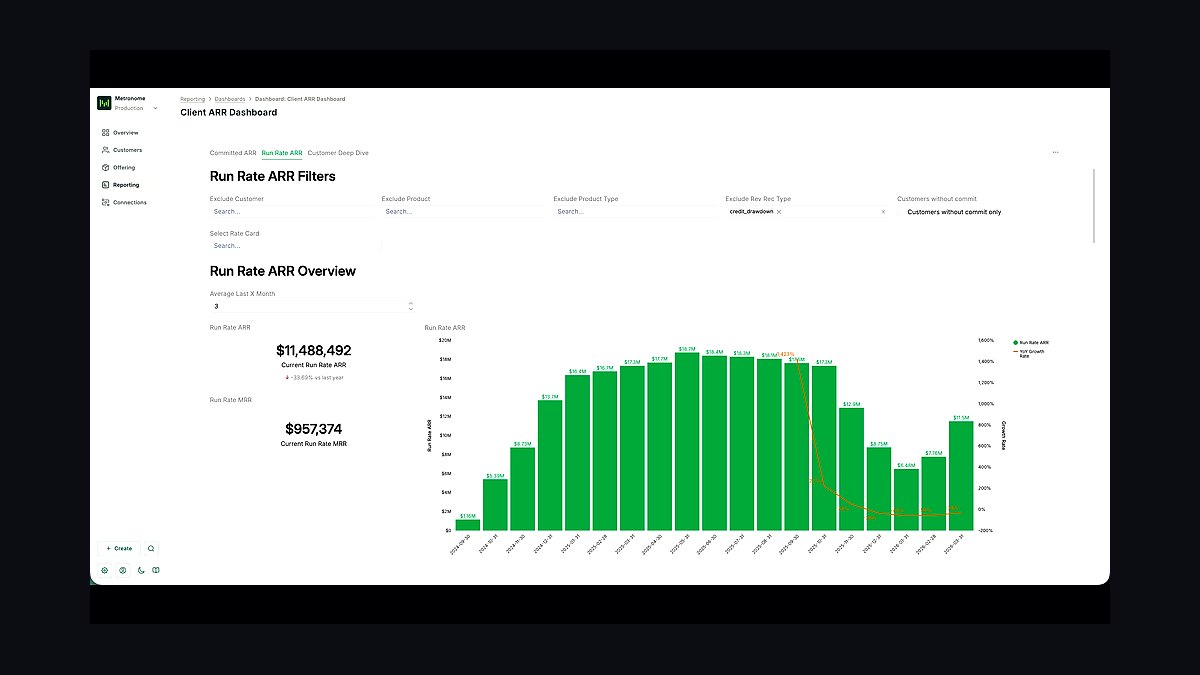
Metronome ranks eighth because per-image, per-call, and per-thousand-image pricing with volume tier breakpoints is the standard commercial model for vision APIs, and Metronome meters those events with the accuracy enterprise contracts require. Pricing runs roughly $50,000-$500,000 per year depending on transaction volume and contract complexity.
It is for vendors whose usage tiers, overages, and enterprise commitments have outgrown what Stripe Billing handles cleanly. The trade-off is real implementation work: event schema design, idempotency, and reconciliation with the inference layer take engineering time. Compared with Stripe Billing, Metronome costs more but handles complex tiered contracts that Stripe struggles to express.
9Vanta
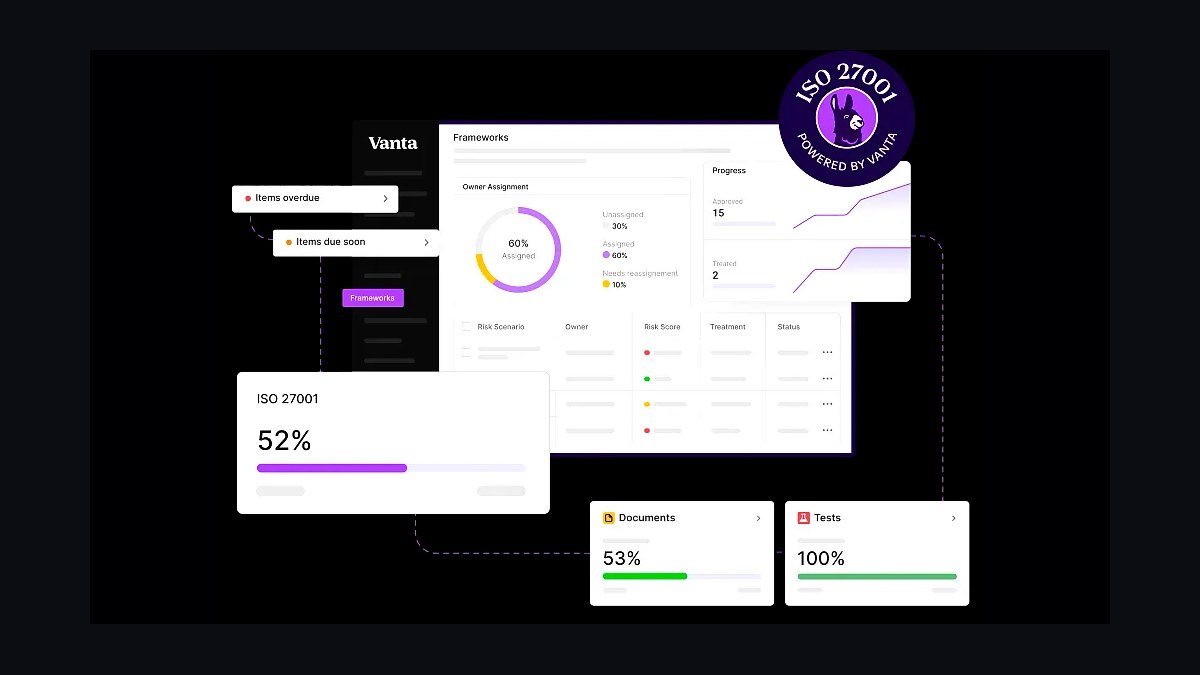
Vanta ranks ninth because SOC 2 Type II evidence collection takes months to accumulate, and enterprise vision API deals routinely stall when compliance documentation is missing at contract time. Vanta automates evidence gathering across cloud infrastructure, endpoints, and HR systems, and pricing runs roughly $30,000-$100,000 per year for SOC 2 and ISO 27001 coverage.
It is for vendors selling six- and seven-figure enterprise contracts where security review is a procurement gate, not a nice-to-have. The trade-off is that ISO 42001 AI management and EU AI Act documentation sit outside the baseline scope and require incremental configuration. Compared with Drata, Vanta has broader auditor relationships but similar core automation.
10Salesforce Sales Cloud
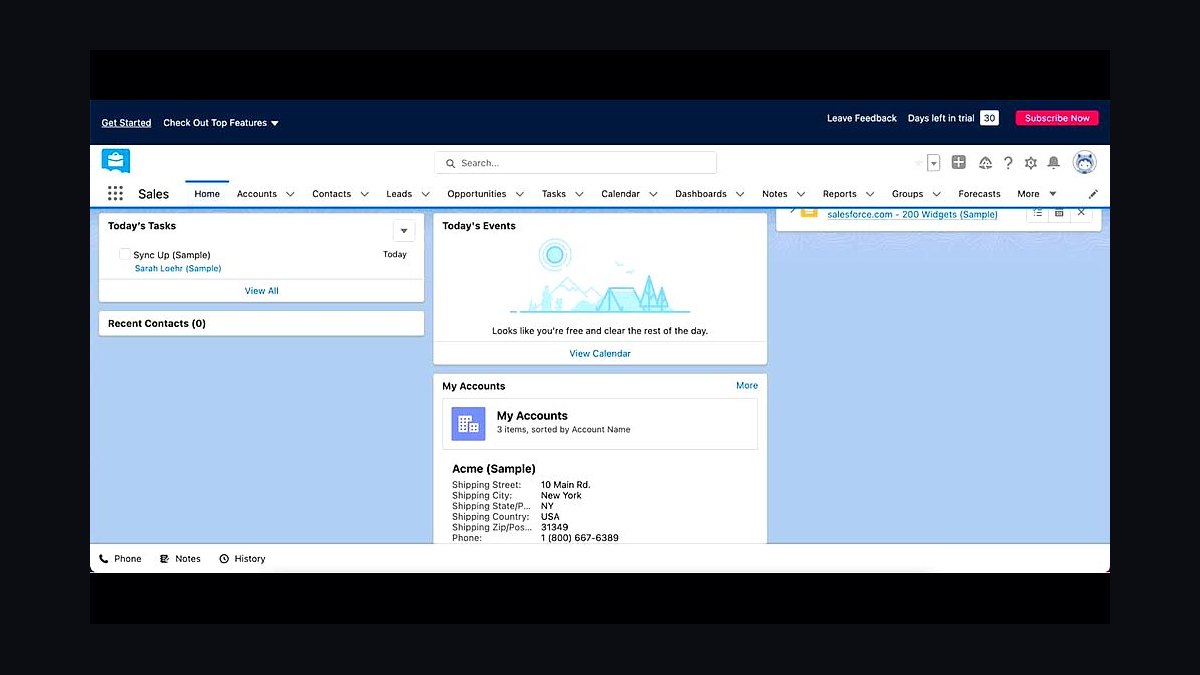
Salesforce Sales Cloud ranks tenth because enterprise-first vision API vendors selling six- and seven-figure vertical contracts need pipeline, forecasting, and account hierarchy tooling that self-serve CRMs cannot match. Enterprise pricing runs about $165 per user per month, and pairing it with Clari and Gong adds forecast accuracy and call intelligence on top.
It is for vendors running a sales-assisted motion into content moderation, identity verification, or document processing buyers with long procurement cycles. The trade-off is cost and administration overhead that a PLG-first vendor would find hard to justify. Compared with HubSpot Enterprise, Salesforce is heavier but better suited to complex multi-stakeholder enterprise deals.
How we ranked these
We ranked tools by weighted fit for a computer vision API vendor: inference throughput and latency under real image workloads (25%), multi-task coverage across detection, segmentation, OCR, classification, and VQA (20%), unit-cost efficiency including quantization and batching support (20%), edge/on-device deployment path (15%), compliance evidence for SOC 2, ISO 42001, and EU AI Act (10%), and sales/billing integration depth for usage metering (10%).
Scores came from vendor documentation, public benchmarks, and published pricing.
We deliberately ignored brand recognition, analyst-quadrant placement, and conference sponsorship, because none predict whether a stack serves five vision tasks from one GPU pool. We excluded generic LLM orchestration frameworks that lack vision-specific serving primitives, and we discounted tools whose pricing only makes sense at hyperscaler volume. Anything requiring FedRAMP before first revenue was excluded from the core ranking and treated as a separate, deliberate bet.
What to look for
The decision that matters most is whether one inference layer can serve every task you sell. If detection runs on Triton, OCR on a separate TorchServe cluster, and VQA on a third stack, your marginal cost per new endpoint never falls, and your gross margin stays stuck near 60% instead of climbing toward 80%. Buy the serving layer first, then the models.
The mistake most buyers make is choosing a CRM or billing platform before the inference architecture is settled, then discovering Metronome cannot meter per-image tiers the way the product actually prices. The second mistake is treating edge SDKs as a stretch goal; enterprise deals stall silently at the "can this run on our hardware" stage, and you never see the loss in a single post-mortem.
Related questions
Should a computer vision API vendor build every task or specialize?
Specialization tends to win enterprise deals, since content moderation, identity verification, and detection-training platforms each command premium pricing. Generalist coverage competes directly with hyperscaler breadth and pricing, which is a hard fight for a smaller vendor to win on cost alone. Pick one wedge, dominate it, then expand.
Are multimodal LLMs a threat or a complement to a vision API business?
Both. They win general captioning and open-ended visual question answering, but specialty vision APIs still win on precise detection, pixel-accurate segmentation, and OCR on degraded documents. Many vendors partner with frontier APIs for VQA while keeping proprietary models for their core specialty task.
How important is edge and on-device deployment for a vision API vendor?
Very important for mobile, IoT, retail analytics, and any latency- or privacy-sensitive use case. A cloud-only REST API structurally cannot serve a meaningful share of these deals, regardless of model accuracy. ONNX Runtime, TensorFlow Lite, and Core ML SDKs belong on the roadmap as a first-class product line, not an afterthought.
Is pursuing FedRAMP authorization worth it for a computer vision API vendor?
Only if there is real federal pipeline behind it. It costs $2-8 million and takes 24-36 months, so it is a deliberate bet on government demand such as border security, document processing, or threat detection. It is not a default step for every vendor, and starting it speculatively burns runway.
What is the single biggest cost driver in this stack?
GPU inference compute, especially once video frame analysis or high-resolution segmentation workloads enter the mix. Vendors that invest early in INT8/FP16 quantization, request batching, and right-sizing models per task see materially better gross margin than those who scale GPU spend linearly with customer growth.
HubSpot or Salesforce for a computer vision API vendor's sales stack?
It depends on the buyer motion. A self-serve, developer-first business leans HubSpot Enterprise at roughly $3,600 a month for a five-seat configuration. A vendor selling six- and seven-figure vertical contracts to enterprise buyers leans Salesforce Sales Cloud paired with Clari and Gong for forecasting and deal visibility.
How should usage billing be structured for a vision API?
Per-image, per-call, or per-thousand-images with volume tier breakpoints is standard. Stripe Billing suits simple self-serve metering; Metronome is worth the added cost once usage tiers, overages, and enterprise contract complexity outgrow what Stripe handles cleanly. Model the pricing before committing to a platform.
Do vertical specialists really out-earn generalist vision APIs?
Consistently. Vendors focused on a specific vertical such as content moderation, identity verification, or document processing tend to command 2-5x the per-call pricing of generic hyperscaler vision APIs, because customers pay for domain accuracy and compliance posture, not raw inference alone.
FAQ
Should a new computer vision API vendor try to cover every task from launch?
No. Launch with one task served well, typically object detection, OCR, or classification depending on the target customer, and expand to two or three complementary tasks once the inference infrastructure and initial customer feedback are in place. Launching broad usually means every task is served worse than a focused competitor.
What is the single biggest cost driver in this stack?
GPU inference compute, especially once video frame analysis or high-resolution segmentation workloads enter the mix. Vendors that invest early in quantization, batching, and right-sizing models per task see materially better gross margin than those who scale GPU spend linearly with customer growth.
Is biometric or face-recognition functionality worth shipping in 2027?
Only with real regulatory investment behind it. The EU AI Act treats face recognition as high-risk or prohibited in several contexts, and US state biometric laws add further exposure. Vendors that ship it need opt-in consent flows, a separately termed SKU, and a documented impact assessment before it reaches customers.
HubSpot or Salesforce for a computer vision API vendor's sales stack?
It depends on the buyer motion. A self-serve, developer-first business leans HubSpot Enterprise; a vendor selling six- and seven-figure vertical contracts to enterprise buyers leans Salesforce Sales Cloud paired with Clari and Gong for forecasting and deal visibility.
How should usage billing be structured for a vision API?
Per-image, per-call, or per-thousand-images with volume tier breakpoints is standard. Stripe Billing suits simple self-serve metering; Metronome is worth the added cost once usage tiers, overages, and enterprise contract complexity outgrow what Stripe handles cleanly.
Do vertical specialists really out-earn generalist vision APIs?
Consistently. Vendors focused on a specific vertical such as content moderation, identity verification, or document processing tend to command 2-5x the per-call pricing of generic hyperscaler vision APIs, because customers are paying for domain accuracy and compliance posture, not raw inference alone.
What compliance certifications should a vision API vendor prioritize first?
SOC 2 Type II first, because enterprise contracts routinely require it as a prerequisite and evidence collection takes months. ISO 27001 follows naturally, then ISO 42001 for AI management systems, then EU AI Act documentation if the product touches high-risk classification. Vanta or Drata automate most of the evidence gathering.
How much should an early-stage vision API vendor budget for tooling?
Roughly $50,000-$200,000 a month at $2-15M ARR with 50-500 customers, running one to three task specializations on rented GPU capacity with ONNX Runtime and Triton. Growth-stage vendors at $15-60M ARR with full task coverage and edge support typically run $400,000-$1.5 million monthly.
Which inference server should a vision API vendor standardize on?
NVIDIA Triton is the default for multi-framework serving, since it handles PyTorch, TensorRT, and ONNX backends behind one endpoint. vLLM is the better fit for vision-language and autoregressive workloads. TorchServe works for pure PyTorch shops but offers less flexibility once you mix model formats.
How do public benchmarks like COCO and ImageNet translate to production accuracy?
Loosely. Public benchmark performance correlates only weakly with accuracy on a specific customer's image distribution, since retail shelf photos, medical scans, and identity documents each stress a model differently. Serious vendors maintain internal held-out sets built from actual customer traffic alongside the public numbers.
Sources
- https://cloud.google.com/vision/docs
- https://docs.aws.amazon.com/rekognition/
- https://learn.microsoft.com/en-us/azure/ai-services/computer-vision/
- https://github.com/facebookresearch/segment-anything
- https://huggingface.co/docs/transformers/index
- https://docs.nvidia.com/deeplearning/triton-inference-server/
- https://onnxruntime.ai/docs/
- https://developer.apple.com/documentation/coreml
- https://www.tensorflow.org/lite
- https://gdpr-info.eu/art-9-gdpr/
Related on PULSE
This page will be disappearing soon. Save it to your device for $1 — or read it free while it is here.
@Kory-White- · if Venmo asks, the last 4 of my number are 2012
This page is gone.
This one is off the shelf now. $1 keeps it on your phone for good — the whole page, pictures and diagrams included.
 pulse-tech-stacksTop 10 Best Tech Stack Tools for AI Document Intelligence Companies in 2027
 pulse-tech-stacksTop 10 Best Tech Stack Tools for Small Pest Control Companies in 2027
 pulse-tech-stacksTop 10 Best Tech Stack Tools for Home Builders and Residential Developers in 2027
 pulse-tech-stacksTop 10 Best Tech Stack Tools for HVAC Equipment Distributors in 2027
 pulse-tech-stacksTop 10 Best Tech Stack Tools for Appliance Repair Services in 2027
 pulse-tech-stacksTop 10 Best Tech Stack Tools for Plumbing Contractors in 2027
 pulse-tech-stacksTop 10 Best Tech Stack Tools for Data Loss Prevention (DLP) Software Vendors in 2027
 pulse-tech-stacksTop 10 Best Tech Stack Tools for Insulation Contractors in 2027
 pulse-tech-stacksTop 10 Best Tech Stack Tools for Software Development Agencies in 2027
 pulse-tech-stacksTop 10 Best Tech Stack Tools for Private Ambulance and EMS Companies in 2027