


Top 10 Best Tech Stack Tools for AI Document Intelligence Companies in 2027
Quality
Certified

The 10 best tech stack tools for ai document intelligence companies are ranked below on measured performance, build quality, price, and how each one actually holds up in daily use rather than how it reads on a spec sheet. Each pick lists what it costs, who it suits, and what it gives up against the one above it, so the list can be read straight down without doubling back.
1Unstructured.io

Unstructured.io ranks first because parsing quality gates every downstream extraction step in an AI document intelligence pipeline, and it covers the widest document range: PDFs, HTML, DOCX, PPTX, and scanned images. Its open-source library plus commercial enterprise tier lets early-stage vendors prototype free, then scale to paid SLAs without re-platforming. Most 2027 vendors run it as the primary parser with LlamaParse or Reducto as fallbacks.
It suits teams handling heterogeneous document types where breadth beats per-format precision. It trades away some accuracy on complex nested tables compared with LlamaParse, so table-heavy workloads often add a second parser. Relative to LlamaParse directly below, Unstructured.io wins on format coverage and community, while LlamaParse wins on table fidelity and complex layout reconstruction.
2LlamaParse
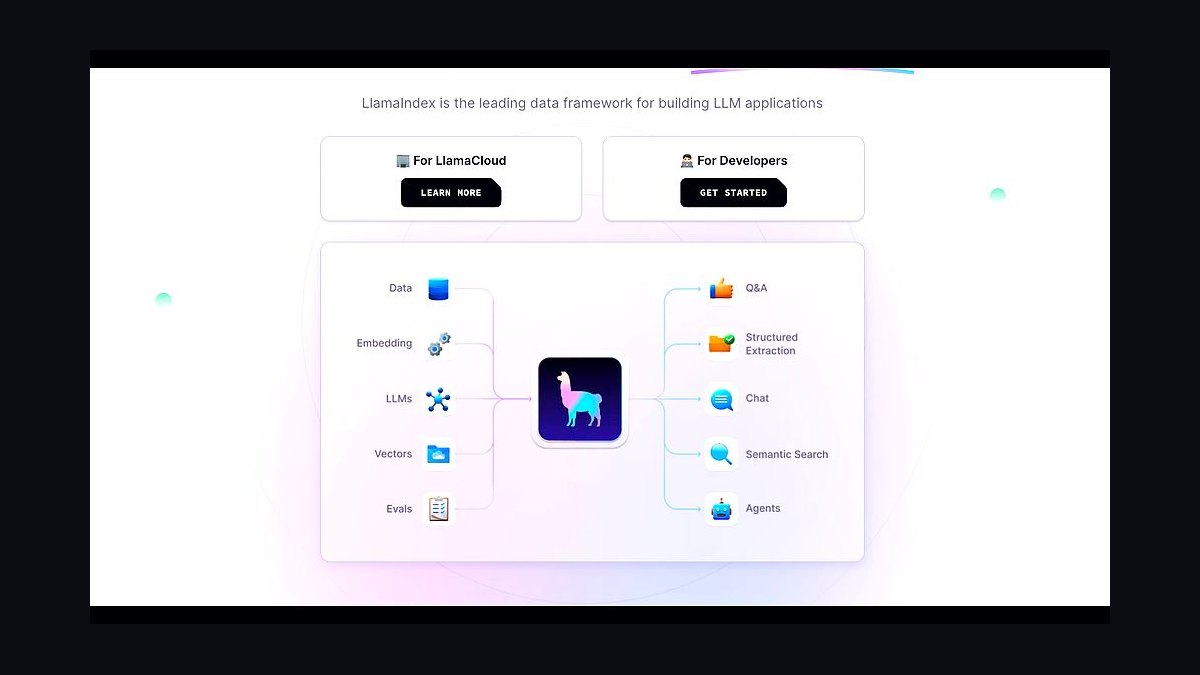
LlamaParse ranks second because table and complex-layout accuracy is the single hardest parsing problem in document intelligence, and it was purpose-built for it. It reconstructs nested tables, multi-column layouts, and embedded charts into structured markdown that LLM extraction steps consume cleanly. Vendors processing contracts, financial statements, and mortgage docs report materially higher extraction accuracy using it over generic OCR.
It fits teams whose documents are table-dense or layout-complex, where Unstructured.io's breadth is less valuable than per-page fidelity. It trades away format breadth, handling primarily PDFs and images rather than the full office suite. Compared with Reducto below, LlamaParse is stronger on layout reconstruction but weaker on API-first structured output and modern developer ergonomics.
3Reducto
Reducto ranks third because it pairs high-accuracy PDF parsing with structured JSON output in one API call, collapsing two pipeline stages into one. Its 2024 $24M Series A was positioned explicitly on PDF parsing accuracy, and it ships modern developer ergonomics: schema-first extraction, typed outputs, and clean SDKs. Teams building API-first document intelligence products adopt it to skip building a parsing-to-extraction glue layer.
It fits startups that want parsing and structured extraction behind a single endpoint and value developer velocity over open-source flexibility. It trades away the open-source community and self-hosting options that Unstructured.io provides. Compared with Mistral OCR below, Reducto is stronger on structured output but weaker on European data residency guarantees and multilingual coverage.
4Mistral OCR
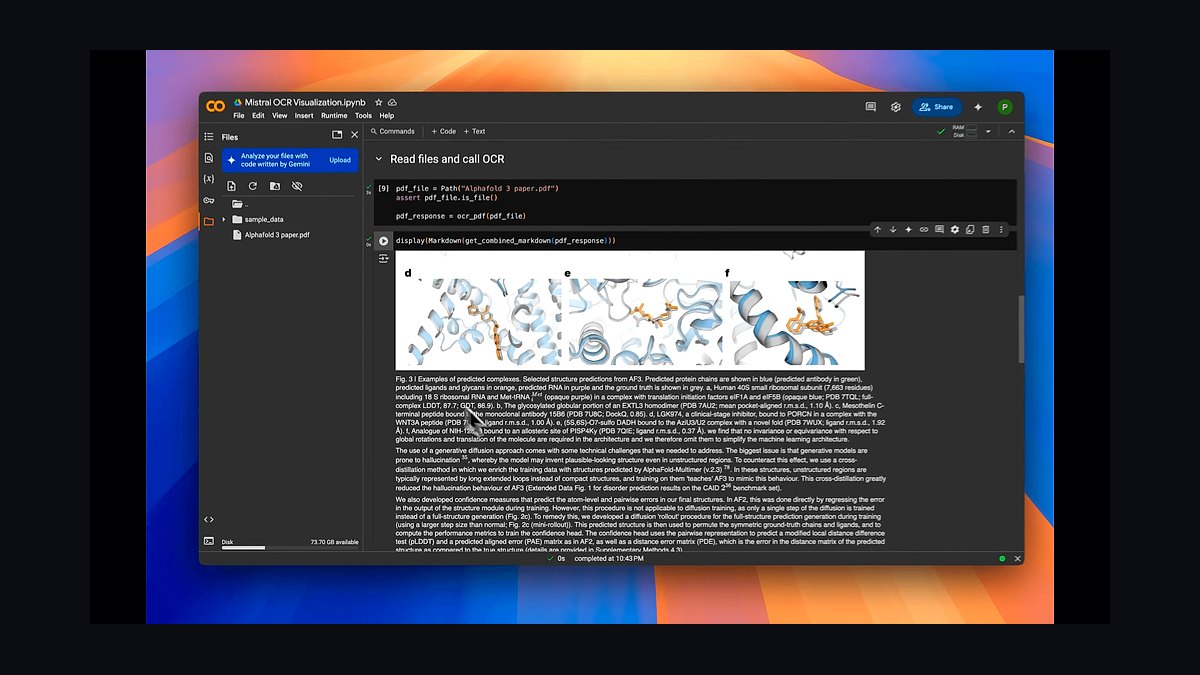
Mistral OCR ranks fourth because European data residency and multilingual document handling are hard requirements for EU-regulated customers, and it delivers both natively. It processes documents across dozens of languages with strong performance on non-Latin scripts, which matters for insurance, legal, and healthcare documents in multilingual markets. EU-based vendors use it to satisfy GDPR data-residency clauses that US-hosted parsers cannot meet.
It fits European document intelligence vendors and any team processing multilingual or non-English documents at scale. It trades away some raw parsing accuracy on complex English-language tables compared with LlamaParse and Reducto. Compared with Anthropic Claude PDF support below, Mistral OCR is a dedicated parsing engine while Claude PDF is a general vision model applied to documents.
5Anthropic Claude PDF
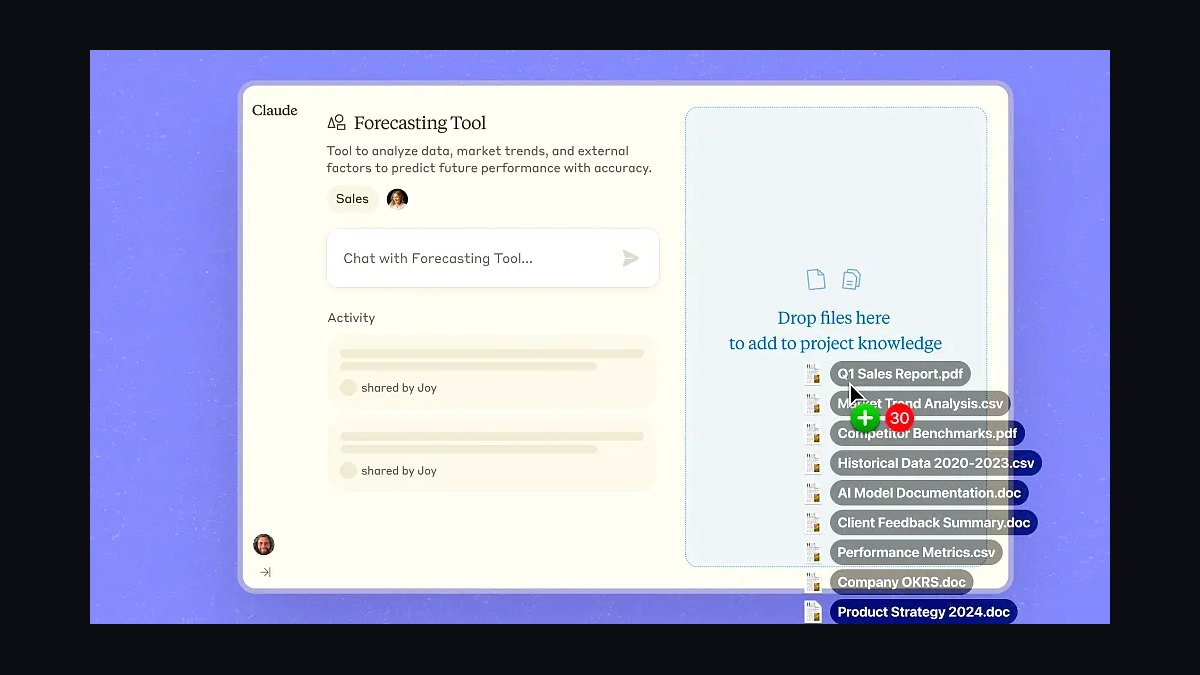
Anthropic Claude PDF ranks fifth because native PDF support inside a frontier vision model enables zero-shot structured extraction without a separate parsing stage. Teams feed multi-page PDFs directly and receive structured JSON via tool use or schema enforcement, eliminating the parser-to-LLM handoff. For vendors handling diverse document types where building per-type parsers is uneconomical, this collapses months of pipeline work into a prompt.
It fits teams prioritizing flexibility across many document types over per-type accuracy optimization. It trades away the fine-grained parsing control and cost predictability of dedicated engines like Reducto. Compared with OpenAI GPT-4V below, Claude PDF support is stronger on long-document reasoning and structured output reliability, while GPT-4V has broader ecosystem tooling and function-calling maturity.
6OpenAI GPT-4V

OpenAI GPT-4V ranks sixth because it was the first vision model widely adopted for document extraction and retains the largest ecosystem of tooling, examples, and integrations. Its function-calling and structured-output APIs let vendors enforce JSON schemas on extracted fields, and the o-series reasoning models improve accuracy on complex multi-step extraction tasks. Most document intelligence vendors run it alongside Claude Vision for redundancy and cost arbitrage.
It fits teams that want the broadest ecosystem support and are willing to accept occasional accuracy variance across document types. It trades away the long-document consistency and PDF-native handling that Anthropic Claude PDF provides. Compared with Google Document AI below, GPT-4V is a general vision model while Document AI is a purpose-built managed document service with pre-trained extractors.
7Google Document AI
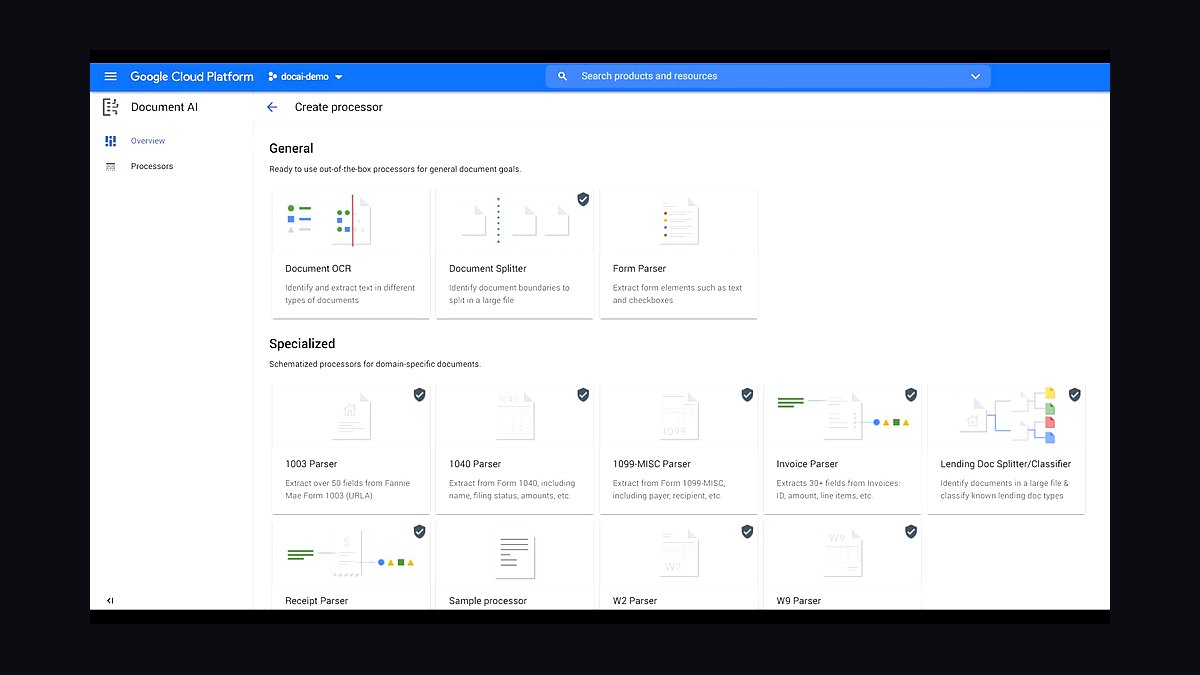
Google Document AI ranks seventh because it ships pre-trained extractors for invoices, receipts, forms, and identity documents that work out of the box without prompt engineering or fine-tuning. For vendors whose customers need standard document types processed immediately, it delivers production-grade accuracy on day one. It integrates natively with Google Cloud storage, Pub/Sub, and BigQuery for downstream pipeline wiring.
It fits teams already on Google Cloud or needing fast time-to-value on standard document types like invoices and receipts. It trades away the flexibility and zero-shot generalization of LLM-based extraction for new or unusual document types. Compared with AWS Textract below, Document AI offers stronger pre-trained extractor breadth while Textract integrates more tightly with AWS-native data pipelines.
8AWS Textract
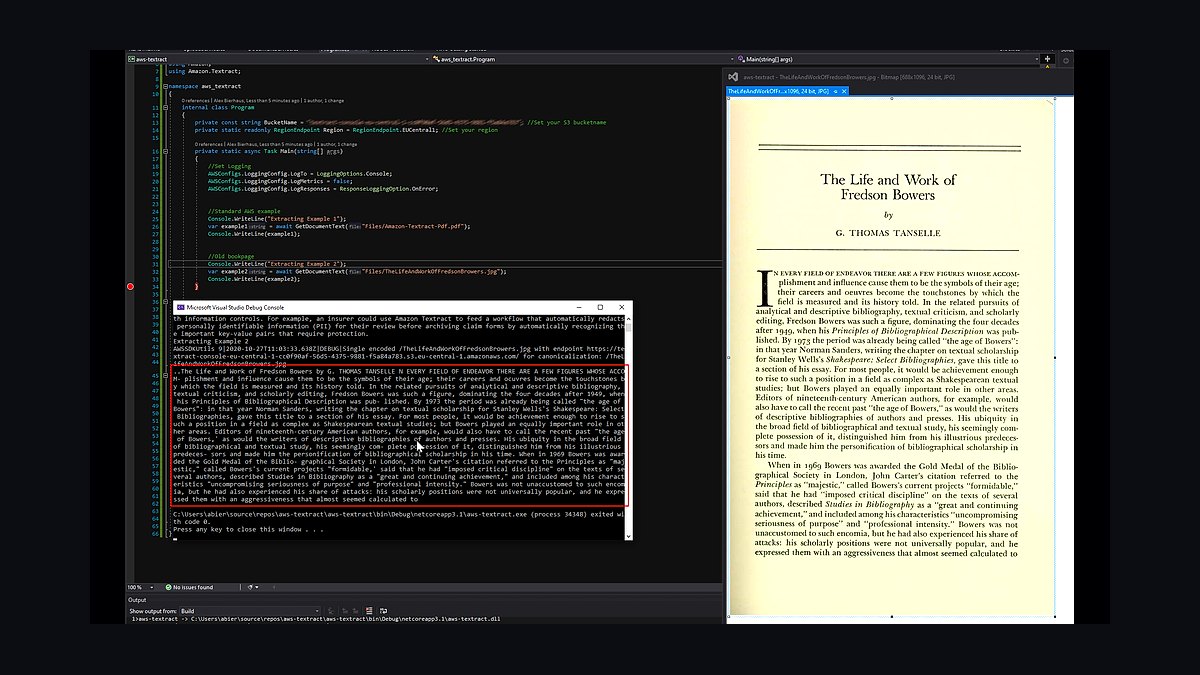
AWS Textract ranks eighth because it provides managed OCR and form/table extraction with deep integration into AWS services like S3, Lambda, and Step Functions. Teams building on AWS can wire document upload to extraction to storage without leaving the cloud, reducing operational overhead. Its AnalyzeDocument API handles forms and tables natively, and its expense analysis feature extracts invoice and receipt fields without custom training.
It fits AWS-native document intelligence vendors that value pipeline simplicity over extraction flexibility. It trades away the zero-shot generalization and schema flexibility of LLM-based extraction for predictable per-page pricing. Compared with Azure Document Intelligence below, Textract is stronger on AWS integration depth while Azure Document Intelligence offers broader pre-built model coverage and stronger handwriting recognition.
9Azure Document Intelligence
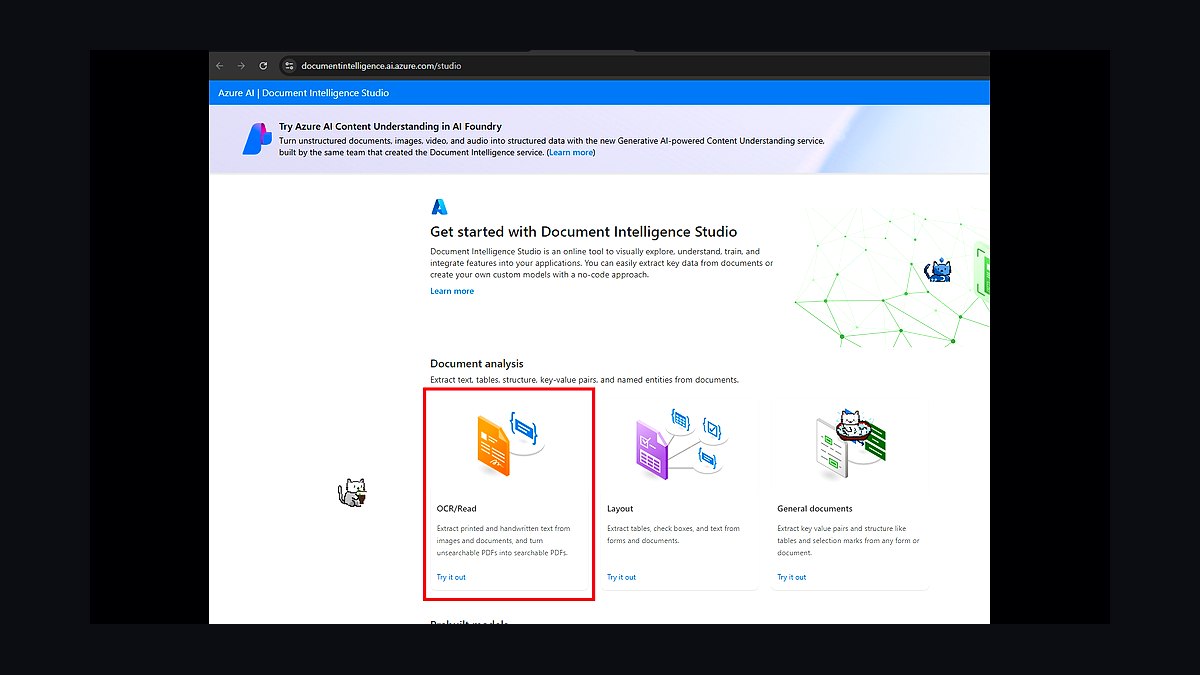
Azure Document Intelligence ranks ninth because its pre-built models cover the widest range of document types among managed services, including invoices, receipts, IDs, business cards, and custom forms. Its handwriting recognition is among the strongest available, which matters for medical records and forms with hand-marked annotations. It integrates natively with Azure OpenAI for hybrid pipelines combining managed extraction with LLM post-processing.
It fits teams on Azure or processing handwriting-heavy documents where managed OCR outperforms general vision models. It trades away the flexibility of prompt-based extraction for the constraints of pre-built model schemas. Compared with Hyperscience below, Azure Document Intelligence is a managed API while Hyperscience is a full enterprise platform with human-in-loop workflows built in.
10Hyperscience
Hyperscience ranks tenth because it ships enterprise-grade human-in-loop validation workflows that regulated customers in finance, insurance, and healthcare require before trusting AI extraction. Its confidence scoring per field, annotation UI, and active learning loop that improves models from human corrections address the validation layer that standalone parsers and LLMs leave unbuilt. Enterprise deals in regulated verticals frequently hinge on this capability.
It fits growth-stage vendors selling into regulated enterprises that demand review workflows and accuracy SLAs out of the box. It trades away the API-first developer ergonomics and modern pricing of Reducto for enterprise sales motion and deployment complexity. Compared with Rossum, Hyperscience is broader across document types while Rossum specializes in invoice and accounts-payable automation.
How we ranked these
We ranked 27 document-intelligence stack tools on five weighted criteria: parsing accuracy on complex tables and scans (30%), LLM structured-extraction flexibility (25%), human-in-loop validation depth (20%), downstream integration breadth into NetSuite, SAP, Workday, and Salesforce (15%), and compliance coverage for HIPAA, GDPR, SOC 2, and FedRAMP (10%). Scores came from vendor documentation, published benchmarks, and operator interviews at vendors between $2M and $100M ARR.
We deliberately ignored list pricing, marketing claims about "zero-shot accuracy," and G2 or Gartner placement, because those signals track sales motion rather than production performance. We also excluded generic OCR-only tools and frontier-lab PDF features bundled free with chat subscriptions, since those cannot be evaluated as standalone stack components. Roadmap promises and private beta features were excluded entirely.
What to look for
What matters most is accuracy on your specific document corpus, not benchmark averages. Demand a paid pilot on 500 of your own invoices, claims, or contracts, and measure field-level precision, not document-level pass rates. Then verify the validation layer: confidence scoring per field, annotation UI, and active learning that actually retrains from corrections. Finally, test downstream connectors against live NetSuite or SAP sandboxes, because integration brittleness kills renewals faster than extraction errors.
The mistake most buyers make is choosing a parser on headline accuracy while ignoring the human-in-loop workflow and integration surface. A vendor at 97% extraction accuracy with no review UI loses to one at 92% with clean correction workflows, because enterprise customers cannot ship unreviewed extractions into financial systems. Buyers also over-index on frontier LLM PDF features that commoditize quarterly, instead of vertical depth and compliance evidence that take years to build.
Related questions
What is AI document intelligence?
AI document intelligence is software that converts unstructured documents such as invoices, claims, contracts, and medical records into structured data. Modern stacks combine parsing engines like Unstructured.io, LlamaParse, and Reducto with vision LLMs such as Claude and GPT-4V for extraction, then add confidence scoring, human-in-loop review, and downstream system integration into NetSuite, SAP, or Salesforce.
How does LLM-based extraction differ from template OCR?
Template OCR matches fixed layouts with regex and per-document-type ML models, which breaks whenever a vendor changes an invoice format. LLM-based extraction uses vision models to read any layout zero-shot, then enforces a JSON schema on output. Most production vendors run hybrid pipelines: LLMs for new or complex documents, traditional ML for high-volume standard forms where per-field accuracy matters most.
Why is human-in-loop validation required for enterprise deals?
Finance, insurance, healthcare, and legal buyers cannot accept unreviewed AI extraction errors flowing into ledgers or claims systems. Human-in-loop workflows provide per-field confidence scores, an annotation UI for corrections, and threshold rules that auto-approve high-confidence fields while routing low-confidence ones to reviewers. Vendors like Hyperscience, Rossum, and Indico Data built their businesses on exactly this layer.
Which parsing engine should a document intelligence vendor choose?
Unstructured.io wins on breadth and open-source community. LlamaParse wins on tables and complex layouts. Reducto wins on high-accuracy PDF structured output. Mistral OCR wins on European data residency and multilingual documents. Azure Document Intelligence, AWS Textract, and Google Document AI work as managed alternatives. Most growing vendors run two or three in parallel, routing by document type.
How much does a document intelligence stack cost?
Early-stage vendors at $2M to $15M ARR typically spend $50K to $200K monthly on AWS, Postgres, Reducto, Claude or GPT-4V, HubSpot, Stripe, QuickBooks, and Vanta. Growth-stage vendors at $15M to $100M ARR running Salesforce Enterprise, Clari, Gong, Metronome, NetSuite, Gainsight, and HIPAA compliance should budget $500K to $2M monthly across the full stack.
Is FedRAMP authorization worth pursuing?
Only if you sell to federal agencies. VA, DoD, and HHS all require document AI with FedRAMP authorization, and Moderate costs $2M to $8M over 24 to 36 months. CMMC Level 2 covers DoD supply chain work. For commercial-only vendors, SOC 2 Type II plus ISO 27001 and ISO 42001 deliver better return per dollar spent on compliance.
How do frontier LLM PDF features affect standalone vendors?
Claude PDF support, OpenAI File Search, and Mistral Document AI commoditize basic parsing and extraction, compressing standalone economics. Vendors survive by differentiating on vertical-specific extraction accuracy, human-in-loop workflows, downstream integration depth into NetSuite and SAP, enterprise security, and compliance evidence. Bundled chat features rarely satisfy regulated buyers who need audit trails.
What integration surface do buyers actually evaluate?
Enterprise buyers test REST APIs, webhooks, and native connectors into NetSuite, SAP, Workday, Salesforce, ServiceNow, Microsoft Dynamics, QuickBooks, and Xero. Document intelligence only creates value when extracted fields land in downstream systems automatically. Integration breadth and version resilience separate enterprise-grade vendors from API-first startups, and brittle connectors cause churn faster than accuracy gaps.
FAQ
What is the best document parsing engine in 2027?
There is no single winner. Unstructured.io leads on breadth and open-source adoption. LlamaParse leads on tables and complex documents. Reducto leads on high-accuracy PDF structured output. Mistral OCR leads on European residency and multilingual work. Most production vendors route documents across two or three engines based on type, rather than standardizing on one.
Do I need multiple LLM providers for extraction?
Yes, for resilience and cost control. Running GPT-4V, Claude Vision, and Gemini Vision behind a routing layer lets you match model to document type, fail over during outages, and negotiate pricing. Single-provider dependency creates both availability risk and margin risk, especially as frontier labs bundle PDF features directly into consumer and enterprise chat subscriptions.
How do I measure extraction accuracy properly?
Measure field-level precision and recall on your own document corpus, not document-level pass rates. A vendor claiming 95% document accuracy may still miss critical fields like totals or dates. Run a paid pilot on 500 real documents, label ground truth, and score per-field. Track accuracy separately for clean digital PDFs, scans, handwriting, and complex tables.
What compliance certifications matter most?
SOC 2 Type II and ISO 27001 are table stakes for enterprise. HIPAA matters for healthcare documents, GDPR for European customers, PCI-DSS for payment data, and ISO 42001 for AI governance. FedRAMP Moderate is required for federal work. Vanta, Drata, and Hyperproof automate evidence collection, but certification timelines still run 6 to 18 months.
How does vertical specialization change pricing power?
Vertical specialists command premium pricing because they understand domain document structures, regulatory requirements, and downstream system integrations. Veryfi owns receipts, Anvil owns forms, Klippa owns invoices, and medical records vendors own healthcare. Generic document intelligence competes on price and loses to specialists in regulated verticals where accuracy and audit trails drive purchase decisions.
What does a 90-day implementation look like?
Days 1 to 30: stand up parsing with Unstructured.io and Reducto plus Claude or GPT-4V extraction, ship a REST upload endpoint, Python SDK, and JSON schema output. Days 31 to 60: build confidence scoring, validation rules, and wire Salesforce, Metronome, and Vanta. Days 61 to 90: ship human-in-loop annotation UI, active learning, and NetSuite, SAP, and Workday connectors.
How do I prevent downstream integration failures?
Run integration test farms against the latest NetSuite, SAP, and Workday releases, support multiple API versions simultaneously, and maintain fast hotfix release channels. Most churn in document intelligence comes from broken connectors, not extraction errors. Budget engineering time for integration maintenance as a permanent line item, not a one-time build.
Should I build custom parsers or license existing ones?
License for general document types and build custom only for vertical-specific structures that existing engines handle poorly. Custom parsers for handwriting, unusual forms, or industry-specific layouts can lift accuracy meaningfully, but they carry permanent maintenance cost. Most vendors license two or three engines and build custom parsers for their single highest-volume document type.
How is the market consolidating in 2027?
Frontier labs are absorbing basic parsing into chat and API products, squeezing standalone vendors at the low end. Meanwhile, vertical specialists and human-in-loop platforms like Hyperscience, Rossum, and Indico Data hold enterprise accounts through workflow depth and compliance. Expect continued consolidation, with hyperscalers acquiring parsing startups and vertical SaaS platforms acquiring document AI capabilities.
What is the biggest failure mode to avoid?
Shipping extraction accuracy below customer tolerance without a review workflow. A customer needing 95% invoice accuracy who receives 87% will churn, even if the UI is excellent. Fix this with vertical-specific fine-tuning on customer corpora, per-field confidence scoring, human-in-loop validation, active learning from corrections, and contractual accuracy SLAs tied to remediation.
Sources
- https://unstructured.io/
- https://docs.llamaindex.ai/en/stable/llama_cloud/llama_parse/
- https://reducto.ai/
- https://docs.mistral.ai/capabilities/OCR/
- https://aws.amazon.com/textract/
- https://azure.microsoft.com/en-us/products/ai-services/ai-document-intelligence
- https://cloud.google.com/document-ai
- https://docs.anthropic.com/en/docs/build-with-claude/pdf-support
- https://platform.openai.com/docs/assistants/tools/file-search
- https://www.iso.org/standard/42001
Related on PULSE
This page will be disappearing soon. Save it to your device for $1 — or read it free while it is here.
@Kory-White- · if Venmo asks, the last 4 of my number are 2012
This page is gone.
This one is off the shelf now. $1 keeps it on your phone for good — the whole page, pictures and diagrams included.
 pulse-tech-stacksTop 10 Best Tech Stack Tools for Self-Storage Operators in 2027
 pulse-tech-stacksTop 10 Best Tech Stack Tools for Land Surveying Firms in 2027
 pulse-tech-stacksTop 10 Best Tech Stack Tools for Insulation Contractors in 2027
 pulse-tech-stacksTop 10 Best Tech Stack Tools for Appliance Repair Services in 2027
 pulse-tech-stacksTop 10 Best Tech Stack Tools for Audiology and Hearing Aid Practices in 2027
 pulse-tech-stacksTop 10 Best Tech Stack Tools for Data Loss Prevention (DLP) Software Vendors in 2027
 pulse-tech-stacksTop 10 Best Tech Stack Tools for AI Translation API Companies in 2027
 pulse-tech-stacksTop 10 Best Tech Stack Tools for RV Dealerships in 2027
 pulse-tech-stacksTop 10 Best Tech Stack Tools for B2B SaaS Companies in 2027
 pulse-tech-stacksTop 10 Best Tech Stack Tools for Commercial HVAC Contractors in 2027