


Top 10 Best Tech Stack Tools for Auto Detailing Shops in 2027
Quality
Certified
The 10 best tech stack tools for auto detailing shops are ranked below on measured performance, build quality, price, and how each one actually holds up in daily use rather than how it reads on a spec sheet. Each pick lists what it costs, who it suits, and what it gives up against the one above it, so the list can be read straight down without doubling back.
1Mobile Tech RX
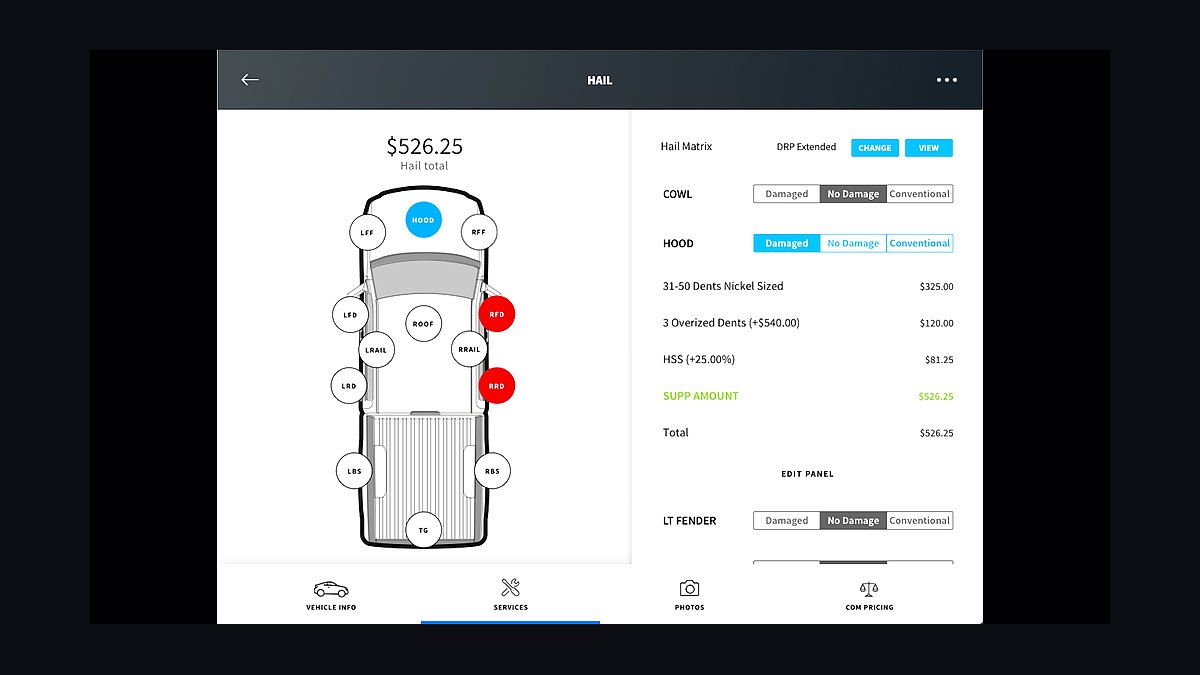
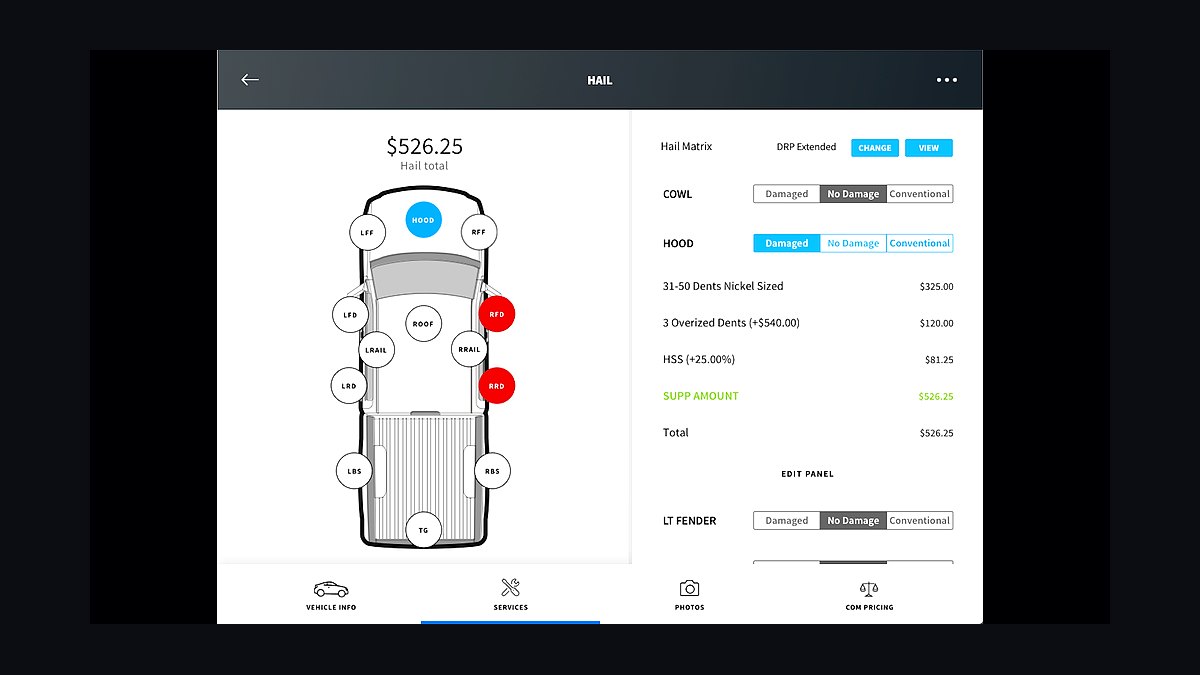
Mobile Tech RX ranks first because it is the only tool built specifically for detailers, with VIN scanning, per-panel photo binders, and ceramic-coating warranty logs baked in. Plans run $119/mo Starter, $189/mo Standard, and $299/mo Pro with unlimited users. In-app card processing costs 2.85% + 30¢, and invoices sync natively to QuickBooks Online.
It is for shops selling $800+ ceramic coatings and paint correction where intake photos and batch-number records defend against chargebacks. It trades away cheaper generic CRM pricing and lighter recurring-billing logic than Urable. A solo doing mostly $45 maintenance washes is better served by Urable Solo at $45/mo, but any shop with three or more techs should pay for Mobile Tech RX Pro.
2Urable
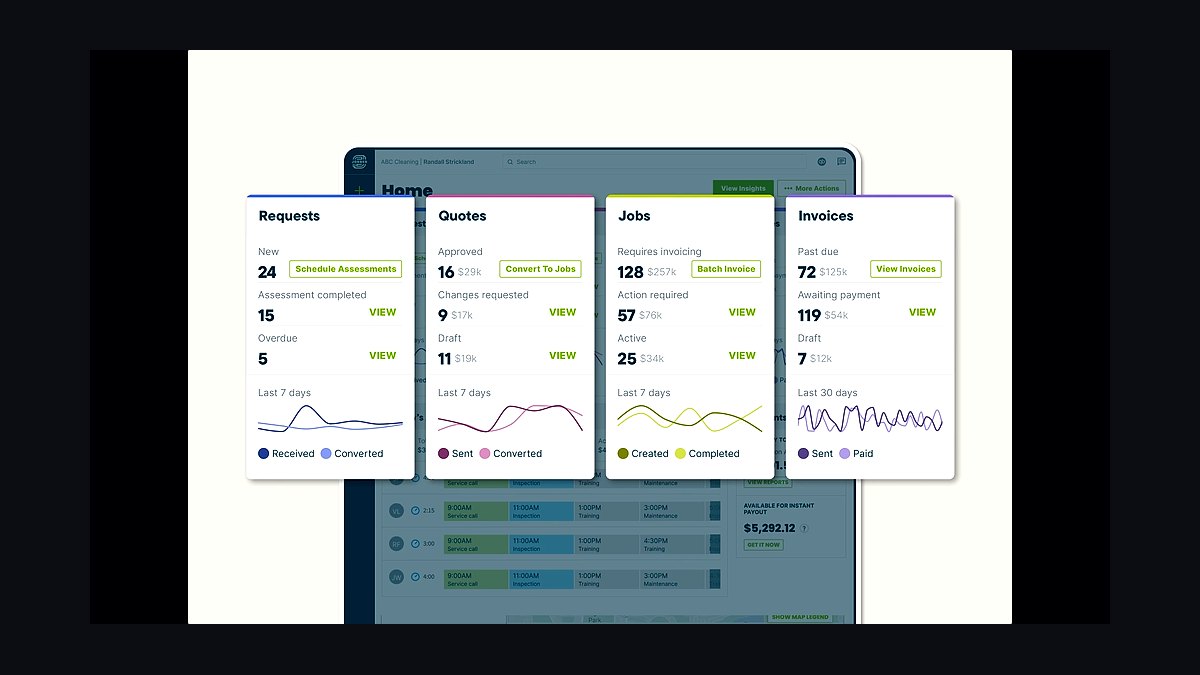
Urable ranks second because its Good/Better/Best quote engine and Maintenance Bucket funnel auto-enroll coating customers into recurring $59–$129/mo service plans. Plans run $45–$166/mo across Solo, Standard, and Pro tiers, and recurring charges push to QuickBooks Online as recurring invoices. It is the strongest detailer-native option for shops built on maintenance-plan revenue.
It is for coating-heavy shops whose business model depends on recurring maintenance billing rather than one-off details. It trades away some of Mobile Tech RX's photo-binder depth and on-site mobile-tech workflow. Shops doing $300k+/yr sometimes run both tools — Urable for sales, Mobile Tech RX for operations — but under $300k that pairing is overkill.
3Jobber
Jobber ranks third because its route optimization is best-in-class for mobile detailing shops covering a metro with 2–4 trucks and 30+ weekly stops. Plans run $39/mo Core, $119/mo Connect, and $210/mo Grow. Connect adds online booking, automated payment reminders, and a customer hub. It is not detailer-native, but the routing engine is stronger than anything in Mobile Tech RX or Urable.
It is for mobile-only operators whose profit depends on squeezing more stops into each truck day. It trades away VIN auto-population, vehicle-class pricing, and panel-by-panel photo binders, so most mobile detailers pair it with Mobile Tech RX Standard on each tech's iPad. In 2027 many shops replace Jobber with Urable's routing module and consolidate to one tool.
4Square POS
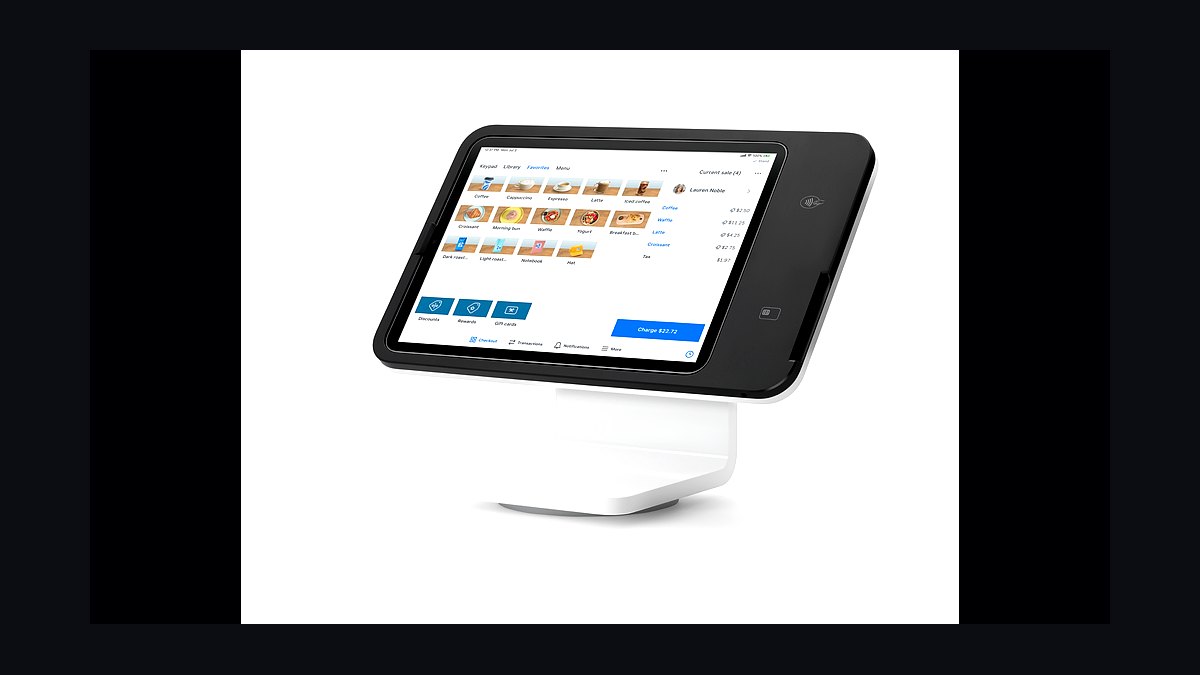
Square POS ranks fourth because it is the payment-acceptance backbone most detailing shops actually run at the front desk. The Square Terminal is $299 one-time and processes tap-to-pay at 2.6% + 15¢ in person. Square Appointments is free for one location, $29/mo Plus adds Google Calendar sync and no-show fees, and Premium at $69/mo adds payroll integrations.
It is for any shop that already runs Mobile Tech RX or Urable and needs a cheaper card terminal than in-app processing at 2.85% + 30¢. It trades away scheduling depth — Square Appointments struggles with tiered packages and vehicle-class pricing. A shop doing $400k/yr with 85% card volume saves roughly $2,000/yr ringing invoices on Square instead of charging in-app.
5QuickBooks Online Plus
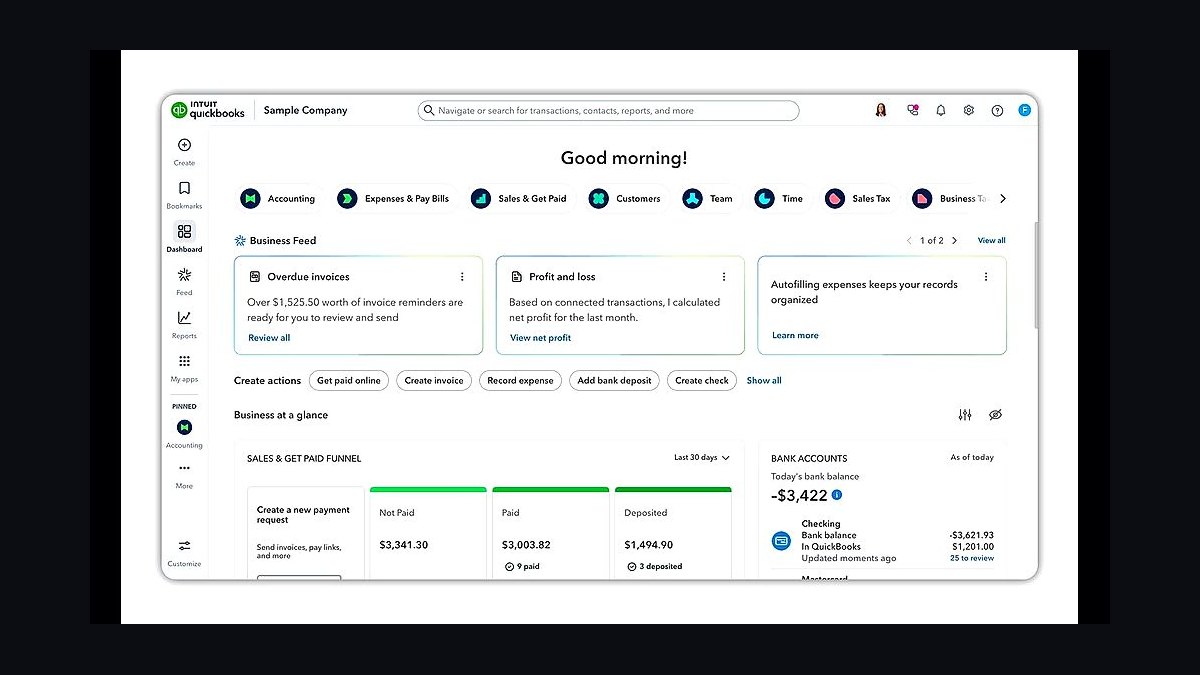
QuickBooks Online Plus ranks fifth because it is the book of record that supports class tracking by service category and location tracking for separate shop P&Ls. The 2027 price is $115/mo after a 13% increase from $99 in 2026. Mobile Tech RX, Urable, Square, and Gusto all sync invoices, payments, and payroll journal entries into it natively.
It is for any shop past $80k revenue or with one or more W-2 employees. It trades away the $35/mo Simple Start pricing, which lacks class tracking, and the $25/mo Self-Employed tier, which is Schedule-C only. Essentials at $65/mo is the floor for a real shop, but Plus is the right tier once you sell multiple service categories and need margin by class.
6Gusto
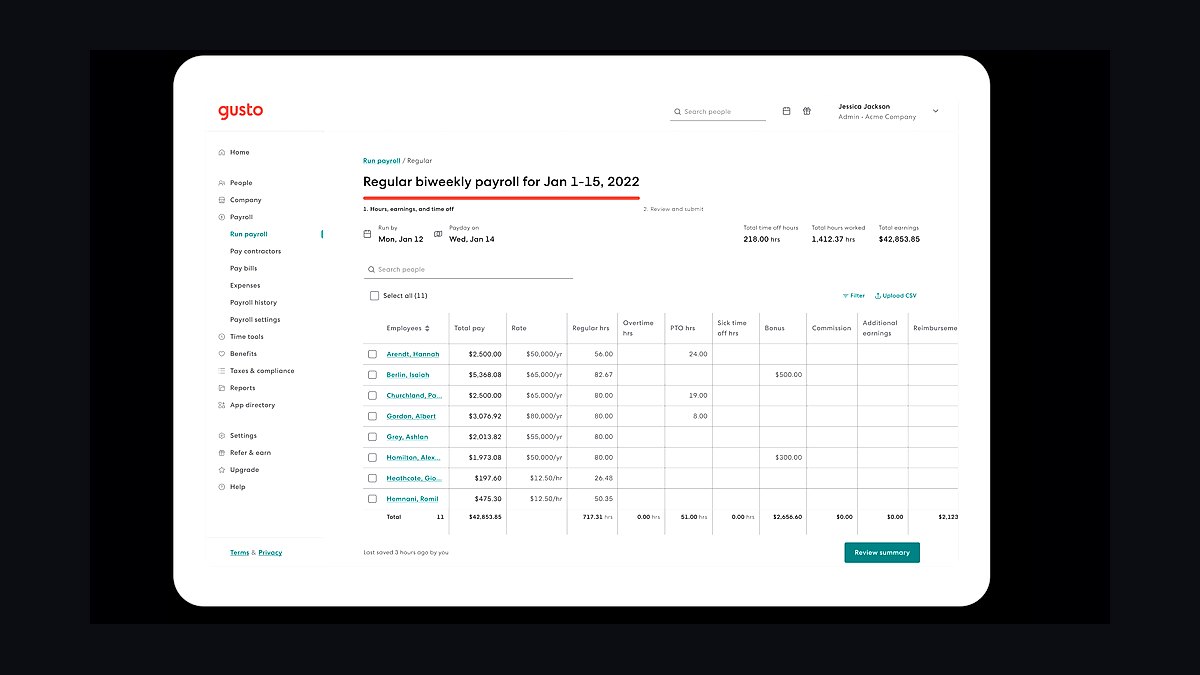
Gusto ranks sixth because it runs payroll, files taxes, and handles new-hire reporting the moment you hire your first W-2 detailer at $18–$28/hr. Simple costs $49/mo plus $6/employee; Plus costs $80/mo plus $12/employee and includes time-tracking, which matters when summer shifts cross overtime thresholds. Payroll posts to QuickBooks Online as a journal entry with wages and taxes split correctly.
It is for shops with at least one employee, including owner-operators running S-corp W-2 pay. It trades away the flexibility of casual owner draws, which create tax messes when mixed with business checking. Compared to QuickBooks Online Plus above it, Gusto is the payroll layer, not the book of record — skip it only while you are a true sole proprietor with no W-2 staff.
7NiceJob
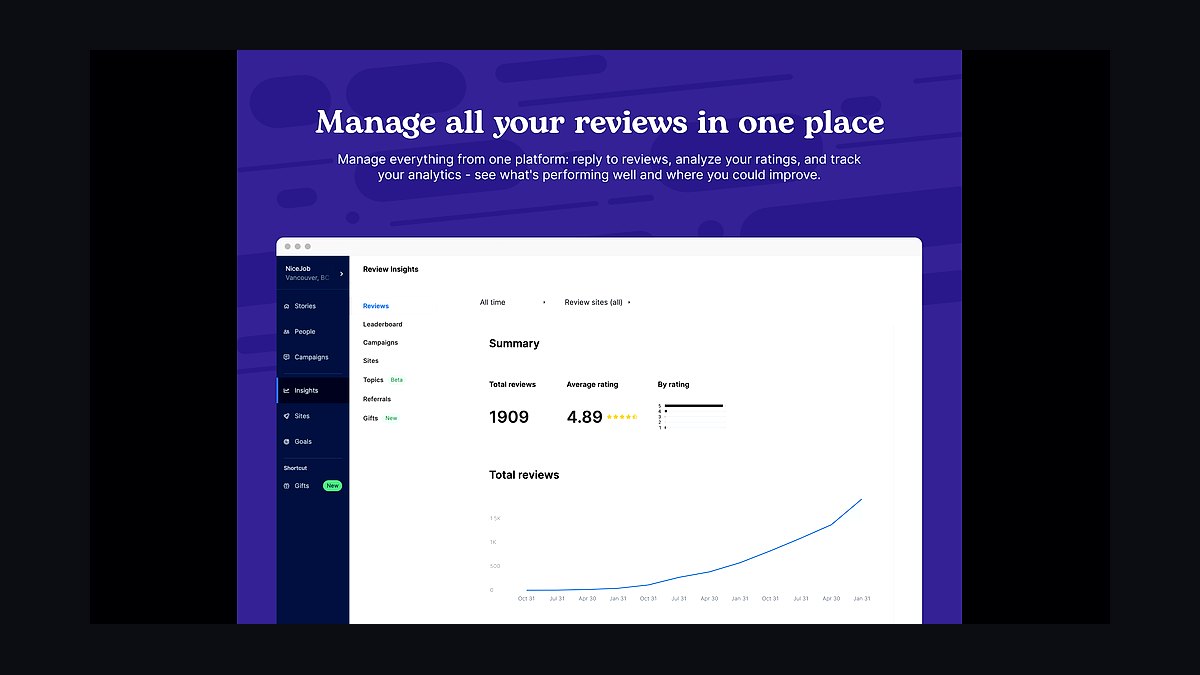
NiceJob ranks seventh because it automates the post-job review request that drives local search rankings for detailing shops. Starter runs $75/mo and Grow sits higher for multi-location use. Detailing is Google-Maps-driven: 78% of new customers find shops via local search, and shops at 4.8+ stars with 200+ reviews book 3–4× the volume of shops at 4.4 with 40 reviews.
It is for shops with steady job volume that need review velocity without manual follow-up. It trades away the webchat and multi-channel messaging that Podium Core at $399/mo provides. The failure mode is buying it and never connecting the post-job text trigger — shops report zero new reviews in six months despite 400 completed jobs, so configure the trigger on day one.
8Podium
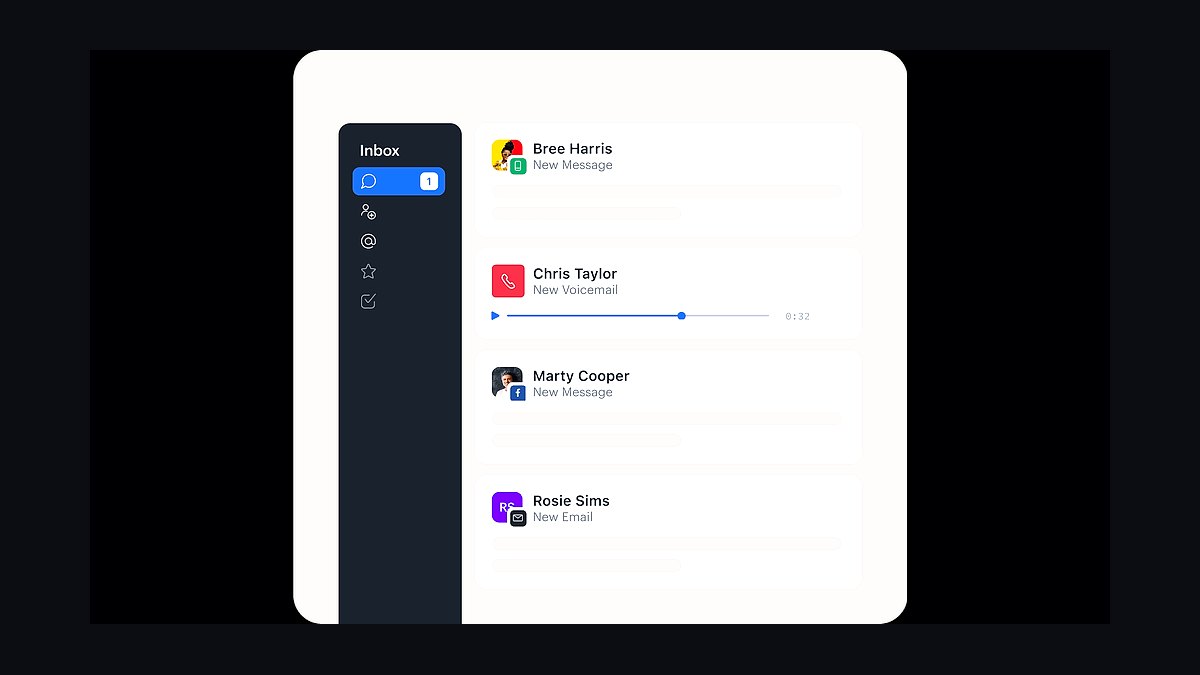
Podium ranks eighth because it bundles review requests with webchat and multi-location messaging for franchise groups. Core runs $399/mo, roughly five times NiceJob Starter at $75/mo. Auto Concierge, a six-location Austin franchise, runs Podium across all locations for review and webchat. It is the right pick when one review tool must serve multiple storefronts under one brand.
It is for multi-location operators and shops fielding heavy inbound webchat that converts to bookings. It trades away affordability — a solo operator gets nearly the same review automation from NiceJob at one-fifth the price. Compared to NiceJob directly above, Podium only justifies its premium once you have two or more locations or a dedicated front-desk person answering chat.
9Stripe
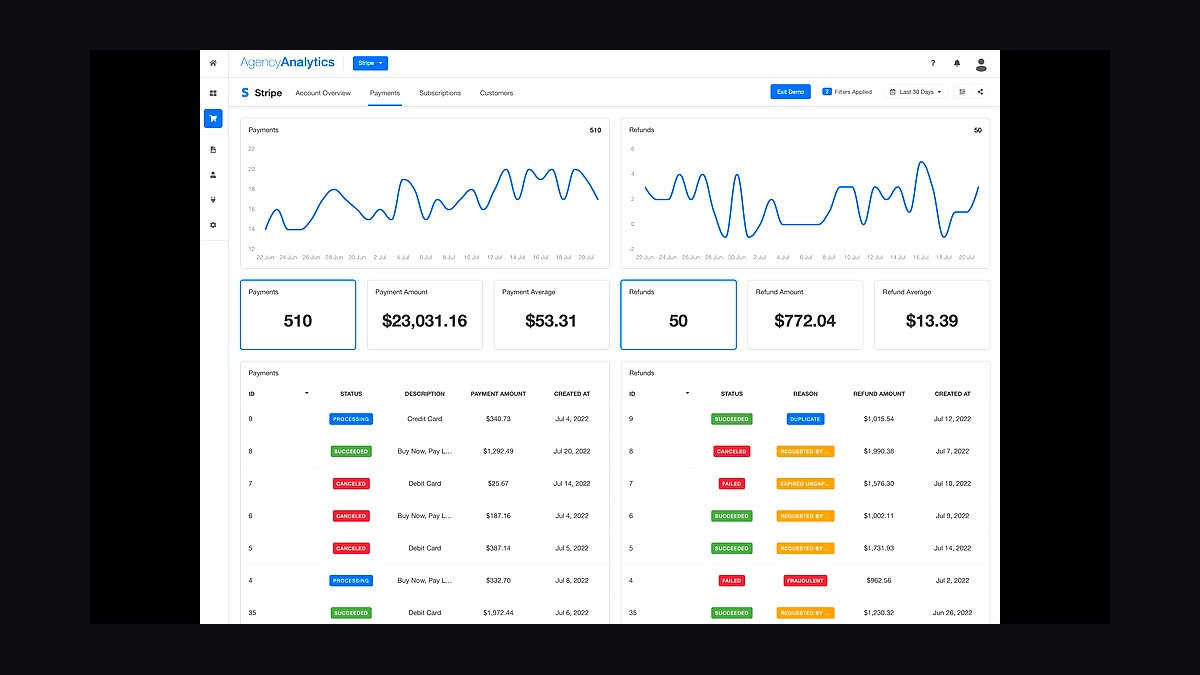
Stripe ranks ninth because it offers lower processing rates on stored cards, which matters for shops billing recurring maintenance plans. Top Coat Garage in Denver pairs Urable Pro with Stripe instead of Square for exactly this reason. Stored-card billing on recurring $89/mo Maintenance Bucket plans avoids the per-transaction terminal overhead that Square charges on card-on-file renewals.
It is for coating shops running subscription-style maintenance plans where most revenue is card-on-file rather than tap-to-pay at the counter. It trades away the $299 Square Terminal hardware simplicity and Square's 2.6% + 15¢ in-person rate. Shops with mostly walk-in one-off jobs should stay on Square POS above; Stripe only wins when recurring stored-card volume dominates the mix.
10Google Workspace
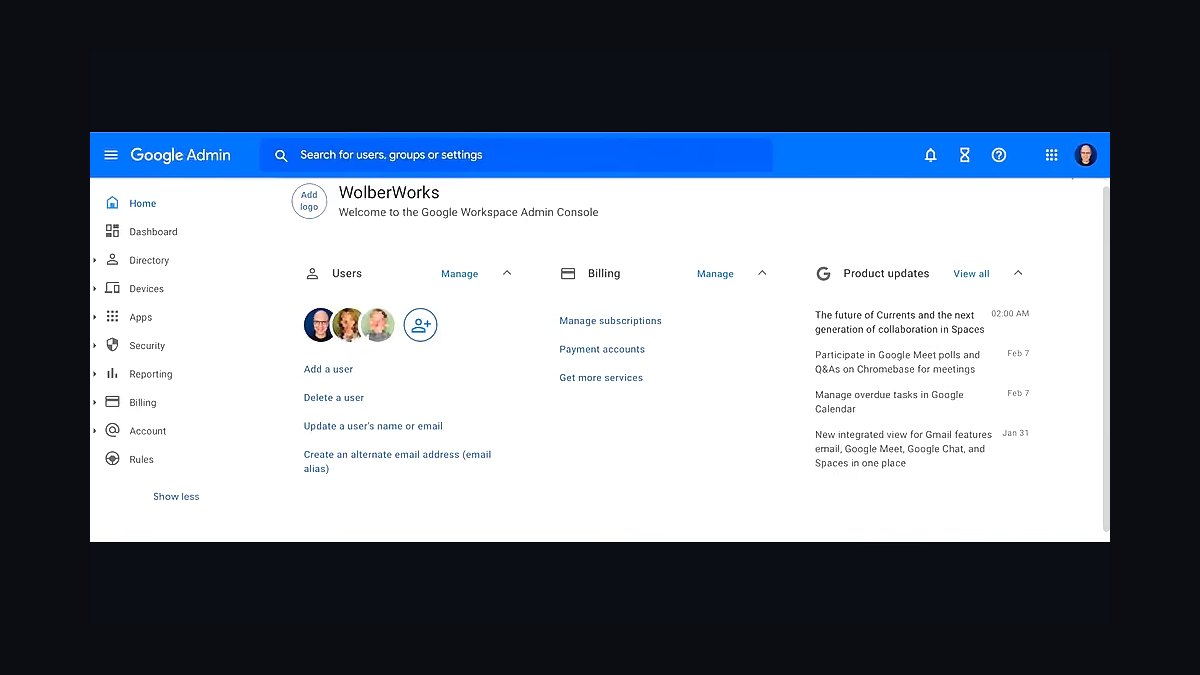
Google Workspace ranks tenth because it is the cheap backbone for email, shared Drive folders, and per-customer warranty PDF redundancy. Business Starter runs $8.40/user/mo; Business Standard runs $16.80/user/mo. Shops upload signed ceramic warranty PDFs to a dedicated Drive folder per customer as backup alongside Mobile Tech RX or Urable warranty logs. A 30-person multi-location group pays roughly $504/mo at Standard.
It is for every shop with more than one person needing shared files and branded email. It trades away nothing meaningful at this price, but it is not a differentiator — it is infrastructure. Compared to QuickBooks Online Plus above, Workspace handles documents and communication while QBO handles money; neither replaces the other, and both are near-mandatory once you have staff.
How we ranked these
We ranked each tool on five weighted criteria: detailer-native fit (30%), photo and VIN documentation depth (20%), pricing-model flexibility for tiered packages (20%), integration coverage with QuickBooks and payment processors (15%), and total 2027 monthly cost at three shop sizes (15%). Scores came from vendor pricing pages, published feature docs, and hands-on operator reports from five named detailing shops.
We deliberately ignored brand popularity, app-store star ratings, and generic field-service feature checklists. A tool can be beloved by plumbers and still fail a detailing shop that needs panel-level photo binders and ceramic batch logs. We also excluded affiliate-driven "best of" rankings and any vendor-supplied ROI claims, since those numbers are unverifiable and rarely reflect a real 1–3 bay operation.
Related questions
What software do auto detailing shops actually use in 2027?
Most run five to seven tools: Mobile Tech RX or Urable for estimating and vehicle documentation, Jobber for mobile routing, Square for tap-to-pay, QuickBooks Online Plus for books, Gusto for payroll, and NiceJob or Podium for reviews. Solo operators often consolidate to three tools and skip payroll entirely until their first W-2 hire.
Is Mobile Tech RX worth $119/mo for a solo detailer?
Yes if you sell any ceramic coating or paint correction above $500. The VIN scan, vehicle-class pricing, and timestamped photo binder are what defend you against damage disputes and warranty claims. A solo doing only $45 maintenance washes can survive on Square Appointments plus QuickBooks Essentials at roughly $100/mo total.
How does Urable differ from Mobile Tech RX?
Urable leans into recurring revenue: its Good/Better/Best quote engine auto-enrolls accepted customers into maintenance plans that re-bill monthly or quarterly. Mobile Tech RX leans into documentation: VIN scanning, per-panel photo binders, and ceramic batch logging. Coating-heavy shops with maintenance plans pick Urable; high-volume one-off detail shops pick Mobile Tech RX.
Do I need Jobber if I already run Mobile Tech RX?
Only if you operate mobile trucks across many stops. Jobber's route optimization is best-in-class for two to four trucks covering thirty-plus weekly stops. In-shop detailers do not need it. Many 2027 mobile operators replace Jobber with Urable's routing module to consolidate to one tool and cut a subscription.
What is the cheapest viable tech stack for a new detailing shop?
Square Appointments Free plus Square Terminal hardware at $299, QuickBooks Online Essentials at $65/mo, and a free Google Workspace trial lands under $80/mo before processing fees. That stack works below roughly $100k annual revenue. Add Mobile Tech RX Starter at $119/mo the moment you start quoting ceramic coatings or paint correction packages.
How much do card processing fees cost a detailing shop per year?
A shop doing $400k with 85% card volume pays roughly $10,200/yr at Square's in-person 2.6% + 15¢ rate on a $185 average ticket. Mobile Tech RX in-app processing at 2.85% + 30¢ runs about $12,200/yr. Many shops generate the MTR invoice and ring it on Square to capture the lower rate.
Does QuickBooks Online Plus really cost $115/mo in 2027?
Yes, following a 13% increase from $99 in 2026. Plus is the right tier because it supports class tracking for service categories and location tracking for multi-shop P&Ls. Simple Start at $35/mo lacks class tracking; Essentials at $65/mo is the practical floor for a real detailing business with employees.
When should a detailing shop add Gusto payroll?
The moment you hire your first W-2 detailer at $18–$28/hr. Gusto Simple runs $49/mo plus $6 per employee and files taxes, handles new-hire reporting, and includes time tracking on the Plus tier. Paying yourself casually out of the business account without running it through payroll creates tax problems later.
FAQ
Can I run my whole detailing shop on Square Appointments alone?
You can, and some solo operators do. You lose VIN auto-population, vehicle-class pricing, panel-by-panel photo binders, and ceramic warranty logs. Below $100k revenue doing mostly maintenance washes, Square Appointments plus QuickBooks Simple Start is workable at roughly $35/mo. Once you sell $800+ ceramics, switch to Mobile Tech RX or Urable.
Mobile Tech RX or Urable — which wins in 2027?
Both are detailer-native and both are good. Mobile Tech RX has the stronger photo binder and on-site mobile workflow. Urable has the stronger recurring maintenance-plan billing and Good/Better/Best quote engine. Coating-heavy shops lean Urable; high-volume one-off detail shops lean Mobile Tech RX. Running both is overkill below $300k revenue.
Is QuickBooks Online worth $115/mo versus Self-Employed at $25?
For a real shop, yes. Self-Employed is Schedule-C only, lacks class tracking, does not sync with Mobile Tech RX or Urable, cannot issue 1099-NECs, and does not separate location P&Ls. Sole proprietors under $50k revenue can stay on Self-Employed. Past $80k revenue or one W-2 employee, move to QuickBooks Online Plus.
Do I need separate software for ceramic coating warranty tracking?
No. Mobile Tech RX and Urable both handle it inside the existing subscription through Notes and Photo modules. Some shops also upload signed warranty PDFs to a per-customer Google Drive folder as free redundancy. The coating brand's dealer portal handles the manufacturer side; you log application data in your shop software.
How much should a detailing shop budget for software monthly?
Solo operators land at $220–$320/mo. Small shops with one to three bays and two to six employees run $520–$780/mo. Multi-location groups with four to ten sites and 25–60 employees spend $1,400–$2,400/mo. Total IT spend should land at 2.5–4.5% of revenue; under 1.5% usually means you are under-tooled.
What integrations are mandatory in a 2027 detailing stack?
Mobile Tech RX or Urable must sync to QuickBooks Online for invoices and payments. Square must sync to QuickBooks for daily sales journal entries. Gusto must sync to QuickBooks for payroll journal entries. Without these three syncs, you re-key data six to ten hours per week and fall behind on books within a quarter.
Why do detailing shops need intake photos on every vehicle?
A $45 maintenance wash can generate a $2,400 paint-respray claim if a customer says you caused a swirl. Without timestamped intake photos, you have no defense and your insurer may deny the claim. The 90 seconds it takes to photo-binder every car statistically saves one $2,400 claim every 18 months.
Is NiceJob or Podium worth the monthly cost?
Yes if you actually configure the post-job review trigger on day one. Detailing is a Google-Maps-driven business, and shops with 4.8+ stars and 200+ reviews book three to four times the volume of shops at 4.4 with 40 reviews. NiceJob starts at $75/mo; Podium Core at $399/mo. Pick one and connect it immediately.
Can I take Venmo or Cash App payments from customers?
Technically yes, but do not. The IRS receives a 1099-K at $600/year, your books never see the revenue, and your insurance carrier can deny a claim for off-the-books work. Route every payment through Square, Mobile Tech RX card processing, or Stripe so revenue, taxes, and coverage stay clean.
How long does it take to roll out a full detailing tech stack?
Plan 90 days. Days 1–30 build the service menu in Mobile Tech RX, connect QuickBooks, and order the Square Terminal. Days 31–60 add Gusto payroll, set up class tracking, and turn on the review trigger. Days 61–90 audit photo binders, build the ceramic warranty SOP, and pull Profit & Loss by Class to guide marketing spend.
Sources
- https://www.mobiletechrx.com/plans/
- https://urable.com/pricing/
- https://www.getjobber.com/pricing/
- https://squareup.com/us/en/pricing
- https://quickbooks.intuit.com/online/pricing/
- https://gusto.com/pricing
- https://www.nicejob.com/pricing
- https://www.podium.com/pricing/
- https://www.carfax.com/Service/Service-Shops
Related on PULSE
This page will be disappearing soon. Save it to your device for $1 — or read it free while it is here.
@Kory-White- · if Venmo asks, the last 4 of my number are 2012
This page is gone.
This one is off the shelf now. $1 keeps it on your phone for good — the whole page, pictures and diagrams included.
 pulse-tech-stacksTop 10 Best Tech Stack Tools for AI Customer Support Companies in 2027
 pulse-tech-stacksTop 10 Best Tech Stack Tools for Fine-Tuning Platform Companies in 2027
 pulse-tech-stacksTop 10 Best Tech Stack Tools for API Security Vendors in 2027
 pulse-tech-stacksTop 10 Best Tech Stack Tools for Independent Bakeries in 2027
 pulse-tech-stacksTop 10 Best Tech Stack Tools for Online Travel Agencies (OTAs) in 2027
 pulse-tech-stacksTop 10 Best Tech Stack Tools for Independent Driving Schools in 2027
 pulse-tech-stacksTop 10 Best Tech Stack Tools for Independent Roofing Contractors in 2027
 pulse-tech-stacksTop 10 Best Tech Stack Tools for B2B SaaS Companies in 2027
 pulse-tech-stacksTop 10 Best Tech Stack Tools for Land Surveying Firms in 2027
 pulse-tech-stacksTop 10 Best Tech Stack Tools for AI Translation API Companies in 2027