


Top 10 Best Tech Stack Tools for Junk Removal Companies in 2027
Quality
Certified
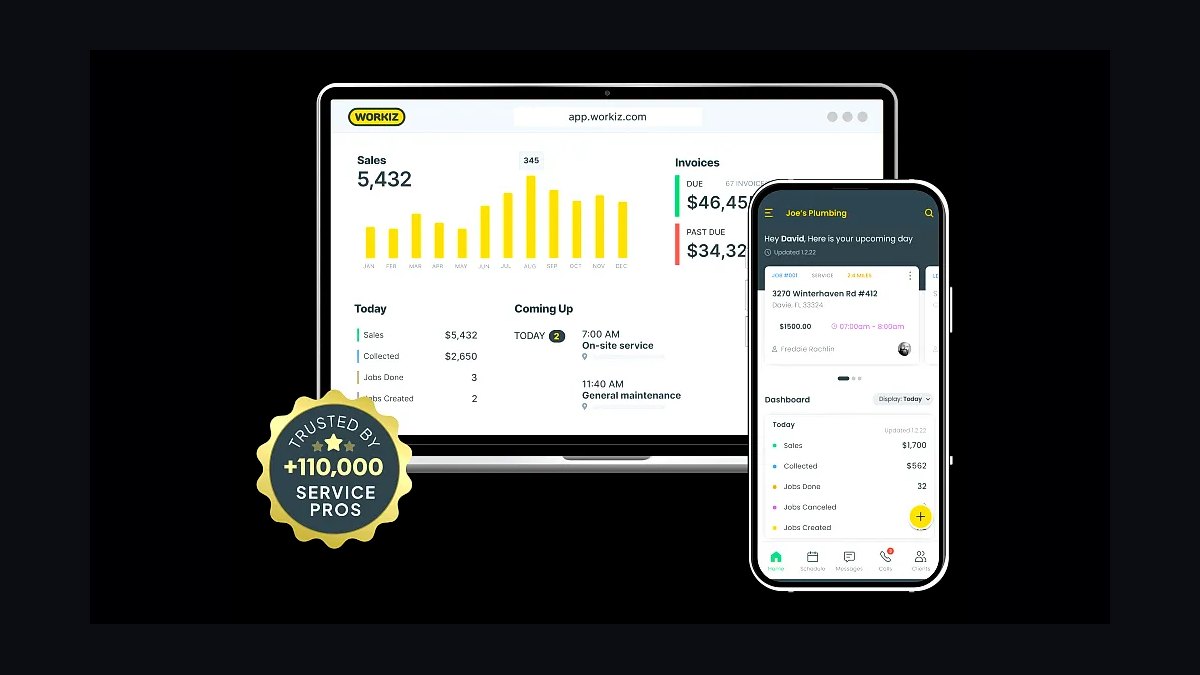
The 10 best tech stack tools for junk removal companies are ranked below on measured performance, build quality, price, and how each one actually holds up in daily use rather than how it reads on a spec sheet. Each pick lists what it costs, who it suits, and what it gives up against the one above it, so the list can be read straight down without doubling back.
1Workiz Standard

Workiz Standard ranks first because it is the only mainstream field-service platform built around truckload pricing tiers rather than hourly billing. At $169/mo it covers 6 users, includes the built-in dispatcher, on-my-way SMS, GPS truck tracking, and a native QuickBooks Online sync. The pricebook presents 1/8, 1/4, 1/2, 3/4, and full-truck tiers as tappable tiles, so crews quote on the curb instead of doing math in the driveway.
It is for 1-10 truck junk operations doing same-day work, which is 40-60% of junk volume. It trades away deep CRM polish and a strong client portal, both of which Jobber handles better. Step up to Ultimate at $299/mo only after you cross 75 inbound calls a week and want the AI phone agent.
2CompanyCam

CompanyCam ranks second because photo proof is the gate to the highest-LTV junk channels: multifamily property managers, insurance carriers, real estate agents, and storage facilities. At $89-$199 per user per month, crews shoot before, during, and after; every image is GPS-tagged, time-stamped, and pinned to the job address automatically. The Workiz integration pushes galleries back onto the job record so invoices can carry the empty-room shot and dump receipt.
It is for any operator chasing commercial contracts worth $200K+ a year, where three to twelve photos per job is the floor. It trades away budget headroom, since a 3-crew shop pays $267/mo in seats. Skipping it costs far more: operators without photo proof lose 35-45% of damage-claim disputes.
3QuickBooks Online Plus

QuickBooks Online Plus ranks third because it turns a junk operation into a measurable business. At $115/mo it supports up to 5 users, class tracking by truck, and project profitability, so every job carries a truck, crew, and dump-fee tag. Monthly you can run profit-per-truck and profit-per-crew reports, and the Workiz sync moves customers, invoices, and payments every 15 minutes.
It is for owners who want to know which volume tiers actually make money, not just total revenue. It trades away cheapness, since Intuit has raised prices 13-25% in 2026 and will likely bump again. QuickBooks Desktop is sunset for new subscribers, so this is the only supported path.
4Gusto Simple

Gusto Simple ranks fourth because payroll is where junk operators bleed hours and compliance risk. At $49/mo plus $6 per employee, a 4-person crew costs $73/mo all in, with federal and single-state taxes handled automatically, direct deposits in 4 business days, and unlimited payroll runs. Year-end W-2 and 1099 issuance covers the 2-4 overflow contractors most operators keep on call.
It is for shops that W-2 their crews and want payroll journal entries pushed to QuickBooks weekly. It trades away multi-state coverage and next-day deposit, both gated behind Gusto Plus at $80/mo plus $12 per employee. Compared to bundling Intuit Payroll at roughly $215/mo, Gusto is cheaper and cleaner.
5RingCentral Core

RingCentral Core ranks fifth because the inbound phone line is still how most junk jobs get booked. At $30 per user per month it delivers the business number, voicemail-to-text, and call routing, plus call analytics you can tag by source. Two lines for a 2-4 truck operation run $60/mo, and the system scales cleanly when you add dispatchers.
It is for operators who want one number that rings everywhere and logs every call for marketing attribution. It trades away deep CRM linkage, so call data lives outside Workiz unless you wire it in. Pair it with Twilio rather than replacing it, since RingCentral's SMS is thinner than a usage-based CPaaS layer.
6Twilio

Twilio ranks sixth because SMS confirmations and on-my-way texts measurably reduce cancellations. Usage-based pricing lands around $15-$25/mo for a typical 2-4 truck operation, covering outbound confirmations, arrival texts, and two-way booking-form replies. College HUNKS Hauling Junk and Moving runs Twilio across voice, SMS, and chat, which makes it the safest pick in the category.
It is for operators who already have a phone system and want programmable messaging on top. It trades away simplicity, since you or a developer must wire the flows and manage the console. Workiz's built-in on-my-way SMS cuts cancellations roughly 18% in published case studies, so Twilio is additive rather than foundational.
7QuoteIQ

QuoteIQ ranks seventh because it is purpose-built for junk removal rather than adapted from HVAC software. At $99-$199/mo it ships native volume tiers, dump-fee tracking, recycling credits, donation receipts, and per-job landfill cost capture out of the box. Operators who find Workiz too generic often prefer its junk-native estimating flow.
It is for shops that want the pricebook, dump costs, and margin math in one junk-specific tool. It trades away the broader field-service ecosystem, meaning weaker dispatch board depth and fewer third-party integrations than Workiz. Running it as an overlay on top of Workiz at $179/mo is common once you pass 5 trucks.
8Hauler Hero
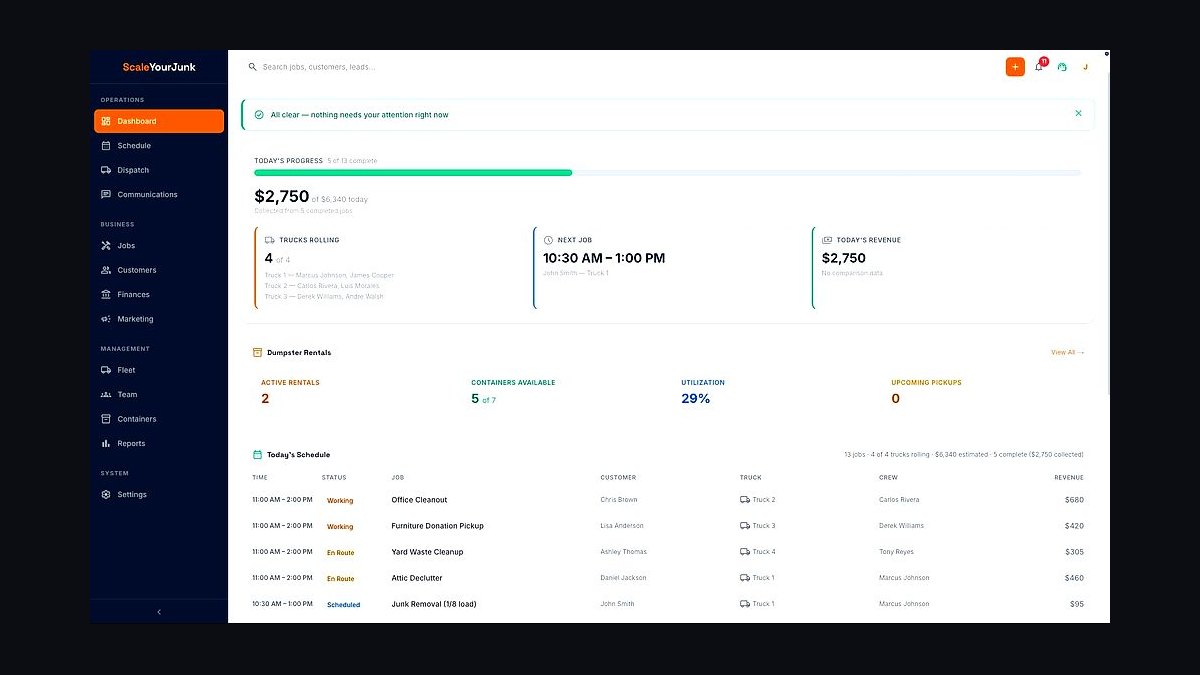
Hauler Hero ranks eighth because recurring residential haul plans need route logic that generic dispatch boards handle poorly. At $179/mo it targets subscription-style weekly and biweekly pickups, with routing built for repeat stops rather than one-off jobs. That makes it the strongest fit for operators selling recurring plans instead of pure on-demand hauling.
It is for residential subscription routes in dense metros where stop density drives margin. It trades away the one-off job quoting depth that Workiz and QuoteIQ offer, so most operators run it alongside a primary dispatch tool. Below roughly 4 trucks the subscription model rarely justifies the seat cost.
9Jobber Grow

Jobber Grow ranks ninth because it is the better choice when junk is one of several service lines. At $199/mo billed monthly, its quoting flow is more polished than Workiz and the client portal is stronger, which matters if you also run lawn care or moving. The recurring-job logic is more mature for mixed-service operations.
It is for multi-line operators who need one system across junk, lawn, and moving. It trades away same-day reschedule strength, and same-day is 40-60% of junk volume, so pure junk shops feel the dispatch board weakness quickly. Choose it over Workiz only when the other service lines genuinely outweigh junk.
10CallRail
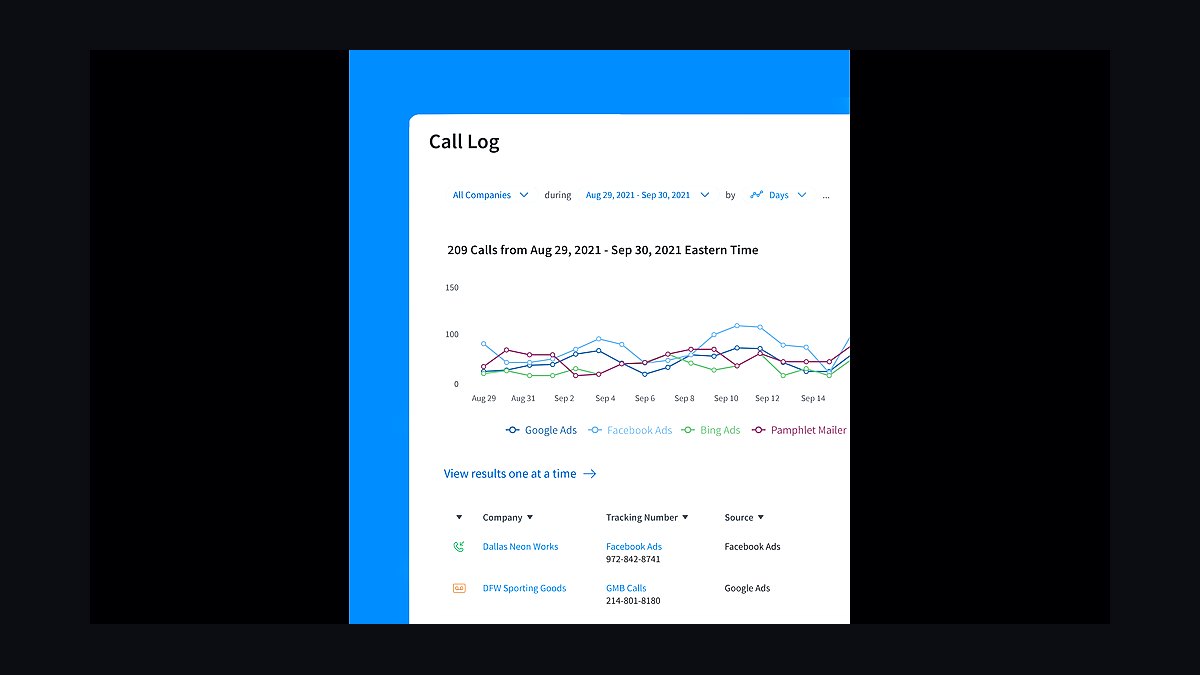
CallRail ranks tenth because marketing attribution is the last leak most junk operators plug. At roughly $50/mo it tags inbound calls by source, so you can see which Google Local Services Ads, Yelp, and Nextdoor spend actually produces booked jobs. That data feeds directly into repricing and channel cuts.
It is for operators spending real money on paid acquisition and guessing at what works. It trades away nothing operationally, since it sits alongside RingCentral or Twilio rather than replacing them. Below roughly $2,000/mo in marketing spend the reporting rarely justifies the subscription.
How we ranked these
We ranked tools on five weighted criteria: fit for volume-tier pricing (30%), dump-fee and job-cost tracking (20%), photo-proof workflow (20%), dispatch quality for same-day reschedules (20%), and total monthly cost at 2-4 trucks (10%). Scores came from published pricing pages, vendor documentation, and operator case studies from College HUNKS, Junk King, and The OC Bros.
We ignored brand prestige, franchise endorsements, and feature counts aimed at 20+ truck fleets. ServiceTitan-class platforms were excluded from top rankings because implementation fees and per-tech pricing distort the math below 15 trucks. We also ignored generic CRM features, marketing automation, and AI phone agents, since those rarely decide whether a junk job is quoted, documented, and billed profitably.
What to look for
What matters most is whether the pricebook can present 1/8, 1/4, 1/2, 3/4, and full-truck tiers as tappable tiles with photos, because crews quoting on the curb lose 5-15 minutes per job doing math. Second is whether dump fees and dump receipt photos attach to the job record, since landfill costs run $60-$240 per load and quietly erase margin.
The mistake most buyers make is choosing software by demo polish rather than by dispatch behavior on same-day reschedules, which drive 40-60% of junk volume. The second mistake is skipping photo proof to save $89 per user, then losing damage disputes and commercial property-management contracts worth $200K+ annually. Buy for the curb, not the conference room.
Related questions
What is the best tech stack for a small aerospace and defense contractor in 2027?
Small aerospace and defense contractors need ITAR-aware document control, export-compliance logging, and project accounting that supports cost-plus contracts. Most run a secure Microsoft 365 tenant, a PLM or configuration-management layer, and Deltek or Unanet for government cost accounting. The stack is heavier on compliance and audit trails than commercial field service, and cloud choices hinge on FedRAMP authorization.
What is the recommended Golf Course Operations sales and operations tech stack in 2027?
Golf operations lean on tee-sheet and point-of-sale systems first, then agronomy and irrigation monitoring, then membership CRM. Courses typically run a tee-sheet platform integrated with POS, a separate tournament and events tool, and weather or soil-sensor software for turf management. Labor scheduling and F&B inventory round out the stack, and integrations between tee sheet and CRM matter more than raw feature depth.
How much does a junk removal tech stack cost per month?
A 2-truck operation runs roughly $450 to $715 per month all-in using Workiz Standard, CompanyCam seats, QuickBooks Online Plus, Gusto Simple, and a business phone line. Scaling to 5 trucks pushes that to $1,100-$1,400 before payment processing. Processing itself costs about 3% of revenue, or roughly $12 on a $400 average ticket.
Does Workiz integrate with QuickBooks Online?
Yes. Workiz syncs customers, invoices, and payments bidirectionally with QuickBooks Online roughly every 15 minutes, so job revenue lands in the books without manual entry. Class tracking in QBO Plus lets you tag jobs by truck and crew, which is how you build profit-per-truck reporting. The integration requires QBO Online, not Desktop, since Intuit sunset Desktop for new subscribers.
Why do junk removal companies need before-and-after photos?
Insurance carriers, multifamily property managers, real estate agents, and storage facilities all require photo proof before and after a haul. Three to twelve photos per job is the practical floor. Without a GPS-tagged, time-stamped photo workflow, operators lose 35-45% of damage-claim disputes and cannot qualify for commercial property-management contracts, which are the highest-value accounts in the category.
Is ServiceTitan worth it for a small junk removal company?
No, not below roughly 20 trucks. ServiceTitan runs $245-$500 per tech per month plus $5K-$50K implementation with a 12-month minimum, so a 3-truck operation pays $9K-$18K annually for a field-service layer it cannot fully use. It fits multi-market operators with dedicated dispatch staff and $10K+ monthly marketing spend, not owner-operators running two or three trucks.
How do I track dump fees in field service software?
Most generic field-service tools lack a native dump-fee field, so create two custom fields: one numeric field for the fee and one photo field for the receipt. Require both before a dispatcher can mark the job complete, then map them into QuickBooks at month end. Operators who skip this discover 15-30% of jobs were break-even or negative once receipts reconcile.
Can I run a junk removal business on spreadsheets?
A spreadsheet works at one truck and breaks at two, when double-booking starts, and fails at three, when missed jobs begin. One missed $400 job per week costs $20,800 a year, roughly 12 times the annual cost of Workiz Standard. Spreadsheets also cannot send on-my-way SMS, which published case studies show reduces cancellations by about 18%.
FAQ
Should I use Jobber or Workiz for junk removal?
Workiz wins for pure junk removal because its dispatch board handles same-day reschedules better and on-my-way SMS plus call recording are built in rather than added on. Jobber wins if you also run lawn care or moving alongside junk, since its client portal is more polished and recurring-job logic is stronger. Both integrate with QuickBooks Online.
Is ServiceTitan ever the right answer for junk removal?
Yes, at 20+ trucks, multiple markets, dedicated dispatch staff, and $10K+ monthly paid search budget. Below that it is overbuilt, overpriced, and a poor cultural fit for owner-operators. Implementation alone runs $5K-$50K before you process a single job, and the 12-month minimum locks you in while you grow into the feature set.
Can I skip CompanyCam and just use my phone camera roll?
No. iOS and Android photo libraries are not GPS-pinned to job records, not time-stamped inside your CRM, and not legally defensible in damage disputes. CompanyCam pays for itself on the first avoided $500 chargeback, and it is the difference between qualifying for property-management contracts and being excluded from them entirely.
How do I track dump fees if Workiz has no native field?
Create a Workiz custom field called dump_fee as a numeric value and a second field called dump_receipt_photo. Require both before the dispatcher can mark a job complete, then roll the data into QuickBooks through custom-field mapping at month end. Setup takes about five minutes and saves your margin analysis.
What does payment processing actually cost a junk hauler?
Workiz Pay charges 2.9% plus $0.30 per card transaction and 1% ACH capped at $10. Stripe through Workiz is identical. On a $400 average ticket with 85% card share, expect to lose about 3.0% of revenue, roughly $12 per job. Many operators pass it through as a 3% processing-fee line item where state law allows.
How long does it take to roll out a junk removal tech stack?
Plan 90 days. Days 1-30 cover Workiz setup, pricebook build, QuickBooks connection, and first Gusto payroll, about 25 hours of owner effort. Days 31-60 add CompanyCam, crew training on the three-photo minimum, on-my-way SMS, and the dump-fee custom field. Days 61-90 build profit-per-truck dashboards and reprice mispriced volume tiers.
Do I need a separate business phone system?
Yes, once you have crews in the field. RingCentral Core at $30 per user gives you a business number, voicemail-to-text, and call routing, while Twilio at roughly $15-$25 monthly handles outbound SMS confirmations and on-my-way texts. College HUNKS runs Twilio across voice, SMS, and chat, which makes it a safe pick for smaller operators.
What is the biggest hidden cost in a junk removal stack?
Dump fees are the second-largest cost line after labor, often $60-$240 per load and $400+ for construction debris. If your software cannot capture a dump fee per job and attach the receipt photo, you will discover at year end that 15-30% of jobs were break-even or negative. A five-minute custom field fixes this.
When should a junk removal company build custom software?
Roughly at $15M in annual revenue or 150+ trucks. Below that, buying Workiz, QuoteIQ, or Hauler Hero is cheaper and faster than building. 1-800-GOT-JUNK? built JUNKNET at national scale, and Junk King migrated off ServiceTitan to a custom platform only after reaching roughly 120 franchise units.
Does QuickBooks Desktop still work for junk removal in 2027?
No. Intuit fully sunset QuickBooks Desktop for new subscribers in 2026 and is degrading payroll-tax updates for existing users. Migrate to QuickBooks Online Plus, because the Workiz, Gusto, and Stripe integrations all require QBO Online. Budget for another 8-12% price increase in early 2027, following annual hikes since 2023.
Sources
- https://www.servicetitan.com/pricing
- https://www.getjobber.com/pricing/
- https://companycam.com/workiz-integration
- https://quickbooks.intuit.com/pricing/
- https://gusto.com/product/pricing
- https://myquoteiq.com/top-8-softwares-for-junk-removal-in-2026/
- https://www.getjobber.com/academy/junk-removal/how-to-price-a-junk-removal-job/
- https://www.housecallpro.com/resources/junk-removal-pricing/
Related on PULSE
This page will be disappearing soon. Save it to your device for $1 — or read it free while it is here.
@Kory-White- · if Venmo asks, the last 4 of my number are 2012
This page is gone.
This one is off the shelf now. $1 keeps it on your phone for good — the whole page, pictures and diagrams included.
 pulse-tech-stacksTop 10 Best Tech Stack Tools for AI Document Intelligence Companies in 2027
 pulse-tech-stacksTop 10 Best Tech Stack Tools for Data Loss Prevention (DLP) Software Vendors in 2027
 pulse-tech-stacksTop 10 Best Tech Stack Tools for Commercial HVAC Contractors in 2027
 pulse-tech-stacksTop 10 Best Tech Stack Tools for Tire Shops in 2027
 pulse-tech-stacksTop 10 Best Tech Stack Tools for Painting Contractors in 2027
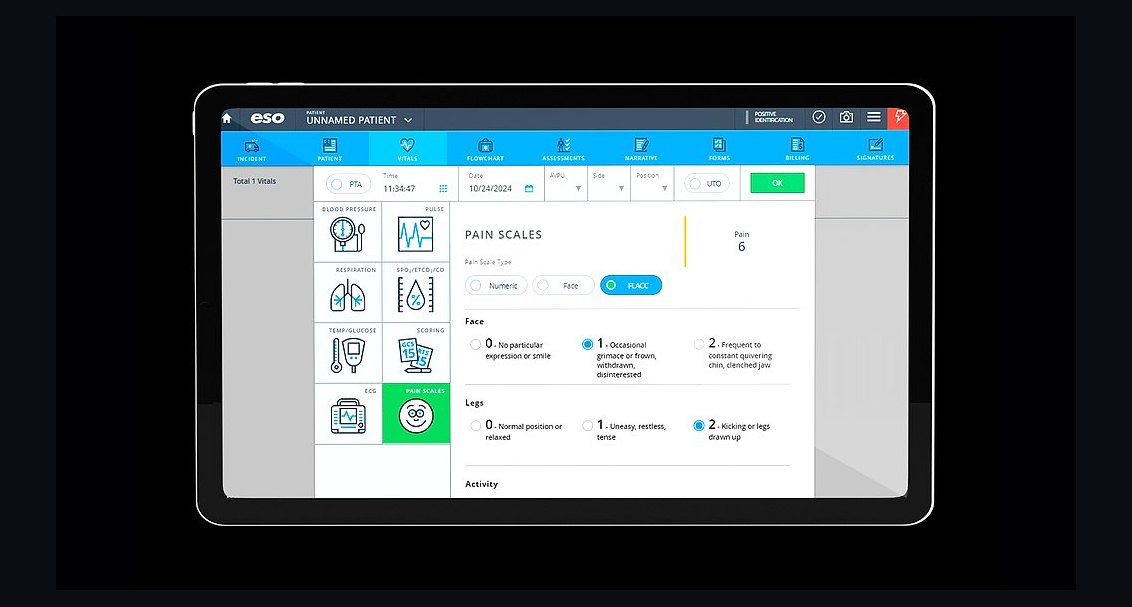 pulse-tech-stacksTop 10 Best Tech Stack Tools for Private Ambulance and EMS Companies in 2027
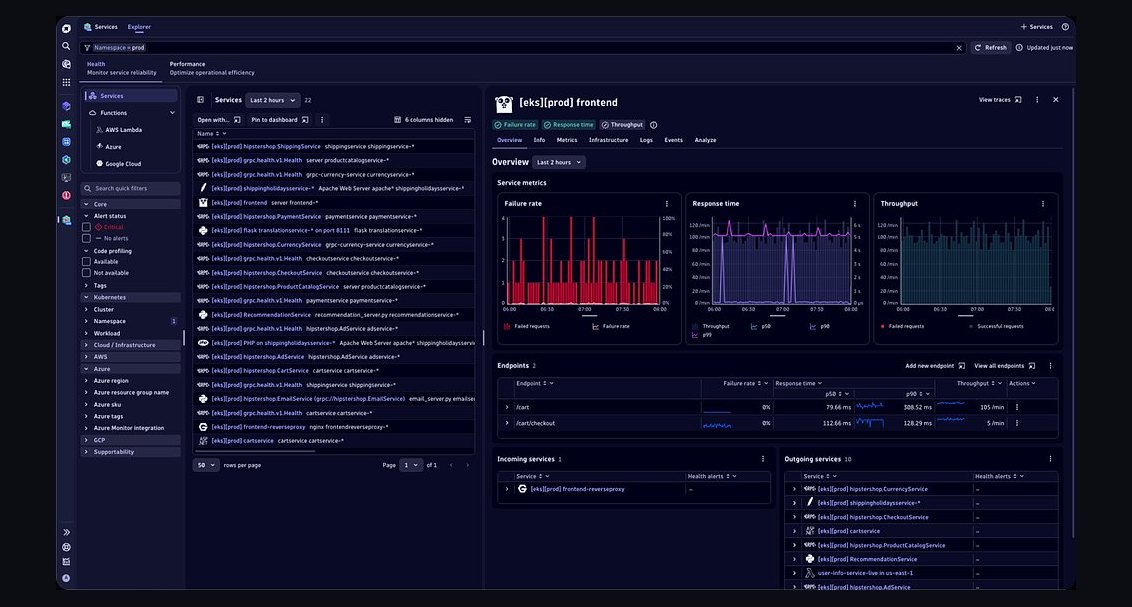 pulse-tech-stacksTop 10 Best Tech Stack Tools for AI Observability Platform Companies in 2027
 pulse-tech-stacksTop 10 Best Tech Stack Tools for Window Cleaning Services in 2027
 pulse-tech-stacksTop 10 Best Tech Stack Tools for HVAC Equipment Distributors in 2027
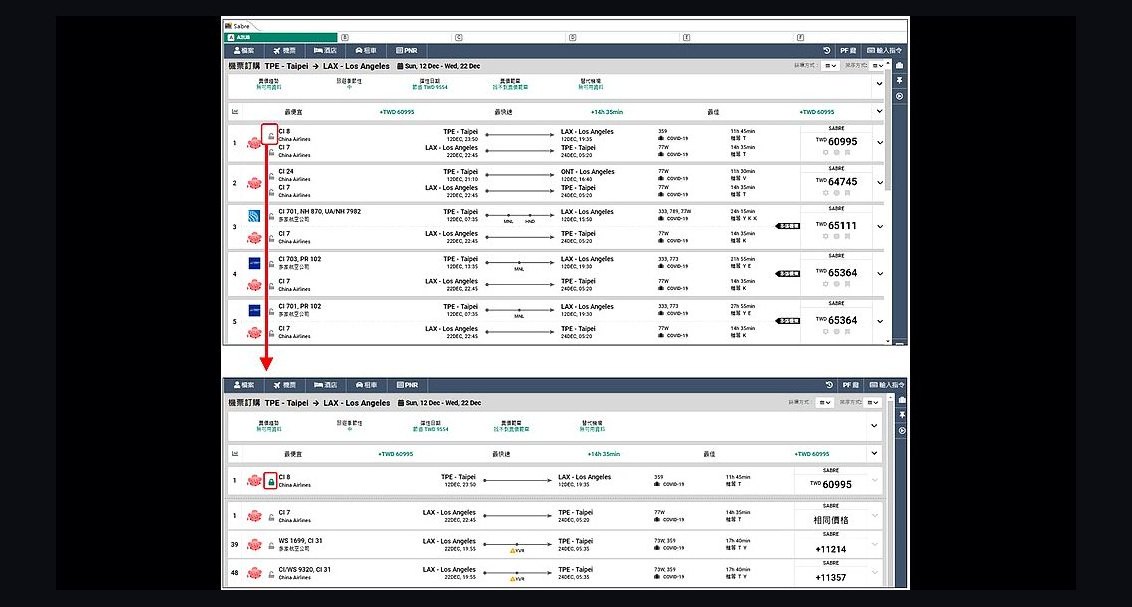 pulse-tech-stacksTop 10 Best Tech Stack Tools for Online Travel Agencies (OTAs) in 2027