


Top 10 Best Tech Stack Tools for Solar & Renewables Businesses in 2027
Quality
Certified
The 10 best tech stack tools for solar & renewables businesses are ranked below on measured performance, build quality, price, and how each one actually holds up in daily use rather than how it reads on a spec sheet. Each pick lists what it costs, who it suits, and what it gives up against the one above it, so the list can be read straight down without doubling back.
1Aurora Solar

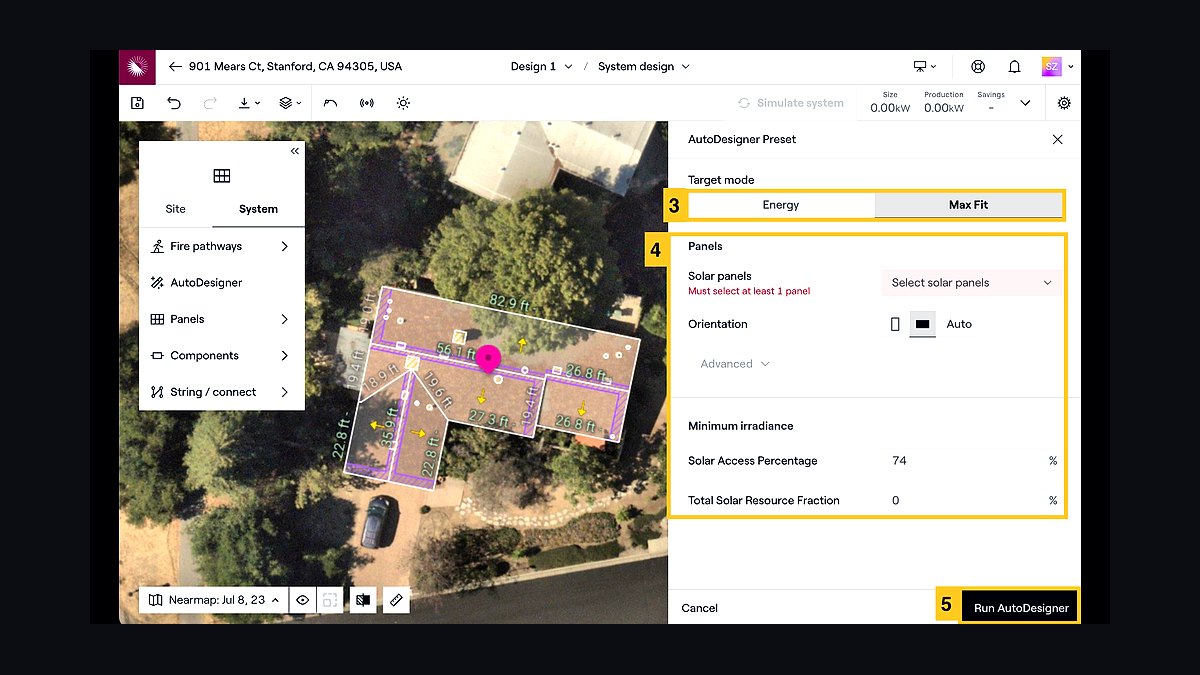
Aurora Solar ranks first because it is the design and proposal engine that most residential and small commercial installers build around, with per-seat pricing commonly cited in the $150-$300 per-month range. Its shading analysis and financial modeling handle complex roofs and multiple financing scenarios that cheaper tools approximate poorly, and proposals write back to a CRM as attached quotes. That same-day turnaround directly protects close rate on price-shopped deals.
It suits installers past a few dozen jobs monthly who need defensible production estimates, not beginners watching every dollar. It trades away affordability and simplicity: one seat per estimator creates the exact proposal queue that stretches turnaround from same-day to four days under volume. OpenSolar, ranked second, is the cheaper starting point below roughly $2M in revenue, but its shading and modeling depth do not match Aurora's on complicated roofs.
2OpenSolar

OpenSolar ranks second because its free tier makes it the default first design and proposal tool for installers under roughly $2M in revenue, with paid add-ons for lead management and CRM features. It covers panel layout, production estimates, and homeowner-facing proposals well enough to close straightforward residential jobs, and it stands up in days rather than weeks. That low barrier is why it appears in most minimum-viable stack recommendations.
It is built for new and small installers who cannot yet justify per-seat design costs and are not modeling complex shading or multi-lender scenarios. It trades away analytical depth and enterprise features, so growing teams often migrate once proposal complexity rises. Aurora Solar, ranked first, costs more per seat but delivers the shading accuracy and financial modeling that larger installers need to defend production numbers.
3Salesforce Energy & Utilities Cloud
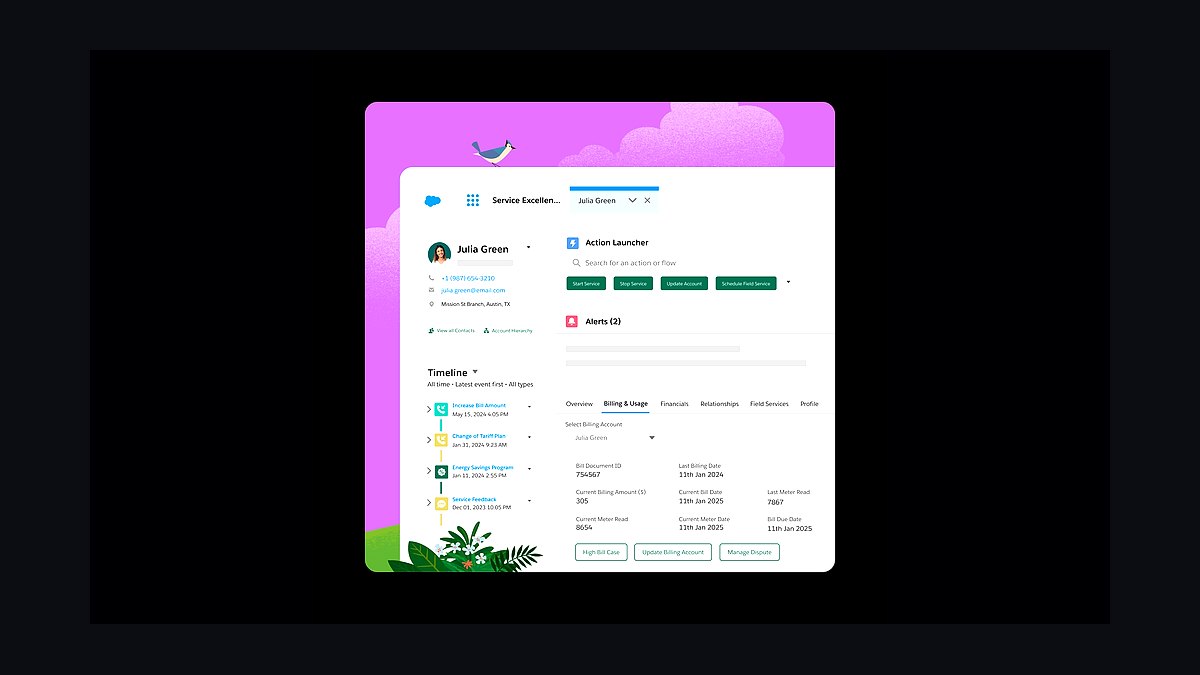
Salesforce Energy & Utilities Cloud ranks third because it is the CRM spine that larger commercial and utility-scale developers standardize on, with implementations often starting in the tens of thousands annually once configuration and integration work is included. It holds the single customer record every other tool reads from and writes back to, which is the core mechanic of a working stack. Reporting and workflow control scale with headcount in ways lighter CRMs do not.
It is for businesses well above $20M in revenue or operating at commercial and utility scale, where customization cost is offset by reporting depth. It trades away speed and affordability: a proper build takes two to four months versus days for OpenSolar, and it locks the business into that vendor's roadmap. Solar-native CRMs like Sunbase and SolarSuccess, ranked below, ship pre-built lender and design integrations that Salesforce requires custom work to match.
4Sunbase

Sunbase ranks fourth because it is a solar-native CRM running roughly $50-$150 per user monthly, with pipeline stages, lender integrations, and design-tool connections pre-built rather than assembled. It gives growing installers the integration behavior of a Salesforce build at a fraction of the implementation time, and financing approval status flows back into the pipeline automatically instead of reps checking separate portals. That removes the 20-30 minutes per deal spent re-keying homeowner data.
It fits installers past roughly 100 jobs a year who have outgrown a general CRM but cannot justify a custom enterprise build. It trades away customization ceiling and ecosystem breadth, so businesses serving both residential and utility-scale work may eventually outgrow it. Salesforce Energy & Utilities Cloud, ranked third, offers deeper configuration and reporting but demands months of setup and far higher annual spend.
5Mosaic

Mosaic ranks fifth because it is one of the lender integrations installers standardize on inside the CRM, and lender API access is typically free to the installer since loan volume is the lender's revenue. Approval status returns to the pipeline automatically, which shortens the sales cycle and eliminates the typos that trigger stips and delays. Standardizing on two or three lender integrations makes close rate by financing type actually reportable.
It is for residential sales teams running financed deals at volume, not cash-only or commercial-heavy installers. It trades away flexibility on rate buydowns and dealer fees, which commonly run 5-20% of system price depending on term and rate, and it only pays off when wired into the CRM rather than used as a standalone portal. Sunlight Financial and Dividend Finance, ranked nearby, cover the same role and are usually run alongside it rather than instead of it.
6SolarAPP+
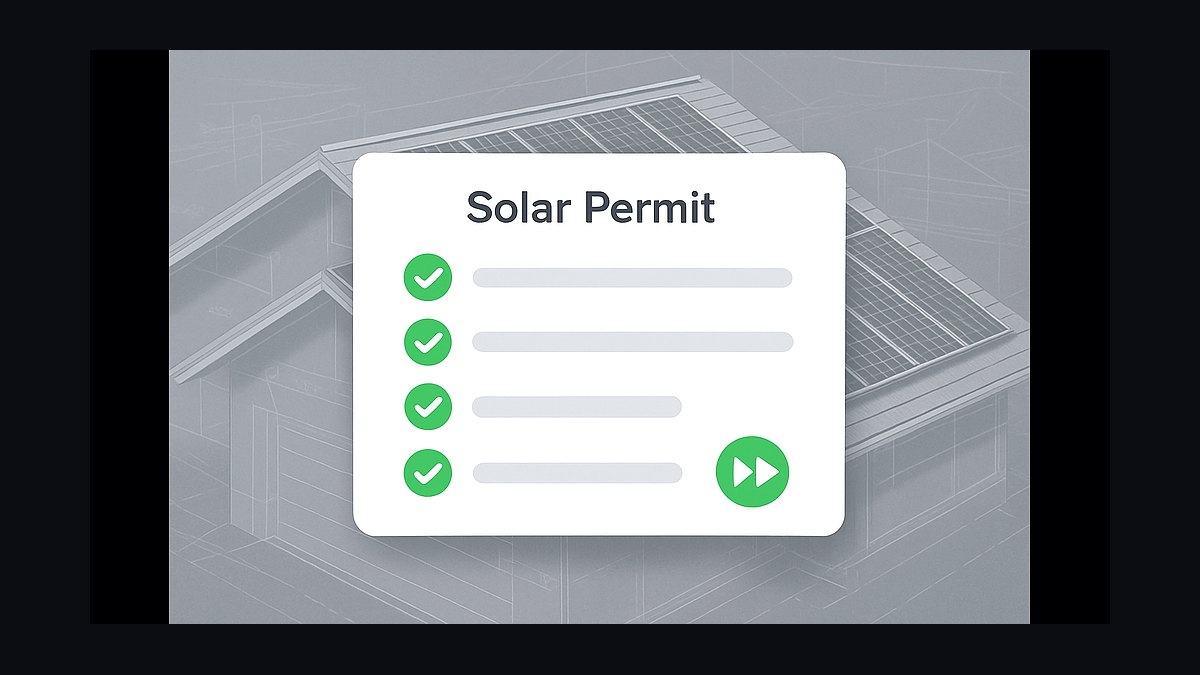
SolarAPP+ ranks sixth because it is the permitting automation layer backed by NREL that has spread to several hundred jurisdictions, and where it is live it can cut residential permit turnaround from one to three weeks down to same-day or next-day. That speed advantage compounds across every job in an adopted market and is worth checking before assuming a multi-week timeline. Permit status updates the job stage directly from the same customer record.
It is for installers operating in jurisdictions that have actually adopted it, not a universal fix. It trades away coverage: adoption varies significantly by county and state, so businesses in non-adopting markets still run manual plan review and must track permitting status digitally anyway to be ready when their market goes live. Mosaic, ranked fifth, handles the financing handoff that precedes permitting in the same pipeline.
7Enphase
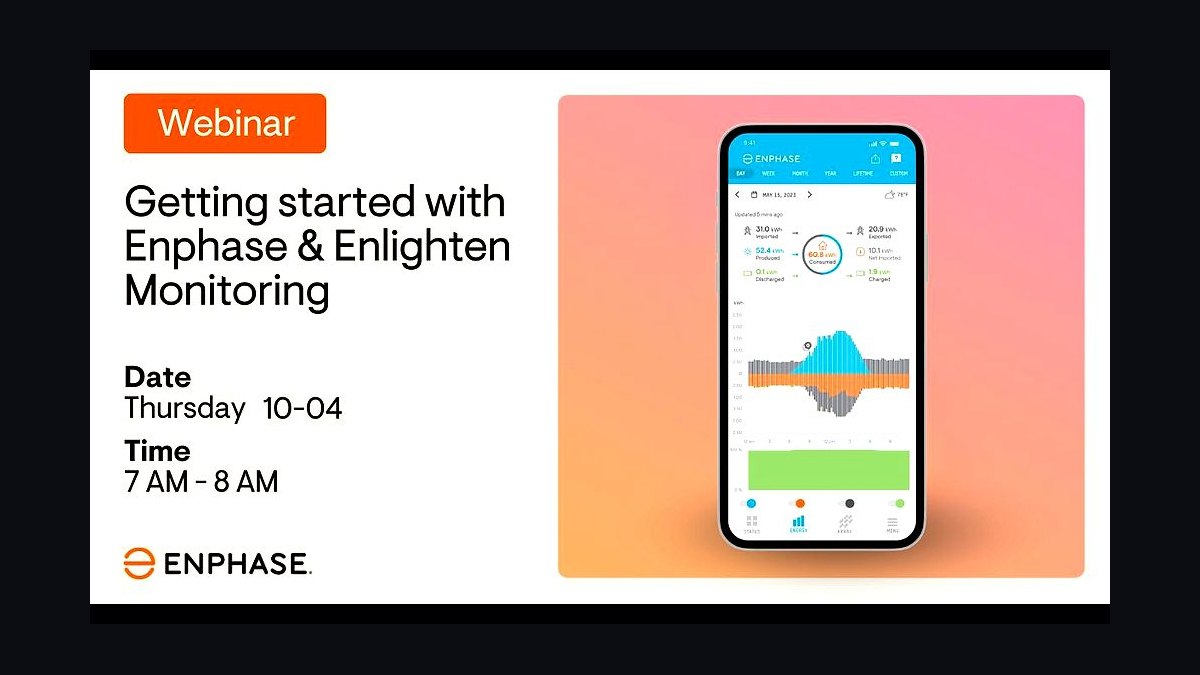
Enphase ranks seventh because its monitoring comes effectively free bundled with hardware purchase, and it is one of the two dominant inverter ecosystems installers register serial numbers and site IDs into at activation. Production alerts route back into a support ticket queue tied to the original customer record, which is how O&M catches underperformance before a homeowner notices a spiked utility bill. For single-brand fleets it is genuinely good enough.
It is for installers standardizing on Enphase hardware across most roofs, not mixed-inverter fleets. It trades away cross-brand visibility: a business installing multiple inverter brands ends up with technicians logging into several dashboards each morning, which is exactly the failure that pushes O&M books past 500 systems toward an agnostic layer. SolarEdge, ranked just below, plays the identical role for its own hardware ecosystem.
8SolarEdge
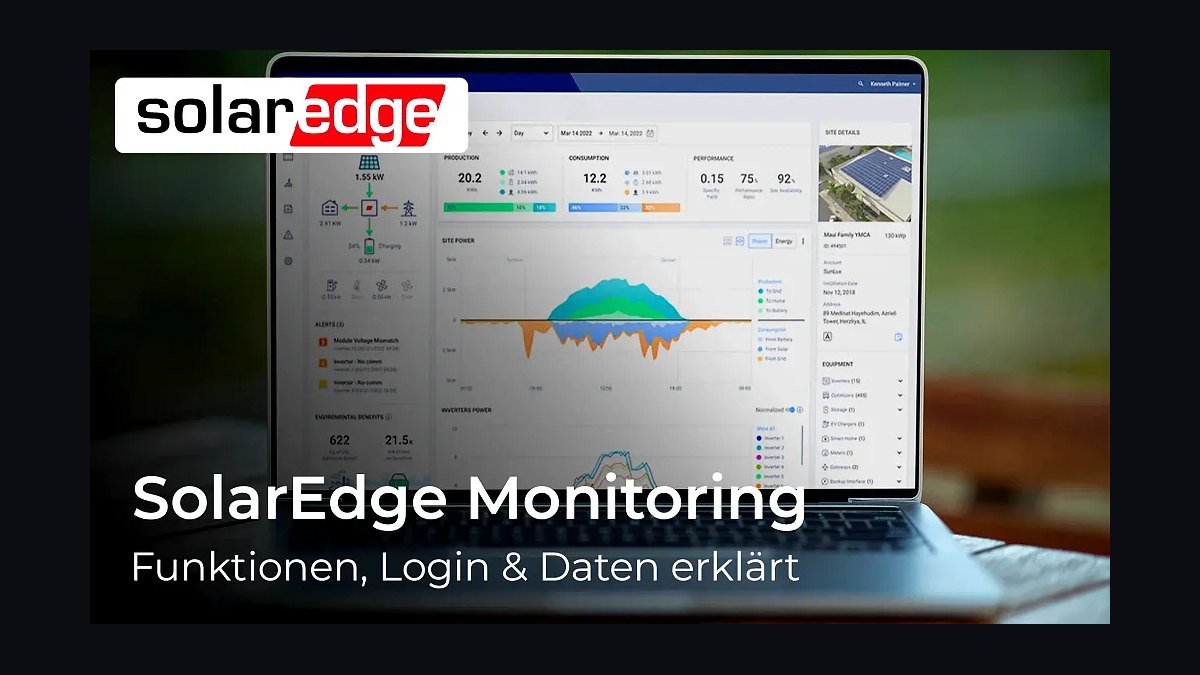
SolarEdge ranks eighth because its monitoring platform is bundled with hardware purchase and serves as the second dominant inverter ecosystem installers activate at job completion. It reports per-panel production, so underperformance is traceable to a specific module rather than inferred from a string-level reading, and alerts flow into the same support queue tied to the CRM record. For SolarEdge-heavy fleets the cost is effectively zero.
It is for installers whose roof mix favors SolarEdge hardware and who do not need cross-brand reporting. It trades away fleet consolidation: mixed-inverter operations still juggle multiple logins, and retrofitting a consolidated layer later means manually onboarding every existing serial number, a project that can take weeks. Enphase, ranked seventh, is the equivalent choice for the other major hardware ecosystem.
9Locus Energy

Locus Energy ranks ninth because it is a monitoring-agnostic layer for O&M teams managing mixed-inverter fleets, typically priced around $2-$5 per monitored system monthly. It consolidates SolarEdge, Enphase, and other manufacturer portals into one view so technicians stop logging into four dashboards every morning, and missed-alert callbacks that would otherwise cost truck rolls get caught. It becomes necessary once an O&M book crosses roughly 500 systems.
It is for operations teams with genuinely mixed hardware, not single-brand installers who already get adequate monitoring free. It trades away cost and simplicity: hardware-native portals are free, and this layer adds recurring spend plus an onboarding project for every existing serial number. Power Factors and Solar-Log, ranked below, occupy the same niche and are usually evaluated against it on integration coverage.
10Power Factors
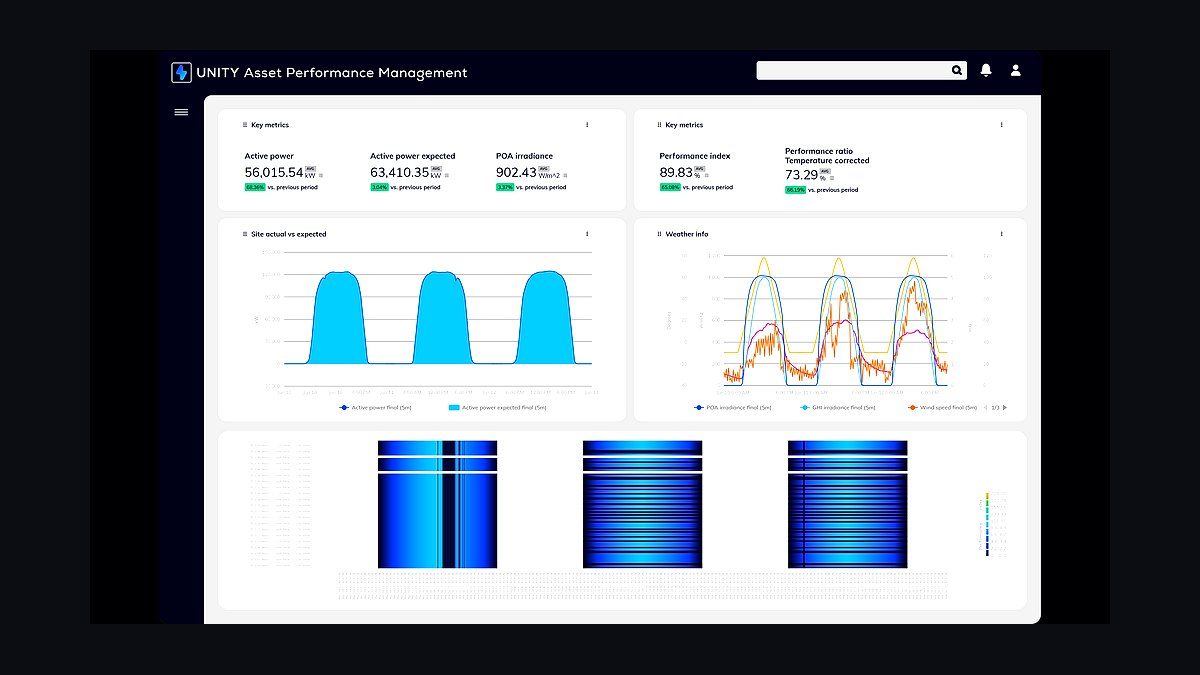
Power Factors ranks tenth because it is the other established brand-agnostic monitoring and fleet-management option for O&M teams, priced in the same $2-$5 per system monthly range as its direct competitors. It aggregates mixed-inverter production data into one platform and supports the reporting larger O&M books need once hardware-native portals stop being sufficient. It is the last layer added, not the first.
It is for operations teams past roughly 500 monitored systems, particularly those with commercial or utility-scale assets alongside residential. It trades away simplicity and adds recurring cost, and it only pays back if monitoring registration is already a mandatory step in the install-completion workflow rather than a retrofit. Locus Energy, ranked ninth, is the closest alternative and is typically chosen on integration coverage and existing vendor relationships.
How we ranked these
We ranked tools by five weighted criteria: solar-specific workflow depth (30%), integration breadth via API or native connectors (25%), total cost of ownership at 50-500 installs per year (20%), permitting and interconnection automation coverage (15%), and monitoring/O&M consolidation capability (10%). Each vendor was scored against documented pricing tiers, published integration lists, and adoption benchmarks from installer surveys and industry reporting.
We deliberately ignored brand prestige, venture funding totals, and conference booth presence, since none predict whether a tool survives a 200-job backlog. We also excluded feature checklists without pricing transparency, because a tool that cannot be costed at your volume cannot be planned around. Demo-only capabilities and roadmap promises were discounted entirely; only shipped, documented functionality counted toward rank.
What to look for
What matters most is whether each tool writes status back into your CRM automatically. A design tool that produces great proposals but leaves lead status invisible is a liability at volume. Prioritize documented API endpoints, native lender integrations, and SolarAPP+ jurisdiction coverage in the markets you actually serve, then model cost per install rather than per seat.
The mistake most buyers make is purchasing the design tool first and the CRM last, which inverts the spine of the stack. A close second is assuming financing integrations are interchangeable; approval data fragmented across four lender portals makes close-rate reporting impossible. Standardize on two or three lender connections wired into the CRM before scaling headcount.
Related questions
Is Aurora Solar or OpenSolar better for a small residential installer?
OpenSolar's free tier suits businesses under roughly $2M in revenue or those just starting out. Aurora Solar's stronger shading analysis and enterprise features justify its per-seat cost once volume and proposal complexity increase past a few dozen jobs monthly. Many installers start on OpenSolar and migrate to Aurora when proposal turnaround becomes the bottleneck.
Does a solar business need a dedicated CRM or can it use a general one like HubSpot?
A general CRM works fine below roughly 100 jobs a year if paired with manual or Zapier-based financing and design integration. Past that volume, a solar-native CRM's pre-built lender and design-tool integrations save enough rep time to justify the switch. The deciding factor is how many manual handoffs your team currently performs per deal.
How much does SolarAPP+ actually speed up permitting?
Where a jurisdiction has adopted SolarAPP+, standard residential permits can be approved same-day or next-day instead of the one-to-three-week timeline typical of manual plan review. Adoption varies significantly by county and state, so check your specific AHJ before assuming a multi-week timeline in a new market. Coverage has expanded steadily through the mid-2020s.
What is the minimum viable stack for a brand-new solar installer?
A free-tier design tool like OpenSolar, a lightweight CRM such as HubSpot's free tier or a low-cost solar CRM, one financing partner integration, and hardware-native monitoring is enough to operate profitably below roughly $2M in annual revenue. Add a consolidated monitoring layer only once you are installing multiple inverter brands.
How much should a solar business budget for software annually?
Businesses under $5M in revenue should target software spend around 1-2% of revenue, which typically lands between $15,000 and $60,000 a year depending on crew size and seat count. Above $20M, integration and platform costs can justifiably rise toward 3-4% because labor saved on manual data entry scales with headcount.
Do financing integrations cost installers anything?
Lenders like Mosaic, Sunlight Financial, and Dividend Finance generally provide API access free because loan volume is their revenue. Some charge a per-funded-loan fee embedded in the dealer fee structure, commonly 5-20% of system price depending on loan term and rate buydown. The integration itself is rarely the cost center.
When does a solar business need brand-agnostic monitoring software?
Once an O&M book crosses roughly 500 systems and the fleet mixes inverter brands, hardware-native portals force technicians to juggle multiple logins daily. A brand-agnostic layer like Locus Energy, Power Factors, or Solar-Log typically costs $1-$3 per system monthly and pays back quickly once missed alerts start triggering unnecessary truck rolls.
Is a custom Salesforce build worth it for a renewables business?
Only once the business is large enough, typically well above $20M in revenue or operating at utility and commercial scale, that customization and integration cost is offset by reporting and workflow control. Implementations often take two to four months and start in the tens of thousands annually once configuration work is included.
FAQ
What software do most solar companies use for proposals?
Aurora Solar and OpenSolar are the two dominant design and proposal platforms in residential and small commercial solar as of the mid-2020s. Aurora is favored by larger installers needing advanced shading and financial modeling, while OpenSolar is popular among smaller and newer businesses because of its free tier and faster onboarding.
Do solar businesses need separate software for commercial versus residential projects?
Often yes. Commercial and utility-scale projects typically require more robust project management, such as Procore, and deeper financial modeling than residential-focused tools provide. Businesses serving both segments frequently run two parallel toolsets rather than forcing one platform to cover both, accepting the added integration overhead as the cost of fit.
How important is monitoring software after installation?
Very important. Monitoring software is how an O&M team catches underperforming or offline systems before a customer notices a spiked utility bill. Businesses without consolidated monitoring across inverter brands routinely miss production issues for weeks, and those missed alerts convert directly into avoidable truck rolls and callback costs.
Can a small solar business avoid buying a CRM at all?
Technically yes below very low volume, but tracking leads, proposals, financing status, and permitting manually in spreadsheets breaks down quickly past roughly five to ten active jobs at once. Even a low-cost CRM delivers fast payback once a single lost lead outweighs the monthly subscription.
What role does financing software play in the sales process?
Financing integrations let a rep submit a homeowner's application to multiple lenders from inside the CRM or proposal tool and see real-time approval status. That shortens the sales cycle and eliminates the manual data re-entry that causes typos, stips, and funding delays across lender portals.
How do I know when my solar stack needs replacing?
The clearest signal is manual handoffs between tools surviving volume, such as reps re-keying data into lender portals or estimators queuing behind a shared design seat. When turnaround stretches and leads sit untouched for days, the problem is usually integration, not headcount, and adding people rarely fixes it.
Should permitting software be a priority before or after design software?
After the CRM, but before scaling into new jurisdictions. Permitting status tracked in email inboxes and notebooks gives no visibility into which markets are slow in a given month. Building digital permitting tracking early means you capture the speed advantage the moment your county adopts SolarAPP+.
What happens if nobody owns integration maintenance?
APIs from lenders, design tools, and monitoring platforms change without warning. A business with no one responsible for noticing broken syncs will silently lose data for weeks, with sales stages frozen and financing status going stale. Assigning explicit, even part-time, ownership of stack connectivity is essential once three or more systems are wired together.
Are free-tier solar tools good enough to run a business on?
Below roughly $2M in annual revenue, a free-tier design tool plus a lightweight CRM and hardware-native monitoring can run a business profitably. The ceiling arrives when proposal turnaround, financing fragmentation, or mixed-inverter monitoring becomes the bottleneck, at which point paid tiers deliver measurable payback.
How long does implementing a full solar software stack take?
Standing up OpenSolar and a lightweight CRM can happen in days. A properly configured Salesforce Energy and Utilities Cloud build typically takes two to four months including integration work. Plan the rollout around your slowest component, and avoid scaling crew count until the CRM spine is live and syncing.
Sources
- https://www.seia.org
- https://www.nrel.gov
- https://www.pv-magazine.com
- https://www.solarpowerworldonline.com
- https://www.energysage.com
- https://www.woodmac.com
- https://www.salesforce.com
- https://www.procore.com
Related on PULSE
This page will be disappearing soon. Save it to your device for $1 — or read it free while it is here.
@Kory-White- · if Venmo asks, the last 4 of my number are 2012
This page is gone.
This one is off the shelf now. $1 keeps it on your phone for good — the whole page, pictures and diagrams included.
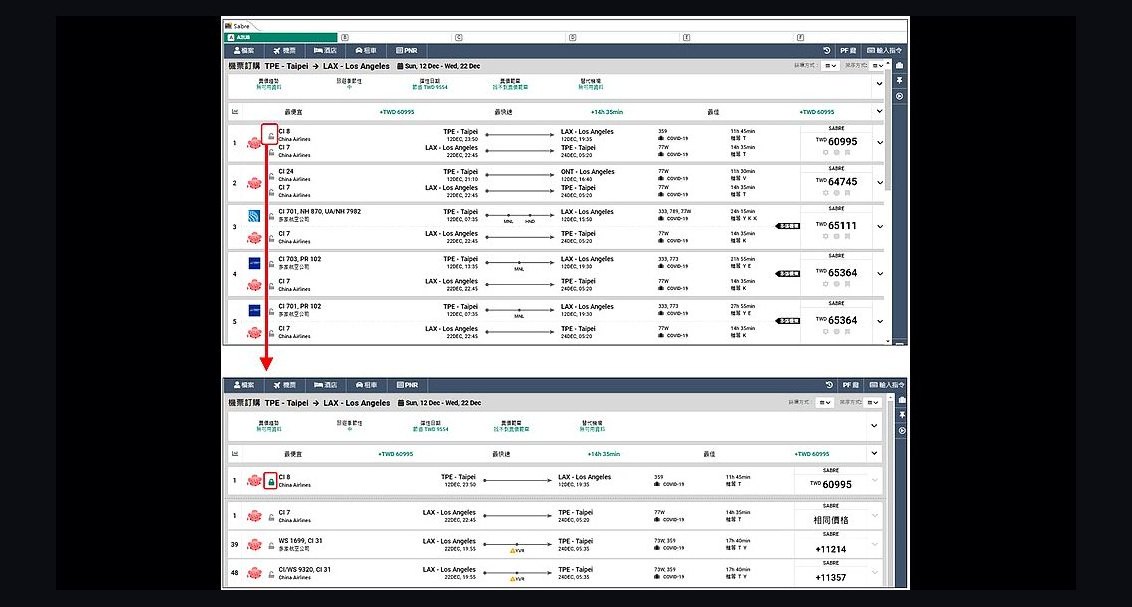 pulse-tech-stacksTop 10 Best Tech Stack Tools for Online Travel Agencies (OTAs) in 2027
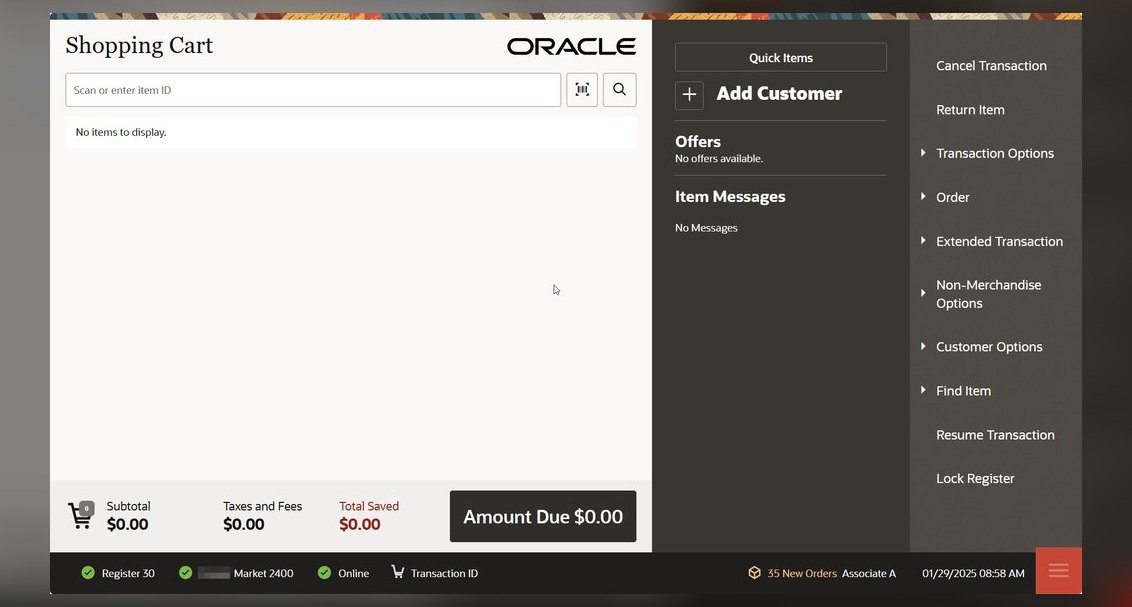 pulse-tech-stacksTop 10 tech stack differences between a multi-location retail chain and a single-store operator in 2027
 pulse-tech-stacksTop 10 Best Tech Stack Tools for CrossFit Boxes in 2027
 pulse-tech-stacksTop 10 Best Tech Stack Tools for Home Inspection Companies in 2027
 pulse-tech-stacksTop 10 Best Tech Stack Tools for Movie Theaters in 2027
 pulse-tech-stacksTop 10 Best Tech Stack Tools for HVAC Equipment Distributors in 2027
 pulse-tech-stacksTop 10 Best Tech Stack Tools for Independent Food Trucks in 2027
 pulse-tech-stacksTop 10 Best Tech Stack Tools for AI Legal Tech Companies in 2027
 pulse-tech-stacksTop 10 Best Tech Stack Tools for Data Loss Prevention (DLP) Software Vendors in 2027
 pulse-tech-stacksTop 10 Best Tech Stack Tools for Plastics and Injection Molding Manufacturers in 2027