


Should I open or buy a Robeks Fresh Juices franchise in 2027?
Quality
Certified
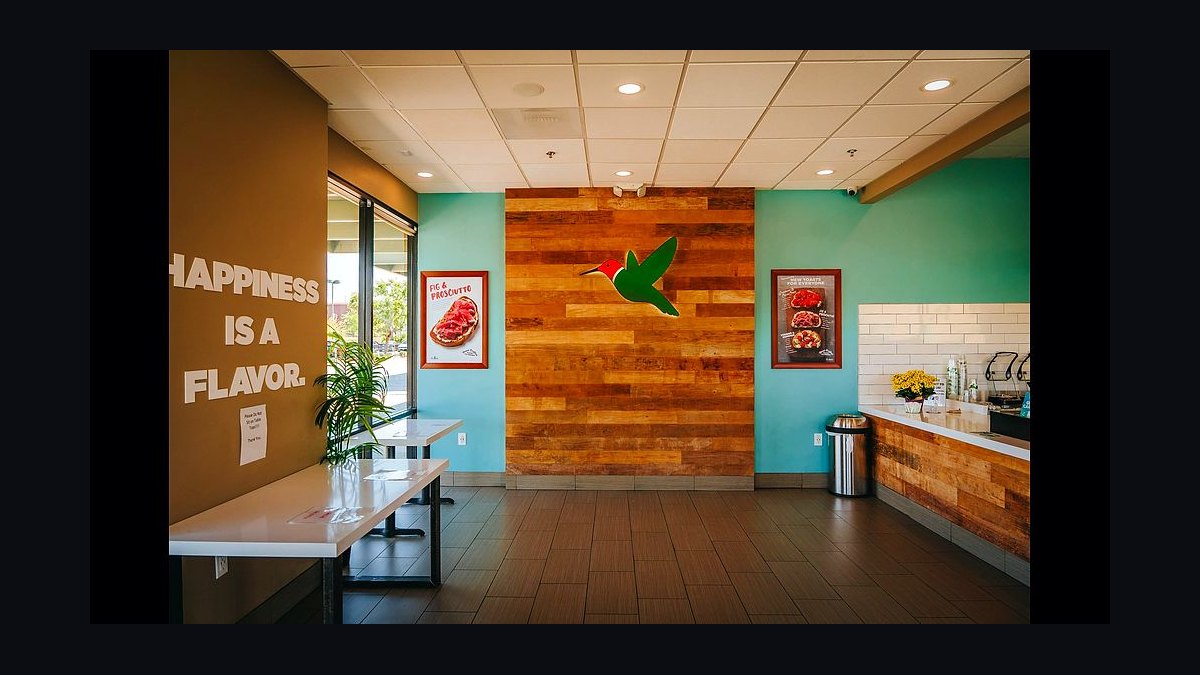
Opening a Robeks Fresh Juices franchise in 2027 makes sense only for food-service-experienced operators with $200K+ liquid capital who can lock a sub-$40/sf lease in a dense daytime corridor. The 2026 FDD shows $320,000-$484,000 total investment against $670,073 average net sales, but the bottom 20% clear only $390,464 — a risky bet for passive or undercapitalized buyers.
What it is and why it matters
A Robeks Fresh Juices franchise is a single-unit license to operate a fresh-squeezed juice, smoothie, and açaí-bowl quick-service concept under Robeks' brand, systems, and supplier agreements, in exchange for a $30,000 upfront franchise fee plus ongoing royalty and marketing obligations. Buying into the system means you are purchasing three things: a recognized (if regional) brand, a supply chain for perishable produce and frozen fruit, and an operating playbook for a labor-and-prep-intensive beverage business. Understanding what that purchase actually gets you — and what it doesn't — is the whole question behind "should I open one in 2027."
The category itself matters here. Juice and smoothie bars sit in a narrow slice of quick-service food service, NAICS code 72251C, a roughly $4.5 billion US market as of 2026 with about 5,709 establishments and a 4.4% compound annual growth rate from 2020 to 2025. That is steady, unspectacular growth — not a boom category, not a dying one. Robeks occupies a specific position inside it: a West Coast-born, daytime-weighted concept competing against two much larger national chains, Tropical Smoothie Cafe (1,500+ units) and Smoothie King (1,300+ units), while Robeks itself runs somewhere between 85 and 110 units depending on which database you trust (inflated franchise-directory counts around 276 are location-database noise, not real open units — the FDD's Item 20 count is the number that matters).
Why does unit count matter to you as a buyer? Brand recognition is a demand-generation subsidy. When a customer already knows Tropical Smoothie or Smoothie King from another city, that customer walks into your store with zero marketing spend from you. Robeks, at under 110 units concentrated on the West Coast and in pockets of the East Coast, does not carry that subsidy into most new markets. If you open a Robeks in a market where nobody has heard of it, you are doing the brand-awareness work yourself — while still paying a 2.5% marketing fee that assumes some of that work is being done for you.
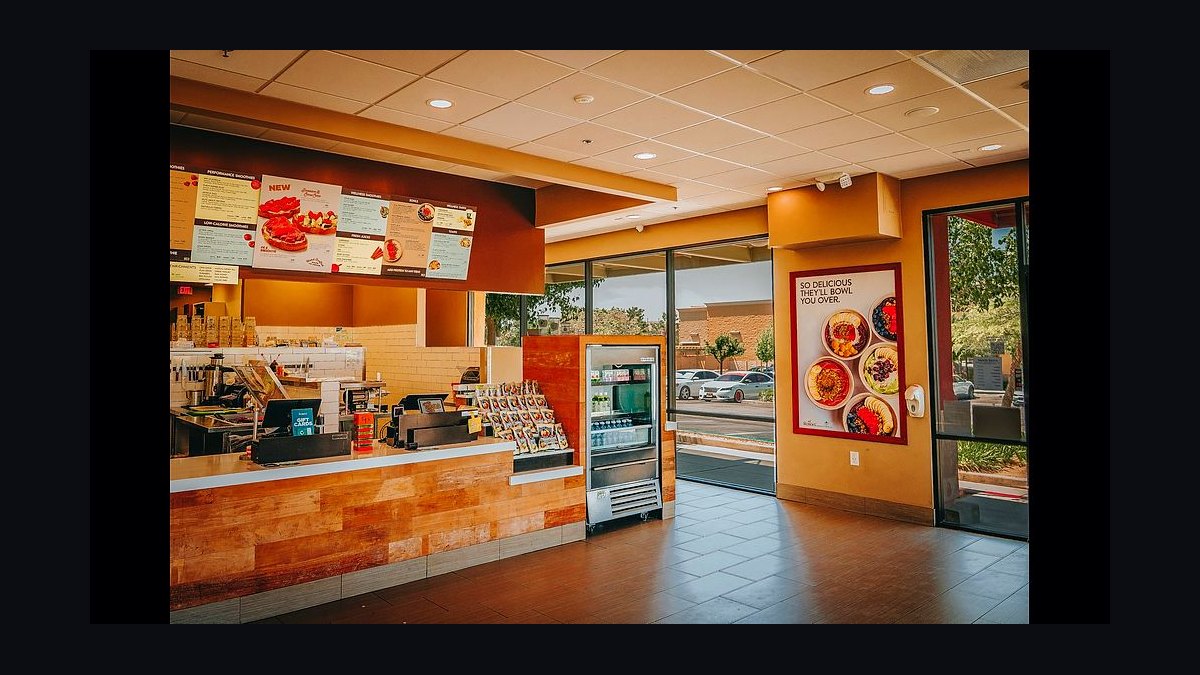
The other reason this matters in 2027 specifically: two forces are moving against each other in this category. On one side, "proteinization" — smoothie chains adding protein-forward drinks and food items to lift average ticket — is a real tailwind, and Robeks' own "Harmonious Bites" food line (breakfast sandwiches, pizzolos, wraps) is designed to chase it, reportedly lifting ticket from roughly $9.50 to $13.50 when attached. On the other side, rent and labor costs have both risen since 2024, with state-level fast-food wage floors (California's $20/hour FAST Act being the most visible) and Sun Belt commercial rent recovery pushing combined rent-plus-labor to 35%-40% of sales in many markets, up from a historical 30%-32%. A juice bar franchise bought in 2027 is being bought into that specific cost environment, not the one that existed when the brand's older unit economics were set.
Finally, this matters because a juice and smoothie bar is not a passive investment vehicle the way some franchise categories can be. It is fresh-produce-handling, hourly-wage-dependent, foot-traffic-dependent retail with thin margins that compress fast under absentee ownership. The decision to open one is really a decision to run a hands-on operation for at least 18 months, in a specific physical location, under a specific cost structure — not a decision to "buy a brand" in the abstract.
The step-by-step process
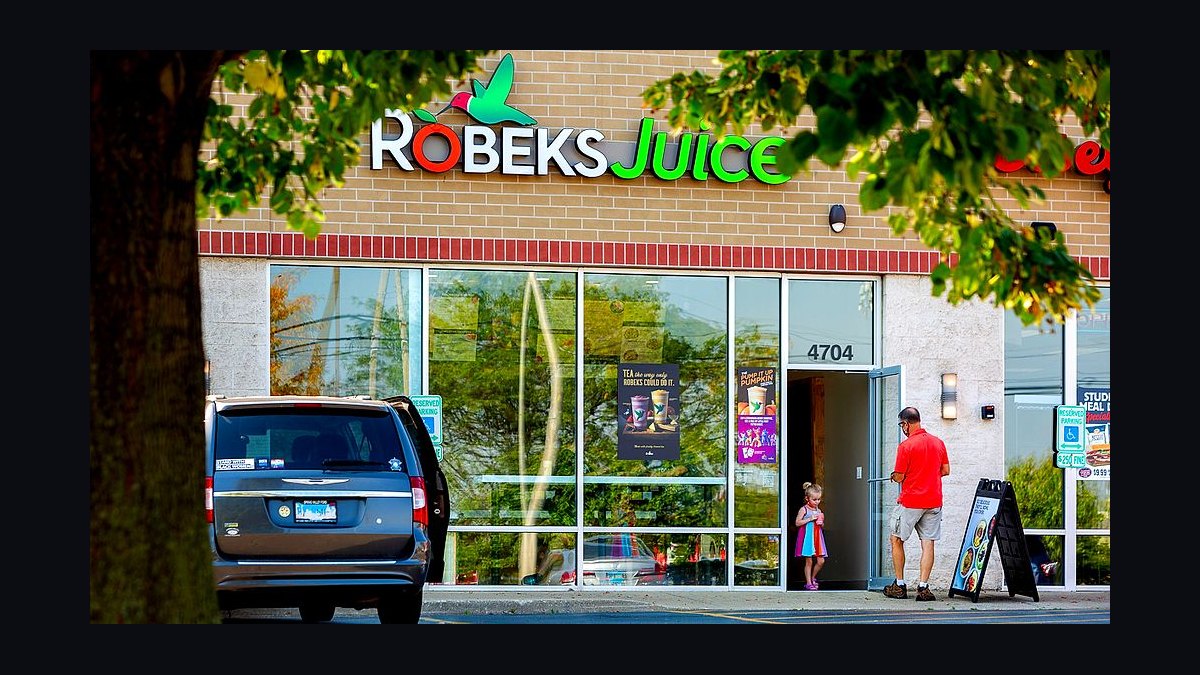
Evaluating and opening a Robeks franchise in 2027 follows a sequence, and skipping steps — especially the diligence steps early — is the single biggest predictor of a bad outcome. Here is the realistic path from first interest to opening day.
Step one: request and read the 2026 Franchise Disclosure Document in full, not just the summary a broker hands you. Item 7 gives the estimated initial investment range; Item 19 gives financial performance representations (average and tiered net sales); Item 20 gives the outlet and franchisee turnover history. Item 20 is the most underused page in any FDD — it tells you how many units opened, closed, and transferred in the last three years. A system with more closures than openings for two consecutive years is in net decline, and that fact should outweigh anything in the sales brochure.
Step two: call existing franchisees directly. Item 20 lists contact information for current and recently departed franchisees specifically so prospective buyers can do this. Ask each one the same handful of questions: actual Year-1 net sales against the pro forma they were shown, real COGS and labor percentages, time to breakeven, what royalty and marketing fees actually feel like against their margin, and whether they would sign again today. If a meaningful share say no, that is a red flag no amount of brand affection should override.
Step three: run site selection with a broker who understands quick-service juice and smoothie economics specifically, not general retail. Robeks does roughly 60%-70% of its revenue between 6 a.m. and 2 p.m., which means the site needs daytime population density — office parks, gyms, hospitals, universities — not dinner-driven retail strips. Rent ceiling matters enormously here: sub-$40/sf gross rent is the economic line below which the model works at average sales; above $50/sf, the store needs $900K+ in net sales just to keep rent-to-sales in a sane range.
Step four: build your own pro forma using the bottom-quartile FDD number, not the average, as your base case. If a store performing at $390,464 (the bottom 20% of the system) cannot cover debt service and a livable owner draw, the deal doesn't work at that site and at that lease rate — full stop, regardless of how the average-store math looks.
Step five: secure financing, typically an SBA 7(a) loan up to roughly $500,000 for a single unit, with a 10%-20% equity injection and ideally a 10-year amortization to keep monthly debt service manageable against a seasonal, daytime-weighted revenue stream.
Step six: have a franchise attorney review the FDD and any addenda before signing — specifically territory protection, cure periods on default, and right of first refusal on adjacent territory, because the standard offer (often a 20-year term with a 6-month cure window) is written for the franchisor's protection, not yours.
Each step exists to filter out a specific failure mode seen across the franchise system — skipping the franchisee calls means missing operator sentiment that never appears in a disclosure document, and skipping the bottom-quartile pro forma means discovering too late that your specific site can't survive a below-average year.
Costs, timelines, and typical ranges
The 2026 FDD Item 7 puts total initial investment for a single Robeks Fresh Juices unit at $320,000 to $484,000, and understanding where that range comes from — not just the headline number — is what separates a realistic buyer from one who gets surprised six months in.
The franchise fee itself is a fixed $30,000 for a single unit, per Item 5, and is the smallest and most predictable line in the budget. The real variability sits in build-out: leasehold improvements for a 1,000-1,400 square foot inline space typically run $150,000 to $220,000, driven heavily by whether the space needs plumbing and electrical work for juicing and blending stations, walk-in cooler installation, and brand-spec finishes. Equipment — commercial-grade Vitamix blenders, juicers, point-of-sale systems, and refrigeration — adds another $55,000 to $80,000. Initial inventory (frozen fruit, açaí, dairy, packaging) runs $8,000 to $12,000, signage and decor another $15,000 to $22,000, and pre-opening labor and training (including roughly two weeks of required training at Robeks' home base) adds $12,000 to $20,000.
The line most new buyers underestimate is working capital. The FDD lists $45,000 to $70,000, calculated as roughly three months of operating reserves. In practice, a new juice bar typically takes 9 to 14 months to ramp to FDD-comparable sales, not three — which means the realistic working capital need is closer to 6-9 months of reserves, or $90,000 to $140,000. Buyers who open with only the FDD-floor capital frequently run short of cash by month five, and the fallback options at that point — high-interest merchant cash advances or an early close — are both bad outcomes that a properly sized capital reserve avoids entirely.
On the revenue side, Item 19 reports systemwide average net sales of $670,073 for the most recent fiscal year, but the dispersion around that average is the number that actually determines whether a specific store is a good investment. The bottom 20% of stores cleared only $390,464, while the top 20% cleared $1,100,923 — meaning the gap between a struggling store and a thriving one is nearly 3x, and that gap is driven overwhelmingly by location and operator presence, not brand strength. Running the ongoing cost structure against these numbers: royalty is 6.25%-7% of gross sales, the national marketing fee is a flat 2.5%, cost of goods sold typically runs 28%-32% (fresh fruit, frozen açaí, dairy, protein powder), labor runs 24%-28% of sales, and occupancy should target 8%-10% of sales (achievable only at sub-$40/sf rent). At a 14%-18% EBITDA margin on the $670,073 average, a typical store nets roughly $94,000 to $120,000 before debt service — a top-quintile $1.1 million store can clear $180,000 to $240,000 EBITDA, while a bottom-quintile $390,464 store is frequently cash-negative once debt service is layered in.
Payback period at average sales runs 4 to 6 years; at bottom-quintile sales, payback can stretch well beyond that or never arrive within a normal holding period. Breakeven by Year 2 is achievable only for stores hitting $600,000+ in Year 1 — roughly 40% of the system does not reach that bar, which is the single most important sentence in the entire financial picture for a prospective 2027 buyer to internalize.
Where teams get it wrong
Three recurring mistakes account for most of the underperforming and closed Robeks units, and every one of them is visible and avoidable before signing.
The first and most common mistake is treating the franchise as a passive investment. Robeks is not a business you can staff and walk away from in year one. It is fresh-produce-intensive — washing, portioning, açaí-thawing schedules, blender sanitation between virtually every order — and that operational load does not run itself. Per Item 20 historical churn data, absentee-owned Robeks units close at roughly twice the rate of owner-operated units. Without a present owner, labor costs creep from the 24%-28% target to 32% or higher, food waste rises from a 3% target to 6%-8%, and EBITDA margin collapses from a healthy 14% toward 4%-6% — turning what should be a profitable small business into, at best, an unpaid job and, at worst, a slow-motion closure.
The second mistake is signing a lease in the wrong kind of location, usually because the space was available and "felt right" rather than because the daytime-traffic math was run. Robeks does 60%-70% of its revenue between 6 a.m. and 2 p.m., the opposite profile of a dinner-driven restaurant concept. Urban-core locations in markets like Manhattan, San Francisco, or Boston routinely carry $60+/sf gross rent and require $850,000+ in net sales just to break even, because rent absorbs 14%-18% of sales instead of the 8%-10% target. Given that the systemwide average is $670,073, an urban-core lease at that rent level is structurally unprofitable from the day the doors open — no amount of operational excellence fixes a rent-to-sales ratio that's broken at the lease-signing stage.
The third mistake is underestimating working capital and treating the FDD's three-month reserve figure as sufficient. As covered above, real-world ramp to FDD-comparable sales takes 9 to 14 months for a new unit, not three. Operators who open with exactly the FDD-floor $45,000-$70,000 in reserves are often out of runway by month five, forcing a choice between high-interest short-term financing (which several industry sources note tends to guarantee closure within about 18 months once a store is on that treadmill) or shutting down before ever reaching the breakeven point the original pro forma promised.
A fourth, subtler mistake worth naming: buyers who read Item 19's average without reading its footnotes. Averages in FDDs often exclude units open less than 12 months, which quietly shifts the real-world ramp expectation for a brand-new store even further out than the headline number implies. Cross-checking the footnote against your own expected opening timeline is a five-minute diligence step that prevents a multi-month expectation gap.
Decision framework: when to choose what
Not every prospective buyer should reach the same answer, and the right framework separates buyers by three variables: prior food-service experience, available capital relative to the FDD floor, and access to a qualifying daytime-traffic site.
If you have prior food-service P&L management experience, $200,000+ in liquid capital (roughly double the FDD's stated minimum), and a specific site under $40/sf gross rent in a daytime-traffic corridor, Robeks is a reasonable single-unit bet, and a multi-unit commitment is worth considering from the start — area-development discounts typically reduce the per-unit franchise fee by $5,000 to $10,000 for additional units, and spreading a single area manager's overhead across two or three units can lift blended EBITDA margin from roughly 14% toward 18%.
If you have capital but no food-service operating experience and intend to run the store as an absentee owner, the honest answer is to either delay until you can commit to owner-operator presence for the first 18 months, or redirect capital toward a franchise category less dependent on daily hands-on execution. Absentee ownership is the single strongest predictor of closure in this system's own historical data.
If you have food-service experience and capital but cannot find a site under roughly $45/sf gross rent, or the only available site is dinner-weighted retail rather than daytime-traffic adjacent, the framework says pass on that specific site rather than compromising — rent structure, not brand enthusiasm, is what determines whether the unit economics survive contact with reality.
If your capital and experience both qualify but you are open to a larger investment for meaningfully better unit economics, Tropical Smoothie Cafe ($316,000-$758,000 investment, $10,000 franchise fee, 6% royalty plus 3% marketing, reported average unit volume above $1.2 million, ticket averages $15-$18 versus Robeks' roughly $9-$13) or Smoothie King ($335,000-$1,000,000 investment, 6% royalty, average unit volume around $750,000) both carry stronger brand recognition and, in most markets, better realistic returns per dollar invested.
If none of the qualifying conditions are met and no adjacent brand fits either, the framework's conclusion is the same as the direct answer: wait, build capital and experience, and revisit the decision once the gaps are closed rather than forcing a franchise purchase around a mismatched buyer profile.
Related questions
How much does a Robeks franchise really cost to open in 2027?
Per the 2026 FDD Item 7, total initial investment runs $320,000-$484,000, including a $30,000 franchise fee, but realistic working capital needs push the practical minimum closer to $360,000-$520,000 once a longer ramp period is accounted for.
What is average revenue for a Robeks store?
Systemwide average net sales were $670,073 in the most recent fiscal year per Item 19, with the bottom 20% of stores at $390,464 and the top 20% at $1,100,923 — a wide dispersion driven mainly by location and owner presence.
Is Robeks profitable for franchisees?
At average sales and a 14%-18% EBITDA margin, a typical store nets roughly $94,000-$120,000 before debt service; bottom-quintile stores are frequently cash-negative after debt service, so profitability depends heavily on site selection and operator involvement.
How does Robeks compare to Smoothie King or Tropical Smoothie Cafe?
Both competitors are larger (1,300+ and 1,500+ units respectively versus Robeks' 85-110) with stronger average unit volumes, and both typically outperform Robeks' unit economics at similar investment levels in most markets.
What kind of location does a Robeks franchise need?
A daytime-traffic corridor — office parks, gyms, hospitals, or universities — with gross rent under roughly $40 per square foot, since Robeks generates 60%-70% of revenue between 6 a.m. and 2 p.m.
FAQ
What is the total investment range to open a Robeks franchise in 2027? The 2026 FDD Item 7 shows an all-in range of $320,000 to $484,000, including the $30,000 franchise fee. Realistically, you'll need $200K+ liquid because working capital often runs double the FDD's minimum estimate.
How much can I expect to earn in the first few years? Systemwide average net sales are $670,073, but the bottom 20% of stores do only $390,464. At a 14%-18% EBITDA margin on the average, you'd net roughly $94K-$120K before debt service. Breakeven by Year 2 is possible only if you hit $600K+ in Year 1, which about 60% of franchisees do not.
What are the ongoing royalty and marketing fees? You pay a 6.25%-7% royalty on gross sales and a 2.5% marketing fee. These are typical for the smoothie and juice segment, but they compress margins further on any store already below the system average.
What kind of location works best for a Robeks franchise? A dense daytime-traffic corridor — near offices, gyms, or universities — with lease costs under $40 per square foot. A subpar location is a common reason stores land in the bottom 20% of sales.
How long does it take to recoup my investment? The typical payback period is 4 to 6 years, assuming systemwide average sales. If your store performs in the bottom 20%, payback can stretch much longer or may not arrive within a normal holding period.
Is Robeks a good choice for a first-time franchisee? Probably not, unless you already have food-service experience. The real working capital requirement is higher than the FDD implies, and the risk of landing below the system average is real — 40% of stores miss the $670,073 mark.
Sources
- Robeks 2026 Franchise Disclosure Document, Items 5, 6, 7, 19, and 20 (filed via state franchise registration databases)
- https://www.franchisedirect.com
- https://www.entrepreneur.com/franchises
- https://www.vettedbiz.com
- https://sharpsheets.io
- https://www.ibisworld.com
- https://www.franchise.org
- https://www.restaurantdive.com
- https://www.fastcasual.com
- https://www.bls.gov
Related on PULSE
- Should I open or buy an Oxi Fresh Carpet Cleaning franchise in 2027?
- Should I open or buy a Garbanzo Mediterranean Fresh franchise in 2027?
- Should I open or buy a Surcheros Fresh Mex franchise in 2027?
- Should I open or buy a CoCo Fresh Tea & Juice franchise in 2027?
- Should I open or buy a Baja Fresh franchise in 2027?
- Should I open or buy a Salsarita's Fresh Mexican Grill franchise in 2027?
This page will be disappearing soon. Save it to your device for $1 — or read it free while it is here.
@Kory-White- · if Venmo asks, the last 4 of my number are 2012
This page is gone.
This one is off the shelf now. $1 keeps it on your phone for good — the whole page, pictures and diagrams included.
 franchiseShould I open or buy a Taco Bell franchise in 2027?
 franchiseShould I open or buy a Supercuts franchise in 2027?
 franchiseShould I open or buy a Primrose Schools franchise in 2027?
 franchiseShould I open or buy a Wingstop franchise in 2027?
 franchiseShould I open or buy a Bahama Breeze franchise in 2027?
 franchiseShould I open or buy an Ace Hardware franchise in 2027?
 franchiseShould I open or buy an Auntie Anne's franchise in 2027?
 franchiseShould I open or buy a Roto-Rooter franchise in 2027?
 franchiseShould I open or buy a Big O Tires franchise in 2027?
 franchiseShould I open or buy a Little Caesars franchise in 2027?