


Should I open or buy a Scenthound franchise in 2027?
Quality
Certified
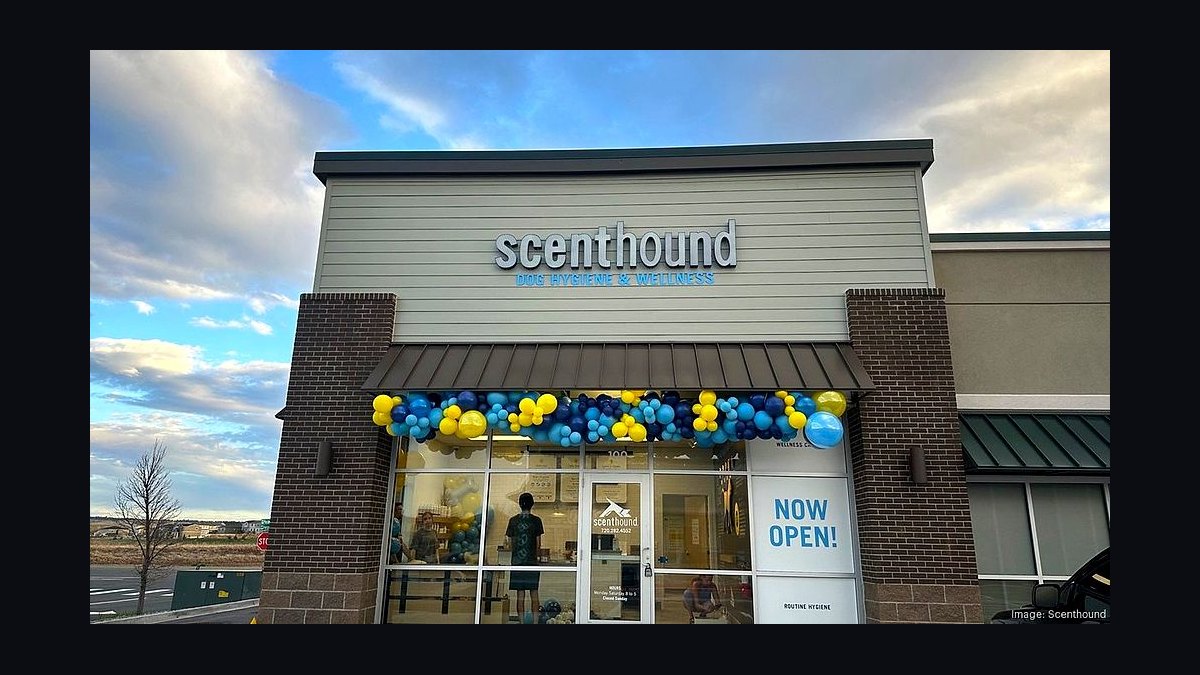
Yes, with conditions: Scenthound is worth opening or buying in 2027 if you can fund the $200,000–$430,000 investment, commit to building a 300–600 member recurring-revenue base, and staff a wellness center in a dog-dense suburban market. The franchise's monthly-membership model for routine hygiene — not full grooming — produces predictable income once the base is built, but membership acquisition and staffing determine whether that promise becomes real cash flow.
The two (or more) options compared: opening new vs. buying existing
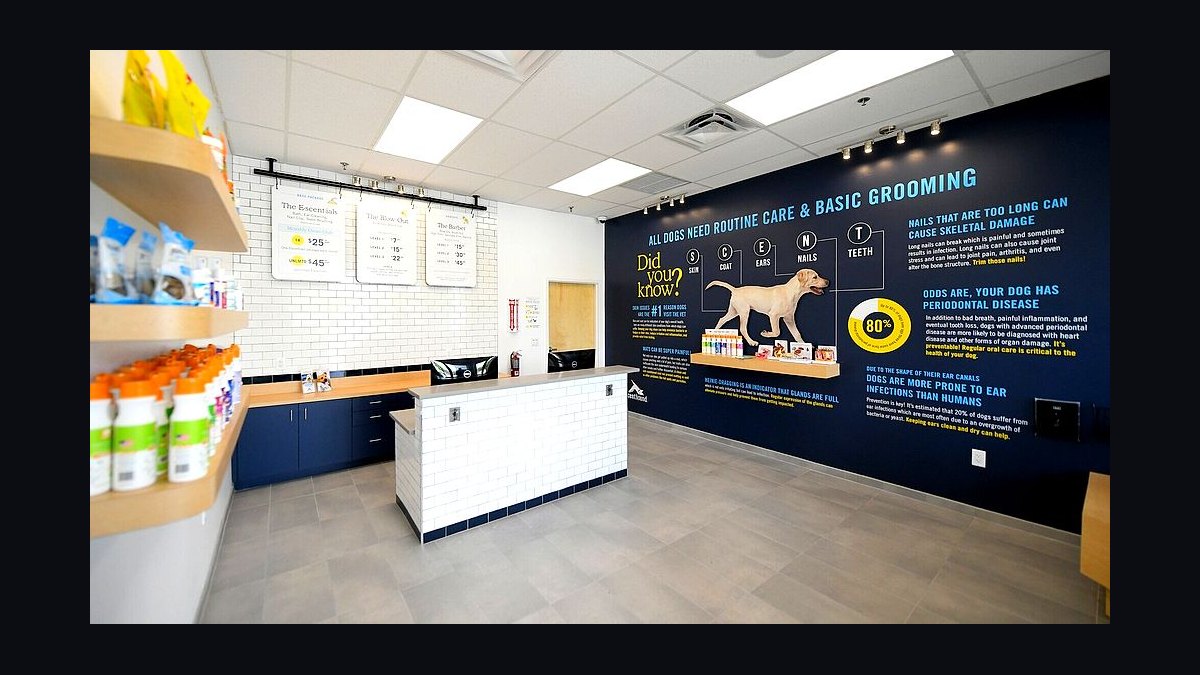
The decision splits into two distinct paths with very different risk profiles. Opening a new Scenthound means starting from zero: you sign a lease, build out 1,200–1,800 square feet of wash stations and wellness equipment, and spend 12 to 18 months acquiring your first 300+ members before hitting the $400,000–$1,000,000 mature-revenue range. You control site selection and territory from day one, but you also absorb the full ramp-up burn — typically $50,000 to $100,000 in working capital beyond the initial Item 7 investment while membership revenue climbs from zero. The upside is a clean slate: no inherited reputation problems, no legacy staff issues, and first pick of an unclaimed protected territory in a growing suburb.
Buying an existing Scenthound flips that risk profile. You pay a turnkey premium — typically 20% to 50% over the original build cost, landing a purchase price of roughly $350,000 to $650,000 for a mature, cash-flowing center — but you skip the ramp-up entirely if the membership base is healthy. The catch is diligence quality. You inherit whatever churn rate, staff turnover, and local reputation the seller leaves behind, and those can be invisible in a quick walkthrough. A center showing $500,000 in trailing revenue but losing 8% of its membership every month is not actually a stable asset; it is a marketing problem wearing a revenue number. Buyers who skip a churn audit frequently overpay for a business that is quietly shrinking.
There is a third, less obvious option worth naming: a multi-unit buy-and-build, where an operator acquires one stabilized Scenter and uses its cash flow to fund a second new build in an adjacent territory. This spreads risk across a mature asset and a growth asset simultaneously, and it is common among franchisees who already run service businesses and understand staffing at scale. It requires more capital upfront — often $500,000 to $800,000 combined — but it diversifies against the single-point failure of one location's local market conditions.
How to decide between opening new and buying existing
The decision tree above collapses to one question first: does a viable existing Scenter exist in your target territory at all? If not, the choice is already made — you're opening new, and your focus shifts to territory validation. If one does exist, the entire decision hinges on the quality of its membership base, not its headline revenue. A center can show strong trailing-twelve-month revenue while bleeding members faster than it replaces them, and that gap only shows up when you pull monthly active-member counts, not just bank deposits. Request at minimum 24 months of membership roster data, not summarized revenue — you want to see the actual add/cancel pattern, not a smoothed average.
Beyond the binary, weigh your own operating strengths. If you have no existing staff-management experience, buying an existing center with a trained team already in place meaningfully de-risks your first year, even at a premium price. If you're experienced in recruiting and training service staff but capital-constrained, opening new and building the team yourself, on your own schedule and wage structure, can be the cheaper path even with the ramp-up burn included.
Concrete numbers behind each option
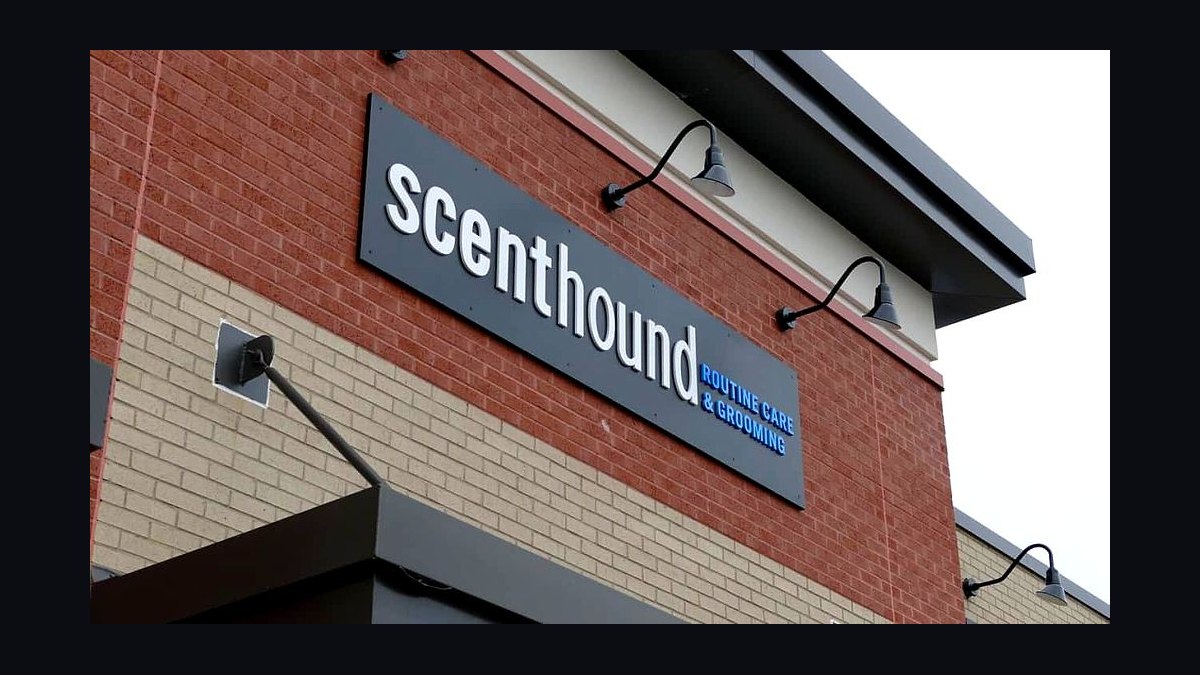
The 2026 FDD sets the baseline: a franchise fee around $50,000 and total Item 7 investment of $200,000 to $430,000, with a royalty near 6% of gross and an additional marketing fee near 2%. Breaking that down by line item, buildout and leasehold improvements run $90,000 to $220,000, equipment and technology (bathing stations, wellness equipment, point-of-sale) run $40,000 to $110,000, and initial marketing for membership acquisition runs $15,000 to $45,000. Lease rates for the 1,200 to 1,800 square foot format vary sharply by market — roughly $18 per square foot annually in smaller Midwest cities versus $35 to $45 in coastal or high-growth Sun Belt suburbs.
For a new build, membership pricing in 2027 typically ranges $39 to $89 per month per dog across tiers (Basic bath-and-nail, Plus adding ear cleaning and teeth brushing, Premium adding skin/coat treatment). Hitting the $400,000 to $1,000,000 mature-revenue range generally requires 300 to 600 active members. Customer acquisition cost runs $80 to $150 per new member through local marketing channels — social ads, Google Local Services, vet partnerships, community events — against a member lifetime value of $600 to $1,500 based on an average 14-to-22-month retention window. That produces an LTV-to-CAC ratio of roughly 5:1 to 10:1, which is healthy, but it assumes you can actually source 15 to 25 new members per month, every month, just to offset churn before you grow at all.
For a buy-existing path, the premium math works differently: you're paying $350,000 to $650,000 for a center that should already be generating owner earnings of $80,000 to $220,000 annually. At the low end of that earnings range, a $650,000 purchase price represents an 8x earnings multiple, which is expensive for a service business with real staffing and churn risk — worth negotiating down, especially if the churn audit reveals weakness. Staffing costs apply to both paths roughly equally: 3 to 6 employees per center (a manager, 2–3 bather/technicians, a part-time greeter), with technician wages at $15 to $22 per hour and manager salaries at $50,000 to $70,000.
Implementation details and sequencing
Regardless of which path you choose, the first 30 days are identical: read the full FDD (Items 5, 6, 7, 19, and 20 matter most for financial reality), then talk to at least eight existing owners — ideally a mix of new-build and acquired-unit operators — and ask specifically about membership acquisition cost, staff turnover, and actual take-home pay versus the FDD's modeled ranges. Owners who bought existing units can tell you exactly how their churn-audit assumptions held up against reality, which is the single most useful data point you can get before committing capital.
From day 31, the paths diverge. A new build moves into lease finalization and construction, with equipment lead times (especially HVAC rated for wet environments) often running 6 to 10 weeks — build that into your 90-day timeline or expect slippage. An acquisition moves into deeper financial and operational due diligence: pull the membership roster month by month for the trailing two years, check Google and Yelp review trends over the last 12 months specifically (a center averaging below 4.2 stars is usually already losing members to competitors), and confirm the remaining lease term is at least 5 years — a short remaining lease on an acquired unit is a hidden expiration on your investment.
Staffing sequencing matters more than most buyers expect. For a new build, recruiting and training technicians takes 4 to 6 weeks minimum before you can open with service quality that supports a premium membership price — don't compress this to meet an arbitrary open date. For an acquisition, the inherited staff is either your biggest asset (trained, known to existing members, reducing re-churn risk during transition) or your biggest liability (burned out, underpaid relative to local market rates, likely to leave within months of a sale closing) — interview them directly before closing, not after.
Related questions

How long does it take a new Scenthound to break even?
Most new centers need 12 to 18 months to reach breakeven, burning an additional $50,000 to $100,000 in working capital beyond the initial investment while the membership base climbs from zero toward the 300-member threshold that supports stable cash flow.
What membership churn rate should disqualify a Scenthound purchase?
A monthly churn rate above 5% to 8% is a red flag. On a 400-member base, 8% monthly churn means losing 32 members every month, requiring aggressive and costly re-acquisition marketing just to stay flat rather than grow.
Does Scenthound's territory protection guarantee exclusivity?
Franchisees typically receive a protected radius of 2 to 3 miles, but protection only matters if the territory has enough dog density — roughly 8,000 to 12,000 dogs within that radius — to support membership targets regardless of the legal exclusivity.
Is financing available for the $200,000-$430,000 investment?
SBA 7(a) loans and franchise-specific lenders commonly finance franchise investments in this range, typically requiring $80,000 to $150,000 in liquid capital from the franchisee as a down payment and reserve, per FDD Item 7 liquidity guidance.
How does Scenthound compare to opening a traditional grooming salon?
Traditional grooming relies on one-off, higher-ticket styling visits with less revenue predictability, while Scenthound's lower-ticket recurring membership model trades per-visit revenue for smoother, more forecastable monthly cash flow once the base matures.
FAQ
Should I open a new Scenthound or buy an existing one in 2027? It depends on capital tolerance and risk appetite. Buying an existing, stable center skips the 12-to-18-month ramp but costs a 20%-to-50% premium; opening new costs less upfront but requires absorbing the ramp-up burn while building membership from zero.
What's the single biggest red flag when buying an existing Scenthound? High monthly membership churn hidden behind strong trailing revenue. Always request 24 months of actual member roster data, not summarized revenue, before agreeing on a purchase price.
How much liquid capital do I need beyond the total investment? Most franchisees need $80,000 to $150,000 in liquid capital on top of financing to cover the down payment, working capital reserves, and unexpected costs during buildout or transition.
Can I negotiate the purchase price on an existing Scenthound? Yes, especially if your churn and review audits reveal weakness. A center priced at a high earnings multiple with elevated churn or declining reviews is negotiable leverage, not a fixed asking price.
What happens if my territory doesn't have enough dog density? Low dog density caps your addressable membership base regardless of marketing spend. Validate 8,000 to 12,000 dogs within a 3-mile radius before signing a lease or closing an acquisition — this single number predicts revenue ceiling better than any other variable.
Is the 6% royalty negotiable or fixed? Royalty rates in the FDD are standardized across franchisees and are not typically negotiable; they apply uniformly whether you open new or buy an existing unit, calculated on gross monthly revenue.
Sources
- https://www.franchise.org
- https://www.entrepreneur.com/franchises
- https://www.franchisebusinessreview.com
- https://www.ibisworld.com
- https://www.americanpetproducts.org
- https://www.statista.com
- https://www.bls.gov
- https://www.census.gov
- https://www.sba.gov
- https://www.ftc.gov/business-guidance/industry/franchise
Related on PULSE
This page will be disappearing soon. Save it to your device for $1 — or read it free while it is here.
@Kory-White- · if Venmo asks, the last 4 of my number are 2012
This page is gone.
This one is off the shelf now. $1 keeps it on your phone for good — the whole page, pictures and diagrams included.
 franchiseShould I open or buy a Cinnabon franchise in 2027?
 franchiseShould I open or buy a Sonic Drive-In franchise in 2027?
 franchiseShould I open or buy a Pizza Hut franchise in 2027?
 franchiseShould I open or buy a Dairy Queen franchise in 2027?
 franchiseShould I open or buy a Planet Fitness franchise in 2027?
 franchiseShould I open or buy a Crumbl Cookies franchise in 2027?
 franchiseShould I open or buy a Servpro franchise in 2027?
 franchiseShould I open or buy a Whataburger franchise in 2027?
 franchiseShould I open or buy a Panera Bread franchise in 2027?
 franchiseShould I open or buy a Jeremiah's Italian Ice franchise in 2027?