


Should I open or buy a Beyond Juicery + Eatery franchise in 2027?
Quality
Certified
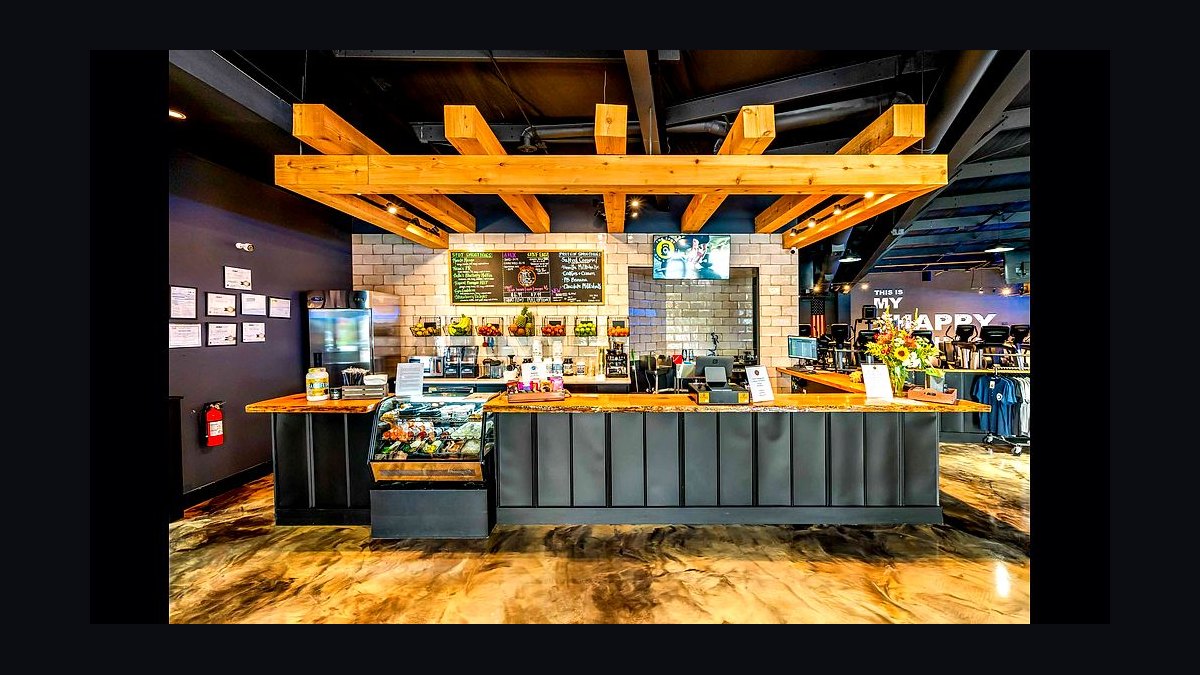
Yes, if you want a health-focused fast-casual concept that pairs cold-pressed juices and smoothies with a real food menu — wraps, salads, grain bowls — rather than betting everything on beverage traffic. Beyond Juicery + Eatery requires roughly $250,000–$550,000 in total investment, and mature units can produce $80,000–$220,000 in owner earnings, but only if you can run both a juice bar and a working kitchen well.
What It Is And Why It Matters
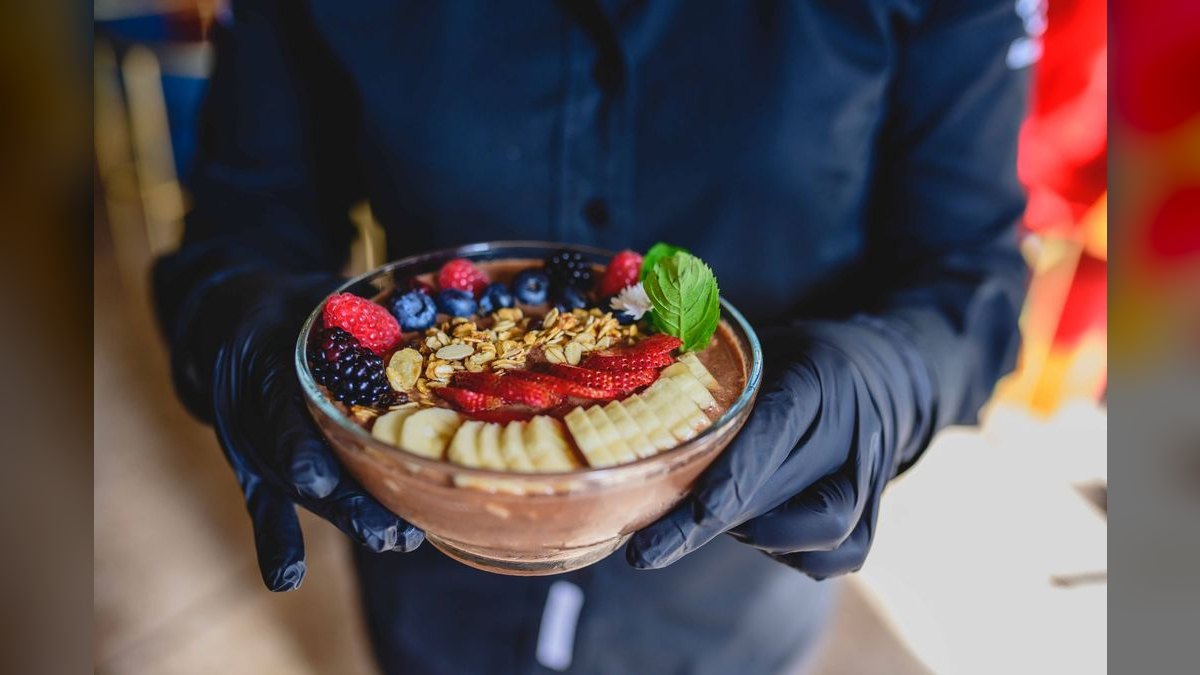
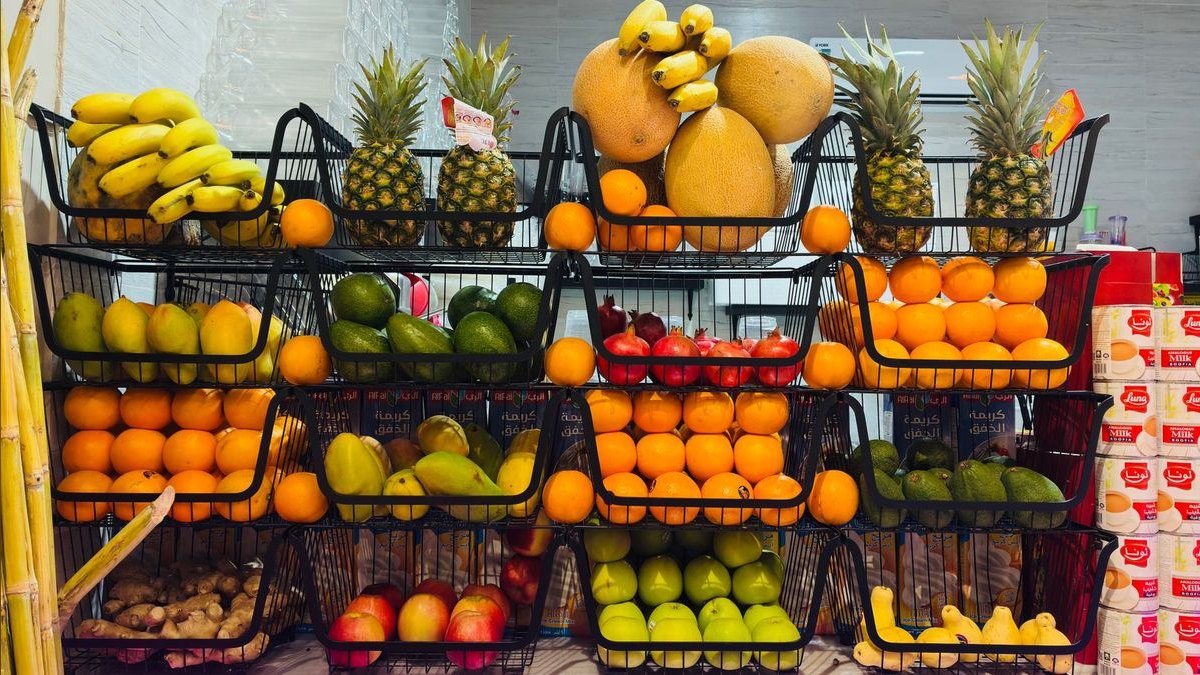
Beyond Juicery + Eatery is not a pure juice bar, and that distinction is the entire reason to evaluate it separately from Smoothie King, Jamba, or a local cold-press startup. Founded in 2005 in Michigan, the brand built its identity around a dual-revenue model: a cold-press juice and smoothie program sitting inside the same footprint as a genuine food kitchen turning out wraps, salads, açaí bowls, and grain bowls. That matters because a single-category juice bar lives and dies on one daypart — the morning-to-midday health crowd — and one basket size. A Beyond Juicery + Eatery unit is designed to capture breakfast smoothie traffic, a lunch bowl or wrap rush, and an afternoon snack or juice occasion, which spreads fixed costs (rent, base staffing, equipment amortization) across a wider revenue base.
This matters most for someone comparing franchise concepts on a spreadsheet, because juice-only economics and juice-plus-food economics behave differently. A juice bar has thinner labor needs, a smaller kitchen footprint, and higher gross margins per item (75–80% is typical for a juice or smoothie), but a narrower ticket ($7–$9) and a narrower window when people actually buy. A Beyond Juicery + Eatery unit gives up some of that margin — food items typically run 65–70% margin versus juice — but the average ticket climbs to $12–$16 and the store earns real revenue at lunch, not just mid-morning. For a franchisee, that trade is the entire investment thesis: you're accepting more operational complexity (a real kitchen, more prep labor, more food-safety exposure) in exchange for a business that isn't as fragile to a single daypart or a single product category losing favor.
The brand's other differentiator is tenure. Twenty-plus years of operating history means the franchisor has been through at least one full economic cycle, has a defensible supply chain for produce and packaging, and has proprietary cold-press technology that smaller local competitors can't easily replicate. That's relevant in 2027 specifically because the wellness and functional-beverage trend hasn't cooled — if anything, consumer demand for both convenient healthy meals and functional drinks (adaptogens, protein, probiotics marketed through juice and smoothie formats) continues to expand the addressable market for a concept that already straddles both categories.
The Step-By-Step Process
Buying into a Beyond Juicery + Eatery franchise follows a fairly standard fast-casual playbook, but the dual-kitchen requirement changes what you're validating at each stage. Before signing anything, you request and read the current Franchise Disclosure Document, paying specific attention to Item 19 (financial performance representations), Item 7 (initial investment), and Item 20 (unit counts, openings, and closures — a leading indicator of system health). You then move into a discovery phase where you're not just evaluating the brand in the abstract; you're validating whether you personally can manage a business with two distinct operational disciplines running under one roof.
The franchisee call stage deserves more time than most buyers give it. You're not just asking "are you happy" — you're asking specific operational questions: what percentage of your sales come from food versus juice, what your actual food cost percentage runs against the franchisor's projections, how much labor you're carrying during lunch versus mid-morning, and whether catering has become a meaningful revenue line or stayed marginal. Franchisees who are three-plus years into ownership will give you the most honest picture, because they've absorbed at least one full cost cycle (produce pricing, packaging, minimum wage changes) and can tell you whether the Item 19 numbers held up in practice.
Site selection and build-out is where the dual-kitchen model adds real time and cost versus a simpler concept. You're not fitting out a counter-service juice bar; you're fitting out a working kitchen with refrigeration, a juice press line, an industrial blender station, and in many builds a small cooktop for warm bowl components — all within a footprint that still needs enough front-of-house space to feel like a fast-casual restaurant rather than a kiosk. Expect the full process, from signing to opening day, to run six to twelve months depending on how quickly you secure a lease and how backed up your local permitting office is.
Costs, Timelines, And Typical Ranges
The 2026 FDD lists a franchise fee of $35,000 for a first unit, with total Item 7 investment landing between roughly $250,000 and $550,000 depending on market, unit size, and whether you're building a drive-through. Royalty runs near 6% of gross sales, with an additional marketing fee layered on top — standard for the fast-casual juice-and-food segment.
Breaking down where that Item 7 range actually goes: buildout and leasehold improvements for a fast-casual fit-out typically run $140,000–$340,000, the largest single line item and the one most sensitive to whether you're taking over a second-generation restaurant space or building from a cold shell. Equipment — the juice press, industrial blenders, full refrigeration, kitchen line, and point-of-sale system — runs $70,000–$150,000. Signage and interior decor to match brand standards adds $15,000–$42,000. Initial inventory (produce, packaged food goods, cups, to-go packaging) runs $8,000–$22,000, and initial grand-opening marketing another $12,000–$35,000. Training and travel for the operator and opening staff typically costs $8,000–$25,000, and you should hold back $25,000–$70,000 in working capital to cover the first three months, when a new unit is still building its regular customer base and cash flow is thinnest.
On the real estate side specifically, a 1,200–1,800 square-foot inline unit build-out runs $150,000–$250,000 before leasehold improvement allowances from the landlord are factored in. Rent in B+ locations typically runs $3,000–$5,000 a month, climbing to $6,000–$10,000 in A-tier sites near office density or university campuses. A drive-through window, where the site allows it, adds $75,000–$120,000 to the build but can lift sales 20–30% by capturing commuter and pickup traffic that would otherwise skip a walk-in-only location. Roughly 70% of new units go into strip centers rather than freestanding pads, largely because rent is materially lower and daytime foot traffic from co-tenants (grocery, fitness, medical) supports the concept's core customer.
On the revenue side, mature stores gross $500,000–$1,200,000 annually, with owner earnings landing between $80,000 and $220,000 after royalty, marketing fee, food cost, labor, and occupancy. Catering, once established, contributes an average of 8–12% of sales at mature units and becomes disproportionately more profitable if you eventually operate multiple units sharing a central prep kitchen — a real consideration if your first store performs well and you're weighing expansion.
Territory protection typically runs 2–3 miles in urban markets and 5–7 miles in suburban ones. If you're thinking beyond a single store, roughly 35% of current franchisees operate 2–3 units and about 12% run four or more; the second-unit franchise fee is discounted to roughly $30,000 and drops to about $25,000 for each unit after that. Area development agreements require committing to 3–5 units over five years, with a $10,000–$15,000 per-unit development fee — a real financial and operational commitment, not a soft target, since the franchisor can reduce your protected territory if you fail to open within 18 months.
Where Teams Get It Wrong
The single biggest mistake franchise buyers make with Beyond Juicery + Eatery is underestimating the labor and management complexity of running two kitchens as one. A juice bar and a food kitchen have different peak hours, different food-safety protocols, different prep schedules, and often different skill sets among staff. Franchisees who come from a beverage-only background sometimes staff and schedule the store as if it were a juice bar with a food menu bolted on, rather than a full fast-casual restaurant that also happens to press juice. That shows up first in food cost drifting above the 31% benchmark, because prep waste and portion control on wraps, salads, and bowls require the same discipline a Sweetgreen or Chipotle-style operation demands — discipline that a juice-focused operator may not have built yet.
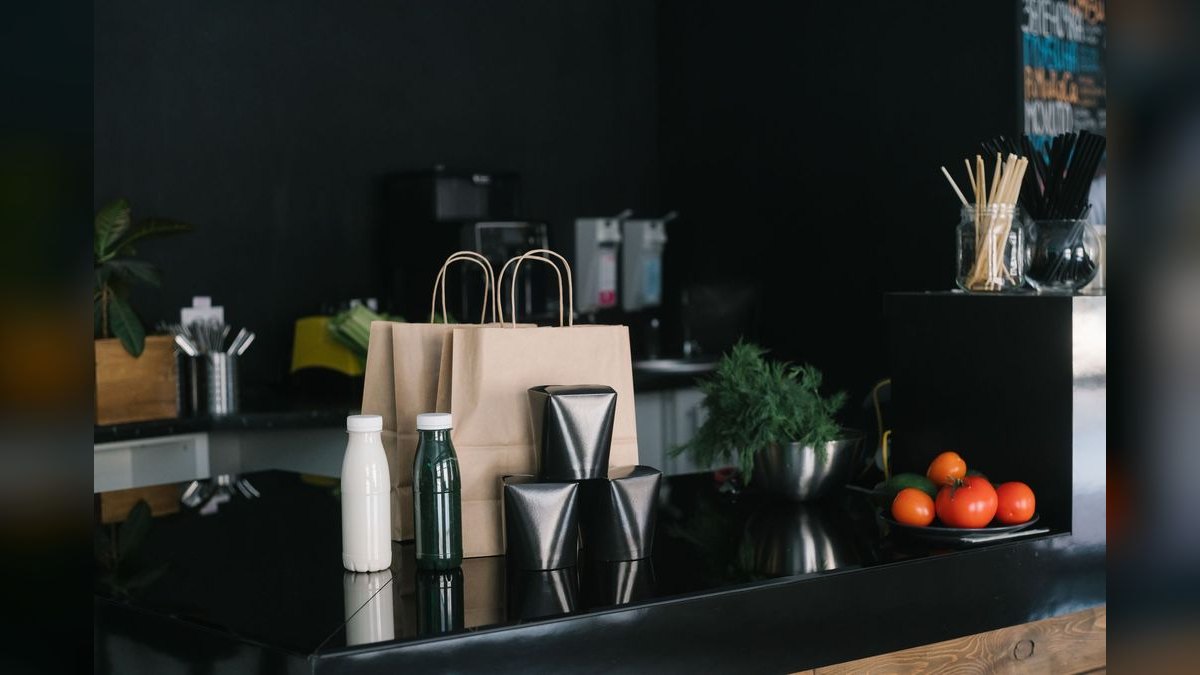
A second common error is site selection driven by juice-bar instincts rather than fast-casual-restaurant instincts. A location that works fine for a small-footprint juice kiosk — a strip mall end cap with modest foot traffic — often underperforms as a Beyond Juicery + Eatery, because the food side of the business needs genuine lunch-hour daytime density: office parks, university corridors, medical campuses, or affluent residential areas with a health-conscious demographic and household income north of roughly $75,000. Buyers who don't run a real demographic and foot-traffic analysis before signing a lease are the ones who end up with a store that does fine juice volume but never builds a lunch crowd big enough to justify the food kitchen's cost.
Third, franchisees frequently under-invest in catering even though it's one of the more attractive parts of this model. Catering is close to pure incremental revenue once your kitchen is running at steady state — it uses existing staff, existing prep, and existing supply relationships — yet many operators treat it as an afterthought rather than actively selling into nearby offices, gyms, and event venues. The franchisees who report the strongest owner earnings are consistently the ones who built a real catering sales motion in year one or two rather than waiting for it to happen organically.

Fourth, some buyers skip a rigorous Item 19 and franchisee-call process because the story — established brand, dual revenue, wellness tailwind — sounds compelling on its own. That's a mistake with any franchise, but it's a bigger one here because the range between a well-run unit and a poorly-run one is wide: the same $250,000–$550,000 investment can produce $80,000 in owner earnings or $220,000, and the difference is almost entirely operational execution on cost control and cross-selling, not brand strength. Skipping the diligence step of calling eight to twelve existing operators and asking pointed questions about food cost, labor, and catering revenue is the single highest-leverage thing a prospective buyer can do before signing.
Finally, some operators fail to plan real estate and staffing far enough ahead of their 18-month territory clock. Because the franchisor can shrink your protected territory if you haven't opened within that window, buyers who sign before they have a realistic site pipeline sometimes find themselves rushed into a mediocre location just to preserve exclusivity — exactly the wrong reason to choose a site for a concept this sensitive to daytime foot traffic.
Decision Framework: When To Choose What
Not every prospective operator is a fit for this model, and the decision tree below reflects the actual trade-offs rather than brand enthusiasm. If you want the lowest operational complexity and the highest margin per item, and you're comfortable with revenue concentrated in a morning-to-midday window, a pure juice or smoothie concept (Smoothie King, Tropical Smoothie Cafe, or a regional juice bar) is the simpler path — less kitchen, less food-safety exposure, smaller staff. If you want maximum menu breadth and are prepared to run a full-scale fast-casual kitchen with correspondingly higher labor and build-out costs, a broader health fast-casual brand (in the Sweetgreen or CoreLife mold) sits at the other end of the spectrum.

Beyond Juicery + Eatery occupies the middle: more revenue diversity and daypart coverage than a juice-only concept, less capital and kitchen complexity than a full-scale fast-casual restaurant chain. It's the right choice specifically for an operator who wants that middle ground — someone with either food or beverage operational experience (ideally both), enough liquid capital ($100,000–$185,000 typically required against the larger $250,000–$550,000 total investment) to weather a slower ramp, and access to a site with genuine daytime density in a health-conscious market.
If you answer "no" to running dual kitchen operations or can't find a site with real lunch-hour density, the honest move is either to keep searching for the right location before signing, or to reconsider a simpler juice-only concept that doesn't require the same kitchen discipline. If you answer "yes" to both, the next step is the diligence work covered above: full FDD review, Item 19 validation, and direct conversations with current franchisees before committing capital.
Related questions
How does Beyond Juicery + Eatery compare to Smoothie King financially?
Smoothie King is juice/smoothie-only, with lower build-out and labor costs but a narrower revenue base concentrated in morning and post-workout dayparts. Beyond Juicery + Eatery costs more to build and staff but earns through lunch via its food menu, generally supporting a higher average ticket.
Is prior restaurant experience required to franchise with Beyond Juicery + Eatery?
No prior food or juice experience is strictly required. The franchisor provides operational and food-safety training, but a background in restaurant or hospitality management meaningfully reduces the learning curve on the kitchen side.
How much does catering actually add to a mature store's revenue?
At mature units, catering averages 8–12% of total sales. It becomes more profitable at multi-unit scale, when several stores can share a central prep kitchen for catering production.
What happens if I don't open my store within 18 months of signing?
The franchisor can reduce your protected territory if you haven't opened within that window, which is why real estate and permitting timelines should be mapped out before you sign the franchise agreement, not after.
Can I convert an existing restaurant space into a Beyond Juicery + Eatery?
Franchisees commonly reuse second-generation restaurant spaces to reduce build-out cost, since much of the kitchen infrastructure (refrigeration, ventilation, plumbing) may already be in place, though the juice press line and brand-specific buildout are still required.
FAQ
What is the total investment range to open a Beyond Juicery + Eatery franchise? The total investment typically falls between $250,000 and $550,000, as outlined in the 2026 FDD. This range covers the franchise fee, equipment, build-out, and initial inventory, though actual costs vary by location, unit size, and lease terms.
How much can I expect to earn as a franchise owner?

Mature stores generally generate annual gross revenue of $500,000 to $1,200,000, with owner net income ranging from $80,000 to $220,000. These figures depend heavily on store performance, food-cost control, local market conditions, and how actively the owner builds the catering channel.
What are the ongoing fees I need to pay? The royalty fee is around 6% of gross sales, plus an additional marketing fee. These are standard for the fast-casual juice and food segment and fund brand development, national advertising, and system support.
How long does it take to open a franchise from signing? The timeline from signing the franchise agreement to opening typically runs six to twelve months, covering site selection, lease negotiation, a four-to-six month build-out, permitting (two to three months in most markets), and training.
What makes Beyond Juicery + Eatery different from a standalone juice bar? Beyond Juicery + Eatery combines cold-pressed juices and smoothies with a full menu of healthy food items — wraps, salads, and grain bowls. This dual revenue stream captures breakfast, lunch, and snack dayparts, reducing reliance on beverage sales alone and lifting average ticket size.
Is prior food or juice experience required to become a franchisee? No prior experience in juice or food service is strictly required, but a background in business management, restaurant operations, or hospitality is a real advantage. The franchisor provides training and ongoing operational support, but running two kitchen disciplines well still takes a genuine willingness to learn food-safety and prep standards.
Sources
- Entrepreneur Franchise listings — franchise investment and category data
- International Franchise Association (IFA) — franchise economic outlook and reporting
- IBISWorld — Juice & Smoothie Bars and Healthy Fast-Casual industry reports
- Technomic — US juice, smoothie, and healthy fast-casual segment research
- Statista — US health-food and juice-bar market data
- Nation's Restaurant News — fast-casual and wellness dining coverage
- QSR Magazine — juice, smoothie, and healthy fast-casual trend reporting
- Franchise Business Review — franchisee satisfaction and franchise performance surveys
Related on PULSE
This page will be disappearing soon. Save it to your device for $1 — or read it free while it is here.
@Kory-White- · if Venmo asks, the last 4 of my number are 2012
This page is gone.
This one is off the shelf now. $1 keeps it on your phone for good — the whole page, pictures and diagrams included.
 franchiseShould I open or buy a Marco's Pizza franchise in 2027?
 franchiseShould I open or buy a Firehouse Subs franchise in 2027?
 franchiseShould I open or buy a Bojangles franchise in 2027?
 franchiseShould I open or buy a Sonic Drive-In franchise in 2027?
 franchiseShould I open or buy a Meineke franchise in 2027?
 franchiseShould I open or buy a Dunkin' franchise in 2027?
 franchiseShould I open or buy a Wendy's franchise in 2027?
 franchiseShould I open or buy a Taco Bell franchise in 2027?
 franchiseShould I open or buy a Great Clips franchise in 2027?
 franchiseShould I open or buy a Goddard School franchise in 2027?