 Pulse Reviews and Analysis
What Service Fees Should a Law Firm Charge?

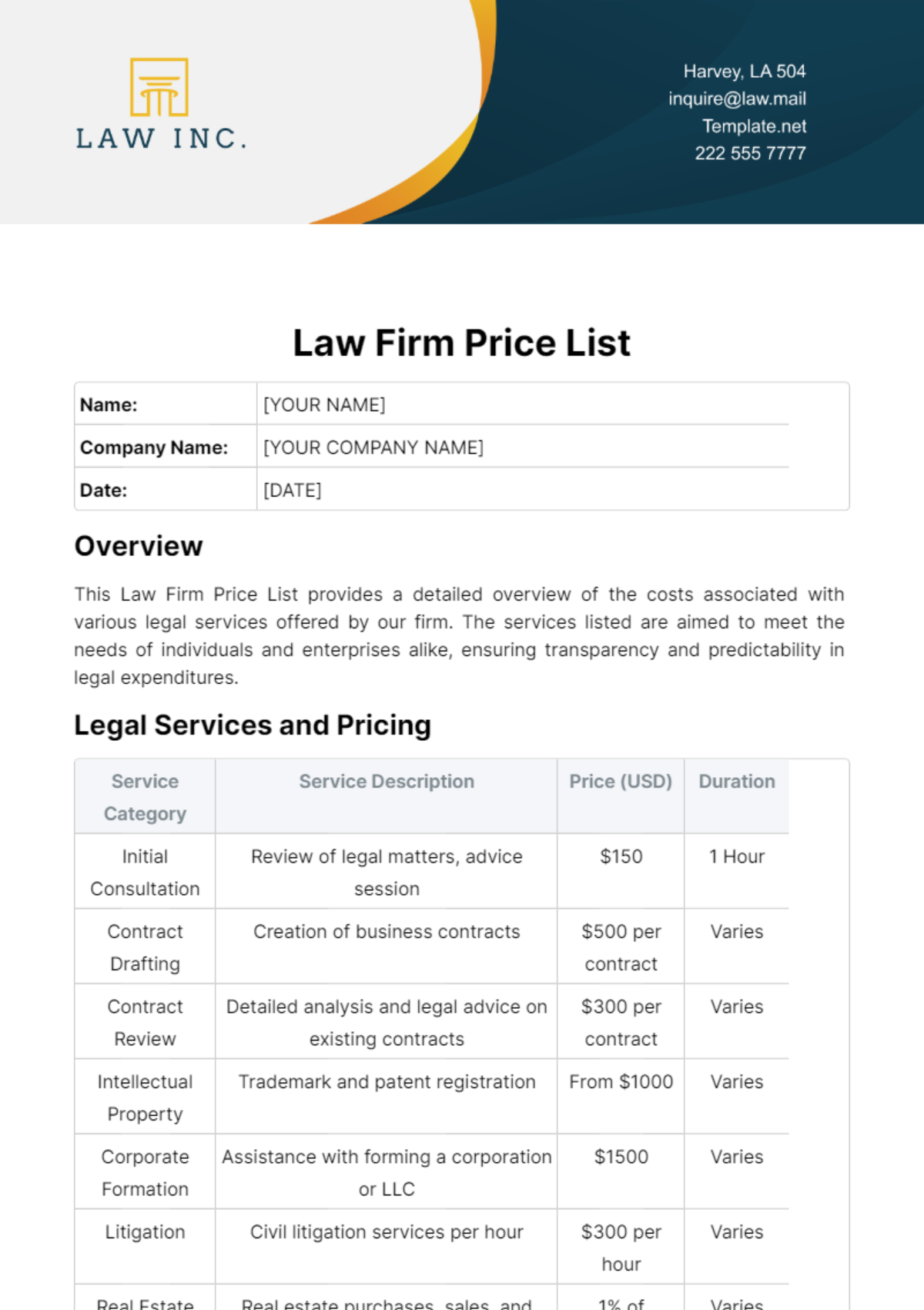
What Service Fees Should a Law Firm Charge?
You know that sinking feeling when you open a client invoice, see the billable hours, and realize the overhead has silently eaten half your margin? I've been there. After 25 years as a CRO, I've watched too many firms leave money on the table—not by gouging clients, but by failing to charge for the real costs of running a matter.
Let me walk you through this the way I'd explain it to a young partner over coffee.
The Simple Truth: Fees Aren't Evil, They're Just Math
Here's the headline: A law firm should charge service and administrative fees that recover the real cost of running the matter—and, more than any other industry, those fees must be reasonable, disclosed in the engagement letter, and bar-compliant, because legal ethics rules forbid charging clients for fees that aren't earned or that simply pad the bill.
The lever that matters is realization-adjusted contribution margin per matter: every legitimate fee that recovers a true cost (technology, filing, copying, expedited turnaround) protects billable-hour margin instead of letting overhead silently eat it.
I've seen firms add $200,000 a year to their bottom line just by charging what they were already spending. It's not magic—it's math.
The Formula That Changed My Mind
Here's the fee formula I use: Fee Revenue = Attach Rate × Matters per Month × Fee Amount.
Let me give you a worked example that'll make this concrete. Imagine a 12-attorney firm that opens 80 new matters/month. They charge:
- A $150 file-opening/administrative fee that attaches to 90% of matters
- A flat 3% technology/e-filing fee on an average $6,000 matter that attaches to 60% of matters
- A $95 expedited/rush fee on 20 matters/month
Do the math with me:
- File-opening: 0.90 × 80 × $150 = $10,800/month
- Technology fee: 0.60 × 80 × ($6,000 × 0.03) = $8,640/month
- Rush fees: 20 × $95 = $1,900/month
That's roughly $21,340/month, ~$256,000/year that recovers back-office cost the hourly rate alone wasn't capturing.
A 2027 benchmark to keep in your back pocket: Clio's *Legal Trends Report* puts the average lawyer's utilization near 31% and realization near 84%, meaning unrecovered overhead is a structural leak—and the ABA Model Rule 1.5 standard is that every fee, including administrative charges, must be reasonable and clearly explained.
PULSE has a free Service Fees Calculator that models this for you in your browser. No login, no spreadsheet—just numbers that make sense.
The Top 10 Tools to Set, Disclose, and Collect Law Firm Service Fees
These are the real platforms I've seen firms use to model, itemize, disclose, and collect administrative and service fees in a bar-compliant way—starting with the free PULSE modeler and moving through the practice-management and billing software that actually charges them.
1. PULSE Service Fees Calculator 🏆 BEST OVERALL
PULSE's free Service Fees Calculator runs this in your browser in seconds—no login, no spreadsheet. You enter new matters per month, attach rate, and fee amount, and it returns the annual fee revenue, the contribution-margin lift, and the effective recovery per matter, so a managing partner can see whether a $150 administrative fee or a 3% technology fee actually moves the firm's economics before it goes into the engagement letter.
For a law firm it's the right first stop because it's free, it's built around contribution margin (the number that funds paralegals, IT, and back-office staff), and it lets you test each fee—administrative, technology, records/copying, expedited, retainer admin—independently.
It's for managing partners, firm administrators, and finance leads who want a defensible, disclosable number rather than a guess.
2. Clio Manage 🏆 BEST OVERALL
Clio Manage is the most widely adopted cloud practice-management platform and the most common place law-firm fees get itemized and billed. Pricing runs roughly $49/user/month (EasyStart) to $129/user/month (Complete), with Clio Payments built in. Clio lets you add flat administrative fees, technology fees, expedited charges, and disbursement/cost recovery as billable line items on the invoice, each with its own description—which is exactly what bar reasonableness rules expect.
Clio's trust-accounting and LEDES e-billing support mean fees stay separated from earned vs. Unearned funds, protecting you on the ethics side. Its *Legal Trends* data also gives you the realization and utilization benchmarks that justify the fees. It's the deepest, most defensible option for most firms.
3. MyCase
MyCase is an all-in-one practice-management and billing platform built for small and mid-size firms, priced around $39–$99/user/month. It handles flat fees, hourly billing, expense/cost recovery, and built-in payments, letting you attach administrative, copying, and technology fees to invoices with clear descriptions clients can see.
MyCase's client portal shows the itemized bill to the client, which supports transparent disclosure of any service fee. Its integrated trust accounting keeps retainer admin and earned fees properly separated. It's a strong pick for firms that want practice management and billing in one tool without Clio's higher tiers.
4. PracticePanther 💎 BEST VALUE
PracticePanther delivers the best blend of low cost and full fee-handling, which makes it the value pick. Plans start around $49/user/month (Solo) and scale to ~$89/user/month (Business), often with discounts on annual billing. It supports flat fees, custom service charges, expense recovery, and automated billing, and its PantherPayments collects them online with surcharge controls where state-compliant.
For a budget-conscious firm, PracticePanther covers administrative fees, technology fees, and expedited charges with the same itemization the pricier platforms offer, plus trust accounting to keep retainers clean. That combination of capability and price is why it's the 💎 BEST VALUE paid pick.
5. Smokeball
Smokeball is a practice-management platform known for automatic time tracking and document automation, with pricing typically quoted on a per-user basis (commonly $39–$179/user/month by tier). Its automatic time capture is valuable because it surfaces the unbilled work that administrative and technology fees are meant to offset, helping you set fees that are demonstrably reasonable.
Smokeball handles flat fees, expense recovery, and itemized billing, and its billing module makes it straightforward to add a disclosed file-opening or records fee per matter. It's best for firms that want airtight time data backing up every fee they charge.
6. CosmoLex
CosmoLex combines practice management, billing, and built-in legal accounting and trust compliance in one platform, priced around $99/user/month. Its differentiator is that trust accounting and IOLTA compliance are native, which matters when you charge retainer administration fees or move funds between trust and operating accounts.
CosmoLex itemizes administrative, technology, and cost-recovery fees on invoices and reconciles them against trust automatically, reducing the bar-compliance risk that comes with sloppy fee handling. It's ideal for firms that want accounting and fee management unified rather than bolting QuickBooks onto a separate biller.
7. QuickBooks (Intuit)
QuickBooks Online is the accounting backbone many firms use alongside a practice-management tool, priced ~$35–$235/month. It's where you confirm that administrative and technology fees actually flow to contribution margin rather than getting lost in overhead. You can build itemized invoices that break out the legal fee, an administrative fee, copying/records, and expedited charges as separate disclosed lines.
QuickBooks reporting lets you see fee revenue as a percentage of total billings, which is how you prove a fee program is funding back-office staff. Paired with Clio or MyCase via integration, it closes the loop between billing and books.
8. LawPay (AffiniPay)
LawPay is the payments platform built specifically for law firms and endorsed by numerous state bars. It separates earned fees from trust/IOLTA deposits automatically, charging roughly flat per-transaction processing (~$19–$49/month plus card rates). Because compliance is built in, LawPay is the safest way to collect a service or administrative fee online without commingling funds.
Its surcharge and convenience-fee tools are configured to stay within state and card-network rules, which is critical because passing a credit-card surcharge to clients is regulated. For any firm collecting fees by card, LawPay is the compliance-first default.
9. Bill4Time
Bill4Time is a time-and-billing platform popular with firms that want strong invoicing and trust accounting without a full practice-management suite, priced around $29–$89/user/month. It supports flat fees, expense and cost recovery, and customizable invoice line items, so administrative, technology, and expedited fees appear clearly to the client.
Its strength is clean, professional itemized invoices and LEDES e-billing for firms with corporate clients that require it. Bill4Time is a good fit for firms focused on straightforward billing without the overhead of a full practice-management system.
The Bottom Line
After 25 years in this business, I've learned one thing: the firms that thrive aren't the ones charging the highest rates—they're the ones that recover every dollar they're owed. Service fees aren't a gimmick; they're a discipline. Start with the PULSE calculator, pick one fee to implement, and watch your margin grow.
If you want to dig deeper, the CRO Syndicate has resources on building defensible fee structures. But for now, just run the numbers. You might be surprised what you find.
*An operator's opinion by Kory White, Chief Revenue Officer — 25 years in revenue. More at PULSE · CRO Syndicate*