


How do you build a sales pipeline when your buyers do all their research before ever contacting you in 2027?
Quality
Certified

By 2027, most B2B buyers complete their research before ever contacting a vendor, so pipeline cannot be built by capturing inbound interest alone. Instead, you build pipeline by making your company the one buyers find during that research and by selling to the buying committee's internal consensus — using intent data, dark-social listening, and peer proof to enter deals earlier.
The two pipeline models compared: capture versus consensus
The old pipeline model assumed a buyer raises their hand and a rep takes over. In 2027, that hand-raise is the last step of a journey that already happened. Two models now compete for how you build pipeline when buyers do all their research before contacting you.
Model A — Capture demand. You optimize for the moment a buyer finally reaches out: SEO, paid search, review-site presence, gated content, chatbot qualification, fast speed-to-lead. The bet is that whoever is found first and responds fastest wins the deal. This model still works, but it is a shrinking slice of the funnel. By the time a buyer fills a form, they have often already built a shortlist, socialized it internally, and drafted evaluation criteria. You are not shaping the deal — you are auditioning against a spec someone else wrote.

Model B — Shape demand before contact. You build pipeline by influencing the research itself: being present in the sources buyers consult (peer communities, review sites, analyst notes, podcasts, comparison pages), detecting accounts that are researching you or your category, and arming internal champions with material they can circulate without ever talking to a rep. The bet is that you can enter the deal while the criteria are still forming — which is the only time you can shape them.
The practical difference is where the rep's time goes. In Model A, reps spend most of their hours reacting to inbound and chasing form fills. In Model B, reps spend those hours on account selection, signal triage, and multi-threaded outreach into accounts showing research behavior. Most healthy 2027 pipeline programs run both, but the growth comes from Model B, because Model A's ceiling is set by how many buyers choose to raise their hand — and that number keeps falling.
A useful framing: Model A competes on responsiveness, Model B competes on presence and timing. Responsiveness is now table stakes and largely automatable. Presence and timing are where a strategy actually differentiates.
How to decide between them (mermaid)

The decision is not "which model is better" — it is "where does my category sit on the research-before-contact spectrum, and how much of my pipeline should each model carry?" Use the flow below to route your investment.
The routing logic matters more than the labels. If you are highly visible in the sources buyers already trust, capture still pays — but only if your speed-to-lead is genuinely fast. If you are invisible during research, no amount of inbound optimization will help, because the buyer never reaches your form. And if the deal involves a committee, the binding constraint is internal consensus, not vendor selection — which pushes investment toward assets a champion can forward.
Concrete numbers behind each option
Numbers keep this from becoming philosophy. The figures below are operating ranges practitioners use to plan, not guarantees — treat them as planning anchors and replace them with your own data as it accumulates.
Research happens before contact. Across B2B categories, a large majority of buyers report completing most of their evaluation before speaking to a sales rep — commonly cited ranges sit around 70–80% of the journey. The practical implication: if your pipeline plan assumes reps influence the first 70% of the journey, the plan is already wrong.
Number of touches before a hand-raise. Buyers typically engage with a vendor across many sessions before converting — often 10–20+ interactions spanning weeks or months. A single form fill is the visible tip of a long invisible sequence. This is why attribution models that credit only the last click systematically underfund the presence work that created the deal.
Speed-to-lead economics. Responding within five minutes versus an hour can multiply contact and qualification rates several-fold. But note the trap: speed-to-lead only pays on buyers who actually raise their hand. If only 20–30% of your addressable market ever fills a form, optimizing that step caps your growth at that fraction.
Intent-signal coverage. Third-party intent tools typically surface only a portion of accounts genuinely in-market — commonly estimated in the 15–30% range for a given category in a given quarter, depending on data source and category breadth. Treat any single intent provider as one input, not the truth. Stack two or three sources and look for convergence.
Dark-social share. A meaningful share of buyer discussion — often estimated at half or more — happens in private channels: Slack communities, peer group chats, internal threads, closed forums. None of it is visible to your marketing analytics. This is exactly where consensus forms, and it is why "we saw a spike in website traffic" is a lagging, incomplete signal.
Multi-threading math. Deals with three or more engaged stakeholders close at materially higher rates than single-threaded deals — often cited as roughly double. If your average deal has one contact and no committee visibility, your forecast is built on hope.
Champion enablement lift. Deals where a champion is equipped with forwardable, internally usable material — a business case, a comparison one-pager, a security summary — progress faster than deals where the rep is the only source of information. The champion is doing your selling inside rooms you will never enter.
Cost comparison. Capture spend concentrates in paid acquisition and SDR headcount reacting to inbound. Shape spend concentrates in content, community presence, review-site programs, intent data, and enablement assets. Shape is usually cheaper per influenced deal but slower to compound — expect a 2–4 quarter lag before presence work shows up as pipeline.
Implementation details and sequencing (mermaid)
Building this is a sequencing problem. You cannot buy intent data before you know which accounts matter, and you cannot arm champions before you know what they need to defend internally. The order below reflects dependency, not preference.
Step 1 — Define the committee, not the persona. List the roles that must agree before a purchase: economic buyer, technical evaluator, end user, security or procurement, and often a finance reviewer. Your strategy should name who has to say yes, not just who feels the pain.
Step 2 — Map the research surface. Identify every place your buyers actually read, watch, and ask questions: review platforms, category comparison sites, industry Slack and Discord communities, subreddits, podcasts, newsletters, analyst reports, and peer reference calls. Rank them by how early in the journey they appear.
Step 3 — Build presence assets before buying signals. Create the pages and materials buyers find during research: honest comparison pages, pricing transparency where feasible, integration and security documentation, customer proof with specifics, and a business-case template a champion can adapt. Without these, intent signals just tell you who is researching — and then they leave.

Step 4 — Instrument signals. Layer intent data, review-site activity, community mentions, job postings, funding events, and product-usage signals where available. The goal is convergence: three weak signals pointing at one account beats one strong signal pointing nowhere.
Step 5 — Triage weekly. Score accounts into tiers — active research, warming, and monitor. Route active-research accounts to reps immediately; keep warming accounts in nurture with presence content. Do not let triage become a monthly ritual; research windows close fast.
Step 6 — Multi-thread with forwardable assets. Outreach should target multiple committee roles with role-specific material. The rep's job is not to pitch — it is to give each stakeholder something they can use to argue your case when you are not in the room.
Step 7 — Measure influenced pipeline. Track pipeline where you were present during research, not just pipeline you sourced. If your reporting only credits first-touch or last-touch, you will defund the work that actually creates deals and wonder why pipeline shrinks.
Related questions

How do you detect buyers who are researching but haven't contacted you?
Stack intent data, review-site activity, community mentions, and job-posting signals, then look for convergence across at least two sources. No single signal is reliable. Weekly triage beats monthly reporting because research windows close quickly.
What content actually influences buyers during private research?
Forwardable, internally usable material: honest comparison pages, a fill-in-the-blank business case, security and integration documentation, and specific customer proof. Champions need ammunition they can paste into an internal thread, not a brochure.
How do you measure pipeline you influenced but didn't source?
Use influenced-pipeline and multi-touch attribution models alongside sourced pipeline. Track accounts where you were present during the research phase, and review committee engagement depth rather than single-contact activity.
Does this replace outbound entirely?

No. Outbound becomes more targeted and better timed — triggered by research signals rather than cold lists. The motion shifts from volume to precision, with reps entering accounts already showing evidence of evaluation.
FAQ
Why does research-before-contact break the old pipeline model? Because the old model assumed reps shape the deal from first contact. If buyers finish most of their research first, the criteria, shortlist, and internal consensus are largely set before a rep ever speaks. Pipeline must be built earlier — during research — or you compete on someone else's terms.
What is the single highest-leverage change to make first? Build presence in the sources buyers consult during research, then instrument signals to detect that research. Presence without detection wastes effort; detection without presence sends buyers to a page that doesn't answer their questions.
How many intent sources should we stack?
At least two or three, and look for convergence. Any single provider captures only a fraction of in-market accounts, and category breadth affects coverage significantly. Convergence is the filter that keeps triage honest.
How long before this shows up as pipeline? Expect a two-to-four quarter lag. Presence work compounds slowly, then accelerates as buyers encounter you repeatedly during research. Capture tactics show faster but cap sooner.
What kills these programs most often? Attribution that only credits sourced or last-touch pipeline. If the reporting devalues presence, budget follows the reporting, and the work that creates early influence quietly disappears.
Does this only work for large enterprises? No, but the mix shifts. Smaller deals with single decision makers lean toward self-serve proof and fast trial paths; larger committee deals lean toward consensus-building assets and multi-threading.
Sources
- Gartner — B2B buying journey research: https://www.gartner.com/en/sales
- Forrester — B2B buyer research and pipeline guidance: https://www.forrester.com
- McKinsey — B2B Pulse and buying-behavior research: https://www.mckinsey.com/capabilities/growth-marketing-and-sales/our-insights
- Harvard Business Review — B2B buying and sales research: https://hbr.org
- LinkedIn State of Sales report: https://business.linkedin.com/sales-solutions
- Google — B2B buying behavior research (Think with Google): https://www.thinkwithgoogle.com
- HubSpot — sales and pipeline benchmarking research: https://blog.hubspot.com/sales
- Salesforce — State of Sales report: https://www.salesforce.com/resources/research-reports/state-of-sales/
- TrustRadius — B2B buying-disconnect research: https://www.trustradius.com
Related on PULSE
- How do you build pipeline when buyers never fill out a form?
- What is dark social and how does it affect B2B attribution?
- How do you sell to a buying committee instead of a single champion?
- How should RevOps measure influenced pipeline versus sourced pipeline?
- What intent data sources actually predict B2B purchase timing?
This page will be disappearing soon. Save it to your device for $1 — or read it free while it is here.
@Kory-White- · if Venmo asks, the last 4 of my number are 2012
This page is gone.
This one is off the shelf now. $1 keeps it on your phone for good — the whole page, pictures and diagrams included.
 pulse-recentMonetizing Innovation by Madhavan Ramanujam — Top 10 Key Takeaways for Sales Leaders in 2027
 pulse-recentThe Customer Success Professional’s Handbook by Ashvin Vaidyanathan — Top 10 Key Takeaways for Sales Leaders in 2027
 pulse-recentThe Closer’s Survival Guide by Grant Cardone — Top 10 Key Takeaways for Sales Leaders in 2027
 pulse-recentStrategic Selling by Robert Miller and Stephen Heiman — Top 10 Key Takeaways for Sales Leaders in 2027
 pulse-recentWhat is the second concrete step in Strategic Selling by Miller Heiman for identifying a sales coach in 2027?
 pulse-recentSandler Rule #1: What is the first concrete step to build a prospect's trust in a sales conversation in 2027?
 pulse-recentSales Engagement by Manny Medina — Top 10 Key Takeaways for Sales Leaders in 2027
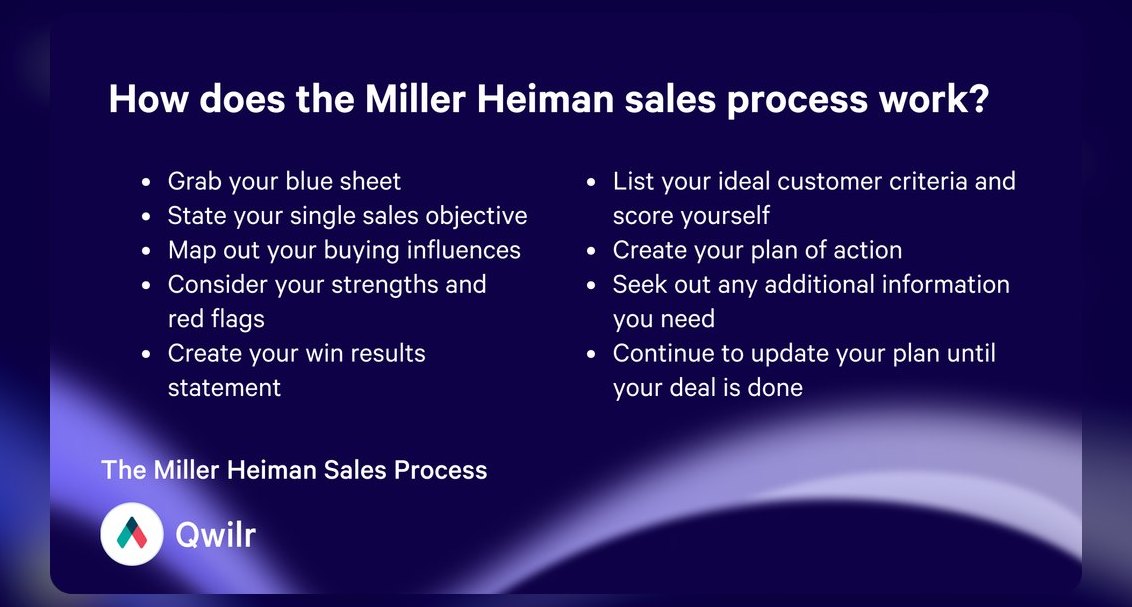 pulse-recentWhat is the step-by-step process for Strategic Selling by Miller Heiman in 2027?
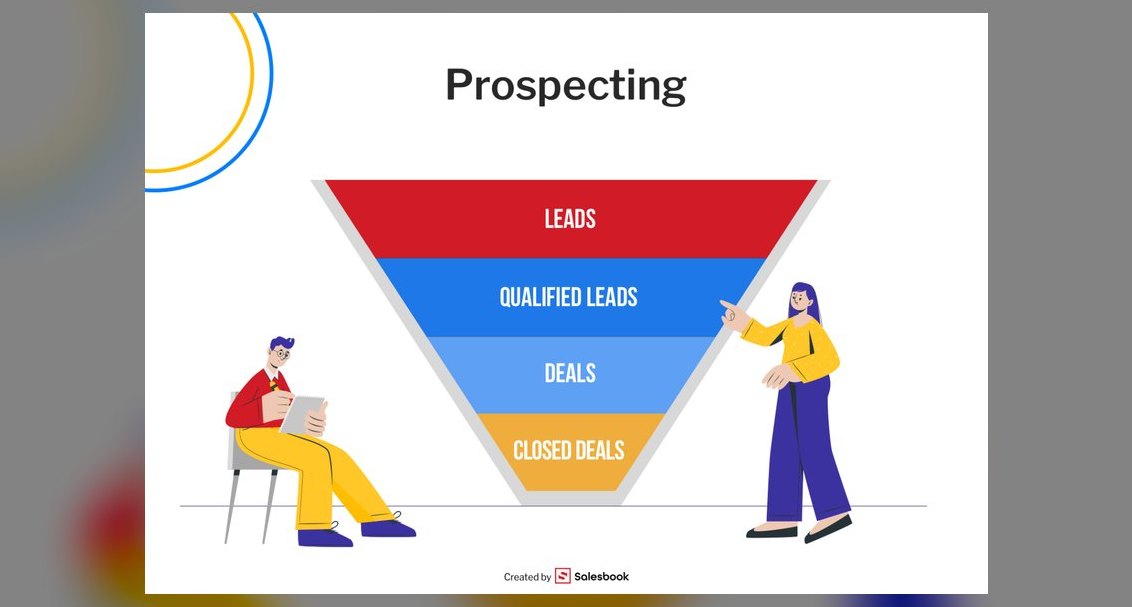 pulse-recentHigh-Profit Prospecting by Mark Hunter — Top 10 Key Takeaways for Sales Leaders in 2027
 pulse-recentHow I Raised Myself from Failure to Success in Selling by Frank Bettger — Top 10 Key Takeaways for Sales Leaders in 2027