
A Speech for a Product Launch
 Curated byKory White · Fractional CRO · Maryland
 PULSEKNOWLEDGE LIBRARY
Quality
Certified
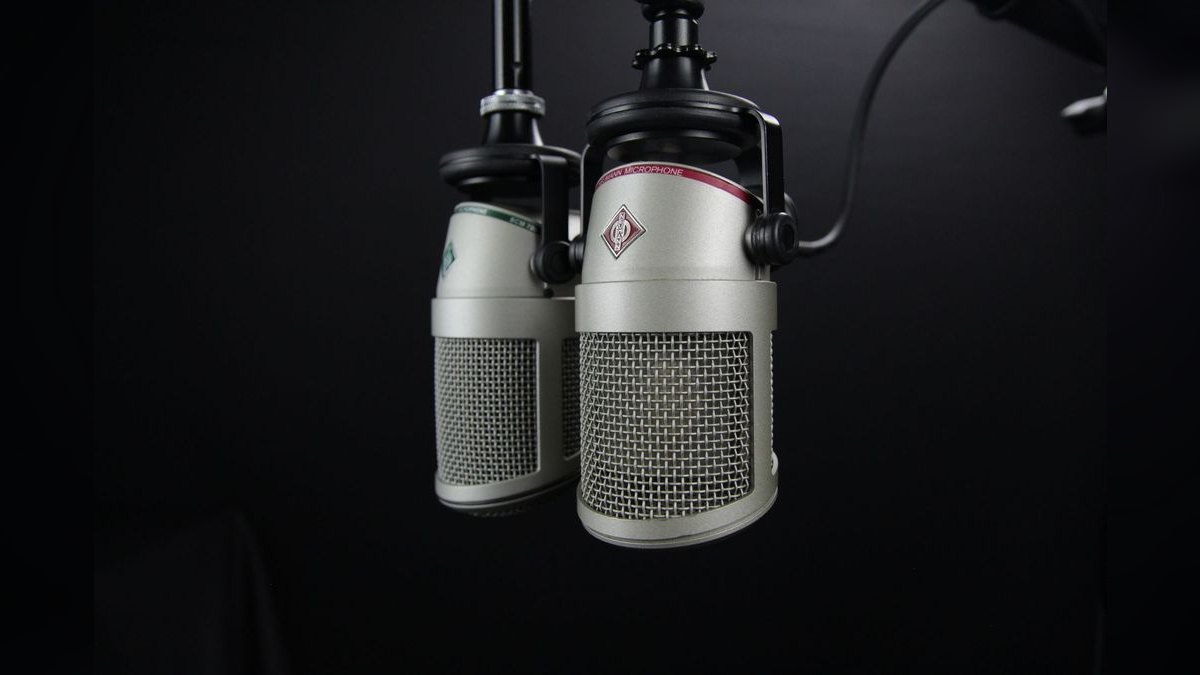
A product launch speech should introduce the new offering, explain its key benefit to the audience, and create excitement without overpromising. It typically opens with a hook, presents the product's core value proposition, and ends with a clear call to action. The tone should match the brand—professional, inspiring, or conversational—and the speech length is usually between three to five minutes. Avoid specific sales figures or release dates unless they are confirmed. A well-crafted launch speech transforms a room of curious listeners into engaged participants by balancing emotional resonance with clear, actionable takeaways.
The best product launch speeches don't just announce a new offering—they create a shared moment of discovery. They acknowledge the work behind the product, celebrate the team that built it, and extend a genuine invitation to the audience to become part of its future. This balance of humility and confidence is what separates a forgettable announcement from a launch that people remember and act on.
What Are the Core Structural Elements of a Product Launch Speech?
A product launch speech follows a deliberate architecture designed to move an audience from curiosity to conviction. The most effective structure mirrors a three-act narrative: establish the problem, humanize the journey, and deliver the reveal. Each act serves a distinct psychological purpose and should be calibrated to the audience's attention span.
In the first act, spend roughly 20-30% of your time re-establishing the problem your product solves. This isn't about rehashing old pain points—it's about making the audience *feel* the friction again. Use a specific, relatable example: "Last quarter, Sarah in customer support spent 14 hours a week manually tagging emails. That's 14 hours she could have spent helping customers." This creates a shared reference point that makes the solution feel earned, not sold.
The second act—about 40-50% of your speech—is where you humanize the development process. Share a moment of doubt or a late-night breakthrough. Mention the team member who refused to compromise on a key feature. This isn't self-indulgent; it builds credibility and emotional investment. Audiences remember *why* something was built more than *what* was built. For more on building emotional connection in speeches, see our guide on how to structure a best man speech.
The final act—the reveal itself—should take up no more than 20-30% of your time. Show the product in action, but don't explain every feature. Pick three things that directly solve the problem you opened with. End with a clear, single call to action: "I want you to try it tonight and send me one piece of feedback." This turns passive listeners into active participants.
How Do You Match Tone to Audience and Moment?
The emotional tone of your launch speech is as important as its content. Get the register wrong, and even the best product story can feel hollow or manipulative. The key is to calibrate your energy, language, and pacing to three factors: your audience's relationship to the product, the company's stage, and the room's physical energy.
For an internal launch—say, a new tool for your own team—the tone should be collaborative and proud. You're speaking to people who have skin in the game. Use "we" heavily. Acknowledge the skeptics in the room: "Some of you wondered if this would ever ship. Honestly, so did we." This disarms resistance and builds trust. Your energy should be warm but grounded—this isn't a pep rally; it's a milestone celebration. Keep your volume steady, your gestures open, and your eye contact inclusive. Avoid hype words like "revolutionary" or "game-changing"; your team knows the trade-offs better than anyone.
For a customer-facing launch at a conference or webinar, the tone shifts to curious and generous. Your audience is skeptical by default—they've seen hundreds of product launches. Lead with empathy: "I know you're busy. I know you didn't come here to be sold to. I'm going to show you three things that might save you time, and if they don't, I'll buy you coffee." This lowers defenses. Use language that invites exploration: "What if you could..." or "Imagine being able to..." Your pacing should be slower, with deliberate pauses after each key point. Let the audience process before you move on. The goal isn't to convince them to buy today—it's to make them want to learn more tomorrow.

For a founder-led launch at a startup event, the tone should be authentic and slightly vulnerable. Investors and peers are watching for conviction, not polish. It's okay to show nerves—they signal that this matters to you. Start with why you started the company, not what the product does. "Two years ago, I was sitting in my apartment, frustrated that I couldn't..." This creates a narrative hook that's hard to resist. Your energy should be high but controlled—think of a runner at the starting line, not a sprinter mid-race. Avoid reading from notes; know your opening and closing lines by heart, and let the middle flow naturally.
A critical but often overlooked element is silence. After you reveal the product—after the demo video ends or the prototype lights up—pause for three full seconds. Let the room react. This moment of shared silence amplifies the emotional impact and gives the audience permission to feel excited. Rushing through the reveal is the most common mistake in launch speeches. The pause is where the magic happens.
What Are the Key Delivery and Rehearsal Techniques?
A great speech on paper can fail in practice if the logistics aren't handled. The delivery environment—the stage, the technology, the audience seating—shapes how your words land. Ignoring these details is like building a beautiful car but forgetting to check the tires.
Rehearsal is non-negotiable. Practice your speech out loud at least five times before the actual event. The first two times, focus on memorizing the flow, not the exact words. The third and fourth times, practice with the actual slides or demo setup. The fifth time, record yourself on video and watch it back. Look for filler words ("um," "like," "you know") and repetitive gestures. Most speakers unconsciously sway or tap their feet when nervous—these micro-movements distract the audience. Practice standing still, with your feet shoulder-width apart, and using deliberate hand gestures to punctuate key points.

The room setup matters more than you think. If possible, visit the venue beforehand. Stand on the stage and look at the audience seats. Are there pillars blocking sightlines? Is the lighting too bright for slides? Can the back row hear you without a microphone? Test the microphone at full volume—many launch speeches have been undermined by feedback or muffled audio. If you're using a clicker for slides, practice advancing and reversing slides until it becomes muscle memory. Have a backup plan: print your key points on a single index card, and keep a paper copy of your slides in case the projector fails.
Contingency planning separates pros from amateurs. What happens if the demo crashes? What if the audience is smaller than expected? What if someone in the front row is clearly bored? Prepare a 30-second pivot for each scenario. If the demo fails, say: "Well, that's why we have a beta. Let me walk you through what you would have seen." If the room is half-empty, adjust your energy to match—don't shout into a quiet room. If you see someone checking their phone, don't take it personally; focus on the people who are engaged. A launch speech is a live performance, and live performances have variables. The best speakers embrace the messiness rather than fighting it.
Finally, manage your pre-speech state. Arrive at the venue at least 30 minutes early. Do a quick vocal warm-up—humming, lip trills, tongue twisters. Take five deep breaths before you walk on stage. Remind yourself that the audience *wants* you to succeed. They're not judging you; they're hoping for a good show. If you feel nervous, reframe it as excitement—the physiological response is nearly identical. A launch speech is a privilege, not a burden. You've built something real, and now you get to share it. That's worth a little adrenaline. For more on managing speech anxiety, see how to practice a speech so it sounds natural.
How Do You Write a Memorable Opening Hook?
The opening hook is the single most important part of your launch speech. You have roughly 10 to 15 seconds to grab attention before your audience's mind wanders. A weak opening—like "Good morning, everyone, I'm excited to announce..."—is a missed opportunity. Instead, start with something that makes the audience lean forward.

The most effective hooks fall into three categories: the problem hook, the story hook, and the bold statement hook. The problem hook immediately reconnects the audience to a pain point they know well. For example: "Every Monday morning, our team spends two hours reconciling data that should reconcile itself. That's eight hours a month, per person, doing work that adds zero value." This creates instant empathy and frames your product as a solution, not a sales pitch.
The story hook uses a short, vivid anecdote to create emotional resonance. "Six months ago, I was sitting in my kitchen at 2 AM, staring at a spreadsheet that wouldn't balance. I called my co-founder and said, 'There has to be a better way.' That call led to what we're showing you today." This approach works well for founder-led launches because it's personal and relatable. The bold statement hook makes a provocative claim that challenges the audience's assumptions. "We believe the way most companies handle customer onboarding is broken. Not just inefficient—actively harmful to customer relationships." This creates tension that the rest of your speech resolves.
Whichever hook you choose, make sure it connects directly to the product's core value proposition. The hook should be a promise that the rest of your speech delivers on. If your opening is about a problem, your closing should feel like the solution has arrived.
What Common Mistakes Should You Avoid in a Product Launch Speech?
Even experienced speakers fall into predictable traps during product launch speeches. Avoiding these mistakes can mean the difference between a launch that lands and one that falls flat.
Overloading with features is the most common error. A launch speech is not a spec sheet. When you try to explain every capability, you dilute the core message and lose the audience's attention. Instead, pick three features that directly address the problem you opened with. Let the audience ask about secondary features during Q&A or follow-up materials. Less is always more in a launch speech.
Overpromising is a close second. It's tempting to use superlatives like "revolutionary," "game-changing," or "unprecedented." But these words create expectations that are almost impossible to meet. If your product has real limitations—and every product does—acknowledge them. "We're launching with these three core features, and we'll be adding more in the coming months based on your feedback." This builds trust and manages expectations.
Ignoring the audience's context is another common mistake. A launch speech that works for a team all-hands will fall flat at a customer conference. Tailor your language, examples, and tone to the specific group in front of you. Internal audiences want to feel proud and included; external audiences want to feel understood and valued. Never use the same speech for both without significant revision.
Reading from notes is a sure way to kill energy. Even if you're nervous, know your opening and closing lines by heart. For the middle section, use bullet points on an index card as a safety net, but maintain eye contact with the audience as much as possible. A launch speech should feel like a conversation, not a recitation.
How Do You Handle Q&A and Follow-Up After a Product Launch Speech?
The speech itself is only half the battle. How you handle the moments after—the Q&A session, the hallway conversations, the follow-up emails—determines whether your launch builds momentum or fades.
Prepare for Q&A by anticipating the three hardest questions you might receive. For each one, prepare a concise, honest answer. If you don't know something, say so: "That's a great question, and I want to give you a thoughtful answer. Let me follow up with you after the session." This is far better than bluffing or giving a vague response. For more on handling tough audience interactions, see our guide on how to add humor to a retirement speech, which includes techniques for defusing tension.
During Q&A, repeat each question before answering it. This ensures everyone in the room heard it, and it gives you a moment to collect your thoughts. Keep your answers brief—30 to 60 seconds per question. If someone asks a multi-part question, answer the most important part and offer to discuss the rest afterward.
After the event, send a follow-up email within 24 hours. Include a link to the recorded speech, a summary of key points, and a clear next step (like booking a demo or joining a beta). This turns the energy of the launch into concrete action. For more on the broader launch process, see our guide on how to structure a best man speech, which covers similar principles of audience engagement.
Related questions
How long should a product launch speech be?
Aim for 3 to 5 minutes—long enough to cover the problem, solution, and call to action, but short enough to keep the audience engaged. Most successful launch talks stay under 600 words.
Should I memorize the speech word-for-word?
No, memorizing every word can make you sound robotic. Instead, internalize the key points and practice your flow, using bullet notes or a teleprompter as a safety net.
What tone works best for a product launch speech?
Enthusiastic but authentic—audiences can sense hype that feels forced. A confident, conversational tone that matches your brand voice tends to build more trust than a high-energy sales pitch.
How do I handle a demo that crashes during the speech?
Prepare a 30-second pivot: "Well, that's why we have a beta. Let me walk you through what you would have seen." Always have a backup plan, like a pre-recorded demo or printed screenshots.
Can I use humor in a product launch speech?
Yes, but keep it relevant and self-deprecating rather than targeting others. A light joke about a late-night debugging session can humanize you, but avoid humor that might alienate any part of your audience.
FAQ
What is the most important part of a product launch speech? The opening hook—you have roughly 10 to 15 seconds to grab attention. Start with a relatable problem, a surprising insight, or a bold statement that makes the audience lean in. The hook sets the emotional tone for everything that follows.
Should I include product demos in the speech? Only if the demo is short (under 60 seconds) and directly shows the core benefit. A live demo can be powerful, but a pre-recorded clip often reduces risk and keeps the pacing tight. If the demo is complex, save it for a separate session.
How do I handle nervousness before the launch? Practice the speech aloud at least 5 to 10 times in the actual venue or a similar setting. Deep breathing and arriving early to test the microphone and slides can cut anxiety by half. Reframe nervousness as excitement—the physiological response is nearly identical.
What should I do if the audience is smaller than expected? Adjust your energy to match the room—don't shout into a quiet space. Make eye contact with each person. A smaller audience can be an advantage; it allows for more intimacy and genuine connection. Lean into that instead of trying to project for a crowd that isn't there.
How do I end a product launch speech effectively? Close with a clear, warm invitation rather than a hard sell. "I want you to try it tonight and send me one piece of feedback." Then transition to the demo or Q&A with a smile. The closing should feel like an opening—a beginning, not an end.
What if I forget a key point during the speech? Don't panic. Your audience doesn't know your outline. Simply move on to the next point. If the forgotten point is critical, you can circle back naturally: "One thing I should have mentioned earlier..." The audience will forgive a minor omission far more than they'll forgive a flustered recovery.
Sources
- Harvard Business Review — case studies and strategies for effective product launches and marketing communication
- Forbes — expert insights on product launch planning, branding, and public speaking
- TED Talks — examples of compelling presentation techniques and storytelling for product announcements
- American Marketing Association — research and best practices for product launch campaigns and audience engagement
- Toastmasters International — resources on speech structure, delivery, and public speaking skills
- Inc. Magazine — articles on entrepreneurial product launches and executive communication tactics
- National Speakers Association — professional guidelines for keynote and launch speech delivery
- Duarte — presentation design and storytelling resources for product launches
- SpeakerHub — community insights and tips for professional speakers and launch events
Related on PULSE
This page will be disappearing soon. Save it to your device for $1 — or read it free while it is here.
@Kory-White- · if Venmo asks, the last 4 of my number are 2012
This page is gone.
This one is off the shelf now. $1 keeps it on your phone for good — the whole page, pictures and diagrams included.
 pulse-speechesA Graduation Speech for a Valedictorian
 pulse-speechesA Toast for a New Year’s Eve Gathering
 pulse-speechesA Toast for a Christening
 pulse-speechesA Speech for Welcoming a New Hire
 pulse-speechesA Wedding Speech for a Second Marriage
 pulse-speechesHow to Write a Speech in 30 Minutes in 2027
 pulse-speechesA Retirement Speech for a Police Officer
 pulse-speechesHow to Practice a Speech So It Sounds Natural in 2027
 pulse-speechesWhat Makes Susan B. Anthony's "On Women's Right to Vote" a Great Speech in 2027
 pulse-speechesA Graduation Speech for a Graduate as the Class President