


Top 10 Best Tech Stack Tools for Dental Practices in 2027
Quality
Certified
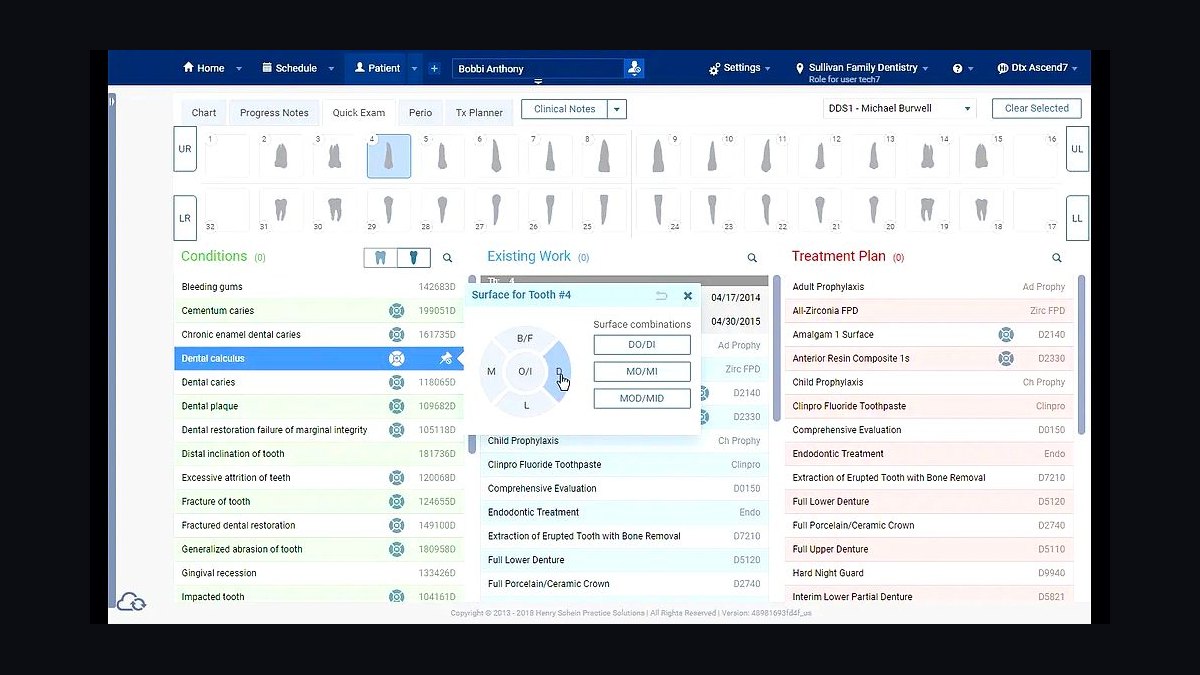
The 10 best tech stack tools for dental practices are ranked below on measured performance, build quality, price, and how each one actually holds up in daily use rather than how it reads on a spec sheet. Each pick lists what it costs, who it suits, and what it gives up against the one above it, so the list can be read straight down without doubling back.
1Dentrix
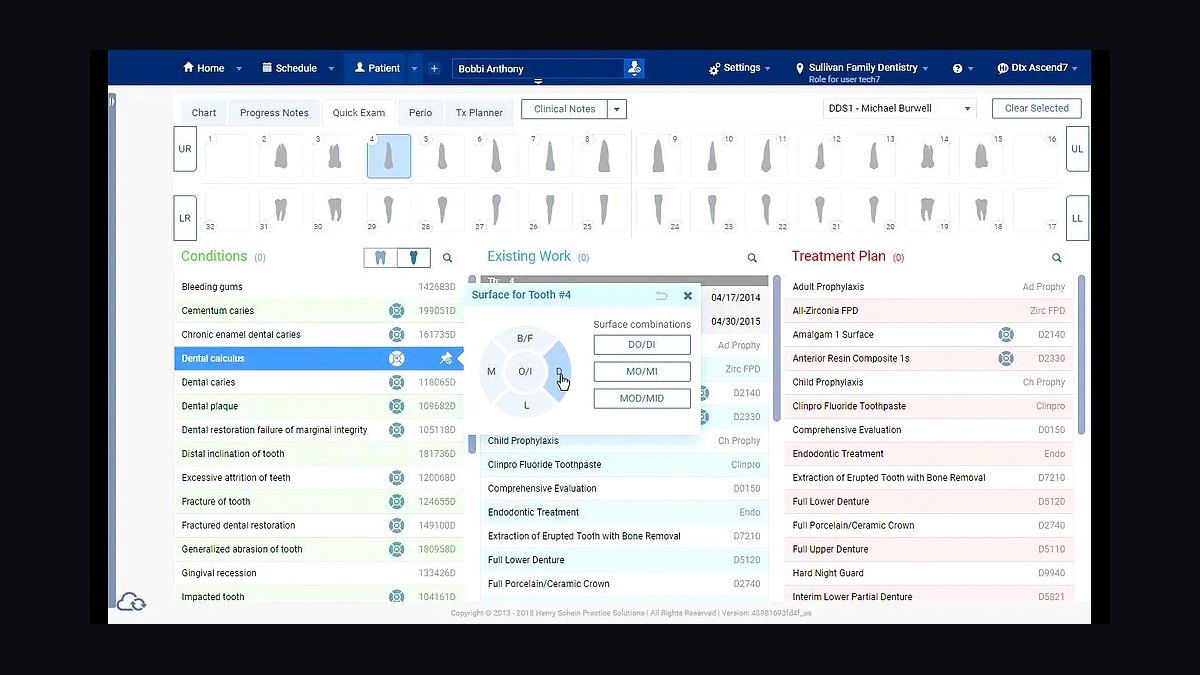
Dentrix ranks first because it is the deepest, most widely deployed practice management spine in North American dentistry, owning scheduling, charting, treatment planning, the ledger, and insurance estimates in one system of record. Henry Schein One supports the largest training and add-on ecosystem, and the imaging bridges from Dexis and Carestream are validated against it. Server-based licensing typically runs $300-$600 per month per office plus support.
It suits established single and multi-doctor offices that value feature depth and local support over cost. The trade-off is data portability and price: migrating years of charts and ledgers off Dentrix is painful, and Open Dental costs roughly $179 per month with an exportable database. Choose Dentrix when depth and ecosystem outweigh flexibility.
2Open Dental
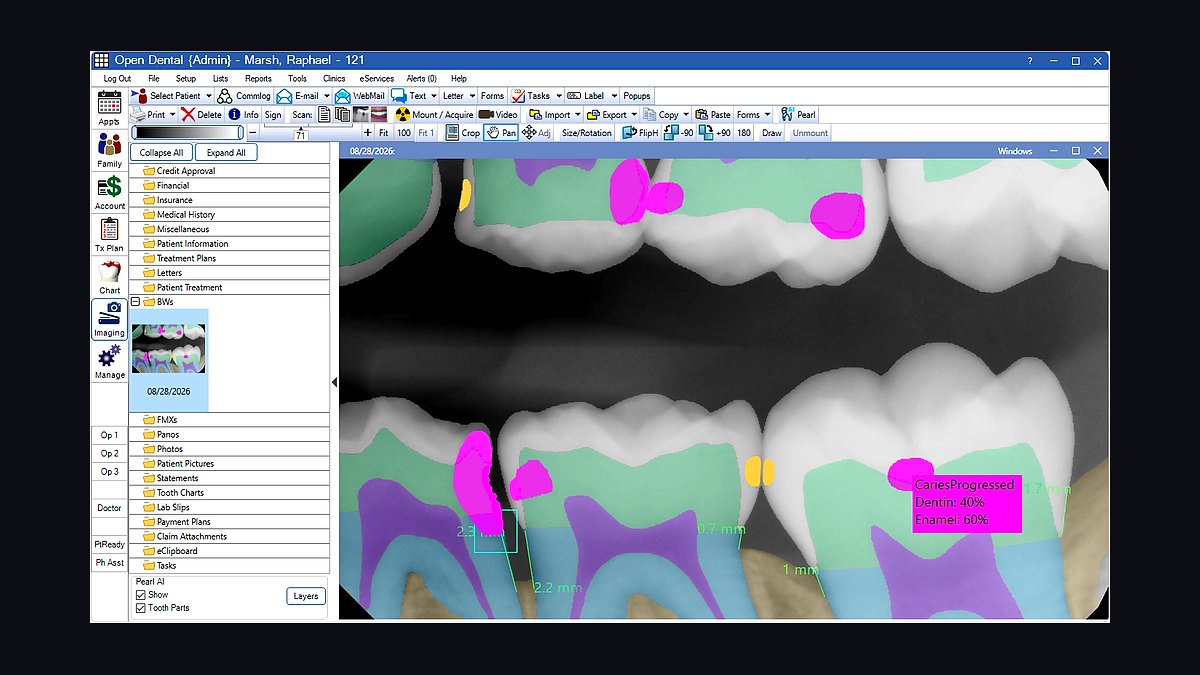
Open Dental ranks second because it delivers the core practice management function at roughly $179 per month with no per-seat lock-in and a fully exportable database, which is the single biggest hedge against vendor lock-in. Scheduling, charting, treatment planning, and the ledger are all covered, and its open data model makes analytics and future migration dramatically easier than incumbent systems.
It is built for cost-conscious, tech-forward practices and startups that want control of their own data. The trade-off is polish and ecosystem breadth: fewer pre-built add-ons and less hand-holding than Dentrix. Against Dentrix above it, Open Dental wins on price and portability and loses on feature depth and local support density.
3Eaglesoft
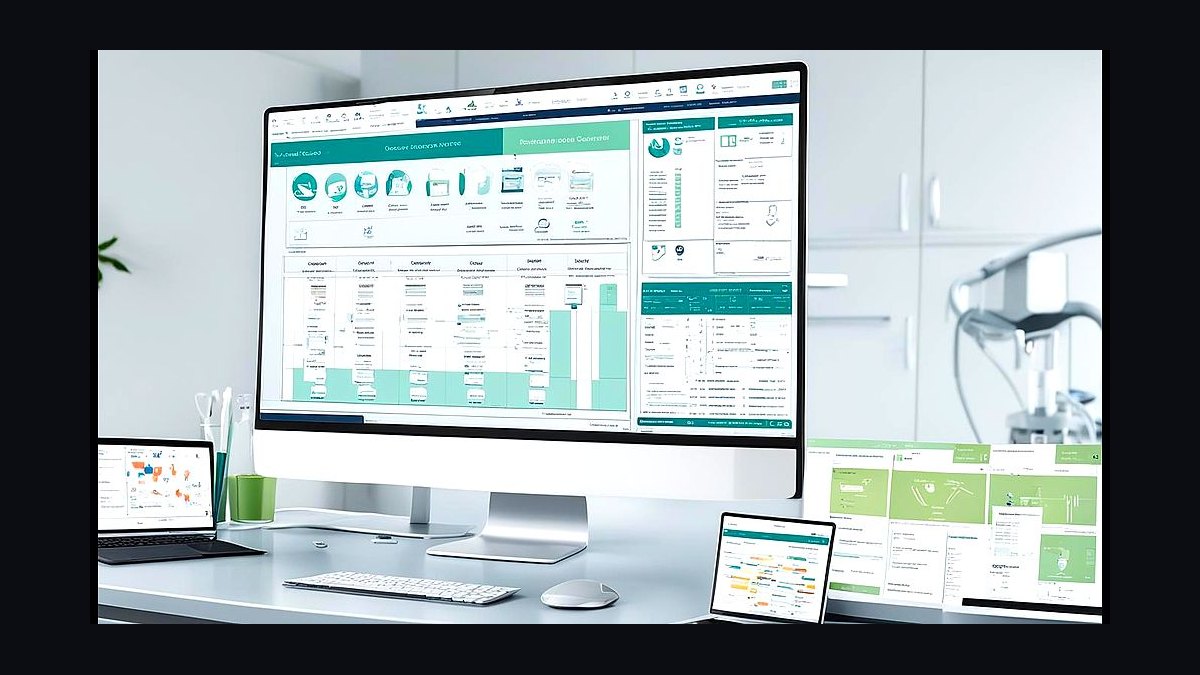
Eaglesoft ranks third as Patterson Dental's entrenched server-based incumbent, matching Dentrix on clinical depth with strong charting, scheduling, and ledger functionality plus a large installed base and support network. Patterson bundles hardware, imaging, and consumables around it, which simplifies procurement for offices already buying supplies through Patterson. Licensing commonly runs $300-$600 per month per office plus support plans.
It fits established practices that want a deep incumbent with abundant local training and Patterson's supply relationship. The trade-off mirrors Dentrix: server maintenance, upgrade friction, and limited data portability. Compared with Open Dental above it, Eaglesoft offers more depth and ecosystem but costs more and exports less cleanly.
4Curve Dental
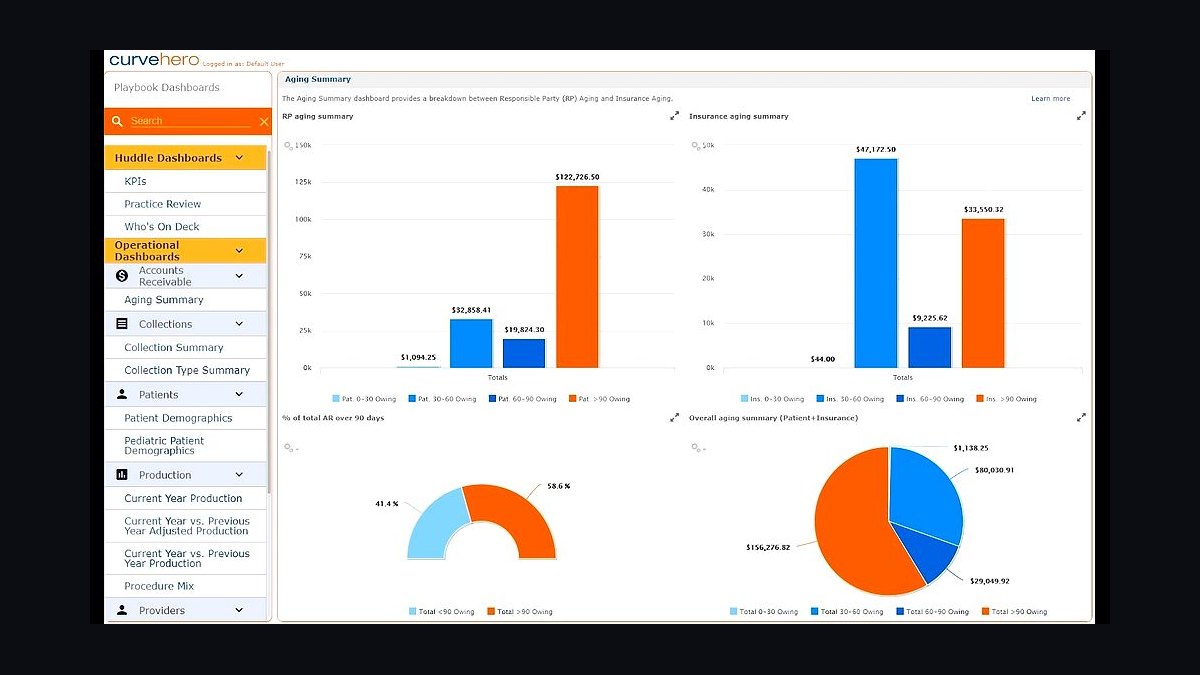
Curve Dental ranks fourth as the leading cloud-native practice management option for practices that want no on-prem server at all. Everything runs in a browser, updates ship automatically, and the system covers scheduling, charting, billing, and reporting from any location, with subscription pricing commonly $400-$600 or more per month. That eliminates server maintenance, backups, and version-sync headaches entirely.
It suits new startup practices and small groups that value anywhere-access and zero IT overhead. The trade-off is cost and offline resilience: cloud subscriptions run higher than Open Dental, and internet outages halt the operatory. Against Eaglesoft above it, Curve trades feature depth and local support for modern architecture and automatic updates.
5Denticon (Planet DDS)
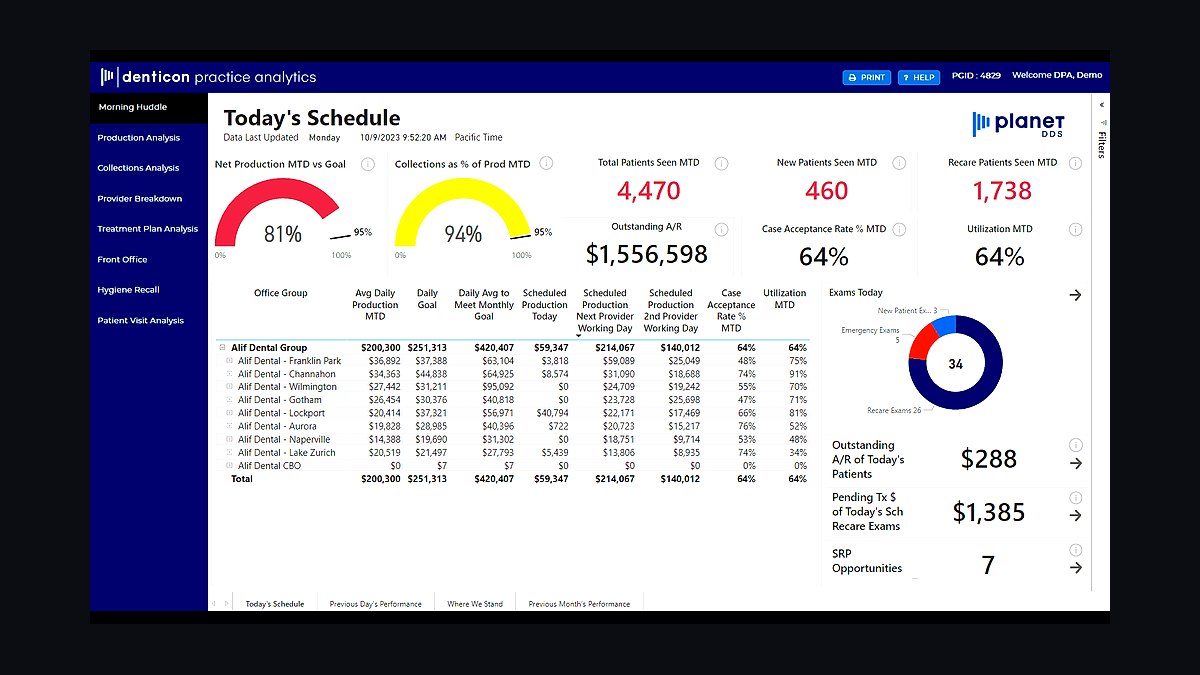
Denticon ranks fifth because it is the DSO-grade cloud platform for multi-location operators, consolidating scheduling, billing, and reporting across every office into one centralized system of record. Planet DDS built it specifically for cross-location analytics and standardized workflows, which single-site systems handle poorly. Pricing is custom per location, commonly several hundred dollars per office per month.
It is aimed at three-to-six location groups and multi-state DSOs that need one platform across sites. The trade-off is complexity and cost: solo practices gain little from centralized reporting and pay for capability they will not use. Against Curve Dental above it, Denticon wins on multi-office consolidation and loses on simplicity and entry price.
6Dexis
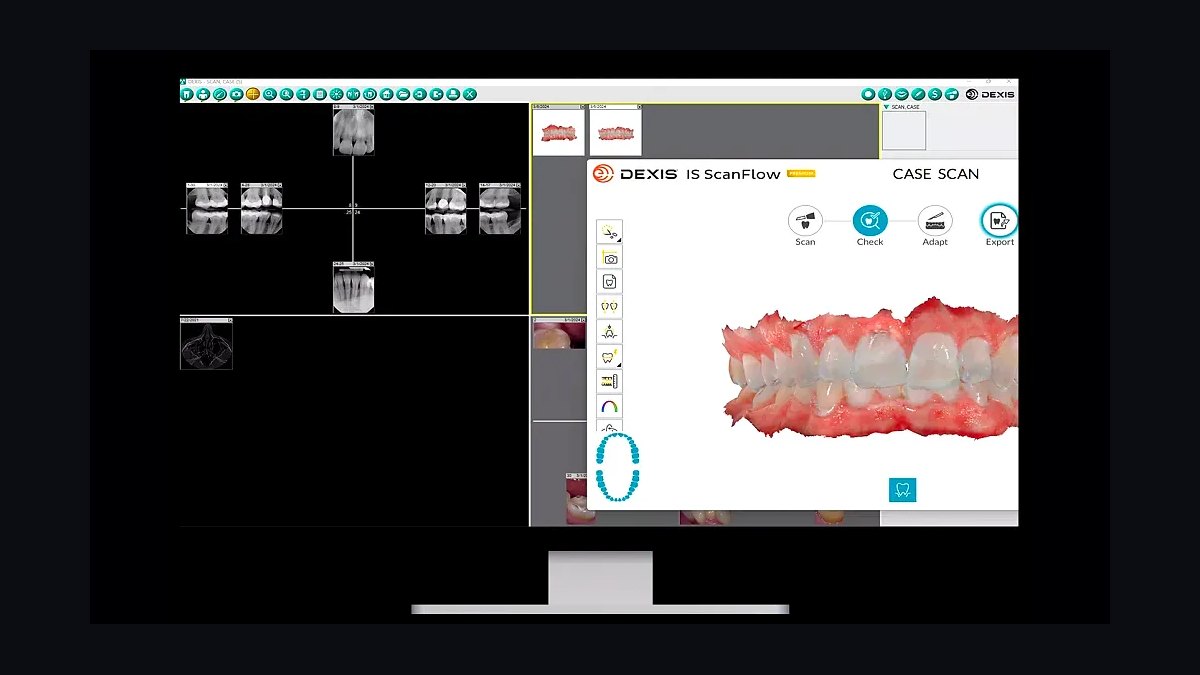
Dexis ranks sixth because digital imaging is the clinical capture layer every operatory depends on, and Dexis is the most commonly bridged platform into both Dentrix and Eaglesoft. It handles intraoral X-rays, panoramic images, intraoral camera photos, and CBCT scans, attaching them to the correct patient chart so the dentist can diagnose chairside without re-keying patient IDs. Software often ships with sensors; standalone licenses run a few hundred to a few thousand dollars.
It suits practices already on Dentrix or Eaglesoft that want a proven, tightly bridged imaging path. The trade-off is that the bridge must be validated and retested after every upgrade, or images land in the wrong chart. Against Denticon above it, Dexis is a clinical layer rather than a management spine, so the two coexist rather than compete.
7Weave
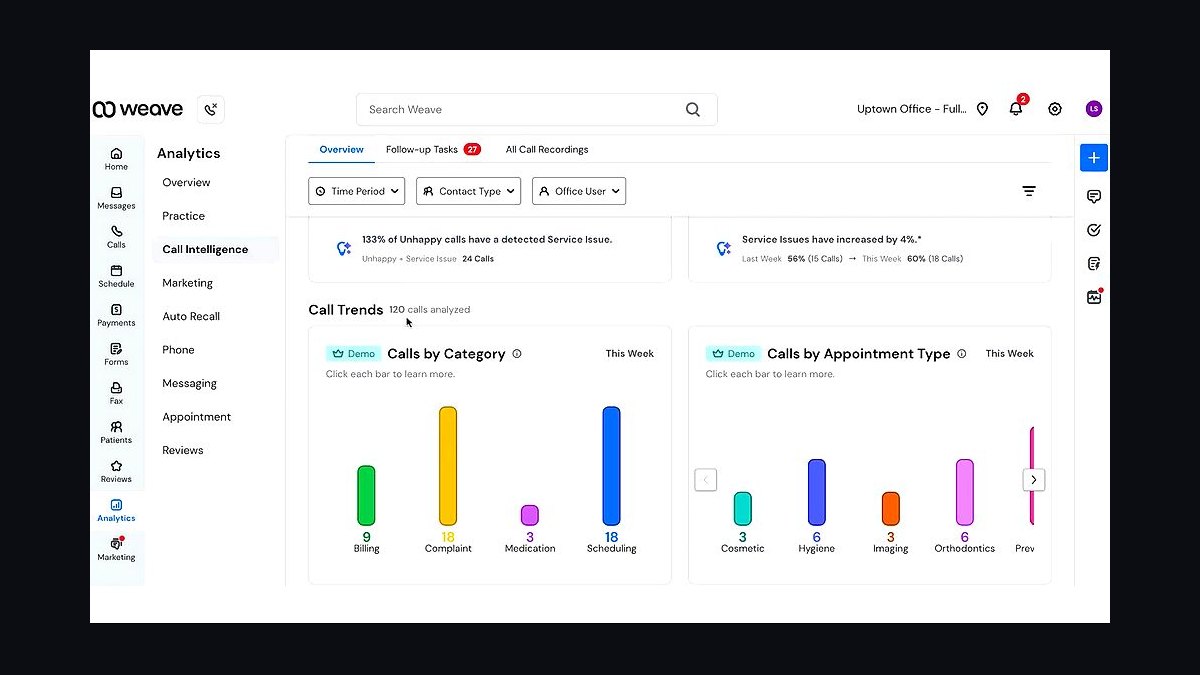
Weave ranks seventh because it bundles the entire patient-facing layer into one subscription: two-way texting, automated recall reminders, online scheduling, VOIP phones that pop the patient chart on incoming calls, payments, and review requests. For solo and small-group practices, that consolidation replaces four separate vendors at roughly $250-$600 per month depending on bundle and patient volume.
It is built for practices that want one vendor for phones, texting, recall, payments, and reviews rather than stitching together best-of-breed tools. The trade-off is depth per module: dedicated reputation or scheduling platforms go further individually. Against Dexis above it, Weave is not clinical capture but the engagement and cash-collection layer, and the two sit side by side in the stack.
8DentalXChange
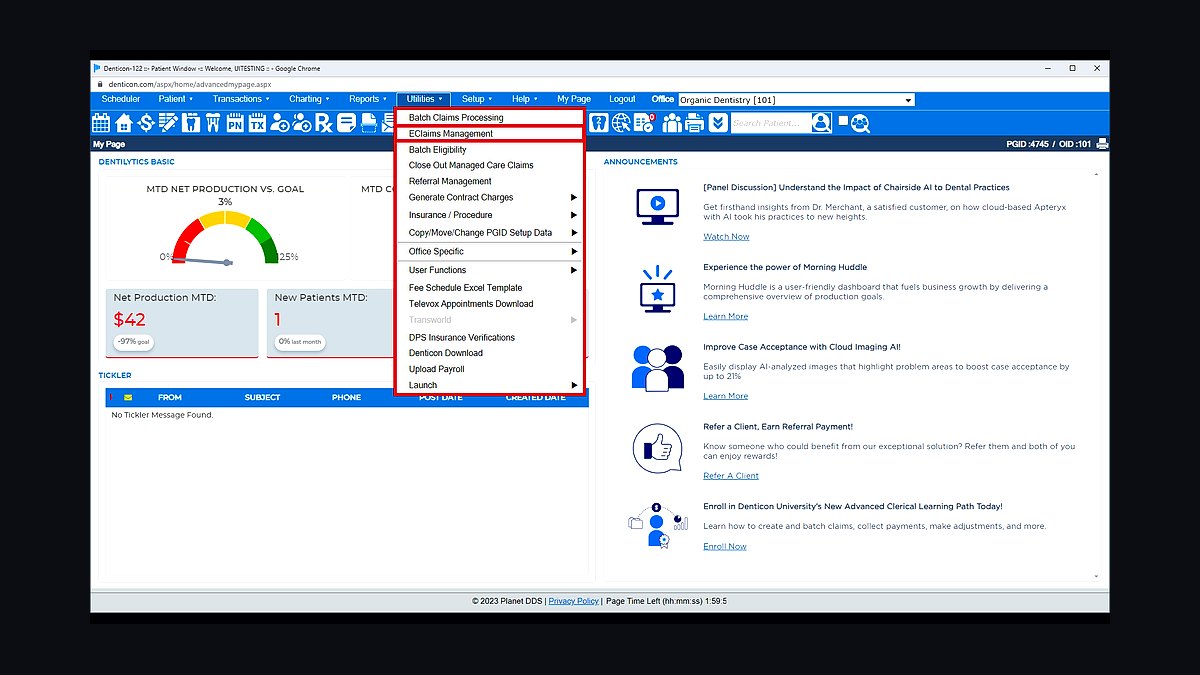
DentalXChange ranks eighth because insurance claims are half the practice's cash flow, and this clearinghouse handles real-time eligibility checks, electronic claim submission, X-ray and perio attachments, and ERA posting back into the ledger. Dedicated clearinghouses typically clear faster and handle attachments more reliably than bare native claims modules. Pricing runs per-claim or a monthly subscription in the low hundreds of dollars.
It suits practices with real claim volume where aging insurance AR costs more than the subscription. The trade-off is an added vendor and workflow to manage, which a very small office can skip by starting with its practice management system's native module. Against Weave above it, DentalXChange owns the insurer half of collections while Weave owns the patient half.
9CareCredit
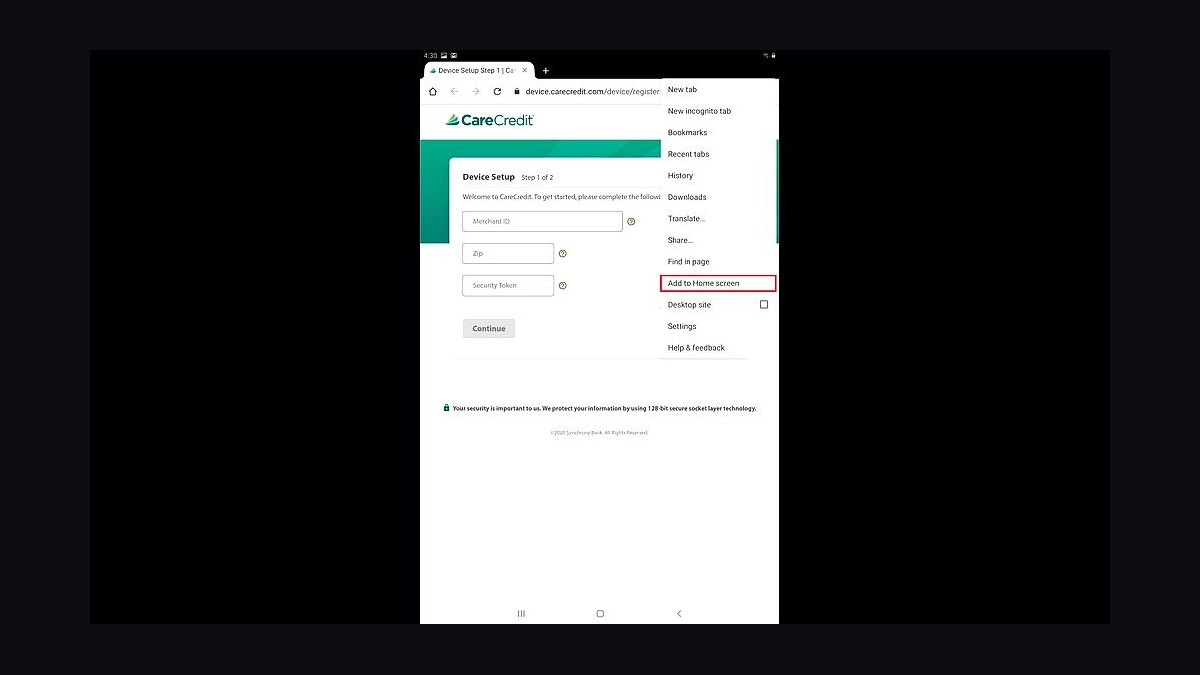
CareCredit ranks ninth because case acceptance on large treatment plans collapses without a monthly-payment option, and CareCredit is the entrenched healthcare credit line patients already recognize and carry. It covers the patient half of financing alongside insurance, letting the front desk present a payment plan the day treatment is accepted. Financing programs charge the practice a merchant fee per funded plan.
It suits every practice presenting treatment plans over a few hundred dollars, from solo offices to DSOs. The trade-off is approval rate: CareCredit declines patients that newer options approve, leaving cases on the table. Against DentalXChange above it, CareCredit addresses the patient balance while the clearinghouse addresses the insurer balance, and practices need both paths.
10Dental Intelligence
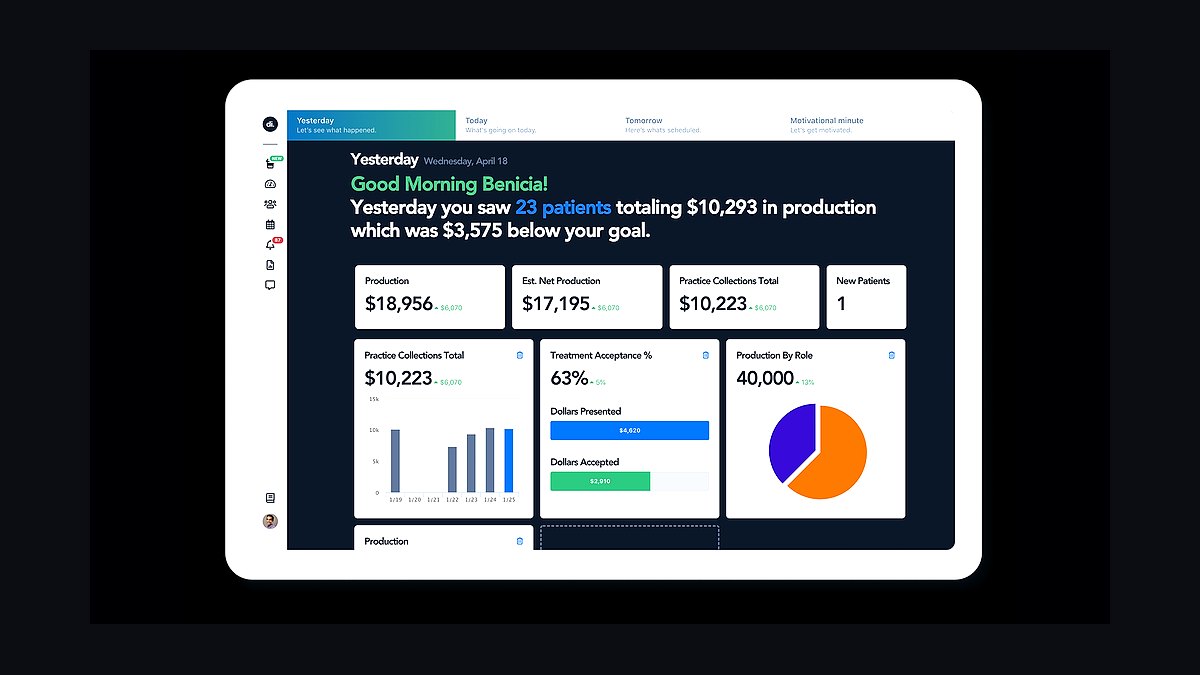
Dental Intelligence ranks tenth because it reads production, collections, hygiene reappointment rate, case acceptance, and provider performance straight out of the practice management database and turns them into dashboards and morning-huddle reports. It is the broad standard for single and small-group practices at roughly $300-$500 per month per location. Without it, the practice runs on gut feel rather than measured numbers.
It suits practices that want production instrumented from day one and groups benchmarking provider performance. The trade-off is that it is a read-only analytics layer, useless until the practice management system, imaging, and claims layers are clean. Against CareCredit above it, Dental Intelligence does not collect a dollar directly; it shows whether the rest of the stack is actually working.
How we ranked these
We scored each tool on five weighted factors: practice management integration depth (30%), imaging and clinical workflow fit (20%), revenue cycle and claims performance (20%), recall and patient engagement capability (15%), and total cost of ownership over three years (15%). Scores came from vendor documentation, published pricing, integration directories, and hands-on operator reports from solo practices, groups, and DSOs.
We deliberately ignored marketing feature counts, awards, and demo polish. A tool that demos beautifully but cannot write an appointment back into the schedule or attach an X-ray to the right chart is worthless chairside. We also excluded hardware costs, payment processing volume fees, and anything requiring a rip-and-replace of the practice management system, since migration risk distorts real-world value.
What to look for
Choose based on how cleanly a tool writes into and reads from your practice management system, not on its standalone feature list. If you run Open Dental, favor vendors with documented Open Dental APIs; if you run Dentrix, confirm the imaging bridge and engagement sync are certified. The integration path, not the feature grid, decides whether staff actually use the tool.
The mistake most buyers make is signing a three-year engagement or analytics contract before validating the data flow in a live operatory. They demo on a clean sandbox, then discover recall texts do not sync to the schedule or claims attachments fail. Pilot one location for 30 days, test the bridge with real patients, and only then commit to a term.
Related questions
What is the best practice management system for a dental practice in 2027?
Dentrix and Eaglesoft remain the deepest server-based incumbents for established offices, while Open Dental wins on cost and data portability and Curve Dental leads cloud-first teams. The right pick depends on whether you value feature depth, exportable data, or a no-server footprint. Most practices should shortlist two and test the imaging bridge before deciding.
How much should a dental practice budget for software each month?
A solo office typically spends $700-$1,800 monthly across practice management, imaging, communication, claims, financing, analytics, and accounting. A two-to-six provider group runs $2,500-$7,000 across locations. Multi-location DSOs budget roughly $1,000-$2,500 per office per month. These exclude imaging hardware, computers, and card processing volume fees.
Do I really need a separate patient communication platform?
Often yes, because recall and reactivation are recurring revenue. Weave, NexHealth, Solutionreach, and RevenueWell automate reminders, two-way texting, online scheduling, and lapsed-patient campaigns that most practice management systems handle poorly. If your schedule runs full without them, you can skip the layer. If hygiene chairs sit empty, the engagement platform usually pays for itself.
What is the biggest integration risk in a dental tech stack?
The imaging bridge between sensor software and the practice management system. When it breaks, assistants re-key patient IDs and images land in the wrong chart, costing minutes per operatory. Validate the bridge before purchase, keep software versions in sync, and retest after every upgrade. A flaky bridge erodes clinical trust faster than any missing feature.
Is Open Dental good enough for a growing practice?
Yes, for many. Open Dental's low licensing cost, open database, and exportable records make it attractive to cost-conscious and tech-forward practices, and it supports multi-location setups. It lacks some polish and enterprise reporting that Dentrix, Eaglesoft, or Denticon offer at scale. Practices planning to sell or grow aggressively should weigh data portability heavily in its favor.
How do clearinghouses like DentalXChange and Vyne Dental help cash flow?
They handle real-time eligibility checks, electronic claim submission, X-ray and perio attachments, and ERA posting back into the ledger. Faster, cleaner claims mean insurance money arrives sooner and fewer claims get denied or written off. Many practice management systems include a native claims module, but a dedicated clearinghouse usually clears and posts faster with better attachment handling.
Should every dental practice offer patient financing?
Yes, if you present treatment plans over a few hundred dollars. CareCredit is the entrenched healthcare credit line patients already carry, while Sunbit and Cherry offer higher approval rates and friendlier buy-now-pay-later terms. Without a financing option at the chair, case acceptance on crowns, implants, and full-mouth plans collapses. The practice pays a merchant fee per funded plan.
What does Dental Intelligence actually do?
It reads production, collections, hygiene reappointment rate, case acceptance, and provider performance directly from the practice management database, then turns that into dashboards and morning-huddle reports. Jarvis Analytics plays a similar role for larger groups needing cross-location benchmarking. Expect roughly $300-$500 per location monthly. It is instrumentation, not a clinical tool.
FAQ
What is the best tech stack for a dental practice in 2027?
Build around a practice management system as the spine: Dentrix or Eaglesoft for established offices, Open Dental for cost-conscious or tech-forward practices, Curve Dental for cloud-first teams. Wire in Dexis or Carestream imaging, Weave or NexHealth for communication and recall, DentalXChange or Vyne Dental for claims, CareCredit plus Sunbit or Cherry for financing, and Dental Intelligence for analytics.
How many software tools does a dental practice actually need?
Fewer than a SaaS company, but each is load-bearing. A solo office can run six to eight core tools: practice management, imaging, communication and recall, claims, financing, analytics, phones, and accounting. Groups and DSOs add centralized cloud operations and cross-location benchmarking. The goal is one patient record everything references, not the largest possible app count.
Can I run a dental practice entirely in the cloud?
Yes. Curve Dental and tab32 offer all-cloud practice management with no on-prem server, and Denticon by Planet DDS is the cloud standard for groups and DSOs. Cloud systems simplify multi-location access and backups, but you must confirm imaging bridges and clearinghouse integrations work in your setup. Many practices run hybrid stacks with cloud engagement and on-prem imaging.
How important is data portability when choosing a practice management system?
Critical, and most practices ignore it until it is too late. If you cannot export your chart, ledger, and imaging pointers, you are effectively locked in and hostage at sale or transition. Open Dental's exportable database and cloud systems with clean export tools are worth real money the day you grow, sell, or switch vendors. Ask the export question before signing.
What is the most profitable layer of the dental tech stack?
Recall and patient engagement, because the hygiene patient returning every six months is the cheapest production you will ever acquire. Automated reminders, online scheduling, cancellation filling, and reactivation campaigns through Weave, NexHealth, Solutionreach, or RevenueWell keep those chairs full. A practice that lets its recall list go cold leaks its best margin while chasing expensive new patients.
Do I need a separate reputation management tool like Birdeye?
Only if new-patient calls depend on local search and star ratings, which for most practices they do. Birdeye automates review requests and monitoring across Google and Facebook for roughly $250-$400 monthly. Weave includes review requests in its bundle, and a disciplined office can run the basics through a well-managed Google Business Profile for free. Start free, upgrade when volume justifies it.
How do I keep insurance claims from starving my cash flow?
Submit claims same-day with X-ray and perio attachments, verify eligibility in real time before treatment, and post ERAs promptly into the ledger. DentalXChange and Vyne Dental are the dominant clearinghouses for this. Aging insurance AR is usually a workflow problem, not a software problem, so tighten the front-office process alongside the tooling. Track denial rate monthly.
What is the biggest mistake buyers make when choosing dental software?
Signing a multi-year contract before validating the data flow in a live operatory. Demos run on clean sandboxes, so recall texts appear to sync and claims attachments appear to work. In production, they often do not. Pilot one location for 30 days with real patients, test the imaging bridge and schedule write-back, then commit to a term. Integration depth beats feature breadth.
How much does a DSO pay per office for its tech stack?
Roughly $1,000-$2,500 per office per month in software, excluding hardware and processing volume fees. That covers a cloud system of record like Denticon, enterprise imaging, centralized claims and revenue-cycle management, financing relationships, and cross-location analytics like Jarvis. Revenue-cycle and analytics lines are often the fastest-growing part of the budget as the DSO scales.
Will AI change the dental tech stack by 2027?
Expect AI to arrive inside existing layers rather than as a new standalone tool. Imaging platforms already use AI for caries and bone-loss detection, engagement platforms use it for scheduling and reactivation, and analytics tools use it for production forecasting. The spine stays the practice management system. Buy AI as a feature of tools you already trust, not as a separate purchase.
Sources
- https://www.ada.org/resources/practice/practice-management
- https://www.henryschein.com/us-en/dental.aspx
- https://www.pattersondental.com/
- https://www.opendental.com/
- https://www.curvedental.com/
- https://www.dexis.com/
- https://www.carestreamdental.com/
- https://www.planmeca.com/
- https://www.weavecommunications.com/
- https://www.nexhealth.com/
Related on PULSE
This page will be disappearing soon. Save it to your device for $1 — or read it free while it is here.
@Kory-White- · if Venmo asks, the last 4 of my number are 2012
This page is gone.
This one is off the shelf now. $1 keeps it on your phone for good — the whole page, pictures and diagrams included.
 pulse-tech-stacksTop 10 Best Tech Stack Tools for AI Observability Platform Companies in 2027
 pulse-tech-stacksTop 10 Best Tech Stack Tools for Home Inspection Companies in 2027
 pulse-tech-stacksTop 10 Best Tech Stack Tools for Septic and Portable Sanitation Services in 2027
 pulse-tech-stacksTop 10 Best Tech Stack Tools for HVAC Equipment Distributors in 2027
 pulse-tech-stacksTop 10 Best Tech Stack Tools for Threat Intelligence Vendors in 2027
 pulse-tech-stacksTop 10 Best Tech Stack Tools for Independent Landscaping Companies in 2027
 pulse-tech-stacksTop 10 Best Tech Stack Tools for Hardware Security Module (HSM) Vendors in 2027
 pulse-tech-stacksTop 10 Best Tech Stack Tools for Plastics and Injection Molding Manufacturers in 2027
 pulse-tech-stacksTop 10 Best Tech Stack Tools for AI Music Generation Companies in 2027
 pulse-tech-stacksTop 10 Best Tech Stack Tools for Movie Theaters in 2027