


Top 10 Best Tech Stack Tools for Tree Service Companies in 2027
Quality
Certified

The 10 best tech stack tools for tree service companies are ranked below on measured performance, build quality, price, and how each one actually holds up in daily use rather than how it reads on a spec sheet. Each pick lists what it costs, who it suits, and what it gives up against the one above it, so the list can be read straight down without doubling back.
1Arborgold Tree Care Software

Arborgold ranks first because it is the only mainstream hub built natively around tree care, including recurring plant health care programs that generic field-service apps cannot model. It handles risk-weighted estimating, crew and equipment scheduling, property mapping, and auto-generated PHC treatment rounds with product application logging for state pesticide reporting. Pricing runs roughly $250-$600 per month depending on users and modules.
It is for full-service arborists running PHC as a real revenue line, typically four to twenty crews. The trade-off is a dated interface and a steeper learning curve than modern green-industry CRMs. Compared with SingleOps directly below, Arborgold wins on PHC depth and compliance logging, while SingleOps wins on adoption speed and sales pipeline UX.
2SingleOps Green Industry CRM

SingleOps ranks second as the fastest-to-adopt green-industry CRM and operations platform, with strong estimating, pipeline, and scheduling in a modern interface. It starts near $200 per month and scales by seat, making it cheaper to enter than Arborgold for growing crews. It handles recurring services and job costing well, and integrates cleanly with CompanyCam and QuickBooks.
It suits crews of four to twenty who want speed over PHC specialization. It trades away Arborgold's deep recurring program tooling and pesticide application logging, so PHC-heavy operators feel the gap. Against ArboStar below, SingleOps is lighter on inventory, fleet, and financial control but far quicker to deploy.
3ArboStar Tree Service ERP
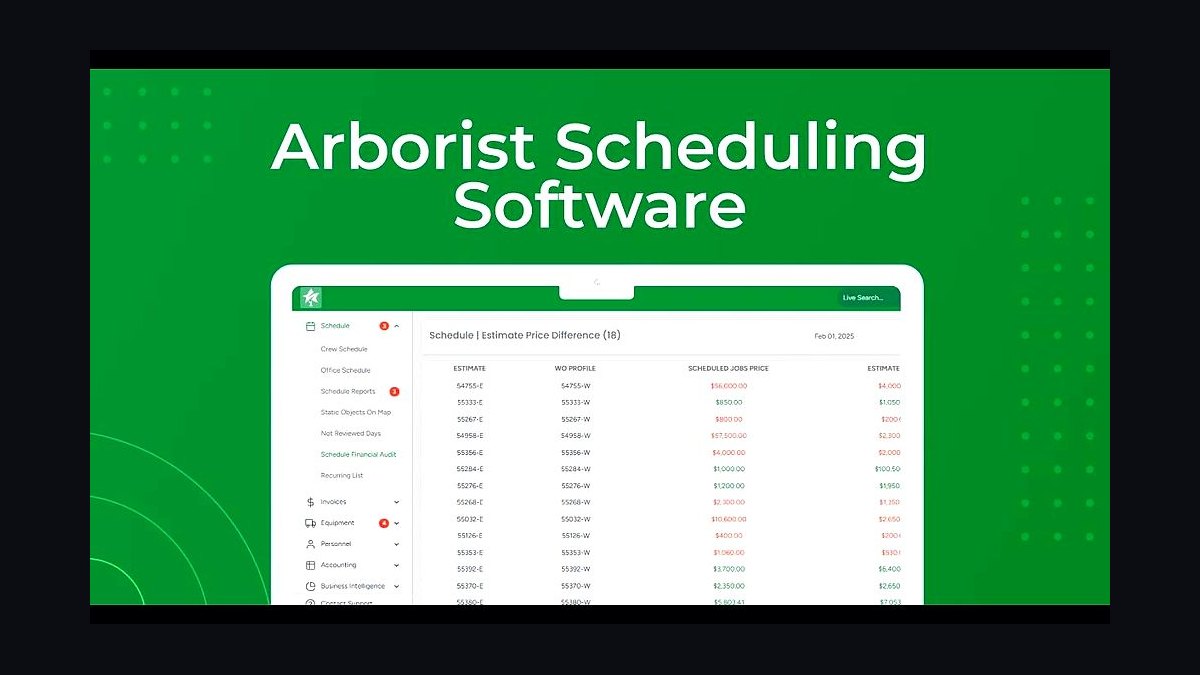
ArboStar ranks third as the ERP-grade option for large multi-crew tree operations, adding deeper inventory, fleet, and financial control on top of core estimating and scheduling. Pricing is quote-based and lands higher than Arborgold or SingleOps, reflecting its enterprise positioning. It suits operators running twenty-plus crews with warehouse, maintenance, and dimensional job-costing needs.
It is for large tree care enterprises, not small shops, and the trade-off is cost, implementation time, and complexity. Compared with SingleOps directly above, ArboStar offers more back-office depth but slower adoption and less modern sales tooling. Most operators only graduate to it once fleet and inventory actually constrain margin.
4CompanyCam Photo Documentation
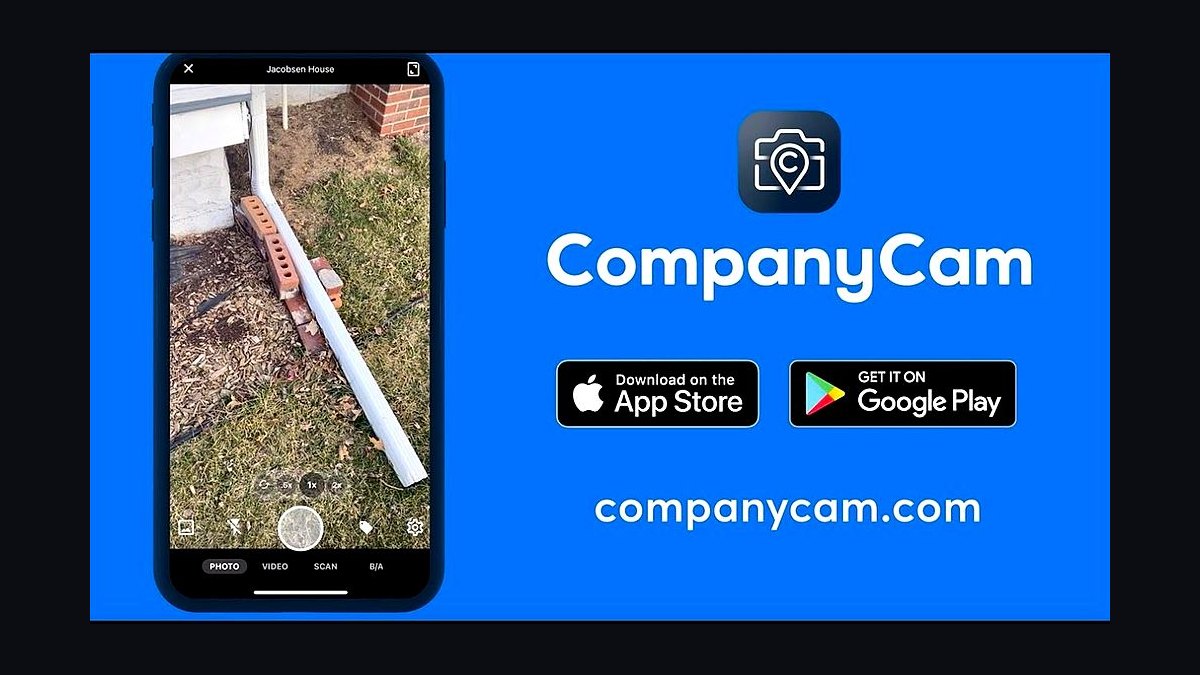
CompanyCam ranks fourth because time-stamped, geo-tagged job photos are the cheapest liability defense in tree work, documenting pre-existing conditions, hazards, and completed removals. It costs about $19-$29 per user per month and integrates with Arborgold, SingleOps, and Jobber. Photos feed estimates, dispute resolution, and review requests from one library.
It is for every tree service, from solo owner-operators to enterprise crews, and the trade-off is that it is documentation only, not scheduling or invoicing. Compared with busybusy below, CompanyCam captures visual proof while busybusy captures labor hours and equipment assignment. Skipping it leaves operators defenseless when a customer claims fence or roof damage.
5busybusy Crew Time Tracking
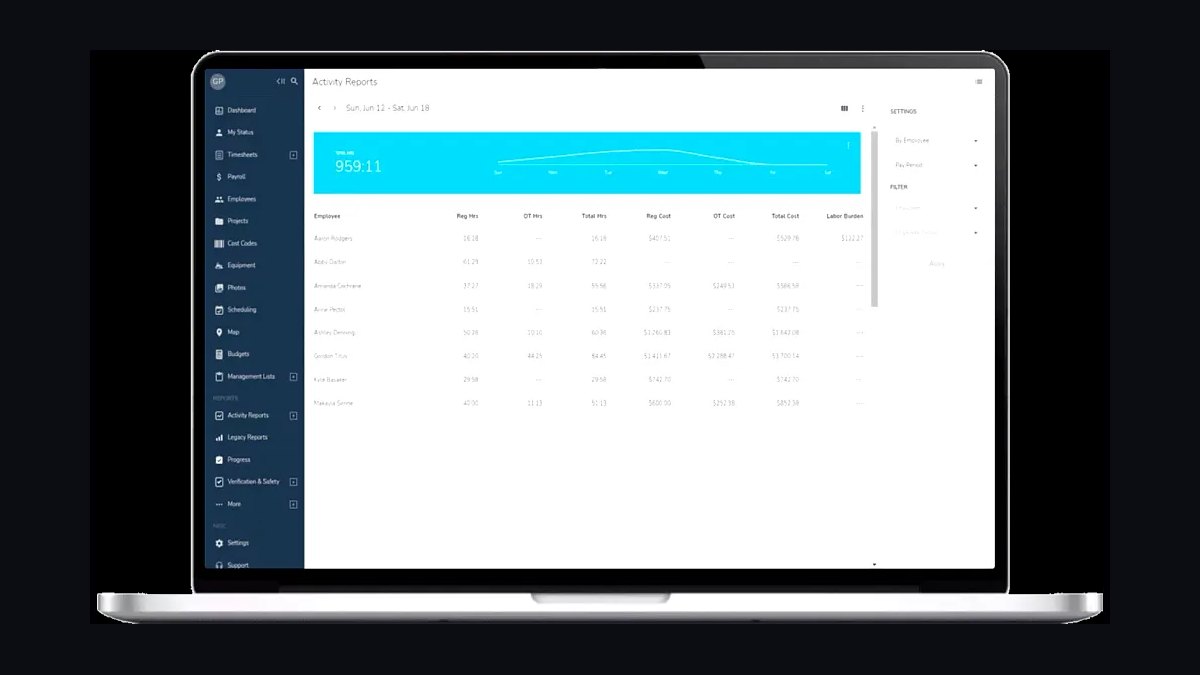
busybusy ranks fifth as the equipment-aware time-tracking layer built for construction-style crews, tying GPS labor hours to specific jobs and to the bucket truck or chipper on site. Expect roughly $10-$20 per user per month. That equipment linkage is what catches margin leaks on long drives and idle iron, which generic time clocks miss entirely.
It is for multi-crew tree services where job costing and equipment utilization drive profitability. The trade-off is that it adds a second app alongside the hub, and field adoption depends on crew discipline. Compared with ClockShark below, busybusy leans harder into equipment and construction workflows, while ClockShark is simpler and cheaper for basic GPS timekeeping.
6ClockShark GPS Time Tracking
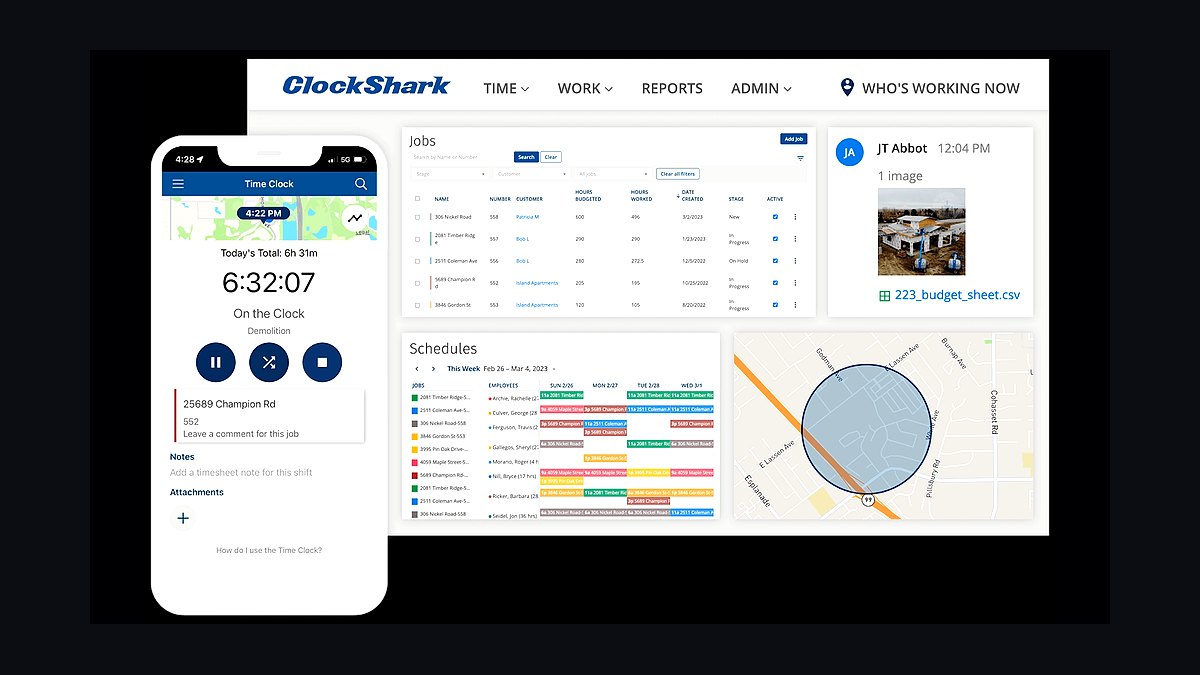
ClockShark ranks sixth as the simpler, cheaper GPS time-tracking alternative for tree crews that mainly need accurate hours tied to jobs and payroll. Pricing sits in the same $10-$20 per user per month band, with straightforward scheduling, mobile clock-in, and QuickBooks sync. It is easier for crews to adopt than heavier construction platforms.
It is for small to mid-size tree services that want field time accuracy without equipment-tracking complexity. The trade-off is thinner job-costing and equipment-assignment depth than busybusy above. Operators running cranes and multiple chippers often outgrow ClockShark, while removal-focused shops with predictable crews rarely need more.
7Esri ArcGIS Field Maps
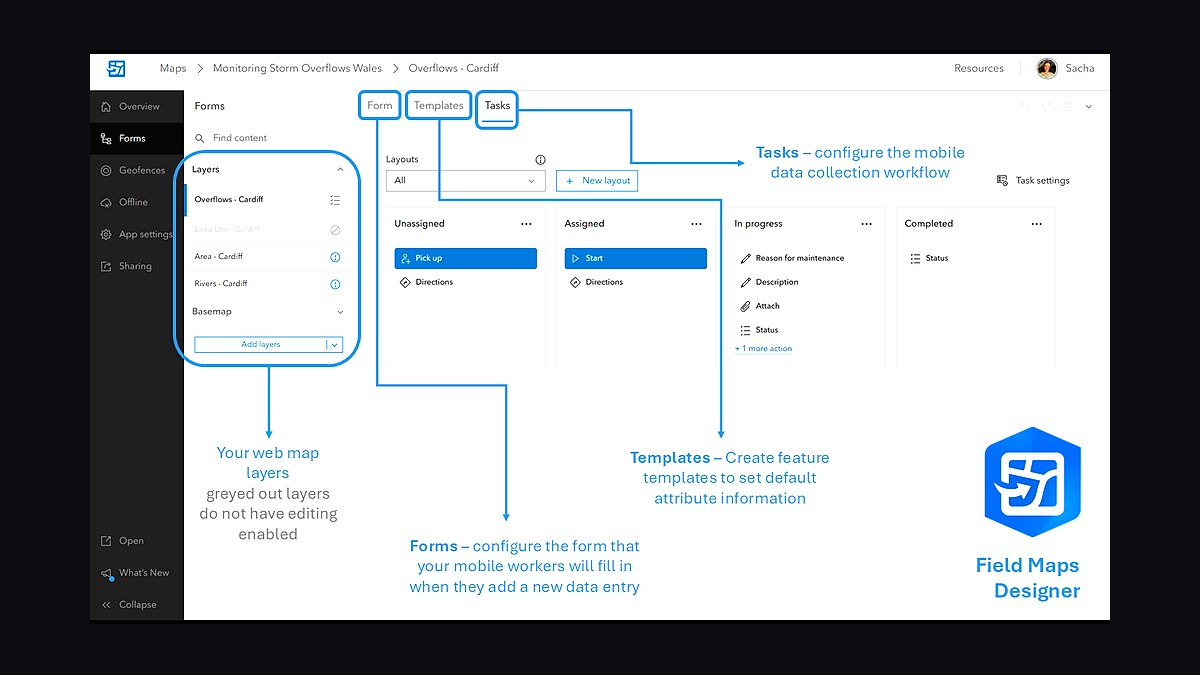
Esri ArcGIS ranks seventh as the GIS standard for commercial and municipal tree inventory work, recording species, DBH, condition, and treatment history per asset. Licensing is seat-based and starts around $500 per user per year, and it integrates with municipal record systems that residential property mapping cannot touch. It only earns its cost when an RFP demands it.
It is for arborists chasing campus, HOA, and municipal contracts, not residential removal shops. The trade-off is cost, training, and a separate data model from the hub. Compared with Arborgold's built-in mapping directly above, ArcGIS delivers asset-level records and GIS credibility but adds real overhead, so most operators skip it until a contract requires it.
8Podium Review Management

Podium ranks eighth because tree work is bought on trust, and automated review requests after job completion directly move local search rankings. It runs roughly $250-$450 per month and centralizes two-way customer texting alongside review generation. Many hubs include basic messaging, but a dedicated engine produces measurably more reviews.
It is for established tree services with enough completed jobs per month to generate steady review volume. The trade-off is a monthly cost that solo operators rarely justify. Compared with Birdeye below, Podium is stronger on review and texting automation, while Birdeye handles multi-location listings management better for larger enterprises.
9Birdeye Multi-Location Reviews
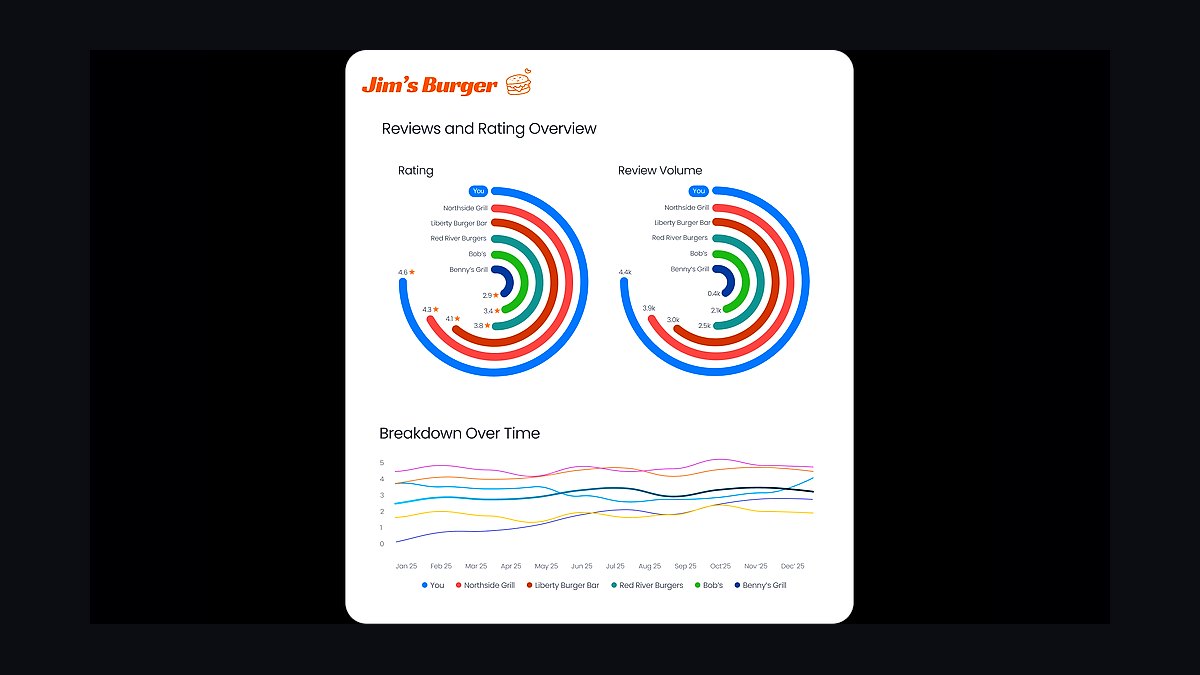
Birdeye ranks ninth as the comparable reviews and messaging platform with stronger multi-location listings management, which matters once a tree service operates several branches or service areas. Pricing sits in the same $250-$450 per month range as Podium. It consolidates review requests, listings accuracy, and customer messaging across locations.
It is for multi-crew or multi-branch tree care enterprises rather than single-location shops. The trade-off is similar cost with somewhat less aggressive review-request automation than Podium above. Operators with one location usually pick Podium, while companies managing several service areas get more value from Birdeye's listings control.
10Power BI Reporting
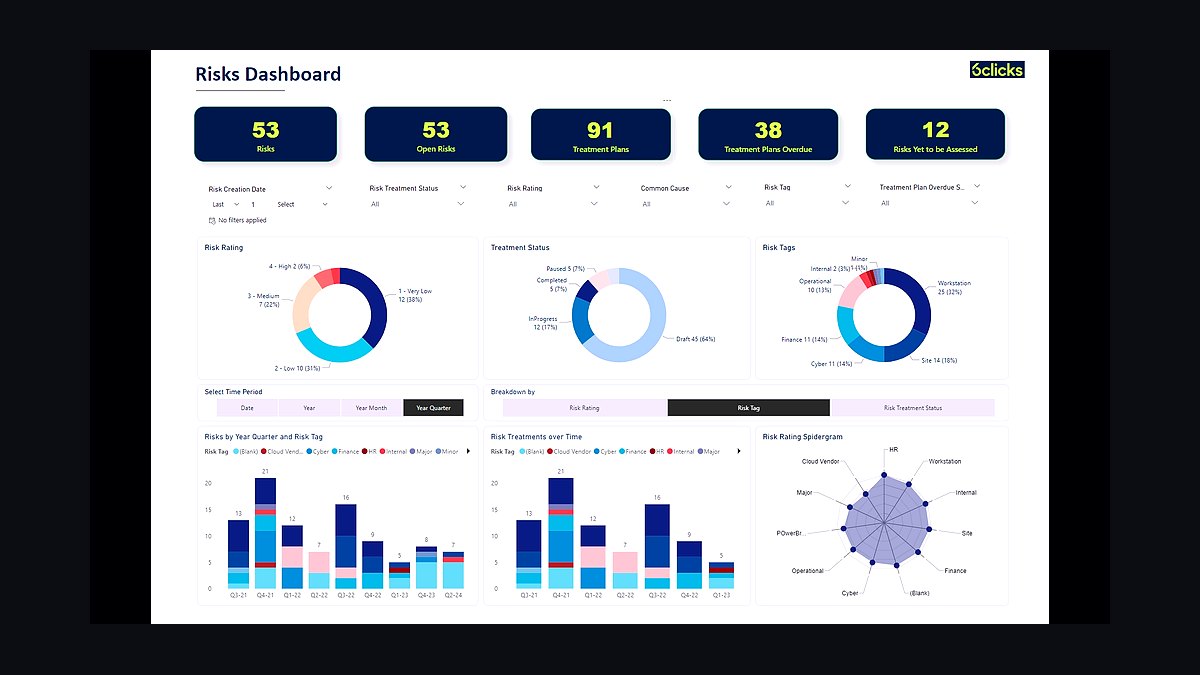
Power BI ranks tenth as the reporting layer that turns hub and time-tracking data into the numbers that actually run a tree service: crew utilization, estimate-to-close rate, PHC renewal rate, and revenue per crew-day. It costs about $14 per user per month and connects to QuickBooks, Arborgold, and SingleOps exports. It is cheap relative to the decisions it informs.
It is for operators with more than two crews who need to compare performance across them. The trade-off is setup effort and the discipline to maintain clean source data. Compared with QuickBooks reporting below it, Power BI handles operational metrics rather than accounting, and it only pays off once job and time data are consistently captured.
How we ranked these
We ranked each tool on five weighted criteria: fit for tree-care workflows (30%), estimating and risk-documentation depth (20%), crew and heavy-equipment scheduling (20%), integration breadth with accounting and photos (15%), and total cost at three crew sizes (15%). Scores came from vendor documentation, published pricing, and operator-reported outcomes. PHC program management was weighted inside workflow fit because it drives durable revenue.
We deliberately ignored brand popularity, app-store star ratings, and demo polish, since none predict field performance. We excluded tools with no published pricing or no tree-specific references, and we skipped generic ERPs that require six-figure implementations. Storm-surge scalability was noted but not scored, because too few vendors publish load data to compare fairly.
Related questions
What is the best tech stack for a tree service company in 2027?
Build around a tree-care hub: Arborgold for full-service arborists running PHC programs, SingleOps for fast-growing green-industry crews, or ArboStar for large multi-crew operations. Add CompanyCam for photo-documented risk estimating, busybusy or ClockShark for crew and equipment time, Podium for reviews, QuickBooks for accounting, and Power BI for utilization reporting.
Why can't a tree service just use Jobber or Housecall Pro?
Below three to four people with little recurring work, Jobber or Housecall Pro plus CompanyCam and QuickBooks is genuinely enough. The moment plant health care becomes a real revenue line or multiple crews share equipment, a tree-care hub earns its cost. Generic field-service apps cannot manage recurring PHC programs or equipment-aware scheduling without painful workarounds.
What makes plant health care software different from normal job scheduling?
PHC is a recurring agronomic program, not a one-off job. The software must enroll a customer in a multi-round annual program, auto-generate the next treatment at the right seasonal window for the right species, route PHC technicians efficiently, and log every product application for state pesticide-reporting compliance. Generic schedulers treat each visit as an isolated job and lose the renewal.
How much should a tree service budget for software?
Solo operators run roughly $150-$500 per month using Jobber, CompanyCam, QuickBooks, and native payments. Mid-size companies with four to twenty people spend about $800-$2,500 monthly on a hub, photo documentation, time tracking, reviews, and BI. Large multi-crew enterprises with GIS inventory and dimensional accounting land around $3,000-$8,000 or more per month.
Do I need Esri ArcGIS tree inventory?
Only when you chase commercial campuses, HOAs, or municipal contracts, because those buyers expect GIS-grade records: species, DBH, condition, and treatment history per asset. Residential operators map properties inside the hub and skip ArcGIS entirely. ArcGIS pricing is seat-based and starts near $500 per user per year, so pilot it on one account before committing.
How does CompanyCam fit into a tree service stack?
CompanyCam captures time-stamped, geo-tagged job photos that document pre-existing conditions, hazards, and completed work. That record is your best defense in a liability dispute and the backbone of risk-weighted estimating. It runs about $19-$29 per user per month and integrates with Arborgold, SingleOps, Jobber, and most hubs, so crews adopt it quickly.
What is the biggest mistake tree services make when buying software?
Buying a generic field-service app and bolting PHC on by hand. Operators then track recurring treatments in spreadsheets, miss seasonal windows, and forget renewals, quietly leaking their most predictable revenue. The second mistake is estimating by gut instead of by risk, which loses money on crane jobs and removals near structures where liability is highest.
How long does implementation take?
A realistic 30/60/90 plan works: days 0-30 stand up the hub, estimating, CompanyCam, and payments; days 31-60 build PHC programs and equipment-aware scheduling with time tracking; days 61-90 add reviews, Power BI reporting, and ArcGIS inventory if commercial work demands it. Rushing all layers at once overwhelms crews and stalls adoption.
FAQ
Do I really need Arborgold or SingleOps, or can I run my whole tree service on Jobber?
Below roughly three to four people with little recurring work, Jobber or Housecall Pro plus CompanyCam and QuickBooks is genuinely enough. The moment plant health care becomes a real revenue line or you run multiple crews against shared equipment, a tree-care hub earns its cost, because generic field-service apps cannot manage recurring PHC programs or equipment-aware scheduling without painful workarounds.
What makes plant health care software different from normal job scheduling?
PHC is a recurring, agronomic program, not a one-off job. The software has to enroll a customer in a multi-round annual program, auto-generate the next treatment at the right seasonal window for the right species, route PHC technicians efficiently, and log every product application for state pesticide-reporting compliance. Generic schedulers treat each visit as isolated and lose the renewal.
How much should a tree service budget for software in 2027?
Solo operators run roughly $150-$500 per month using Jobber, CompanyCam, QuickBooks, and native payments. Mid-size companies with four to twenty people spend about $800-$2,500 monthly on a hub, photo documentation, time tracking, reviews, and BI. Large multi-crew enterprises with GIS inventory and dimensional accounting land around $3,000-$8,000 or more per month.
Do I need Esri ArcGIS tree inventory?
Only when you chase commercial campuses, HOAs, or municipal contracts, because those buyers expect GIS-grade records: species, DBH, condition, and treatment history per asset. Residential operators map properties inside the hub and skip ArcGIS entirely. ArcGIS pricing is seat-based and starts near $500 per user per year, so pilot it on one account before committing.
How does CompanyCam fit into a tree service stack?
CompanyCam captures time-stamped, geo-tagged job photos that document pre-existing conditions, hazards, and completed work. That record is your best defense in a liability dispute and the backbone of risk-weighted estimating. It runs about $19-$29 per user per month and integrates with Arborgold, SingleOps, Jobber, and most hubs, so crews adopt it quickly.
What is the biggest mistake tree services make when buying software?
Buying a generic field-service app and bolting PHC on by hand. Operators then track recurring treatments in spreadsheets, miss seasonal windows, and forget renewals, quietly leaking their most predictable revenue. The second mistake is estimating by gut instead of by risk, which loses money on crane jobs and removals near structures where liability is highest.
How long does implementation take?
A realistic 30/60/90 plan works: days 0-30 stand up the hub, estimating, CompanyCam, and payments; days 31-60 build PHC programs and equipment-aware scheduling with time tracking; days 61-90 add reviews, Power BI reporting, and ArcGIS inventory if commercial work demands it. Rushing all layers at once overwhelms crews and stalls adoption.
Is busybusy or ClockShark better for tree crews?
Both track GPS time and tie labor to job costing at roughly $10-$20 per user per month. busybusy leans construction and equipment-heavy crews, which suits tree services scheduling bucket trucks, chippers, and cranes. ClockShark is simpler and faster to deploy. Pick based on whether equipment tracking or scheduling simplicity matters more to your operation, then integrate with your hub.
Can Power BI really improve a tree service?
Yes, once you run more than two crews. Power BI turns hub and time-tracking data into crew utilization, estimate-to-close rate, PHC renewal rate, and revenue per crew-day. At about $14 per user per month it is cheap compared with the margin you recover by spotting an underperforming crew or a PHC program quietly failing to renew.
What should a solo tree service owner buy first?
Start with a scheduling and invoicing tool like Jobber or Housecall Pro, add CompanyCam for photo documentation, and connect QuickBooks for books. Turn on native payments so you can collect deposits on large removals. Skip GIS, enterprise modules, and dedicated review platforms until volume justifies them, then upgrade to a tree-care hub when PHC revenue appears.
Sources
- https://www.arborgold.com/
- https://www.singleops.com/
- https://www.arbostar.com/
- https://companycam.com/
- https://www.busybusy.com/
- https://www.clockshark.com/
- https://www.podium.com/
- https://quickbooks.intuit.com/
- https://www.esri.com/en-us/arcgis/products/arcgis-field-maps/overview
- https://powerbi.microsoft.com/
Related on PULSE
This page will be disappearing soon. Save it to your device for $1 — or read it free while it is here.
@Kory-White- · if Venmo asks, the last 4 of my number are 2012
This page is gone.
This one is off the shelf now. $1 keeps it on your phone for good — the whole page, pictures and diagrams included.
 pulse-tech-stacksTop 10 Best Tech Stack Tools for B2B SaaS Companies in 2027
 pulse-tech-stacksTop 10 Best Tech Stack Tools for Public Relations Agencies in 2027
 pulse-tech-stacksTop 10 Best Tech Stack Tools for Software Development Agencies in 2027
 pulse-tech-stacksTop 10 Best Tech Stack Tools for Self-Storage Operators in 2027
 pulse-tech-stacksTop 10 Best Tech Stack Tools for Plumbing Contractors in 2027
 pulse-tech-stacksTop 10 Best Tech Stack Tools for Land Surveying Firms in 2027
 pulse-tech-stacksTop 10 Best Tech Stack Tools for AI Customer Support Companies in 2027
 pulse-tech-stacksTop 10 Best Tech Stack Tools for AI Music Generation Companies in 2027
 pulse-tech-stacksTop 10 Best Tech Stack Tools for Home Builders and Residential Developers in 2027
 pulse-tech-stacksTop 10 Best Tech Stack Tools for Independent Roofing Contractors in 2027