


Top 10 Best Tech Stack Tools for Garage and Overhead Door Service Companies in 2027
Quality
Certified

The 10 best tech stack tools for garage and overhead door service companies are ranked below on measured performance, build quality, price, and how each one actually holds up in daily use rather than how it reads on a spec sheet. Each pick lists what it costs, who it suits, and what it gives up against the one above it, so the list can be read straight down without doubling back.
1ServiceTitan FSM Platform

ServiceTitan ranks first because it is the deepest demand-service field service management platform for garage door companies that close on the truck. It pairs a live dispatch board with technician GPS, drag-and-drop rescheduling, a mobile technician app, and commercial asset tracking in one system. Pricing runs roughly $300–$400+ per technician per month plus a low-five-figure setup fee, so it pencils out around five or more trucks.
It is built for multi-truck residential and commercial door operators who need per-door asset histories, PM agreement billing, and net-30 invoicing alongside same-day residential service. It trades away simplicity and upfront cash — two-truck shops will stall in a months-long implementation. Compared to Workiz directly below, ServiceTitan is far more capable but roughly triple the per-seat cost and far slower to launch.
2Workiz Field Service Software

Workiz ranks second because it was purpose-built for high-volume, short-duration service calls like garage door and locksmith work, at roughly $45–$165 per user per month. It combines fast booking, online scheduling, and built-in call tracking, which means a CSR can book a trapped-car call in under ninety seconds without a separate call-tracking license. For one to four trucks it delivers most of the revenue-producing capability at a fraction of enterprise cost.
It is the right spine for small residential door shops that need speed-to-lead and on-truck pricing without a five-figure onboarding. It trades away deep commercial modules, per-door asset histories, and the reporting depth ServiceTitan offers above it. Compared to Housecall Pro just below, Workiz is more specialized for high-volume short calls, while Housecall Pro is broader and friendlier for general home services.
3Housecall Pro FSM

Housecall Pro ranks third as the friendly mid-market field service management alternate, priced roughly $49–$199 per month base plus per-user fees. It covers scheduling, dispatch, invoicing, payments, and a capable built-in good/better/best estimate presentation, so many door shops never buy a standalone price book. Its mobile app and onboarding are notably easier than ServiceTitan's, which shortens time-to-value for crews new to tablets.
It suits two-to-eight-truck residential door companies that want an all-in-one platform without enterprise complexity. It trades away the deep commercial asset tracking and advanced reporting that ServiceTitan provides above it. Compared to Workiz directly above, Housecall Pro is broader across home-service trades but less specialized for the rapid short-call rhythm that defines garage door repair.
4CallRail Call Tracking

CallRail ranks fourth because the phone is the primary conversion surface for garage door repair, and without attribution you cannot say which ad or listing booked the twenty-two jobs last week. At roughly $50–$145+ per month it provides dynamic number insertion, call recording, and source attribution across Local Services Ads, Google Search, and the Google Business Profile. Call recordings double as the best CSR coaching asset a door company can own.
It is for any door company spending real money on marketing, from solo operators to regional fleets. It trades away nothing critical — it is a focused layer, not a platform — but it must be paired with an FSM to tie calls to booked jobs. Compared to ServiceTitan's Marketing Pro just above, CallRail is cheaper and works across any FSM, but lacks native booked-revenue reporting inside the dispatch system.
5Profit Rhino Price Book

Profit Rhino ranks fifth because average ticket is the single largest revenue lever in the door trade, and it comes from structured pricing rather than dispatch. At roughly $65–$199 per month it delivers a flat-rate price book with tablet-based good/better/best presentation that syncs into most FSMs, covering spring replacement by cycle rating, opener tiers, and tune-up packages. It is the standard add-on when an FSM's native price book is thin.
It is for door shops whose technicians still quote verbally and inconsistently across the crew. It trades away the native integration that ServiceTitan and Housecall Pro provide in their built-in price books, so shops already on those platforms may not need it. Compared to the FSM layers above it, Profit Rhino is narrow but directly tied to the margin outcome that makes a $1,400 ticket normal.
6Google Local Services Ads

Google Local Services Ads rank sixth because door demand is intent-driven and hyper-local — someone searches at the exact moment a torsion spring fails. With the Google Guaranteed badge it appears above the standard ad block, and you pay per lead rather than per click, roughly $15–$50+ per lead depending on market density. Review velocity feeds LSA ranking, which is why reputation automation is not optional.
It is for door companies with a working dispatch and pricing layer already in place, because paying for leads you then fumble is the classic rollout mistake. It trades away keyword control — you cannot target specific terms the way Search Ads allows. Compared to Podium just below, LSA generates demand while Podium compounds the review signals that keep LSA placement strong.
7Podium Review Platform
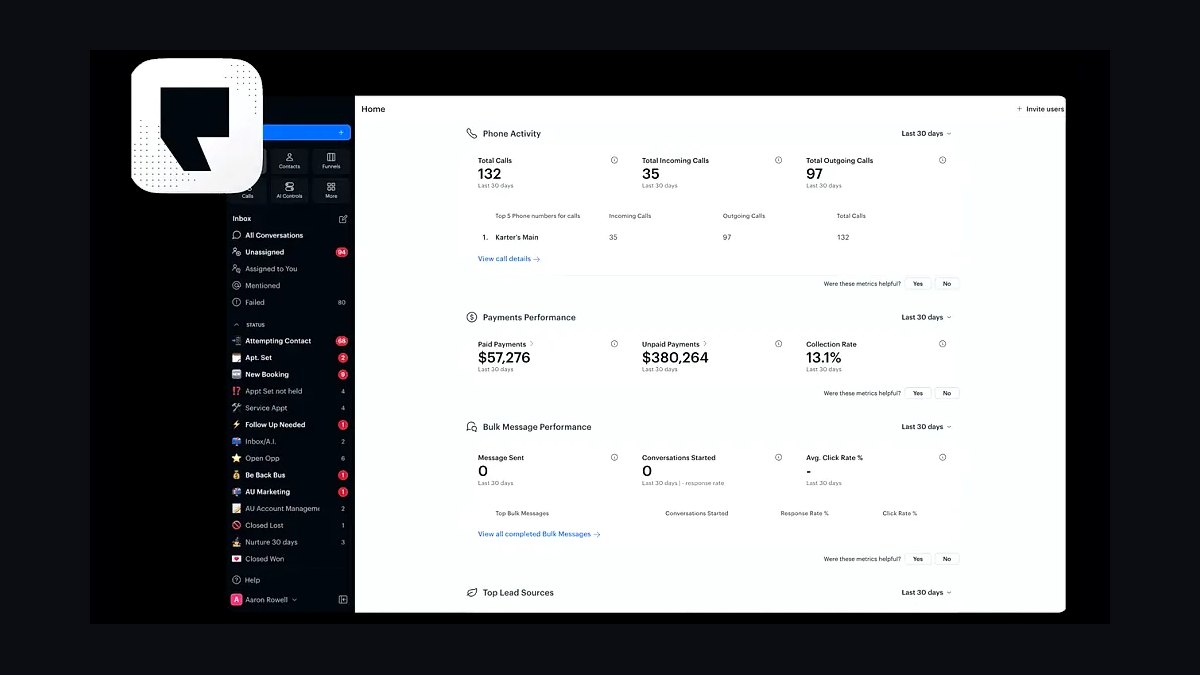
Podium ranks seventh because review velocity compounds into LSA ranking, Google Business Profile prominence, and raw consumer trust at the moment of choice. At roughly $249–$599+ per month it automates review-request texts after every completed job and centralizes responses plus webchat. For door companies running LSA, steady review flow is the cheapest durable advantage in the trade.
It is for door shops with enough completed jobs per week to generate meaningful review volume and a marketing budget to protect. It trades away affordability — NiceJob at roughly $75–$149 per month covers basic review requests for small shops. Compared to CallRail directly above, Podium influences ranking and conversion rather than attribution, so the two layers serve different jobs in the same stack.
8Wisetack POS Financing
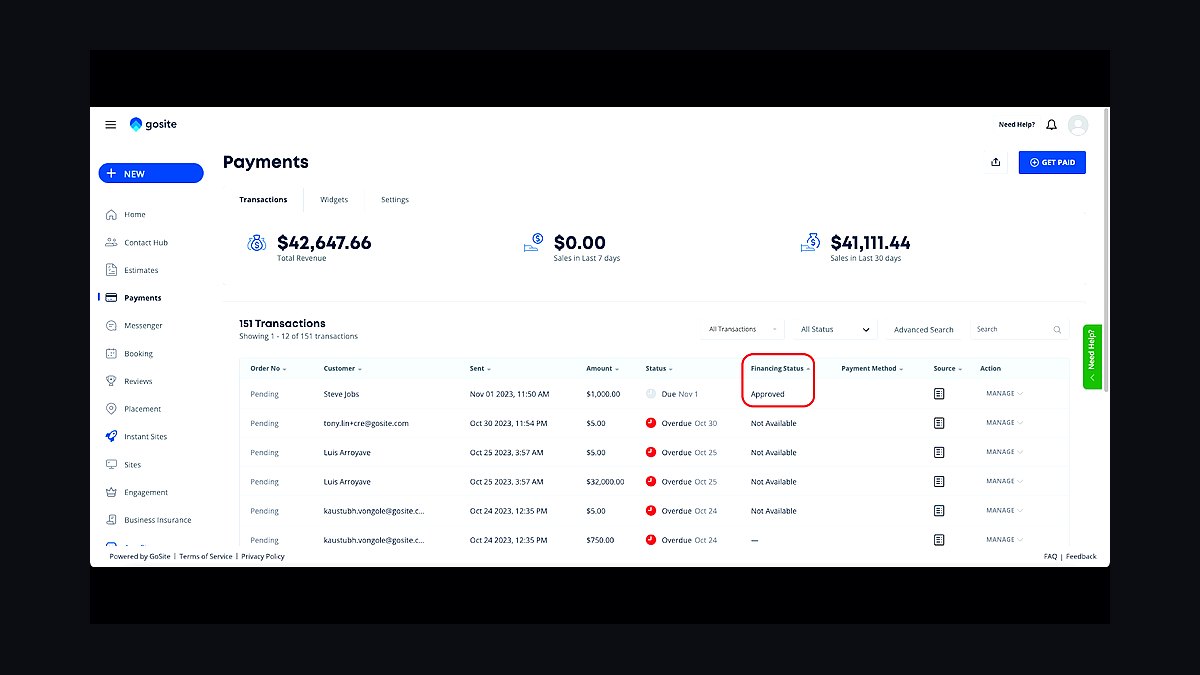
Wisetack ranks eighth because an $1,800 opener-and-double-spring package closes far more often when the technician can offer financing at the door. It embeds in home-services FSMs with no dealer fees and fast approvals, letting the homeowner pay over time while the door company gets paid upfront. It directly attacks the "let me think about it" objection that kills big-ticket tickets.
It is for door companies already presenting good/better/best options and routinely quoting multi-thousand-dollar packages. It trades away nothing operationally — it is a point-of-sale layer — but it only pays off if technicians actually present the top tiers. Compared to GreenSky just below, Wisetack is the modern embedded option built for home-services FSMs, while GreenSky is the established alternate with broader lender reach.
9QuickBooks Online Accounting
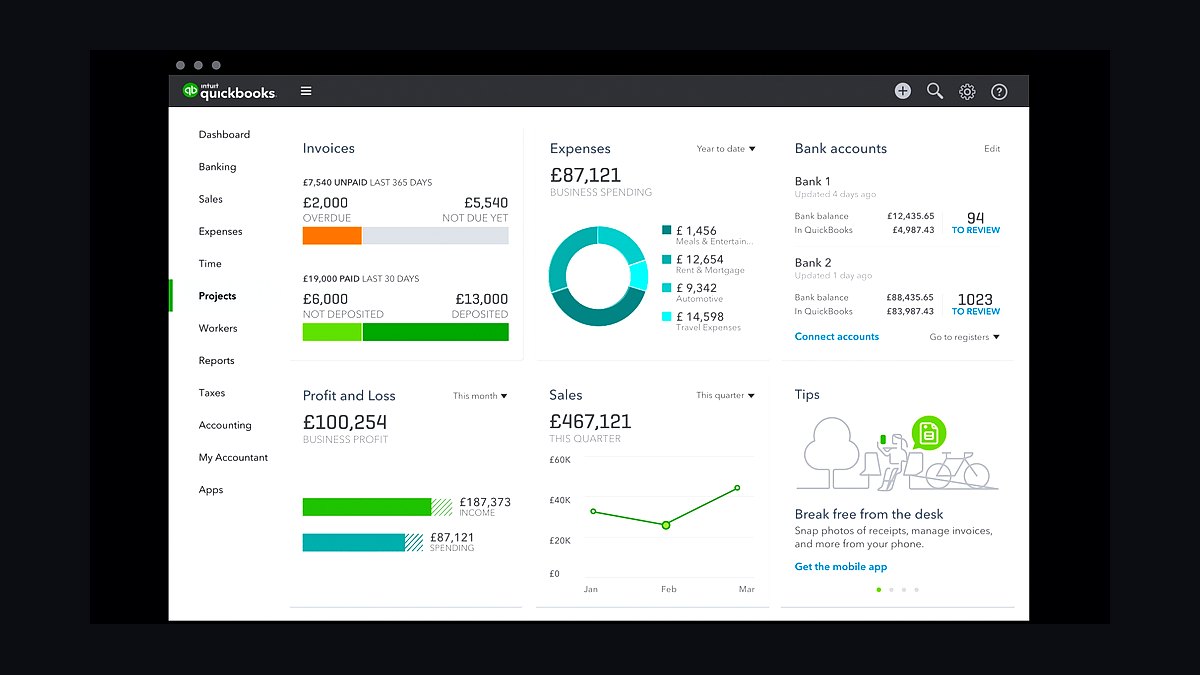
QuickBooks Online ranks ninth because it is the default accounting layer for nearly every garage door company and syncs cleanly with ServiceTitan, Housecall Pro, and Workiz. At roughly $35–$235 per month it handles invoicing, job costing, and reconciliation, and connecting it to the FSM eliminates invoice re-keying — the most common source of month-end pain. It is the first integration worth paying for when budget allows only one.
It is for every door company from solo operator to multi-truck regional fleet. It trades away consolidation depth — multi-location operators with genuine consolidation needs graduate to Sage Intacct. Compared to Power BI just below, QuickBooks is the transactional backbone while Power BI is the analytical layer that only matters once three or more data sources need blending.
10Power BI Reporting
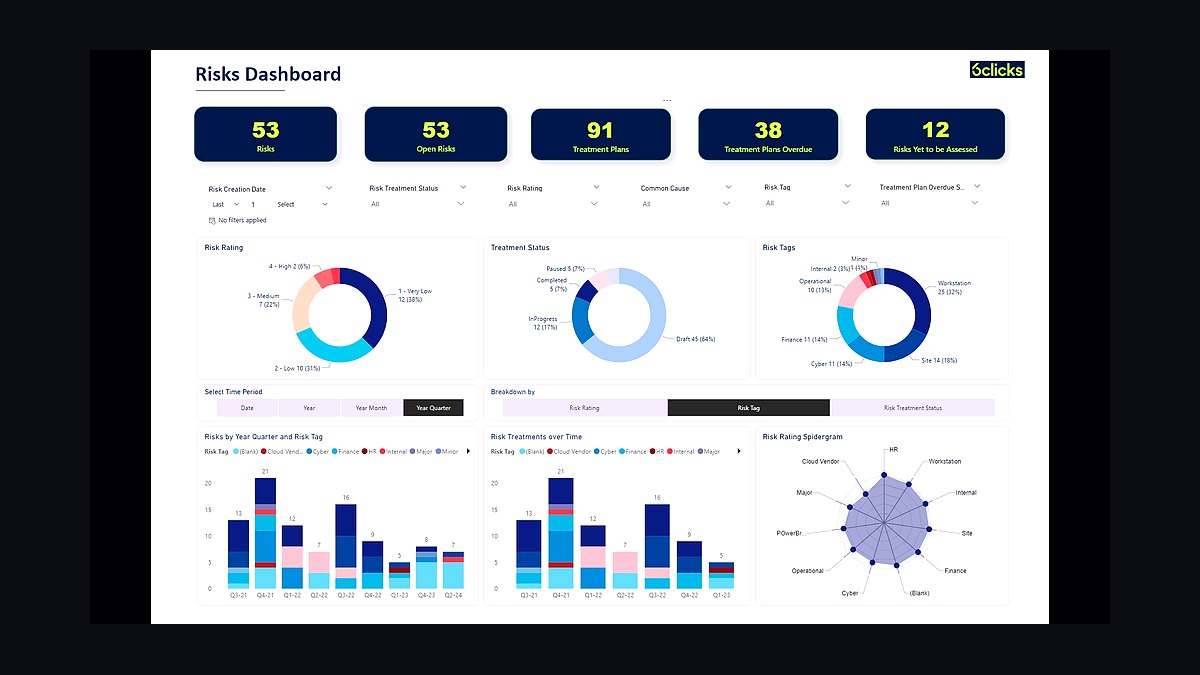
Power BI ranks tenth because most door companies live inside native FSM dashboards and never need more, but multi-truck regional operators blending FSM, call-tracking, and accounting data graduate to it. At roughly $10–$20 per user per month it builds the reporting view that runs the business: revenue per truck, average ticket by technician, close rate by technician, and cost-per-booked-job by channel. It is the cheapest layer on this list per seat.
It is for regional operators or franchises at twelve-plus trucks with three or more data sources to reconcile. It trades away simplicity — it requires someone to build and maintain the models, unlike native FSM dashboards. Compared to QuickBooks directly above, Power BI is analytical rather than transactional, and it only earns its place once the operational and accounting layers beneath it are clean.
How we ranked these
We ranked each tool by weighting five factors: dispatch and booking speed, on-truck pricing and good/better/best presentation, call attribution depth, commercial asset and PM tracking, and native integration with accounting. Field service management platforms carried the heaviest weight because they are the spine of the stack, followed by price book and call tracking layers that directly move average ticket and cost-per-booked-job.
We deliberately ignored brand popularity, social media follower counts, and vendor conference presence. We also excluded generic CRM feature checklists and AI marketing claims that no door company can tie to a booked job. Anything that could not be traced to booking rate, average ticket, attribution, or commercial retention was left out of the scoring entirely.
What to look for
What matters most is whether each layer touches revenue. Dispatch speed, on-truck pricing, and call attribution are non-negotiable because they directly drive booked jobs and average ticket. Accounting and BI can be compromised or delayed. Rank your layers by proximity to revenue and refuse to overpay for layers that sit far from the truck.
The mistake most buyers make is overbuying the enterprise FSM before truck count justifies it. A two-truck shop on ServiceTitan burns cash on unused capacity and stalls in a months-long implementation. Start on Workiz or Housecall Pro, keep clean data so migration stays possible, and graduate when call volume makes the math self-evident.
Related questions
How much should a garage door company spend on software as a percentage of revenue?
There is no universal ratio, but the practical test is whether each layer traces to booked revenue. Evaluate software plus marketing against cost-per-booked-job and revenue per truck. If a layer cannot be tied to one of those two numbers, it is a candidate for cancellation at the next quarterly review.
Can a garage door company run on a generic CRM instead of an FSM?
Not well. Generic CRMs model a pipeline with multiple touches over weeks. Door service is a single-visit, same-day motion with dispatch, truck inventory, and on-site closing. The missing pieces — dispatch board, mobile technician app, flat-rate price book, and job costing — are exactly the ones that drive revenue in this trade.
Is ServiceTitan worth it for a small garage door shop?
Usually not below five trucks. ServiceTitan's power arrives with a five-figure onboarding cost and per-technician pricing that only pencils out at scale. A two-truck shop that overbuys burns cash on unused capacity and often reverts. Start on Workiz or Housecall Pro and graduate when truck count makes the math obvious.
What is the single highest-ROI layer in a door service stack?
The good/better/best price book. Average ticket is the largest revenue lever in the trade, and it comes from structured on-truck presentation, not from dispatch. A technician showing three priced options closes a $1,400 ticket routinely; the same technician quoting verbally quotes low and inconsistently across the crew.
Do I need call tracking if I already run Local Services Ads?
Yes. LSA reports leads, not booked jobs. Without dynamic number insertion and call recording, you cannot say which ad, keyword, or listing produced each truck roll. Cost-per-booked-job replaces cost-per-lead as the number that matters, and call recordings become your best CSR coaching asset.
How do I handle commercial PM agreements in a residential FSM?
You usually cannot. Residential platforms model throughput per truck, not per-door asset histories and renewal dates. If commercial is more than an occasional sideline, run a platform with asset tracking and agreement billing, and assign one named person accountable for the renewal calendar so recurring revenue stops leaking silently.
What is the biggest adoption risk when rolling out a new stack?
Technicians who were hired to fix doors did not sign up for tablet workflows. If the mobile app is slow, needs signal in a steel-framed garage, or adds ten minutes per job, technicians will work around it and the data becomes garbage. Test on your worst-connectivity job site before signing.
When should a door company add a BI tool like Power BI?
Only when you are blending three or more data sources — FSM, call tracking, and accounting — and native dashboards can no longer answer your questions. Most door companies live fine inside FSM reporting on revenue per truck, average ticket, close rate, and cost-per-booked-job. Upgrade on a bottleneck, not a calendar.
FAQ
What is the best tech stack for a garage door service company in 2027?
It centers on a demand-service field service management platform — ServiceTitan for multi-truck operators, Workiz or Housecall Pro for small shops — wrapped in call tracking, Google Local Services Ads, a good/better/best price book, review automation, point-of-sale financing, and QuickBooks. Buy only the layers your operating motion actually needs.
How long should it take to book an inbound garage door call?
Under ninety seconds end to end. Callers with a car trapped behind a broken torsion spring hang up and dial the next listing if booking drags. A live dispatch board with visible truck availability plus an after-hours overflow path is what compresses ring-to-confirmed-truck time and captures the emergency demand.
What price range should I budget for a small door shop stack?
A solo or two-truck owner-operator runs roughly $300 to $900 per month in software plus per-lead ad spend. That covers Workiz or Housecall Pro, call tracking, QuickBooks, a well-tended Google Business Profile, and Local Services Ads when cash allows. Add layers only when a specific bottleneck costs more than the license.
How much does ServiceTitan cost for a garage door company?
Budget roughly $300 to $400 or more per technician per month plus a setup and onboarding fee in the low five figures. That realistically pencils out at five or more trucks. Below that threshold, the per-seat price and implementation timeline usually outweigh the dispatch and reporting depth you gain.
Why is a good/better/best price book so important?
It is the single largest revenue lever in the trade. A technician with no structured pricing quotes verbally, quotes low, and quotes inconsistently across the crew. A tablet showing three priced options makes a $1,400 ticket a normal outcome rather than an awkward one, and it standardizes presentation across every truck.
Do garage door companies really need point-of-sale financing?
Yes, for big-ticket work. An $1,800 opener-and-double-spring job closes far more often when the technician can offer financing at the door instead of losing it to 'let me think about it.' Wisetack embeds in most home-services FSMs with no dealer fees; GreenSky is the established alternate.
What marketing channels work best for garage door repair?
Google Local Services Ads with the Google Guaranteed badge is the highest-intent channel, paying per lead rather than per click at roughly $15 to $50 or more depending on market density. Pair it with Google Search Ads for keyword coverage the LSA pack does not reach, and feed both with steady review velocity.
How do I know if my marketing spend is actually working?
Dynamic call-tracking numbers on every ad, listing, and landing page from day one, reviewed weekly as cost-per-booked-job rather than cost-per-lead. Without attribution, the predictable outcome is cutting the channel that was working because its invoice was the most visible line item on the monthly statement.
Should a door company use QuickBooks or something heavier?
QuickBooks Online at roughly $35 to $235 per month is the default for nearly every door company and syncs cleanly with ServiceTitan, Housecall Pro, and Workiz. Only a multi-location regional operator or franchise group with genuine consolidation needs grows into Sage Intacct or a comparable mid-market accounting platform.
What are the graduation triggers for upgrading the stack?
Crossing five trucks usually justifies re-evaluating the FSM tier. Adding a dedicated commercial crew justifies the asset-tracking and PM agreement layer. Running three or more data sources justifies a BI tool. Do not upgrade on a calendar — upgrade when a specific bottleneck costs more than the license.
Sources
- https://www.servicetitan.com/
- https://www.housecallpro.com/
- https://www.workiz.com/
- https://www.servicefusion.com/
- https://www.callrail.com/
- https://www.podium.com/
- https://www.nicejob.com/
- https://www.wisetack.com/
- https://quickbooks.intuit.com/
- https://ads.google.com/local-services-ads/
Related on PULSE
This page will be disappearing soon. Save it to your device for $1 — or read it free while it is here.
@Kory-White- · if Venmo asks, the last 4 of my number are 2012
This page is gone.
This one is off the shelf now. $1 keeps it on your phone for good — the whole page, pictures and diagrams included.
 pulse-tech-stacksTop 10 Best Tech Stack Tools for Independent Food Trucks in 2027
 pulse-tech-stacksTop 10 Best Tech Stack Tools for Tree Services in 2027
 pulse-tech-stacksTop 10 Best Tech Stack Tools for HOA and Community Association Management Companies in 2027
 pulse-tech-stacksTop 10 Best Tech Stack Tools for Window Cleaning Services in 2027
 pulse-tech-stacksTop 10 Best Tech Stack Tools for API Security Vendors in 2027
 pulse-tech-stacksTop 10 Best Tech Stack Tools for CrossFit Boxes in 2027
 pulse-tech-stacksTop 10 Best Tech Stack Tools for Threat Intelligence Vendors in 2027
 pulse-tech-stacksTop 10 Best Tech Stack Tools for Software Development Agencies in 2027
 pulse-tech-stacksTop 10 Best Tech Stack Tools for Independent Dance Studios in 2027
 pulse-tech-stacksTop 10 Best Tech Stack Tools for Fine-Tuning Platform Companies in 2027