


Top 10 Best Tech Stack Tools for Oil and Gas Field Services Companies in 2027
Quality
Certified
The 10 best tech stack tools for oil and gas field services companies are ranked below on measured performance, build quality, price, and how each one actually holds up in daily use rather than how it reads on a spec sheet. Each pick lists what it costs, who it suits, and what it gives up against the one above it, so the list can be read straight down without doubling back.
1FieldFX Field Ticketing
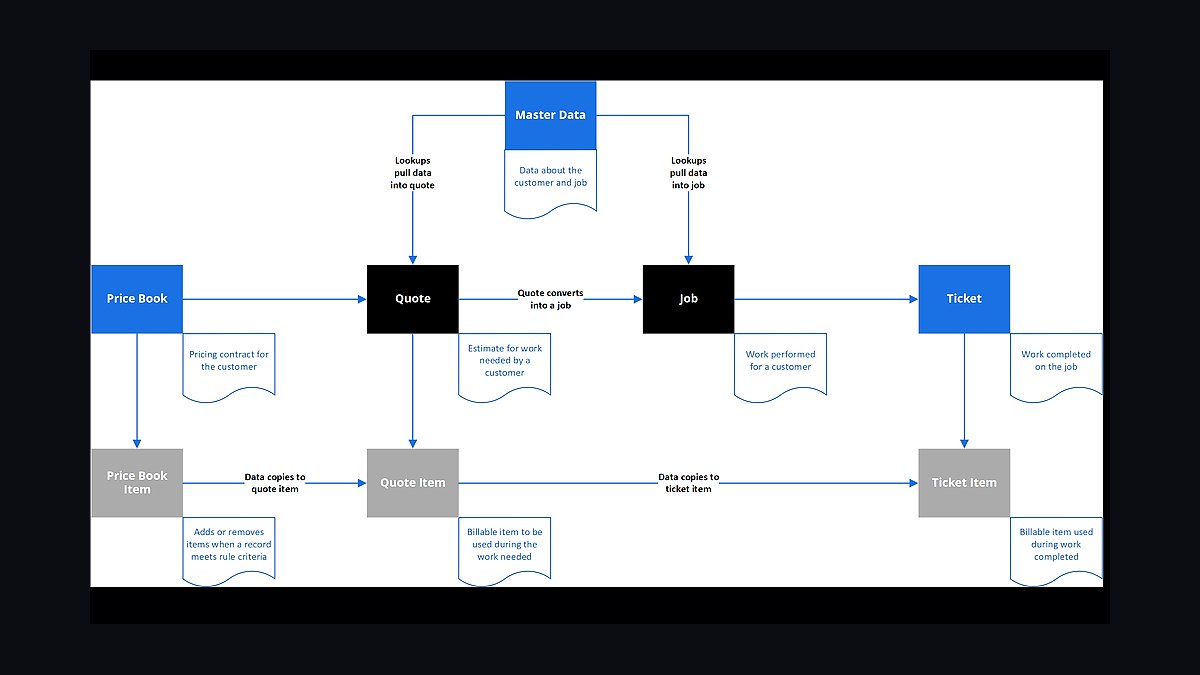
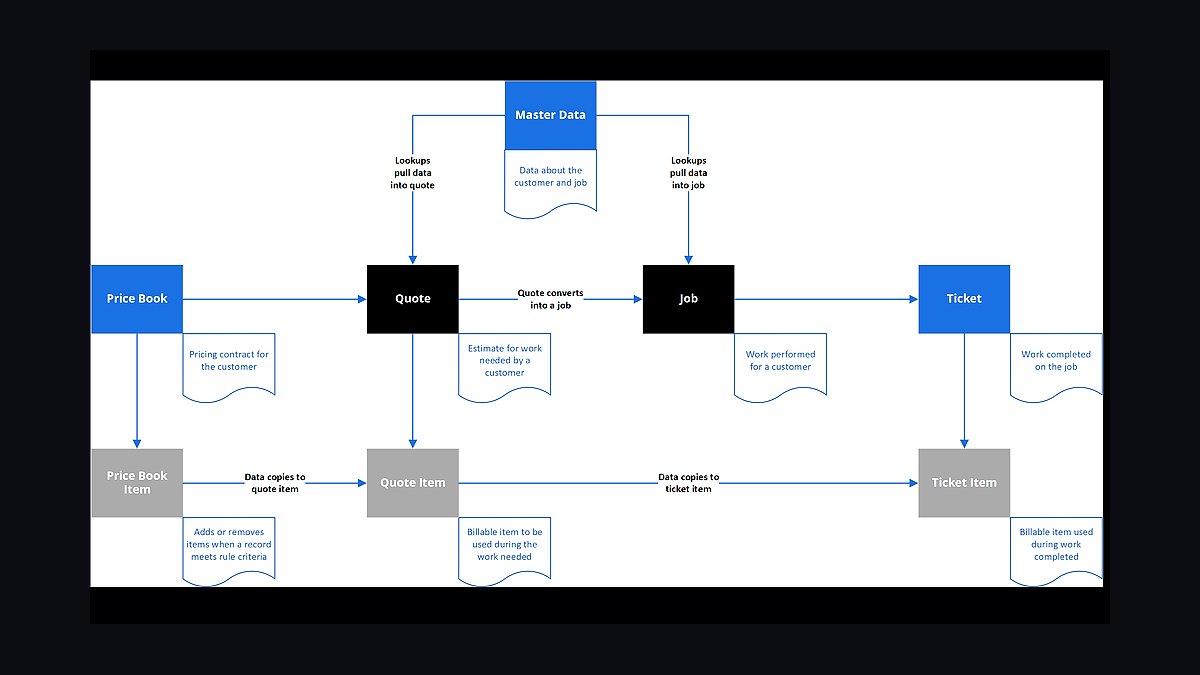
FieldFX ranks first because the field ticket is the cash-flow lifeline, and it is the category leader for oilfield service ticketing and quote-to-cash. It captures signatures offline at no-signal wellsites and prices line items against MSA rate sheets automatically. Expect roughly $80-$150 per user per month plus implementation in the tens of thousands.
It fits mid-size and larger service companies running multiple crews and basins. It trades away cheap, fast deployment — small independents often cannot justify the cost or the implementation effort. Compared to Enverus OpenInvoice directly below, FieldFX creates the ticket while OpenInvoice submits it, so the two are complements rather than substitutes.
2Enverus OpenInvoice

Enverus OpenInvoice ranks second because operators dictate the invoicing rails, and this is the dominant network most large E&P companies require for invoice submission, coding, and approval. Without it, a service company either gets paid slower or does not get the work at all. Pricing is transaction- and subscription-based, running a few hundred to a few thousand dollars monthly by volume.
It is for any service company billing an operator that mandates OpenInvoice, which is most of the mid-market and above. It trades away choice — the operator picks this layer, not you — and it handles submission rather than ticket creation. Compared to FieldFX above, it is the gate cash passes through, not the system that generates the ticket.
3Samsara Fleet Telematics
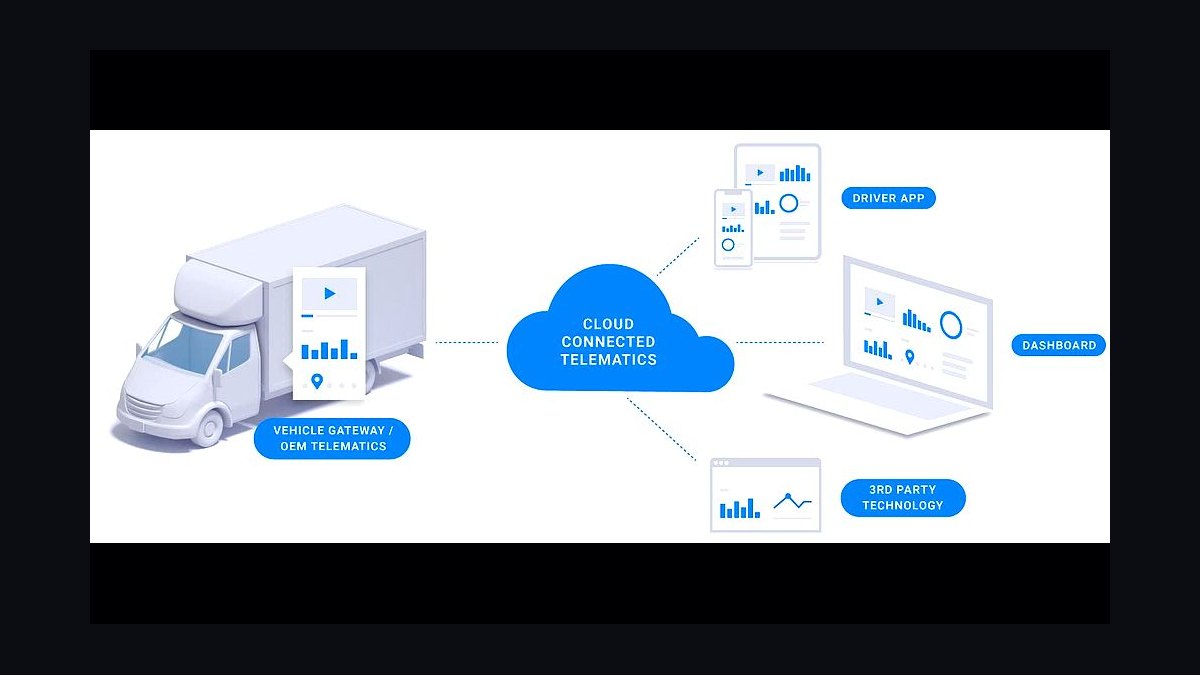
Samsara ranks third because trucks, frac pumps, and rental equipment need GPS, ELD compliance, engine-hour tracking, and dashcams, and Samsara is the dominant choice at roughly $30-$45 per vehicle per month plus hardware. Engine hours captured here feed equipment cost-per-job back into the ERP, turning guesswork into real numbers.
It suits regional and enterprise fleets where downtime on a million-dollar pump is the expensive failure mode. It trades away low cost — Motive is often cheaper — and its data stays stranded unless integrated into job costing. Compared to Enverus OpenInvoice above, it drives margin visibility rather than revenue collection.
4ISNetworld Contractor Qualification

ISNetworld ranks fourth because contractor qualification is non-negotiable and operator-driven, and ISN is the most widely required network. Service companies maintain safety programs, insurance, training, and EMR there so operators can grade them as approved contractors. Cost commonly runs $1,000-$5,000 per year depending on company size.
It is for every service company that wants to bid operator work, which is effectively all of them. It trades away any opt-out — losing qualification status silently removes you from the bid list. Compared to Samsara above, it does not improve operations; it is simply the price of admission to the market.
5Avetta Contractor Prequalification
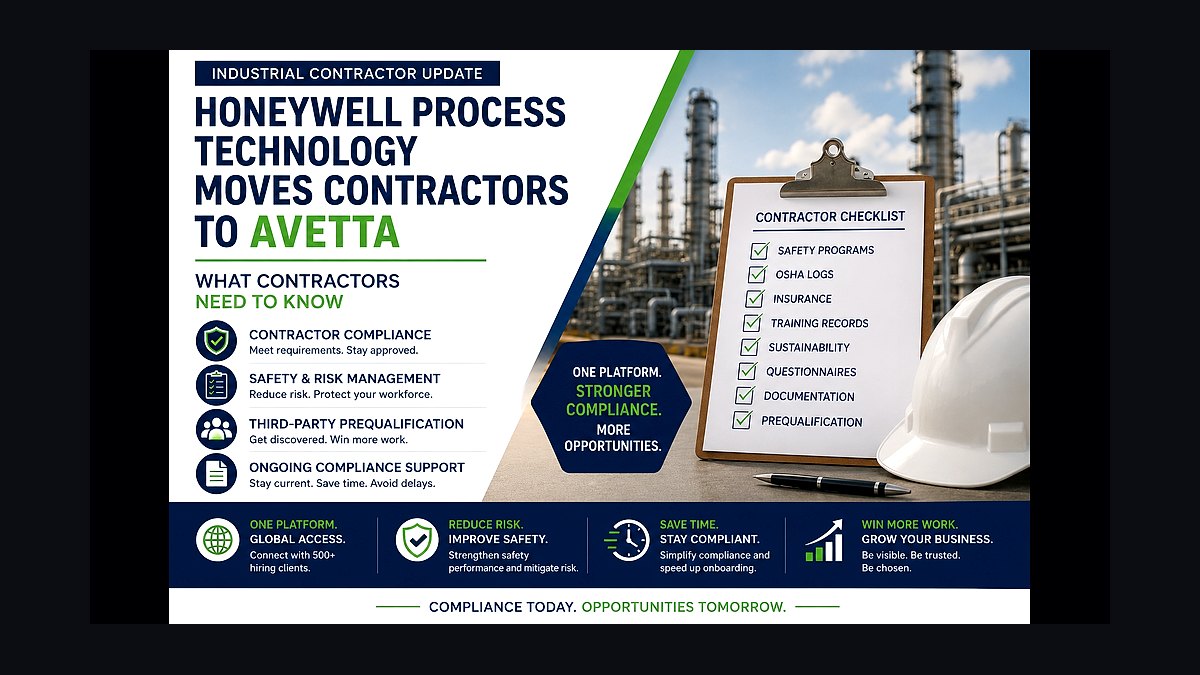
Avetta ranks fifth because it is the second major qualification network many supermajors require, and companies frequently must subscribe to both Avetta and ISNetworld simultaneously. It vets insurance, safety programs, and training records the same way, with combined cost commonly running $1,000-$5,000 per year per network. Supermajors will not let you mobilize without it.
It is for service companies chasing large-operator contracts rather than single-basin independents. It trades away money and administrative time for redundant data entry across two networks. Compared to ISNetworld directly above, it covers different operators, so most growing companies end up paying for both rather than choosing.
6SafetyCulture iAuditor
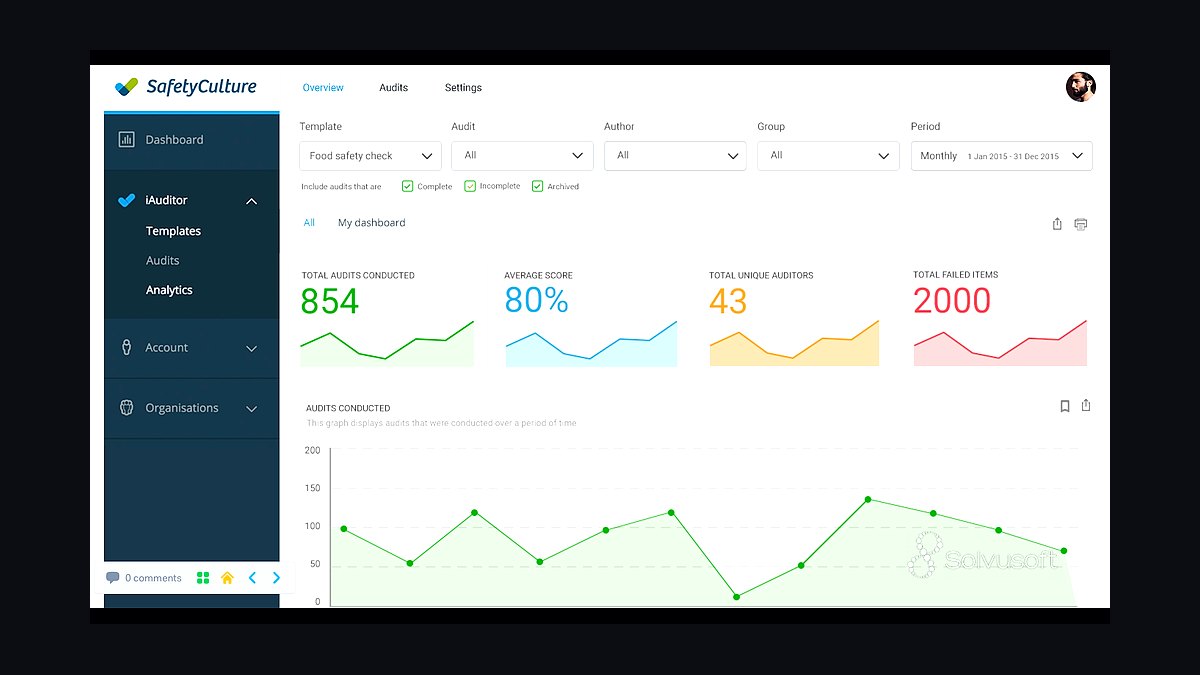
SafetyCulture ranks sixth because field crews need mobile job-safety analyses, equipment inspections, incident reporting, and behavior-based safety observations, and iAuditor is the popular mobile-first choice at roughly $24-$30 per user per month. It works offline at remote sites, which matters when crews are hours from the nearest town with no signal.
It is for field operations teams that need inspections on phones rather than clipboards. It trades away deep enterprise incident-management and regulatory-reporting workflows that Intelex and VelocityEHS provide. Compared to Avetta above, it captures safety data at the wellsite while Avetta stores the qualification profile operators grade.
7Sage Intacct ERP
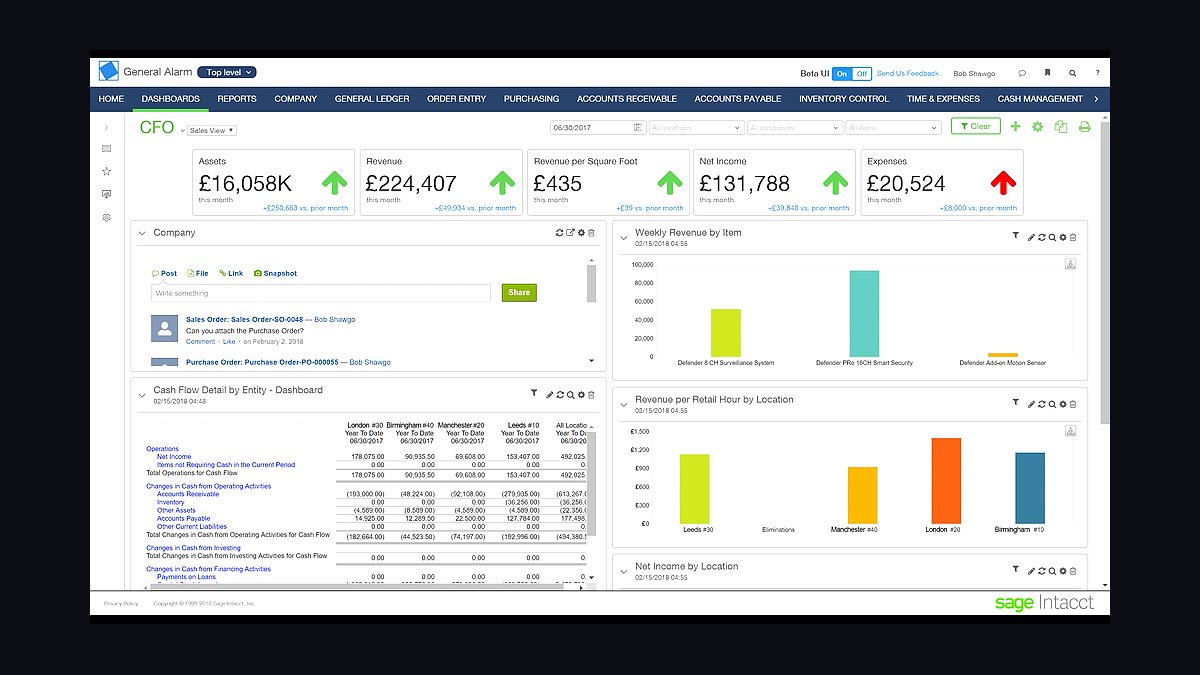
Sage Intacct ranks seventh because the financial core must do project and job costing tied to field tickets, not just GL accounting, and it lands mid-size service companies at roughly $25,000-$60,000 per year all-in. Labor, fuel, and equipment hours roll up by job, crew, and asset so management can see true cost per ticket in near real time.
It is for 50-to-500-employee regionals that have outgrown QuickBooks class tracking. It trades away oil-and-gas-native upstream accounting that Enertia and Quorum offer, which matters more to operators than service companies. Compared to SafetyCulture above, it closes the financial loop rather than capturing field safety data.
8Fleetio Asset Maintenance
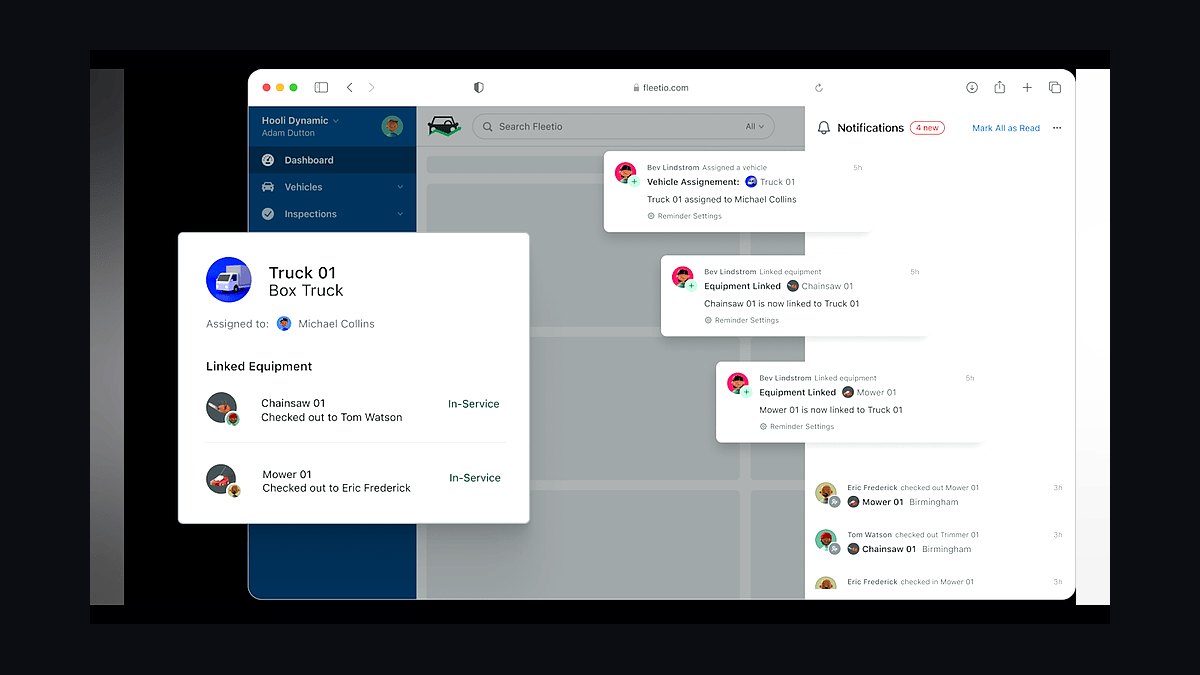
Fleetio ranks eighth because preventive-maintenance scheduling, work orders, and parts inventory for the equipment fleet run roughly $4-$7 per vehicle per month and integrate with Samsara so engine hours auto-trigger service. Downtime on a $1M frac pump is the expensive failure mode, and scheduled maintenance is what prevents it.
It is for companies running dedicated equipment fleets where unplanned failures cost more than the software. It trades away simplicity — smaller shops fold maintenance into their telematics platform instead. Compared to Sage Intacct above, it manages the physical asset while the ERP manages the cost that asset generates.
9Motive Fleet Management
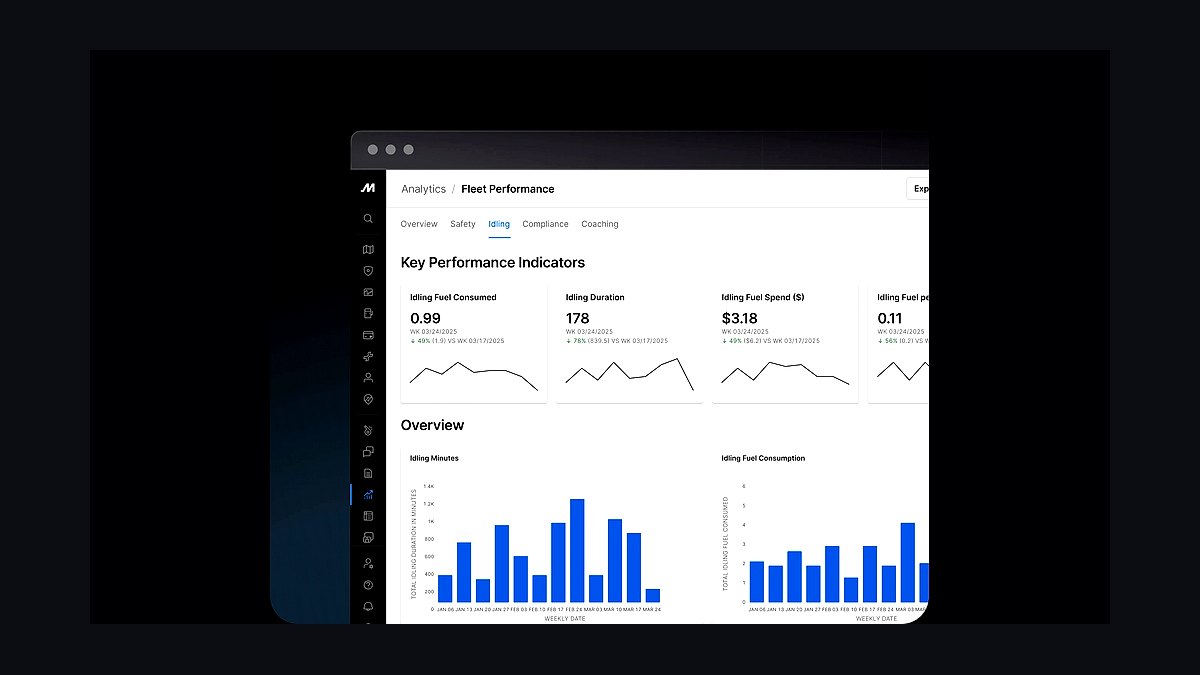
Motive ranks ninth because it is the close alternate to Samsara for GPS, ELD compliance, and engine-hour tracking, and it is often cheaper at comparable fleet sizes. Logistics-heavy hauling companies with thin margin per load lean on it for cost-per-mile visibility across the truck fleet.
It is for cost-conscious fleets and water-and-sand haulers where per-load margin is everything. It trades away some of Samsara's integration ecosystem and dashcam depth. Compared to Fleetio above, it captures the driving and engine data while Fleetio schedules the maintenance that data triggers.
10Microsoft Power BI
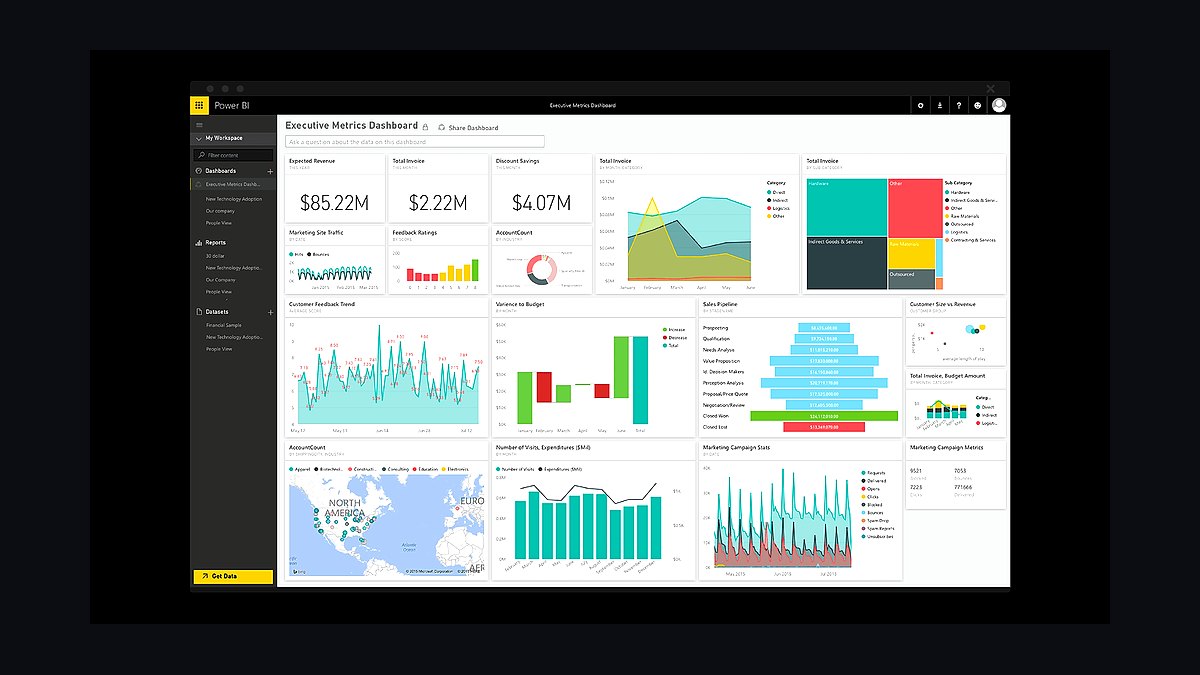
Power BI ranks tenth because management needs cost-per-job, utilization, DSO, and HSE dashboards rolling up from ticketing, telematics, and the ERP, and it is the pragmatic default at roughly $10-$20 per user per month given the Microsoft footprint these companies already run. It turns scattered operational data into decisions.
It is for management teams that need repricing and cost-cutting visibility when the commodity cycle turns. It trades away the rig-activity and operator-spend market intelligence that Enverus analytics layers on for commercial teams. Compared to Motive above, it reports on the whole stack rather than capturing fleet data itself.
How we ranked these
We ranked tools on five weighted criteria: field-ticket-to-cash fit (30%), operator e-invoicing integration depth (20%), offline mobile usability at remote wellsites (15%), job-costing and ERP integration (20%), and total cost of ownership scaled to company size (15%). Scores came from vendor documentation, operator-mandated network requirements, and published pricing tiers.
We deliberately ignored CRM features, marketing automation, generic project management, and AI add-ons with no field-ticket tie-in. Those layers rarely determine whether an oilfield service company gets paid, and including them would reward breadth over the cash-flow spine. We also excluded vendor-sponsored rankings and any tool without verifiable pricing or documented OpenInvoice connectivity.
What to look for
Choose based on the operator's invoicing mandate first, not feature checklists. If your largest customer runs Enverus OpenInvoice, your ticketing layer must export cleanly into it or invoices stall in coding. Then size the ERP to transaction volume, not headcount, because job costing tied to tickets is what reveals true margin per job.
The mistake most buyers make is over-buying an enterprise stack before field adoption exists. A 30-person wireline shop that implements SAP and Quorum stalls, burns cash, and watches crews reject clunky mobile forms. Start with digital ticketing, ISNetworld, telematics, and QuickBooks, then upgrade only when invoice volume forces it.
Related questions
What is the best tech stack for an oil and gas field services company in 2027?
Center it on digital field ticketing feeding operator e-invoicing. FieldFX handles quote-to-cash and offline wellsite capture; Enverus OpenInvoice turns tickets into payments. Add Samsara or Motive for fleet telematics, ISNetworld and Avetta for contractor qualification, SafetyCulture for JSAs, and Sage Intacct or NetSuite for job costing. Small shops can run Engage Mobilize plus QuickBooks.
Why is field ticketing more important than CRM for oilfield service companies?
The field ticket is the cash-flow lifeline. Every job generates a ticket that must be signed at the wellsite, priced against a master service agreement, and submitted to the operator. Paper tickets get lost, mispriced, or disputed, stretching days-sales-outstanding past 90 days. Digital ticketing with on-site signature capture removes the largest source of revenue leakage in the business.
Do oil and gas service companies have to use Enverus OpenInvoice?
Not by choice. Large E&P operators standardize on invoicing networks, and OpenInvoice is dominant. If an operator mandates it, a service company that cannot submit through it gets paid slower or loses the work. Cortex is the main competing network. The practical requirement is that your ticketing system exports cleanly into whichever network each operator requires.
What does a mid-size oilfield service company stack cost per month?
Roughly $12,000 to $30,000 monthly for a 50-to-500-employee regional firm. That covers FieldFX ticketing, OpenInvoice billing, Samsara fleet-wide with Fleetio maintenance, dual ISNetworld and Avetta qualification, SafetyCulture or Intelex EHS, Sage Intacct or NetSuite job costing, and Power BI dashboards, plus meaningful implementation costs on top.
Can a small oilfield service company survive on QuickBooks?
Yes, below roughly 50 employees and a single operator relationship. Run Engage Mobilize or paper tickets, keep ISNetworld current, use SafetyCulture on crew phones, track trucks in Motive, and book everything in QuickBooks with class tracking. Upgrade to FieldFX and a job-costing ERP once invoice volume or an OpenInvoice mandate makes manual workflows more expensive than software.
How does telematics data improve oilfield job costing?
Samsara or Motive captures engine hours, fuel burn, GPS, and ELD compliance. When that data flows into the ERP, equipment cost lands on the correct field ticket, so management sees true cost per job rather than guessing until quarter-end. Companies that buy telematics only for ELD compliance leave that costing signal stranded in a separate dashboard.
What happens if an ISNetworld or Avetta profile lapses?
Operators pull your contractor grade before letting you bid or mobilize. A missed insurance renewal, stale training record, or unsubmitted incident log silently drops that grade and removes you from approved-vendor lists. Bids dry up before anyone notices. Treat qualification as a calendared, owned workflow with an accountable EHS coordinator, not an annual afterthought.
Which ERP fits oilfield service job costing best?
Sage Intacct and NetSuite dominate the mid-market because both handle project and job costing tied to field tickets. Viewpoint suits construction-style service work. Enertia and Quorum offer oil-and-gas-native accounting at the upstream-heavy end, though Quorum leans operator-side. QuickBooks works for the smallest independents until transaction volume forces an upgrade.
FAQ
Do I really need FieldFX, or can a small service company stay on paper?
Below roughly fifty employees and one operator relationship, paper or Engage Mobilize can work. The day you add a second crew or an operator mandating OpenInvoice, paper starts costing real money in lost tickets and disputes. Most companies move to FieldFX when invoice volume makes the manual workflow more expensive than the software itself.
Why is ISNetworld or Avetta non-negotiable for oilfield service companies?
Operators outsource contractor vetting to these networks. Your safety programs, insurance certificates, training records, and EMR live there, and the operator pulls a grade before letting you bid or mobilize. A lapsed profile silently removes you from approved-vendor lists, so you lose work without an obvious trigger. Many supermajors require both networks simultaneously.
How long does a field ticketing implementation take?
A focused FieldFX rollout to one crew can go live in 30 to 60 days if MSA rate sheets are loaded and signatures captured at the wellsite. Full multi-crew deployment with OpenInvoice mapping and ERP job-costing integration typically runs 90 to 180 days. Trying to launch every module at once is the most common cause of stalled adoption.
What is the biggest cause of slow payment in oilfield services?
Tickets that never reach the operator's invoicing network, or reach it priced against stale MSA rate sheets. Operators code invoices against AFEs and cost centers, so mismatched line items get disputed and sit for 60 to 90 days. Digital capture at the wellsite plus clean OpenInvoice export is the direct fix.
Should telematics and EHS be one platform or separate?
Separate. Samsara or Motive owns fleet telematics, ELD compliance, and engine hours. SafetyCulture or Intelex owns JSAs, inspections, and incident reporting. They serve different buyers and different workflows. Integrating them through the ERP or a shared data layer works better than forcing one vendor to cover both poorly.
How do operators use AFE codes in invoice approval?
Operators authorize spend against an Authority for Expenditure, then code each invoice line to that AFE and its cost centers. If your field ticket line items do not map to their coding structure, the invoice bounces back for correction. Mapping ticketing output to operator AFE codes before submission is what gets first-pass approval.
What metrics should oilfield service management track in Power BI?
Cost per job, equipment utilization, days-sales-outstanding, revenue per crew, and HSE incident rates. These roll up from ticketing, telematics, and the ERP. During a downturn, cost-per-job and utilization tell management which jobs to reprice or drop before the quarterly close, which is the entire point of the analytics layer.
When should a service company upgrade from QuickBooks to a real ERP?
When job costing, multi-entity accounting, or ticket-to-invoice volume outgrows class tracking. Signs include month-end closes stretching past two weeks, inability to see margin by job, and operators demanding detailed cost breakdowns. Sage Intacct or NetSuite is the usual next step, budgeted around $25,000 to $60,000 annually.
Is AI or predictive maintenance worth buying in 2027?
Only after the ticket-to-cash loop and job costing are clean. Predictive maintenance on frac pumps and rig equipment can pay off at scale, but it depends on reliable engine-hour and telematics data already flowing into the ERP. Buying AI before that foundation exists produces dashboards nobody trusts and no measurable savings.
How do multi-basin service companies handle different operator requirements?
They keep one ticketing and ERP spine, then configure per-operator outputs. FieldFX supports multiple MSA rate sheets, and OpenInvoice or Cortex connections vary by customer. The compliance layer multiplies too, since different basins and operators may require ISNetworld, Avetta, or both. Standardize the core, configure the edges.
Sources
- https://www.enverus.com/solutions/openinvoice/
- https://www.servicemax.com/products/fieldfx/
- https://www.samsara.com/products/
- https://gomotive.com/products/
- https://www.isnetworld.com/
- https://www.avetta.com/
- https://safetyculture.com/iauditor/
- https://www.sage.com/en-us/sage-business-cloud/intacct/
- https://www.netsuite.com/portal/products/erp.shtml
- https://www.fleetio.com/
Related on PULSE
This page will be disappearing soon. Save it to your device for $1 — or read it free while it is here.
@Kory-White- · if Venmo asks, the last 4 of my number are 2012
This page is gone.
This one is off the shelf now. $1 keeps it on your phone for good — the whole page, pictures and diagrams included.
 tkTop 10 Best Tech Stack Tools for Concrete and Paving Contractors in 2027
 pulse-tech-stacksTop 10 Best Tech Stack Tools for API Security Vendors in 2027
 pulse-tech-stacksTop 10 Best Tech Stack Tools for Appliance Repair Services in 2027
 pulse-tech-stacksTop 10 Best Tech Stack Tools for Home Inspection Companies in 2027
 pulse-tech-stacksTop 10 Best Tech Stack Tools for AI Legal Tech Companies in 2027
 pulse-tech-stacksTop 10 Best Tech Stack Tools for Tire Shops in 2027
 pulse-tech-stacksTop 10 Best Tech Stack Tools for AI Observability Platform Companies in 2027
 tkTop 10 Best Tech Stack Tools for Fencing and Deck Contractors in 2027
 pulse-tech-stacksTop 10 Best Tech Stack Tools for Independent Bakeries in 2027
 pulse-tech-stacksTop 10 Best Tech Stack Tools for Plumbing Contractors in 2027