


Top 10 Best Tech Stack Tools for Independent Retail Pharmacies in 2027
Quality
Certified
The 10 best tech stack tools for independent retail pharmacies are ranked below on measured performance, build quality, price, and how each one actually holds up in daily use rather than how it reads on a spec sheet. Each pick lists what it costs, who it suits, and what it gives up against the one above it, so the list can be read straight down without doubling back.
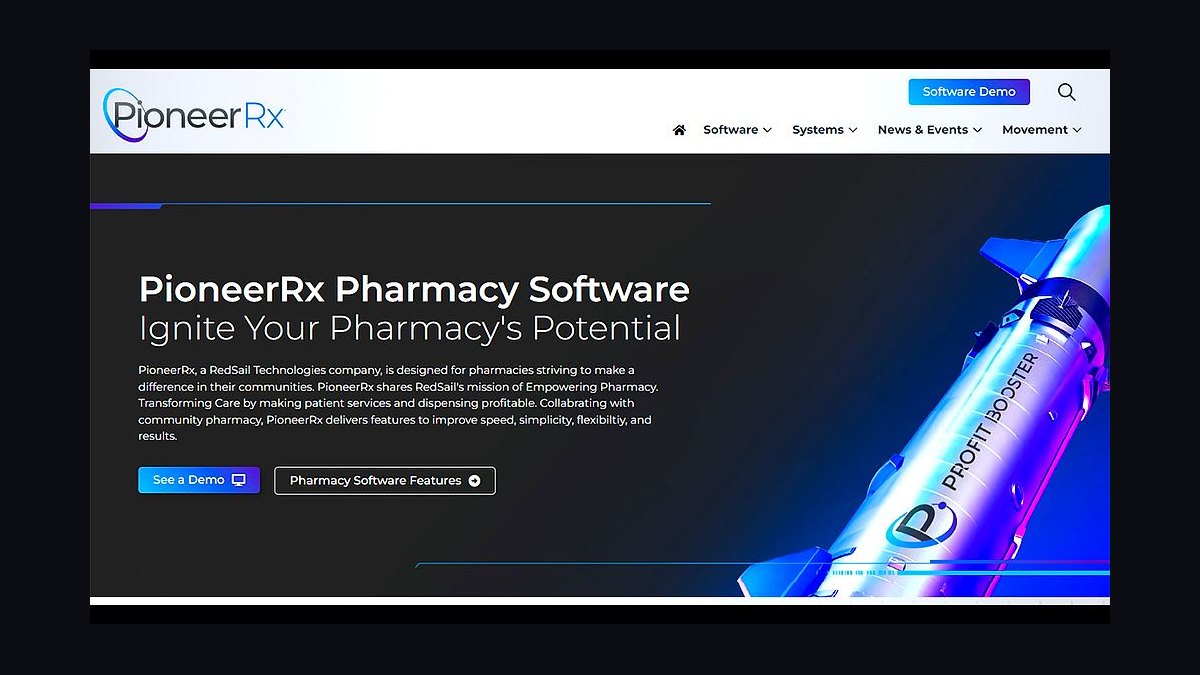
1PioneerRx Pharmacy Software

PioneerRx ranks first because it is the broadest, most frequently updated dispensing core for an independent retail pharmacy, running roughly $600-$1,200 per month per store. It handles the fill workflow, Surescripts e-prescribing, real-time PBM claim adjudication, and perpetual inventory in one system. Native analytics also give partial margin visibility before you buy a separate reconciliation layer.
It is built for a store planning to grow into clinical services, compounding, or long-term care, and it trades away simplicity and price for depth. A genuinely small, price-sensitive single store is better served by BestRx directly below, while a multi-site chain should look at McKesson EnterpriseRx instead. Expect more configuration surface area than a low-volume owner wants to manage alone.
2FDS Amplicare

FDS Amplicare ranks second because it closes the blind spot that costs independents the most money: claims that adjudicate as paid but clear below acquisition cost. Running roughly $300-$600 per month, it ingests dispensing claim data, builds a per-claim profit view, and models DIR clawbacks weeks before the retroactive PBM statement arrives. Most stores recover the cost within a quarter.
It is for any owner who cannot trace which claims drove a DIR assessment, and it complements rather than replaces the dispensing core above it. Compared with PioneerRx's native analytics directly above, Amplicare adds DIR modeling and generic-substitution recommendations. TrxADE, below, attacks sourcing arbitrage instead of claim reconciliation.
3BestRx Pharmacy Software

BestRx ranks third as the cost-conscious dispensing core for a low-volume, single-owner independent that does not need deep clinical tooling or a compounding module. It meaningfully undercuts PioneerRx's $600-$1,200 monthly range while still connecting to Surescripts and adjudicating PBM claims in real time at the counter. Simplicity is the selling point.
It is for the owner who wants the fill workflow to work without configuring analytics, LTC, or compounding add-ons. It trades away the breadth that PioneerRx above provides, so a store planning to add clinical services may outgrow it. Liberty Software, below, competes on support quality rather than price or feature depth.
4EnlivenHealth Patient Engagement

EnlivenHealth ranks fourth because medication synchronization is the highest-leverage clinical service an independent can add, and this platform leads on med-sync depth and clinical workflow at roughly $200-$500 per month. It triggers IVR calls, text reminders, and app notifications off refill data, and increasingly drives non-dispensing revenue like immunizations and MTM.
It is for a pharmacy whose dispensing revenue still funds a clinical build-out, not one already squeezed to the counter. It trades away some consumer-facing polish that Digital Pharmacist below offers on the mobile app and website side. Pair it with the reconciliation layer above so adherence outreach targets patients who are actually profitable.
5McKesson Connect

McKesson Connect ranks fifth because inventory is the single largest cost on an independent pharmacy's books, and this ordering portal keeps drugs flowing against perpetual inventory inside the dispensing system. The wholesaler relationship itself is usually fixed by buying-group contract and rebate terms rather than software preference, but the integration determines whether reorders stay accurate.
It is for the owner whose perpetual inventory has drifted from what is physically on the shelf, causing stockouts on fast movers and cash tied up in expiring slow movers. It trades away nothing on price, since terms come from the contract, but it demands a fixed reconciliation cycle against physical counts. Cencora and Cardinal Health are the comparable alternatives.
6Surescripts E-Prescribing Network

Surescripts ranks sixth because it is required infrastructure rather than a choice: essentially every dispensing platform connects to it, and it is how the prescriber's order reaches the pharmacy in the first place. There is no independent retail pharmacy in 2027 operating without it, which is why it sits below the systems that differentiate one store from another.
It is for every store by default, and it trades away nothing because there is no substitute network at national scale. Its position reflects necessity rather than competitive advantage. The dispensing core above and the reconciliation layer below are where an owner actually makes a decision that changes margin.
7Digital Pharmacist

Digital Pharmacist ranks seventh because it is frequently preferred by owners who want a stronger consumer-facing mobile app and website alongside refill management, at roughly $200-$500 per month. It gives patients a branded refill experience rather than a generic IVR call, which matters for retention in a market where mail-order steers volume away.
It is for a pharmacy whose differentiator is the patient experience rather than clinical workflow depth. It trades away some med-sync and clinical tooling that EnlivenHealth above provides. Mscripts, below, is the app-first alternative if the mobile experience is the single priority and website management is not.
8TrxADE Sourcing Platform

TrxADE ranks eighth because it attacks a different problem than the reconciliation layer: sourcing arbitrage across wholesalers rather than claim-level profit visibility. It is a complement to Amplicare above, not a substitute, and it helps an owner buy a generic cheaper when the primary wholesaler contract price is above what another source offers.
It is for the pharmacy already tracking per-claim margin and now hunting acquisition cost on specific high-volume generics. It trades away the DIR modeling and below-cost claim flags that the reconciliation layer above provides. Without that layer running first, sourcing savings are hard to attribute to any particular claim.
9Liberty Software Pharmacy System

Liberty Software ranks ninth because it is often chosen specifically for support quality and its owner community rather than any single feature advantage. It is a viable dispensing core alongside Computer-Rx, Rx30, QS/1 NRx, and PrimeRx, particularly where the owner values responsive help over module breadth or lowest price.
It is for the independent who weighs vendor relationship and peer network heavily in the decision. It trades away the breadth of PioneerRx above and the price advantage of BestRx, so it rarely wins a pure feature or cost comparison. It is a reasonable landing spot for an owner buying an existing pharmacy already running it.
10McKesson EnterpriseRx
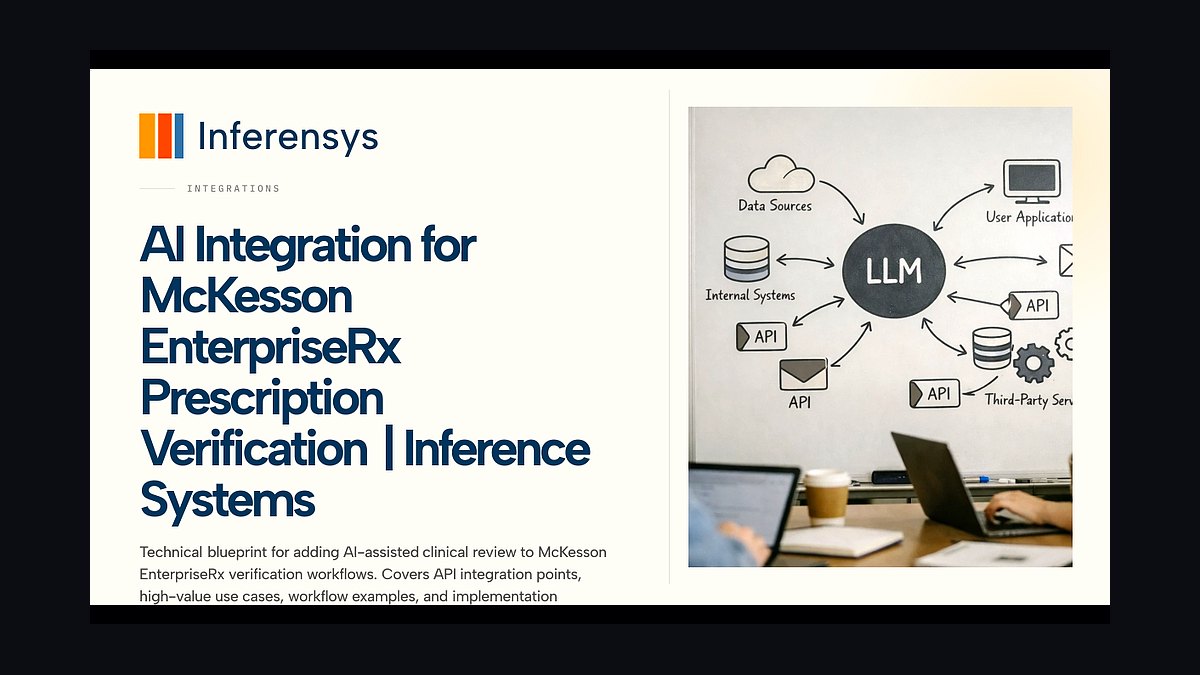
McKesson EnterpriseRx ranks tenth because it is the right dispensing core only for a small chain of three to eight stores that needs centralized, cloud-based control across locations. A group that size typically runs $4,000-$10,000 per month across the group with reconciliation layered on every site.
It is for the operator who would otherwise try to network several single-store platforms together, which is the harder path. It trades away the low per-store cost that BestRx above offers a single owner, and it is overkill for a one-store independent. For a genuine single store, the PioneerRx or BestRx choice above is the better fit.
How we ranked these
We ranked tools by weighting five factors: dispensing-core fit for a two-pharmacist independent (30%), PBM claim reconciliation and DIR visibility (25%), total monthly cost at single-store volume (20%), integration depth with Surescripts, wholesaler ordering, and PDMP reporting (15%), and clinical-services extensibility such as med sync, immunizations, and MTM (10%). Pricing, module lists, and integration claims came from vendor documentation, NCPA member resources, and published platform comparisons.
We deliberately ignored brand popularity, trade-show marketing, and any ranking based on number of installations. Enterprise features built for chains above roughly twenty stores were excluded because they distort cost comparisons for a single owner. We also ignored generic retail POS and accounting tools, since pharmacy-specific signature capture, pseudoephedrine logging, and claim-level margin reporting cannot be replicated by a general small-business stack.
What to look for
What matters most is whether the stack shows true net margin per claim, not adjudicated payment. A dispensing platform that fills and bills correctly but never separates reimbursement from acquisition cost leaves the owner blind to below-cost generics and retroactive DIR clawbacks. Reconciliation analytics should be the second purchase, before patient apps, loyalty tools, or a new POS terminal.
The mistake most buyers make is choosing a dispensing system on sticker price alone, then discovering the analytics, compounding, and LTC modules they actually need are priced separately. Independents also overbuy patient engagement before fixing inventory accuracy, so they text reminders for drugs they cannot reliably stock. Match module spend to your real service mix, and re-evaluate the core every three to four years.
Related questions
Do I need a separate reconciliation tool if my dispensing system already has reporting?
Native dispensing reports show adjudicated payment, not true margin after DIR clawbacks. A dedicated reconciliation layer like Amplicare converts months of claim noise into a per-claim profit view, and most stores recover its cost within a quarter by catching below-cost generic fills and adjusting purchasing before the next PBM statement arrives.
Is the same tech stack appropriate for a specialty pharmacy?
No. A specialty pharmacy's stack centers on payer hub enrollment, limited-distribution access, prior authorization for high-cost drugs, and patient copay assistance. A retail or community stack centers on high-volume dispensing, reimbursement reconciliation, and adherence services. The two share an e-prescribing connection but almost nothing else at the workflow level.
What's the highest-leverage clinical service for an independent to add first?
Medication synchronization. Aligning a patient's chronic medications to one monthly pickup lifts adherence scores, smooths daily workflow, and creates a natural touchpoint for MTM and immunizations. Most other clinical services, including point-of-care testing and adherence programs, build on the med-sync patient base you already have.
Can a long-term-care pharmacy reuse a retail stack?
Partly. The dispensing core is similar, but LTC adds cycle-fill scheduling, blister packaging, eMAR integration with facility nursing systems, and census or facility billing in place of a consumer-facing POS and patient app. PioneerRx LTC and FrameworkLTC exist specifically because retail platforms do not natively handle those workflows.
How often should the dispensing platform itself be re-evaluated?
Every three to four years. Independents tend to stay on aging platforms because migrating patient and prescription data feels risky, but a modern system typically surfaces margin and clinical-service revenue the old one was leaving unclaimed. The migration cost is real, yet usually smaller than the cumulative opportunity cost of staying put.
Does the wholesaler I use change which software I should buy?
Rarely. The wholesaler relationship is fixed by a buying-group contract and rebate terms rather than software preference. What matters is that the ordering portal, whether McKesson Connect, Cencora, or Cardinal Health, integrates cleanly with the dispensing system's perpetual inventory so stock records stay accurate and reorders reflect what is actually on the shelf.
Is a cloud-based dispensing system required in 2027?
Not required, but increasingly preferred. Cloud platforms simplify multi-site visibility, remote support, and automatic updates, which matters for owners planning a second location. On-premise installs still work for a single store with reliable local IT support, though backup, disaster recovery, and version currency become the owner's responsibility.
What should a pharmacy do first if the software budget is tight?
Fund the dispensing core and a reconciliation layer before anything else. Those two protect revenue and expose below-cost claims. Patient engagement, loyalty apps, and clinical modules can wait until dispensing margin is visible and inventory accuracy is under control, because adding engagement on top of an inaccurate inventory record creates more problems than it solves.
FAQ
Is PioneerRx always the right choice for an independent retail pharmacy?
No. PioneerRx is the strongest all-around platform and a safe default, but BestRx fits a small, price-sensitive single store better, Liberty Software is favored for support and community, and a small chain is often better served by McKesson EnterpriseRx for centralized multi-site control.
What does a PBM reconciliation layer actually catch that the dispensing system misses?
It catches claims that adjudicated as paid but cleared below acquisition cost, models upcoming DIR clawbacks before they hit as a retroactive statement, and recommends margin-positive generic substitutions the dispensing system's point-of-sale view never surfaces on its own.
Do I need a pharmacy-specific POS, or will a generic retail POS work?
A pharmacy-integrated POS is strongly preferred over a generic retail one, because it ties signature capture, pseudoephedrine logging, and front-end retail sales into the same ledger as the dispensing side. A standalone retail POS creates two disconnected ledgers and a reconciliation headache.
How does the wholesaler relationship affect the rest of the stack?
The wholesaler, whether McKesson, Cencora, or Cardinal Health, is usually fixed by a buying-group contract and rebate terms rather than software preference, but its ordering portal has to integrate cleanly with the dispensing system's perpetual inventory or the pharmacy loses visibility into its largest cost.
What's the realistic monthly software budget for a single independent store?
Roughly $1,200-$2,500 per month across the dispensing core, reconciliation, patient engagement, POS, and accounting, not counting the wholesaler contract itself. A small chain of three to eight stores typically runs $4,000-$10,000 per month across the group.
When does a compounding module become necessary?
Only when the pharmacy performs sterile or non-sterile compounding. PioneerRx, BestRx, and PrimeRx all offer add-on modules for formula management, batch records, and USP 795 and 797 documentation, typically at $100-$300 per month on top of the base system.
How much does patient engagement software add to the monthly bill?
EnlivenHealth, Digital Pharmacist, and mscripts generally run $200-$500 per month depending on patient volume and which channels are enabled. Med sync, IVR refill calls, and text reminders are the core features; a branded mobile app and website typically push the cost toward the upper end of that range.
Do I need separate software for immunization scheduling and MTM?
Often yes, or at least a module. Immunization scheduling, registry reporting through STChealth, and MTM documentation are usually add-ons rather than part of the base dispensing license. Budget roughly $150-$400 per month plus per-claim fees if you bill medical benefits through a service like XiFin.
What is the biggest hidden cost in a pharmacy tech stack?
Inventory drift. When perpetual inventory in the dispensing system disagrees with what is physically on the shelf, the pharmacy stocks out on fast movers and ties up cash in slow movers nearing expiration. Inventory is the largest cost on the books and the easiest one to lose track of without a fixed reconciliation cycle.
Can I run a small chain on single-store software?
Technically yes, but it usually costs more in labor and lost visibility than moving to a centralized platform. Networking several single-store installs means separate patient records, separate reporting, and manual consolidation. McKesson EnterpriseRx or networked PioneerRx gives one dashboard across sites and is worth the migration for three or more stores.
Sources
- https://www.pioneerrx.com
- https://www.bestrx.com
- https://www.enlivenhealth.co
- https://www.mckesson.com/business-of-pharmacy/independent-pharmacy/mckesson-connect/
- https://surescripts.com
- https://www.cencora.com
- https://www.cardinalhealth.com
- https://www.stchealth.com
- https://ncpa.org
- https://www.xifin.com
Related on PULSE
This page will be disappearing soon. Save it to your device for $1 — or read it free while it is here.
@Kory-White- · if Venmo asks, the last 4 of my number are 2012
This page is gone.
This one is off the shelf now. $1 keeps it on your phone for good — the whole page, pictures and diagrams included.
 pulse-tech-stacksTop 10 Best Tech Stack Tools for Medical Billing and RCM Companies in 2027
 pulse-tech-stacksTop 10 Best Tech Stack Tools for Data Loss Prevention (DLP) Software Vendors in 2027
 pulse-tech-stacksTop 10 Best Tech Stack Tools for Hair Salons in 2027
 pulse-tech-stacksTop 10 Best Tech Stack Tools for Independent Wholesale Distribution Businesses in 2027
 pulse-tech-stacksTop 10 Best Tech Stack Tools for Public Relations Agencies in 2027
 pulse-tech-stacksTop 10 Best Tech Stack Tools for Employee Benefits Consulting Firms in 2027
 pulse-tech-stacksTop 10 Best Tech Stack Tools for Appliance Repair Services in 2027
 pulse-tech-stacksTop 10 Best Tech Stack Tools for HVAC Equipment Distributors in 2027
 pulse-tech-stacksTop 10 Best Tech Stack Tools for Independent Bakeries in 2027
 pulse-tech-stacksTop 10 Best Tech Stack Tools for Plastics and Injection Molding Manufacturers in 2027