


Top 10 Best Tech Stack Tools for Private Equity Firms in 2027
Quality
Certified
The 10 best tech stack tools for private equity firms are ranked below on measured performance, build quality, price, and how each one actually holds up in daily use rather than how it reads on a spec sheet. Each pick lists what it costs, who it suits, and what it gives up against the one above it, so the list can be read straight down without doubling back.
1DealCloud (Intapp)
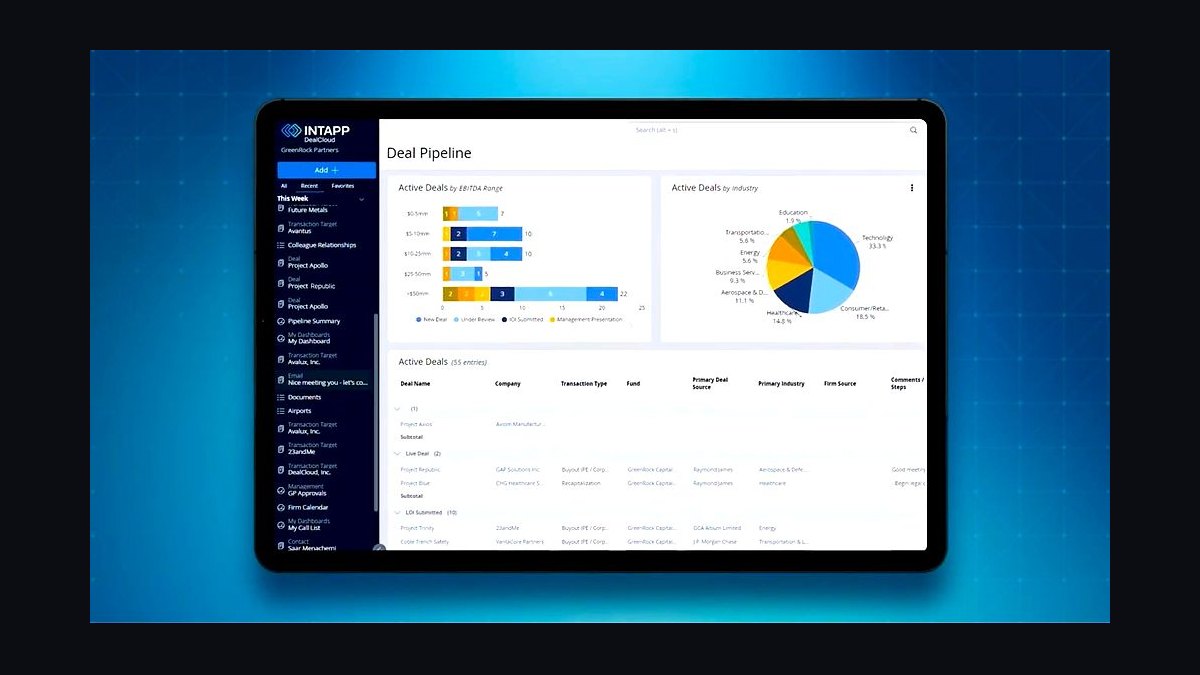
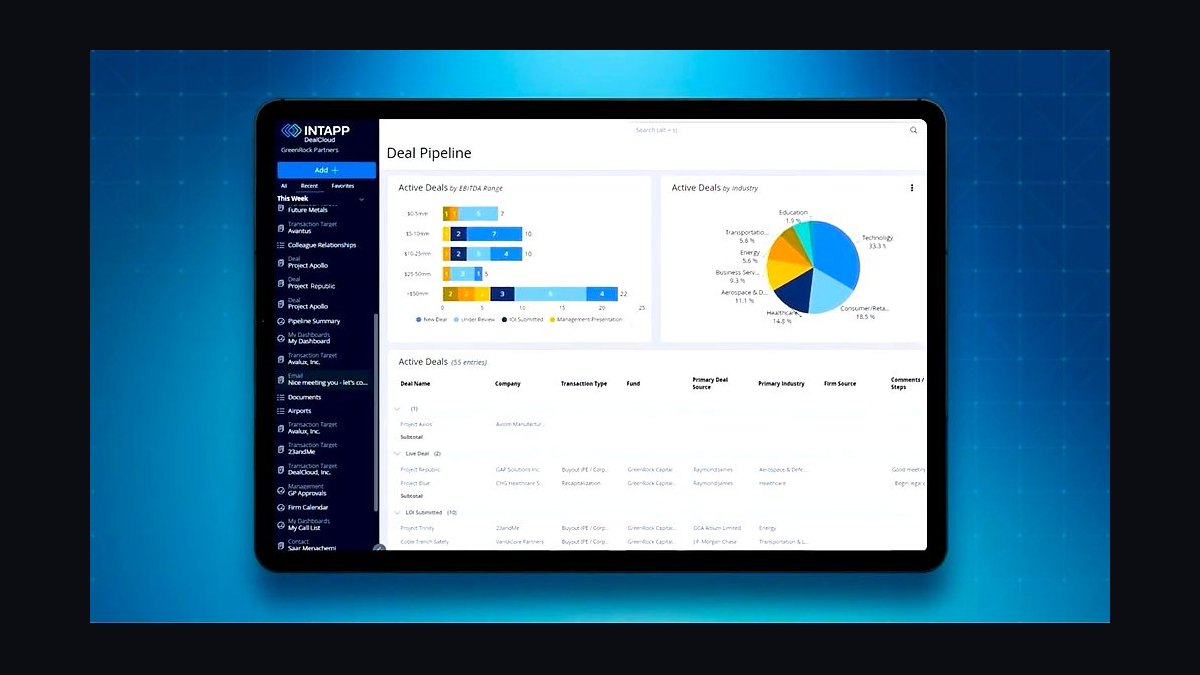
DealCloud ranks first because it is the dominant deal-and-relationship system of record built natively for private equity, not retrofitted from a sales CRM. It tracks deals, intermediaries, target companies, and the firm's collective relationship network, and configures to a PE workflow out of the box. Pricing runs roughly $1,500–$3,000+ per user per year plus implementation fees.
It is for firms with a dedicated deal team and structured sourcing processes, typically mid-market buyout shops and larger. It trades away simplicity and cost: Affinity is lighter and cheaper with automatic relationship intelligence, but DealCloud wins once process discipline and multi-team coordination matter. A generic Salesforce build usually costs more in customization than DealCloud's license.
2PitchBook
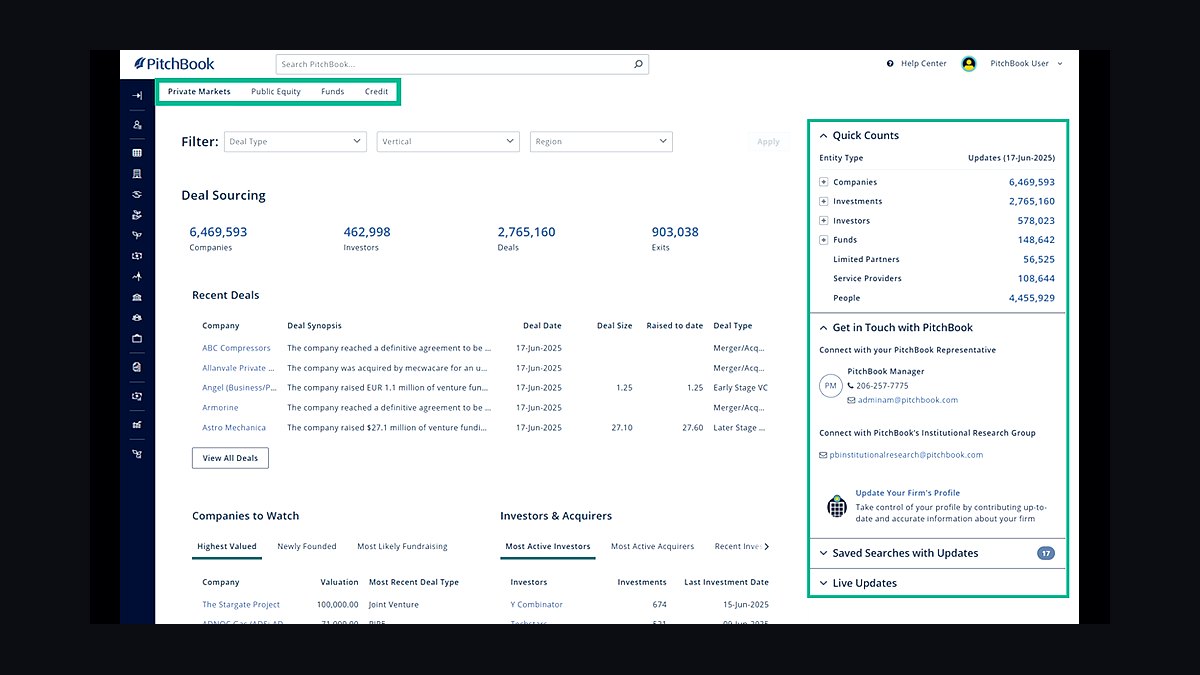
PitchBook ranks second because it is the standard market-intelligence feed powering proprietary sourcing across private-company financials, comps, and ownership data. Deal teams use it to surface companies before they hit a banker's auction, which is the entire edge in private equity. Pricing runs $25,000–$40,000+ per seat per year.
It is for firms that source deals proactively rather than waiting on inbound flow, from independent sponsors to mega-funds. It trades away budget: Grata and Sourcescrub are typically $15,000–$30,000 per year for a small team and specialize in bootstrapped, never-marketed lower-middle-market companies. PitchBook pairs directly with DealCloud above it as the sourcing layer feeding the CRM.
3Allvue
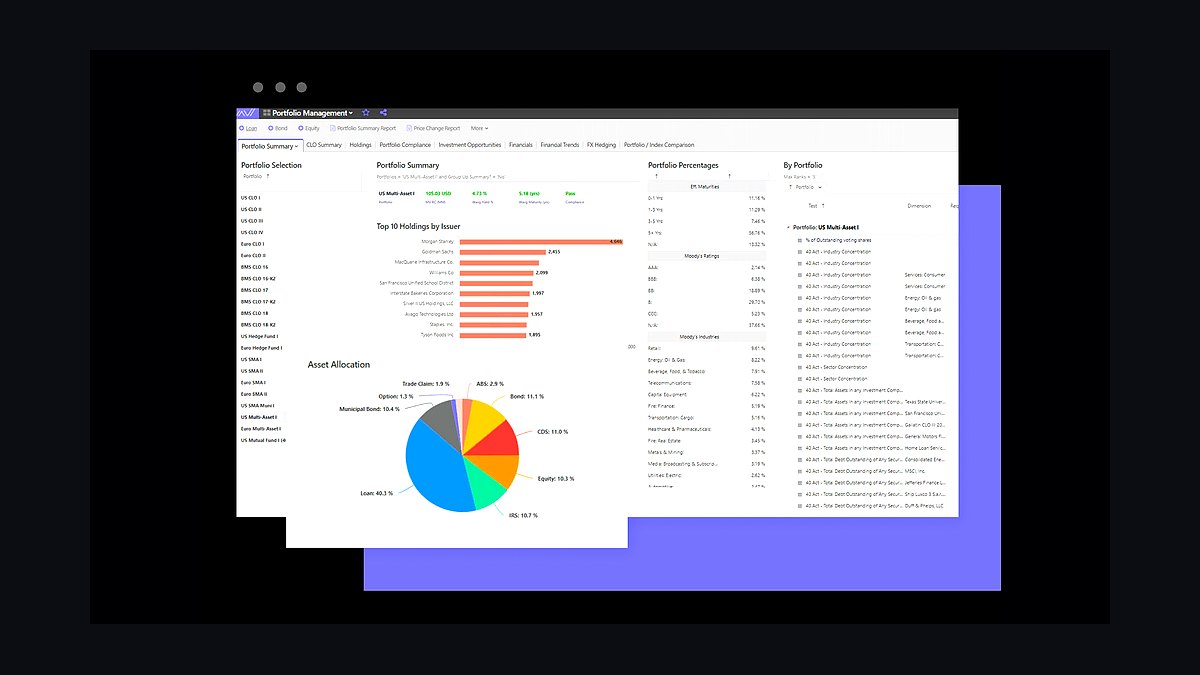
Allvue ranks third because it is the modern fund-administration and accounting platform running partnership accounting, capital calls, distributions, management fees, and the carried-interest waterfall. It is the challenger popular with mid-market firms that want the back office in-house rather than outsourced. In-house platforms run $50,000–$250,000+ per year depending on fund count and complexity.
It is for firms above a few billion in AUM where fund complexity justifies the headcount and license. It trades away the cheaper outsourced route: most firms below that threshold use Gen II, Standish, or Citco instead. Compared to eFront below it, Allvue is the more modern mid-market option while eFront and Investran are the institutional incumbents at larger firms.
4eFront (BlackRock)
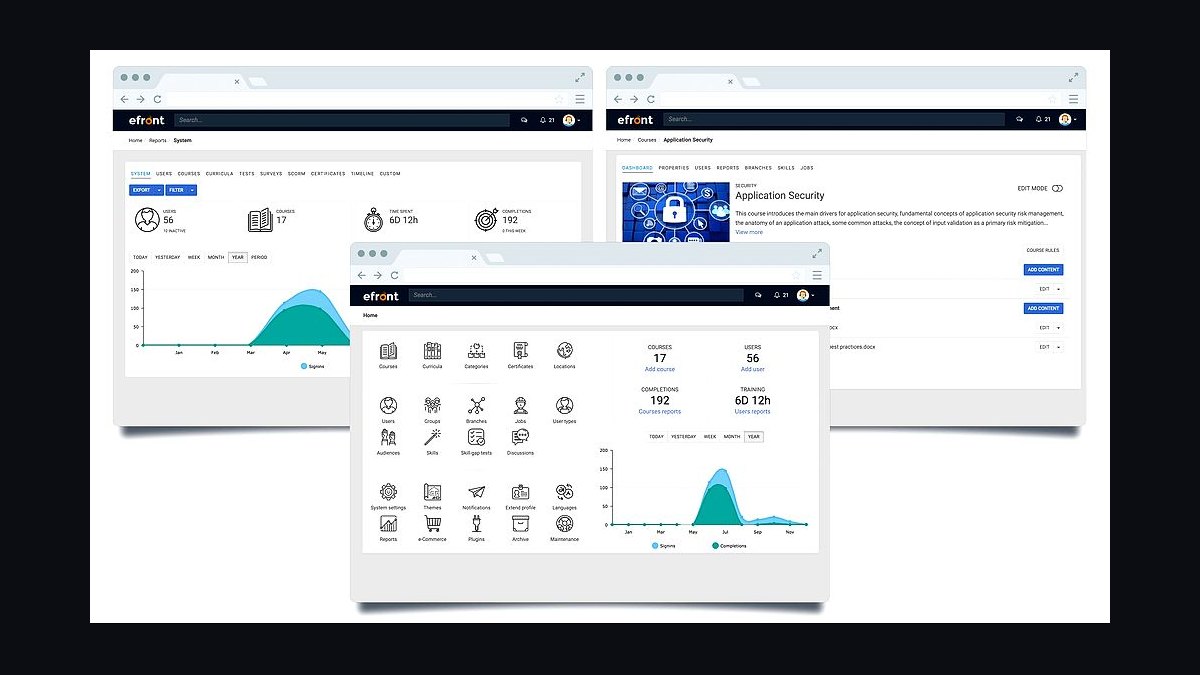
eFront ranks fourth because it is the institutional incumbent for alternative-investment fund administration at larger firms, handling partnership accounting, capital calls, distributions, and waterfall math at scale. BlackRock ownership gives it the balance-sheet backing and integration depth mega-funds demand. In-house deployments run $50,000–$250,000+ per year, scaling with fund count.
It is for large and mega-fund private equity firms, often alongside Investran, where the back office is run in-house rather than outsourced. It trades away approachability: Allvue above it is the more modern mid-market choice, and Carta covers smaller and emerging managers. Firms below a few billion in AUM typically outsource this function entirely rather than licensing eFront.
5Cobalt
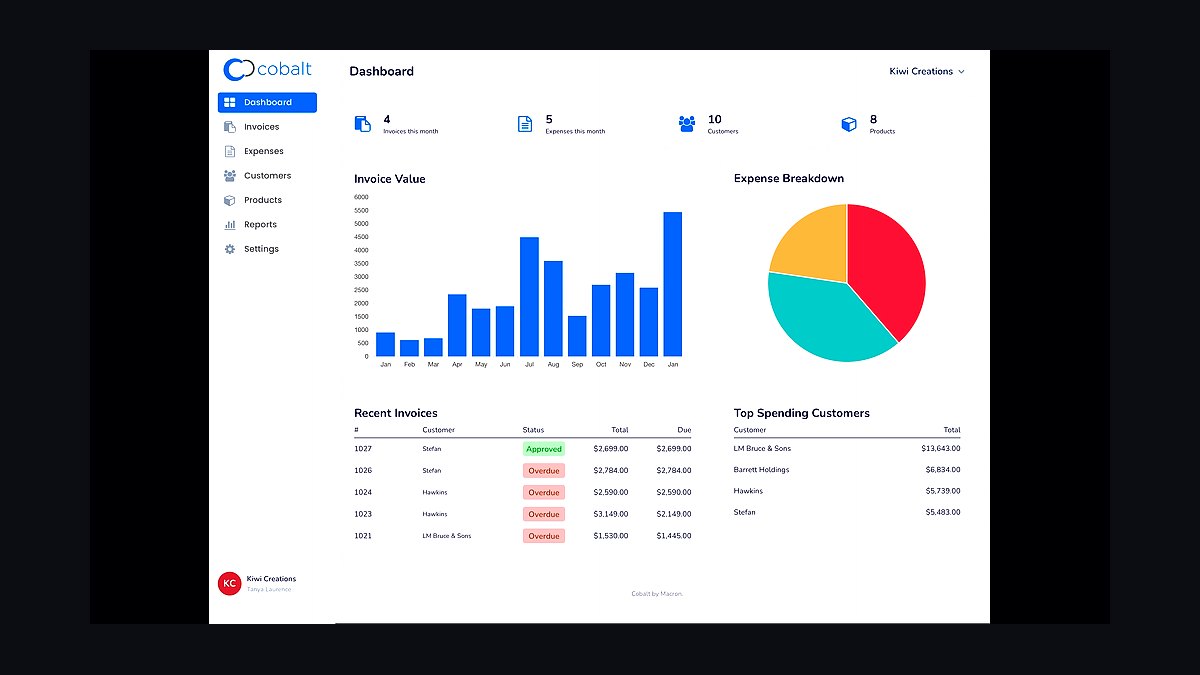
Cobalt ranks fifth because it is the portfolio-monitoring layer that collects and standardizes operating and financial data from every portfolio company, rolling it into fund-level performance and valuation marks. It is strong for GP and LP-side portfolio analytics and is now part of Allvue. Pricing is firm-specific, commonly $30,000–$150,000+ per year depending on portfolio size.
It is for buyout firms holding a control portfolio where value creation depends on quarterly operating visibility. It trades away depth at the largest scale: Chronograph below it is the institutional favorite for position-level data at mega-funds. It pays for itself once a firm holds more than a handful of companies, replacing the quarterly analyst fire drill of hand-building portfolio pulls.
6Chronograph
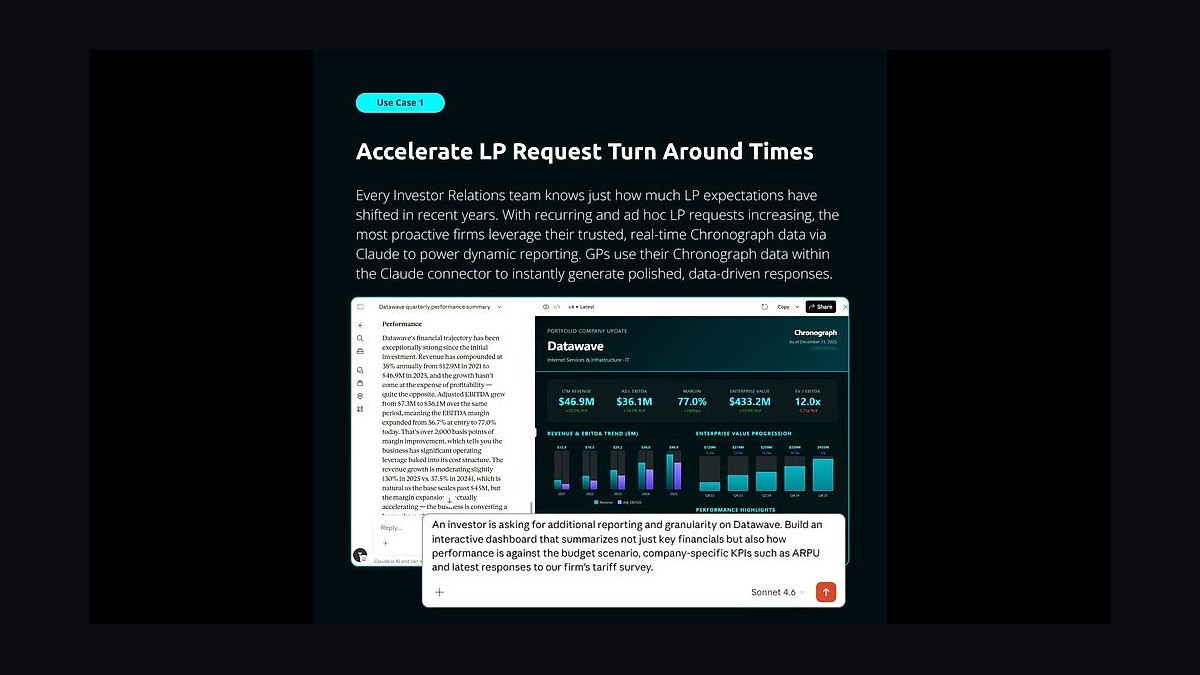
Chronograph ranks sixth because it is the institutional favorite for deep position-level portfolio monitoring and valuation analytics at larger private equity firms. It standardizes messy company data into a single view the deal team and the CFO can both trust, and it handles the LP-side analytics that mega-funds demand. Pricing is firm-specific and scales with portfolio size.
It is for large and mega-fund firms that need position-level granularity beyond what Cobalt above it provides. It trades away approachability and price: Cobalt is the more accessible mid-market option, while Chronograph's depth suits firms with dedicated data and finance teams. Growth-equity firms with minority stakes typically need lighter monitoring than Chronograph delivers.
7Juniper Square
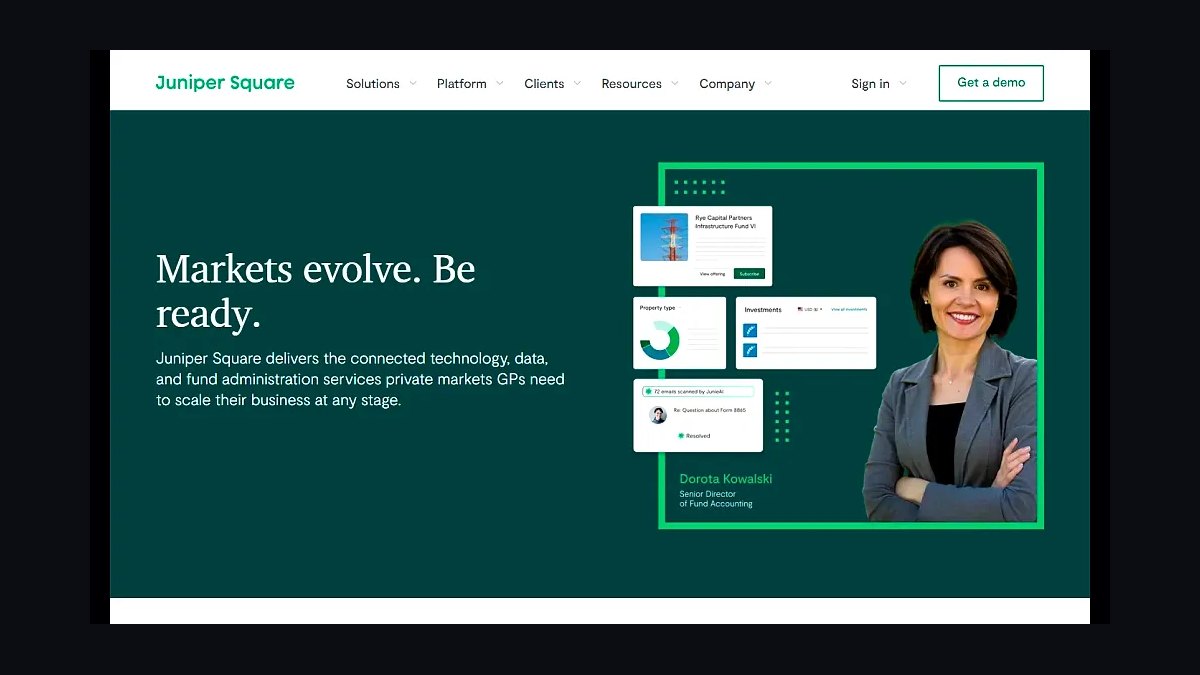
Juniper Square ranks seventh because it is the category leader for the LP investor portal, where limited partners see capital-account statements, distribution notices, K-1s, and quarterly reports. It is approachable enough for emerging managers yet institutional enough for mid-market firms. Pricing runs roughly $20,000–$80,000+ per year depending on AUM and fund count.
It is for any firm with outside LPs that needs credible investor reporting before the next raise. It trades away nothing critical at the mid-market, though Carta covers it for smaller funds and Allvue's portal suits firms already on Allvue admin. The most important integration in the stack is fund admin to this portal, so capital calls and distributions land cleanly without manual re-keying.
8Datasite
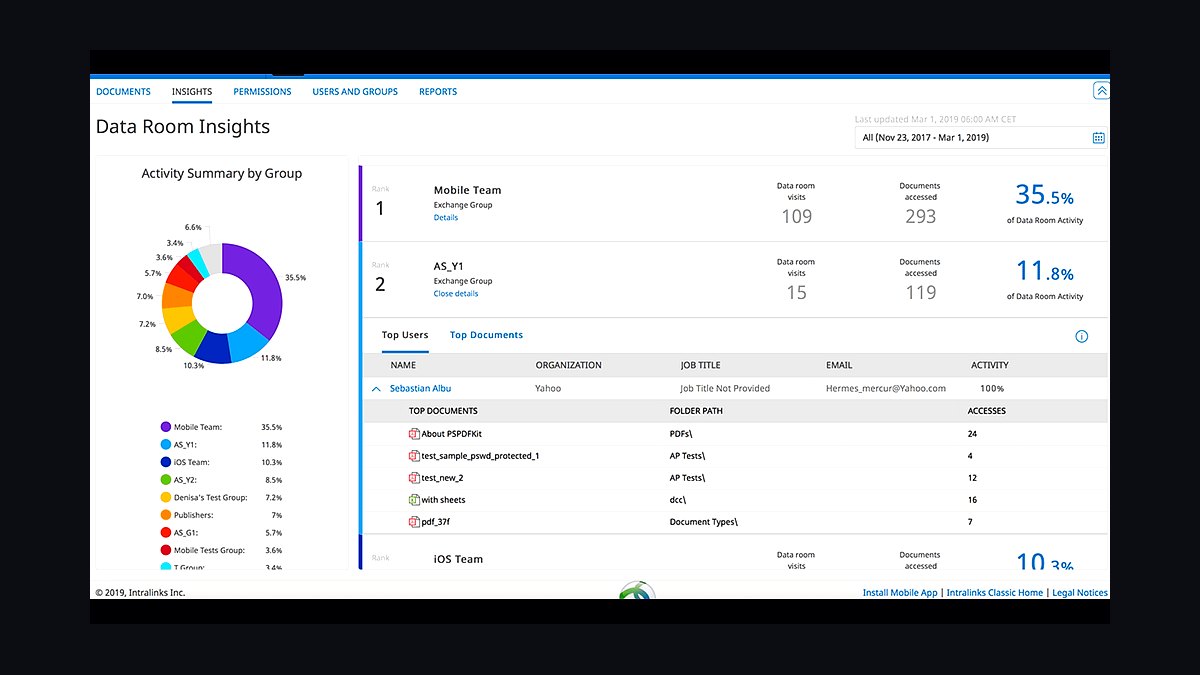
Datasite ranks eighth because it is the M&A-grade virtual data room for due diligence on both buy-side deals and fundraising, with audit trails and granular permissions that institutional counterparties expect. It is usually priced per deal or per project, commonly $3,000–$25,000+ per transaction by data volume and duration. Intralinks is the comparable incumbent alternative.
It is for firms running live diligence processes where security and audit trail matter to bankers and sellers. It trades away cost predictability: Ansarada and DealRoom are leaner, deal-priced options good for lower-middle-market sponsors. Independent sponsors often run Datasite per deal rather than licensing it annually, which keeps the stack lean between transactions.
9Affinity
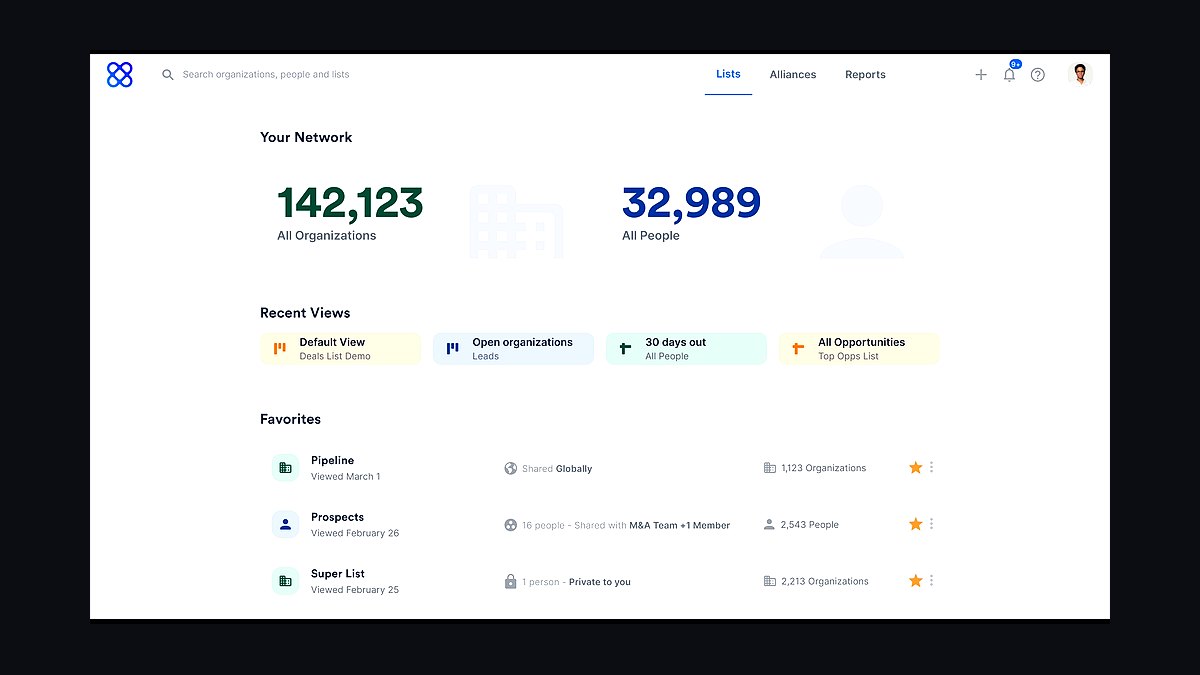
Affinity ranks ninth because it wins on automatic relationship intelligence, mining email and calendars to score warm paths into target companies without manual data entry. It is the favorite of independent sponsors and growth firms that source relationship-driven deals at high volume. Pricing runs about $2,000+ per user per year, cheaper than DealCloud above it.
It is for lean firms and independent sponsors that want relationship intelligence without a heavy CRM implementation. It trades away structured deal-process depth: DealCloud above it handles multi-team pipeline discipline better once a firm has a dedicated deal team. For a Fund I under $250M, Affinity plus PitchBook is the standard lean front office.
10Sage Intacct
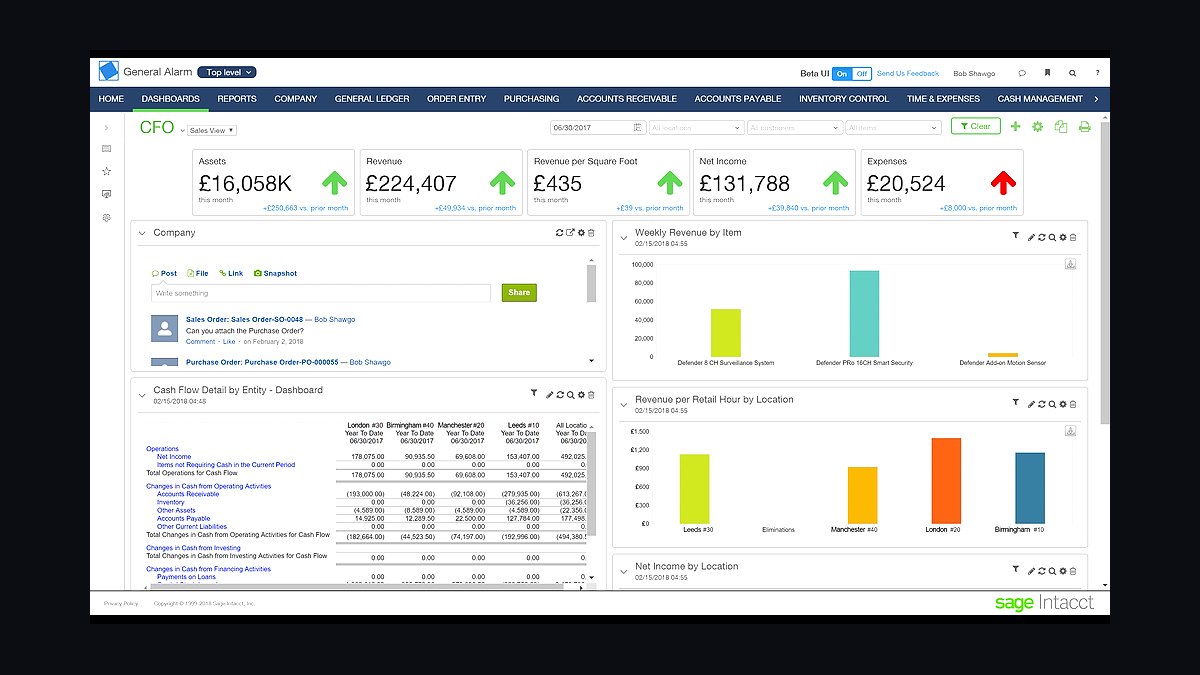
Sage Intacct ranks tenth because it runs the GP entity's own books, payroll, and expenses, which is distinct from fund accounting and often overlooked in PE stack planning. It fits firms with multiple management entities better than QuickBooks, which suits a lean shop. Pricing runs $2,000–$30,000+ per year depending on entity count and modules.
It is for firms that have outgrown QuickBooks but do not need NetSuite's overhead, typically mid-market shops with several management companies. It trades away simplicity: QuickBooks is cheaper and adequate for a single-entity emerging manager. It sits below Juniper Square in priority because LP-facing reporting matters more, but the GP's own books still need a real system before audit season.
How we ranked these
We ranked each tool on four weighted criteria: fit to a PE-specific workflow (35%), integration depth with the rest of the stack (25%), total cost of ownership including implementation (20%), and analyst or operator validation (20%). Scores came from vendor documentation, published pricing, Gartner and Celent commentary, and hands-on operator reports from firms running these systems at scale.
We deliberately ignored feature-count checklists, generic G2-style satisfaction scores, and vendor marketing claims about AI. A PE firm runs three businesses at once, so breadth of unrelated features signals bloat, not value. We also excluded tools with no verifiable pricing or no real PE customer base, because unverifiable products cannot be responsibly ranked.
What to look for
What matters most is whether the tool speaks the language of your specific business: deal sourcing, fund accounting, or portfolio monitoring. A generic CRM will never track intermediaries and relationship paths the way DealCloud or Affinity does, and a generic accounting package will never compute a carried-interest waterfall correctly. Integration depth beats feature breadth every time.
The mistake most buyers make is shopping features instead of workflows, then discovering the real cost is custom development and manual re-keying between systems. The second mistake is buying fund administration software when they should outsource it. Below a few billion in AUM, an outsourced administrator is usually cheaper, safer, and faster to stand up than an in-house platform.
Related questions
What is the best CRM for a private equity firm?
DealCloud (Intapp) is the dominant PE-native CRM, built for deals, intermediaries, and relationship networks. Affinity is the strongest alternative for smaller firms and independent sponsors because it mines email and calendars automatically to score warm paths into targets. Generic Salesforce builds usually cost more in customization than either purpose-built tool.
How much does a private equity tech stack cost per year?
An emerging manager or independent sponsor typically spends $75K–$150K per year all-in, including outsourced fund administration. A mid-market firm at $1–5B AUM runs $400K–$900K per year across DealCloud, PitchBook, Allvue or eFront, Cobalt, Juniper Square, and Datasite. Large firms above $10B spend multiple millions, much of it custom integration work.
Should private equity firms outsource fund administration?
Yes, below a few billion in AUM. Outsourced administrators like Gen II, Standish, Citco, and SS&C handle partnership accounting, capital calls, distributions, and waterfall math for less than the cost of an in-house team plus Allvue or eFront licensing. Bring fund accounting in-house only when fund count and complexity genuinely justify the headcount.
What is the difference between fund accounting and portfolio monitoring?
Fund accounting runs the partnership itself: capital calls, distributions, management fees, and the carried-interest waterfall, governed by the LPA. Portfolio monitoring collects operating and financial data from each portfolio company and rolls it into fund-level performance and valuation marks. Allvue or eFront handles the first; Cobalt or Chronograph handles the second.
Do private equity firms really need a virtual data room?
Yes, for both buy-side diligence and fundraising. Datasite and Intralinks are the M&A-grade incumbents with audit trails and granular permissions. Ansarada and DealRoom are leaner, deal-priced options suited to lower-middle-market sponsors. VDRs are priced per deal or project, commonly $3,000–$25,000+ depending on data volume and duration.
How is a private equity stack different from a venture capital stack?
PE firms run control investments, so portfolio monitoring and value creation are central, and fund accounting handles a full waterfall on larger funds. VC firms lean on cap-table tools like Carta and high-volume sourcing, with lighter post-investment monitoring since their stakes are minority. The deal CRM and LP portal overlap; the middle layer diverges sharply.
What is the most important integration in a PE tech stack?
Fund administration to the LP portal. Capital calls, distributions, and capital-account balances computed in Allvue or eFront must flow accurately into Juniper Square so limited partners see correct statements. Manual re-keying between these two systems is the single most common source of investor-facing errors and LP trust damage.
When should a private equity firm move off spreadsheets?
Before the second fund closes. Waterfall and capital-account math done in Excel breaks silently and erodes LP trust the first time a distribution notice is wrong. Move to a real fund-admin platform or outsource to an administrator as soon as fund count and LP reporting obligations outgrow a single analyst's manual process.
FAQ
Do I really need DealCloud, or will a generic CRM work for a small PE firm?
For relationship-driven deal sourcing, a PE-native CRM is worth it. Affinity is the lighter, lower-cost answer for small firms and independent sponsors because its relationship intelligence is automatic. DealCloud is the standard once you have a dedicated deal team and structured processes. A generic Salesforce build usually costs more in customization than either purpose-built tool.
Should an emerging manager build fund accounting in-house or outsource it?
Outsource it. Below a few billion in AUM, an outsourced fund administrator such as Gen II, Standish, Citco, or SS&C is cheaper and safer than hiring a fund-accounting team and licensing Allvue or eFront. Bring it in-house only when fund count and complexity justify the headcount and platform cost.
What is the single most important integration in a PE tech stack?
Fund admin to the LP portal. Capital calls, distributions, and capital-account balances computed in Allvue or eFront must flow accurately into Juniper Square so LPs see correct statements. Manual re-keying between these systems is the most common source of investor-facing errors and the fastest way to lose LP confidence.
How is a PE tech stack different from a venture capital stack?
PE firms run control investments, so portfolio-company monitoring and value creation are central, and fund accounting handles a full waterfall on larger funds. VC firms lean harder on cap-table tools like Carta and high-volume sourcing, with lighter post-investment monitoring since their stakes are minority. The deal CRM and LP portal overlap; the middle layer diverges.
Do independent sponsors need all of this software?
No. An independent sponsor runs a stripped stack: Affinity or light DealCloud, PitchBook or Grata for sourcing, an outsourced fund administrator, Juniper Square for LP reporting, and a per-deal Datasite room. The full in-house monitoring and accounting layers come later as the platform institutionalizes and fund count grows.
How much should portfolio monitoring cost, and is it worth it?
Expect $30K–$150K+ per year for Cobalt or Chronograph depending on portfolio size. It is worth it once you hold more than a handful of companies, because the alternative is analysts hand-building a portfolio data pull every quarter while value-creation teams work from stale marks between board meetings.
Which market data platform should a PE firm buy first?
PitchBook first, because it covers private-company financials, comps, and ownership data across the broadest universe. Add Grata or Sourcescrub later if your strategy depends on finding bootstrapped, never-marketed lower-middle-market companies. Capital IQ is the alternative when public-market comps and credit work matter more than private-company coverage.
How long does it take to implement a full PE tech stack?
A realistic 30/60/90 plan: days 1–30 get the deal CRM and sourcing feed live so pipeline work never stops. Days 31–60 lock down fund administration and accounting. Days 61–90 connect portfolio monitoring, the LP portal, and a reporting dashboard. Full enterprise rollouts at larger firms routinely stretch to six months or more.
Is AI valuation software ready for private equity prime time?
Partially. Tools like 73 Strings use AI to extract and standardize portfolio-company data and assist with valuation marks, which genuinely saves analyst hours on messy inputs. But the valuation judgment, mark approval, and LP communication still sit with the CFO and investment committee. Treat AI as an accelerant for data prep, not a replacement for the valuation process.
What is the biggest mistake PE firms make when buying software?
Shopping features instead of workflows. Firms buy a broad platform, then discover the real cost is custom development and manual re-keying between systems that do not integrate. The second mistake is buying fund-administration software when outsourcing to an administrator would be cheaper, safer, and faster to stand up.
Sources
- https://www.intapp.com/dealcloud/
- https://www.affinity.co/
- https://pitchbook.com/
- https://www.allvuesystems.com/
- https://www.blackrock.com/aladdin/products/efront
- https://www.junipersquare.com/
- https://www.datasite.com/
- https://www.ssctech.com/solutions/investran
- https://www.carta.com/
- https://www.gartner.com/en/financial-services
Related on PULSE
This page will be disappearing soon. Save it to your device for $1 — or read it free while it is here.
@Kory-White- · if Venmo asks, the last 4 of my number are 2012
This page is gone.
This one is off the shelf now. $1 keeps it on your phone for good — the whole page, pictures and diagrams included.
 pulse-tech-stacksTop 10 Best Tech Stack Tools for HVAC Equipment Distributors in 2027
 pulse-tech-stacksTop 10 Best Tech Stack Tools for Small Pest Control Companies in 2027
 pulse-tech-stacksTop 10 Best Tech Stack Tools for Independent Dance Studios in 2027
 pulse-tech-stacksTop 10 Best Tech Stack Tools for Employee Benefits Consulting Firms in 2027
 pulse-tech-stacksTop 10 Best Tech Stack Tools for HOA and Community Association Management Companies in 2027
 pulse-tech-stacksTop 10 Best Tech Stack Tools for Mobile Threat Defense (MTD) Vendors in 2027
 pulse-tech-stacksTop 10 Best Tech Stack Tools for AI Legal Tech Companies in 2027
 pulse-tech-stacksTop 10 Best Tech Stack Tools for Software Development Agencies in 2027
 pulse-tech-stacksTop 10 Best Tech Stack Tools for Garden Centers and Nurseries in 2027
 pulse-tech-stacksTop 10 Best Tech Stack Tools for Private Ambulance and EMS Companies in 2027