


Top 10 Best Tech Stack Tools for Independent Bookstores in 2027
Quality
Certified

The 10 best tech stack tools for independent bookstores are ranked below on measured performance, build quality, price, and how each one actually holds up in daily use rather than how it reads on a spec sheet. Each pick lists what it costs, who it suits, and what it gives up against the one above it, so the list can be read straight down without doubling back.
1Basil Bookseller Software

Basil ranks first because it is the only cloud POS built specifically for independent bookstores, with native ISBN scanning and Ingram integration. It pulls full bibliographic data on scan, handles publisher returns tracking, and connects to Bookshop.org wholesale. Pricing typically runs about $100-$250 per month depending on register count.
Basil suits small to mid-size indies that want book intelligence without on-premise servers. It trades away deep used-book condition grading that Anthology offers, and its reporting is lighter than Bookmanager's. Compared to Square for Retail directly below, Basil costs more but eliminates manual title entry entirely.
2Bookmanager
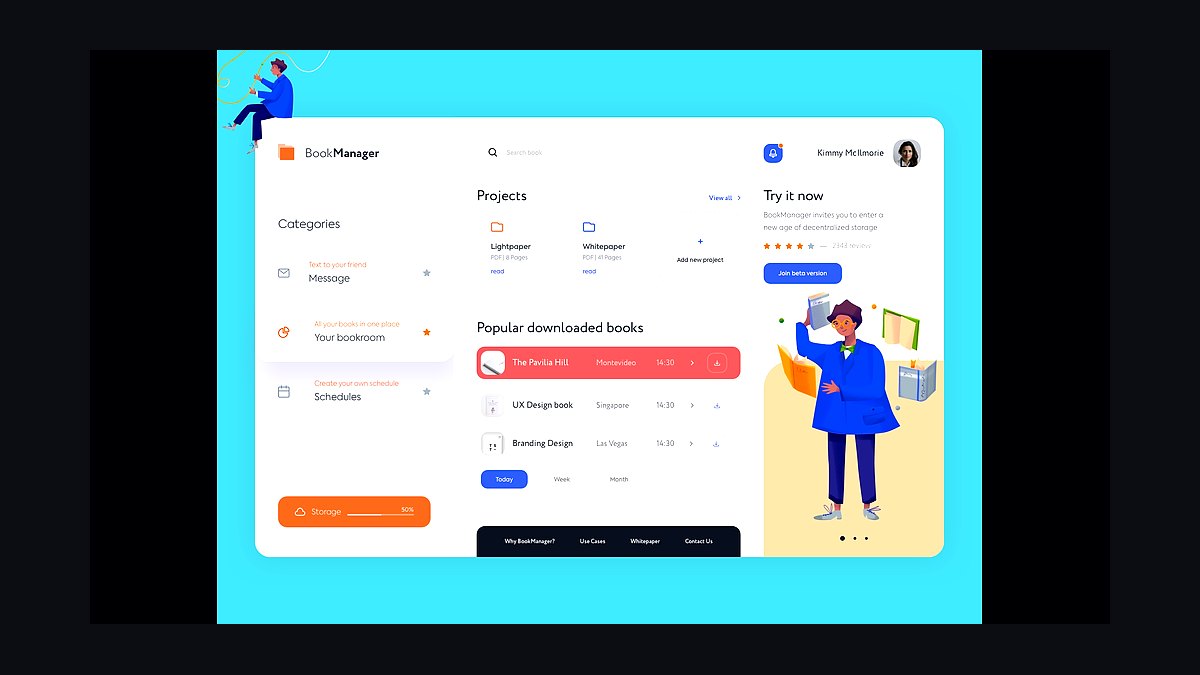
Bookmanager ranks second for its deep title management, publisher returns logic, and public-facing catalog that serious indies rely on. The Canadian-built system is widely used across North American bookstores and excels at reorder-by-author, aging stock flags, and seasonal buying. Pricing is typically quoted in the low hundreds per month.
Bookmanager fits mid-size shops with new and used inventory that need stronger returns discipline than Basil provides. It trades away cloud-native simplicity, often requiring local installation. Compared to Basil above, it wins on inventory depth but loses on modern interface and mobile access.
3Square for Retail
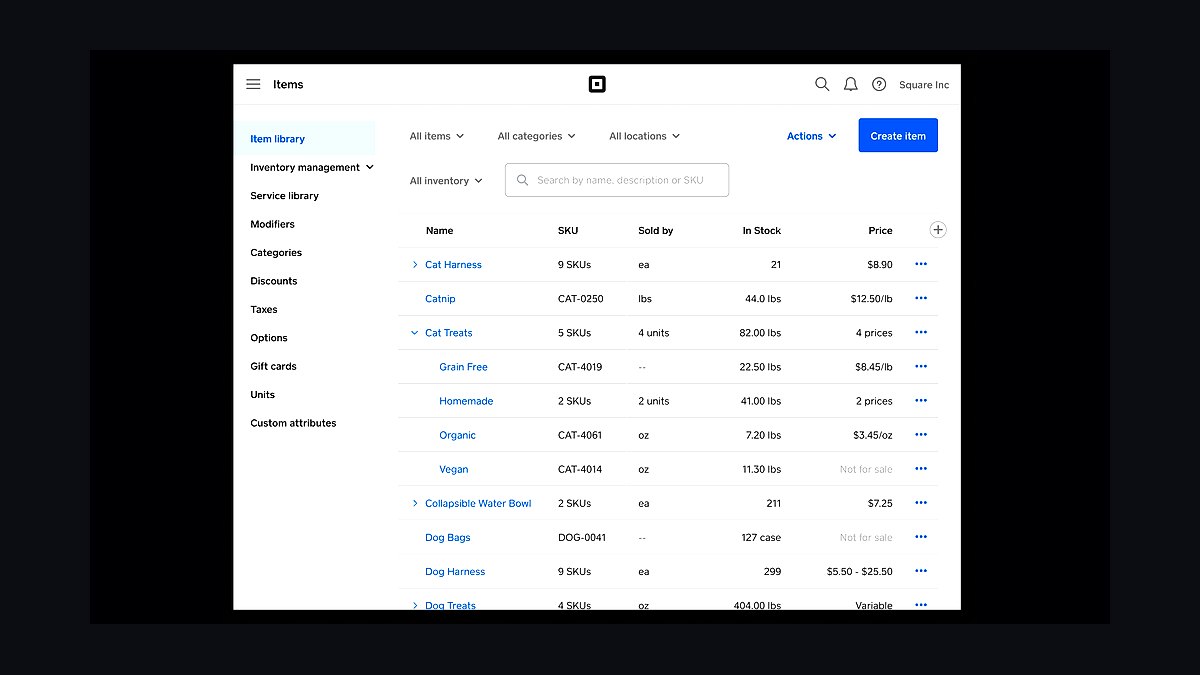
Square for Retail ranks third as the leanest viable book POS when paired with an ISBN feed and book configuration. At $60-$89 per month per location, it handles transactions, basic inventory, and loyalty without a book-specific contract. It lacks native publisher-returns logic and bibliographic title intelligence.
Square suits brand-new single-location shops with one or two staff who need to open fast on a tight budget. It trades away reorder-by-author and return-window tracking that Basil and Bookmanager provide. Compared to Bookmanager above, it is cheaper and simpler but requires manual workarounds for book-specific workflows.
4Ingram iPage
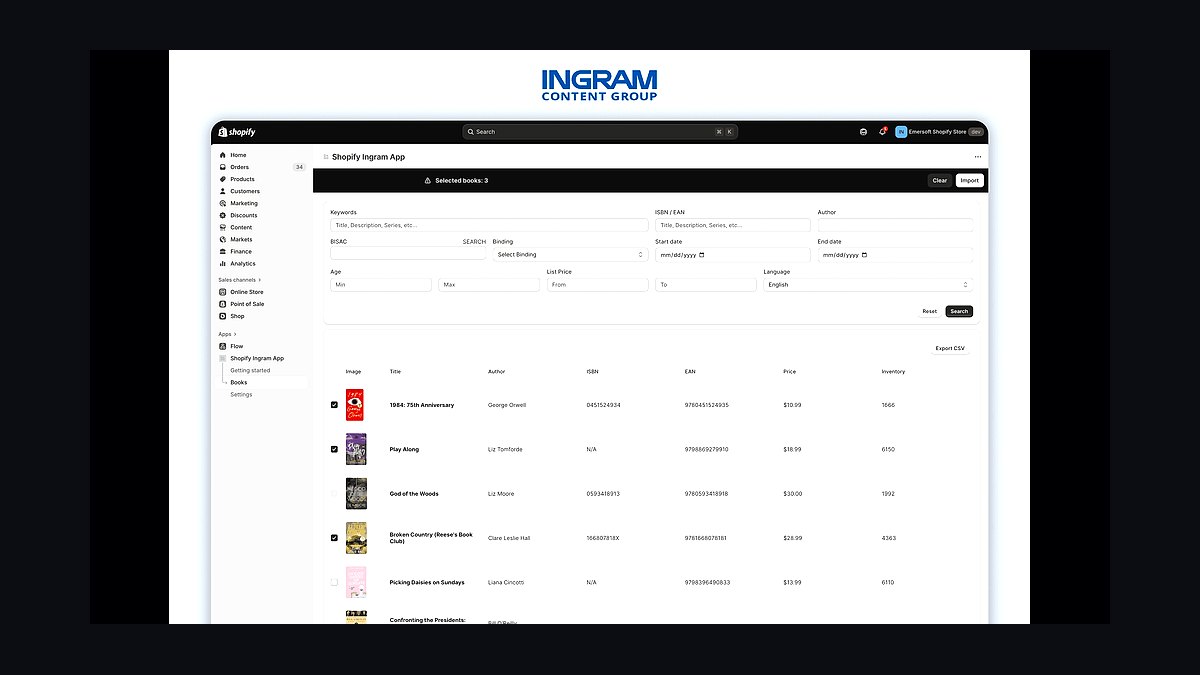
Ingram iPage ranks fourth as the wholesaler ordering portal every indie needs to check availability, place restock orders, and manage publisher returns. Access comes free with an Ingram wholesale account, making it the lowest-cost layer in the stack. It is the operational backbone for keeping shelves full.
iPage is for any bookstore buying new books at trade discount, from one-register shops to multi-location indies. It trades away frontlist discovery and advance reviews, which is Edelweiss+'s job. Compared to Square for Retail above, iPage is not a POS but a supply pipeline that feeds whatever register system you run.
5Edelweiss+ Above the Treeline

Edelweiss+ ranks fifth as the publisher catalog platform where booksellers browse seasonal frontlist, read advance reviews, and build forward orders. The core tool is free to booksellers, with paid analytics tiers for deeper sell-through data. It replaces the catalog-and-fax ordering of the past.
Edelweiss+ is for buyers at any indie who need to decide what to stock months ahead of publication. It trades away transactional ordering, which routes through Ingram iPage instead. Compared to Ingram iPage above, Edelweiss+ is the decision layer while iPage is the fulfillment layer.
6IndieCommerce IndieLite

IndieCommerce and IndieLite rank sixth as the American Booksellers Association's purpose-built web platforms with live Ingram inventory feeds. IndieLite runs roughly $50 per month plus setup for smaller shops, while full IndieCommerce costs a few hundred monthly. Both are ABA member-priced.
These platforms suit indies that want an online store selling curation rather than discounting against Amazon. They trade away heavy customization that Shopify allows. Compared to Edelweiss+ above, IndieCommerce is customer-facing commerce while Edelweiss+ is behind-the-scenes buying.
7Bookshop.org

Bookshop.org ranks seventh as the affiliate marketplace that lets an indie earn on national online book sales without warehousing stock. A branded storefront directs local customers to order online while crediting the shop. The platform charges no listing fee and pays a commission on each sale.
Bookshop.org suits shops that want online revenue without building a full e-commerce site. It trades away direct customer data and full margin, since the platform takes a cut. Compared to IndieCommerce above, it is faster to launch but offers less control over branding and inventory.
8ABEBooks

ABEBooks ranks eighth as the largest used and rare book marketplace, now Amazon-owned, extending a single shelf to a national audience. Listing fees commonly run 8-15% of sale plus monthly pro fees. It is the default channel for out-of-print and collectible stock.
ABEBooks suits used-heavy shops where condition grading and rare inventory drive margin. It trades away brand control, since buyers see ABEBooks first, not your store. Compared to Bookshop.org above, ABEBooks serves used and rare sellers while Bookshop.org serves new-book affiliates.
9Eventbrite
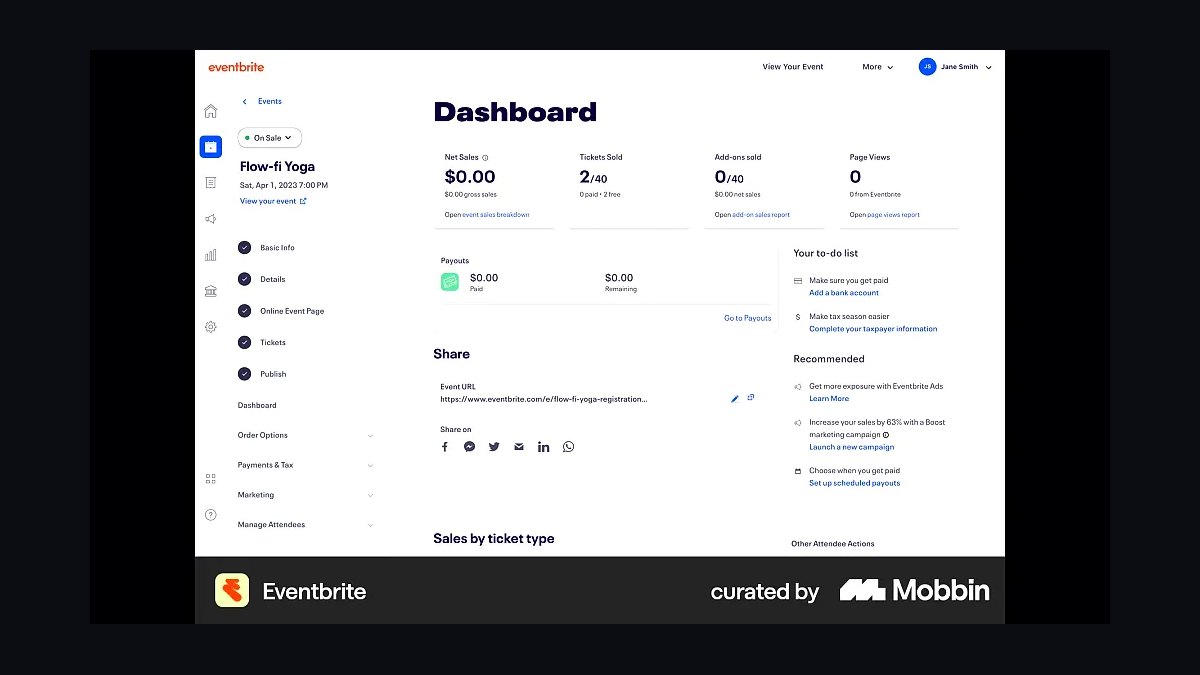
Eventbrite ranks ninth as the ticketing platform for author signings, book clubs, and ticketed evenings that anchor the community-hub model. It is free for free events and charges roughly 3.7% plus fees on paid tickets. RSVP tracking feeds directly into email follow-up.
Eventbrite suits any indie running a regular events calendar, from weekly story times to ticketed author dinners. It trades away deep CRM integration, which Mailchimp handles separately. Compared to ABEBooks above, Eventbrite drives foot traffic while ABEBooks drives online used-book sales.
10QuickBooks Online
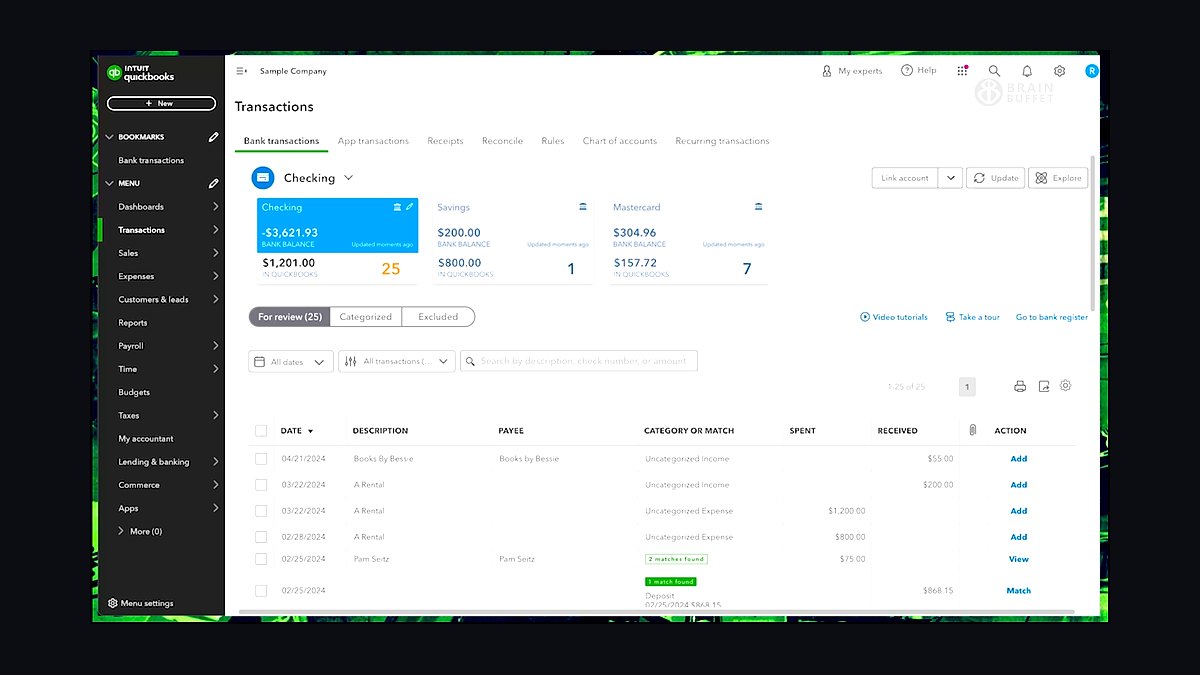
QuickBooks Online ranks tenth as the accounting layer that consolidates book POS, café POS, and marketplace payouts into one general ledger. Pricing runs $35-$235 per month across Simple Start through Advanced tiers. Without it, owners cannot see whether the café subsidizes the books or drains them.
QuickBooks suits every indie regardless of size, from one-register shops to multi-location operations. It trades away real-time inventory visibility, which stays in the POS. Compared to Eventbrite above, QuickBooks closes the books while Eventbrite fills the calendar.
How we ranked these
We ranked tools by five weighted criteria: ISBN-level inventory depth (30%), wholesaler and publisher ordering integration (20%), online selling fit for indies (20%), margin-diversification support like used books and café (15%), and total cost of ownership for a small shop (15%). Each tool was scored against real indie workflows — receiving, returns, reorder-by-author, and events — using vendor documentation and bookseller reporting.
We deliberately ignored raw feature counts, generic retail awards, and enterprise scalability beyond a few locations, because those reward complexity an indie never uses. We also excluded marketing automation depth and AI recommendation hype, since a bookstore's advantage is human curation, not algorithmic upsell. Pricing was treated as a range, not a ranking factor, because discounts and bundles vary by register count.
Related questions
What is the single most important tool in an independent bookstore tech stack?
The book-aware POS and inventory system. Basil, Bookmanager, or Anthology pull full bibliographic data from an ISBN, which makes receiving, reordering by author, and publisher returns possible. Generic retail POS treats books as flat SKUs, so you lose title intelligence and returnability tracking. Everything else in the stack depends on clean ISBN inventory.
Can a new bookstore start with Square instead of Basil or Bookmanager?
Yes, a genuinely small or new shop can run Square for Retail with a book configuration and an ISBN feed. It costs less and is simpler to learn. The tradeoff is no native publisher-returns logic and weaker reorder-by-author reporting. Many indies start on Square and migrate to Basil or Bookmanager once volume and used stock grow.
How does Edelweiss+ fit alongside Ingram iPage?
Edelweiss+ is the publisher catalog where you browse seasonal frontlist, read advance reviews, and build forward orders. Ingram iPage is the wholesaler portal where you check stock and place restock and return orders. Most indies use both: Edelweiss+ to decide what to buy, iPage to keep shelves full between publisher shipments.
Is IndieCommerce worth it over Shopify for a bookstore website?
IndieCommerce and IndieLite are purpose-built for indies with live Ingram inventory and ABA member pricing, so they show real availability without manual syncing. Shopify is more customizable and cheaper at entry, but lacks native publisher inventory feeds. Shops wanting a heavily branded site often choose Shopify with a book app; shops wanting book-native inventory choose IndieCommerce.
How do used-book marketplaces like ABEBooks and Biblio change the stack?
They extend one physical copy to a national audience, which matters if used and rare stock drives margin. You need one inventory record per copy so an online sale pulls the book from the floor before someone buys it twice. Marketplace fees commonly run 8-15% plus monthly pro fees, so list only when used volume justifies it.
Should the café run on the same POS as the bookstore?
No. Run the café on Square or Toast, kept separate from book inventory, then consolidate both into QuickBooks. Food service needs modifiers, tips, and kitchen tickets that a book POS handles poorly. Separate systems keep book inventory clean and still let you see whether the café subsidizes the books or drains them.
What does a realistic monthly software budget look like for an indie?
A small single-location shop runs roughly $200-$600 per month in software plus transaction fees. A mid-size store with used books, a café, and events runs about $700-$2,000. A multi-location or used-heavy operation with Power BI reporting can reach $2,500-$8,000 or more, scaling with locations and online volume.
How long does it take to implement a full bookstore tech stack?
Plan on 90 days. Days 0-30 stand up the book POS and load ISBN inventory. Days 31-60 add Edelweiss+ ordering, the IndieCommerce or IndieLite store, and the café POS. Days 61-90 turn on Eventbrite, Mailchimp, loyalty, used-book marketplace listings, and QuickBooks consolidation.
FAQ
Do I really need a book-specific POS, or can I just use Square or Shopify?
You need book-specific title intelligence even if the register is Square. A flat retail SKU has no author, binding, publisher, or returnability logic, which makes receiving, reordering, and publisher returns painful. A small new shop can run Square for Retail with an ISBN feed, but most serious indies move to Basil, Bookmanager, or Anthology because the time saved pays for itself.
How do I compete with Amazon's prices online?
You do not compete on price — you compete on curation and community. Run online sales through IndieCommerce, IndieLite, or a Bookshop.org affiliate storefront, and sell staff picks, signed first editions, local-author events, and recommendations. Customers buying from an indie online are choosing the relationship, not the lowest sticker, so the stack should showcase taste, not discounts.
What is the difference between Ingram iPage and Edelweiss+?
Ingram iPage is the wholesaler ordering portal where you check stock and place restock and return orders against an Ingram account. Edelweiss+ (Above the Treeline) is the publisher catalog and frontlist-discovery platform where you browse seasonal lists, read advance reviews, and build forward orders. Most indies use both: Edelweiss+ to decide what to buy, iPage to keep shelves full.
Should I list my used books on ABEBooks and Biblio, or just sell them in-store?
If used and rare stock is a meaningful part of your margin, listing on ABEBooks, Biblio, and Alibris turns a single shelf into a national market and is often worth the 8-15% marketplace fees. A shop with only a small clearance shelf can skip it. Keep one inventory record per copy so an online sale pulls the book from the floor.
How should I handle the café in my tech stack?
Run the café on its own food-service POS — Square for a simple coffee bar, Toast for a fuller kitchen — kept separate from book inventory, then consolidate both into QuickBooks. Food service needs modifiers, tips, and kitchen tickets a book POS handles poorly. Separate systems keep book inventory clean and still reveal whether the café subsidizes the books.
What is the biggest mistake buyers make when choosing this stack?
Buying a generic retail POS to save money, then discovering it cannot handle ISBN bibliographic data, reorder-by-author, or publisher returns. The saved license fee is spent many times over in staff hours and dead stock. The second mistake is treating the website as a discount channel instead of a curation and community channel.
How do publisher returns work, and why does the tech stack matter?
New books are usually returnable for credit, but only within publisher windows. If the POS does not flag aging stock and what is still returnable, a shop ends up owning unsellable copies it could have sent back. Returns discipline tracked in the system is a survival skill, not an optional report, because it frees cash frozen on the shelf.
Do I need Eventbrite and Mailchimp if I already have a POS?
Yes, if events and email drive foot traffic. Eventbrite handles author signings and ticketed evenings, and Mailchimp carries the newsletter, staff picks, and new-release alerts. Square Loyalty or a punch program rewards regulars. These are revenue tools for a community-hub business model, not marketing extras, and they integrate cleanly with the POS and QuickBooks.
What reporting should I expect across a book POS, café POS, and marketplaces?
Most book POS systems include native sell-through and inventory reporting. The gap is consolidation: book sales, café sales, and ABEBooks or Biblio payouts need to roll into one P&L. QuickBooks Online handles that for most indies, and a multi-location shop may add Power BI to combine sources into a single dashboard.
When should an indie move from IndieLite to full IndieCommerce?
Move when online volume, catalog size, or customization needs outgrow the lighter platform. IndieLite runs roughly $50 per month plus setup and suits a small shop selling a curated selection. IndieCommerce costs a few hundred per month and supports a fuller catalog, more merchandising control, and heavier traffic — worth it once online sales are a real revenue line.
Sources
- https://www.bookweb.org/indiecommerce
- https://www.bookshop.org
- https://www.ingramcontent.com/publishers/ipage
- https://www.above the treeline.com/edelweiss
- https://www.basilbookseller.com
- https://www.bookmanager.com
- https://www.abebooks.com
- https://www.biblio.com
- https://squareup.com/us/en/retail
- https://quickbooks.intuit.com/online/
Related on PULSE
This page will be disappearing soon. Save it to your device for $1 — or read it free while it is here.
@Kory-White- · if Venmo asks, the last 4 of my number are 2012
This page is gone.
This one is off the shelf now. $1 keeps it on your phone for good — the whole page, pictures and diagrams included.
 pulse-tech-stacksTop 10 Best Tech Stack Tools for Commercial HVAC Contractors in 2027
 pulse-tech-stacksTop 10 Best Tech Stack Tools for Email Security Vendors in 2027
 pulse-tech-stacksTop 10 Best Tech Stack Tools for Small Pest Control Companies in 2027
 pulse-tech-stacksTop 10 Best Tech Stack Tools for Septic and Portable Sanitation Services in 2027
 pulse-tech-stacksTop 10 Best Tech Stack Tools for AI Customer Support Companies in 2027
 pulse-tech-stacksTop 10 Best Tech Stack Tools for Private Ambulance and EMS Companies in 2027
 pulse-tech-stacksTop 10 Best Tech Stack Tools for Podiatry Practices in 2027
 pulse-tech-stacksTop 10 Best Tech Stack Tools for Fine-Tuning Platform Companies in 2027
 pulse-tech-stacksTop 10 Best Tech Stack Tools for API Security Vendors in 2027
 pulse-tech-stacksTop 10 Best Tech Stack Tools for Independent Bakeries in 2027