


Top 10 Best Tech Stack Tools for Food Trucks in 2027
Quality
Certified
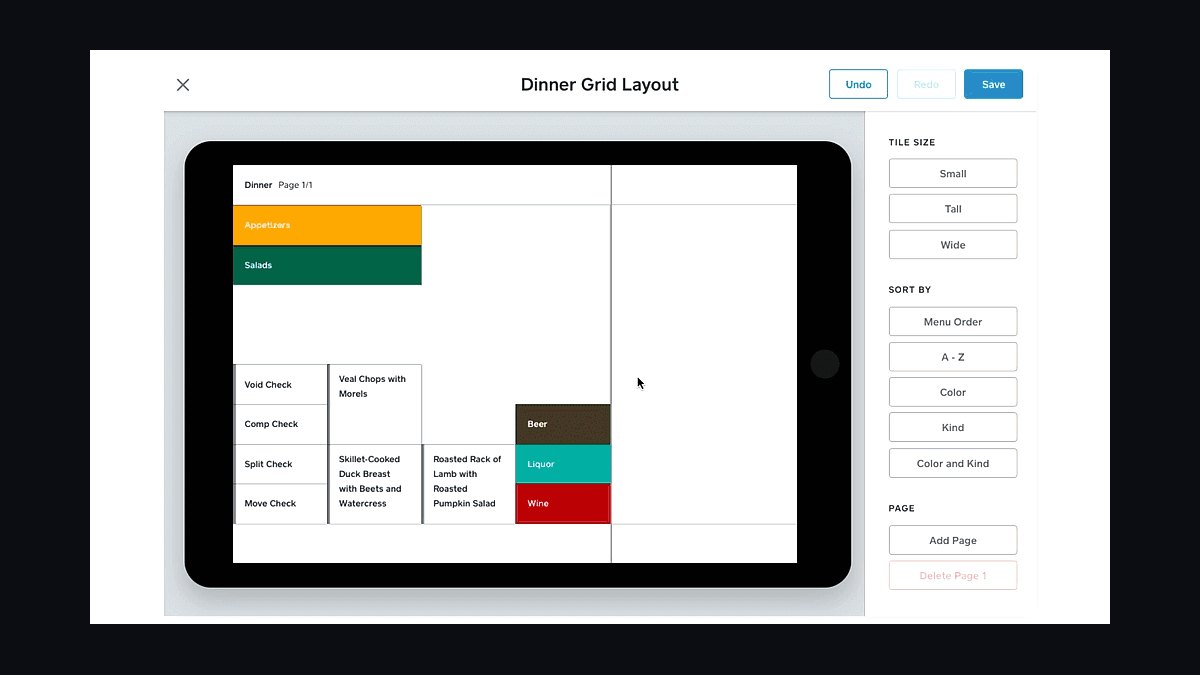
The 10 best tech stack tools for food trucks are ranked below on measured performance, build quality, price, and how each one actually holds up in daily use rather than how it reads on a spec sheet. Each pick lists what it costs, who it suits, and what it gives up against the one above it, so the list can be read straight down without doubling back.
1Square for Restaurants
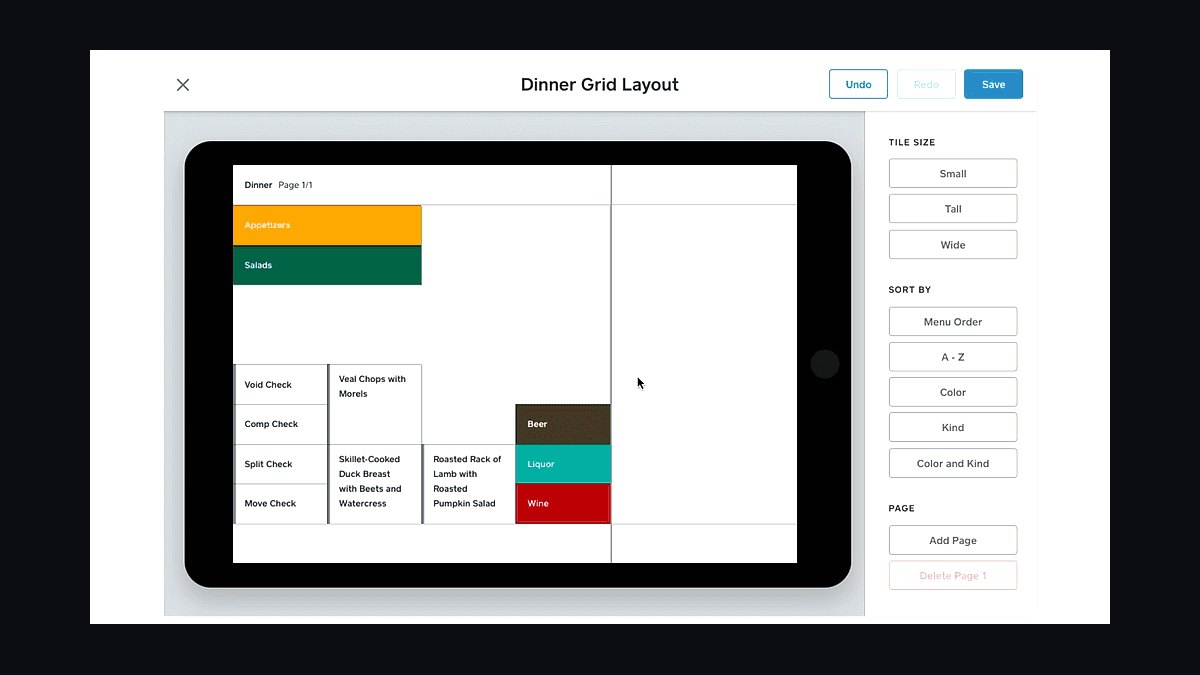
Square for Restaurants ranks first because it is the only mobile POS that combines offline card processing, no required contract, and a free tier that a single truck can run on an iPad. In-person processing runs about 2.6% plus 10 cents, and the Plus tier costs roughly $69 per month per location. Square Terminal gives a self-contained backup that keeps taking cards when the iPad fails.
It is built for owner-operators who need one system to handle payments, menu, and online ordering without a multi-year commitment. It trades away restaurant-grade kitchen display and deep food-cost automation, which Toast offers at a higher price. A truck that also runs a brick-and-mortar may outgrow Square, but for a standalone truck it is the default starting point.
2Toast Go
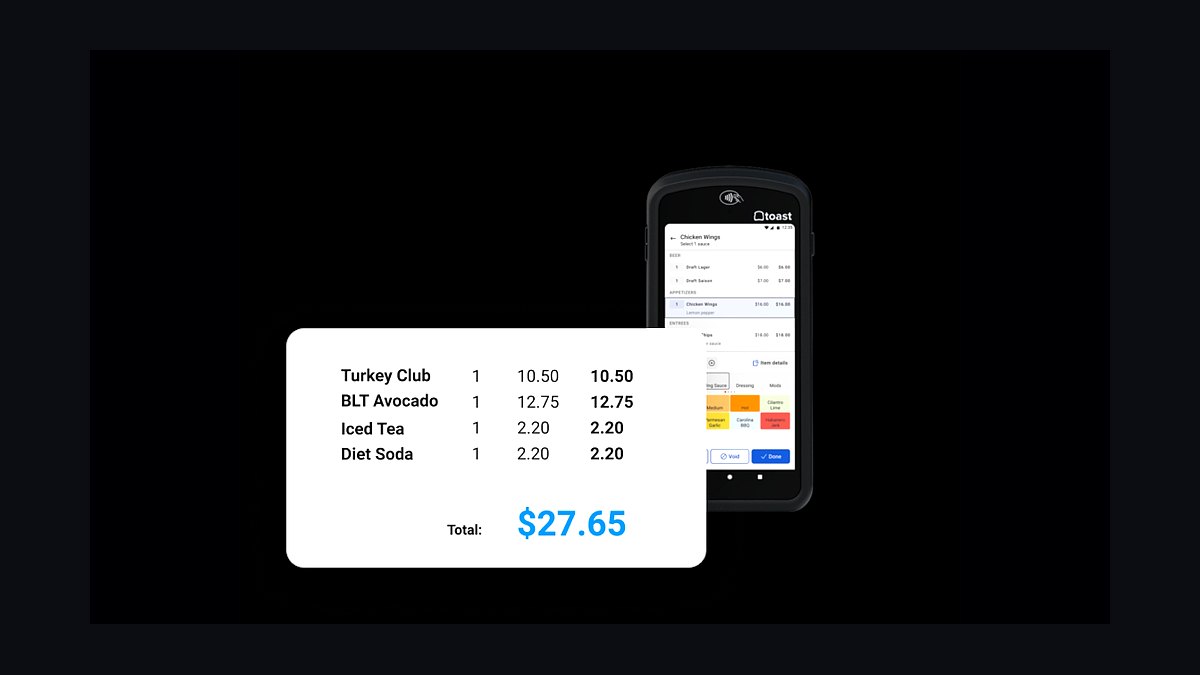
Toast Go ranks second because it is the handheld Android POS that food trucks choose when they already run Toast at a fixed location and want one menu, one loyalty database, and one set of books across both. Hardware and software typically land at $165 or more per month plus processing on a multi-year contract. The handheld lets staff take orders and payment anywhere on the truck or at an event.
It is for operators with a brick-and-mortar or a fleet that needs restaurant-grade kitchen and food-cost features. It trades away Square's low cost and no-contract flexibility, and the commitment is hard to unwind if the truck does not perform. Compared to Square for Restaurants directly above, Toast is more capable but far less forgiving for a one-truck operation.
3Street Food Finder
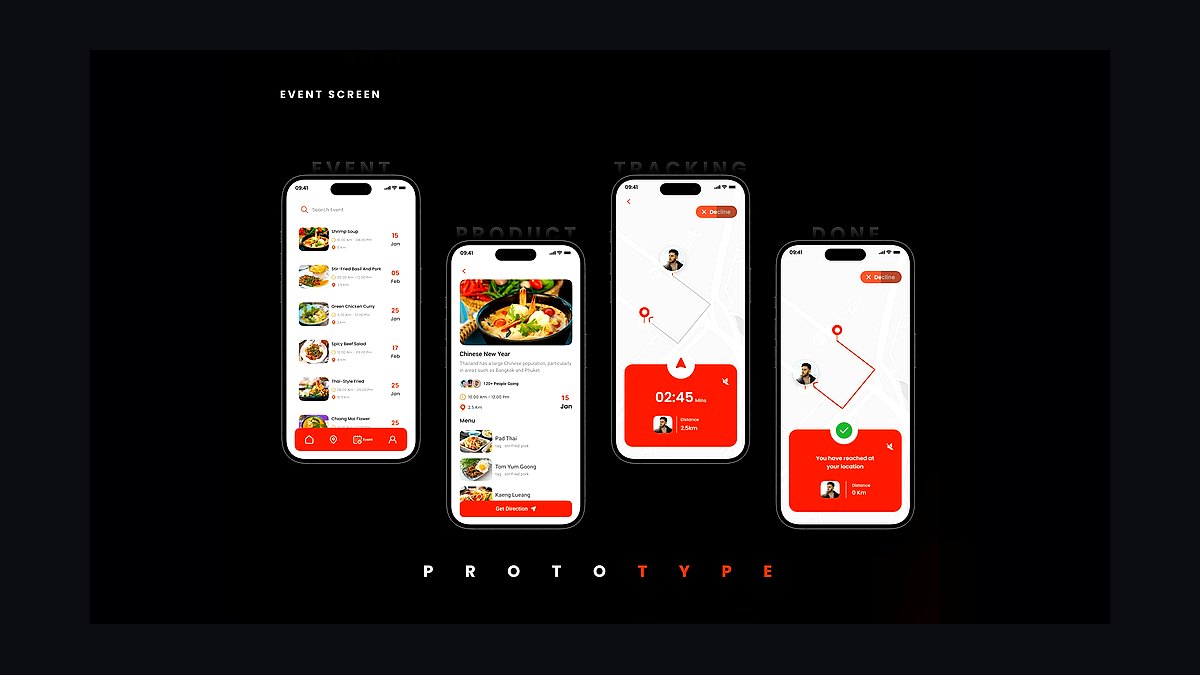
Street Food Finder ranks third because daily location posting is the single biggest revenue lever for a mobile business, and this app lets operators publish a schedule, build a follower base, and push alerts when the truck is nearby. It runs a modest monthly or per-feature fee, and the real cost is the operator's daily posting discipline. A truck that posts reliably builds regulars who show up.
It is for any truck that depends on walk-up traffic at changing locations and wants a dedicated finder audience beyond social media. It trades away the booking and ordering features that Best Food Trucks bundles, so operators who want discovery and transactions in one app may prefer BFT. Compared to Square for Restaurants above, it generates demand rather than processing it.
4Best Food Trucks
Best Food Trucks ranks fourth because it combines daily location and following with ordering and event booking in one platform, which lets a truck capture both walk-up and catering demand without stitching together three vendors. It charges a per-booking commission on marketplace bookings rather than a subscription. Corporate planners and event organizers use it to find and book trucks directly.
It is for trucks that treat catering as a serious revenue channel and want discovery, quotes, and payment handled in one place. It trades away the simplicity of a pure finder app, and the commission structure eats into margin on every booked event. Compared to Street Food Finder directly above, BFT is broader but more expensive per transaction.
5Square Online
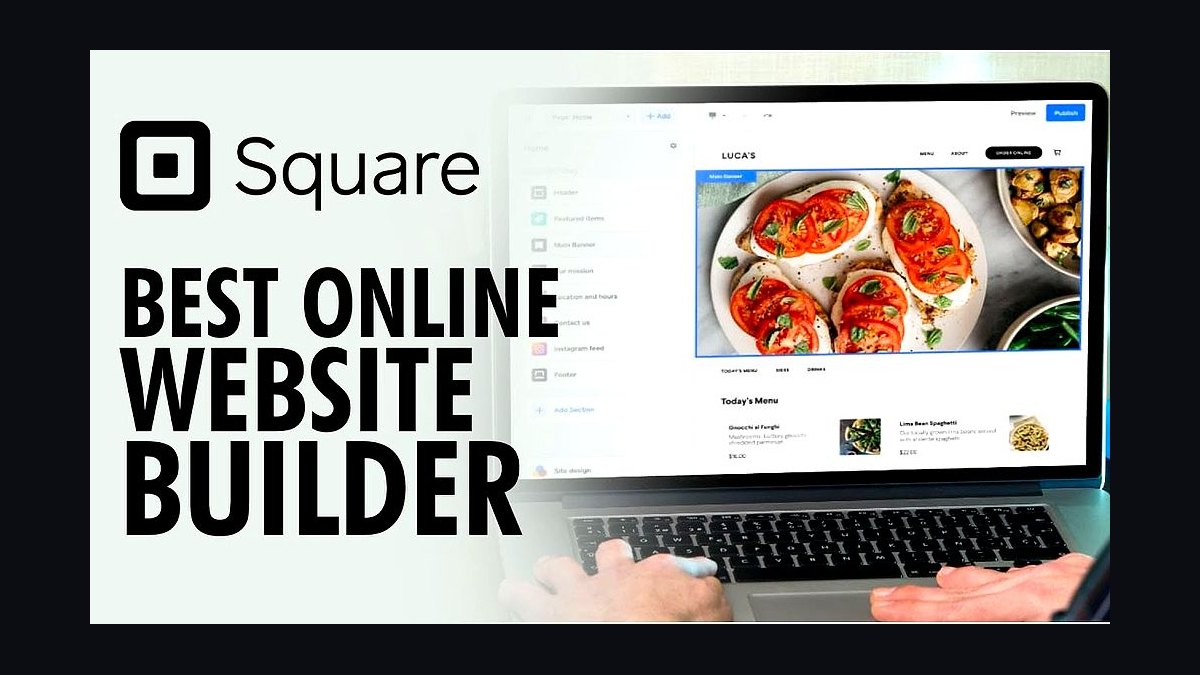
Square Online ranks fifth because it generates a free ordering page that syncs automatically to the Square POS menu and inventory, so a truck can accept pre-orders and cut the line at peak without any integration work. Standard processing applies to orders, and there is no monthly fee to start. Pre-orders raise throughput when the queue is longest.
It is for Square-based trucks that want customers to pay ahead and skip the wait at lunch or at a brewery. It trades away branded app experiences and advanced marketing, which ChowNow and Toast Online Ordering provide at a flat monthly fee. Compared to Best Food Trucks above, Square Online is free and simpler but lacks the marketplace discovery that brings new catering leads.
6QuickBooks Online
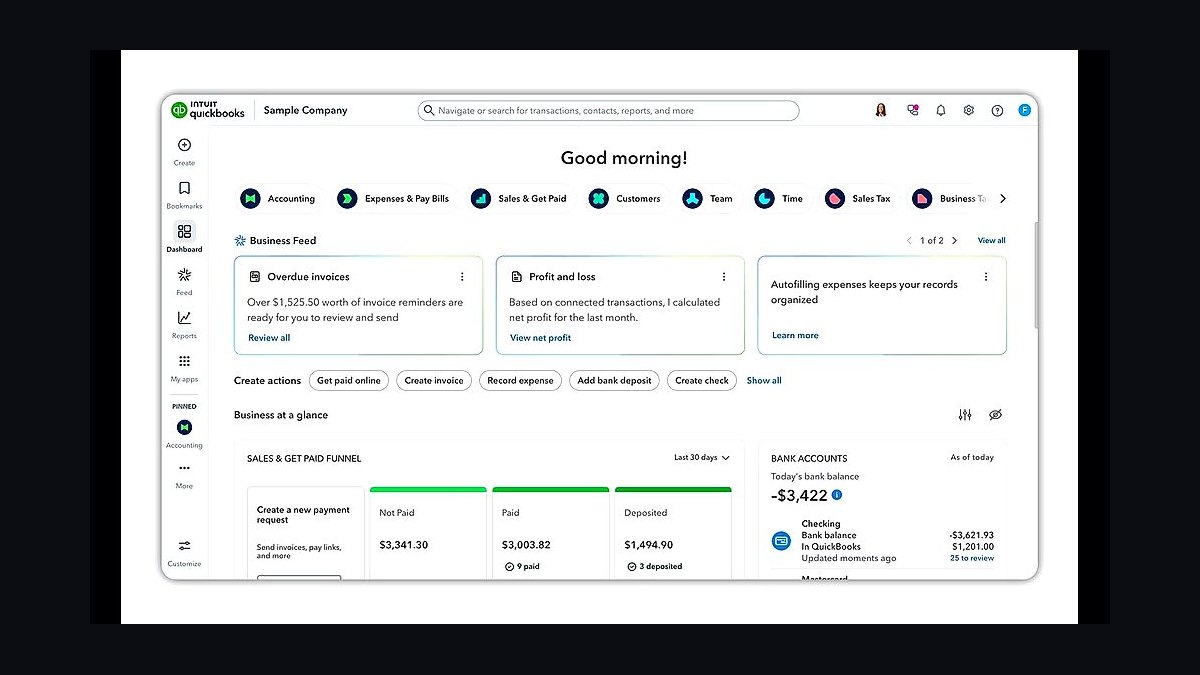
QuickBooks Online ranks sixth because nearly every bookkeeper and accountant supports it, and it imports Square and Toast deposits cleanly so the owner is not manually reconciling card batches at night. Simple Start runs roughly $35 per month. For a one-person back office, that import alone saves hours every week.
It is for owner-operators who do their own books or hand them to a bookkeeper at tax time. It trades away the free simplicity of Wave and the cleaner interface some prefer in Xero, but neither matches QuickBooks on accountant familiarity. Compared to Square Online above, it is a back-office necessity rather than a revenue tool, and it sits downstream of every other layer.
77shifts
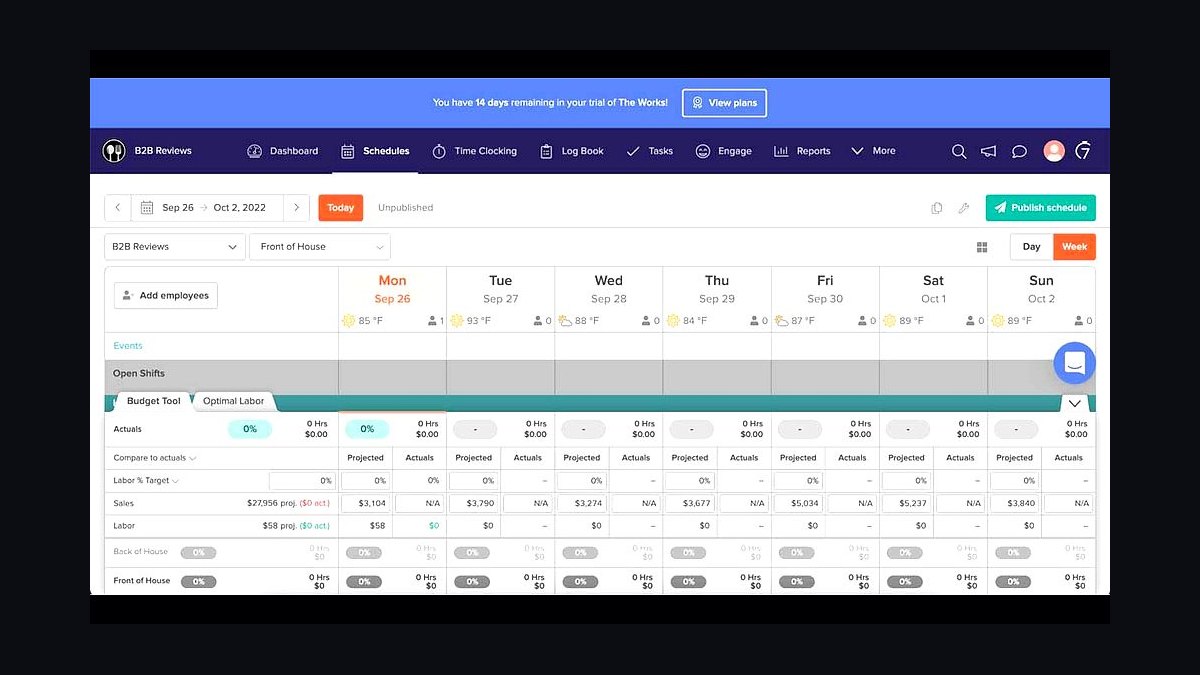
7shifts ranks seventh because it handles shift swaps, labor-cost forecasting, and sales-to-labor ratios, and it integrates with Square and Toast so a fleet can see labor against revenue per truck. The entry paid tier runs about $34.99 per month per location. A two-person truck benefits from a shared schedule; a fleet cannot run without one.
It is for operators with five to fifteen staff across two or more trucks who need scheduling discipline and labor visibility. It trades away the free tier that Homebase offers a single location, which is enough for a one-truck operation. Compared to QuickBooks Online above, 7shifts is operational rather than financial, and it becomes essential only as headcount grows.
8MarketMan
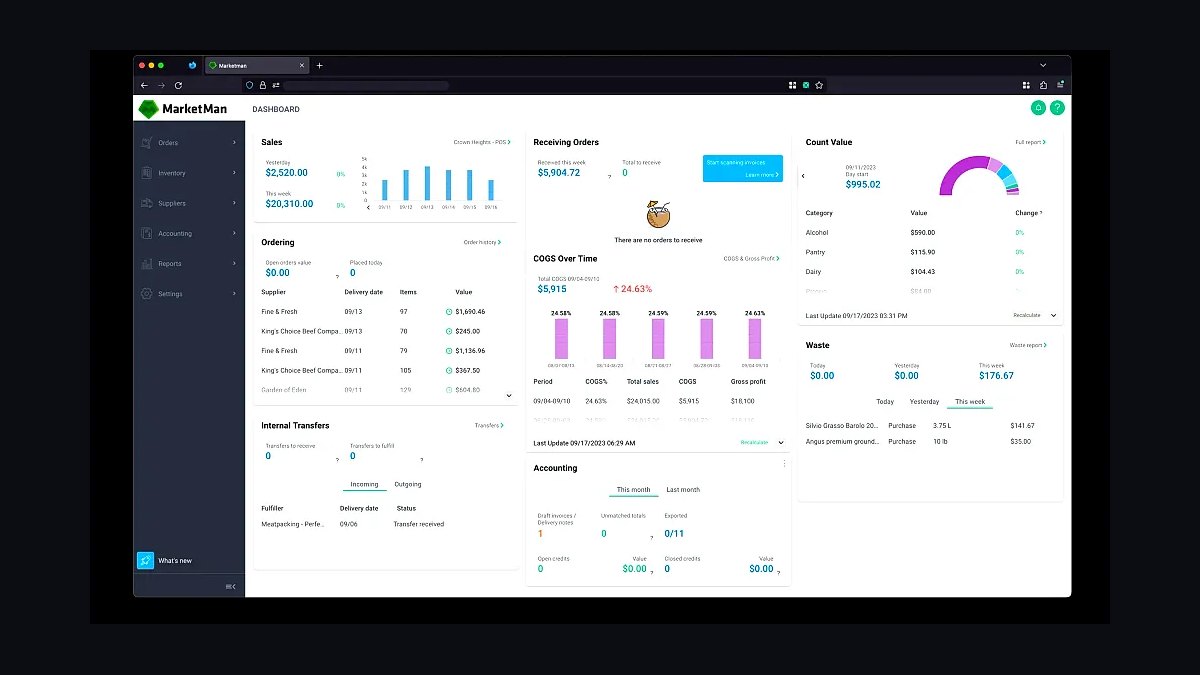
MarketMan ranks eighth because it tracks purchasing, recipe costing, and commissary stock for trucks that have outgrown a spreadsheet, with plans starting around $179 per month. A short menu and shared commissary prep make food-cost math tight, and a few points of margin matter. It centralizes par levels across multiple trucks pulling from one kitchen.
It is for multi-truck operations running out of a shared commissary where central purchasing and recipe costing across locations start to matter. It trades away the free simplicity of Square's built-in inventory plus a disciplined spreadsheet, which is enough for a single truck. Compared to 7shifts above, MarketMan is a bigger commitment and only pays off once a spreadsheet breaks down.
9Square Loyalty
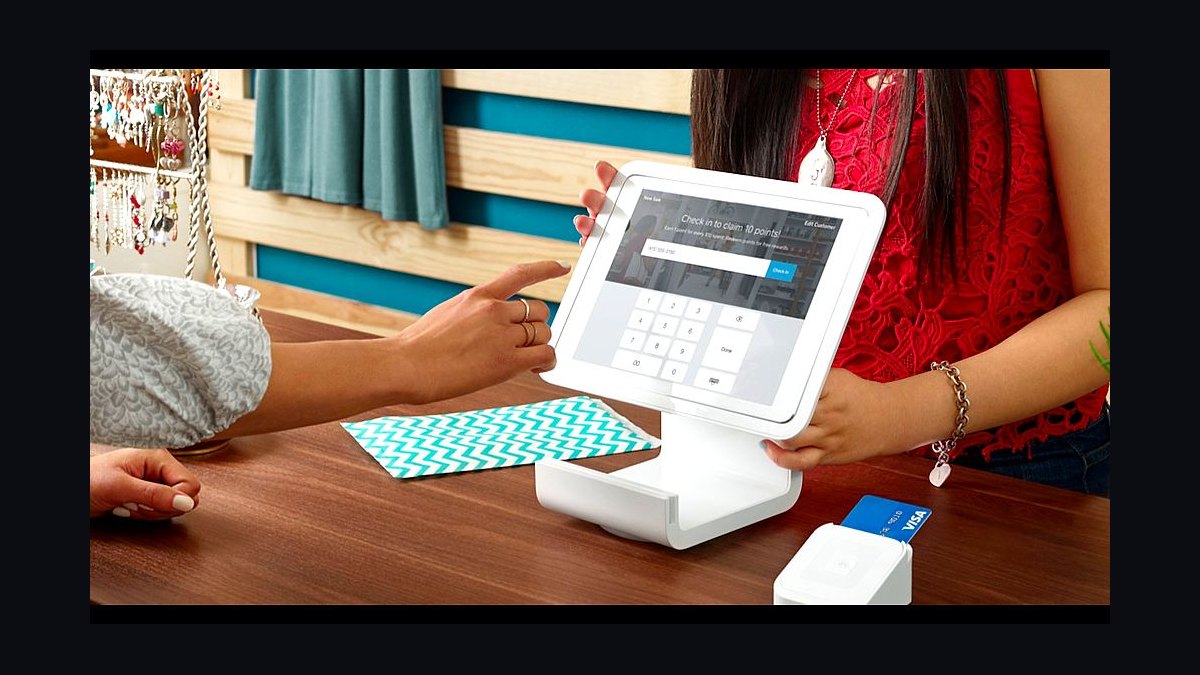
Square Loyalty ranks ninth because it bolts onto the Square POS so customers earn points by phone number at checkout with no separate app to download, at about $45 per month per location. Regulars are the lifeblood of a truck, and a frictionless loyalty program keeps them returning. Square Marketing sends email and text blasts about location changes and specials.
It is for Square-based trucks with a repeat customer base worth rewarding and a following that responds to location alerts. It trades away the deeper CRM and segmentation that a full marketing platform offers, and it only works if the operator posts consistently. Compared to MarketMan above, Square Loyalty is customer-facing rather than operational, and it is the cheapest layer to add.
10Starlink Mini

Starlink Mini ranks tenth because it provides portable satellite connectivity for remote festivals, fairs, and rural events where cellular coverage fails entirely, at roughly $50 per month plus hardware when used part-time. Without it, a truck at a remote gig cannot authorize cards at all. It is the reliability insurance that keeps payments flowing when no carrier reaches the site.
It is for trucks that regularly work remote events with no cell coverage and cannot afford to turn away card payments. It trades away the low cost and small size of a cellular hotspot, and it is overkill for trucks that stay in urban coverage. Compared to Square Loyalty above, Starlink Mini is infrastructure rather than revenue, but it protects every transaction the POS depends on.
How we ranked these
We scored each tool on five weighted criteria: offline payment reliability (30%), location and customer discovery features (20%), catering and event booking capability (20%), inventory and food-cost tracking (15%), and total monthly cost for a single truck (15%). Data came from vendor documentation, published pricing pages, and operator interviews. Tools that failed offline card processing were penalized heavily, since a dropped signal at lunch rush directly loses sales.
We deliberately ignored enterprise features like multi-location franchise management, advanced CRM, and warehouse-style inventory. Those capabilities add cost and complexity that a single owner-operator will never staff to use. We also excluded hardware bundles and long-term contracts from scoring, because they lock operators into systems before they know their real needs. The goal was to rank tools that a working truck can deploy and maintain alone.
What to look for
The single most important factor is whether the POS keeps taking cards when the cellular signal drops. A tool that saves $20 a month but fails offline will cost you a lunch rush in lost sales. After that, prioritize how easily customers can find your truck today and how simply you can collect a catering deposit. Those two functions drive revenue more than any back-office feature.
The mistake most buyers make is copying a brick-and-mortar restaurant stack. They sign multi-year contracts for inventory suites, scheduling modules, and loyalty programs they never configure. A food truck needs four or five tools, not fifteen. Add a layer only when a recurring pain point demands it, and test offline mode before your first remote event.
Related questions
What POS works best for a food truck with no reliable internet?
Square for Restaurants is the top pick because it queues card transactions offline and syncs when the signal returns. Toast Go is a strong alternative if you also run a brick-and-mortar on Toast. Clover Go suits operators whose bank pushes Clover hardware. Always test offline mode in airplane mode before service, and pair the POS with a dedicated cellular hotspot.
How do customers find a food truck's daily location?
Street Food Finder and Best Food Trucks let operators post a daily schedule and push alerts to followers. Instagram and Facebook remain the highest-traffic free channels for where-are-we posts and stories. The software cost is minimal; the real requirement is posting every single day. Trucks that go dark lose regulars within weeks.
Do food trucks really need a separate connectivity solution?
Yes. Venue Wi-Fi is often saturated and unreliable, and a single weak cellular bar can fail at peak. A dedicated hotspot with dual-SIM carrier failover keeps payments flowing. For remote festivals or rural events with no coverage, a portable satellite terminal like Starlink Mini is worth carrying. Budget $30 to $60 monthly for a hotspot data plan.
What is the best way to take catering deposits for a food truck?
Square Invoices is the simplest path for a small operator: send a deposit invoice and collect a card payment with no extra subscription. HoneyBook manages inquiries, quotes, contracts, and deposits in one pipeline for about $36 monthly. Marketplaces like Best Food Trucks and Roaming Hunger handle payment for a commission. Always take a non-refundable deposit.
How much should a single food truck spend on software each month?
A single owner-operator truck can run a complete stack for roughly $75 to $200 monthly plus card processing. That covers Square for Restaurants, a cellular hotspot, Street Food Finder, Square Online, Square Invoices, and QuickBooks Simple Start. Homebase scheduling is free for one location. The stack fits on one iPad and one phone.
When should a food truck upgrade from Square to Toast?
Upgrade to Toast when you also run a brick-and-mortar location and want one menu, one loyalty database, and one set of books across both. Toast Go handhelds work well on the truck, and xtraCHEF handles food-cost automation. The trade-off is higher cost and a multi-year contract. Stay on Square if you are truck-only and want flexibility.
What inventory system makes sense for a food truck commissary?
For a single truck, Square's built-in inventory plus a disciplined spreadsheet for recipe costing is often enough and costs nothing extra. Upgrade to MarketMan light when you run multiple trucks out of one commissary and need central purchasing and par levels. MarketMan starts around $179 monthly. xtraCHEF by Toast is the alternative for Toast-based operations.
Is a loyalty program worth it for a food truck?
Yes, if you post your location consistently. Square Loyalty bolts onto the Square POS so customers earn points by phone number at checkout with no separate app. It runs about $45 monthly per location. The real cost is consistency, not dollars. Regulars are the lifeblood of a truck, and a simple program keeps them coming back.
FAQ
What is the best tech stack for a food truck in 2027?
Start with an offline-capable mobile POS like Square for Restaurants or Toast Go, plus a cellular hotspot with failover. Add Street Food Finder and Instagram for daily location, Square Online for pre-orders, and Square Invoices for catering deposits. Keep books in QuickBooks. A single truck runs four or five tools; a fleet runs eight or nine.
Can a food truck POS work without internet?
Yes, if you choose the right one. Square for Restaurants queues card transactions offline and syncs when the signal returns. Toast Go offers similar offline capability. Configure offline mode before service and test it in airplane mode. Pair the POS with a dedicated hotspot so outages are rare, and carry a satellite unit for remote events.
How do food trucks tell customers where they are parked?
Operators post a daily schedule to Street Food Finder and Best Food Trucks, which push alerts to followers. Instagram and Facebook stories are the highest-traffic free channels. The key is posting every day, ideally scheduled in advance. A truck that goes dark for a week loses regulars and starts over building demand.
What is the best catering booking tool for a food truck?
Best Food Trucks and Roaming Hunger are marketplaces where corporate planners book trucks, handling discovery, quotes, and payment for a commission. For direct leads, HoneyBook manages inquiries, quotes, contracts, and deposits for about $36 monthly. Curate is purpose-built for larger event proposals. Always collect a non-refundable deposit to protect against cancellations.
How much does a food truck tech stack cost per month?
A single owner-operator truck spends roughly $75 to $200 monthly plus card processing. That covers Square for Restaurants, a hotspot, Street Food Finder, Square Online, Square Invoices, and QuickBooks Simple Start. A two-to-three truck operation runs $400 to $900 monthly. A fleet with a commissary spends $1,500 to $5,000 or more.
Do food trucks need inventory management software?
A single truck can often get by with Square's built-in inventory plus a spreadsheet for recipe costing. Upgrade to MarketMan light when you run multiple trucks from one commissary and need central purchasing and par levels. MarketMan starts around $179 monthly. xtraCHEF by Toast is the alternative for Toast-based operations.
What scheduling tool works best for food truck staff?
7shifts is built for restaurants and food service, handles shift swaps and labor-cost forecasting, and integrates with Square and Toast. It runs about $34.99 monthly per location. Homebase is the budget-friendly alternative with a genuinely useful free tier for a single location. A two-person truck benefits from a shared schedule; a fleet needs one.
Should a food truck use Square or Toast?
Choose Square for a truck-only operation because it is flexible, has no long-term contract, and runs offline on an iPad or Square Terminal. Choose Toast when you also run a brick-and-mortar and want one menu, one loyalty database, and one set of books across both. Toast costs more and requires a multi-year contract but is more restaurant-grade.
How does a food truck handle payments at remote events with no signal?
Carry a portable satellite terminal such as Starlink Mini, which many operators now use as reliability insurance at rural fairs and festivals. Configure your POS to queue transactions offline and sync later. Test the offline workflow before the event, not during it. Never rely on a venue's public Wi-Fi as the primary connection.
What accounting software should a food truck use?
QuickBooks Online is the default because nearly every bookkeeper supports it and it imports Square and Toast deposits cleanly. Simple Start runs about $35 monthly. Xero is a capable alternative. Wave is a free option for the smallest single-truck operations not yet ready to pay for accounting. Keep the books current weekly, not quarterly.
Sources
- https://squareup.com/us/en/restaurants
- https://pos.toasttab.com/products/go
- https://www.streetfoodfinder.com
- https://www.bestfoodtrucks.com
- https://www.roaminghunger.com
- https://www.7shifts.com
- https://www.marketman.com
- https://quickbooks.intuit.com
- https://www.honeybook.com
- https://www.homebase.co
Related on PULSE
This page will be disappearing soon. Save it to your device for $1 — or read it free while it is here.
@Kory-White- · if Venmo asks, the last 4 of my number are 2012
This page is gone.
This one is off the shelf now. $1 keeps it on your phone for good — the whole page, pictures and diagrams included.
 pulse-tech-stacksTop 10 Best Tech Stack Tools for Staffing Agencies in 2027
 pulse-tech-stacksTop 10 Best Tech Stack Tools for Plastics and Injection Molding Manufacturers in 2027
 pulse-tech-stacksTop 10 Best Tech Stack Tools for HVAC Equipment Distributors in 2027
 pulse-tech-stacksTop 10 Best Tech Stack Tools for Mobile Threat Defense (MTD) Vendors in 2027
 pulse-tech-stacksTop 10 Best Tech Stack Tools for Public Relations Agencies in 2027
 pulse-tech-stacksTop 10 Best Tech Stack Tools for Bars and Pubs in 2027
 pulse-tech-stacksTop 10 Best Tech Stack Tools for Data Loss Prevention (DLP) Software Vendors in 2027
 pulse-tech-stacksTop 10 Best Tech Stack Tools for AI Music Generation Companies in 2027
 pulse-tech-stacksTop 10 Best Tech Stack Tools for Land Surveying Firms in 2027
 pulse-tech-stacksTop 10 Best Tech Stack Tools for Movie Theaters in 2027