


Top 10 Best Tech Stack Tools for Casino and Gaming Operators in 2027
Quality
Certified

The 10 best tech stack tools for casino and gaming operators are ranked below on measured performance, build quality, price, and how each one actually holds up in daily use rather than how it reads on a spec sheet. Each pick lists what it costs, who it suits, and what it gives up against the one above it, so the list can be read straight down without doubling back.
1IGT Advantage Casino Management System

IGT Advantage ranks first because it carries the largest install base and deepest slot-accounting history in gaming, making it the safe default for regional and tribal properties. Licensing runs $150,000 to over $1 million plus per-machine fees that scale with floor size. It speaks SAS and G2S natively and drives theo, tier, and comp calculation off one carded player record.
It suits operators running 500 to 2,500 EGMs who want proven floor accounting over marketing flash, and who accept real vendor gravity once the card database is built on it. Konami SYNKROS, ranked second, trades some install-base safety for stronger bonusing and marketing-automation depth, so the choice usually follows marketing philosophy rather than raw feature comparison.
2Konami SYNKROS Casino Management System

Konami SYNKROS ranks second as the common alternate CMS, generally competitive with IGT Advantage in the same licensing band while offering deeper marketing automation and bonusing tools. It is frequently favored by tribal and mid-size operators running local-market reinvestment models where campaign depth matters more than raw install-base size. It ships integrated player tracking, theo calculation, and floor accounting in one suite.
It is built for operators who want campaign and bonus flexibility out of the box, and it trades away some of the broad vendor ecosystem and slot-accounting heritage that IGT Advantage, ranked first, provides. Operators already standardized on Konami floor hardware often find the protocol coupling simpler than mixing vendors.
3Light & Wonder CMP/ACSC

Light & Wonder's CMP and ACSC rank third because they target very large floors where enterprise-scale slot accounting and player tracking outgrow mid-market CMS deployments. The suite handles high EGM counts, complex floor configuration, and reporting depth that smaller systems strain under. It couples tightly to Light & Wonder floor hardware and protocols.
It fits large integrated resorts rather than regional properties, and it trades away the lower licensing entry point and simpler implementation that Konami SYNKROS, ranked second, offers mid-size operators. A 1,000-machine floor rarely needs this scale; a 3,000-plus floor often does.
4Everi CashClub Cashless Platform

Everi CashClub ranks fourth because it dominates cage, kiosk, and increasingly cashless wagering infrastructure, priced through revenue-share or per-transaction fees rather than flat licensing. Redemption kiosks typically run $8,000 to $15,000 per unit, and CashClub handles TITO voucher reconciliation alongside regulated digital wallets. It reduces cage traffic and speeds time-on-device.
It is aimed at operators moving beyond physical TITO vouchers toward funded wagering accounts, and it trades away the simplicity of pure voucher reconciliation for added AML and electronic-funds obligations. Compared with Tangam, ranked fifth, CashClub is floor-wide infrastructure rather than a table-yield optimization layer.
5Tangam Table Games Optimization

Tangam ranks fifth because it is sold as SaaS at roughly $30,000 to $150,000 per year depending on floor size and pays for itself through better min-bet and staffing decisions once table volume justifies it. It models table yield, side-bet mix, and dealer coverage to recommend bet minimums and open-table schedules. It is the standard table-games optimization tool in gaming.
It suits properties with enough table count to make yield modeling worthwhile, and it trades away relevance at small card rooms where two pits do not justify the subscription. Compared with Everi CashClub, ranked fourth, Tangam optimizes table revenue rather than cash movement and cage operations.
6NICE Actimize AML Compliance
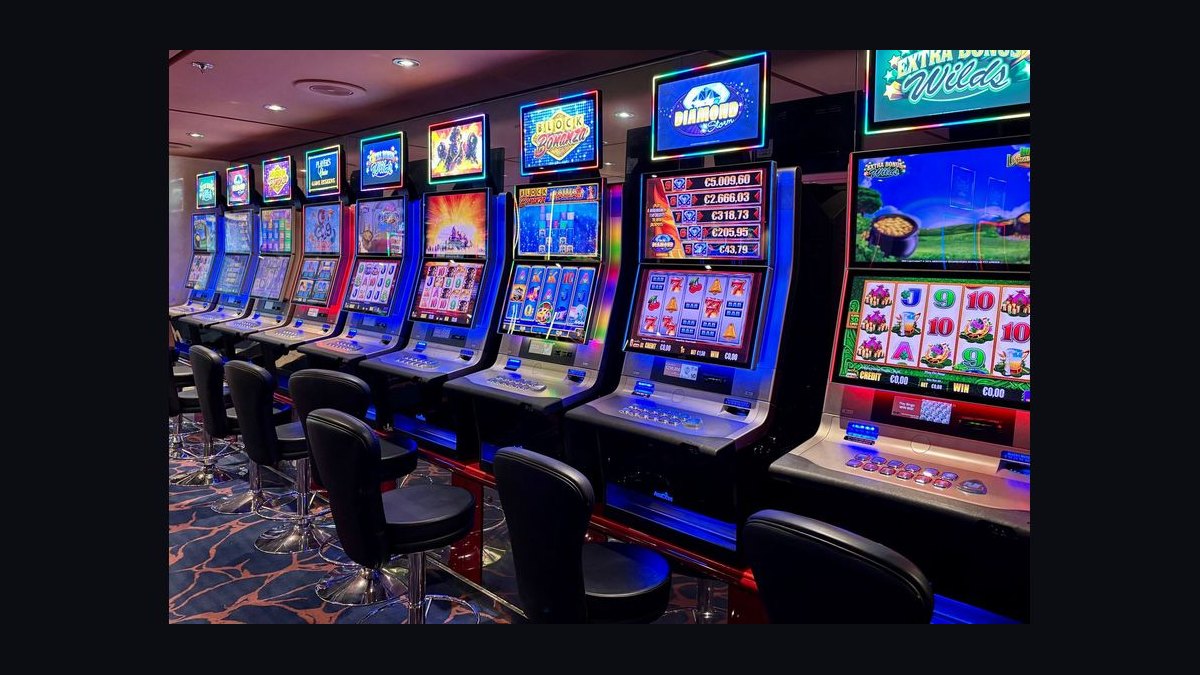
NICE Actimize ranks sixth because Title 31 compliance automation is baseline survival under the Bank Secrecy Act, typically costing $20,000 to $100,000 per year against the far larger cost of a regulatory finding. It generates Currency Transaction Reports above $10,000, aggregates Multiple Transaction Logs by patron and day, and files Suspicious Activity Reports. Casinos are treated as financial institutions.
It is for operators who refuse to run CTR and SAR-C generation on spreadsheets, and it trades away some flexibility for audit-ready defensibility. Compared with Verint, ranked seventh, Actimize covers financial-crime reporting while Verint covers surveillance and case management.
7Verint Surveillance and Case Management
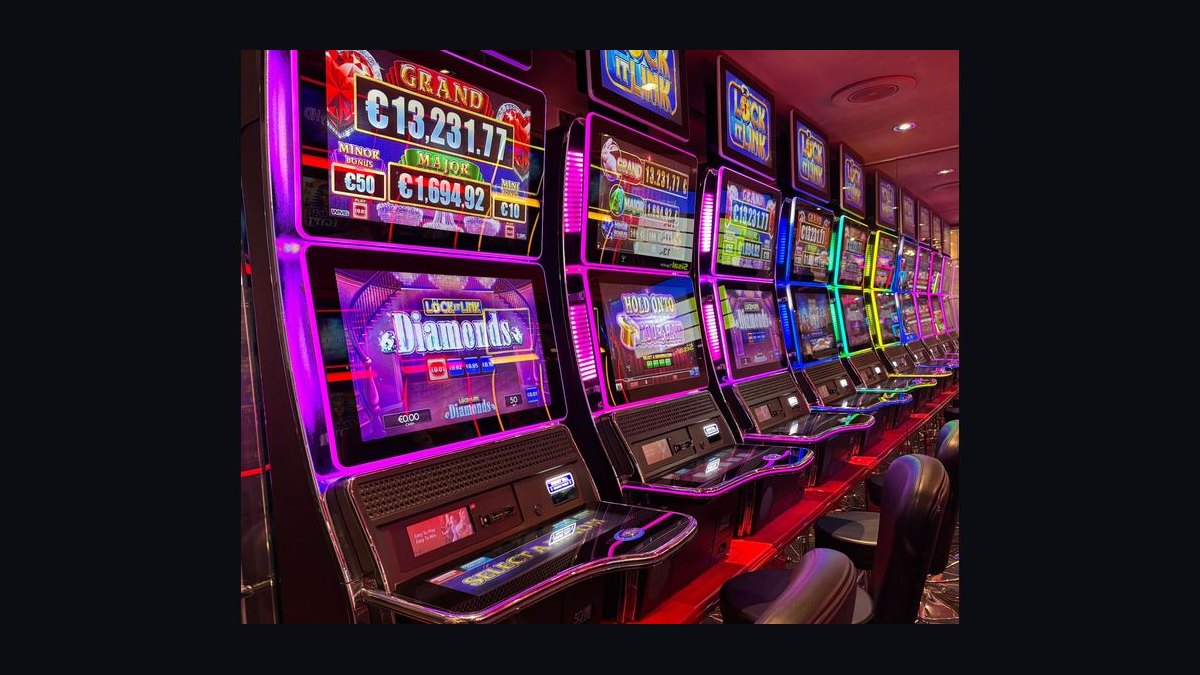
Verint ranks seventh because surveillance is the most variable cost in the stack, ranging from $100,000 to well over $1 million depending on camera count and the retention window the gaming commission requires. It handles camera coverage, incident case management, and evidence retention tied to commission-mandated minimums. Tribal operators answer to the NIGC and their own commission.
It fits properties large enough to need structured case workflows rather than standalone DVR review, and it trades away low cost for compliance-grade retention and reporting. Compared with NICE Actimize, ranked sixth, Verint addresses the eye rather than financial-crime filing, and both are typically funded before marketing automation.
8Kambi Sportsbook Platform
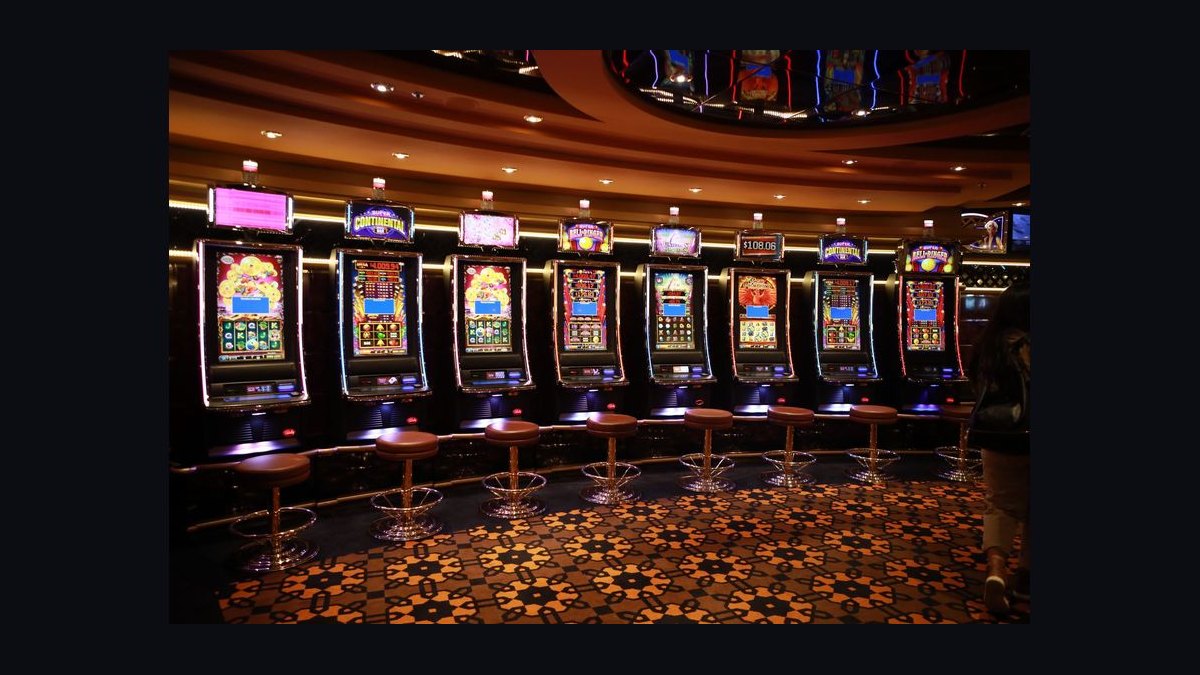
Kambi ranks eighth because it brings trading, risk management, and player-account infrastructure that would take years to build internally, letting operators launch retail or online sportsbook without owning the book. It is a B2B platform, so the operator's critical requirement is a shared wallet and shared loyalty identity with the floor system. Without that, app bettors and floor players look like two customers.
It suits operators entering sportsbook who want outsourced trading, and it trades away control over pricing and risk to the platform. Compared with OpenBet, ranked ninth, Kambi is a common direct choice while OpenBet often appears in larger integrated-resort deployments.
9OpenBet Sportsbook Platform

OpenBet ranks ninth as a B2B sportsbook and iGaming platform frequently deployed at large integrated resorts alongside a shared-wallet requirement. Like Kambi, it supplies trading, risk management, and player-account infrastructure the operator does not build in-house. The shared-wallet mandate has to be non-negotiable before the platform contract is signed, not retrofitted afterward. Integration timelines often run six to twelve months.
It fits large-resort operators with the bandwidth for long implementations, and it trades away speed-to-launch for enterprise scale and configurability. Compared with Kambi, ranked eighth, OpenBet skews toward bigger properties with existing enterprise data warehousing.
10Agilysys Hospitality PMS

Agilysys ranks tenth because it is purpose-built for gaming and hospitality rather than adapted from general hotel software, making it the natural PMS choice when a hotel attaches to the casino floor. It feeds hotel, food-and-beverage, and event spend back into the same player record so comps reflect total worth rather than gaming-only worth. That integration is what makes it stack-relevant.
It is for integrated resorts where the hotel is material to player value, and it trades away standalone simplicity for tighter casino-system coupling. Compared with Kambi, ranked ninth, Agilysys addresses resort operations rather than wagering, and both depend on preserving one player identity across systems.
How we ranked these
We ranked tools by weight on five factors: player-record integrity, slot-floor protocol fit (SAS/G2S, TITO), Title 31/AML compliance depth, cashless and cage capability, and shared-wallet readiness for sportsbook and iGaming. CMS and player tracking carried the heaviest weight because every downstream comp, theo, and reinvestment decision depends on that record being accurate.
We deliberately ignored vendor marketing claims, feature-count checklists, and awards. We also excluded pricing tiers that only apply at 3,000-plus EGM resorts, since those distort guidance for small and mid-size floors. Integration promises without a contractual shared-wallet clause were discounted, because retrofitting identity across siloed systems is the most expensive failure mode we see.
What to look for
Match the CMS to your existing floor vendor first, because SAS/G2S and card databases are protocol-locked and switching later costs far more than the license delta. Then weigh marketing philosophy: IGT Advantage suits broad, deep default deployments, while Konami SYNKROS often wins where bonusing and reinvestment automation matter more. Only after that should you compare sportsbook or cashless modules.
The mistake most buyers make is signing a sportsbook or iGaming platform contract before the on-property player record is clean and before a shared-wallet requirement is written into the deal. That fractures identity across channels, so a guest who bets on the app and plays slots looks like two customers. Fund AML tooling and card-merge discipline before marketing automation, not after.
Related questions
What is the difference between a CMS and a player-tracking system?
They are typically the same product suite. The casino management system handles slot accounting, floor configuration, and reporting, while player tracking is the module within it that calculates theo, tier status, and comp eligibility per carded guest. IGT Advantage and Konami SYNKROS both ship these as one integrated platform, not separate purchases.
Do casinos need a separate data warehouse from their CMS?
Only at larger scale. A CMS stores operational and player data natively, but resorts running sportsbook, hotel, and multiple gaming floors typically need a dedicated warehouse to unify reporting across systems. Small and mid-size operators usually get sufficient reporting from the CMS's built-in modules plus a BI tool like Power BI.
How does cashless wagering change the cage and compliance picture?
Cashless wallets, such as Sightline Play+ or Koin, let players fund machine play from a regulated account instead of physical cash, which reduces cage traffic and speeds up time-on-device. It also adds new AML and reconciliation requirements, since funds now move electronically rather than through TITO vouchers alone.
Can a general CRM replace a casino management system?
No. A general CRM has no concept of theo, slot accounting, or SAS/G2S protocols, and it cannot drive comp redemption at the cage or kiosk. The CMS is purpose-built gaming infrastructure that a horizontal CRM platform does not replicate, no matter how configurable its marketing modules appear in a demo.
What happens if sportsbook and floor loyalty programs aren't integrated?
A guest who bets online and plays on the floor is treated as two separate customers, which fractures theo and reinvestment calculations and undermines comp accuracy. This is why a shared wallet and shared loyalty identity is treated as a non-negotiable requirement before signing a sportsbook platform contract.
How long does a casino management system implementation typically take?
A small-property CMS refresh can go live in a few months. A regional casino with tables, hotel, and sportsbook integration often runs six to twelve months once shared-wallet requirements and regulatory sign-off are factored in. Large integrated resorts take longest because PMS, surveillance, and warehouse integration all need commission review before cutover.
Is Tangam worth the cost for a mid-size table pit?
Tangam is sold as SaaS, roughly $30,000 to $150,000 per year depending on floor size, and pays for itself through better min-bet and staffing decisions once table volume justifies it. Below a handful of pits, the optimization gain rarely covers the subscription, so smaller operators should defer it until table count grows.
FAQ
Do I really need a casino management system, or can I run a general CRM?
You need a dedicated CMS. A general CRM has no concept of theo, tier reinvestment, slot accounting, or comp redemption, and it cannot speak SAS/G2S to your floor. The CMS plus the player-tracking card functions as the marketing engine of a casino, not an optional add-on layered on top of generic sales software.
IGT Advantage vs Konami SYNKROS vs Light & Wonder — how do I choose?
IGT Advantage is the broad default with the largest install base and the deepest slot-accounting heritage. Konami SYNKROS is frequently favored for marketing automation and bonusing depth, popular with tribal and mid-size operators. Light & Wonder's CMP/ACSC suits very large floors. Match the CMS to your existing floor vendor and marketing model rather than chasing a feature checklist in isolation.
What is TITO and why does cashless matter now?
Ticket-in/ticket-out replaced coins with bar-coded vouchers that kiosks and the cage redeem for cash. Cashless wagering, through wallets like Sightline Play+ or Everi's platform, lets players fund machine play directly from a regulated account, which lifts time-on-device and simplifies cage operations, though it adds new AML and reconciliation obligations for the operator.
How heavy is the Title 31/AML burden, and what does it cost?
Heavy enough to warrant dedicated tooling rather than manual processes. Casinos must file Currency Transaction Reports above $10,000, aggregate Multiple Transaction Logs across each day, and file Suspicious Activity Reports for unusual patterns. Compliance automation from vendors like Everi or Light & Wonder typically runs $20,000 to $100,000 per year, a small figure against the cost of a regulatory finding.
Should an operator build a sportsbook or iGaming platform in-house?
Most should not. B2B platforms like Kambi and OpenBet bring trading, risk management, and player-account infrastructure that take years to build internally. The requirement that matters more than build-versus-buy is that whichever platform you choose shares one wallet and one loyalty identity with the gaming floor from day one.
What does a casino tech stack actually cost per year?
A small casino under roughly 500 EGMs with no sportsbook typically spends $150,000 to $500,000 annually all-in. A regional or tribal property with 1,000 to 2,500 EGMs, tables, and a hotel lands between $1 million and $4 million. Large integrated resorts with 3,000-plus EGMs, sportsbook, and full PMS integration run $5 million to $25 million or more.
Which surveillance vendors should a casino shortlist?
NICE and Verint dominate the large-property surveillance market, with March Networks and Pelco common at mid-size and smaller floors. Cost ranges from $100,000 to well over $1 million depending on camera count and the retention window your gaming commission mandates. Surveillance must run as a legally separate system from the CMS, with its own case management.
How do tribal and commercial operators differ in stack requirements?
Tribal operators answer to the National Indian Gaming Commission and their own tribal gaming commission, while commercial operators answer to a state gaming board. Reporting formats, retention windows, and audit cadence differ, which affects which compliance modules you configure. The core CMS, floor, and cashless layers are largely the same, but regulatory configuration is not portable between jurisdictions.
When should a casino add a data warehouse or BI layer?
Once reporting needs span more than one system — floor, hotel PMS, sportsbook, and F&B — a CMS alone cannot unify the view. Mid-size operators often start with Power BI on top of CMS extracts. Full enterprise warehouses make sense at the resort scale, where finance, marketing, and compliance all query the same modeled player and revenue data.
What is the biggest mistake operators make when buying gaming technology?
Buying the flashy layer first. Operators chase sportsbook platforms or analytics dashboards while card data is still fragmented and AML reporting runs on spreadsheets. That sequence guarantees rework, because every downstream system inherits the broken player record. Clean the record, harden compliance, then layer marketing, sportsbook, and warehouse on top.
Sources
- https://www.igt.com/products-and-services/casino-management-systems
- https://www.konamigaming.com/synkros/
- https://www.everi.com/solutions/
- https://www.tangam.com/
- https://www.nice.com/
- https://www.verint.com/
- https://www.fincen.gov/resources/statutes-regulations/guidance/casino-recordkeeping-and-reporting-requirements
- https://www.nigc.gov/
- https://www.agilysys.com/en/
- https://www.kambi.com/
Related on PULSE
This page will be disappearing soon. Save it to your device for $1 — or read it free while it is here.
@Kory-White- · if Venmo asks, the last 4 of my number are 2012
This page is gone.
This one is off the shelf now. $1 keeps it on your phone for good — the whole page, pictures and diagrams included.
 pulse-tech-stacksTop 10 Best Tech Stack Tools for Plastics and Injection Molding Manufacturers in 2027
 pulse-tech-stacksTop 10 Best Tech Stack Tools for Tree Services in 2027
 pulse-tech-stacksTop 10 Best Tech Stack Tools for API Security Vendors in 2027
 pulse-tech-stacksTop 10 Best Tech Stack Tools for Bars and Pubs in 2027
 pulse-tech-stacksTop 10 Best Tech Stack Tools for RV Dealerships in 2027
 pulse-tech-stacksTop 10 Best Tech Stack Tools for Fine-Tuning Platform Companies in 2027
 pulse-tech-stacksTop 10 Best Tech Stack Tools for AI Document Intelligence Companies in 2027
 pulse-tech-stacksTop 10 Best Tech Stack Tools for Small Pest Control Companies in 2027
 pulse-tech-stacksTop 10 Best Tech Stack Tools for Window Cleaning Services in 2027
 pulse-tech-stacksTop 10 Best Tech Stack Tools for Septic and Portable Sanitation Services in 2027