


Top 10 Best Tech Stack Tools for Campgrounds and RV Parks in 2027
Quality
Certified
The 10 best tech stack tools for campgrounds and rv parks are ranked below on measured performance, build quality, price, and how each one actually holds up in daily use rather than how it reads on a spec sheet. Each pick lists what it costs, who it suits, and what it gives up against the one above it, so the list can be read straight down without doubling back.
1Campspot Campground Management
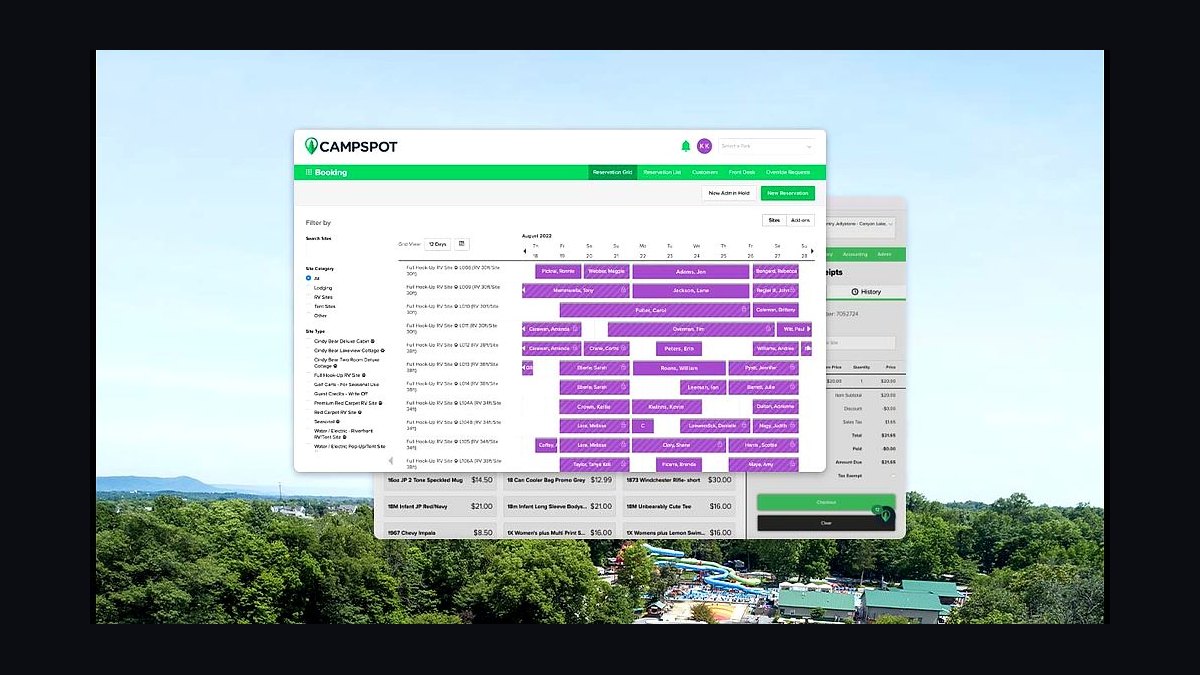
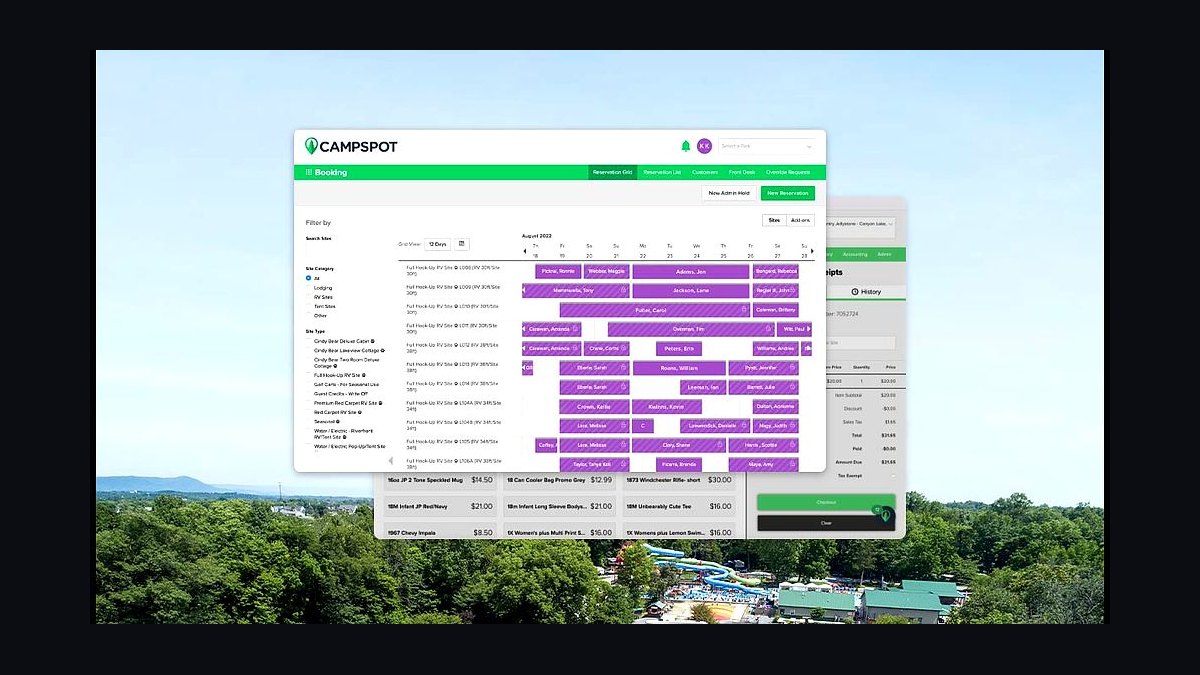
Campspot ranks first because it is the campground-native reservation core most private parks should build around, with a true site-type grid, drag-and-drop site assignment, and gap optimization that prevents orphan nights. It handles weekend, holiday, and length-of-stay pricing rules natively, and its built-in marketplace adds demand without a separate channel contract. Expect roughly $3-$6 per site per month plus a booking fee, landing a 100-site park near $300-$700 monthly.
It suits independent and mid-size private campgrounds that want one system for bookings, site assignment, and folios without enterprise overhead. It trades away deep multi-property consolidation and heavy utility modules that large RV resorts need. Compared with Newbook directly below, Campspot is easier to launch and cheaper at small scale, but weaker for holiday-park groups running hundreds of full-hookup sites with complex seasonal ledgers.
2Newbook Park Management
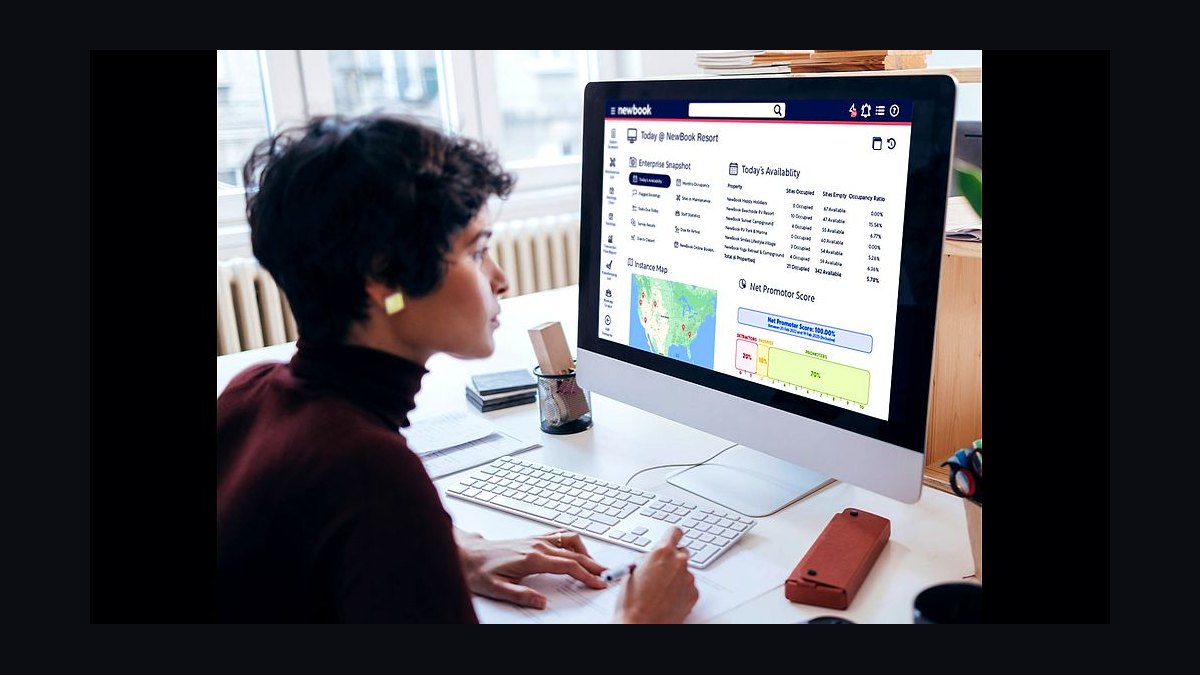
Newbook ranks second because it is the stronger choice for large RV resorts and holiday-park groups needing deep housekeeping, activity scheduling, and utility modules alongside reservations. Now part of Storable, it models site types with length and hookup attributes and supports metered-electric billing and recurring seasonal ledgers in the system of record. That depth matters when a park runs hundreds of full-hookup sites plus cabins and glamping units.
It is built for destination resorts and multi-park operators, not a 40-site family campground that wants a fast, cheap launch. It trades away Campspot's simple onboarding and built-in marketplace reach, and typically costs more to configure. Compared with RMS Cloud just below, Newbook leans toward North American RV resorts, while RMS Cloud carries deeper holiday-park and multi-property heritage.
3RMS Cloud Hospitality Platform
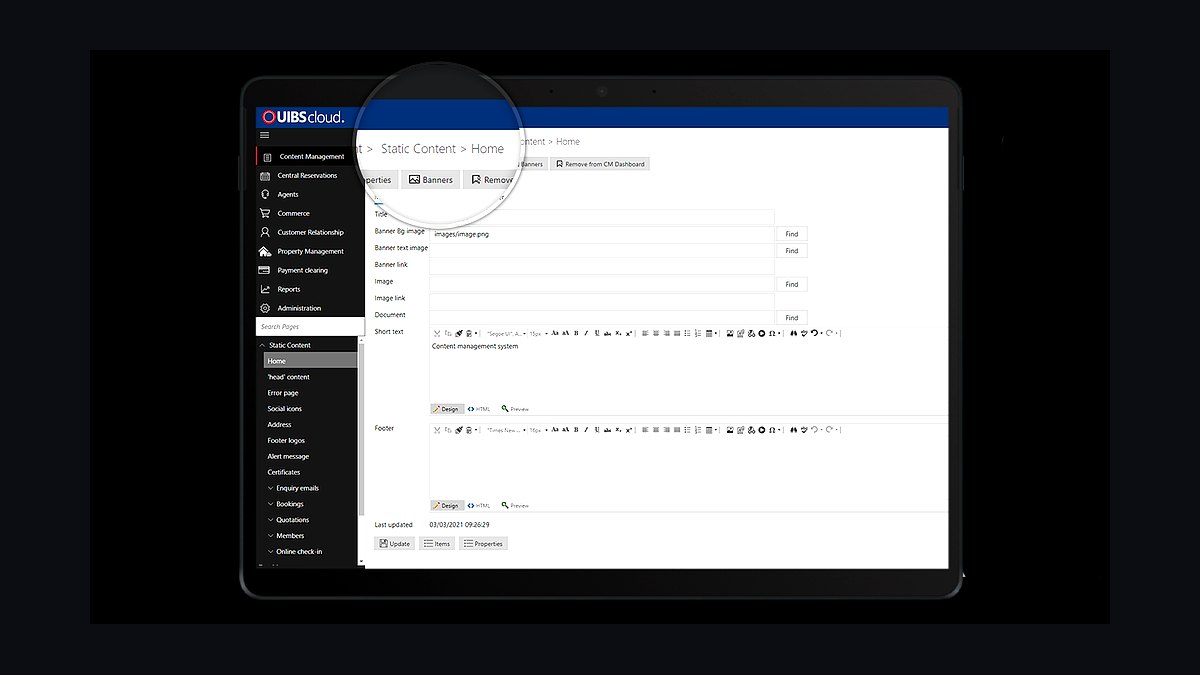
RMS Cloud ranks third because it brings mature multi-property property management and strong utility modules to outdoor hospitality, which matters for holiday parks and RV resorts billing metered electric across many sites. It handles site-type inventory, recurring long-term guests, and centralized reporting across properties, so groups avoid stitching separate systems together. For parks with international travelers, its channel depth is a real advantage.
It fits holiday-park groups and multi-property RV operators more than single small campgrounds, where its configuration weight is unnecessary. It trades away the simplicity and lower entry price of Campspot and Firefly. Compared with Newbook directly above, RMS Cloud is comparable in depth but historically stronger outside North America, so US private parks often choose Newbook or Campspot instead.
4Hipcamp Marketplace
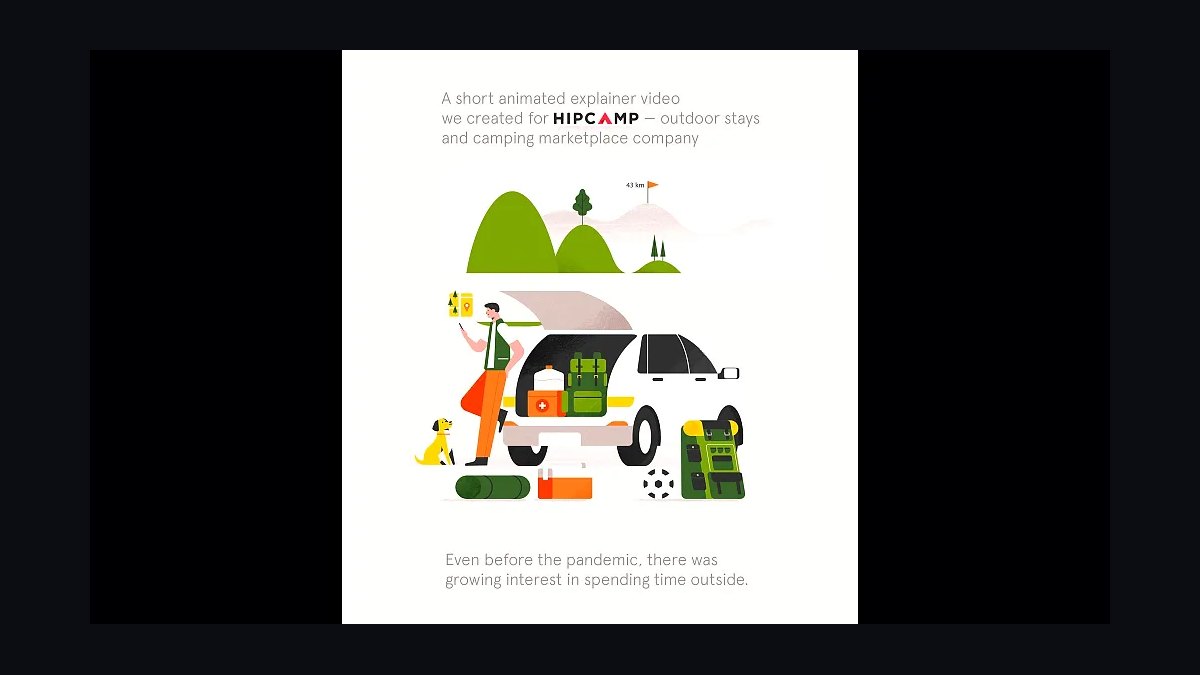
Hipcamp ranks fourth because it is the dominant outdoor-stay marketplace for tent, glamping, and unique accommodations, driving discovery that lodging OTAs like Expedia barely touch. Hosts pay roughly a 10% service fee, and listings reach campers actively searching for outdoor stays rather than hotel rooms. For glamping resorts especially, it functions as a primary booking channel, not a secondary one.
It suits parks with tent sites, cabins, and safari tents that want incremental demand without heavy marketing spend. It trades away control over guest relationship and pricing, since the marketplace owns the transaction and the fee. Compared with The Dyrt just below, Hipcamp skews toward unique and glamping stays, while The Dyrt leans on its large camper app and Pro membership base for broader campground discovery.
5The Dyrt Booking Platform

The Dyrt ranks fifth because its large camper app and Pro membership base drive discovery and bookings for conventional campgrounds and RV parks, complementing Hipcamp's unique-stay focus. Campers research parks, read reviews, and book through the platform, so listings feed demand from an audience already planning outdoor trips. It works best paired with a channel manager that syncs site-type availability back to the park's own grid.
It suits campgrounds and RV parks wanting additional direct-style bookings without building their own audience from scratch. It trades away the deep glamping and unique-stay reach Hipcamp owns, and its booking volume depends on the park's region and listing quality. Compared with RoverPass below, The Dyrt is primarily a discovery and booking channel, while RoverPass bundles a reservation system with its marketplace for small parks.
6RoverPass Reservation Software
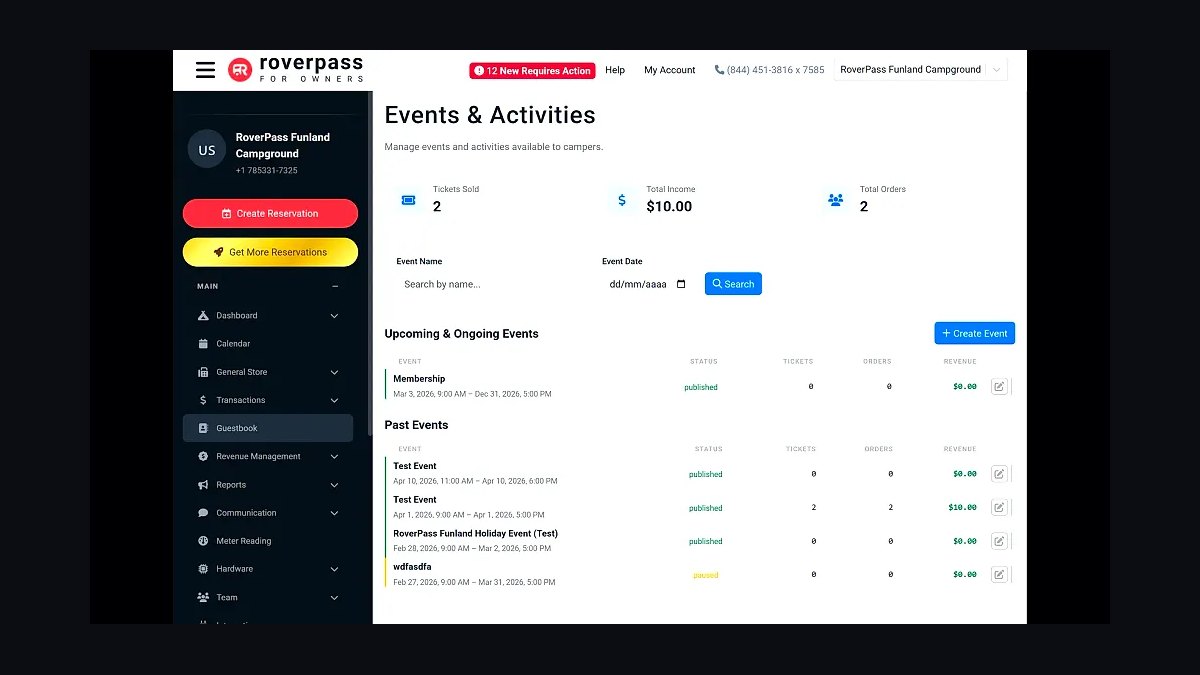
RoverPass ranks sixth because it combines a campground reservation system with a marketplace, giving small parks a single lower-cost entry point for both managing bookings and attracting campers. That dual role matters for parks that cannot justify a premium platform plus separate channel contracts. It handles site inventory and online booking at a price point aimed at independent operators.
It suits small campgrounds and RV parks that want real booking software and some marketplace demand without enterprise complexity. It trades away the site-assignment optimization, dynamic pricing depth, and utility billing that Campspot, Newbook, and RMS Cloud provide. Compared with Firefly Reservations below, RoverPass leans on its marketplace as the differentiator, while Firefly competes on lightweight, affordable site-type logic for very small parks.
7Firefly Reservations
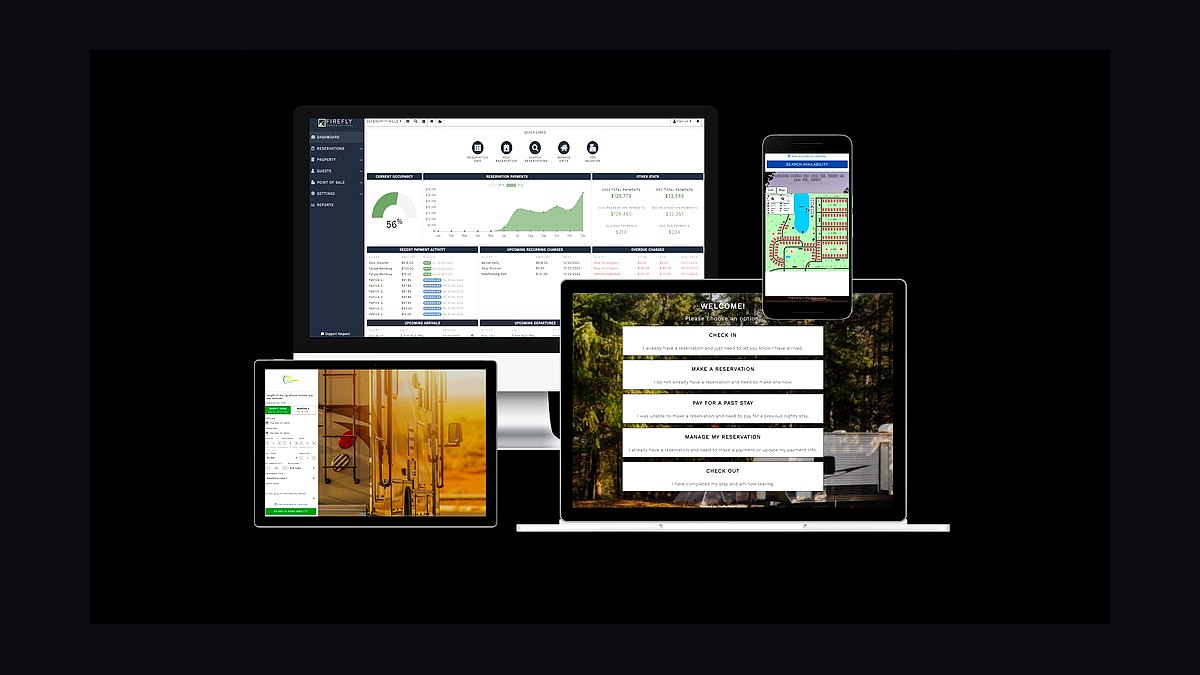
Firefly Reservations ranks seventh because it delivers genuine site-type logic and online booking at a lower price, starting near $99 per month, which fits small parks that still need real campground inventory modeling. It handles the site grid and booking engine without the configuration weight of enterprise platforms. For a family campground under 80 sites, that price-to-capability ratio is the appeal.
It suits small, single-location campgrounds that want campground-native booking without paying for modules they will never use. It trades away deep seasonal ledgers, metered-electric billing, and multi-property reporting that larger resorts require. Compared with Campspot at the top, Firefly is cheaper and lighter but far less capable on dynamic pricing, marketplace reach, and the seasonal revenue side that mid-size parks depend on.
8Campspot Point of Sale
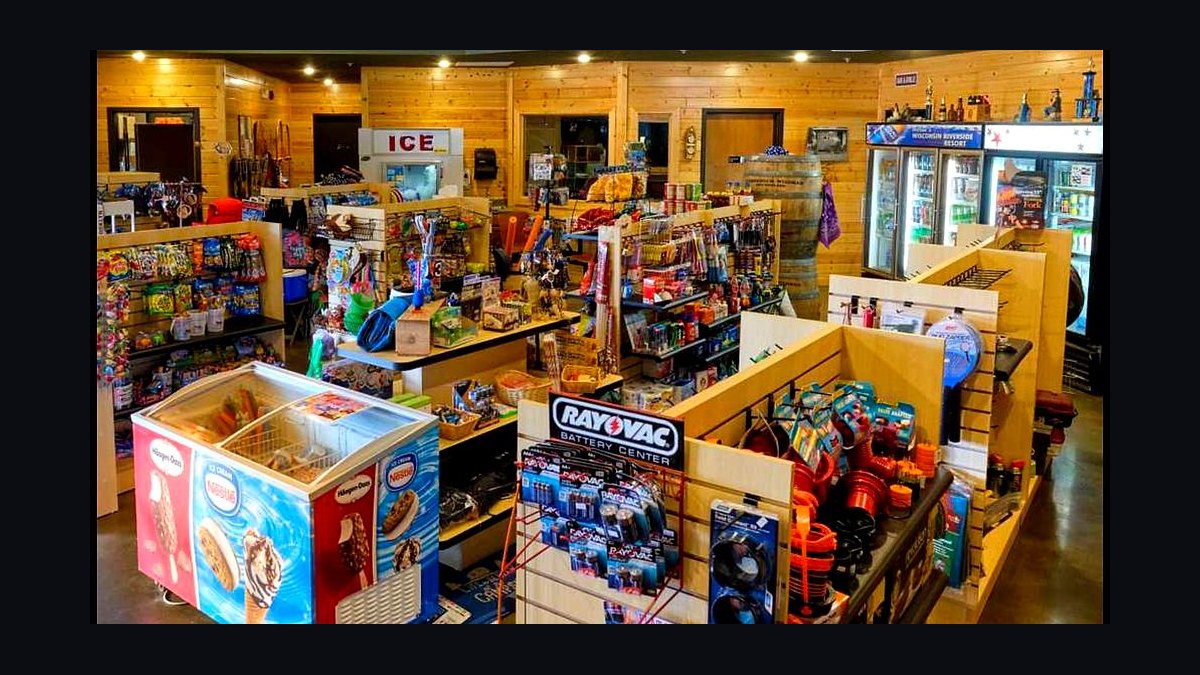
Campspot POS ranks eighth because it keeps camp-store sales — firewood, propane, ice, merch, and add-ons — in the same ledger as site revenue, so daily reconciliation does not require matching separate systems. Store charges can attach to a reservation folio, which simplifies guest checkout and tax reporting. For parks already running Campspot, it removes an integration entirely.
It suits campgrounds that want one vendor for reservations and retail and value unified reporting over hardware flexibility. It trades away Square's cheap, flexible reader and register options and its broad third-party app ecosystem. Compared with Square just below, Campspot POS wins on ledger unification for existing Campspot parks, while Square wins on hardware cost and standalone flexibility for parks running a different reservation platform.
9Square Retail POS
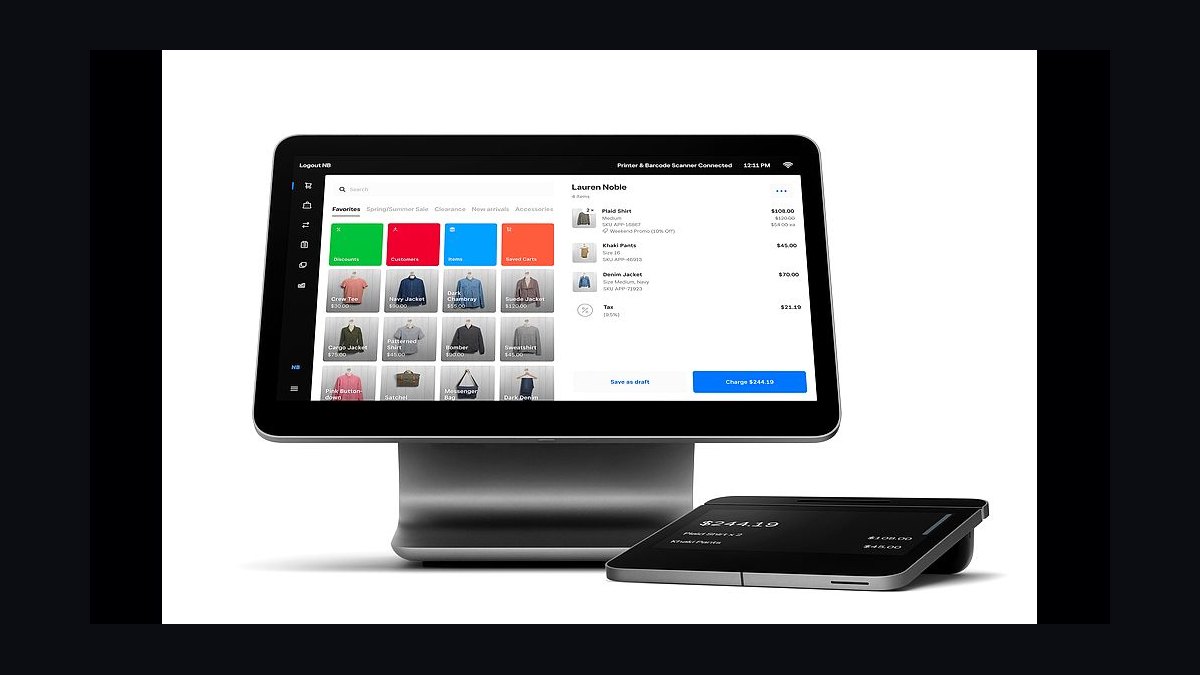
Square ranks ninth because it gives campground camp stores cheap, flexible hardware and processing at roughly 2.6% plus $0.10 per tap, with readers and registers running from $0 to $799. It works standalone or alongside any reservation platform, which suits parks that already run Newbook, RMS Cloud, or Firefly and do not want to switch retail systems. Inventory and sales reporting come standard.
It suits small and mid-size parks prioritizing low hardware cost and payment flexibility over a single unified ledger. It trades away native folio integration with reservations, so store sales and site revenue reconcile separately unless bridged. Compared with Campspot POS directly above, Square is cheaper and more flexible on hardware but weaker on keeping campground retail and site revenue in one system.
10QuickBooks Online
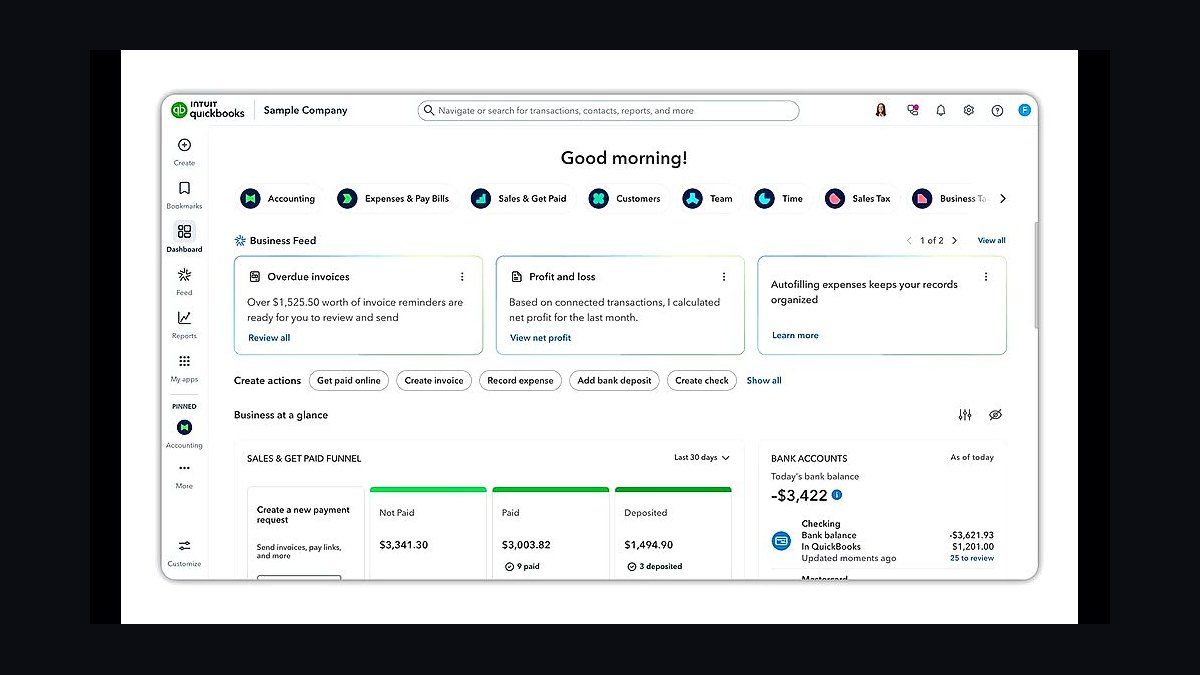
QuickBooks Online ranks tenth because it remains the practical accounting backbone for single-park campgrounds, running roughly $35-$235 per month depending on tier. Reservation platforms export daily revenue, taxes, and store sales into it, giving operators clean books without enterprise accounting overhead. For a family campground, it is the default financial system of record.
It suits single-location campgrounds and small RV parks that do not need multi-entity consolidation. It trades away the multi-property consolidation and dimensional reporting that multi-park operators and franchises require, which is when Sage Intacct becomes necessary. Compared with Sage Intacct, QuickBooks is far cheaper and simpler but cannot consolidate several parks into one set of financials, so growing operators eventually outgrow it.
How we ranked these
We ranked each tool on five weighted criteria: campground-native site-type inventory and site-assignment logic (30%), seasonal and metered-utility billing depth (20%), outdoor-OTA channel sync across Hipcamp, The Dyrt, and RoverPass (20%), on-site operations coverage including camp-store POS and gate access (15%), and 2027 pricing transparency plus integration breadth (15%). Scores came from vendor documentation, published pricing, and operator-reported workflows.
We deliberately ignored generic hotel-PMS feature checklists, brand prestige, and raw feature counts, because a 60-foot pull-through with 50-amp service is not a fungible room and feature breadth without site-grid logic creates orphan nights. We also excluded short-term-rental tools, enterprise suites priced only by custom quote, and any vendor whose 2027 pricing could not be verified from public sources.
What to look for
What matters most is whether the platform models your physical site grid by length, hookup amperage, and amenity, then optimizes assignment so a four-night stay never strands a single open night on your best pull-through. Second is whether one system can bill both nightly transient and metered seasonal revenue, because splitting those across tools breaks reconciliation and hides real revenue.
The mistake most buyers make is choosing on price per site or a slick booking widget, then discovering the system cannot handle monthly residents, submeter readings, or two-way OTA sync. A cheaper tool that forces spreadsheets for seasonal billing and double-books your grid costs far more than the platform you should have bought first.
Related questions
What is the best reservation platform for a small family campground?
Campspot and Firefly Reservations are the strongest fits for 20-80 site parks. Campspot offers a full site-type grid, dynamic pricing, a built-in marketplace, and camp-store POS in one system, typically $300-$700 monthly for a 100-site park. Firefly starts near $99 monthly for parks wanting real site-type logic at a lower price.
How do campgrounds bill metered electric to seasonal guests?
They install submeters on long-term sites, record kWh readings on a regular cycle, and let a platform such as Campspot, Newbook, CampLife, or RMS Cloud generate invoices that add electric pass-throughs on top of the flat site fee. Hardware runs a few hundred dollars per meter, while the billing workflow itself is platform-native.
Which outdoor OTAs actually drive campground bookings?
Hipcamp dominates tent, glamping, and unique-stay discovery and takes roughly a 10% host service fee. The Dyrt reaches a large camper app audience with Pro members, RoverPass pairs a marketplace with its own reservation system, and Pitchup matters for international and European travelers. Your channel manager must sync site-type availability to all of them.
Can a hotel PMS handle an RV park's site assignment?
No. Hotel systems treat rooms as interchangeable, so they cannot model a 50-amp 60-foot pull-through versus a 30-amp back-in or optimize assignment to avoid orphan nights. They also lack metered-utility billing and seasonal ledgers. Buying one usually means ripping it out within a year once volume exposes physical double-bookings.
What does a campground tech stack cost per month in 2027?
A small family campground runs roughly $300-$900 monthly plus booking and card fees. A mid-size RV resort with heavy seasonal revenue lands near $1,200-$4,000 monthly plus one-time gate and meter hardware. Multi-park operators and franchises typically spend $5,000-$25,000 or more monthly depending on park count and customization.
How do I prevent double-bookings across Hipcamp and my own website?
Run every channel through one channel manager tied to a single inventory source, so a booking on Hipcamp instantly removes that site from your website and The Dyrt. Confirm two-way sync during onboarding and test it weekly. On a physically fixed grid, a double-booking is worse than in a hotel because you cannot relocate a camper.
Do campgrounds need gate-access automation?
Yes, for after-hours arrivals and thin seasonal staffing. Platform-integrated gate controllers issue and expire entry codes per reservation, so self-check-in guests get in without a staffed front desk. Hardware is a one-time $1,500-$6,000 install depending on the gate and reader type, and it pairs naturally with automated check-in.
What should a campground POS track beyond site fees?
Camp-store retail such as firewood, propane, ice, and merchandise, plus add-ons charged to a reservation folio. Campspot POS keeps store sales and site revenue in one ledger, while Square is the common cheap-hardware alternate at roughly 2.6% plus $0.10 per tap. Consolidating both inside the reservation platform keeps daily reconciliation sane.
FAQ
Can I just use a hotel PMS or Airbnb-style tool for my RV park?
No, and this is the most expensive mistake operators make. Hotel and short-term-rental tools model fungible rooms, not a fixed grid of sites with rig-length and hookup constraints, and they cannot optimize site assignment or bill metered electric for seasonal guests. A campground-native platform such as Campspot, Newbook, or RMS Cloud is the right foundation.
Campspot, Newbook, or RMS Cloud — which reservation platform should I pick?
Campspot for most private US campgrounds and RV parks wanting an easy all-in-one with a built-in marketplace; Newbook or RMS Cloud for large destination RV resorts and holiday-park groups needing deep housekeeping, activities, and utility modules; Firefly or Staylist for small parks wanting real site-type logic at a lower price.
How do I handle metered electric for long-term and seasonal guests?
Use a platform supporting submeter readings and per-kWh billing on top of flat site fees — Campspot, Newbook, CampLife, and RMS Cloud all qualify. Install submeters on long-term sites, record readings on a regular cycle, and let the platform generate invoices so electric pass-throughs land in the same ledger as site revenue.
What is the single most important integration in a campground stack?
The channel manager connecting your reservation platform to Hipcamp, The Dyrt, RoverPass, and your own booking engine. Without reliable two-way sync, availability disagrees across channels and you double-book a physically fixed site. A single inventory source feeding every channel is non-negotiable before you scale marketing spend.
How long does it take to implement a campground tech stack?
Plan a staged 90-day rollout. Days 0-30 stand up the reservation core and site-type grid. Days 31-60 connect OTAs, deploy camp-store POS, consolidate payments, and install gate automation. Days 61-90 configure metered-electric billing, the seasonal ledger, accounting exports, and Power BI dashboards for occupancy and RevPAS.
Do I need Power BI if I only run one park?
Usually not. Single parks can live comfortably on the reservation platform's native dashboards for occupancy, ADR, and revenue mix. Power BI at roughly $14 per user monthly becomes worthwhile when you operate multiple parks and need cross-park views, or when you want custom reporting the platform cannot produce natively.
How should seasonal and annual guests be billed differently from transient campers?
Seasonal and annual guests need a recurring ledger with monthly or annual site invoices, deposits, and electric pass-throughs kept separate from nightly transient revenue. CampLife and Newbook handle this natively; smaller parks sometimes bridge it with QuickBooks recurring invoices, though that fragments reporting and complicates reconciliation.
What payment processor should a campground use?
Most platforms embed Stripe or a comparable processor at roughly 2.6%-2.9% plus $0.30 per transaction. Consolidating nightly bookings, deposits, store sales, and recurring seasonal charges inside the reservation platform keeps reconciliation and tax reporting clean. Square is a reasonable alternate for small parks wanting cheap, flexible counter hardware.
Which tools matter most for a glamping resort versus a traditional RV park?
Glamping resorts lean on Hipcamp as a primary discovery channel because it dominates unique-stay bookings, paired with Campspot or RoverPass for the engine and Podium for reviews that protect premium nightly rates. Traditional RV parks weight site-type inventory, metered electric, and seasonal ledgers more heavily than marketplace discovery.
What reporting metrics should a campground track in 2027?
Occupancy by site type, ADR, RevPAS (revenue per available site), transient-versus-seasonal revenue mix, and camp-store margin. These reveal whether your best pull-throughs are underpriced on holiday weekends and whether seasonal residents are profitable once metered electric and wear on utilities are counted against their flat site fees.
Sources
- https://www.campspot.com/
- https://www.newbook.cloud/
- https://www.rmscloud.com/
- https://www.hipcamp.com/
- https://thedyrt.com/
- https://www.roverpass.com/
- https://squareup.com/us/en
- https://quickbooks.intuit.com/
- https://powerbi.microsoft.com/
- https://stripe.com/
Related on PULSE
This page will be disappearing soon. Save it to your device for $1 — or read it free while it is here.
@Kory-White- · if Venmo asks, the last 4 of my number are 2012
This page is gone.
This one is off the shelf now. $1 keeps it on your phone for good — the whole page, pictures and diagrams included.
 pulse-tech-stacksTop 10 Best Tech Stack Tools for Hair Salons in 2027
 pulse-tech-stacksTop 10 Best Tech Stack Tools for Email Security Vendors in 2027
 tkTop 10 Best Tech Stack Tools for Fencing and Deck Contractors in 2027
 pulse-tech-stacksTop 10 Best Tech Stack Tools for Bars and Pubs in 2027
 pulse-tech-stacksTop 10 Best Tech Stack Tools for Independent Driving Schools in 2027
 pulse-tech-stacksTop 10 Best Tech Stack Tools for RV Dealerships in 2027
 pulse-tech-stacksTop 10 Best Tech Stack Tools for AI Document Intelligence Companies in 2027
 pulse-tech-stacksTop 10 Best Tech Stack Tools for Garden Centers and Nurseries in 2027
 pulse-tech-stacksTop 10 Best Tech Stack Tools for Employee Benefits Consulting Firms in 2027
 pulse-tech-stacksTop 10 Best Tech Stack Tools for Vulnerability Management Software Vendors in 2027