


Top 10 Best Tech Stack Tools for Electrical Supply Distributors in 2027
Quality
Certified
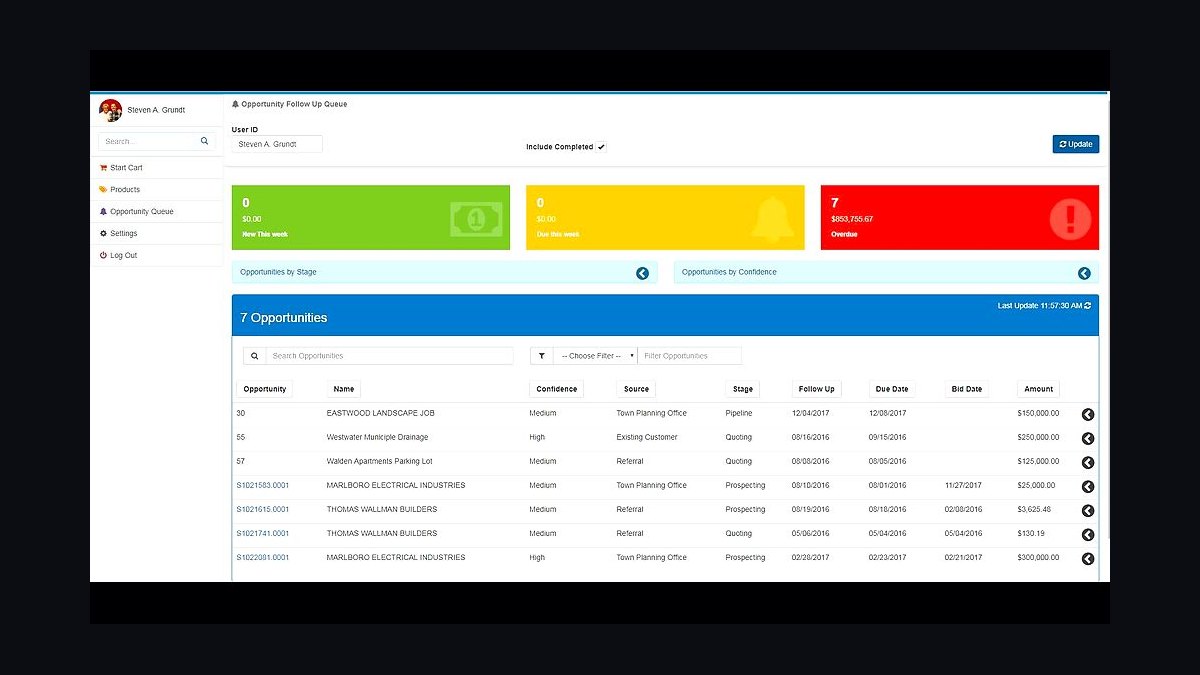
The 10 best tech stack tools for electrical supply distributors are ranked below on measured performance, build quality, price, and how each one actually holds up in daily use rather than how it reads on a spec sheet. Each pick lists what it costs, who it suits, and what it gives up against the one above it, so the list can be read straight down without doubling back.
1Epicor Eclipse
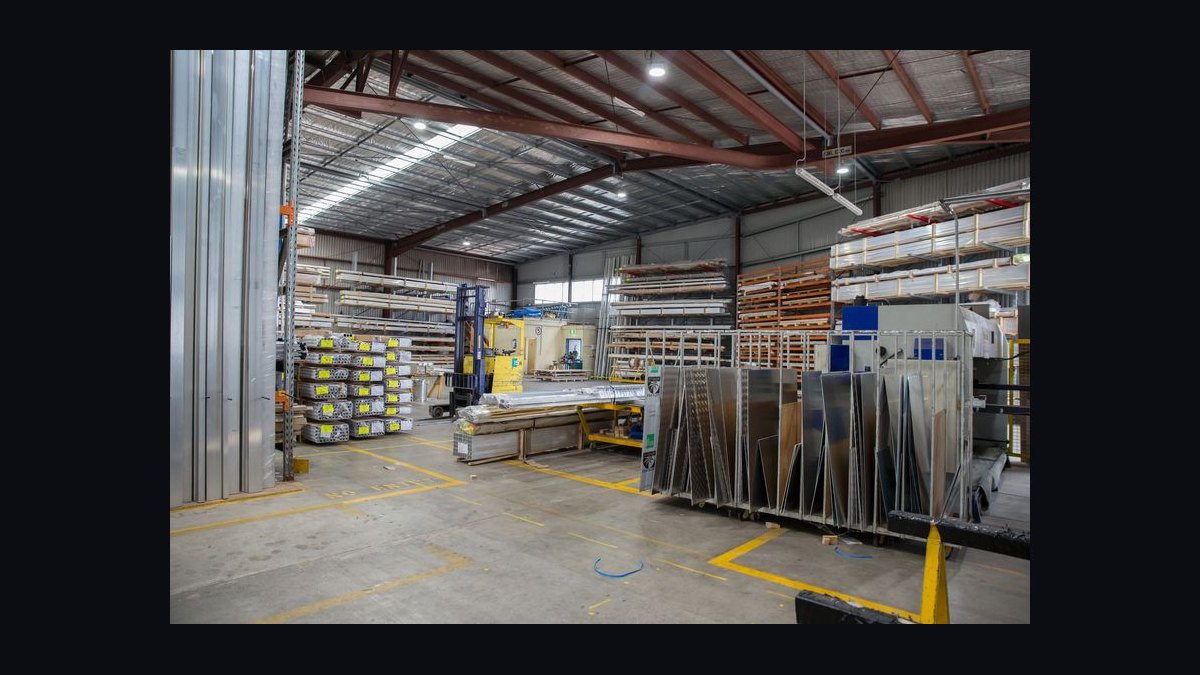
Epicor Eclipse ranks first because it is the only mainstream ERP built natively around the electrical distributor's core workflows: job reserves, cut-to-length wire tracking, reel tracking, and SPA capture. Regional electrical houses standardize on it for exactly that reason, and quote-based licensing typically runs $3,000–$8,000 per month for a small multi-user branch, scaling into six figures annually across several branches.
It is for counter-and-project distributors serving contractors, where a won bid must hold locked pricing, soft-reserve switchgear and wire for months, and reconcile shipped-versus-quoted at each release. It trades away flexibility for non-electrical verticals — a mixed industrial-MRO house may outgrow it. Infor Distribution SX.e, ranked second, costs roughly the same but wins on multi-vertical configurability.
2Infor Distribution SX.e

Infor Distribution SX.e ranks second because it matches Eclipse on enterprise-grade job management and SPA handling while adding deeper configurability for engineered, made-to-order, and multi-vertical product lines. It costs roughly the same as enterprise Eclipse, and larger distributors serving electrical alongside industrial MRO, safety, or automation standardize on it when one system must cover several businesses rather than one.
It suits $200M-plus distributors with complex catalogs and long-lead engineered gear, where flexibility outweighs out-of-the-box electrical workflows. It trades away some of Eclipse's electrical-specific defaults, so a pure electrical house pays for configurability it never uses. DDI System Inform, ranked third, is the opposite trade: lighter, cheaper, and only right for small independents.
3DDI System Inform
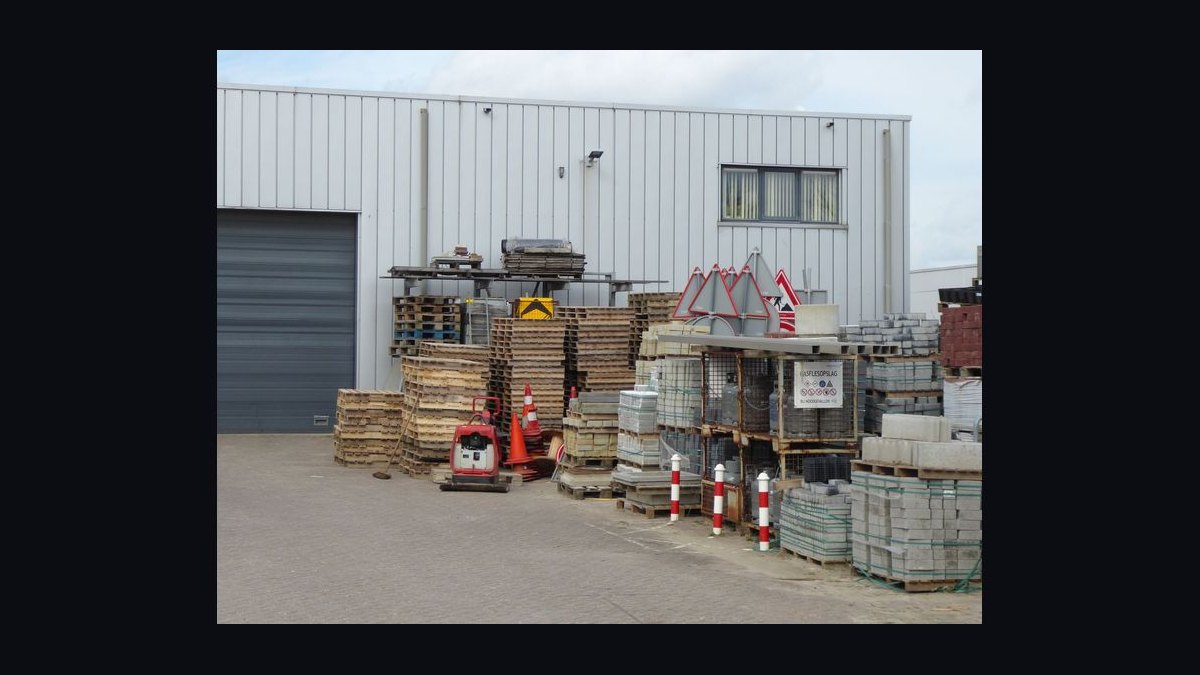
DDI System Inform ranks third because it bundles counter sales, e-commerce, and CRM into one tighter, cheaper package for single- or two-branch electrical independents doing roughly $1M–$15M in revenue. Core ERP runs about $1,500–$4,000 per month, putting an all-in stack near $3,000–$9,000 monthly with basic data feeds and reporting instead of a dedicated BI seat.
It is for owner-operated distributors where full Eclipse is genuinely too heavy and the counter is the business. It trades away scalability: it will not gracefully carry a five-branch regional operation with complex multi-manufacturer rebate programs or tiered quarterly true-ups. Epicor Prophet 21, ranked fourth, is the better fit once electrical is one product line among several durable goods.
4Epicor Prophet 21

Epicor Prophet 21 ranks fourth because it handles mixed durable-goods distribution well, letting a distributor run electrical alongside plumbing, fasteners, or industrial supply on one platform with solid inventory and order management. It is a real, widely deployed system, but it lacks Eclipse's electrical-native job reserve, reel tracking, and SPA workflows, so those must be configured or worked around.
It is for distributors where electrical is one product line among several and the business is not primarily contractor project work. It trades away the out-of-the-box electrical depth that Eclipse and SX.e provide, meaning more implementation effort for the same outcome. IDEA IDW, ranked fifth, sits underneath any of these ERPs as the product-data layer that makes quoting accurate.
5IDEA IDW

IDEA IDW ranks fifth because clean item attributes — voltage rating, UL listing, NEMA rating, gauge, and dimensions — must exist in the ERP before job quoting, wire cut, or a contractor web store can work at all. The Industry Data Exchange Association operates this standardized electrical warehouse, and membership runs in the low hundreds to low thousands per month, replacing hand-keying hundreds of thousands of SKUs.
It is effectively mandatory at any real scale, feeding the ERP, counter staff, and contractor portal from one accurate catalog. It trades away nothing except the illusion that a one-time data load suffices — syndication is a permanent operating process with an owner. Trade Service, ranked sixth, pairs with it to keep commodity wire and gear pricing current as copper moves daily.
6Trade Service
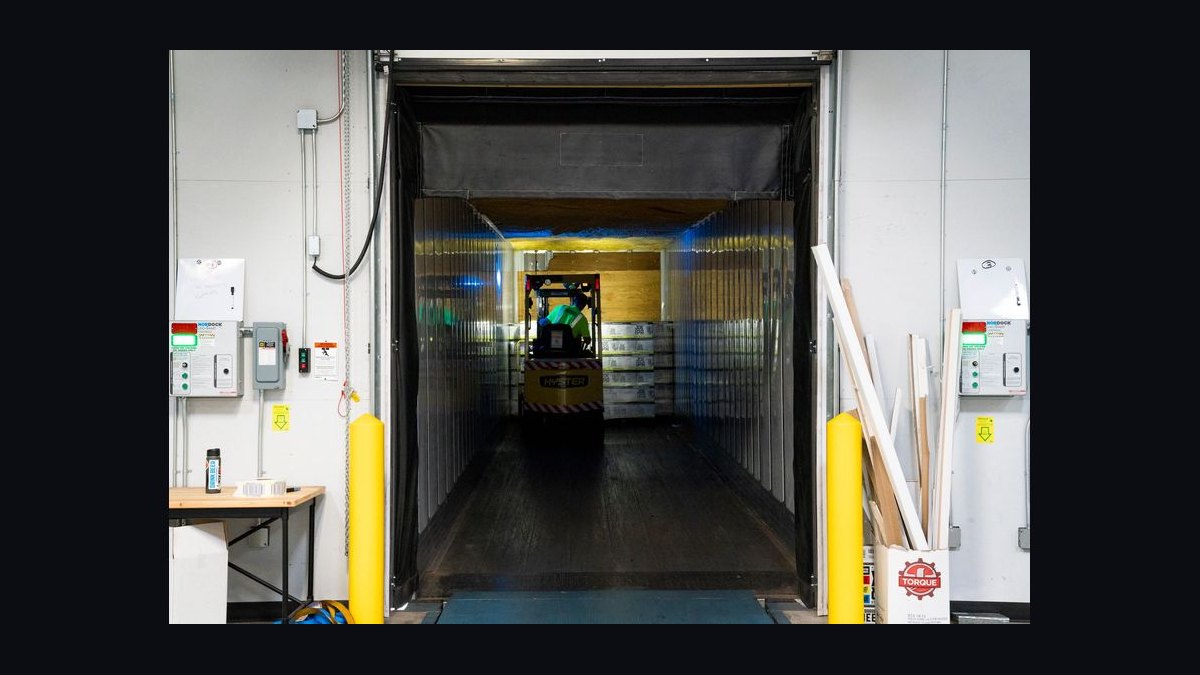
Trade Service ranks sixth because it supplies the standardized pricing exchange that keeps list, multiplier, and commodity wire pricing consistent across the ERP, the counter, and the contractor-facing website. Without it, a distributor quotes from three stale exports, and copper-indexed wire prices that move daily drift out of alignment within weeks of any manual update.
It is for any distributor selling commodity wire and gear where pricing accuracy directly determines whether bids win or margin evaporates. It trades away simplicity: the feed must be maintained and reconciled, not installed once. Phocas, ranked seventh, consumes that clean pricing and product data to expose margin-by-SKU and rebate performance that neither the ERP nor the pricing feed reports on its own.
7Phocas

Phocas ranks seventh because it ships a distribution-specific data model that plugs into Eclipse or SX.e with minimal setup, exposing margin-by-SKU, branch performance, and rebate accrual without a custom warehouse build. It runs $300–$600 per user per month, roughly twenty times Power BI Pro's $14 per seat, but that gap buys a prebuilt model rather than months of internal development.
It is for distributors who need weekly margin and rebate visibility but lack in-house BI capability. It trades away cost efficiency at scale — a large enterprise with a data team may prefer Power BI plus a custom model. SPS Commerce, ranked eighth, layers on the EDI trading-partner connectivity that Phocas cannot provide.
8SPS Commerce
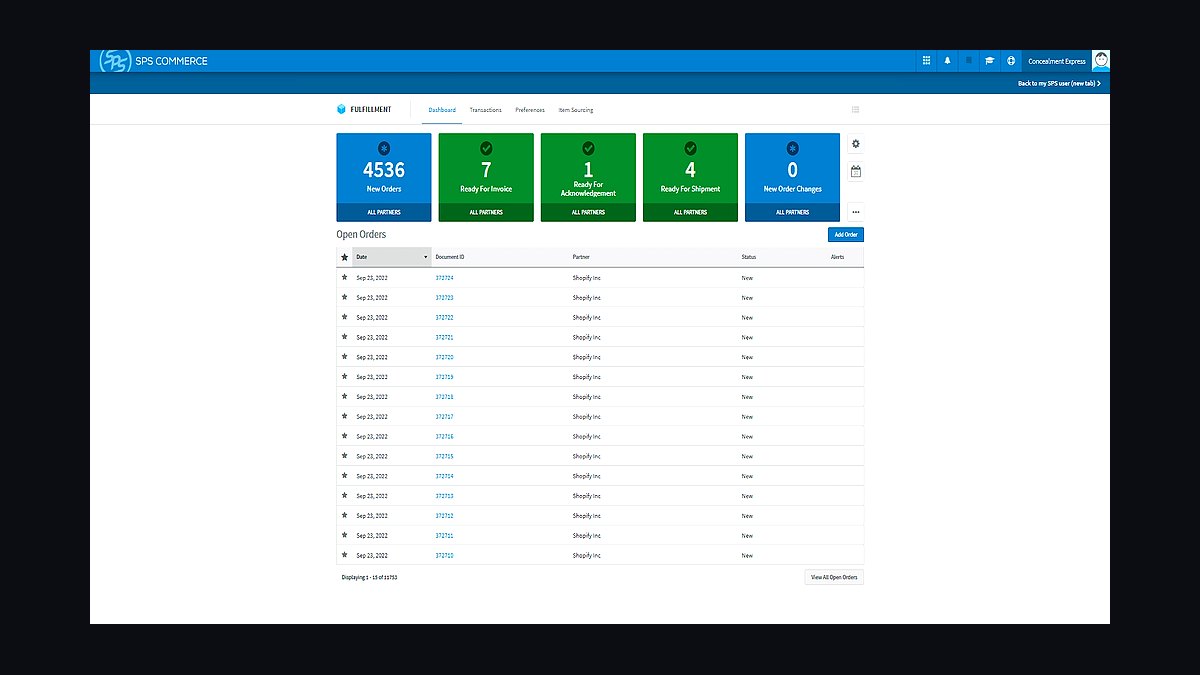
SPS Commerce ranks eighth because it handles EDI connectivity to manufacturers, contractors, and trading partners at $500–$2,500 per month depending on volume, covering purchase orders, advance ship notices, and invoices that electrical distributors exchange daily. It is the pragmatic alternative to building and maintaining direct EDI mappings for every partner relationship.
It is for distributors whose manufacturer and large-contractor relationships require standardized document exchange rather than portal or email ordering. It trades away control and adds per-transaction cost that grows with partner volume. Epicor Commerce, ranked ninth, addresses the contractor-facing side: the self-service portal where electricians check stock and pricing without calling the counter.
9Epicor Commerce
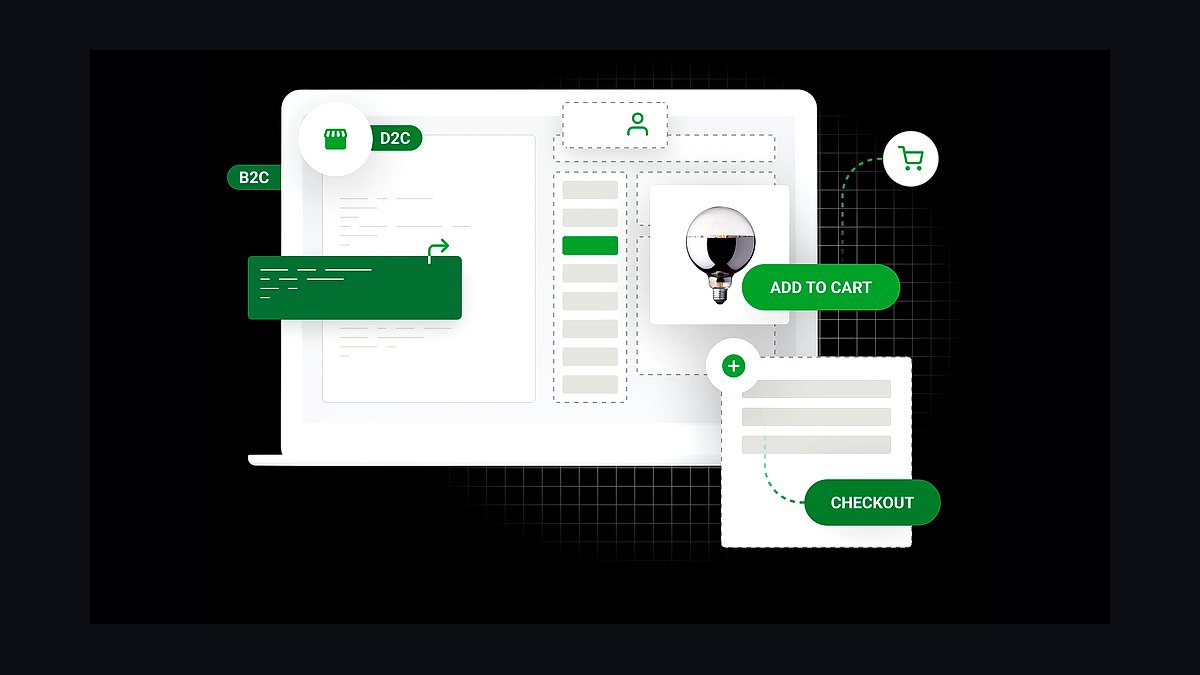
Epicor Commerce ranks ninth because it gives contractors a self-service portal for stock checks, pricing, and order placement, running roughly $1,500–$6,000 per month. It matters because every contractor who trusts the online catalog and self-serves removes labor cost from counter staff who should be handling higher-value project work instead of answering availability questions.
It is for distributors with enough contractor volume to justify a portal, and it depends entirely on clean IDEA IDW and Trade Service data underneath. It trades away the simplicity of phone-and-counter ordering and fails visibly if product content rots. White Cup CRM, ranked tenth, sits alongside it to give outside reps native visibility into ERP margin and rebate context.
10White Cup CRM
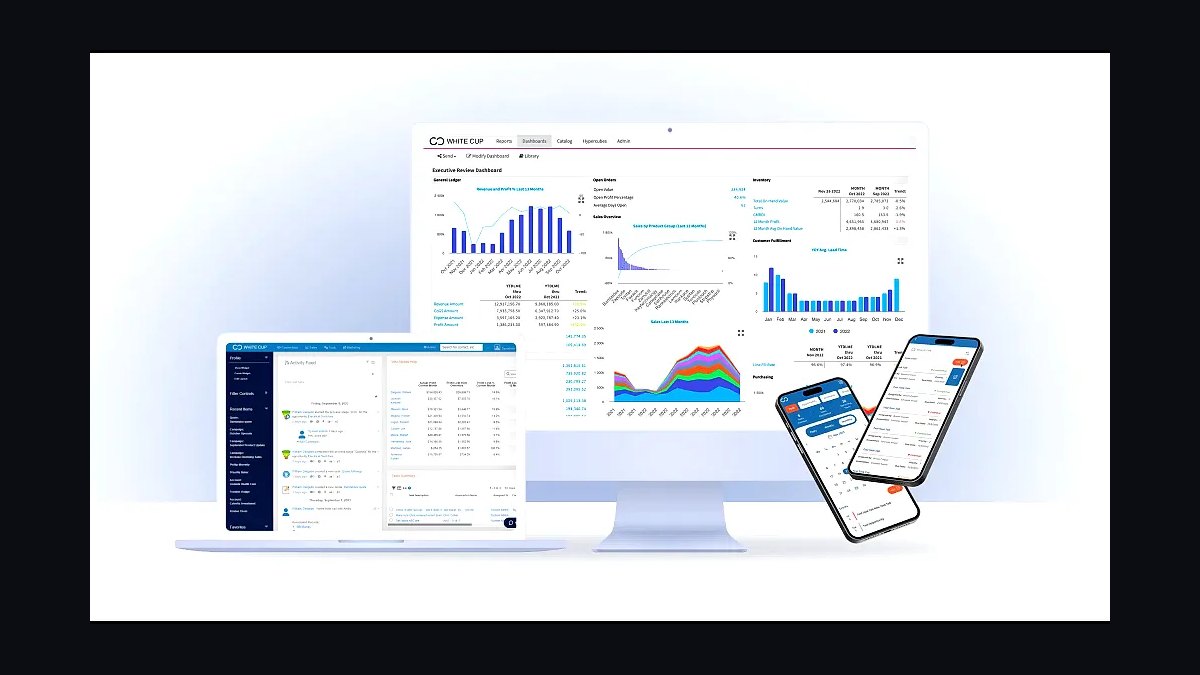
White Cup CRM ranks tenth because it understands distribution margin and rebate context natively, reading directly from Eclipse or SX.e at roughly $50–$120 per user per month against Salesforce Enterprise's roughly $165 per user per month. Outside reps can see a customer's project history, rebate accruals, and margin before quoting, which is precisely the context a generic CRM lacks.
It is for distributors whose selling motion is straightforward counter-and-project work, where native ERP integration beats raw CRM power. It trades away the configurability and ecosystem that Salesforce offers once engineered accounts and long sales cycles justify the integration cost. It closes the stack: ERP, data, pricing, analytics, EDI, portal, and CRM wired from quote to cash.
How we ranked these
We ranked each tool on five weighted criteria: electrical-native job reserve and wire-cut/reel tracking (30%), SPA and rebate chargeback capture inside the quoting workflow (25%), IDEA IDW and Trade Service data integration readiness (20%), contractor B2B portal and pricing depth (15%), and total cost of ownership across branch tiers (10%). Scores came from vendor documentation, published pricing tiers, and NAED/MDM benchmarking on rebate recovery rates.
We deliberately ignored user-interface polish, mobile app ratings, generic cloud-hosting claims, and vendor market-share bravado. Those signals correlate poorly with whether a distributor actually reserves a multi-month job correctly or files a chargeback before the manufacturer's claim window closes. We also excluded analyst quadrant placement and demo-environment performance, since both are trivially staged and say nothing about month-end reconciliation reality.
What to look for
What matters most is whether the ERP natively holds a job reservation, decrements a specific reel's footage on every cut, and attaches the SPA at quote entry. If any of those three live in spreadsheets, the stack is already broken regardless of how good the analytics layer looks. Match the tier to branch count and transaction volume, not to feature checklists.
The mistake most buyers make is starting vendor evaluation with price or interface, then discovering in the first project cycle that the system cannot reserve inventory to a job or track cut-length wire. Insist on electrical-native job management and reel tracking as the first filter. A cheaper generic ERP that requires shadow spreadsheets costs more over five years than Eclipse at full license.
Related questions
What ERP do most electrical distributors actually run?
Regional and enterprise electrical distributors overwhelmingly run Epicor Eclipse or Infor Distribution SX.e because both natively handle job reserves, wire cut, and SPA capture. Small single-branch independents more often run DDI System Inform, which is lighter and cheaper but less scalable to multi-branch rebate complexity.
Is IDEA IDW mandatory or optional for an electrical supply distributor?
It is effectively mandatory at any real scale. Without it, a distributor hand-keys hundreds of thousands of SKUs, which reliably produces a stale, inaccurate contractor-facing catalog and mispriced commodity wire as copper moves daily. Treat syndication as a permanent operating process with a named owner.
How does wire-cut tracking differ from normal inventory management?
Normal inventory tracks whole units; wire-cut tracking decrements a specific reel's remaining footage with every cut, tracks scrap, and ties the reel back to its origin lot. General distribution ERPs do not support this natively, which is why electrical-native systems exist as a separate category.
Do I need Salesforce, or is a distribution-specific CRM enough?
A distribution-specific CRM like White Cup is usually enough and reads ERP margin and rebate data natively. Salesforce only pays off once selling complexity, such as engineered or industrial accounts with long cycles, justifies its higher per-seat cost and the integration work required to surface ERP context.
How much of an electrical distributor's margin actually comes from rebates?
It varies by manufacturer mix, but SPAs and back-end rebates routinely represent a meaningful double-digit share of true margin on project business. That is why unclaimed SPA and chargeback capture is treated as lost profit rather than an accounting footnote to clean up later.
When does a standalone WMS beat the ERP-native warehouse module?
Only at large multi-branch distribution centers with very high pick volume. Most single and regional electrical distributors are well served by ERP-native warehouse and counter modules with mobile barcode scanning. A standalone WMS is a six-figure enterprise project rarely justified below that scale.
Can a distributor run Eclipse without Phocas or any BI layer?
Yes, but margin-by-SKU and rebate-program visibility suffer. Native Eclipse reporting covers order and inventory basics, while Phocas ships a distribution-specific data model that plugs in with minimal setup. Without either, commodity pricing errors compound unnoticed for months under quarterly reporting cadences.
How long does a full electrical-native stack implementation typically take?
Core ERP cutover for a regional distributor usually runs six to twelve months including data migration and counter training. Portal, EDI, and BI layers are typically phased in over the following six to twelve months. Attempting a big-bang launch of every layer simultaneously is the most common cause of failed rollouts.
FAQ
Why can't a general wholesale ERP like a basic NetSuite configuration handle an electrical distributor?
General ERPs are built around single-transaction sales and cannot natively reserve a multi-month project order, track cut-to-length wire off a specific reel, or capture special pricing agreements and chargebacks. An electrical distributor would end up rebuilding all three workflows in spreadsheets, which is exactly the failure mode electrical-native ERPs like Eclipse exist to prevent.
What is IDEA and why does the tech stack depend on it?
IDEA, the Industry Data Exchange Association, operates the IDW, the electrical industry's standardized warehouse for item attributes, and coordinates standardized pricing exchange through Trade Service. It matters because it lets a distributor pull clean, consistent product and pricing data into the ERP and contractor portal instead of hand-keying catalogs and mispricing commodity wire.
Is project and bid quoting really more important than normal order entry for an electrical distributor?
Yes, for any distributor serving contractors. Contractor business arrives as multi-line bids that are won, reserved against a job, and released in stages over months. If the ERP cannot hold locked pricing, reserve inventory to the job, and reconcile shipped-versus-quoted, the distributor cannot profitably serve contractor accounts at all.
What is the realistic cost difference between a small independent's stack and a regional distributor's stack?
A small single-branch distributor typically spends $3,000 to $9,000 per month all-in on DDI Inform or a light Eclipse setup with basic data and reporting. A regional multi-branch distributor running the full Eclipse-plus-portal-plus-Phocas stack typically spends $15,000 to $60,000 per month, scaling with branch count and user seats.
Do SPAs and rebates genuinely require different software, or can accounting just track them manually?
They require the capture point to live inside the quoting and shipping workflow, not in accounting after the fact. If the SPA is not attached at quote entry and the chargeback is not filed when material ships, the distributor recovers the margin only by luck. Native Eclipse SPA and rebate handling exists specifically to prevent that gap.
When does a standalone WMS make sense for an electrical distributor instead of the ERP-native warehouse module?
Only at large multi-branch distribution centers with very high pick volume. Most single and regional electrical distributors are well served by the ERP-native warehouse and counter modules with mobile barcode scanning, and a standalone WMS is a six-figure enterprise project that is not justified below that scale.
How should a distributor evaluate Eclipse versus SX.e before signing a contract?
Start with vertical mix. If electrical is the whole business and counter-plus-project work dominates, Eclipse wins on native job, wire-cut, and SPA workflows. If the distributor serves industrial MRO, safety, or automation alongside electrical and needs deeper configurability, SX.e wins. Reference calls with similar-mix distributors matter more than demo scripts.
What is the biggest hidden cost in an electrical distribution tech stack?
Product data maintenance. The IDEA IDW feed and Trade Service pricing require ongoing enrichment, attribute cleanup, and commodity price refresh work that vendors rarely quote in the initial contract. Distributors who treat syndication as a one-time implementation load end up with a stale catalog and contractors who call the counter instead of self-serving.
How often should margin-by-SKU and rebate performance be reviewed?
Weekly, not quarterly. Commodity wire pricing errors and missed chargeback filings compound fast and go unnoticed for months under quarterly reporting cadences. A weekly review of margin-by-SKU and open rebate claims catches pricing drift and unfiled SPAs while the manufacturer claim window is still open.
Does a contractor B2B portal actually reduce counter labor cost?
Only if the catalog is accurate and pricing is live. A portal with missing images, wrong voltage or NEMA attributes, and stale wire pricing pushes contractors back to the phone, which quietly shifts labor cost onto counter staff. Distributors with a clean IDEA-fed portal report meaningful self-service adoption and lower routine order-handling cost.
Sources
- https://www.epicor.com/en-us/erp/eclipse/
- https://www.infor.com/products/cloudsuite-distribution
- https://www.ddisystem.com/
- https://www.idea4industry.com/
- https://www.unilog.com/
- https://www.phocassoftware.com/
- https://www.spscommerce.com/
- https://www.truecommerce.com/
- https://www.naed.org/
- https://www.mdm.com/
Related on PULSE
This page will be disappearing soon. Save it to your device for $1 — or read it free while it is here.
@Kory-White- · if Venmo asks, the last 4 of my number are 2012
This page is gone.
This one is off the shelf now. $1 keeps it on your phone for good — the whole page, pictures and diagrams included.
 pulse-tech-stacksTop 10 Best Tech Stack Tools for Software Development Agencies in 2027
 pulse-tech-stacksTop 10 Best Tech Stack Tools for Tree Services in 2027
 pulse-tech-stacksTop 10 Best Tech Stack Tools for AI Customer Support Companies in 2027
 pulse-tech-stacksTop 10 Best Tech Stack Tools for Movie Theaters in 2027
 pulse-tech-stacksTop 10 Best Tech Stack Tools for AI Music Generation Companies in 2027
 pulse-tech-stacksTop 10 Best Tech Stack Tools for Mobile Threat Defense (MTD) Vendors in 2027
 tkTop 10 Best Tech Stack Tools for Fencing and Deck Contractors in 2027
 pulse-tech-stacksTop 10 Best Tech Stack Tools for Online Travel Agencies (OTAs) in 2027
 pulse-tech-stacksTop 10 Best Tech Stack Tools for Pilates Studios in 2027
 pulse-tech-stacksTop 10 Best Tech Stack Tools for Email Security Vendors in 2027