


Top 10 Best Tech Stack Tools for Marina Operators in 2027
Quality
Certified
The 10 best tech stack tools for marina operators are ranked below on measured performance, build quality, price, and how each one actually holds up in daily use rather than how it reads on a spec sheet. Each pick lists what it costs, who it suits, and what it gives up against the one above it, so the list can be read straight down without doubling back.
1Molo Marina Management
Molo ranks first because it owns the three rentable formats a marina actually sells — wet slips by length-overall and beam, mooring balls, and dry-stack racks — inside one berth map, so a seasonal contract and a transient hold cannot collide. Recurring slip billing with card-on-file autopay and pedestal kilowatt-hour submetering post to the same monthly invoice.
It is built for the 150-to-350-slip full-service yard with a fuel dock and travel-lift, the most common independent configuration, landing roughly $1,200 to $3,500 a month across the stack. Smaller seasonal yards under 100 slips overpay for modules they never switch on, and should look at Speedy Dock instead.
2Marina Master
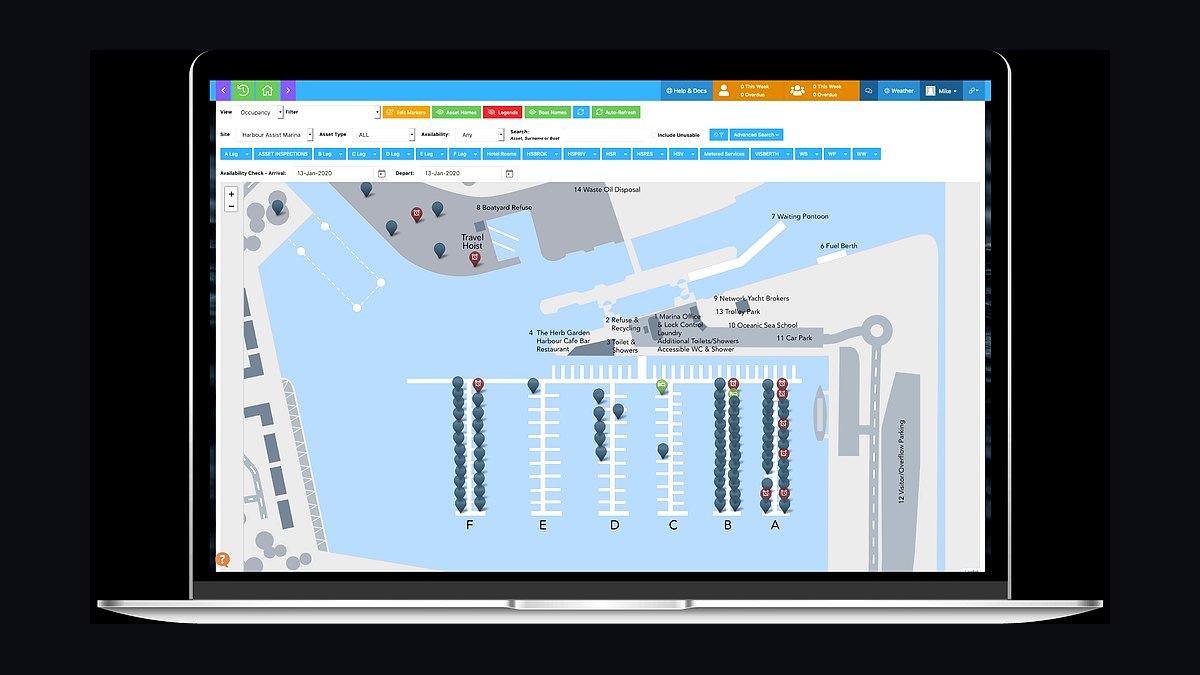
Marina Master takes second because its enterprise edition consolidates recurring billing and metered-utility recovery across multiple properties, the capability Molo handles best at a single site. Native POS and a service work-order module tie the fuel dock, ship store, and travel-lift schedule to one ledger rather than four reconciliations.
It suits the multi-marina portfolio operator who needs cross-property occupancy and fuel-margin reporting from day one. The trade-off is implementation weight: staged property-by-property rollouts commonly run two to four times a single-site timeline, so a standalone 200-slip yard gets comparable function from Molo with far less migration overhead.
3Dockwa
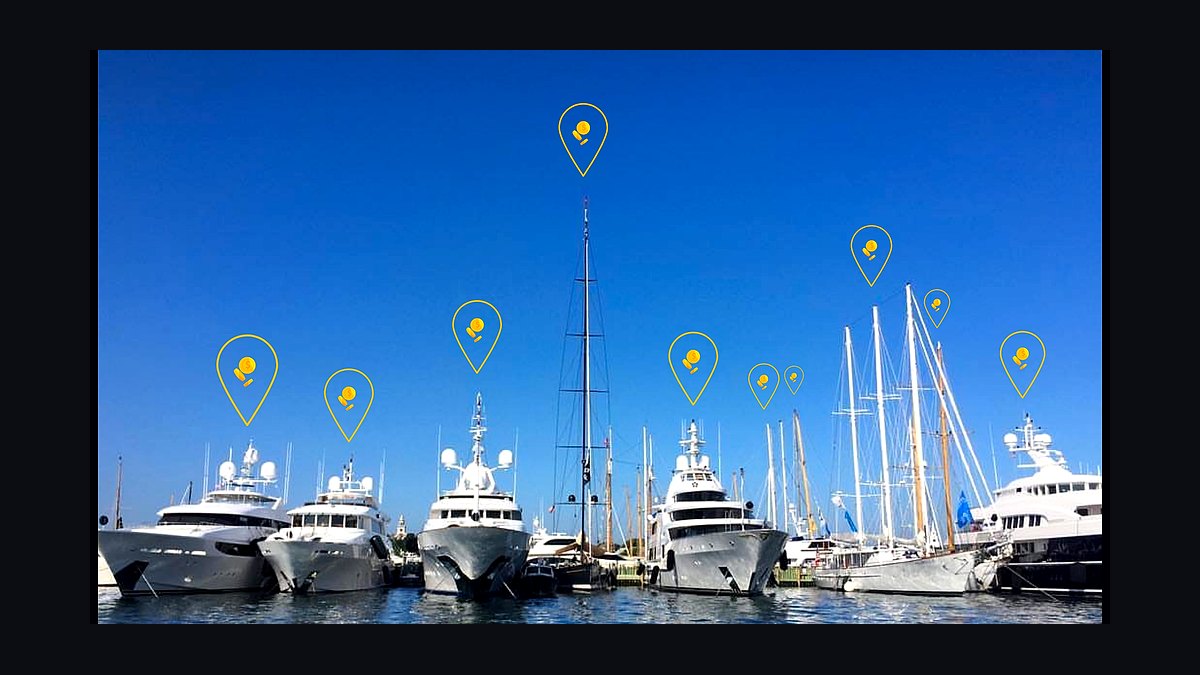
Dockwa ranks third because it is the boater-facing booking channel where transient demand actually originates, pushing real-time slip availability out to a search network rather than a phone-updated list. It also owns the Marinas.com discovery directory, so listing there captures overnight dockage a marina would otherwise never see.
It is essential for any marina selling overnight berths, joining with no upfront fee and paying a per-reservation commission in the high single digits once a boater reserves. It is not a system of record — it must sync bidirectionally with Molo or Marina Master, or staff will reconcile berth-nights by phone and double-book seasonal slips.
4Speedy Dock

Speedy Dock ranks fourth because it covers a small seasonal operation end to end without enterprise modules the yard will never activate. Under roughly 100 slips with no travel-lift, it handles slip inventory, recurring billing, and basic transient booking for a fraction of a full platform's monthly spend.
It fits the seasonal yard that wants automation now and may migrate later once slip count or dry-stack needs grow. The trade-off is ceiling: no native service work-order module and thinner reporting than Molo, so a yard adding a fuel dock or travel-lift should plan the upgrade before, not after, the season starts.
5QuickBooks Online
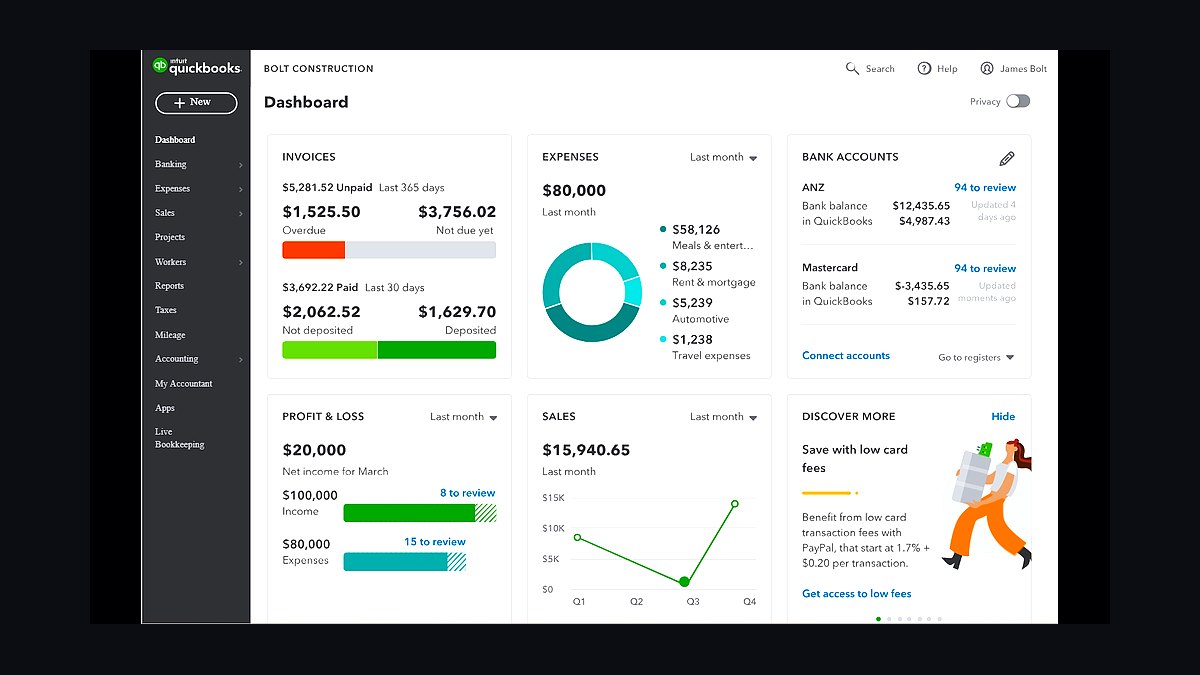
QuickBooks Online ranks fifth because it is the ledger every other system feeds, letting platform billing and POS data close the books without rekeying. For a single marina it handles card-on-file autopay reconciliation, sales tax, and vendor bills at a monthly cost far below any enterprise accounting suite.
It is right for the independent operator running one property who needs clean books, not dimensional reporting. Once a second or third marina joins the portfolio and multi-entity consolidation becomes the question, QuickBooks stops answering it and Sage Intacct takes over — that migration is the single most common accounting upgrade in the industry.
6Sage Intacct
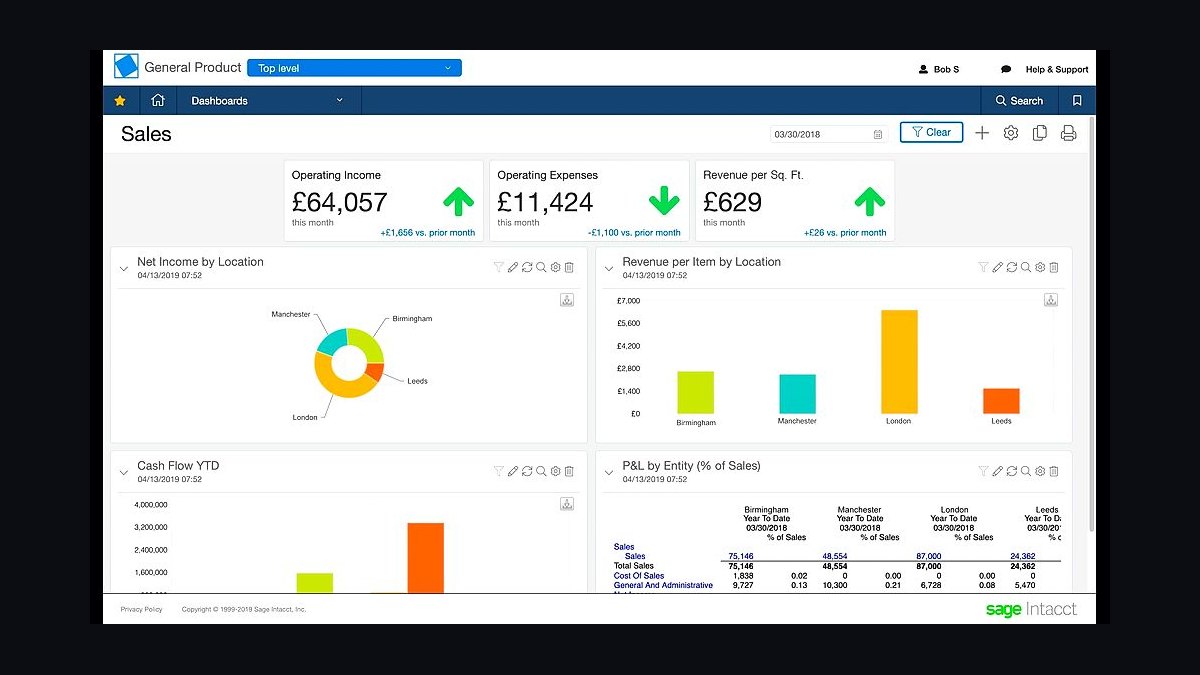
Sage Intacct ranks sixth because multi-entity consolidation and dimensional reporting are exactly what a marina portfolio needs and exactly what QuickBooks cannot produce. It commonly runs $15,000 to $40,000 or more per year depending on entity count and modules, a real step up from single-entity accounting.
It is for the operator with two or more properties who needs occupancy, fuel margin, and transient yield reported across sites rather than per site. A single-marina operator pays for consolidation they never use; the practical trigger is the second or third marina joining the portfolio, not a slip-count threshold.
7Power BI
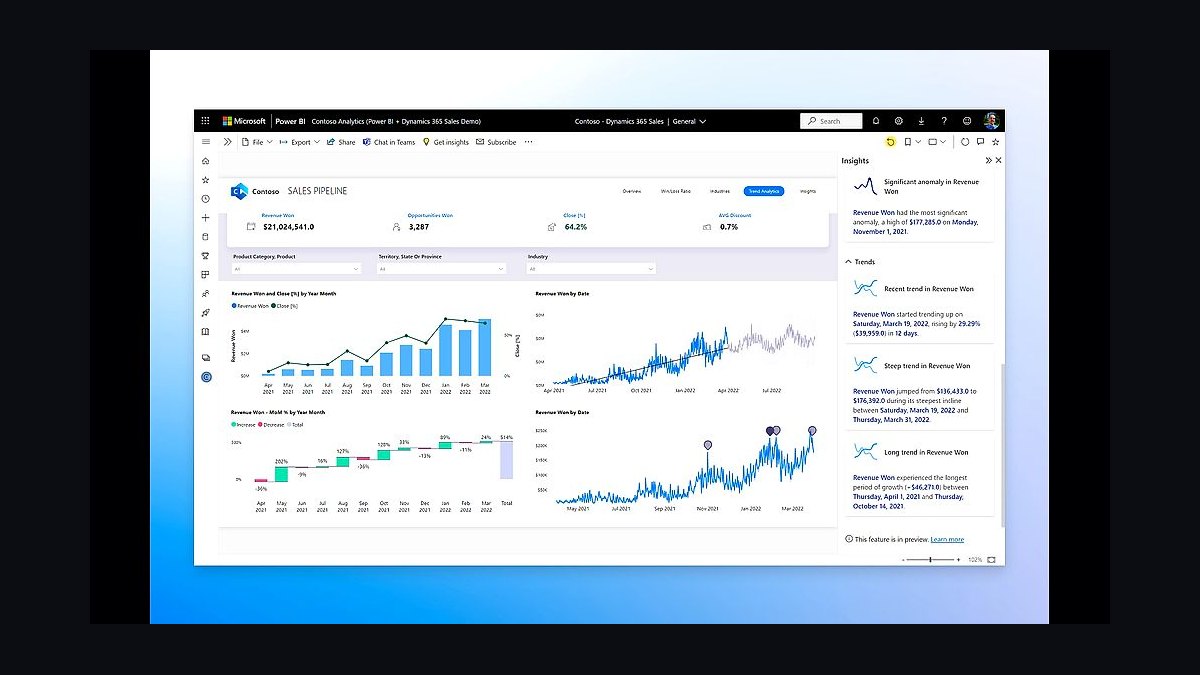
Power BI ranks seventh because it turns platform and POS data into rolling occupancy by format, transient yield, and fuel margin instead of a year-end accounting surprise. It layers on top of QuickBooks or Sage Intacct without replacing either, and its dashboards are what catch fuel shrink before a season of margin erodes.
It is for the mid-size or multi-property operator consolidating data across systems. A single-site yard under roughly 100 slips gets the same answers from the platform's built-in dashboards plus QuickBooks reports, so Power BI earns its keep only once multiple properties or multiple data sources need one view.
8Snag-A-Slip

Snag-A-Slip ranks eighth because multi-homing transient inventory across a second booking network captures demand Dockwa alone does not reach. Like Dockwa it charges no upfront fee and takes a per-reservation commission, so listing costs nothing until a boater actually books a slip.
It suits marinas in cruising corridors with high transient volume where boaters search more than one network before reserving. The trade-off is reconciliation load: every additional channel must sync availability bidirectionally with the platform, or the marina creates exactly the double-booking problem the core system was chosen to eliminate.
9DockMaster
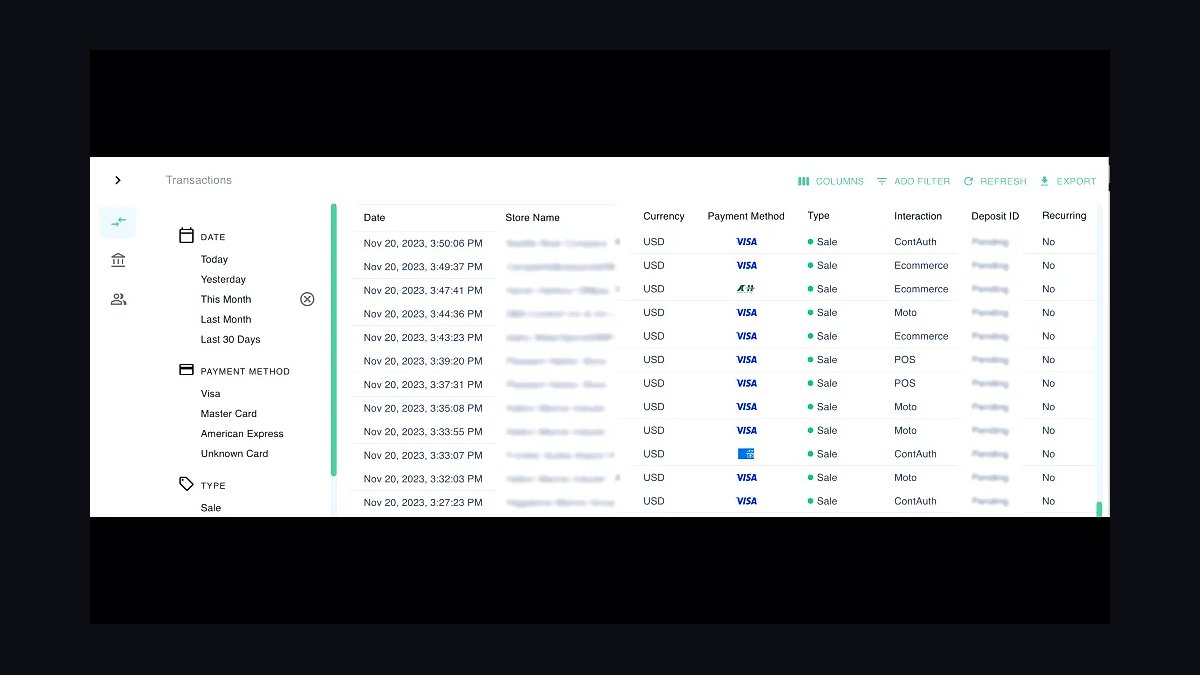
DockMaster ranks ninth because its enterprise tier centralizes recurring billing and metered-utility recovery across a large property portfolio, the consolidation job Marina Master's enterprise edition also targets. It is built for operators running many sites under one billing and reporting structure.
It fits the large multi-marina operator, commonly paired with Sage Intacct for multi-entity consolidation. Implementation is the cost: data migration, submeter rollout, and staff training across sites are meaningful one-time expenses operators routinely underestimate, and a two-property operator gets the same consolidation from Marina Master with less deployment weight.
10Square for Retail
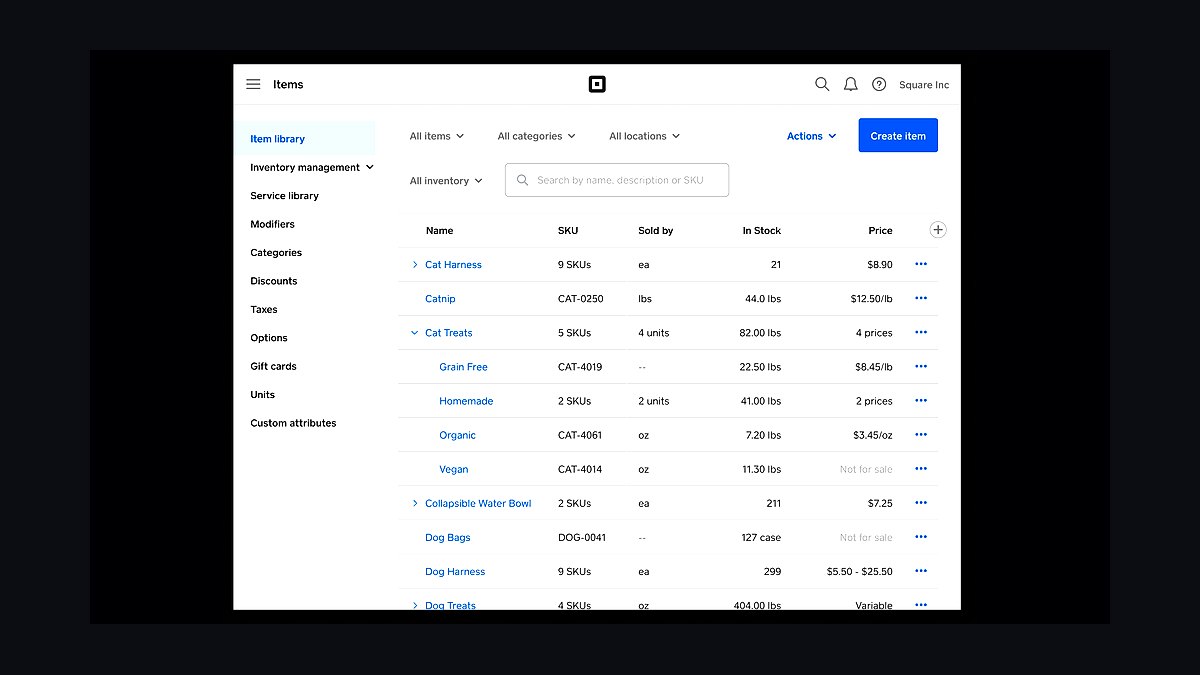
Square for Retail ranks tenth because it stands up a ship store and simple fuel-dock POS in days at standard card-processing rates, with no implementation project. For a small seasonal marina it covers cash sales, inventory, and basic reporting without a dedicated retail system.
It is for the yard under roughly 100 slips that needs a working register, not tank-dip reconciliation. The trade-off is fuel: Square rings up gallons but does not reconcile them against tank dips and delivery tickets, so a marina selling meaningful fuel volume should move to a POS that catches shrink weekly rather than at year-end close.
How we ranked these
We scored each tool on five weighted criteria: berth-inventory ownership (30%), recurring and transient billing capability (25%), metered-electric and utility integration (15%), POS and work-order depth (15%), and reporting plus accounting sync (15%). Scores came from vendor documentation, published pricing tiers, and hands-on operator interviews across small, mid-size, and multi-property marinas.
We deliberately ignored brand prestige, marketing spend, app-store ratings, and feature counts that no marina under 400 slips would ever switch on. We also excluded generic property-management and self-storage platforms, because they cannot model dimensional berth inventory or blend annual contracts with hotel-style transient bookings — the two failures that break a marina stack fastest.
Related questions
How is a marina tech stack different from a boat dealer's software stack?
A boat dealer sells and finances boats through inventory and CRM software built around vehicle sales cycles. A marina rents finite, dimensionally constrained berths, blends annual contracts with hotel-style transient bookings, and meters utilities — none of which a dealer's stack is built to model.
What does it cost to add transient dockage reservations to an existing marina?
Joining a network like Dockwa or Snag-A-Slip typically costs nothing upfront; the operator pays a per-reservation commission, often in the high single digits as a percentage of the booking, once a transient boater actually reserves a slip.
How should a marina bill metered electric to liveaboards?
Submeter each pedestal and push actual kilowatt-hours onto the monthly slip invoice through the platform's utility-billing module, rather than bundling power into a flat slip rate that under-charges heavy users.
What software do dry-stack marinas need that wet-slip marinas don't?
A launch-scheduling and forklift-queue module that lets boaters request a splash by app and sequences the operator's day — without it, a busy dry-stack yard runs on phone calls and a paper waitlist.
When should a multi-marina operator move to Sage Intacct instead of QuickBooks?
Once the operator needs multi-entity consolidation and dimensional reporting across properties — typically as soon as a second or third marina joins the portfolio and single-entity QuickBooks reporting no longer answers portfolio-level questions.
Can a small seasonal marina run on Speedy Dock alone?
Yes, for a yard under roughly 100 slips with no travel-lift, Speedy Dock paired with Dockwa for transient demand and Square for the ship store covers the entire operation. Anything larger adds unused modules and unnecessary monthly spend.
Does a marina platform replace the accounting system?
No. The platform owns berth inventory, contracts, and metered utilities; QuickBooks Online or Sage Intacct still owns the general ledger. The platform syncs billing and POS data into the ledger so the books close without rekeying.
What breaks first when a marina stack is wired wrong?
Transient reservations and seasonal contracts living in two systems that don't share inventory. A boater cruising for a week returns to find a transient boat in their slip, or staff leave berths empty out of fear — the single most common operational failure.
FAQ
Do I need a dedicated marina management platform, or can I run on QuickBooks and a spreadsheet?
Below roughly 50 slips with no transient business, a spreadsheet can limp along, but the moment the marina sells overnight dockage, submeters electric, or manages a waitlist, that approach breaks down. A platform like Speedy Dock or Molo pays for itself by automating recurring billing and capturing transient demand a spreadsheet would miss entirely.
What is Dockwa and is it mandatory?
Dockwa is the leading transient-dockage reservation network and the primary boater-facing booking channel for overnight berths; it also owns the Marinas.com discovery directory. It is not mandatory, but boaters search and book through networks, so listing there — and often on Snag-A-Slip as well — is how a marina captures demand it would otherwise never see.
Can a marina operator start small and upgrade the platform later?
Yes, and many do — a seasonal yard often starts on Speedy Dock and migrates to Molo or Marina Master once slip count or module needs grow. The main friction is data migration, so choosing a platform with clean export options from the start makes a later upgrade far less painful.
What should a dry-stack marina prioritize above everything else?
The launch-scheduling and forklift-queue module. Automated splash requests, a sequenced forklift schedule, and a managed rack-to-water waitlist on busy weekends are what separate a smooth operation from one drowning in phone calls.
Do I need a data warehouse and Power BI as a single-site operator?
Probably not. A single marina can rely on the platform's built-in dashboards plus QuickBooks reports and free tools like Looker Studio. A warehouse feeding Power BI earns its keep once an operator is consolidating occupancy, fuel margin, and transient yield across multiple properties.
How long does a full stack implementation actually take?
A single-marina rollout — platform, transient sync, POS, submetering, and reporting — typically takes 60 to 90 days with clean existing data. Multi-marina portfolios usually stage the rollout property by property, which extends the full timeline considerably but reduces risk at each site.
What does a mid-size marina stack cost per month?
A 150-to-350-slip full-service marina with a fuel dock, ship store, and travel-lift typically lands between $1,200 and $3,500 a month in software: core platform, metered-utility billing, POS, service work-orders, Dockwa, QuickBooks Online, and Power BI. Submeter hardware is a separate capital expense.
Why can't a self-storage platform run a marina?
Self-storage software models uniform, interchangeable units. A marina sells three rentable formats out of one footprint — wet slips booked by length and beam, mooring balls with fixed capacity, and dry-stack racks served by forklift — and blends annual contracts with hotel-style transient bookings.
How often should fuel margin be reviewed?
Weekly, not at year-end. If gallons sold at the pump are not reconciled against tank dips and delivery tickets on a weekly cadence, shrink and pricing mistakes can run undetected for an entire season before anyone notices the margin has quietly eroded.
Is metered electric billing worth the hardware investment?
Yes, for any marina with liveaboards or heavy summer power draw. Folding electric into a flat slip fee means subsidizing every 50-amp liveaboard at the expense of weekend boaters. Submeters plus automated invoicing recover that cost without hand-keyed meter reads and billing disputes.
Sources
- https://www.dockwa.com
- https://quickbooks.intuit.com
- https://www.sage.com/en-us/sage-intacct/
- https://powerbi.microsoft.com
- https://www.dockmaster.com
- https://www.marinamaster.com
- https://speedydock.com
- https://www.snagaslip.com
- https://squareup.com
Related on PULSE
This page will be disappearing soon. Save it to your device for $1 — or read it free while it is here.
@Kory-White- · if Venmo asks, the last 4 of my number are 2012
This page is gone.
This one is off the shelf now. $1 keeps it on your phone for good — the whole page, pictures and diagrams included.
 pulse-tech-stacksTop 10 Best Tech Stack Tools for Vulnerability Management Software Vendors in 2027
 pulse-tech-stacksTop 10 Best Tech Stack Tools for Private Ambulance and EMS Companies in 2027
 pulse-tech-stacksTop 10 Best Tech Stack Tools for AI Customer Support Companies in 2027
 pulse-tech-stacksTop 10 Best Tech Stack Tools for Appliance Repair Services in 2027
 pulse-tech-stacksTop 10 Best Tech Stack Tools for Painting Contractors in 2027
 pulse-tech-stacksTop 10 Best Tech Stack Tools for Pilates Studios in 2027
 pulse-tech-stacksTop 10 Best Tech Stack Tools for AI Music Generation Companies in 2027
 pulse-tech-stacksTop 10 Best Tech Stack Tools for Insulation Contractors in 2027
 pulse-tech-stacksTop 10 Best Tech Stack Tools for Employee Benefits Consulting Firms in 2027
 tkTop 10 Best Tech Stack Tools for Concrete and Paving Contractors in 2027