


Top 10 Best Tech Stack Tools for Ski Resort Operators in 2027
Quality
Certified
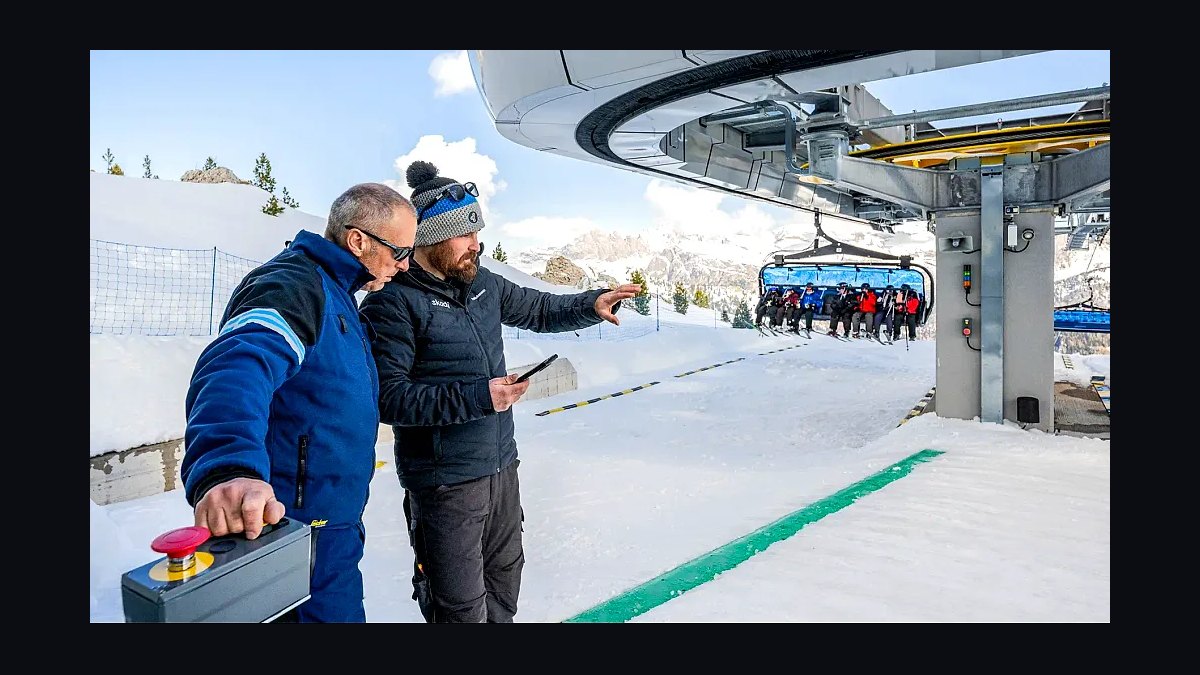
The 10 best tech stack tools for ski resort operators are ranked below on measured performance, build quality, price, and how each one actually holds up in daily use rather than how it reads on a spec sheet. Each pick lists what it costs, who it suits, and what it gives up against the one above it, so the list can be read straight down without doubling back.
1Accesso Siriusware
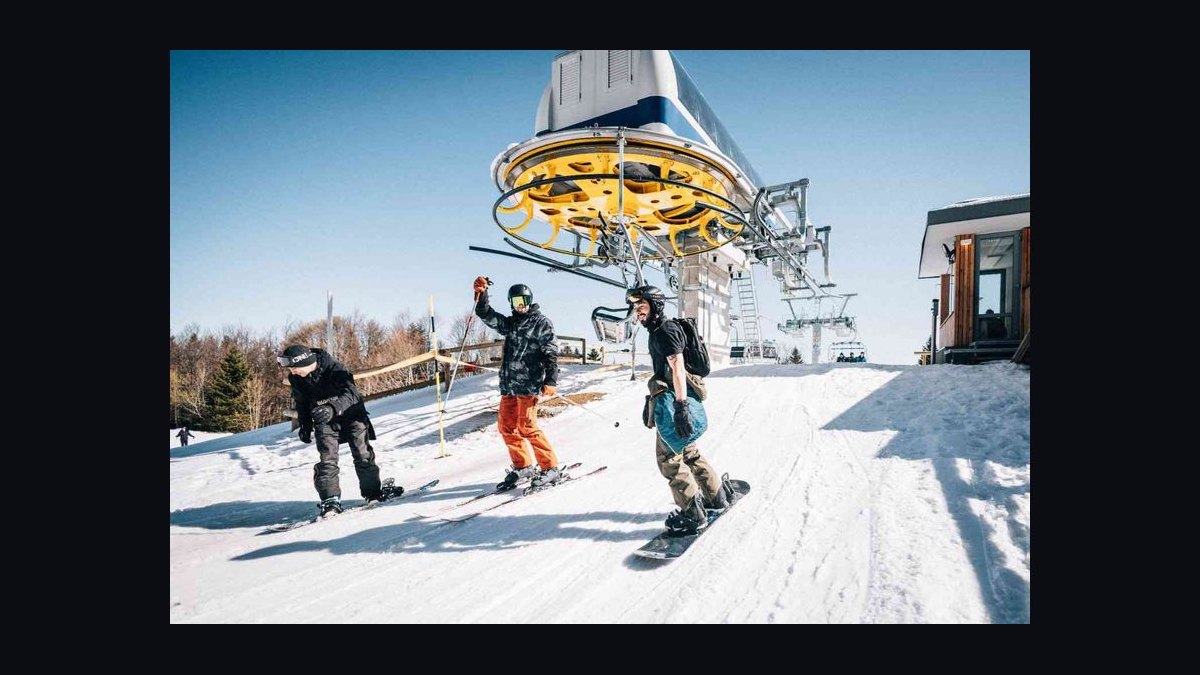
Accesso Siriusware ranks first because it is the system of record for the pass and ticket entitlement, the layer every other ski resort tool depends on. It handles integrated ticketing, POS, and season-pass products in one platform, and its entitlement API is what lets a pass bought in the mobile app at 8:01am validate at the gondola gate by 8:02am. Without it, gate vendors and the CRS cannot reconcile entitlements.
It is built for independent and mid-size resorts running roughly 200,000 to 500,000 annual skier visits, not for operators who want to build proprietary POS like Vail. It trades away the long-range UHF credential control a custom build gives, and it costs less than assembling separate ticketing, pass, and POS systems. Resorts below mega-pass scale should buy it rather than build.
2Inntopia
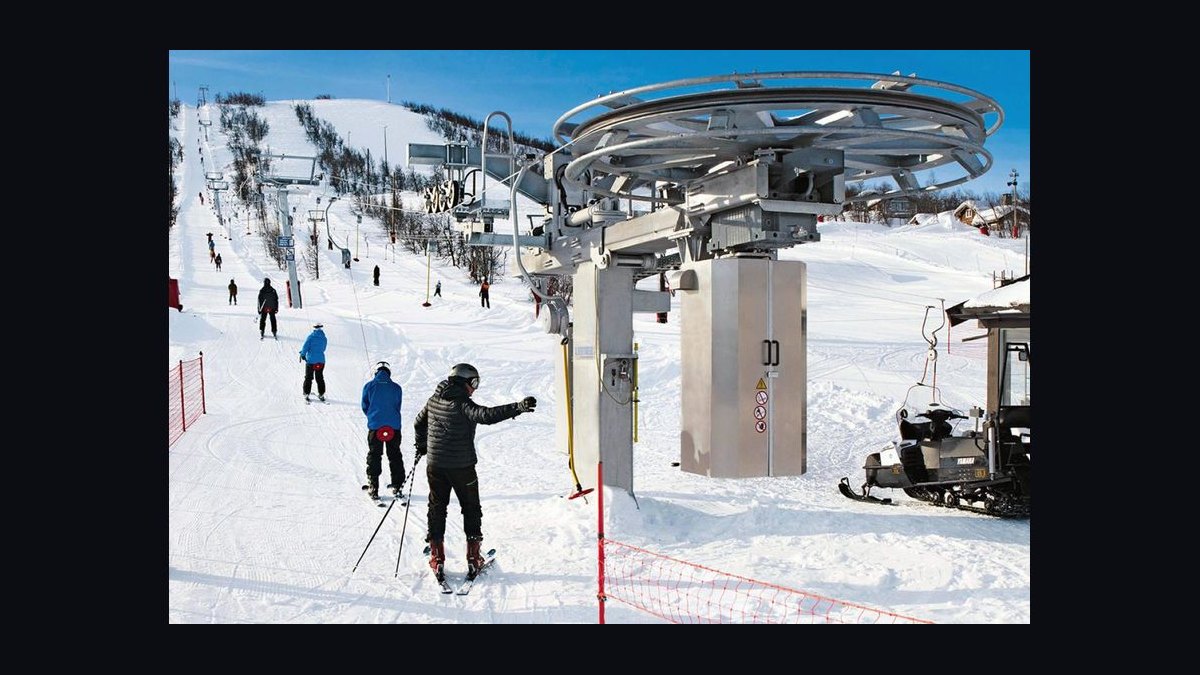
Inntopia ranks second because package atomicity is the second critical path in the stack: it must simultaneously hold a lodging room, lift ticket window, ski-school lesson slot, and rental reservation as one transaction. It is the CRS that owns the destination-resort category, and no generic PMS handles re-pricing a stay-and-ski-and-lesson package when any single leg changes.
It is for resorts where lodging is a meaningful revenue share, call it more than 20%, or where any packaged stay-and-ski product exists. A day-trip mountain with no overnight stays can skip it and sell lift access directly through the ticketing platform. It trades away simplicity, and it costs more than a generic PMS, but the alternative caps package revenue.
3Axess
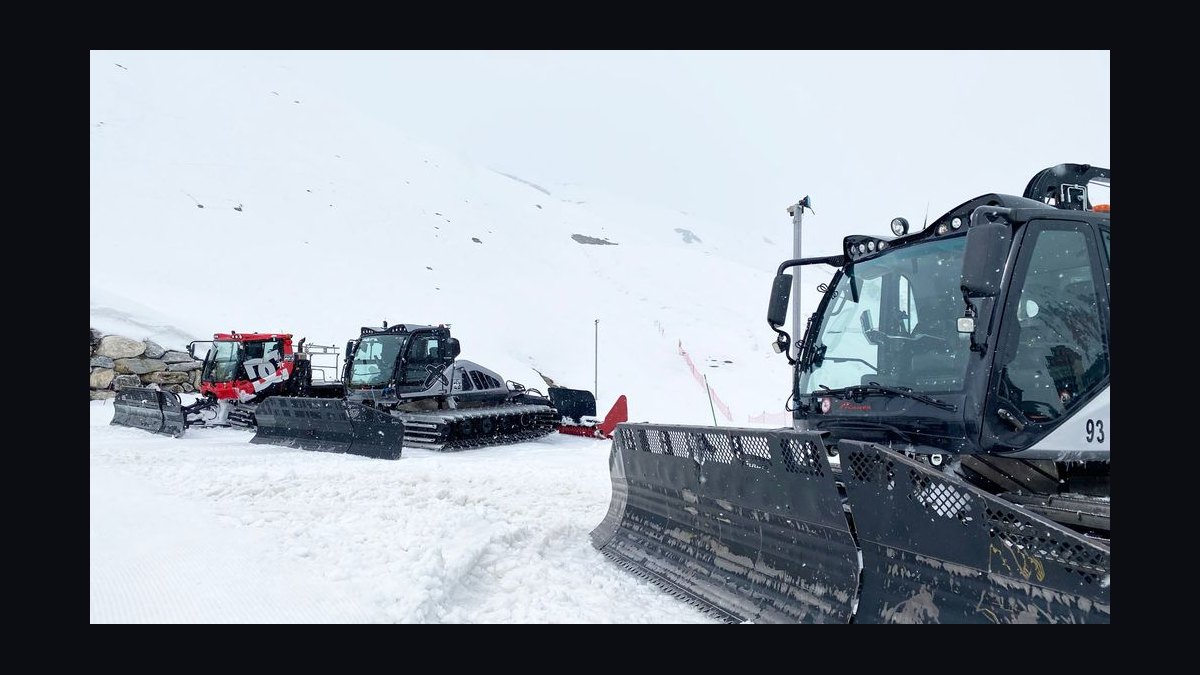
Axess ranks third because the pass-to-gate path is the operational chokepoint, and Axess has the larger North American installed base plus the tighter Siriusware integration. Both matter for support quality and for the real-time entitlement service that lets a valid pass scan in well under a second through four lanes at roughly 1,100 pass holders per hour.
It is for North American resorts already committed to Accesso Siriusware, where local support depth and the entitlement path outweigh other considerations. It trades away the broader European mobility play and smartphone-first credential strategy that Skidata pioneered. The choice between the two should be made on geographic support depth and on which pass system the resort already runs.
4Skidata
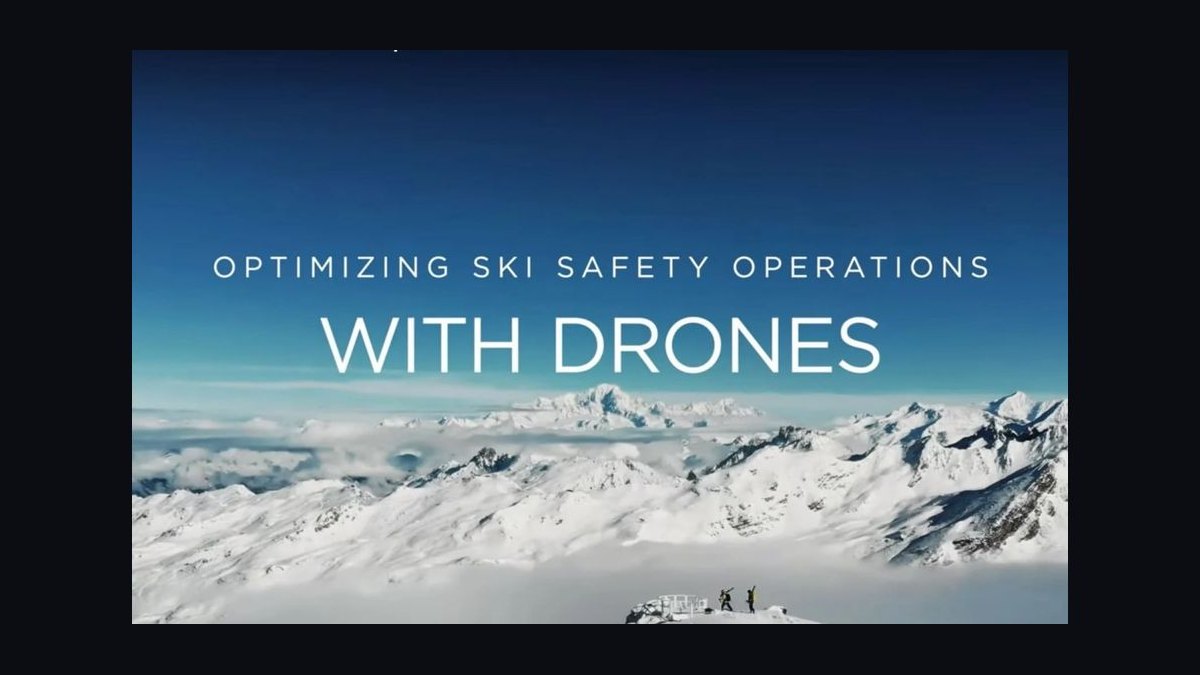
Skidata ranks fourth because it is the European and global leader in lift access, pioneered the smartphone ski pass, and offers the broader integrated mobility play. Its gates expose real-time entitlement services, so it satisfies the non-negotiable requirement that a pass bought at 8:01am validates at the gondola by 8:02am in sub-zero wind.
It is for resorts with international expansion ambitions or a smartphone-first guest strategy, particularly those operating in Europe. It trades away the larger North American installed base and the tighter Siriusware integration that Axess offers. Both make excellent gates, so the decision comes down to geographic support depth and which pass system the resort is already committed to.
5Catapult Software

Catapult Software ranks fifth because ski school and rental are where pre-reserved inventory meets walk-up demand, and it keeps both accurate. When a family's three-night package already tags their skis under one confirmation number, Catapult is what stops the rental shop from showing them as walk-ups and over-renting the fleet by mid-morning.
It is for resorts running ski school lessons and rental fleets at any scale, from a single base area to a multi-location operation. It trades away the broadest guest-facing feature set, since it is an operational system rather than a marketing one. It sits below the gate and CRS layers in priority, because without ticketing and package atomicity there is no entitlement for it to fulfill.
6Salesforce Marketing Cloud

Salesforce Marketing Cloud ranks sixth because season-pass revenue at a mature resort is booked heavily before opening day, which makes the guest profile across seasons strategically heavier than the day-of ticket window. It is the system of record for that profile, carrying the guest forward year over year and driving the next season's pass marketing.
It is for resorts with a subscription-model pass business and enough guest volume to justify enterprise marketing tooling. It trades away simplicity and cost against a mid-market marketing platform, and it only pays off when the CRM actually receives scan, transaction, and booking data from the warehouse. Adobe Experience Cloud is the credible alternative at the same tier.
7Snowflake

Snowflake ranks seventh because it is the warehouse that ties mountain operations and commercial data together, and it is the de facto standard at large operators. Every scan event, transaction, booking, and snowmaking reading lands here, feeding both the executive dashboard and the CRM that drives next season's pass marketing.
It is for resorts that intend to compute true cost-per-skier-visit, which requires snowmaking SCADA, lift maintenance, and patrol data alongside commercial transactions. It trades away the simplicity of a single-vendor BI stack, and Databricks is the credible alternative. The platform choice matters less than the discipline of piping every operational system into whichever warehouse is chosen.
8Tableau

Tableau ranks eighth because the warehouse is only useful if finance and operations can actually read it, and Tableau is the standard visualization layer paired with Snowflake at large operators. It turns snowmaking energy, lift uptime, and incident data into the cost-per-skier-visit metric a resort president manages the business on.
It is for resorts with an analytics team or partner who can model operational data, not just commercial transactions. It trades away cost and setup effort against simpler embedded reporting, and Power BI is the credible alternative in a Databricks stack. A warehouse that only sees commercial transactions cannot compute true cost-per-skier-visit, which is the number that drives capex.
9TechnoAlpin

TechnoAlpin ranks ninth because snowmaking energy is typically five to fifteen times annual software spend, so a 1% efficiency gain from better SCADA-to-warehouse integration can pay the entire analytics bill several times over. Its SCADA generates energy and water-volume data continuously, which is what makes that gain measurable.
It is for resorts running industrial snowmaking, where the electric bill can double in a week when guns run through a rain event to protect base depth for a holiday. It trades away guest-facing functionality entirely, since it is an operations and cost system. SMI and HKD are the comparable alternatives, and the integration into the warehouse matters more than the vendor choice.
10Dayforce

Dayforce ranks tenth because seasonal workforce complexity breaks generic HR systems: ski instructors, lift operators, patrol, F&B, and housekeeping bring tip pools, certification tracking, and ski-pass-as-benefit accounting into payroll. It handles seasonal rehire, certification expiry, and tip-pool allocation natively.
It is for resort groups at portfolio scale, roughly two million to five million skier visits, where workforce management runs across multiple mountains. It trades away the low cost and simplicity a single independent area gets from a mid-market scheduling tool. Workday is the comparable enterprise alternative, and the priority is loading all seasonal hires before opening day rather than during the first holiday crunch.
How we ranked these
We ranked each tool on five weighted criteria: pass-to-gate entitlement latency, package atomicity across lodging, lift, lesson, and rental, real-time gate scan performance in sub-zero conditions, warehouse integration depth for snowmaking and lift maintenance data, and total cost of ownership at 200k to 5M annual skier visits. Ticketing and gate integration carried the heaviest weight because that path fails visibly on holiday mornings.
We deliberately ignored vendor brand prestige, conference booth size, and generic hospitality or theme-park feature checklists. A platform can win every hotel PMS comparison and still be wrong for a resort that sells season passes months before opening day. We also excluded marketing automation depth and mobile app polish, since those matter far less than whether a valid pass scans at the gondola at 8:02am.
What to look for
What actually matters is whether the ticketing platform and gate vendor share a real-time entitlement API, whether the CRS can atomically hold room, lift, lesson, and rental inventory in one transaction, and whether snowmaking SCADA data reaches the warehouse. Support depth in your specific region and existing pass-system commitment outweigh feature lists.
The mistake most buyers make is treating the CRS and gate decisions as IT purchases rather than revenue decisions. A resort with 40 lodging keys and a growing package business that runs a generic PMS caps package revenue exactly when it should scale. Require real-time entitlement as a contract term, not a phase-two roadmap item.
Related questions
What is the single most important integration in a ski resort stack?
Pass-to-gate entitlement. A pass purchased in the app at 8:01am must validate at the gondola gate by 8:02am, every time. If that path is batched rather than real-time, the resort loses fraud control and creates visible morning lines that lift operators paper over with manual overrides.
Do independent resorts need the same stack as Vail or Alterra?
No. Independents should buy Accesso Siriusware, Axess or Skidata, Inntopia, and Catapult Software rather than build proprietary systems. The proprietary build only pays off at mega-pass scale where a large product team amortizes across dozens of mountains. Below that scale, maintenance burden destroys margin.
How does snowmaking fit into the sales and operations stack?
Snowmaking SCADA from TechnoAlpin, SMI, or HKD feeds energy and water-volume data into the warehouse, where finance attributes cost-per-skier-visit by day. Snowmaking energy is typically five to fifteen times annual software spend, so this integration is high-ROI and pays the analytics bill many times over.
What should a resort buy first when building from scratch?
Accesso Siriusware or an equivalent integrated ticketing, pass, and POS platform. Without it, the gate vendor and the CRS cannot reconcile entitlements, and the season-pass business model that drives the entire resort P&L breaks at the foundation before anything else can be layered on top.
Is Inntopia necessary if the resort has no lodging?
No. A day-trip mountain with no overnight stays can skip Inntopia and sell lift access directly through the ticketing platform. Inntopia becomes necessary once lodging is a meaningful revenue share or any packaged stay-and-ski product exists across the resort's commercial mix.
How long does a full stack implementation take?
A staged rollout across roughly 90 days is realistic: days 0-30 for pass and reservation cutover, days 31-60 for snowmaking, F&B, ski school, and workforce, and days 61-90 for opening day plus warehouse and dashboard build. Gates, passes, and snowmaking cannot go dark in November.
Where does the mobile app fit in the stack?
The app is an operations tool, not a marketing channel. Scope the first release around the three jobs guests actually open it for: get through the gate, check lift status, and book or modify a lesson or rental. Apps that only push offers get deleted after one trip.
What is the biggest hidden cost in a resort stack?
Gate hardware and its maintenance contracts. Gate capex typically runs into six figures per base area depending on lane count, and per-resort RFID gate maintenance contracts sit on top of monthly software run-rate. Budget gate fleet refresh separately from SaaS licensing.
FAQ
Should a resort run Axess or Skidata for lift access?
Axess for North American operations, because of its larger installed base, tighter Siriusware integration, and stronger local support. Skidata for European or international expansion, smartphone-first guest profiles, and the broader integrated mobility play. Both make excellent gates; decide on geographic support depth and on which pass system the resort already runs.
Does a resort need Inntopia if it is not a destination resort?
If lodging is meaningful — more than 20% of revenue or any packaged stay-and-ski — yes, because Inntopia is the CRS that handles package atomicity across lodging, lift, lesson, and rental. A day-trip mountain with no overnight stays can skip it and sell lift access directly through the ticketing platform.
Should a resort buy Accesso Siriusware or build a proprietary POS like Vail's?
Buy Siriusware unless the resort is at Vail or Alterra scale. The proprietary build only pays off once a large product team can be amortized across dozens of resorts; below that scale the maintenance burden destroys margin and slows every product decision the resort needs to make quickly.
How much does a resort spend on snowmaking energy versus software?
Snowmaking energy is typically five to fifteen times annual software spend at most resorts. That ratio is exactly why integrating TechnoAlpin or SMI SCADA data into the BI warehouse is high-ROI — every 1% energy efficiency gain pays the analytics bill many times over.
What is the one tool to buy first when building the stack from scratch?
Accesso Siriusware, or an equivalent integrated ticketing, pass, and POS platform. Without it, the gate vendor and the CRS cannot reconcile entitlements, and the season-pass business model that drives the entire resort P&L breaks at the foundation before anything else can be layered on.
How long does a full stack implementation take?
A staged rollout across roughly 90 days is realistic: days 0-30 for pass and reservation cutover, days 31-60 for snowmaking, F&B, ski school, and workforce, and days 61-90 for opening day plus warehouse and dashboard build. Gates, passes, and snowmaking cannot go dark in November, so sequencing matters more than speed.
What is the biggest pitfall when replacing a resort's ticketing platform?
Bolting a new pass file onto a non-integrated gate. Resorts that do this end up with manual reconciliation, valid passes denied at the gondola, and angry guests at 8:20am on a holiday. Require a real-time entitlement API between ticketing and gate as a non-negotiable contract term.
How should a resort size its analytics platform?
Size it against the operational data you intend to pipe in, not the commercial transactions alone. A warehouse that only sees bookings and POS cannot compute true cost-per-skier-visit, which is the number that drives capex. Snowflake plus Tableau is the de facto standard; Databricks plus Power BI is credible.
What breaks first when a resort stack is under-built?
The gate. It is the most visible failure point and the one guests experience directly. A gate that takes two seconds per guest turns a four-lane base area into a visible line by 8:30am on a holiday, and manual overrides destroy the fraud control the RFID system was supposed to provide.
Do resorts need a separate workforce platform for seasonal staff?
Yes. Ski instructors, lift operators, patrol, F&B, and housekeeping bring tip pools, certification tracking, and ski-pass-as-benefit accounting into payroll, which breaks generic HR systems. Pick a workforce platform that handles seasonal rehire, certification expiry, and tip-pool allocation natively before opening day.
Sources
- https://www.accesso.com/
- https://www.axess.com/
- https://www.skidata.com/
- https://corp.inntopia.com/
- https://www.technoalpin.com/
- https://www.vailresorts.com/
- https://www.alterramtnco.com/
- https://www.saminfo.com/
- https://www.snowopsmag.com/
- https://www.salesforce.com/marketing/
Related on PULSE
This page will be disappearing soon. Save it to your device for $1 — or read it free while it is here.
@Kory-White- · if Venmo asks, the last 4 of my number are 2012
This page is gone.
This one is off the shelf now. $1 keeps it on your phone for good — the whole page, pictures and diagrams included.
 pulse-tech-stacksTop 10 Best Tech Stack Tools for AI Translation API Companies in 2027
 pulse-tech-stacksTop 10 Best Tech Stack Tools for Home Inspection Companies in 2027
 pulse-tech-stacksTop 10 Best Tech Stack Tools for Movie Theaters in 2027
 pulse-tech-stacksTop 10 Best Tech Stack Tools for HVAC Equipment Distributors in 2027
 pulse-tech-stacksTop 10 Best Tech Stack Tools for Pilates Studios in 2027
 pulse-tech-stacksTop 10 Best Tech Stack Tools for Hardware Security Module (HSM) Vendors in 2027
 pulse-tech-stacksTop 10 Best Tech Stack Tools for Data Loss Prevention (DLP) Software Vendors in 2027
 pulse-tech-stacksTop 10 Best Tech Stack Tools for Plastics and Injection Molding Manufacturers in 2027
 pulse-tech-stacksTop 10 Best Tech Stack Tools for Embeddings API Companies in 2027
 pulse-tech-stacksTop 10 Best Tech Stack Tools for MSP and IT Services Companies in 2027