


Top 10 Best Tech Stack Tools for Wine and Spirits Distributors in 2027
Quality
Certified
The 10 best tech stack tools for wine and spirits distributors are ranked below on measured performance, build quality, price, and how each one actually holds up in daily use rather than how it reads on a spec sheet. Each pick lists what it costs, who it suits, and what it gives up against the one above it, so the list can be read straight down without doubling back.
1VIP Software
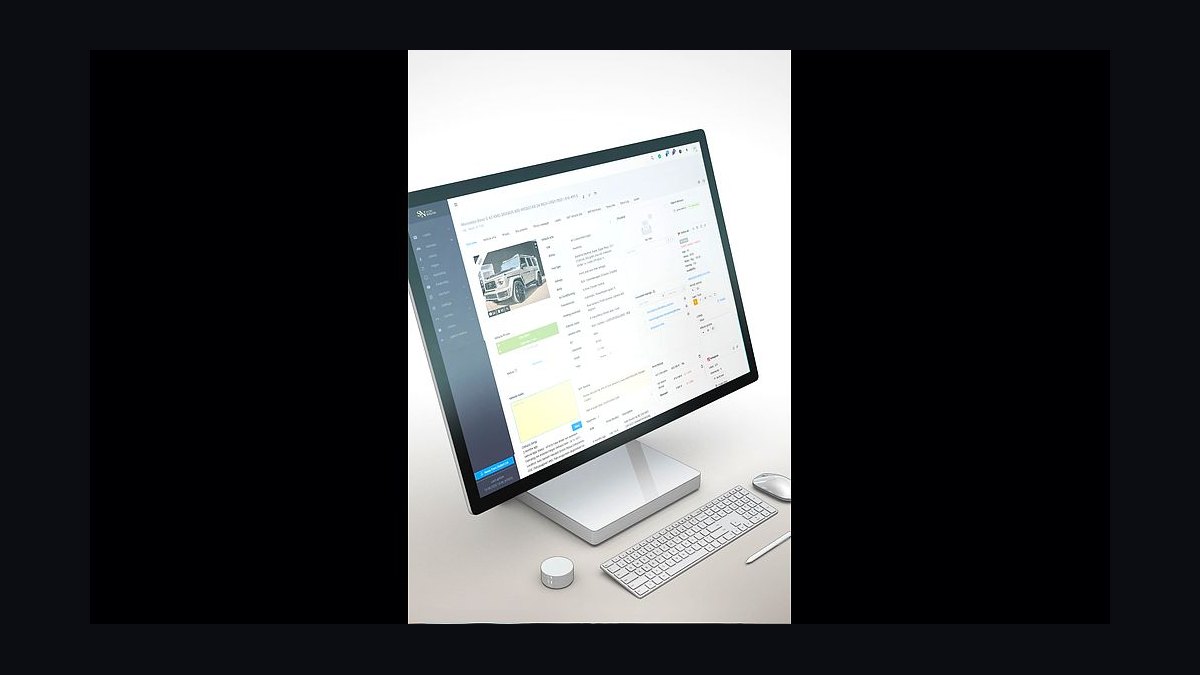
VIP ranks first because it is the alcohol-native ERP that most US wine and spirits distributors already run their route accounting on, and no generic wholesale system replicates three-tier franchise logic. Its EasyOps and EasyPick modules handle pick, pack, and route loading, while the core engine reconciles driver settlement — cash, checks, returns, breakage, short-shipments — to the penny daily.
It is built for established distributors with an on-prem IT footprint and deep EDI needs; migration off it rarely pays for a one-to-two-state operation. It trades away cloud-native deployment convenience, which is exactly where Encompass Distribution Cloud directly below competes. Pricing for mid-sized distributors typically runs fifteen thousand to sixty thousand-plus dollars a month by route and rep count.
2Encompass Distribution Cloud
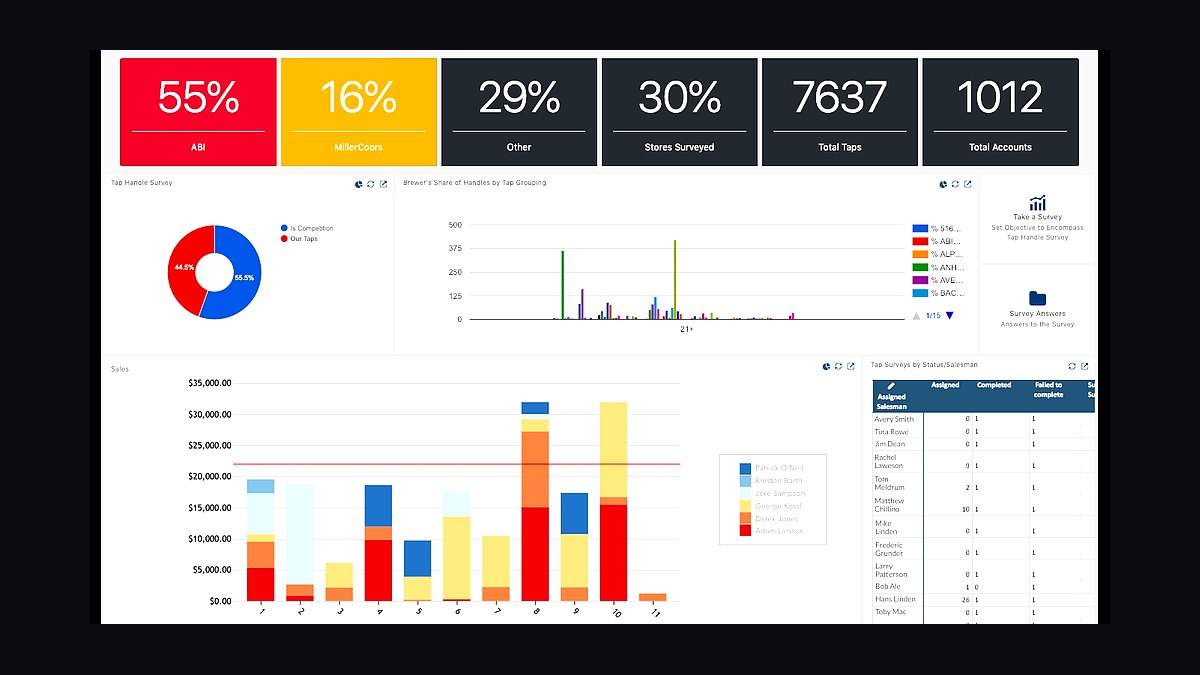
Encompass ranks second as the SaaS-delivered alternative to VIP, purpose-built for beverage alcohol with the same route-accounting and pre-sell loop but without on-prem infrastructure. Its mSell field tool covers rep order capture, and its warehouse functionality handles pick, pack, and route loading for most distributors without a standalone WMS.
It fits distributors standing up operations from scratch or actively reducing on-prem overhead, and pricing tracks a similar band to VIP by case volume. It trades away the incumbent depth of VIP's long-installed EDI and route modules, which matters most to legacy operators. For a one-state distributor already on VIP, switching rarely justifies the migration cost.
3Avalara CertCapture
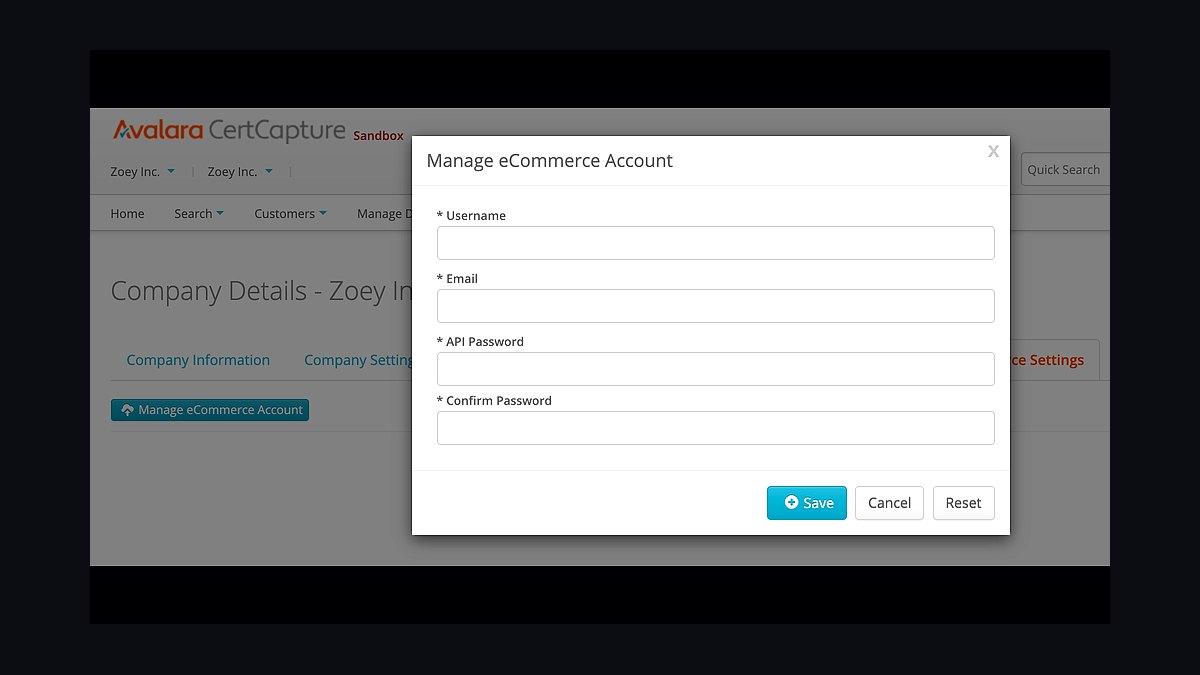
Avalara CertCapture ranks third because license and excise verification at invoice time is the compliance gate that keeps a lapsed retailer license or miscalculated tax line from ever billing. It stores license documents, verifies them programmatically against the transaction, and feeds the numbers the ERP's excise module needs for monthly state and TTB filings.
It is mandatory for any distributor issuing invoices across multiple tax jurisdictions, and typically costs two thousand to eight thousand-plus dollars a month by transaction volume alongside the ERP excise module. It trades away nothing operationally — it is a gate, not a workflow — but it does not replace the ERP. Without it, refund-and-recredit cycles erode margin faster than the subscription cost.
4Provi
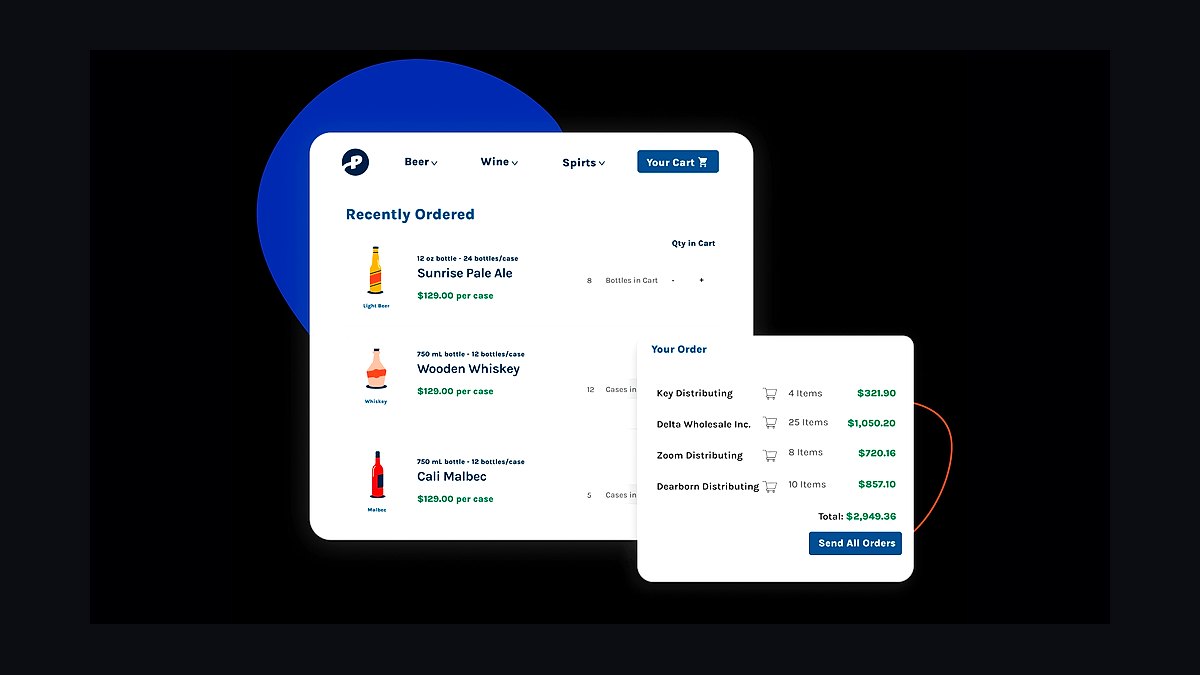
Provi ranks fourth as the inbound B2B marketplace where a growing share of restaurant and retail buyers place orders directly rather than waiting on a rep visit. Orders route into VIP or Encompass as confirmed sales orders, and reps still receive account-management credit regardless of order channel once routing is correct.
It suits distributors of nearly every size, with Provi Enterprise layered in at multi-state scale. It trades away some direct control over order timing, and distributors that throttle marketplace orders lose real-time visibility into independent on-premise demand. Building a proprietary portal instead rarely beats Provi's retailer network effect below national scale.
5Karma Notes
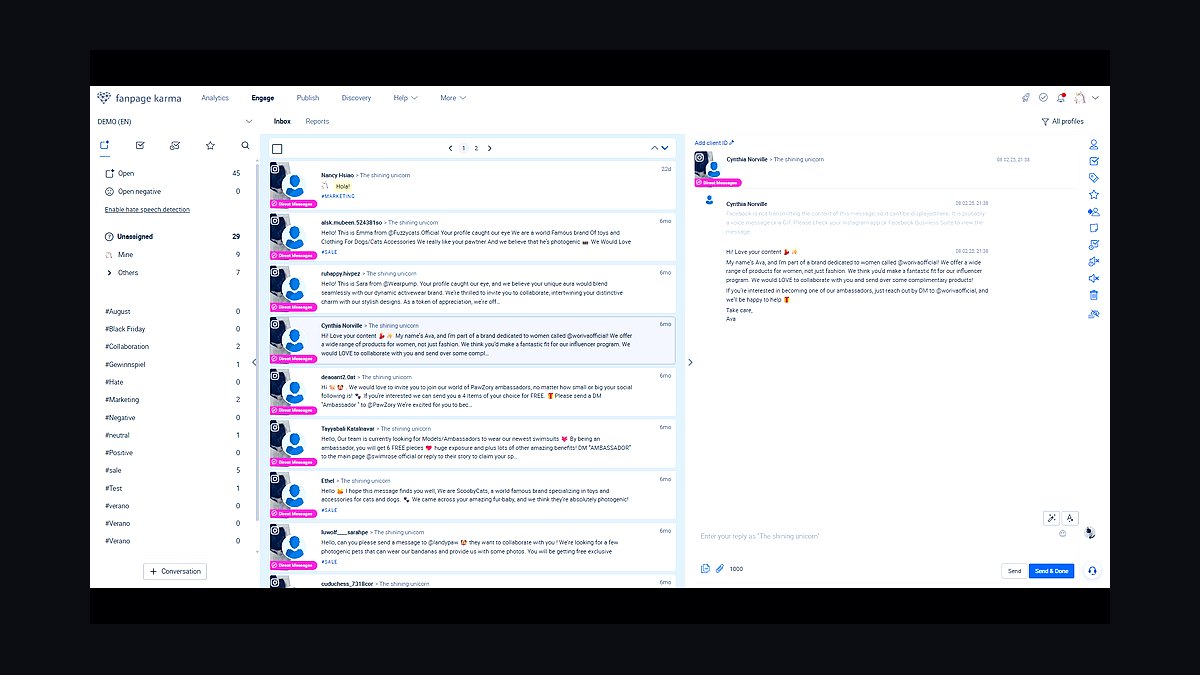
Karma Notes ranks fifth as the rep-facing pre-sell tool built around the account's license status, franchise-permitted SKUs, and depletion history — fields a general-purpose CRM does not model. Reps capture orders, sampling notes, and programming commitments on a tablet before the driver loads against that manifest the next morning.
It is designed for field sales teams running daily or weekly route calls, and it sits below Salesforce, which covers the chain and national-account layer above the individual rep. It trades away broad CRM extensibility in exchange for alcohol-specific account context. Without it, pre-sell data reaches the ERP late or through manual re-entry.
6Circana
Circana ranks sixth because supplier scorecards are built from scan data, and Circana has traditionally led grocery and liquor-store scan coverage. Its extracts land in the warehouse on the same brand, package, and account grain as the distributor's own depletion file, which is what makes a scorecard match the supplier's own analytics team.
It is essential for distributors facing quarterly business reviews with major suppliers, with subscriptions running three thousand to thirty thousand-plus dollars a month by chains, categories, and geographies covered. It trades away convenience-channel depth, where NielsenIQ is stronger. Treating this subscription as a discretionary cut in a lean year is how distributors lose brand allocations.
7NielsenIQ
NielsenIQ ranks seventh as the second scan-data source, carrying different strength in convenience channels than Circana's grocery and liquor-store coverage. Most multi-state distributors subscribe to both once a major brand review requires it, because a supplier comparing two distributors will weigh whichever dataset supports the competing pitch.
It fits distributors at five-plus states or anyone whose brand portfolio skews toward convenience retail. It trades away some grocery-channel granularity relative to Circana, which is why the two are typically paired rather than substituted. Subscription costs track Circana's band by coverage scope, and adding the second source is a budget event, not a rounding error.
8Snowflake
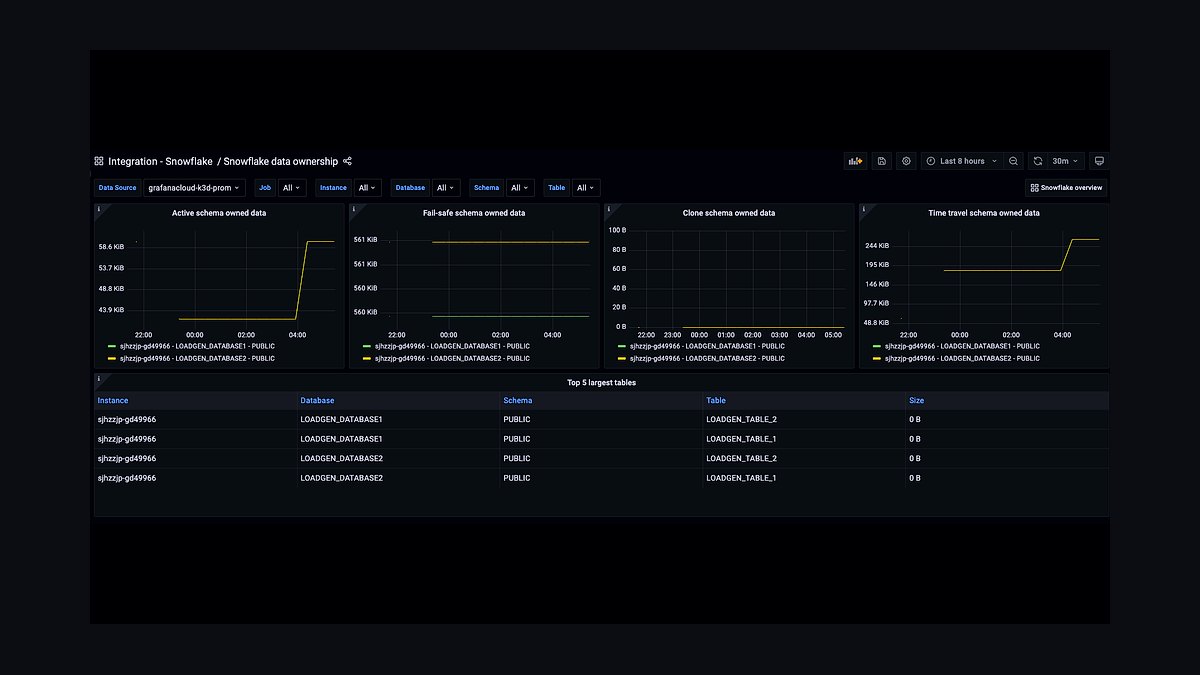
Snowflake ranks eighth as the warehouse layer that joins depletion, inventory, and scan data on identical brand, package, and account keys. Without that common grain, the scorecard a distributor hands a supplier will not match what the supplier's own team sees, and a mismatch at that meeting reads as sloppiness even when sales performance is strong.
It suits distributors running multiple source systems — ERP, Salesforce, scan feeds — that need joining. It trades away simplicity: at small scale, direct ERP-to-Power-BI reporting works fine until scan data arrives. It sits below Circana and NielsenIQ in sequence but above Power BI, which consumes it.
9Salesforce
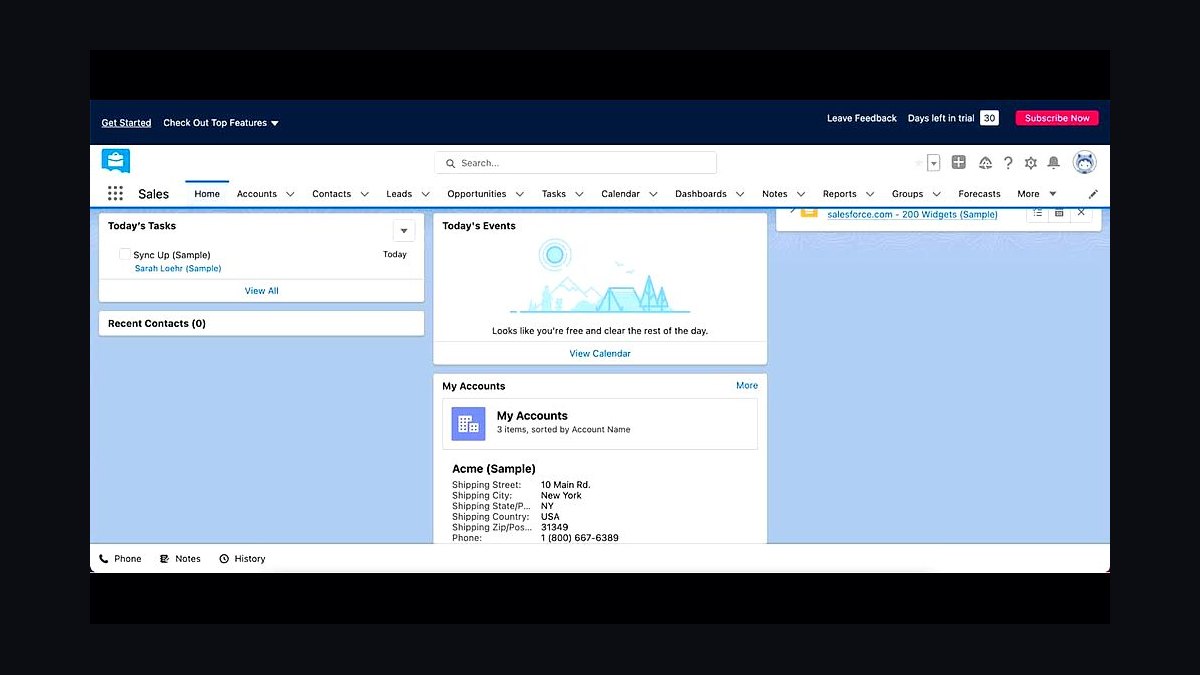
Salesforce ranks ninth because national-account relationships with Total Wine, Kroger, or Costco require chain-level compliance and velocity tracking that Excel cannot hold. Running those relationships in spreadsheets loses visibility into programming commitments already paid for, and distributors typically lose programming dollars or an entire brand allocation at the next chain review.
It fits distributors with chain and national-account functions, priced around one hundred sixty-five dollars per user per month at Enterprise tier. It trades away alcohol-specific modeling — license status and franchise-permitted SKUs live in Karma Notes, not here. Regional distributors with no chain accounts typically get by with the ERP's own account tools.
10Power BI
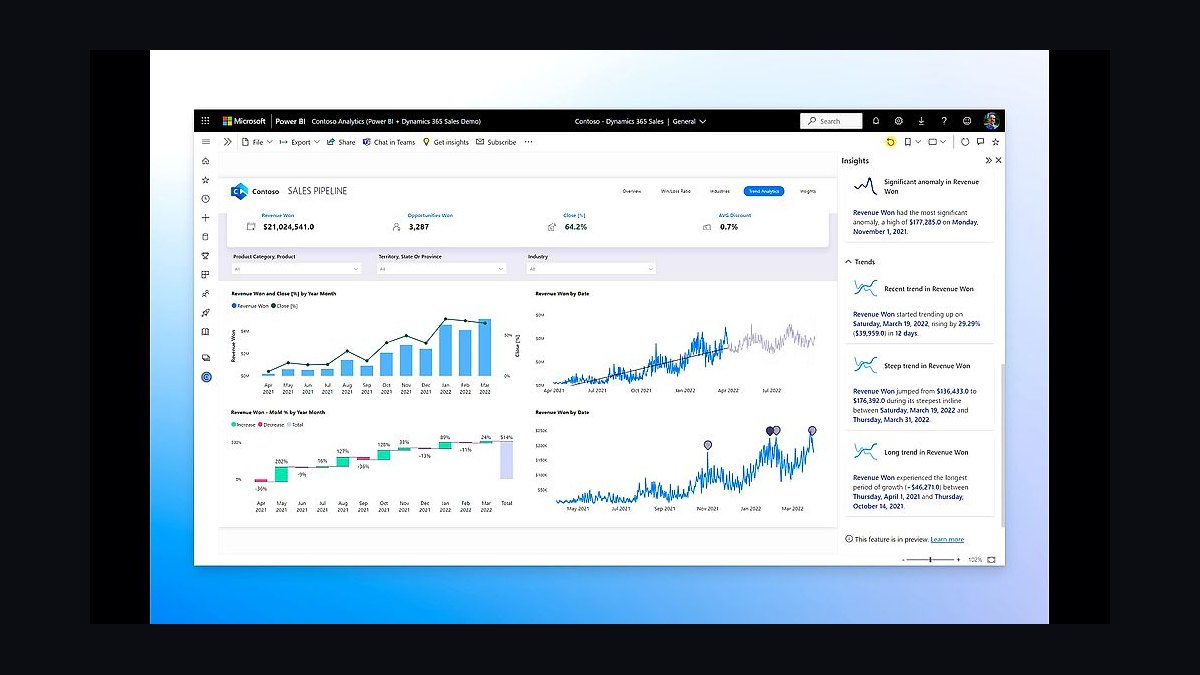
Power BI ranks tenth as the reporting layer that assembles the supplier scorecard — depletions, distribution points, programming execution, chain compliance — from the Snowflake warehouse. It is the format each major supplier expects to see at a quarterly business review, and it costs roughly fourteen dollars per user per month at Pro tier.
It fits distributors of any size once a warehouse layer exists, and it trades away nothing structurally, though it depends entirely on upstream data quality. A scorecard built on an unreliable depletion file is worse than no scorecard at all, which is why it ranks below Snowflake rather than above it. Direct ERP reporting can substitute at small scale.
How we ranked these
We ranked tools on five weighted criteria: three-tier compliance depth (25%), route-accounting and pre-sell-to-settlement fit (25%), supplier scorecard and depletion-data capability (20%), integration breadth across ERP, marketplace, and warehouse layers (15%), and total cost relative to case volume and state footprint (15%). Scores came from vendor documentation, published pricing, and distributor-reported deployment outcomes.
We deliberately ignored brand recognition, generic ERP feature counts, and analyst quadrant placement, because none predict performance inside alcohol wholesaling. We also excluded consumer-facing DTC storefronts, payroll suites, and hardware, since they sit outside the distributor's operational core. Vendors without verifiable alcohol-specific deployments were dropped regardless of reputation elsewhere.
What to look for
What matters most is whether a tool shares the same account, license, and inventory records as your ERP in real time. Nightly batch syncs between pre-sell, marketplace, and route accounting create reconciliation gaps that surface as short-shipments and margin leakage. Confirm the vendor already handles your states' excise and franchise rules before signing anything.
The mistake most buyers make is sequencing the stack backwards: buying a scorecard or analytics layer first, then discovering the underlying depletion file is unreliable. Build compliance and route accounting first, rep and marketplace tooling second, warehouse and scorecard last. A second common error is assuming a generic ERP can absorb alcohol logic through configuration alone.
Related questions
Does a wine and spirits distributor need a separate warehouse management system?
Generally no. VIP's EasyOps and EasyPick modules and Encompass warehouse functionality cover pick, pack, and route-loading for most distributors. A standalone WMS is only justified at very high SKU counts or multi-facility complexity, where cross-dock and lot-level tracking demands exceed what the alcohol-native ERP handles natively.
Can a small distributor skip Snowflake and run Power BI directly against the ERP?
Yes, at small scale. Direct ERP-to-Power-BI reporting works until scan data and multiple source systems must be joined on a common brand-and-account grain. That join is when a warehouse layer earns its cost, because mismatched keys produce scorecards that disagree with the supplier's own analytics team.
Is Salesforce necessary if a distributor has no national chain accounts?
No. Salesforce earns its place specifically for chain and national-account management, where compliance and velocity data must be tracked account by account. Regional distributors without that function typically get by with the ERP's own account tools or, at most, a lightweight CRM layer.
How does DTC wine shipping fit into this stack?
Through a licensed retail entity or partner rather than the core three-tier ERP, with Sovos ShipCompliant handling state-by-state shipping compliance and a separate consumer storefront layer. The distributor's operational core stays focused on wholesale routes, licenses, and supplier reporting rather than consumer fulfillment.
Which scan-data provider matters more, Circana or NielsenIQ?
Both, over time. Circana has traditionally led grocery and liquor-store scan coverage, while NielsenIQ carries different strength in convenience channels. Most multi-state distributors end up subscribing to both once a major brand review requires independent velocity evidence across every channel they sell into.
How does Karma Notes differ from a general-purpose CRM like Salesforce for reps?
Karma Notes is built around the account's license status, franchise-permitted SKUs, and depletion history, none of which a generic CRM models. Salesforce instead covers the chain and national-account layer above the individual rep's daily route, so the two tools serve different users rather than competing.
What operational risk shows up first if compliance software is skipped?
Invoicing against a lapsed retailer license, which creates direct regulatory exposure and forces refund-and-recredit cycles once caught. That cost erodes margin far faster than the price of the compliance software itself, and it compounds quietly across every account where documentation lives in email threads.
Can Provi orders and rep-taken orders share one workflow?
Yes, and they should. Once Provi orders route correctly into VIP or Encompass, they settle exactly like rep-taken orders, and reps still receive account-management credit. Throttling marketplace orders only blinds the distributor to independent on-premise demand without protecting any rep relationship.
FAQ
What is the recommended first purchase for a distributor with limited budget?
The alcohol-native ERP, VIP or Encompass, wired to Avalara CertCapture for license and excise compliance. Without those two, invoicing is not legally sound and supplier reconciliation is not possible. Every other layer, including scan data and scorecards, can be phased in over subsequent quarters.
Is it realistic to run wine and spirits distribution operations on NetSuite or SAP alone?
No. Neither models three-tier franchise law, route-accounting settlement, or supplier-format depletion reporting. They serve the finance-consolidation layer sitting on top of VIP or Encompass, not as a replacement for it. Distributors that try usually rebuild the missing logic in spreadsheets within a year.
Provi versus building a proprietary B2B ordering portal, which is recommended?
Provi, for the large majority of distributors. The retailer network effect and per-order economics of an established marketplace almost always beat the ongoing engineering cost of a custom portal below national scale. Only the largest distributors can justify building and maintaining their own ordering channel.
How long does a typical core ERP implementation take?
Ninety days is a realistic staged timeline. Days one to thirty cover chart of accounts, license data, brand and SKU master, and route validation. Days thirty-one to sixty add rep tooling and marketplace connectivity. Days sixty-one to ninety finish integrations and stand up the first supplier scorecard.
What does a mid-sized VIP deployment cost per month?
Typically fifteen thousand to sixty thousand-plus dollars monthly, depending on route and rep count, with Encompass pricing along a similar band by case volume. Avalara CertCapture plus the ERP excise module adds roughly two thousand to eight thousand-plus dollars monthly by transaction volume.
Do distributors need both Circana and NielsenIQ subscriptions?
Eventually, yes. Circana and NielsenIQ carry different channel strengths, and a major brand review will often demand evidence neither source covers alone. Subscriptions range from three thousand to thirty thousand-plus dollars monthly depending on chains, categories, and geographies covered.
What is the biggest mistake distributors make when adding states or acquiring a book?
Bolting the acquired book onto the existing ERP without re-validating franchise law, brand assignment, and route structure for the new territory. That quietly reintroduces the exact three-tier compliance risk the core platform was chosen to prevent, and it usually surfaces during a state audit.
Is Provi a threat to the sales force?
No. Distributors that throttle Provi-originated orders lose real-time visibility into independent on-premise demand and frustrate retailers who already chose to order that way. Reps still get credit for account management once marketplace orders route correctly into VIP or Encompass.
How should license verification be tied into invoicing?
Programmatically, at the invoice step. A lapsed license should block the transaction rather than being caught in a monthly audit weeks later. Avalara CertCapture stores the documents and verifies them against the invoice before billing, which prevents both regulatory exposure and refund cycles.
When does a distributor outgrow direct ERP-to-Power-BI reporting?
When scan data and multiple source systems must be joined on a common brand, package, and account grain. At that point a Snowflake warehouse layer earns its cost, because mismatched keys produce scorecards that disagree with what the supplier's own analytics team is looking at.
Sources
- https://www.vipsoftware.com/
- https://www.encompasstechnologies.com/
- https://provi.com/
- https://www.avalara.com/us/en/products/beverage-alcohol.html
- https://www.circana.com/
- https://nielseniq.com/
- https://www.wswa.org/
- https://sovos.com/regulatory-content/shipcompliant/
- https://www.ttb.gov/
- https://andavisolutions.com/
Related on PULSE
This page will be disappearing soon. Save it to your device for $1 — or read it free while it is here.
@Kory-White- · if Venmo asks, the last 4 of my number are 2012
This page is gone.
This one is off the shelf now. $1 keeps it on your phone for good — the whole page, pictures and diagrams included.
 pulse-tech-stacksTop 10 Best Tech Stack Tools for Pilates Studios in 2027
 pulse-tech-stacksTop 10 Best Tech Stack Tools for Software Development Agencies in 2027
 pulse-tech-stacksTop 10 Best Tech Stack Tools for Painting Contractors in 2027
 pulse-tech-stacksTop 10 Best Tech Stack Tools for Independent Landscaping Companies in 2027
 pulse-tech-stacksTop 10 Best Tech Stack Tools for Land Surveying Firms in 2027
 pulse-tech-stacksTop 10 Best Tech Stack Tools for RV Dealerships in 2027
 pulse-tech-stacksTop 10 Best Tech Stack Tools for Pressure Washing Companies in 2027
 pulse-tech-stacksTop 10 Best Tech Stack Tools for Plastics and Injection Molding Manufacturers in 2027
 pulse-tech-stacksTop 10 Best Tech Stack Tools for AI Music Generation Companies in 2027
 pulse-tech-stacksTop 10 Best Tech Stack Tools for Mobile Threat Defense (MTD) Vendors in 2027