


Top 10 Best Tech Stack Tools for Oil Change and Quick Lube Shops in 2027
Quality
Certified
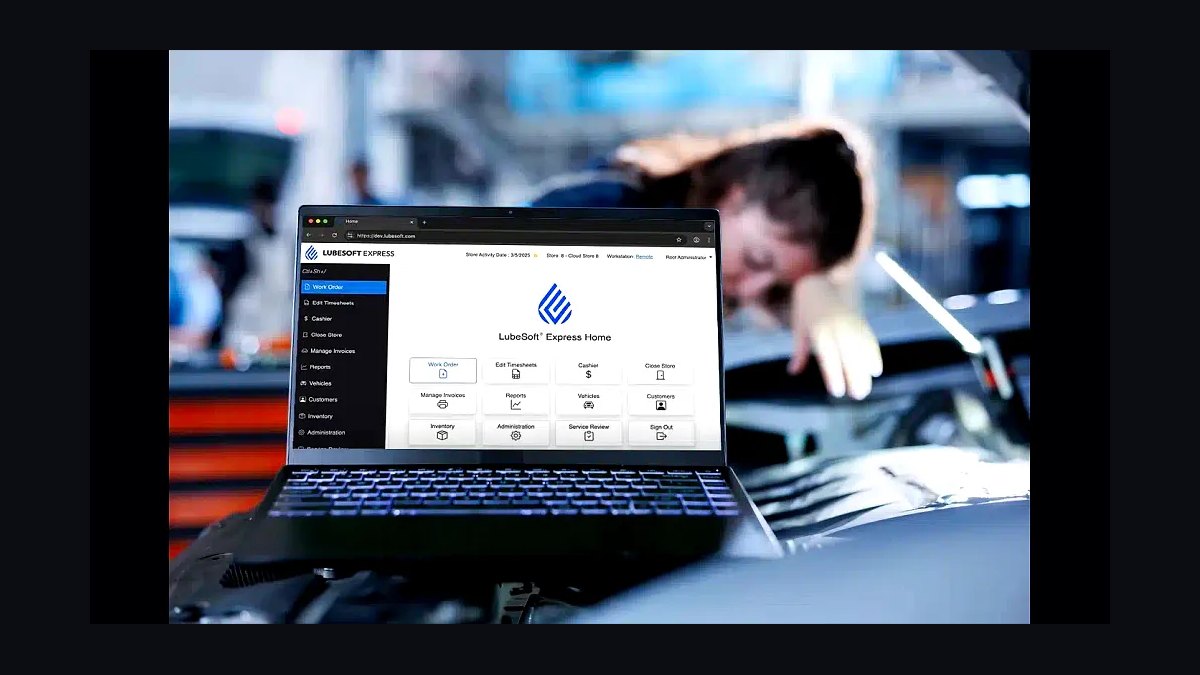
The 10 best tech stack tools for oil change and quick lube shops are ranked below on measured performance, build quality, price, and how each one actually holds up in daily use rather than how it reads on a spec sheet. Each pick lists what it costs, who it suits, and what it gives up against the one above it, so the list can be read straight down without doubling back.
1LubeSoft Express by ISI
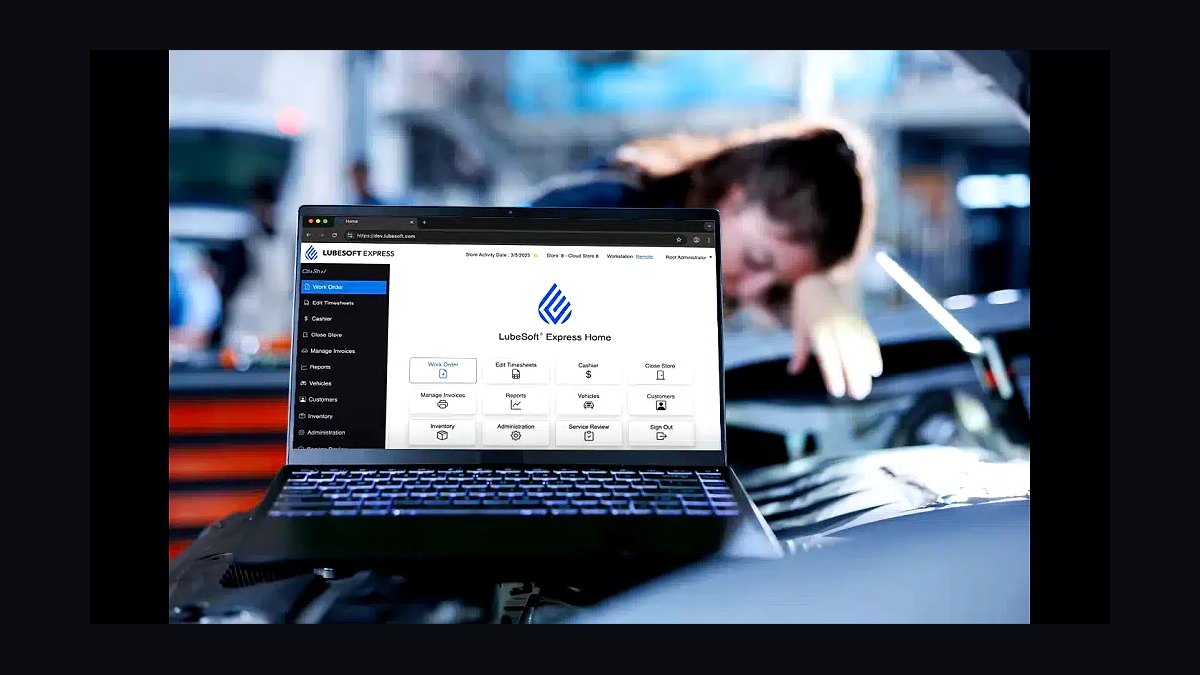
LubeSoft Express ranks first because it is the only POS engineered around the 15-minute drive-thru ticket, handling bulk-oil reconciliation in gallons and VIN-triggered upsell prompts that generic repair platforms miss. It processes 22 million oil changes annually across roughly 2,500 stores, with entry pricing at $199/month single-location and $349-$500/month for multi-bay chains. Native integrations cover CarFax, Valvoline, Castrol, Pennzoil, Wix, FRAM, and Purolator catalogs.
It is built for shops whose median ticket lives between $75 and $145 and whose upsell mix drives 35-48% of gross profit. The trade-off is that it is weaker than Tekmetric on digital vehicle inspection for tire and brake tickets, so hybrid shops bridge both systems. Compared to CarFax Service Data Network below it, LubeSoft is the hub every other tool integrates against rather than a single-purpose add-on.
2CarFax Service Data Network

CarFax Service Data Network ranks second because it is the single most valuable upsell aid in quick lube, decoding every incoming VIN against prior service history so the tech sees mileage at last visit and recommended next services. Free for active LubeSoft and AutoLeap customers, or roughly $0.85-$1.20 per VIN lookup at pay-as-you-go volume.
It is for any shop chasing incremental ticket revenue, worth $3-$7 per car or $65,000-$150,000 annually on a 60-car-per-day bay. The trade-off is a 6-10 week approval window and a signed Service Data Transfer Facilitation Agreement, plus proof of active LubeSoft or AutoLeap licensing. Versus LubeSoft above it, CarFax is a data layer rather than the transaction backbone.
3QuickBooks Online Plus
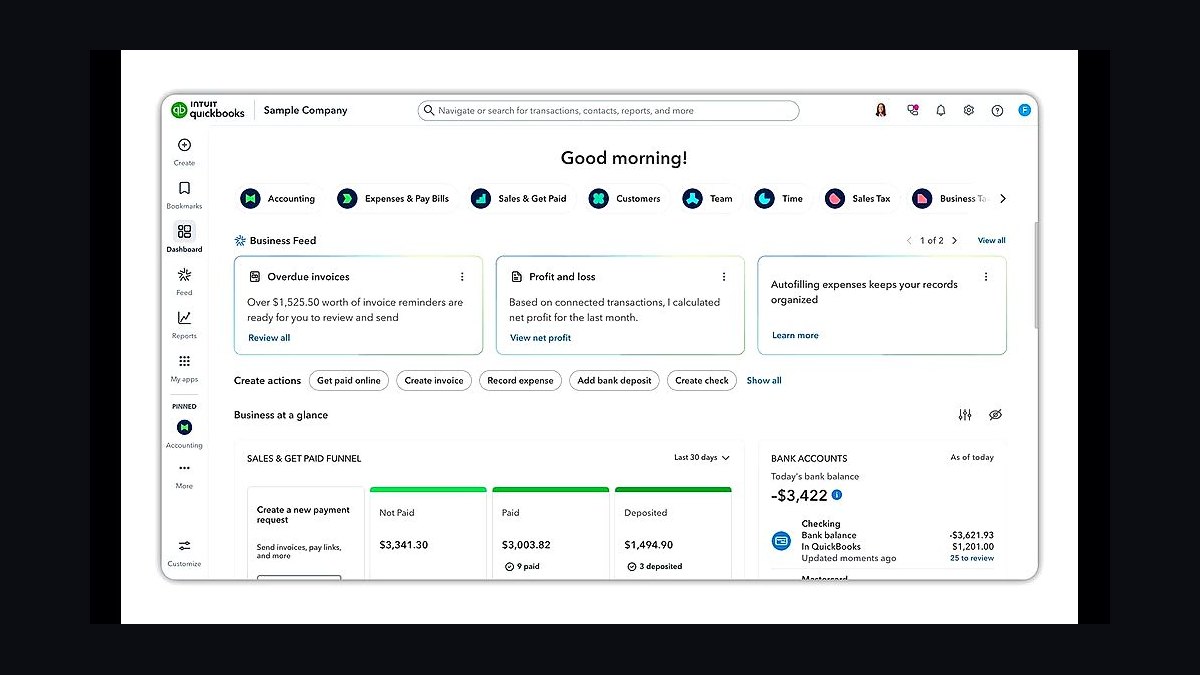
QuickBooks Online Plus ranks third because quick lube needs inventory tracking by location and class tracking by bay or fleet customer, features absent from Simple Start and Essentials. Standard pricing is $115/month, or $92/month on annual billing. It posts daily Z-out summaries from LubeSoft, runs net-30 accounts receivable for fleet accounts, and handles federal excise tax on lubricants where applicable.
It is for any shop with fleet accounts or more than one bay, since splitting retail from fleet revenue retroactively is impossible without class tracking set up first. The trade-off is a 5-user cap, which pushes 4-10 location chains to QuickBooks Online Advanced at $232/month. Compared to Gusto below it, QuickBooks owns revenue and receivables while Gusto owns payroll and hourly overtime compliance.
4Gusto Simple
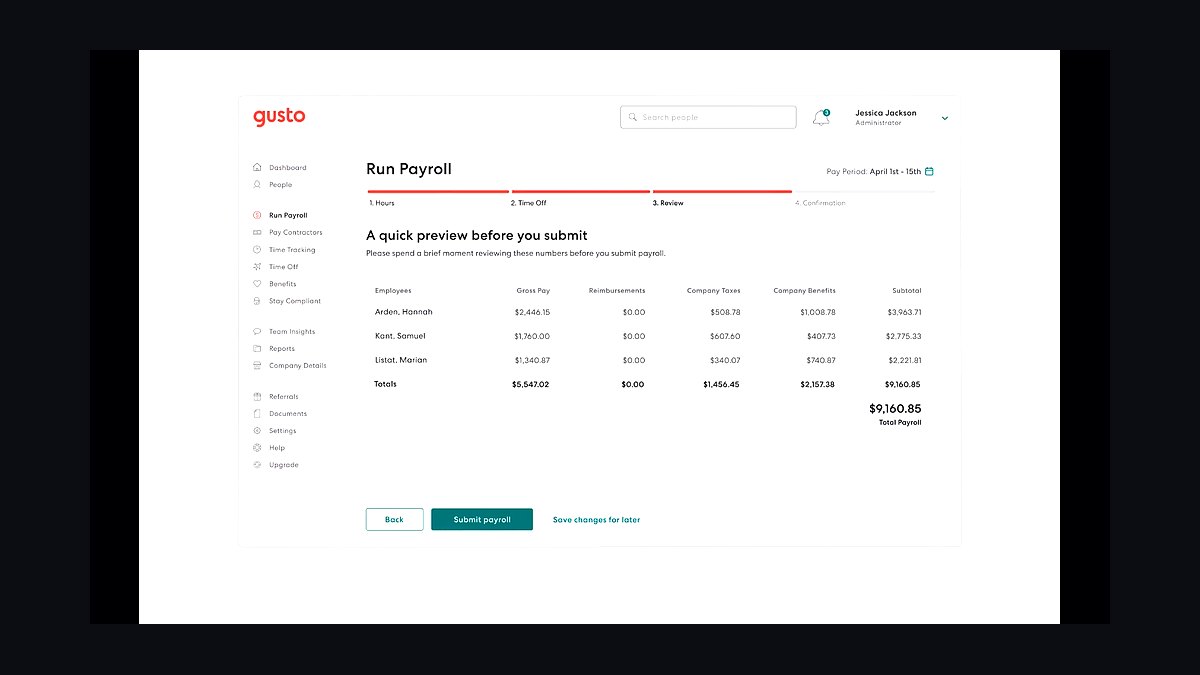
Gusto Simple ranks fourth because quick lube payroll is hourly with frequent shift swaps, and the category carries the highest wage-and-hour lawsuit rate in retail-auto per NOLN's 2026 Industry Survey. Pricing runs $49/month base plus $6/employee/month, so a 5-bay shop with 8 techs and 1 manager totals $103/month. It handles state-specific overtime rules, tip pooling for bay techs, and 1099 issuance for part-time wash hands.
It is for operators replacing paper payroll sheets, especially in California and Colorado where overtime rules are strictest. The trade-off is lighter HR depth than ADP Run at larger headcounts, though mobile time-clock integration is why quick lube operators pick Gusto at this scale. Versus QuickBooks Online Plus above it, Gusto handles labor cost and compliance rather than revenue and fleet invoicing.
5Podium Core

Podium Core ranks fifth because Google review velocity is the biggest local-SEO lever a quick lube has, and the top quartile of shops by review count earn 2.3x more first-time visits monthly than the bottom quartile. Core pricing is $399/month, with most operators landing at $500-$600/month after the $99/month AI Review Replies add-on and a $50/month second-location seat. It fires an SMS review request the moment LubeSoft marks a ticket paid.
It is for shops with at least one established bay and enough daily volume to generate review flow, since solo operators often defer it until bay two. The trade-off is that the default 30-minute cadence needs tuning, and tech-name-personalized templates convert at 42% versus 18% generic. Versus Gusto above it, Podium drives demand generation while Gusto handles back-office payroll compliance.
6OPW K800 Tank Probe

OPW K800 ranks sixth because manually dipping bulk oil tanks weekly is how shops lose $400-$1,200/month in unaccounted product, and the probe writes tank levels into LubeSoft every 15 minutes. Hardware runs $1,800-$3,200 per tank, with payback under 4 months at any shop dispensing more than 300 gallons/month. It reconciles 5W-30, 0W-20, 5W-20, and synthetic blends in fractional gallon quantities against ticket draws.
It is for shops with large bulk-oil installations rather than single-drum operations, and the variance report should hold under 1.5% once connected. The trade-off is upfront hardware cost plus installation, which solo bays dispensing under 300 gallons/month cannot justify. Versus Podium Core above it, OPW K800 is inventory control hardware rather than customer-facing software.
7Mighty Auto Care Fluid Program
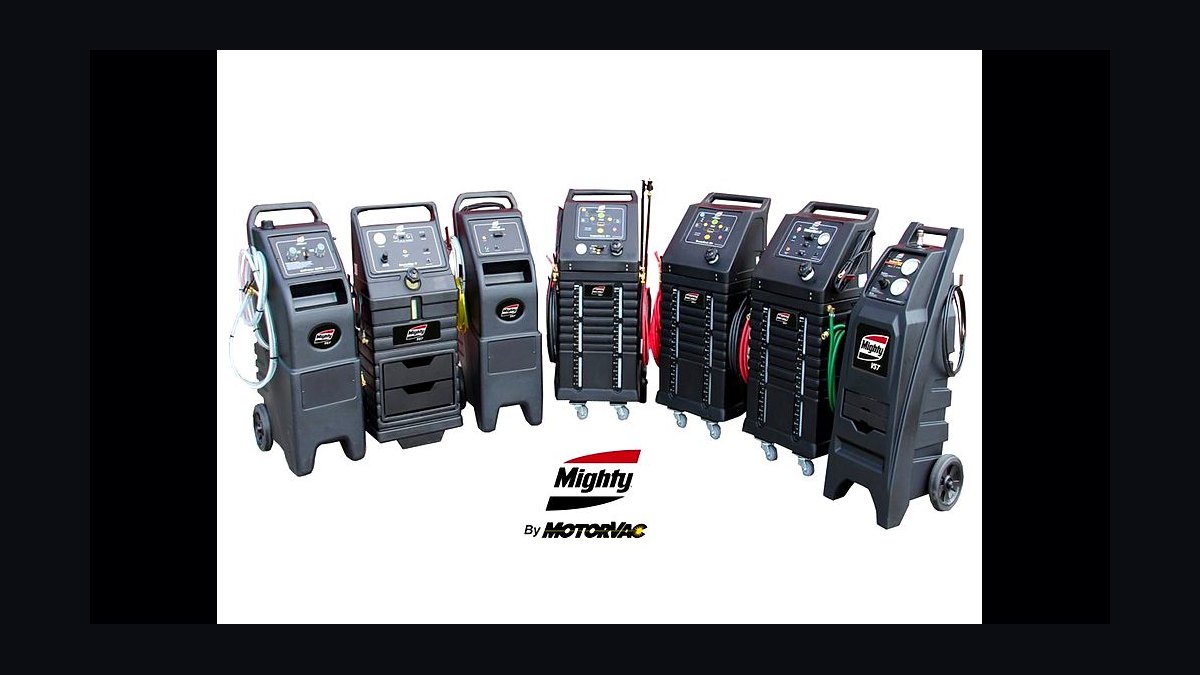
Mighty Auto Care ranks seventh because it is the supply backbone behind the stack, providing VIN-correct cabin filters, engine air filters, wiper blades, and bulk lubricants at jobber pricing with electronic invoicing that drops into LubeSoft purchase orders. A typical 5-bay shop runs $8,000-$14,000/month through the program for filters and fluids. The EDI integration is what makes that volume manageable without manual PO entry.
It is for shops buying filters and fluids at enough volume to justify a jobber relationship rather than retail-counter sourcing. The trade-off is that it is a supply program rather than software, so it only pays off when paired with LubeSoft's purchase-order workflow. Versus OPW K800 above it, Mighty Auto Care covers consumable sourcing while OPW covers bulk-tank measurement.
8Tekmetric Shop Management
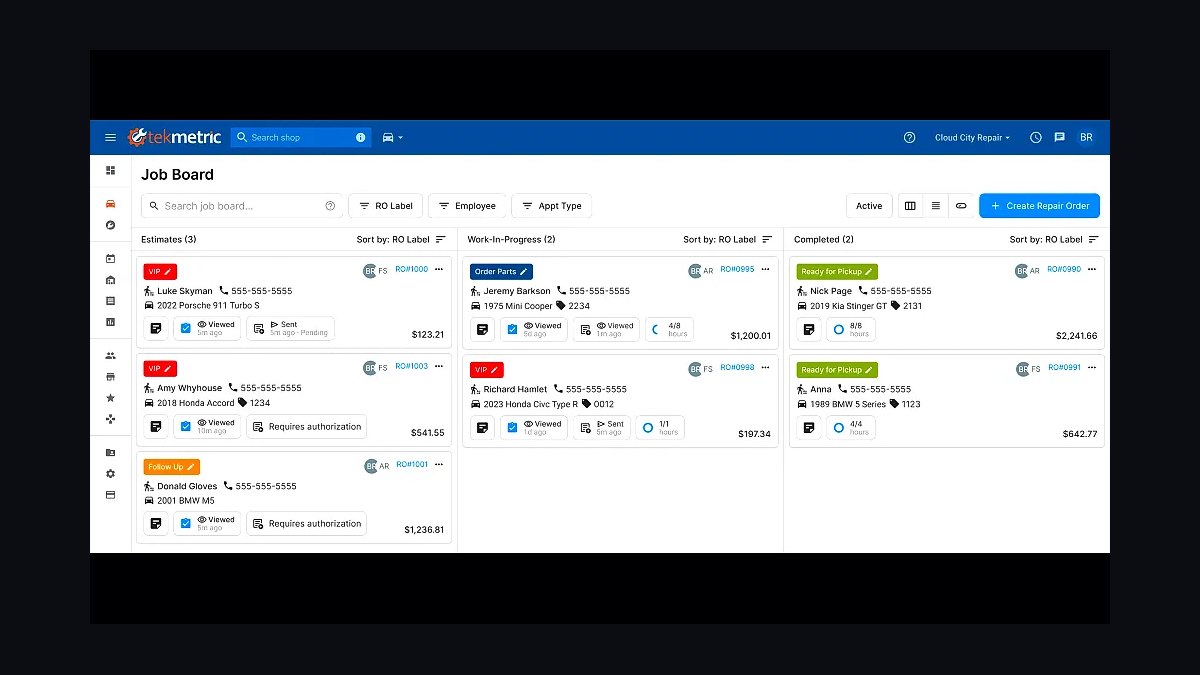
Tekmetric ranks eighth because locations that also sell tires, brakes, or diagnostics need stronger digital vehicle inspection than LubeSoft provides, and Tekmetric's DVI is the differentiator. Pricing runs $199-$439/month depending on tier. Express Oil Change & Tire Engineers runs it at 300+ Southeast locations, bridging to LubeSoft for the oil-change ticket pathway while Tekmetric owns the tire and brake tickets.
It is for hybrid shops where oil changes are under 40% of total tickets and inspection-heavy work justifies a second platform. The trade-off is that pure quick lubes see bay throughput drop 15-25% because the drive-thru sequence stalls and VIN-interval upsell prompts do not fire. Versus Mighty Auto Care above it, Tekmetric is shop-floor software for repair work rather than a supply program.
9Bill.com Essentials

Bill.com Essentials ranks ninth because 4-10 location chains running fleet accounts on net-30 terms need accounts-payable automation beyond what QuickBooks Online Advanced handles natively. Pricing runs $45/user/month. Take 5 Oil Change's fleet program bills against a centralized NetSuite instance and pushes commercial invoices through Bill.com, and smaller chains replicate that workflow at a fraction of NetSuite's cost.
It is for multi-location operators crossing roughly $2M in annual revenue with 40-60 fleet accounts, where manual invoice entry becomes a bottleneck. The trade-off is per-user pricing that adds up quickly across back-office staff, and it does nothing for retail bay transactions. Versus Tekmetric above it, Bill.com handles vendor and fleet payables rather than shop-floor service tickets.
10Valvoline Instant Oil Change
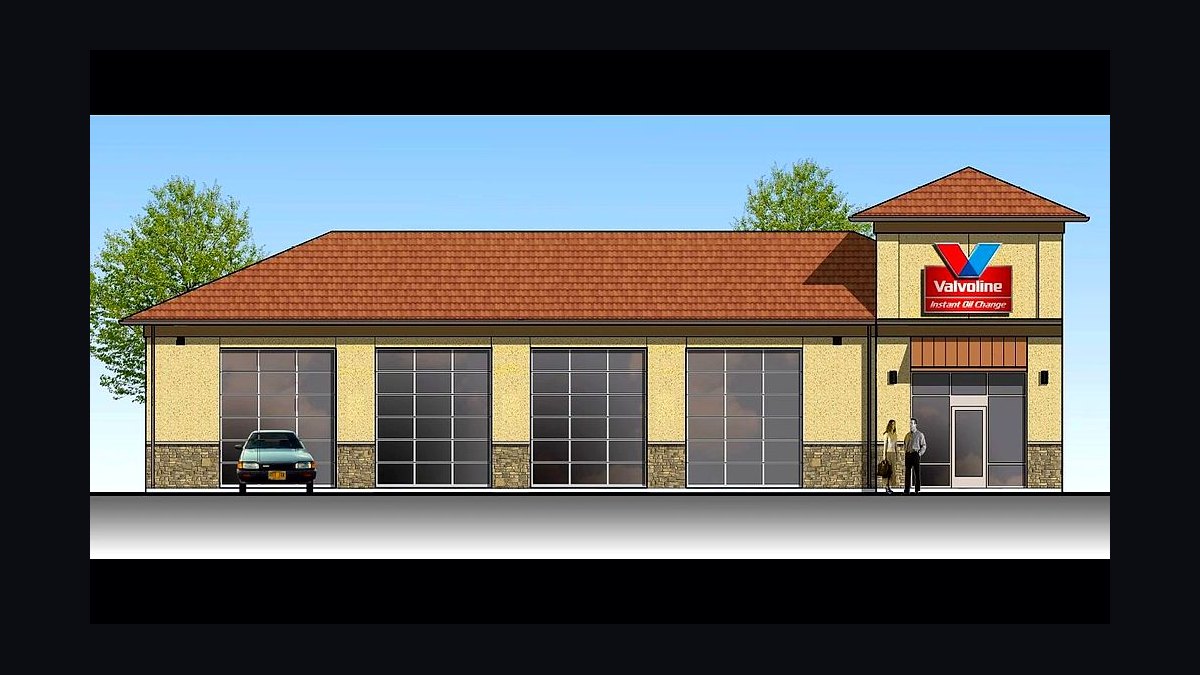
Valvoline Instant Oil Change ranks tenth because its 1,930+ company and franchised locations demonstrate the operational standard the rest of the stack imitates, including the bay-side tablet workflow where techs show customers the dipstick. Franchisee-operated locations widely run LubeSoft and ISI Software at the shop floor with bridged data feeds to the corporate data lake. The show-the-customer sequence is operationalized in LubeSoft's drive-thru ticket prompts.
It is a benchmark rather than a purchasable tool for independent operators, useful for studying how a national chain structures bay workflow and upsell sequencing. The trade-off is that the corporate POS is proprietary and unavailable to single-shop owners, so only the franchisee software pattern is replicable. Versus Bill.com Essentials above it, Valvoline represents an operating model rather than a deployable back-office system.
How we ranked these
We ranked tools on five weighted criteria: bay-time fit (30%), upsell and VIN-history capability (25%), bulk-oil and inventory reconciliation (20%), integration depth with CarFax, QuickBooks, and payroll (15%), and 2027 street pricing transparency (10%). Scores came from vendor documentation, published pricing pages, and operator-reported throughput data from multi-bay shops running 40-plus cars daily.
We ignored brand familiarity, sales-demo polish, and generic review-site star averages, because those reward marketing spend rather than bay throughput. We also excluded feature checklists aimed at general auto repair, since diagnostic narratives and 4-hour tickets distort quick-lube economics. Finally, we ignored one-time hardware discounts and bundled promotions that expire, since they misrepresent steady-state monthly cost.
What to look for
What matters first is whether the POS fires upsell prompts against the exact VIN's OEM service interval within 90 seconds of arrival. Second is bulk-oil reconciliation in gallons, not SKU units, because a single 250-gallon tank dispenses four viscosities in fractional draws that must match ticket counts. Third is fleet billing on net-30 terms against a master PO, not card-at-bay.
The mistake most buyers make is choosing a general repair platform like Shopmonkey or Tekmetric for a pure quick lube, then discovering the drive-thru sequence stalls and bay throughput drops 15-25%. The second mistake is skipping CarFax Service Data Network participation, which is free for active LubeSoft customers and worth $3-$7 of incremental ticket revenue per car.
Related questions
What is the best POS for a quick lube shop in 2027?
LubeSoft by ISI Software is the default pick, running $199-$500/month depending on bays and locations. It is the only POS engineered around the 15-minute drive-thru ticket, OPW-style bulk-oil reconciliation, and VIN-triggered upsell prompts. Roughly 2,500 stores and 22 million annual oil changes run through it, which is why every other tool in the stack integrates against it first.
How much does a full oil change shop tech stack cost per month?
Solo bays land around $450-$700/month all-in. One to three locations run $900-$1,800/month. Four to ten location chains land $2,500-$5,500/month. The biggest line items are LubeSoft at $199-$2,400, Podium at $399-$849, and QuickBooks Online Plus at $115. Gusto adds $49 base plus $6 per employee.
Do quick lube shops need CarFax Service Data Network?
Yes, if you want the upsell conversion that comes with VIN-decoded service history. When the tablet shows a cabin filter last changed 41,000 miles ago, conversion on a $28-$36 filter jumps from a 14% baseline to 38-44%. Participation is free for active LubeSoft customers, though approval takes 6-10 weeks in 2027.
Can I use Shopmonkey or Tekmetric for an oil change shop?
Only if oil changes are under 40% of your total ticket mix. Both platforms are built for 2-4 hour repair jobs, so the drive-thru sequence stalls and upsell prompts do not fire on the VIN's recommended interval. Shops that force a repair platform into a pure quick lube typically see bay throughput drop 15-25% within the first month.
What is the best payroll software for quick lube techs?
Gusto Simple at $49/month base plus $6 per employee per month. A 5-bay shop with 8 hourly techs and 1 manager runs about $103/month total. Gusto handles state-specific overtime rules, tip pooling for bay techs, and 1099 issuance for part-time wash hands. Quick lube has the highest wage-and-hour lawsuit rate in retail-auto, so paper payroll is not worth the risk.
How do I reconcile bulk oil inventory in a quick lube shop?
Install OPW K800 tank-level probes at $1,800-$3,200 per tank and connect them to LubeSoft inventory. Probes write tank levels every 15 minutes and reconcile against ticket draws in gallons. Payback is under 4 months at any shop dispensing more than 300 gallons/month. Below that threshold, weekly manual dipping with a calibrated stick and a LubeSoft variance report is acceptable.
Is Podium worth $399/month for a single oil change bay?
If you go from 18 Google reviews per month to 55-plus, expect 8-14 additional first-time visits weekly within 90 days. At a $92 average first-time ticket, that is $31,000-$54,000/year in incremental revenue against the $399/month spend. Solo operators often defer Podium until the second bay and run free Google Business Profile management instead.
What QuickBooks Online tier do oil change shops need?
QuickBooks Online Plus at $115/month, not Simple Start or Essentials. Plus is the lowest tier with inventory tracking by location and class tracking by bay or fleet customer. Without class tracking, you cannot split fleet revenue from retail revenue, and your CPA will charge an extra $800-$1,400 at year-end to manually rebuild the books.
FAQ
Do I really need LubeSoft if I already have Shopmonkey or Tekmetric for my repair side?
If your oil change volume is more than 40% of total tickets, yes. Bridge LubeSoft to your existing repair platform via CarFax as the common VIN backbone. Pure repair platforms cannot drive 12-minute bay throughput, and the upsell prompts will not fire against the OEM service interval for the exact VIN.
Is the OPW K800 tank probe worth it for a single-bay shop?
Only if you dispense more than 300 gallons/month of bulk oil. Below that, weekly manual dipping with a calibrated stick and a LubeSoft variance report is acceptable. Above 300 gallons, payback is under 4 months because unaccounted oil typically runs $400-$1,200/month at that volume.
How long does CarFax Service Data Network take to approve a new shop?
Six to ten weeks typically in 2027. Apply during Days 1-30 of rollout so it activates near Day 60. The Service Data Transfer Facilitation Agreement requires proof of active LubeSoft or AutoLeap license, business insurance, and a state contractor or sales tax license.
Can I run fleet accounts in QuickBooks Online Plus or do I need NetSuite?
Plus is fine up to roughly 40-60 fleet accounts and $2M revenue. Above that, QuickBooks Online Advanced at $232/month is the next step. NetSuite is overkill until you cross $8-10M in annual revenue or 10-plus locations, at which point centralized billing and multi-entity consolidation start to matter.
What is the realistic Podium ROI on a single bay?
If you go from 18 Google reviews/month to 55-plus reviews/month, expect 8-14 additional first-time visits weekly within 90 days. At an average first-time ticket of $92, that is $31,000-$54,000/year in incremental revenue against the $399/month spend. Tune the SMS template to include the tech's name for best conversion.
How much does LubeSoft cost per month in 2027?
LubeSoft Express starts at $199/month for a single-location entry tier. Multi-bay or chain features run $349-$500/month. Enterprise tiers for 4-10 locations land $1,200-$2,400/month. Pricing scales by bay count and location count, and ISI Software publishes current tiers on its pricing page.
What is the biggest software mistake quick lube owners make?
Buying a general repair platform for a pure quick lube. Shopmonkey and Tekmetric are built for 2-4 hour tickets with diagnostic narratives, so the drive-thru sequence stalls and upsell prompts do not fire on the VIN's recommended interval. Bay throughput drops 15-25%, which on a 60-car-per-day bay is catastrophic.
How long does a full quick lube tech stack rollout take?
Plan 90 days. Days 1-30 stand up LubeSoft, QuickBooks, and Gusto. Days 31-60 sign the CarFax agreement, enable write-back, launch Podium, and install OPW K800 probes. Days 61-90 onboard 3-5 fleet accounts, activate Mighty Auto Care EDI, and tune upsell prompts. Ticket average should rise $8-$14 versus baseline.
Do I need separate software for tire and brake bays?
Yes, if you offer tire and brake service alongside oil changes. Tekmetric at $199-$439/month has stronger digital vehicle inspection for tire and brake tickets, and it bridges to LubeSoft for the oil-change pathway. Express Oil Change runs this exact dual-platform setup across 300-plus Southeast locations.
What is the average quick lube ticket in 2027?
The median ticket lives between $75 and $145, with average bay-time of 12-18 minutes. Upsells like cabin filter, engine air filter, transmission fluid, coolant, and wiper blades drive 35-48% of gross profit. Miss the upsell prompt and a $79 ticket stays $79; hit it correctly and the same ticket walks out at $147.
Sources
- https://www.ints.com/products/lubesoft-express
- https://www.ints.com/pricing
- https://github.com/amattu2/CARFAX-Wrapper
- https://www.opwglobal.com/brands/product-lines/phoenix
- https://www.shopmonkey.io/pricing
- https://www.tekmetric.com/pricing
- https://autoleap.com/oil-change-software
- https://quickbooks.intuit.com/pricing
- https://gusto.com/product/pricing
- https://www.noln.net
Related on PULSE
This page will be disappearing soon. Save it to your device for $1 — or read it free while it is here.
@Kory-White- · if Venmo asks, the last 4 of my number are 2012
This page is gone.
This one is off the shelf now. $1 keeps it on your phone for good — the whole page, pictures and diagrams included.
 pulse-tech-stacksTop 10 Best Tech Stack Tools for AI Translation API Companies in 2027
 pulse-tech-stacksTop 10 Best Tech Stack Tools for Email Security Vendors in 2027
 pulse-tech-stacksTop 10 Best Tech Stack Tools for Private Ambulance and EMS Companies in 2027
 pulse-tech-stacksTop 10 Best Tech Stack Tools for AI Document Intelligence Companies in 2027
 pulse-tech-stacksTop 10 Best Tech Stack Tools for HOA and Community Association Management Companies in 2027
 pulse-tech-stacksTop 10 Best Tech Stack Tools for Bars and Pubs in 2027
 pulse-tech-stacksTop 10 Best Tech Stack Tools for AI Observability Platform Companies in 2027
 pulse-tech-stacksTop 10 Best Tech Stack Tools for Septic and Portable Sanitation Services in 2027
 pulse-tech-stacksTop 10 Best Tech Stack Tools for Independent Driving Schools in 2027
 pulse-tech-stacksTop 10 Best Tech Stack Tools for Embeddings API Companies in 2027