


Top 10 Best Tech Stack Tools for Car Wash Operators in 2027
Quality
Certified
The 10 best tech stack tools for car wash operators are ranked below on measured performance, build quality, price, and how each one actually holds up in daily use rather than how it reads on a spec sheet. Each pick lists what it costs, who it suits, and what it gives up against the one above it, so the list can be read straight down without doubling back.
1DRB SiteWatch/Patheon

DRB SiteWatch/Patheon ranks first because it is the enterprise-grade spine that runs the tunnel, pay stations, membership database, and loyalty engine for chains like ZIPS and Mister. It sequences conveyor, arches, foam, and dryers at 120-180 cars/hour, and hardened outdoor hardware with 24/7 support keeps uptime high. Multi-site operators pay roughly $500-$1,100 per site monthly, and DRB integrates natively with QuickBooks Online and Rinsed.
It is built for operators with 4-30 locations who need one source of truth across lanes, not single in-bay owners. The trade-off is cost and complexity: a solo IBA operator should run Washify instead. Compared to ICS WashConnect directly below, DRB wins on enterprise reporting and native QBO connector, while ICS often wins on pay-terminal hardware flexibility.
2ICS WashConnect
ICS WashConnect ranks second because it is the main alternative controls-and-POS spine trusted by Take 5's 350+ locations, pairing with Auto Sentry Flex pay terminals. It handles tunnel sequencing, membership records, and payment acceptance at the same 120-180 cars/hour peak throughput, and it supports RFID and Rinsed integration via API. Pricing runs in the same $500-$900 per site monthly band as DRB for multi-site operators.
It fits chains that want proven controls with flexible terminal hardware, especially operators already standardized on ICS payment equipment. The trade-off versus DRB is a less native QuickBooks path, often requiring CSV middleware for accounting. Compared to Rinsed below, ICS is the transactional system of record, not the marketing engine, so most operators still need both.
3Rinsed

Rinsed ranks third because it is the membership marketing layer that recovers the 15-25% of members lost annually to passive churn at express tunnels. It pulls the member roster nightly via API, runs declined-card recovery, downsell offers, and win-back SMS and email flows, and is a reference tool for Mister Car Wash. Pricing is around $700 per month for solo operators and $900 per site for multi-site chains plus a 4% net-new commission.
It is for operators whose POS member database is transactional, not a marketing engine, which describes DRB and ICS out of the box. The trade-off is that Rinsed does not replace the POS and cannot run without a compatible controller. Compared to QuickBooks Online below, Rinsed handles revenue retention while QBO handles the ledger.
4QuickBooks Online Advanced
QuickBooks Online Advanced ranks fourth because it keeps the accounting ledger sane when a 4-lane site runs 60,000 washes monthly by posting one daily summary journal entry rather than per-wash line items. It integrates natively with DRB and via CSV with ICS, and Advanced costs about $235 per month for multi-site operators. El Car Wash's 90+ Florida locations run it as part of a mid-market stack.
It suits operators with 4-25 sites who need consolidated reporting without NetSuite complexity. The trade-off is that Advanced is not a full ERP, so regional chains above 30 locations often graduate to NetSuite. Compared to Gusto Plus below, QBO owns the general ledger while Gusto owns payroll and wage journal entries.
5Gusto Plus

Gusto Plus ranks fifth because it collapses payroll, time tracking, PTO, multi-state filing, and health benefits into one tool for the 2-4 employee shifts that run a modern express tunnel. Pricing runs about $500 per month for 35 employees at multi-site operators, and it posts wage summary journal entries into QuickBooks Online. It pulls timeclock data from the DRB native clock or Homebase and 7shifts for ICS sites.
It is for operators who need real payroll without an HRIS, which covers most independents and small chains. The trade-off is that Gusto gets thin above 50 employees, where ADP Run Complete takes over. Compared to Birdeye below, Gusto handles people costs while Birdeye handles reputation and review flow.
6DRB FastPass RFID

DRB FastPass RFID ranks sixth because UHF windshield tags at roughly $1.50-$3.50 each in bulk deliver 99.4% read accuracy in rain versus 94% for license plate recognition, and they self-destruct on removal to stop tag swapping. ZIPS standardized FastPass across 270+ locations, and reader hardware mounts at lane entry to decrement unlimited plans instantly. Operators should keep at least 500 tags per site on hand.
It is for any operator selling unlimited memberships, including single in-bay automatics with 80+ members where the kit pays back in under a year. The trade-off is physical tag inventory that must be stocked and reordered. Compared to Micrologic CleanCarPass below, FastPass wins on native DRB integration while CleanCarPass suits ICS and mixed-controller sites.
7Micrologic CleanCarPass

Micrologic CleanCarPass ranks seventh because it delivers the same UHF windshield tag model as FastPass with roughly the same $1.50-$3.50 bulk tag cost and lane-entry readers, but it fits ICS WashConnect and mixed-controller environments where DRB hardware is not the standard. It decrements unlimited plans at the lane and supports the self-destruct-on-removal design that prevents tag swapping between vehicles.
It is for ICS-standardized chains and independents who want RFID without switching controls vendors. The trade-off is a smaller integration ecosystem than DRB FastPass, so Rinsed and accounting connectors may need more middleware. Compared to Birdeye below, CleanCarPass handles identification at the lane while Birdeye handles what happens after the wash.
8Birdeye
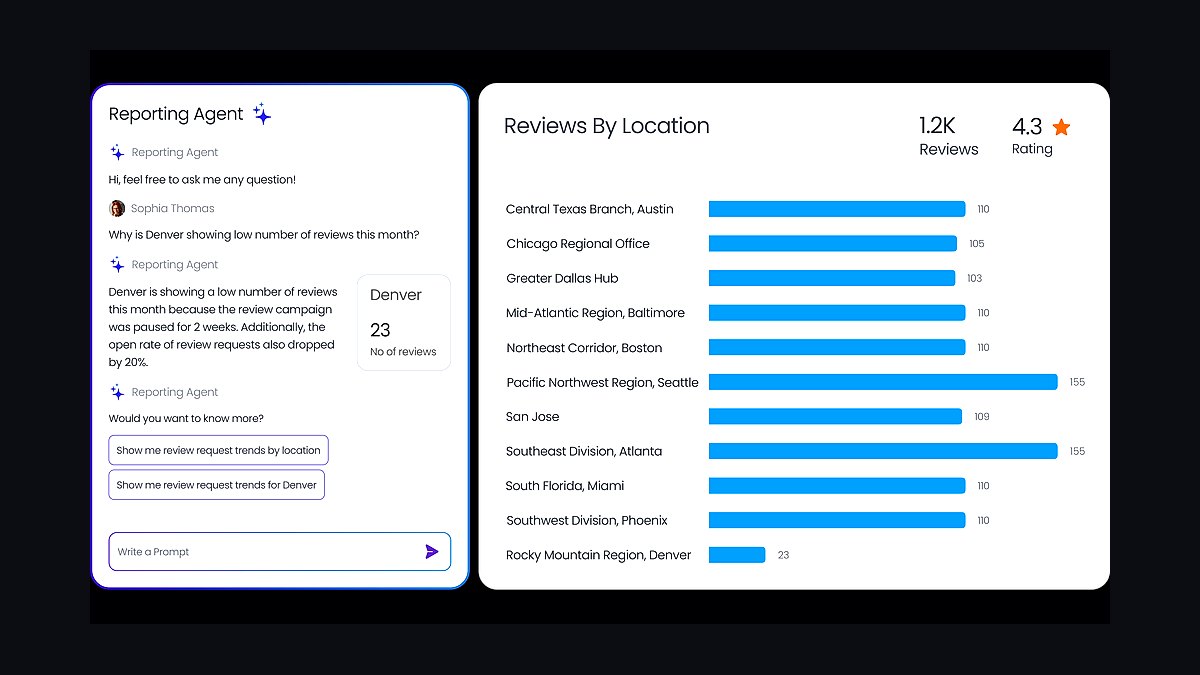
Birdeye ranks eighth because it automates Google review requests via SMS within 30 minutes of a completed wash, syncs local listings, and feeds the acquisition funnel that Rinsed converts into memberships. Pricing runs about $399 per site monthly for multi-site operators and $29-$299 monthly for solo operators on lite tiers. It pulls completed-wash receipts from DRB or ICS to trigger review requests automatically.
It is for operators competing on local search against chains like Take 5 and Mister that already run review automation at scale. The trade-off is that Birdeye does not run membership marketing email, which lives inside Rinsed. Compared to BrightLocal below, Birdeye wins on review-request automation while BrightLocal wins on pure local listings and rank tracking at lower cost.
9BrightLocal
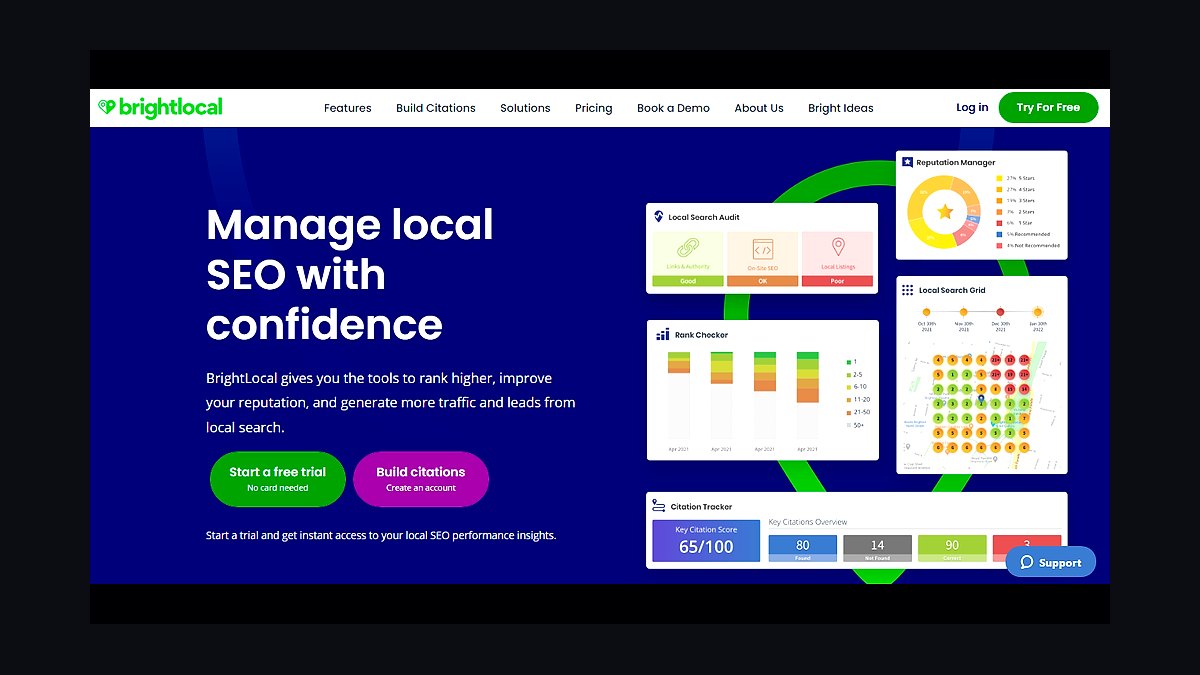
BrightLocal ranks ninth because it handles local listings sync and Google rank tracking at a lower price point than Birdeye, making it the practical choice for solo operators and small chains that need visibility without a full reputation suite. It syncs business hours, menus, and location data across directories, which matters when a chain opens new express tunnels monthly. Solo pricing sits in the $29-$299 per month band.
It is for operators who already handle review requests manually or through the POS and just need listings and rank data. The trade-off versus Birdeye is weaker SMS review automation and no completed-wash trigger integration. Compared to Homebase below, BrightLocal owns the local search layer while Homebase owns shift scheduling.
10Homebase
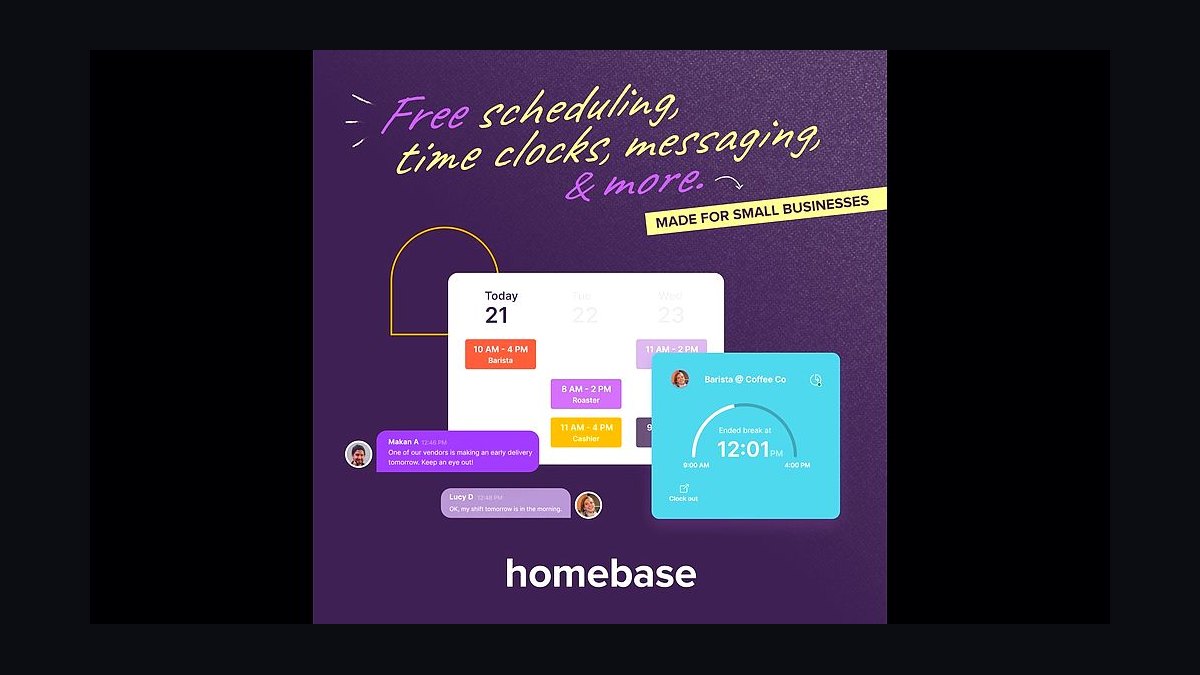
Homebase ranks tenth because a 4-employee tunnel scheduling shifts in a text thread loses 6-8 labor hours weekly, and Homebase pays for itself in about 30 days by replacing that thread with a real schedule, timeclock, and labor-cost view. It is the standard scheduling layer for ICS sites that do not use the DRB native clock, and it feeds hours into Gusto for payroll. Pricing is free for basic scheduling with paid tiers for timeclock and compliance.
It is for independents and small chains running lean 2-4 person shifts who need scheduling without an HRIS. The trade-off is that Homebase is not a payroll provider, so Gusto or ADP still handles wages and filings. Compared to 7shifts, Homebase wins on free-tier breadth while 7shifts wins on restaurant-grade tip pooling that car washes rarely need.
How we ranked these
We ranked tools by weighting tunnel-controls uptime and membership-revenue impact first, then RFID identification accuracy, CRM lifecycle depth, accounting integration, and payroll fit for 2-4 person shifts. Scores drew on published pricing, integration lists, and operator-reported throughput at 120-180 cars/hour. Weighting favored systems that protect recurring membership revenue, since 35-45% of express revenue is subscription-based.
We deliberately ignored feature breadth, generic POS reviews, and vendor awards, because a 4-second pay-station hesitation costs more than any missing feature. We excluded Square and Clover from ranking despite popularity, since neither controls a tunnel nor integrates with membership CRM. We also ignored one-time hardware discounts, because a 7-10 year controls decision should not turn on rebates.
Related questions
Why is the tunnel-controls layer the most critical car wash tech decision?
It wires the lane, pay station, membership database, and loyalty system for 7-10 years. Replacing it later means new hardware, retrained staff, and database migration risk. DRB SiteWatch/Patheon and ICS WashConnect are hardened for outdoor 24/7 use, and uptime matters more than feature breadth at 120-180 cars/hour.
Do I need Rinsed if my POS already has a membership database?
Yes. DRB and ICS hold transactional member records, not marketing engines. They do not run lifecycle SMS flows, declined-card winback, or downsell logic. Operators relying only on the POS database lose 15-25% of memberships annually to passive churn, which Rinsed recovers through automated campaigns.
RFID versus license plate recognition for unlimited memberships?
RFID wins on accuracy, roughly 99.4% versus 94% for LPR in rain, and on lane speed. LPR is a cheaper retrofit with no tag inventory. For new builds, install both: RFID as primary identification and LPR as fallback. Tommy's, ZIPS, and Mister are piloting hybrid setups.
How should accounting integrate with a tunnel controller?
Post a single daily summary journal entry to QuickBooks Online, not line-item per-wash transactions. At 60,000 washes monthly, per-wash entries would overwhelm the ledger. DRB connects natively to QBO; ICS exports CSV for import. A four-lane site keeps roughly 30-31 entries per month plus AP invoices.
What does a realistic software budget look like for one express tunnel?
A solo operator runs roughly $1,170-$1,520 monthly: Washify POS, Rinsed, amortized RFID, QuickBooks Online Plus, Gusto Simple, and a review tool. A 4-10 site chain spends roughly $13,300-$15,700 monthly. Healthy express tunnels keep total software spend at 1.8-2.4% of revenue.
Which payroll platform fits a 2-4 employee express tunnel?
Gusto Plus handles time tracking, PTO, multi-state filing, and benefits brokerage at a price built for small teams. ADP Run Complete makes sense once you pass roughly 30 employees. A four-employee tunnel scheduling shifts in a text thread loses 6-8 labor hours weekly, so add Homebase or 7shifts early.
How long does a full stack rollout take?
Plan 90 days. Days 1-30 stand up controls, QuickBooks, and Gusto while Rinsed observes the database. Days 31-60 install lane hardware, configure the menu, and activate acquisition forms. Days 61-90 optimize cohorts, A/B test upsell language, and reconcile POS revenue against QuickBooks deposits weekly.
What is the biggest mistake operators make when buying this stack?
Running Square or Clover at an express tunnel. Neither has a tunnel controller, RFID integration, or a membership engine handling proration, freeze, downsell, and winback. Operators end up with two databases that disagree, and they lose members monthly to chains running enterprise DRB installations with full-time CRM campaigns.
FAQ
I run a single in-bay automatic—is DRB overkill?
Yes, SiteWatch tier is overkill. Washify, DRB's entry-level cloud POS, was built for single in-bay automatic and small-tunnel operators. Skip SiteWatch, but do not skip RFID. Even a single-IBA operator with 80 members recovers the RFID kit cost in under a year through faster lane entry.
Can I run Rinsed without DRB or ICS?
Rinsed integrates with DRB, ICS, Sonny's, Washify, and several smaller controllers. It does not integrate with Square or Clover. If your POS is not on the Rinsed integration list, you are running the wrong POS for an express tunnel and will lose membership revenue to churn.
How much does tunnel controller hardware cost?
Roughly $25k-$80k per lane all-in for DRB or ICS, depending on lane length and options. Add $8k-$15k per pay station. A typical two-lane express stands up for $120k-$180k in controls and payment hardware, which is why this decision locks in for 7-10 years.
License plate recognition versus RFID—which wins in 2027?
RFID still wins on accuracy, about 99.4% versus 94% for LPR in rain, and on speed. LPR is a cheaper retrofit with no tag inventory to stock. Tommy's, ZIPS, and Mister are piloting hybrid LPR plus RFID. For new builds, install both, with RFID primary and LPR fallback.
Do I really need both a POS membership module and Rinsed?
Yes. The POS holds the member record, charges the card, and lets the car through. Rinsed is the marketing layer deciding when to text, what offer to show lapsed accounts, and which declined card to retry. Operators running only one lose 15-25% of memberships to churn.
How many RFID tags should I keep on hand?
Keep at least 500 tags per site. Tags are physical SKUs that must be stocked, and running out on a Saturday loses every membership signup that day. Bulk UHF windshield tags run roughly $1.50-$3.50 each, and self-destruct on removal to prevent swapping between vehicles.
Should I reconcile POS revenue against the tunnel controller?
Yes, weekly. The tunnel controller is the only honest counter of wash events. Operators who skip reconciliation miss employee theft, broken sensors, and pay-station failures. Compare POS revenue to wash count every Monday, and investigate any variance above a few percent before it compounds.
When should I audit unlimited membership pricing?
Every nine months, adjusting at renewal. No CRM can save a $15/month unlimited that should have been priced at $24.99. Pricing errors compound across thousands of members, so audit against local competitors and your own cost per wash, then raise rates only at renewal to limit churn.
What marketing tools belong in the stack beyond Rinsed?
Birdeye or BrightLocal for Google review automation, SMS review requests, and local listings sync. Wire review requests to fire about 30 minutes after each completed wash. Membership marketing email and SMS live inside Rinsed, so avoid duplicating that function in a second platform.
Is Salesforce ever the right CRM choice for a car wash chain?
Only at the largest scale. Take 5, with 350+ locations under Driven Brands, standardized on Salesforce plus Marketing Cloud rather than Rinsed. Below roughly 50 sites, Rinsed's car-wash-specific lifecycle flows beat a general CRM that requires custom configuration and dedicated admin staff.
Sources
- https://drb.com/tunnel_solutions
- https://drb.com/in-bay_solutions/point-of-sale/washify
- https://www.icscarwashsystems.com/pos-management-system
- https://www.rinsed.com/pricing
- https://www.rinsed.com/blog/turning-churn-into-opportunity-54-of-former-members-still-wash-at-the-same-car-wash
- https://www.icscarwashsystems.com/payment-terminal-auto-sentry-flex
- https://www.atlasrfidstore.com/rfid-insider/rfid-car-washes-types-memberships-and-how-rfid-can-save-time-and-money/
- https://gusto.com/product/compare/gusto-vs-quickbooks-payroll
- https://sonnysdirect.com/controls
- https://www.mahercr.com/u-s-car-wash-auto-detailing-industry-overview/
Related on PULSE
This page will be disappearing soon. Save it to your device for $1 — or read it free while it is here.
@Kory-White- · if Venmo asks, the last 4 of my number are 2012
This page is gone.
This one is off the shelf now. $1 keeps it on your phone for good — the whole page, pictures and diagrams included.
 pulse-tech-stacksTop 10 Best Tech Stack Tools for Commercial HVAC Contractors in 2027
 pulse-tech-stacksTop 10 Best Tech Stack Tools for Insulation Contractors in 2027
 pulse-tech-stacksTop 10 Best Tech Stack Tools for B2B SaaS Companies in 2027
 pulse-tech-stacksTop 10 Best Tech Stack Tools for AI Observability Platform Companies in 2027
 pulse-tech-stacksTop 10 Best Tech Stack Tools for Tire Shops in 2027
 pulse-tech-stacksTop 10 Best Tech Stack Tools for Land Surveying Firms in 2027
 pulse-tech-stacksTop 10 Best Tech Stack Tools for Threat Intelligence Vendors in 2027
 pulse-tech-stacksTop 10 Best Tech Stack Tools for Home Builders and Residential Developers in 2027
 pulse-tech-stacksTop 10 Best Tech Stack Tools for Independent Dance Studios in 2027
 pulse-tech-stacksTop 10 Best Tech Stack Tools for API Security Vendors in 2027