


Top 10 API Design Tools for Developer Experience Teams in 2027
Quality
Certified
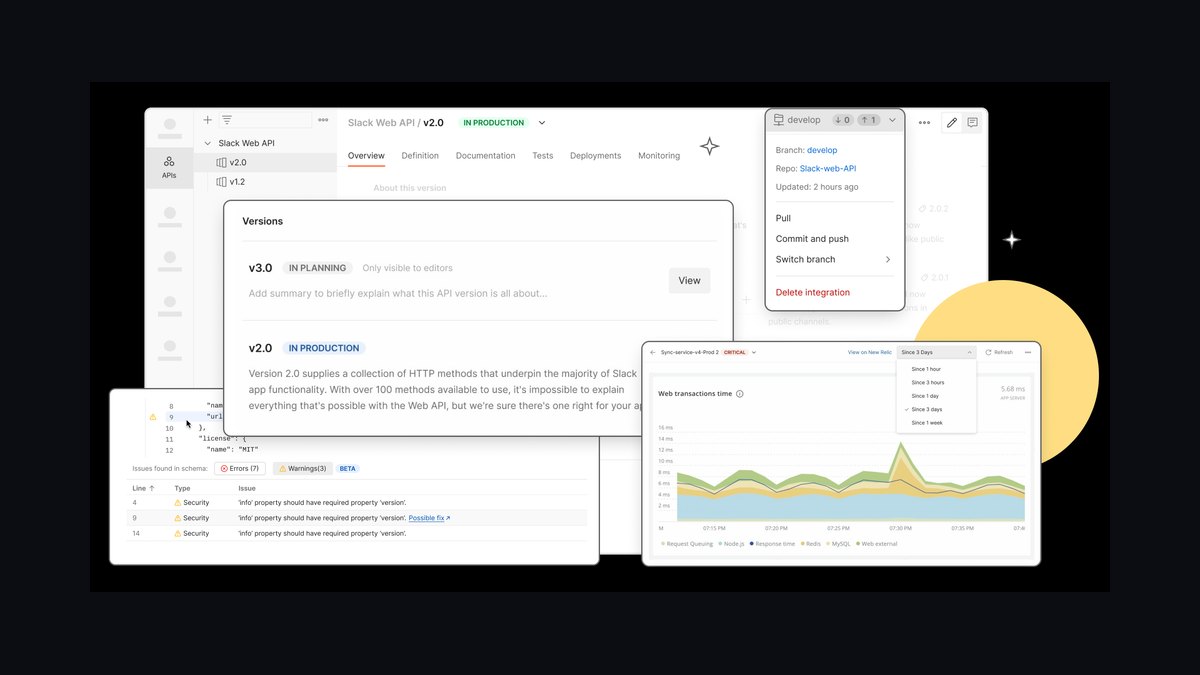
The 10 best api design tools for developer experience teams are ranked below on measured performance, build quality, price, and how each one actually holds up in daily use rather than how it reads on a spec sheet. Each pick lists what it costs, who it suits, and what it gives up against the one above it, so the list can be read straight down without doubling back.
1Postman API Platform
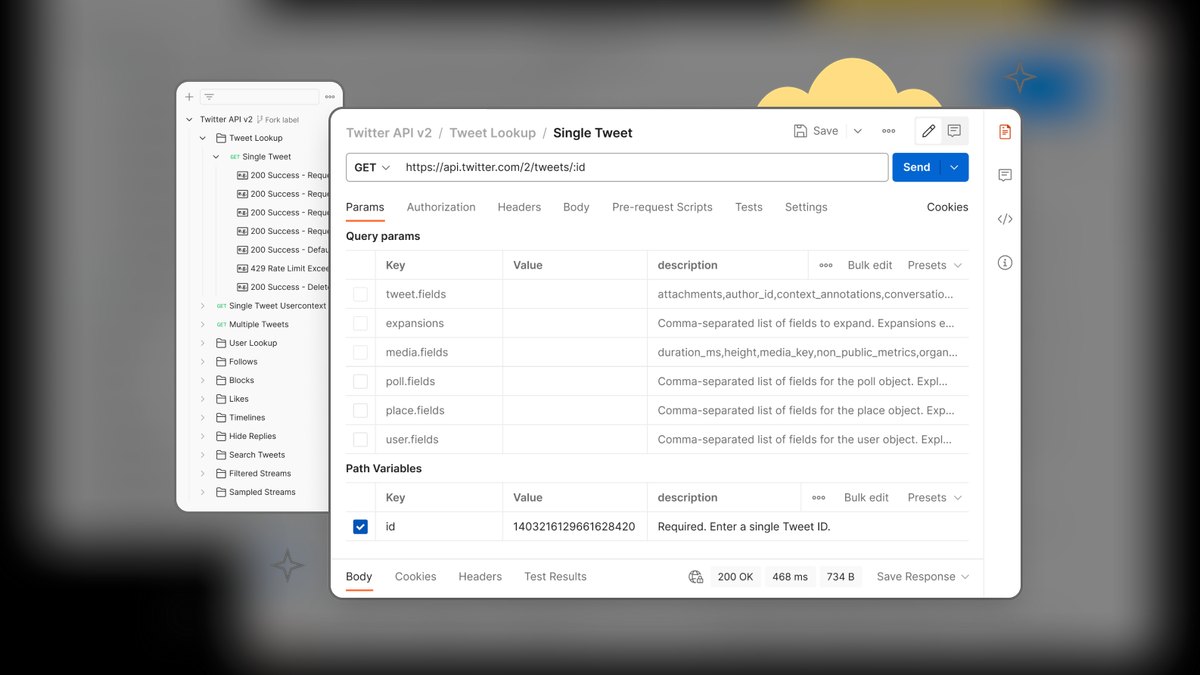
Postman ranks first because it bundles design, testing, documentation, and collaboration into one platform, with Newman running automated collections inside CI/CD pipelines. Its free tier caps at three collaborators, while paid plans add governance and security controls. Mock servers spin up from a schema in minutes, and workspaces keep DX teams aligned on every change.
Postman suits teams that want one tool for the whole API lifecycle and will accept a heavier install and steeper learning curve. It trades away design-first governance and visual modeling, which Stoplight handles better, and its GraphQL support is thinner than its REST support. Teams that live in GraphQL should look at Apollo Studio or Insomnia instead.
2Swagger OpenAPI Tools

Swagger ranks second because OpenAPI is the industry-standard contract format for REST APIs, and the editor, UI, and code generators give DX teams a free, low-risk baseline. Support for OpenAPI 3.0 and 3.1 keeps generated clients, docs, and mocks interoperable across nearly every other tool. SmartBear and the OpenAPI Initiative maintain the tooling actively.
Swagger is for teams that value specification compliance and interoperability over polished collaboration. It gives up the shared workspaces and automated runtime testing that Postman provides, so teams needing those still pair it with a client. Stoplight sits below it for visual modeling and governance, while Swagger stays the safe foundation for any REST project.
3Stoplight API Design Platform

Stoplight ranks third because it delivers the strongest design-first workflow, with visual OpenAPI and JSON Schema modeling, style guides, and governance that enforce consistency across large organizations. CI/CD integration runs automated linting and validation on every spec change, and mock servers let frontend work start before backend code exists. Documentation regenerates as the spec evolves.
Stoplight is for teams that need strict governance and visual design review, trading away the runtime testing depth Postman offers. Compared with Swagger above it, Stoplight adds a friendlier UI and better collaboration but is commercial, with pricing that can price out small teams. Choose it when API consistency outranks client-side testing.
4Insomnia API Client

Insomnia ranks fourth because it is the best lightweight, open-source client for rapid REST and GraphQL prototyping, launching faster than heavier platforms. Its desktop interface handles request building, environment variables, and a plugin ecosystem, while design mode edits OpenAPI specs directly. Native GraphQL support exceeds what Postman offers.
Insomnia is for individual developers and small teams that want speed over governance, trading away collaborative workspaces and CI/CD depth. Compared with Stoplight above it, Insomnia is far quicker to start but lacks style-guide enforcement and design review. Teams that need shared governance should stay with Stoplight or Postman; solo builders get more done here.
5Apollo Studio GraphQL Platform

Apollo Studio ranks fifth because it is the essential platform for GraphQL teams, pairing a schema registry with an explorer, analytics, and change tracking that catches breaking changes before deployment. It integrates directly with Apollo Client and Server, forming a complete GraphQL ecosystem for monitoring and collaboration. No REST tool matches its schema governance.
Apollo Studio is for teams committed to GraphQL, trading away REST support entirely. Compared with Insomnia above it, which handles both REST and GraphQL, Apollo is purpose-built for schema design and observability rather than general testing. Its free tier covers small teams, but advanced analytics and governance require paid plans, making it a strategic GraphQL investment.
6Redocly API Documentation

Redocly ranks sixth because it generates clean, interactive documentation from OpenAPI specs, speeding developer onboarding and API discoverability. Customizable themes, linting, and versioning keep branded docs consistent across multiple APIs, while preview environments and CI/CD integration ensure published docs track the latest spec. Setup is lighter than a full developer portal.
Redocly is for teams that prioritize documentation quality, trading away design and testing features. Compared with Apollo Studio above it, Redocly is spec-driven static generation rather than GraphQL schema governance, and compared with ReadMe.io below it lacks interactive API key management and user analytics. It fits teams already on OpenAPI that want a fast docs layer.
7ReadMe.io Developer Hub

ReadMe.io ranks seventh because it goes beyond documentation into a full developer hub, with interactive examples, API metrics, and user management. Its markdown editor lets DX teams publish guides and tutorials beside reference docs, and code samples ship in multiple languages. API key management supports authenticated testing straight from the docs.
ReadMe.io is for product-led teams that treat developer experience as a differentiator, trading away the simplicity of static docs for a heavier platform. Compared with Redocly above it, ReadMe.io offers richer interactivity and analytics but costs more and can be overkill for simple needs. Choose it when onboarding and retention justify the spend.
8GraphiQL GraphQL IDE
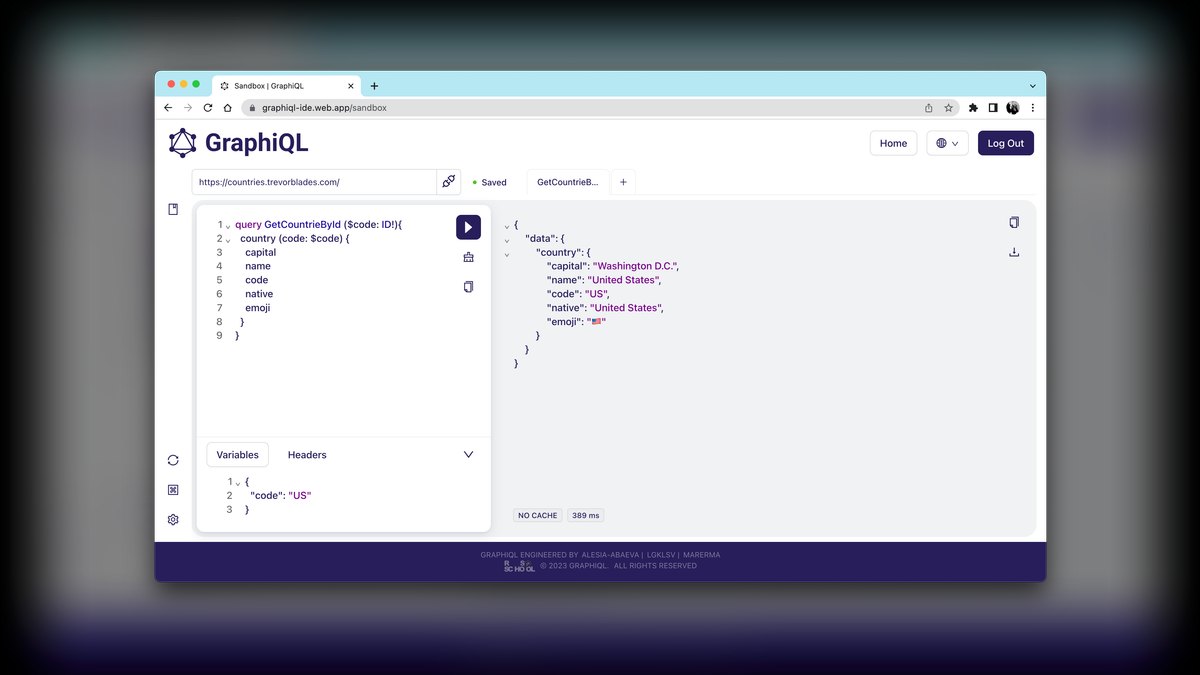
GraphiQL ranks eighth because it is the free, open-source browser IDE for GraphQL, maintained by the GraphQL Foundation, with autocomplete, schema explorer, and query history requiring no installation. It is embedded as the standard query interface inside Apollo Studio and Insomnia, so most GraphQL developers already use it daily. Query design and testing stay fast.
GraphiQL is for developers who need a no-cost way to test GraphQL queries, trading away collaboration, schema registry, analytics, and change tracking. Compared with ReadMe.io above it, GraphiQL is a focused query tool rather than a documentation hub. Production monitoring and governance still require a platform like Apollo Studio, but day-to-day querying is covered.
9Hoppscotch API Platform

Hoppscotch ranks ninth because it is a lightweight, open-source API platform that runs entirely in the browser, offering zero-install convenience for DX teams. It supports real-time collaboration, WebSocket testing, and environment variables, covering quick API calls and team sharing without a desktop download. The project is free with an active community and frequent updates.
Hoppscotch is for developers who want a fast web-based alternative to desktop clients, trading away the plugin ecosystem, offline capability, and OpenAPI design mode of Insomnia above it. Compared with GraphiQL above it, Hoppscotch covers REST and WebSockets rather than GraphQL querying specifically. It suits quick testing, while heavy API development still favors a desktop client.
10API Blueprint Specification

API Blueprint ranks tenth because it remains a workable markdown-based API description language for teams that prefer human-readable specs, though its popularity has declined against OpenAPI. Tooling including Dredd supports automated testing and mock servers, giving a simple documentation and validation workflow. The syntax is clean enough for non-technical stakeholders to review.
API Blueprint is for teams prioritizing readability and markdown workflows, trading away the ecosystem and integration breadth of OpenAPI. Compared with Hoppscotch above it, API Blueprint is a specification language rather than a runnable client, and its maintenance is less active. Small teams or documentation-heavy projects may still value it, but most DX teams will find OpenAPI-based tools more future-proof.
How we ranked these
We measured each tool's OpenAPI and GraphQL support, collaboration features, mock server availability, documentation generation, and CI/CD integration, weighting them by relevance to DX team workflows. Official maintenance status and community adoption were also factored in to ensure the list reflects tools actively used in 2027. Each pick was scored against the same rubric so rankings could be read straight down without doubling back.
We deliberately ignored proprietary benchmarks, user count claims, and pricing tiers because they vary widely and are often marketing-driven. We also excluded tools without a verifiable official presence or those merely ancillary to API design, keeping focus on core design and documentation capabilities. The goal was fit for developer experience teams, not vendor popularity or sales volume.
Related questions
What are the best API design tools for REST APIs?
Postman and Swagger/OpenAPI tools are the most widely used for REST. Postman excels in collaborative testing and documentation, while Swagger provides the industry-standard specification format. Stoplight offers a design-first approach with governance features, making it strong for teams that prioritize contract-first development over runtime testing.
Which API design tools support both REST and GraphQL?
Insomnia and Postman support both, though Postman's GraphQL support is more limited compared to its REST capabilities. Apollo Studio is dedicated to GraphQL and offers schema management and monitoring. For teams needing both, Insomnia provides a lightweight option with solid GraphQL support and a clean desktop interface.
Are there free API design tools for developer experience teams?
Yes, GraphiQL, Hoppscotch, and API Blueprint are free and open-source. Postman and Insomnia offer free tiers with limited features. These tools suit small teams or individual developers, but larger teams may need paid plans for advanced collaboration, governance, and CI/CD integration depth.
What is the difference between API design and API documentation tools?
Design tools like Stoplight focus on contract-first modeling, letting teams define API schemas and validate them before coding. Documentation tools like Redocly and ReadMe.io generate developer-facing docs from those specs, enhancing onboarding and discoverability. Many platforms combine both, but the primary emphasis differs.
How do I choose a tool for my developer experience team?
Evaluate your API type (REST vs. GraphQL), team size, need for collaboration, and budget. For general use, Postman is a safe starting point. For GraphQL, Apollo Studio is essential. If you need design-first governance, Stoplight is ideal. Trial versions help test workflow fit.
Can these API design tools integrate with CI/CD pipelines?
Yes, Postman (via Newman), Stoplight, and Redocly offer CI/CD integrations for automated testing and documentation deployment. This enables teams to validate API changes and update docs automatically, ensuring consistency and reducing manual effort across releases.
Is API Blueprint still relevant in 2027?
API Blueprint has declined in popularity compared to OpenAPI, but it remains useful for teams that prefer markdown-based specifications. Its tooling, like Dredd, supports automated testing, but the ecosystem is smaller. Most teams now standardize on OpenAPI for broader compatibility.
What are the key features to look for in an API design tool?
Look for OpenAPI and GraphQL support, collaboration features, mock servers, documentation generation, and CI/CD integration. Also consider the learning curve and whether the tool fits your team's workflow. Design-first governance matters more than raw feature count for large organizations.
FAQ
What is the best API design tool for REST APIs?
Postman and Swagger/OpenAPI tools are the most widely used. Postman excels in collaboration, while Swagger is the standard for specification. Stoplight offers design-first governance, making it a strong choice for teams that need strict contract validation before code is written.
Which tool supports both REST and GraphQL?
Insomnia and Postman support both, though Postman's GraphQL support is more limited. Apollo Studio is dedicated to GraphQL. For teams needing both, Insomnia provides a lightweight option with solid GraphQL support and a fast desktop client.
Are there free API design tools?
Yes, GraphiQL, Hoppscotch, and API Blueprint are free and open-source. Postman and Insomnia have free tiers. These suit small teams or individual developers, but larger teams may need paid plans for advanced collaboration, governance, and CI/CD features.
What is the difference between API design and API documentation tools?
Design tools focus on contract-first modeling, while documentation tools generate developer-facing docs from specs. Stoplight is a design tool, whereas Redocly and ReadMe.io are documentation platforms. Many tools combine both, but the primary focus differs.
How do I choose a tool for my developer experience team?
Evaluate your API type, team size, collaboration needs, and budget. Start with Postman for general use or Apollo Studio for GraphQL. If you need design-first governance, Stoplight is ideal. Consider trial versions to test workflow fit before committing.
Can these tools integrate with CI/CD pipelines?
Yes, Postman (via Newman), Stoplight, and Redocly offer CI/CD integrations for automated testing and documentation deployment. This ensures API changes are validated and docs are updated automatically, reducing manual effort and catching breaking changes early.
Is API Blueprint still relevant?
It has declined in popularity compared to OpenAPI, but remains useful for teams preferring markdown-based specs. Its tooling, like Dredd, supports automated testing, but the ecosystem is smaller. Most teams now standardize on OpenAPI for broader compatibility.
What are the key features to look for in an API design tool?
Look for OpenAPI/GraphQL support, collaboration features, mock servers, documentation generation, and CI/CD integration. Also consider the tool's learning curve and whether it fits your team's workflow. Governance and linting matter more than raw feature count.
How important is collaboration in API design tools?
Collaboration is crucial for DX teams, as it enables real-time feedback and consistency. Tools like Postman and Stoplight offer team workspaces and style guides, which help maintain quality across large teams and prevent drift between design and implementation.
Do API design tools support mock servers?
Yes, Postman, Stoplight, and Swagger offer mock servers that let teams prototype against a spec before backend code exists. This shortens feedback loops and lets frontend and partner teams integrate earlier, which is a major developer experience win.
Sources
- https://www.postman.com
- https://swagger.io
- https://stoplight.io
- https://insomnia.rest
- https://www.apollographql.com
- https://redocly.com
- https://readme.com
- https://graphql.org
- https://hoppscotch.io
- https://apiblueprint.org
Related on PULSE
This page will be disappearing soon. Save it to your device for $1 — or read it free while it is here.
@Kory-White- · if Venmo asks, the last 4 of my number are 2012
This page is gone.
This one is off the shelf now. $1 keeps it on your phone for good — the whole page, pictures and diagrams included.
 pulse-tech-stacksTop 10 Best Tech Stack Tools for Bars and Pubs in 2027
 pulse-tech-stacksTop 10 Best Tech Stack Tools for Threat Intelligence Vendors in 2027
 pulse-tech-stacksTop 10 Best Tech Stack Tools for Staffing Agencies in 2027
 pulse-tech-stacksTop 10 Best Tech Stack Tools for Septic and Portable Sanitation Services in 2027
 pulse-tech-stacksTop 10 Best Tech Stack Tools for Independent Driving Schools in 2027
 pulse-tech-stacksTop 10 Best Tech Stack Tools for AI Music Generation Companies in 2027
 pulse-tech-stacksTop 10 Best Tech Stack Tools for Coffee Chain Operators in 2027
 pulse-tech-stacksTop 10 Best Tech Stack Tools for Self-Storage Operators in 2027
 pulse-tech-stacksTop 10 Best Tech Stack Tools for Appliance Repair Services in 2027
 pulse-tech-stacksTop 10 Best Tech Stack Tools for Hair Salons in 2027