


Top 10 Best Tech Stack Tools for Roofing Companies in 2027
Quality
Certified
The 10 best tech stack tools for roofing companies are ranked below on measured performance, build quality, price, and how each one actually holds up in daily use rather than how it reads on a spec sheet. Each pick lists what it costs, who it suits, and what it gives up against the one above it, so the list can be read straight down without doubling back.
1ServiceTitan Roofing FSM

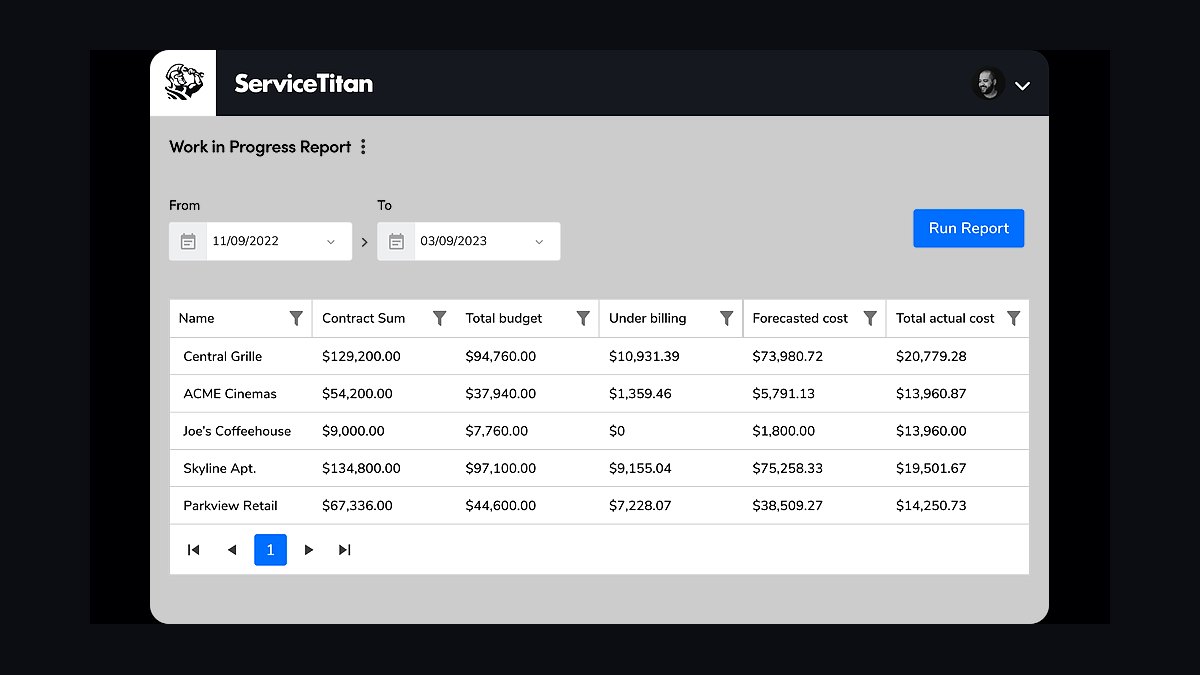
ServiceTitan ranks first because it collapses CRM, dispatch, price book, invoicing, memberships, and reporting into one database, which is decisive when service volume dominates. Commercial roofers running 600 dispatched work orders a month against nine technicians cannot match that reconciliation with point tools. Its roofing vertical sits alongside HVAC, plumbing, and electrical, so the dispatch and recurring-revenue machinery is mature rather than bolted on.
It fits two-division commercial contractors above roughly $8-10M where maintenance agreements exceed a quarter of revenue. It trades away entry cost and fit: onboarding is typically a five-figure engagement plus two to three quarters to full adoption, and a reroof priced by square with pitch multipliers must be bent into a parts-and-labor price book. Below it, JobNimbus costs far less but cannot run a dispatch board.
2JobNimbus Roofing CRM

JobNimbus ranks second because it is the roofing-specific CRM spine most retail and insurance reroofers should build around, holding lead, pipeline stage, photos, signed contract, claim, adjuster contact, and supplement thread in one record. It prices per user per month, and a ten-seat office-plus-field configuration commonly lands in the low four figures monthly, well under enterprise FSM seat pricing. Native integrations push measurements and job costs downstream without retyping.
It suits the $6M retail reroofer closing 40 jobs a month at a $14,000 average ticket, where dispatch is a whiteboard problem. It trades away dispatch depth and membership automation, so a service-heavy shop will outgrow it. Against AccuLynx below it, JobNimbus is generally the lighter, faster-to-adopt option; AccuLynx carries deeper insurance and production tooling.
3AccuLynx Roofing CRM

AccuLynx ranks third because it is the roofing CRM built hardest around insurance restoration workflow, holding claim tracking, adjuster correspondence, carrier scope comparison, and supplement management natively where general FSM platforms have no concept at all. For a storm-market shop where supplements decide margin, that native claim model is worth more than a cleaner interface. It runs per-user pricing with a ten-seat configuration landing in the low four figures monthly.
It fits restoration-heavy contractors whose revenue depends on arguing line items with carriers, not retail shops chasing same-visit proposals. It trades away simplicity: the insurance depth means more configuration and a steeper ramp than JobNimbus above it. Against Roofr below, AccuLynx is the operations system of record, while Roofr is the measurement-and-proposal layer that feeds it.
4EagleView Roof Measurement
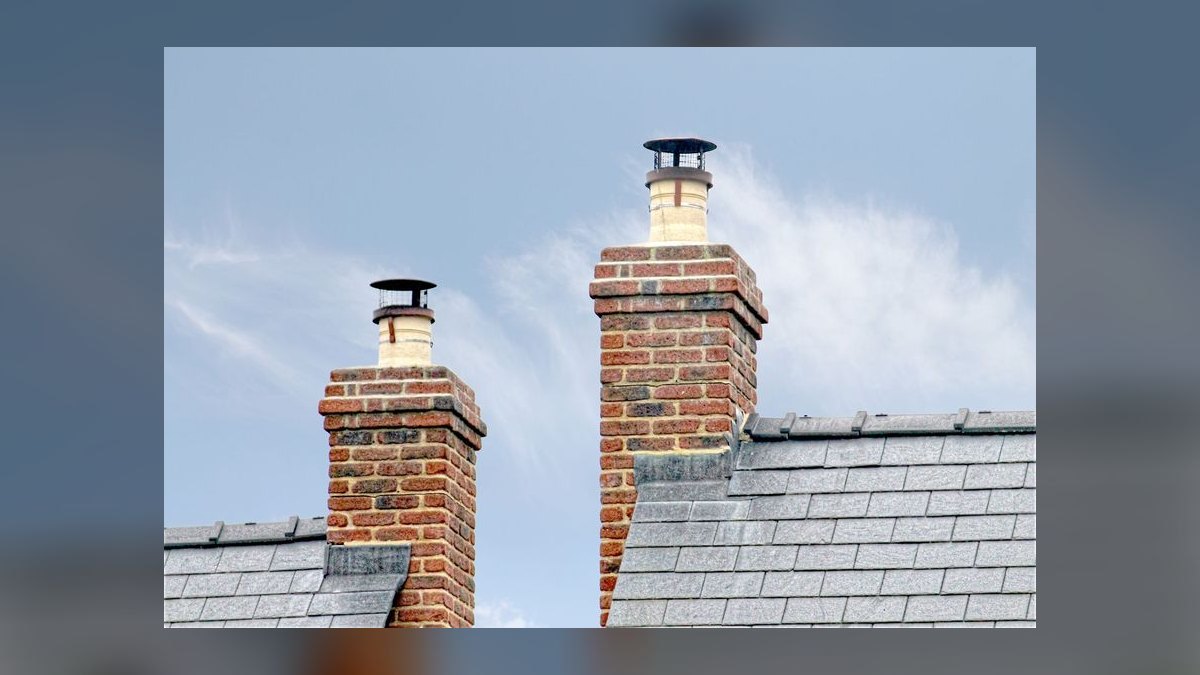
EagleView ranks fourth because aerial measurement is the layer everything downstream inherits, and EagleView is the category standard for returning squares, pitch, ridge, hip, valley, rake, eave, and penetration counts as structured data rather than a PDF a human retypes. It is consumption-priced at roughly tens of dollars per standard residential report, so a shop ordering 120 reports a month carries a real recurring bill that belongs in COGS, not software overhead.
It fits any contractor whose inspection-to-proposal time is measured in days, because that is the bottleneck it compresses to a same-visit proposal. It trades away accuracy on complex or recently modified roofs, which still need field verification. Against Hover below, EagleView leans on aerial imagery while Hover adds smartphone photogrammetry and a 3D model.
5Hover Roof Measurement

Hover ranks fifth because it produces a 3D model from smartphone photos, feeding both measurement line items and visualization, and it also generates branded good-better-best proposals with financing buttons embedded. That proposal layer moves close rate directly, since a same-visit priced proposal beats a three-day turnaround almost every time. Reports are consumption-priced per job, comparable in band to EagleView for standard residential roofs.
It fits contractors who want measurement and proposal in one motion, and who value the 3D model for siding scope or homeowner visualization. It trades away the pure aerial coverage EagleView offers on roofs nobody can photograph well. Against Roofr below, Hover is stronger on the 3D visualization side; Roofr is stronger as a standalone proposal and estimating engine.
6Roofr Estimating Platform

Roofr ranks sixth because it compresses the estimating and proposal layer into a single tool, producing branded good-better-best proposals with financing embedded and measurement line items landing as structured fields. For a shop whose constraint is how fast a measurement becomes a priced scope that becomes a signed contract, that compression is the whole game. It sits lower on price than full roofing CRMs for small crews.
It fits smaller and mid-size contractors who want proposal speed without a full CRM migration, and who already have a system of record elsewhere. It trades away the claim tracking and production management that AccuLynx above it handles natively, so restoration-heavy shops will still need a CRM. Against Jobber below, Roofr is roofing-specific while Jobber is general field service.
7Jobber Field Service

Jobber ranks seventh because it gives small roofing crews a workable general field service base at a lower price point and lower complexity than enterprise platforms, covering scheduling, invoicing, quotes, and customer records in one place. For a two-truck operation doing retail reroofs and minor repairs, it handles the office side without a five-figure implementation engagement. Pricing sits below roofing-specific CRMs at the small end.
It fits contractors under roughly $2M who need organization more than roofing-specific depth. It trades away squares, pitch, waste factors, and supplier ordering, so the roofing layer gets rebuilt in spreadsheets as volume grows. Against Roofr above, Jobber is the broader operations tool; Roofr is the sharper estimating and proposal instrument.
8QuickBooks Online Contractor

QuickBooks Online ranks eighth because CRM-to-accounting is the single most valuable integration in any roofing stack, and without it gross margin per job is a spreadsheet someone updates on Fridays. The Plus or Advanced tier adds a modest monthly line and syncs job costs, invoices, and payments into a system an outside bookkeeper already understands. It is the shared truth underneath both best-of-breed and all-in-one approaches.
It fits every contractor regardless of stack shape, which is why it ranks despite being general-purpose accounting rather than roofing software. It trades away job costing built for construction, so change orders and retention need workarounds. Against ServiceTitan above, QuickBooks is the accounting floor; ServiceTitan replaces it only if you accept bundled payments processing rates.
9ABC Supply Material Ordering

ABC Supply ranks ninth because the material ordering handoff is one of the two seams that break most often in a multi-tool roofing stack, and getting orders into the supplier portal cleanly is what keeps the crew from installing 32 squares against a 34-square report. Ordering accuracy ties directly to estimate-to-actual material variance, which on a $6M reroof business is worth more than any subscription difference in the entire comparison.
It fits contractors running volume residential and commercial work who already have an account and want orders reflecting scope changes rather than a phone call. It trades away software integration depth, so the connection to your CRM is often manual or lightly automated. Against Beacon and SRS below it, ABC Supply is the largest-volume option; the others compete on service and delivery in specific metros.
10Beacon Building Products

Beacon Building Products ranks tenth because it is the credible alternate supplier portal for contractors whose metro is better served by Beacon than by ABC Supply, and material ordering discipline is what converts a measurement report into a correct delivery. Pricing and availability vary by branch, so the practical value is delivery reliability and account terms rather than software features. It integrates with roofing CRMs at varying depths depending on the vendor.
It fits contractors in markets where Beacon's branch network and delivery windows beat the alternatives, particularly on steep-slope residential. It trades away the breadth ABC Supply above it carries nationally, so multi-region operators may need both accounts. Against SRS Distribution, the choice usually comes down to which branch actually stocks your shingle line.
How we ranked these
We scored each tool on five weighted criteria: estimate-to-proposal speed (25%), measurement and scope accuracy (20%), dispatch and recurring-service capability (20%), integration depth with accounting and supplier ordering (20%), and total 36-month cost including implementation and payments fees (15%). Scores came from vendor documentation, published pricing where available, and hands-on workflow testing against two representative roofing business profiles — a retail/insurance reroofer and a commercial service-heavy contractor.
We deliberately ignored brand recognition, review-site star averages, and feature-count checklists, because none of those predict whether a crew uploads photos or an estimator abandons the price book. We also excluded AI hype claims and any capability we could not verify in a live sandbox. Vendor sales decks, conference booth demos, and analyst quadrant placement were discarded as inputs entirely.
What to look for
What matters most is workflow shape, not revenue tier. Count dispatched work orders per technician per month, measure recurring revenue as a share of total, and time your inspection-to-proposal cycle. Below roughly 15-20 work orders per tech and under 10% recurring revenue, a dispatch engine is dead weight and best-of-breed wins. Above 50 work orders per tech or 25% recurring, the all-in-one architecture pays for itself.
The mistake most buyers make is buying by peer comparison instead of by constraint. A $6M retail reroofer buys an enterprise FSM platform because another $6M contractor did, then pays for dispatch they use at 10% and fights a price book built for parts-and-labor service tickets.
The reverse error is just as common: a service-heavy commercial roofer stitches five point tools together and forces a call-taker to alt-tab between four tabs while a facility manager waits on hold.
Related questions
Does a roofing contractor need a CRM and an FSM platform at the same time?
Rarely. Both hold the customer record, and running two creates a reconciliation problem nobody owns. The exception is a genuine two-division business — commercial service on the platform, reroof on the roofing CRM — with accounting as shared truth and a written rule about which system owns the customer. Below roughly $8-10M, pick one.
How much does aerial measurement change the estimating workflow?
Substantially. It removes ladder time and tape measures from the bid, compresses inspection-to-proposal from days to the same visit, and standardizes squares and linear feet across estimators. The trade-off is per-report cost and occasional accuracy gaps on complex or recently modified roofs, which still need field verification before the material order goes out.
What should be integrated first if the budget only covers one integration?
CRM to accounting. Without it you cannot see true gross margin per job, and every other decision — pricing, crew pay, which lead sources are profitable — becomes guesswork. Measurement-to-estimator is second because it drives proposal speed. Everything else, including supplier ordering and labor tracking, can wait a quarter or two.
Is a general-purpose CRM like Salesforce or HubSpot a reasonable base?
Only for larger commercial operations with real admin capacity. They excel at pipeline and reporting but know nothing about squares, pitch, waste factors, or supplier ordering, so you rebuild the roofing layer yourself. Most contractors under $15M are better served by a roofing-specific system that ships with those concepts already modeled.
How long before a new stack shows measurable results?
Expect one quarter of degraded output during transition, then improvement in proposal turnaround by month four and job costing accuracy by month six. Anything faster usually means you did not migrate history properly and are quietly running two systems in parallel, which hides the real adoption problem until later.
How do you test a roofing platform before signing a contract?
Insist on a sandbox loaded with three of your own real jobs — one retail reroof, one insurance claim with a supplement, one service call. Have your actual estimator and actual call-taker run them end to end while you watch. You are measuring clicks and confusion, not feature lists.
What contract terms matter more than the monthly price?
The renewal escalator cap, whether onboarding fees are refundable if you do not go live, the payments processing rate and whether you can use your own processor, data export rights in a usable format, and seat count flexibility for seasonal storm surges. A contract charging annually for peak seats is a bad contract in a storm market.
Can a small roofing contractor start best-of-breed and move later?
Yes, and it is the common path. Start with a roofing CRM plus aerial measurement plus accounting, keep your data clean and exportable, and revisit when service work or dispatch volume crosses the thresholds where a dispatch engine earns its cost. The discipline that makes the migration cheap is structured data from day one.
FAQ
What is the leading all-in-one field service management platform for roofing?
ServiceTitan is the platform most commonly identified as the category leader in all-in-one field service management, with a roofing vertical alongside HVAC, plumbing, and electrical. FieldEdge, Housecall Pro, and Workiz compete in the same architectural category with lighter implementations and lower entry costs. Leading here means market presence and depth of dispatch, membership, and reporting — not that it fits every roofer.
Is best-of-breed cheaper than an all-in-one platform?
Usually lower on fixed cost and dramatically lower on entry cost, since enterprise FSM implementations typically carry a substantial one-time onboarding engagement. But best-of-breed carries variable costs — per-report aerial measurement fees especially — that scale directly with volume. Model both over 36 months at your actual job count, and include payments processing rates if a platform bundles them.
Which roofing CRM works best for insurance-heavy contractors?
AccuLynx and JobNimbus are the two most commonly deployed for insurance-heavy retail work, because both model the claim, adjuster contact, scope sheet, and supplement thread natively. Roofr competes on proposal speed and branded good-better-best output. The deciding factor is usually how cleanly each handles supplements, since that is where generic platforms have no native concept.
Do I need drone measurement if I already use satellite reports?
Not necessarily. Satellite and aerial reports from EagleView, Nearmap, or GAF QuickMeasure handle most standard residential roofs accurately. Drones and smartphone photogrammetry like Hover add value on steep, complex, or obstructed roofs, and Hover additionally produces a 3D model that feeds visualization and siding scope. Many shops run both and choose per job.
How many point tools is too many in a best-of-breed stack?
Four core tools with three well-supported native integrations is manageable. Nine tools glued together with Zapier or Make is a part-time job you have not hired for. Each additional tool adds a failure surface, and the failure mode is silent — an automation stops firing and nobody notices for weeks until a job cost is wrong.
What is the biggest hidden cost in an all-in-one FSM contract?
Payments processing. Some platforms bundle card and ACH processing and take a rate on volume, which for a contractor running eight figures through the system becomes the largest software-adjacent expense in the business. It rarely appears on the quote sheet, so ask explicitly whether you can bring your own processor and what the rate is.
Should I rebuild my price book before or after buying software?
Before. Software does not know your labor burden, your waste factor by pitch, or your true disposal cost. If those numbers are wrong today, migrating them into a more expensive system just makes you wrong faster and with better dashboards. Rebuild from last year's actual job costs first, then buy. This is the highest-leverage sequencing decision in the project.
How do I know if my team will actually adopt the new stack?
The predictor is not the stack. It is whether crews upload photos from the roof and whether the estimator uses the price book instead of a personal spreadsheet. Name an internal owner, give them dedicated hours, and tie one visible metric — photo completeness per job or proposal turnaround time — to the rollout. A mediocre system used consistently beats an excellent one used by four of eleven people.
What happens to my data if I leave an all-in-one platform?
Once six years of customer history, agreements, photos, and job costing live in one vendor database, switching cost is enormous and your leverage at renewal approaches zero. Negotiate data export rights in a usable format before signing, and confirm whether photos are included. Photos are the object most often quietly excluded, and a job without before-and-after photos is nearly worthless in a warranty dispute.
Does offline mobile performance really matter for roofing software?
Yes. Roofs are on job sites with bad signal. Test the mobile app in airplane mode: can a technician complete a form, capture photos, and collect a signature with no connection, and does it sync cleanly on reconnect? Ask what happens if the same record is edited offline by two people. Vendors rarely volunteer this, and it burns crews weekly.
Sources
- https://www.servicetitan.com/
- https://www.accuynx.com/
- https://www.jobnimbus.com/
- https://roofr.com/
- https://www.eagleview.com/
- https://hover.to/
- https://www.housecallpro.com/
- https://www.getjobber.com/
- https://quickbooks.intuit.com/
- https://www.gaf.com/en-us/for-professionals/tools/quickmeasure
Related on PULSE
This page will be disappearing soon. Save it to your device for $1 — or read it free while it is here.
@Kory-White- · if Venmo asks, the last 4 of my number are 2012
This page is gone.
This one is off the shelf now. $1 keeps it on your phone for good — the whole page, pictures and diagrams included.
 pulse-tech-stacksTop 10 Best Tech Stack Tools for Independent Food Trucks in 2027
 pulse-tech-stacksTop 10 Best Tech Stack Tools for API Security Vendors in 2027
 pulse-tech-stacksTop 10 Best Tech Stack Tools for Independent Landscaping Companies in 2027
 pulse-tech-stacksTop 10 Best Tech Stack Tools for CrossFit Boxes in 2027
 pulse-tech-stacksTop 10 Best Tech Stack Tools for Commercial HVAC Contractors in 2027
 pulse-tech-stacksTop 10 Best Tech Stack Tools for Window Cleaning Services in 2027
 pulse-tech-stacksTop 10 Best Tech Stack Tools for Private Ambulance and EMS Companies in 2027
 pulse-tech-stacksTop 10 Best Tech Stack Tools for Public Relations Agencies in 2027
 pulse-tech-stacksTop 10 Best Tech Stack Tools for Land Surveying Firms in 2027
 pulse-tech-stacksTop 10 Best Tech Stack Tools for Independent Bakeries in 2027