


Should I open or buy a Camp Gladiator franchise in 2027?
Quality
Certified

Probably not — unless you already have a trainer bench, corporate-wellness contacts, or a fitness book of business in a warm-weather metro. Camp Gladiator sells territory-level Area Director rights, not a storefront, so you are buying a distributed sales and recruiting job. Expect roughly $30K–$90K all-in and 14–22 months to breakeven.
Two very different things get called "buying a Camp Gladiator franchise"
The first thing to sort out is which offer you are actually evaluating, because the phrase covers two structures with almost nothing in common financially.
Option A — the Area Director franchise. This is the actual franchise. You buy exclusive rights to a defined metro territory, complete the brand's certification track, then build a roster of Partner Trainers who run camps in parks, church lots, school fields, and corporate campuses inside your boundary. You are not opening a building. There is no lease, no buildout, no landlord, and no signage — which is exactly why the capital requirement sits an order of magnitude below a brick-and-mortar boutique. Your revenue comes off member dues collected through the brand's platform, net of royalty, brand/tech fee, and whatever split you owe the trainers doing the actual coaching. Your job is territory density: more camps, in more locations, at more times of day, staffed by more trainers.
Option B — the Partner Trainer contractor path. This is not a franchise at all. It is a 1099 relationship where you coach camps and get paid a commission on the member revenue you generate. No franchise fee, no territory, no FDD, no equity in anything. People routinely confuse this with franchise ownership because both get described as "running your own Camp Gladiator." If your real goal is to coach and earn, this path costs you a certification and some gear instead of five figures, and you can test the model for a season before committing capital. Many Area Directors started here — which is itself a signal about the right sequencing.

There is a third structure worth naming: buying an existing territory from a departing Area Director rather than opening a fresh one. A resale carries a live member base, an existing trainer roster, and — critically — whatever corporate contracts the seller already signed. You pay for that, typically as a multiple of seller's discretionary earnings, and you inherit the seller's problems too: burned park relationships, a trainer roster about to churn, or a member base that was propped up by discounting. A resale with two years of clean bank statements and a stable trainer roster is usually a better risk-adjusted buy than a cold-start territory, because the cold-start's hardest 14 months are already paid for by somebody else.
The trade-off table across the three: cold-start is cheapest in cash and most expensive in time; resale is more cash and much less time; contractor is cheapest in both but builds no asset you can sell. Only one of those three is genuinely a franchise decision.
How to actually decide between them
Run the decision as a series of disqualifying gates, not as a spreadsheet. A spreadsheet will always produce an attractive Year-3 number, because Year-3 numbers are assumptions wearing a suit. Gates are harder to fool.
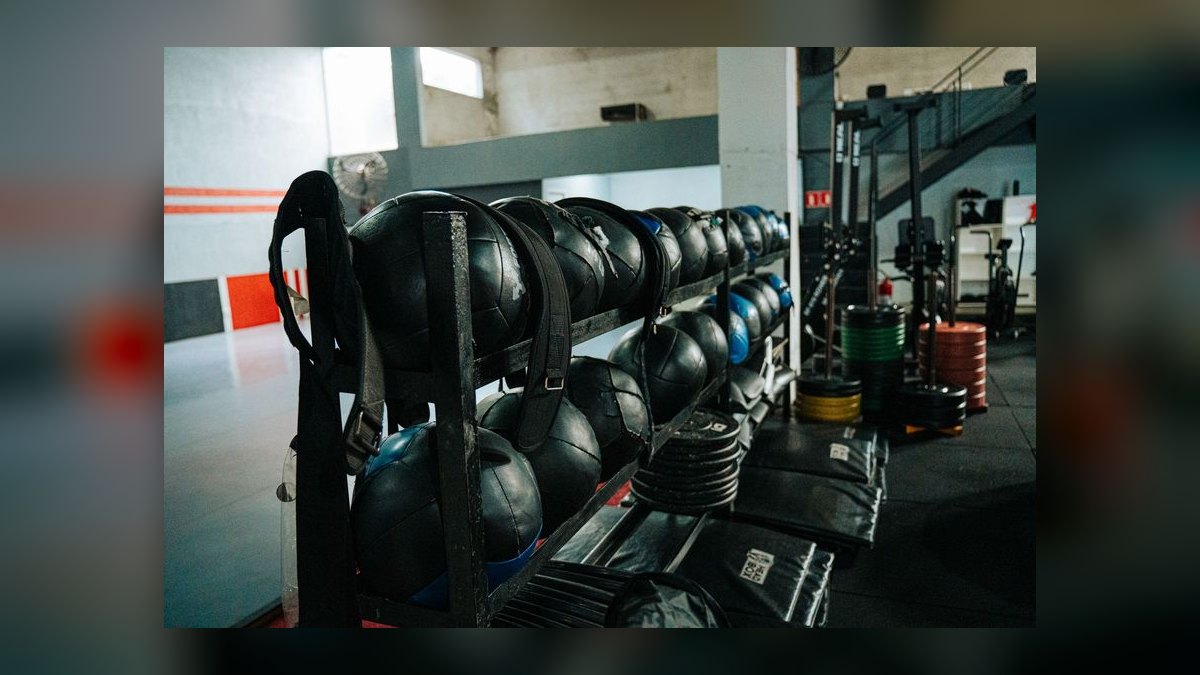
Gate 1 — can you name your trainers? Sit down and write out real names of people you could recruit as Partner Trainers: former military, first responders, D1 or collegiate athletes, commercial-gym trainers tired of a W-2 split, physical-therapy aides, high-school coaches. If you cannot produce roughly twenty named candidates from your own network, stop. Trainer recruitment is the binding constraint on this model, not member demand and not capital. A territory with three trainers cannot cover enough geography or enough time slots to reach density, and you will spend your first year recruiting instead of selling.
Gate 2 — is there a corporate-sales motion you can personally run? The highest-margin revenue in outdoor group fitness is the employer contract: an HR or benefits lead at a mid-market employer buying access for a chunk of the workforce. That revenue arrives in blocks instead of one member at a time, and it does not churn on a January-resolution cycle. If cold-calling forty HR contacts a week for a year and a half sounds like someone else's job, this is the wrong franchise. Nobody hands you inbound leads. There is no building generating walk-ins.
Gate 3 — does the geography work? You want year-round outdoor viability, a dense white-collar daytime population, and at least six or eight permittable locations with real parking and adequate lighting. Sunbelt metros — Texas, Florida, Arizona, the Carolinas, Tennessee, southern California — carry both the weather and the existing brand awareness. Northern markets lose whole months to weather, and an outdoor model that goes dark from November through March has to earn a full year of overhead in seven or eight months.
Gate 4 — is the capital real, and is it separate from your living expenses? The published floor assumes you already own a truck and a trailer. Buyers starting from zero should assume the top of the range, plus twelve months of household expenses in a reserve account you do not touch. Franchise fees are non-refundable. If the fee comes off a credit card, the answer is already no.
Two of the four gates are about you, not about the brand. That is the honest shape of this decision.
The numbers behind each option

Cold-start Area Director territory. The line items are the franchise fee, the certification and onboarding stack, equipment, a tow vehicle if you do not have one, initial local marketing and permit costs, insurance and entity formation, and working capital to float royalty and ad spend before dues catch up. Realistically that lands somewhere in the low-$30Ks for a capital-light operator who already owns the vehicle and trailer, and up near $90K for a buyer starting from nothing. The ongoing drag is a mid-single-digit-percentage royalty on gross member dues plus a smaller brand-and-technology fee — call it high single digits to low double digits combined, before you pay a single trainer.
The variable that swings outcomes is not fee structure, it is density. Each additional camp adds revenue against a nearly fixed territory overhead, so the operating leverage is steep in both directions. Breakeven in this model is a camp-count question, not a calendar question: you cross over when you have enough active camps staffed by enough trainers to cover your fixed costs, and most operators reach that somewhere in the back half of year one to the first half of year two. Solo operators with a handful of trainers run thin margins; margins improve materially once the roster reaches double digits, because the Area Director's own time stops being the delivery capacity.

Direct-to-consumer economics are unforgiving on their own. A member paying a monthly rate in the $60–$130 band leaves the Area Director a small slice after trainer split, royalty, brand fee, and ad cost. To clear a six-figure owner income on consumer signups alone, you need hundreds of active members spread across a full trainer roster. Employer contracts compress that math dramatically because you acquire dozens of members in one sale, with no per-member acquisition cost and much better retention. That is why the corporate-sales gate above is not optional — it is the difference between a $40K job and a $140K business.
Buying an existing territory. Price a resale off trailing twelve-month seller's discretionary earnings, verified against bank deposits and the platform's own dues reporting — not off a P&L the seller typed. Boutique-fitness resales generally trade in the low-single-digit multiples of SDE, with the multiple rising when the corporate contracts are documented and assignable and falling when revenue is concentrated in one or two employer accounts or one or two star trainers. Ask for the trainer roster's tenure by person. A territory whose top two trainers have been there eight months is a revenue cliff, not a business.
Partner Trainer contractor. Cost is a certification, basic gear, and your time. Income is commission-based and scales with the camps you personally cover, which means it is capped by your calendar. There is no enterprise value at the end. Its real function in this decision is as a cheap option contract: coach for a season, watch how members behave in February, see how hard the trainer recruiting actually is from the inside, and then decide whether to buy the territory.
Comparable capital ladders, for calibration. Brick-and-mortar boutique fitness — the F45-style and Orangetheory-style formats, plus indoor boot-camp brands — runs from the low hundreds of thousands into seven figures all-in, with substantial fixed monthly cost the day the doors open and territory availability in desirable metros often already gone. Those models trade capital and fixed-cost risk for predictability, foot traffic, and a saleable asset with a well-understood buyer pool. The outdoor territory model inverts every one of those: tiny fixed cost, no walk-in traffic, and an asset whose value is almost entirely the contracts and the roster. Neither is strictly better. They are different risk shapes, and knowing which one you can personally survive is most of the decision.
Building the thing: sequencing that survives contact with reality
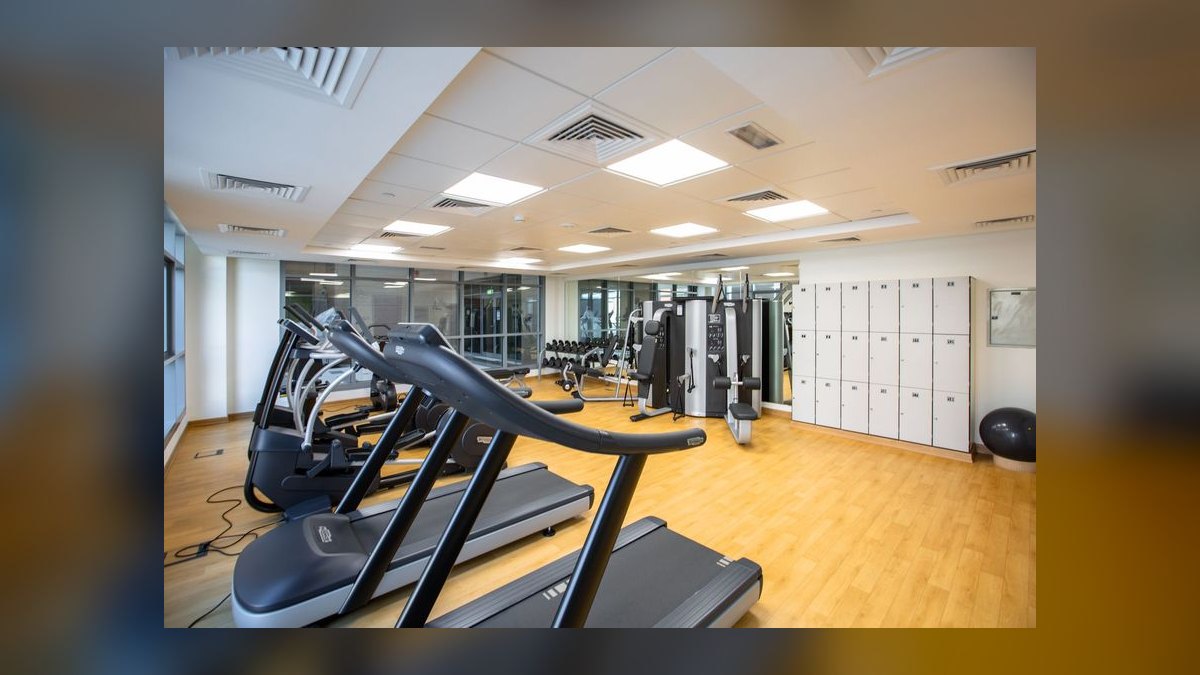
Sequence matters more than effort here, because the model has one truly fragile phase — the cold-start window where you have costs, no camps, and no proof — and good sequencing shortens it.
Days 1–14: diligence the disclosure document properly. Read the fee items, the estimated initial investment, the financial performance representation if one is offered, and the franchisee list. Then call current and former operators — a dozen is a reasonable target, deliberately split between people the franchisor suggests and people it did not. Ask three questions specifically: what is your trainer churn, what percentage of revenue is employer contracts, and what did you underestimate. Former franchisees are the most valuable calls and the ones most buyers skip.
Days 15–30: validate territory on foot. Pull daytime-population and employer-density data for the metro, then physically drive every candidate camp location at 5:30 a.m. and again at 6:00 p.m. — the two windows that actually matter. Check parking capacity, lighting, standing water, noise-sensitive neighbors, and whether a nearby competitor already owns the good slot. Then talk to whoever controls each site: parks-and-rec permitting offices, church facility managers, HOA boards, school district athletic directors. Permit timelines and site politics are the most commonly underestimated risk in outdoor fitness, and they are entirely knowable before you sign.

Days 31–45: build the trainer pipeline before you need it. Convert your twenty names into twenty conversations. You are recruiting people who want variable income, autonomy, and outdoor work over a commercial-gym floor shift. Be explicit about the split, the equipment they supply versus you supply, and the ramp. Aim to have three to five ready to start within two weeks of your launch date, not "interested."
Days 46–60: pre-sell employer contracts. Take a one-page benefits offer to HR and total-rewards leads at thirty mid-market employers. You are not asking for a signature before you own the territory; you are asking for a letter of intent contingent on launch. Two signed LOIs turn month one from a standing start into anchor revenue, and they also validate pricing in your specific metro rather than in the brand's best market.
Days 61–75: finalize the capital stack. Get a real lender quote from a lender that actually underwrites fitness and franchise deals — SBA-preferred lenders and franchise-focused specialty lenders both do. Confirm your operating capital and your personal reserve are in separate accounts. Price insurance properly: general liability, professional liability, and anything the permitting authority requires as a named-insured endorsement, which parks departments frequently do.
Days 76–90: sign or defer. If the trainer pipeline is deep, two LOIs are in hand, the territory passed a physical drive, and the capital is banked — sign. If any single one of the four is missing, defer six months. Deferring costs you nothing but time; a bad territory costs two years.
Where the model is exposed, and where the tailwinds are
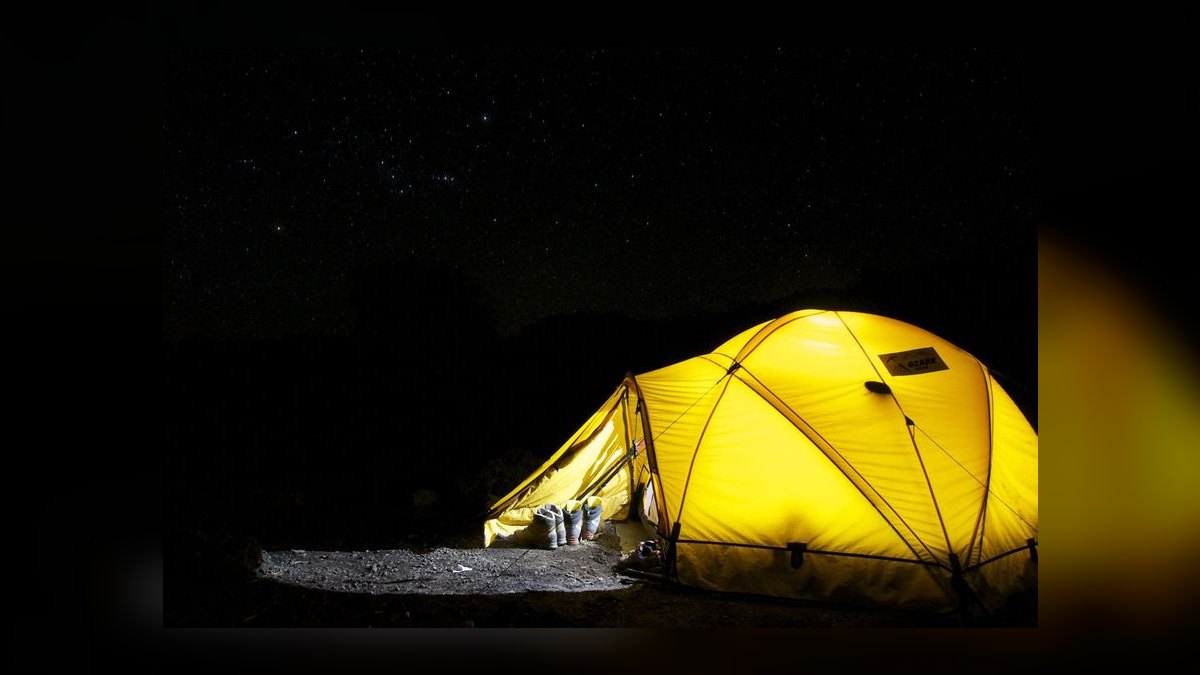
Structural exposures. Weather is the obvious one, and it is not just winter — a wet spring or a brutal heat dome quietly kills attendance and then membership. Site risk is the underrated one: a parks department reorganizing permits, a church selling a lot, or a new noise ordinance can strand a camp with an established member base. Labor is the third: Partner Trainers are contractors, which means they can leave with a following, and worker-classification scrutiny in the gig economy is a live regulatory theme that any operator whose entire delivery model runs on 1099 labor should be watching. Finally, consumer group fitness is seasonal in a way that flatters new operators — January signups make month one look great and March churn tells the truth.
Competitive squeeze. Aggregator benefits platforms sitting between employers and fitness providers are consolidating the corporate-wellness channel, which cuts both ways: they can hand you volume, and they can commoditize the relationship you were trying to own directly. Meanwhile indoor boutique brands have been pushing price upward, which leaves room underneath for a lower-priced outdoor format — but "cheaper than the studio down the street" is a positioning, not a moat. Your moat is site access, trainer loyalty, and signed employer contracts, in that order.
Genuine tailwinds. Outdoor and hybrid formats came out of the pandemic era with structurally better community retention than treadmill-in-a-room formats, because the accountability is social rather than facility-based. Employer interest in in-person wellness benefits has been reinforced by return-to-office pressure — a benefit employees use near the workplace is easier to justify than another app license. And the widespread adoption of GLP-1 weight-loss medications has, counterintuitively, expanded demand for resistance and circuit training, since preserving lean mass during rapid weight loss requires strength work. A circuit-style outdoor camp maps cleanly onto that need, and it is an audience that did not exist at this scale five years ago.
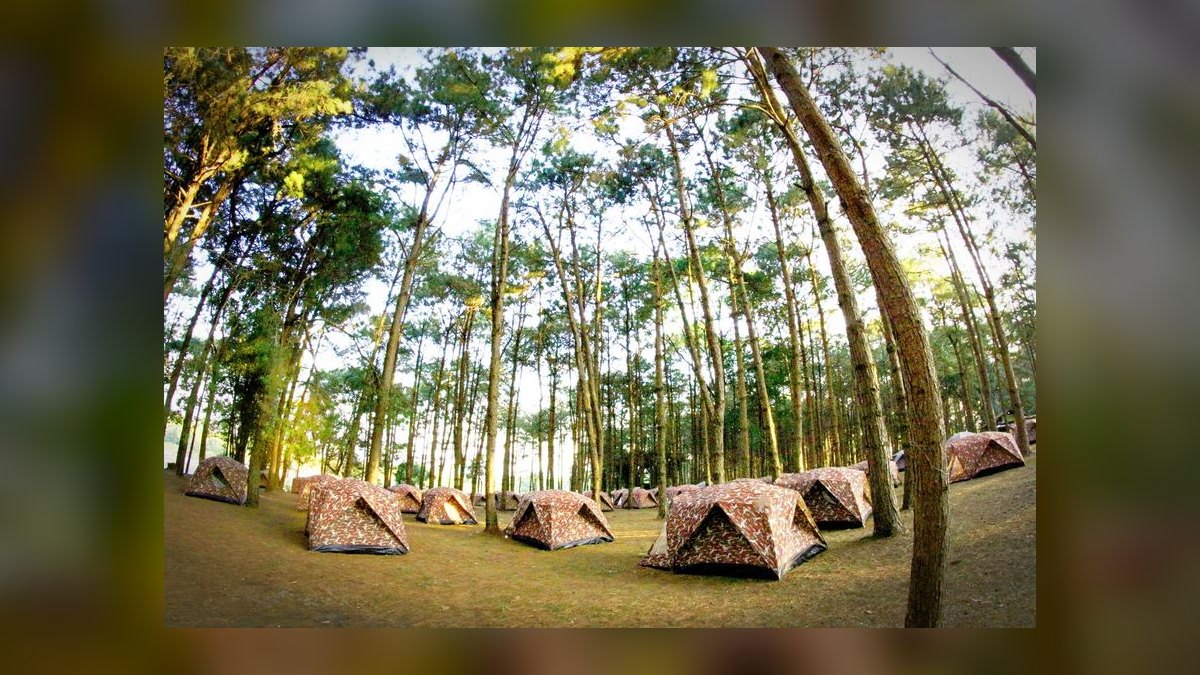
Adjacent revenue you can bolt on. The territory model's real advantage is that your fixed costs are near zero, so adjacent offers are nearly free to test: youth athletic-performance sessions in the summer, small-group semi-private training at a premium, nutrition or habit coaching sold as an add-on, event partnerships with local races, and municipal or school-district wellness programs. Each uses the same trainers, the same gear, and the same permits. A brick-and-mortar operator has to fill a schedule inside four walls; you can chase demand wherever it is in the metro. That flexibility is the single best argument for this format over an indoor franchise.
Related questions
Is it better to buy an existing Camp Gladiator territory than to open a new one?
Usually yes, if the books are clean. A resale delivers live members, an existing trainer roster, and assignable employer contracts, skipping the hardest 12–18 months. Verify deposits against platform dues reporting, and check trainer tenure — a roster of recent hires is a revenue cliff dressed as goodwill.
How much does an outdoor fitness franchise cost compared to a studio franchise?
Territory-based outdoor models typically run in the tens of thousands all-in; brick-and-mortar boutique studios run from the low hundreds of thousands into seven figures. The outdoor model trades predictability and walk-in traffic for near-zero fixed cost and far lower downside if the market disappoints.
Can I run a Camp Gladiator territory part-time?
Realistically no, not in year one. Recruiting trainers, securing permits, and cold-calling HR contacts is 30–40 hours a week until density arrives. Part-time works after the roster carries delivery — but a part-time cold start usually stalls short of breakeven and burns the franchise fee.
What actually kills these territories?

Trainer churn first, site loss second, and refusing to do corporate sales third. Consumer-only territories need hundreds of active members to clear a six-figure owner income, and consumer churn resets every spring. Employer contracts are what make the unit economics survivable.
Do I need a fitness background to own the franchise?
No. Certification is required, but the operating skills are recruiting, local sales, and permit logistics. Sales and general-management backgrounds convert well. A pure fitness background without a sales motion is the more common failure profile.
FAQ
What does it really cost to open a Camp Gladiator territory in 2027?
Plan on roughly $30,000 at the low end if you already own a suitable vehicle and trailer, and up toward $90,000 if you are starting from zero. That range covers the franchise fee, certification, equipment, insurance and entity setup, launch marketing and permits, and about six months of working capital. Keep twelve months of personal living expenses in a separate reserve — that money is not part of the business budget.
How long until the territory breaks even?
Most operators cross over somewhere between month 14 and month 22, and it is driven by camp count rather than the calendar. You need enough active camps, staffed by enough trainers, to cover fixed territory costs and the royalty and brand fee on collected dues. Signing two employer contracts before launch is the single most reliable way to pull that date forward.

Is the Partner Trainer program the same as owning a franchise?
No. It is a 1099 contractor arrangement paid on commission — no franchise fee, no exclusive territory, and no equity in anything you could later sell. It is genuinely useful as a low-cost trial: coach a season, watch retention through the winter, learn how hard trainer recruiting is from the inside, then decide whether to buy the territory.
What should I ask current and former Area Directors?
Three things, in this order: what is your annual trainer churn, what share of revenue comes from employer contracts versus consumer signups, and what did you underestimate before you signed. Insist on talking to former franchisees, not just the references the franchisor offers. The exits explain the model's failure modes better than the successes explain its wins.
How does this compare to F45, Orangetheory, or an indoor boot-camp franchise?
Those are brick-and-mortar businesses with substantial fixed monthly costs, real walk-in traffic, more predictable revenue, and a much larger capital requirement — and in many desirable metros the good territories are already taken. The outdoor territory model has almost no fixed cost and much lower downside, but no inbound traffic and a resale value tied entirely to your contracts and roster.
What is the single biggest reason these territories fail?
Not enough trainers. Everything else downstream — camp density, geographic coverage, time-slot coverage, breakeven timing — is a function of roster size. Owners who cannot recruit end up personally coaching every camp, which caps revenue at the limit of their own calendar and guarantees the business never becomes an asset.
Sources
- https://www.ftc.gov/business-guidance/resources/franchise-rule-compliance-guide
- https://www.sba.gov/funding-programs/loans/7a-loans
- https://www.ibisworld.com/united-states/market-research-reports/gym-health-fitness-clubs-industry/
- https://www.healthandfitness.org/
- https://www.franchise.org/
- https://www.bls.gov/ooh/personal-care-and-service/fitness-trainers-and-instructors.htm
- https://www.dol.gov/agencies/whd/flsa/misclassification
- https://www.campgladiator.com/
- https://www.irs.gov/businesses/small-businesses-self-employed/independent-contractor-self-employed-or-employee
Related on PULSE
This page will be disappearing soon. Save it to your device for $1 — or read it free while it is here.
@Kory-White- · if Venmo asks, the last 4 of my number are 2012
This page is gone.
This one is off the shelf now. $1 keeps it on your phone for good — the whole page, pictures and diagrams included.
 franchiseShould I open or buy a Kumon franchise in 2027?
 franchiseShould I open or buy a Merry Maids franchise in 2027?
 franchiseShould I open or buy a Kona Ice franchise in 2027?
 franchiseShould I open or buy a Massage Envy franchise in 2027?
 franchiseShould I open or buy a Valvoline Instant Oil Change franchise in 2027?
 franchiseShould I open or buy a Smoothie King franchise in 2027?
 franchiseShould I open or buy a Culver's franchise in 2027?
 franchiseShould I open or buy an F45 Training franchise in 2027?
 franchiseShould I open or buy a Matco Tools franchise in 2027?
 franchiseShould I open or buy a Subway franchise in 2027?