


Should I open or buy a Popeyes franchise or open an independent sandwich shop in 2027?
Quality
Certified
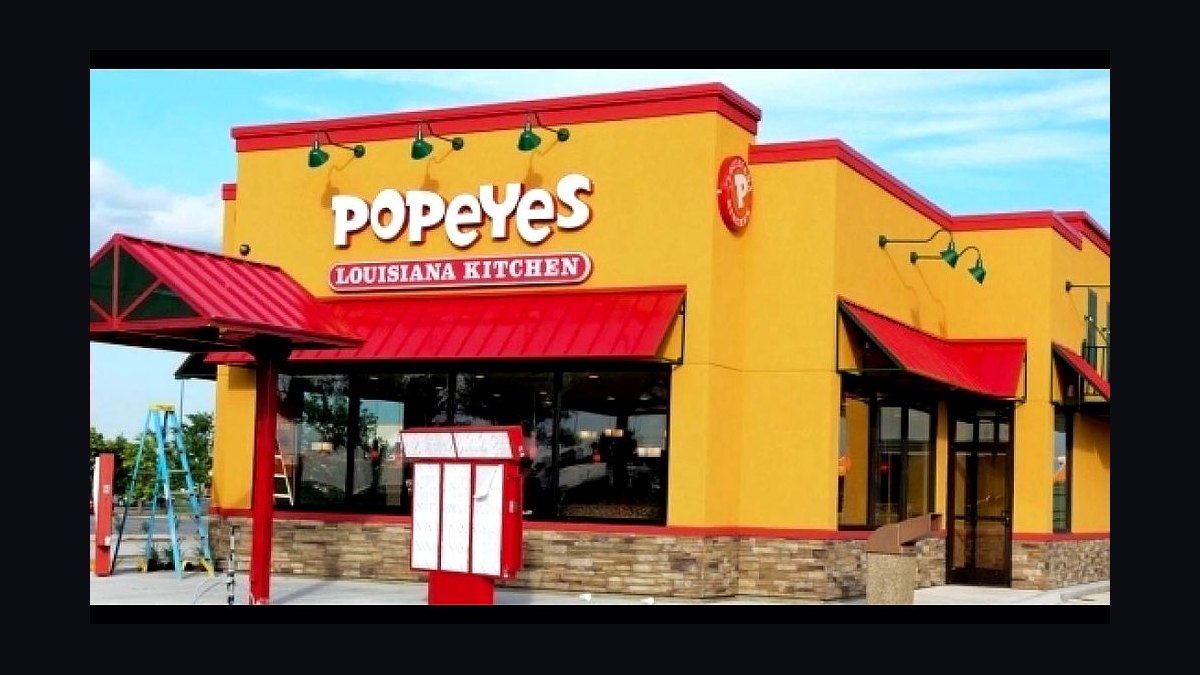
For most first-time operators in 2027, buying a Popeyes franchise is the lower-risk route: you pay a real premium in fees and royalties but inherit a tested menu, supply chain, and marketing engine. Opening an independent sandwich shop costs less upfront and keeps you in full control, yet every dollar of brand-building and recipe work becomes yours alone.
The outcome you should expect
The two paths produce genuinely different operating lives, not just different start-up costs. When you buy into the Popeyes system, you are purchasing a demand pattern that already exists in the customer's head before your doors ever open. Someone driving past a new Popeyes on a Tuesday evening already knows what a chicken sandwich tastes like, already knows the biscuit, already has a price anchor in mind. That pre-loaded familiarity compresses your ramp period and gives a lender something to underwrite. You trade a slice of every sales dollar — royalty plus ad fund — and a meaningful chunk of autonomy for that head start.
Opening an independent sandwich shop inverts nearly every one of those variables. Nobody walks in on day one because they recognized the sign. You are not paying a royalty, so a larger share of each transaction stays with you, but you are also not inheriting a national ad budget, a distributor with negotiated protein pricing, or an operations manual that tells a new shift lead exactly how to build a sandwich. Your first six to twelve months are largely an awareness-building exercise, and your margin advantage only materializes if you actually hold food cost and labor cost inside target ranges without a field consultant checking your work.
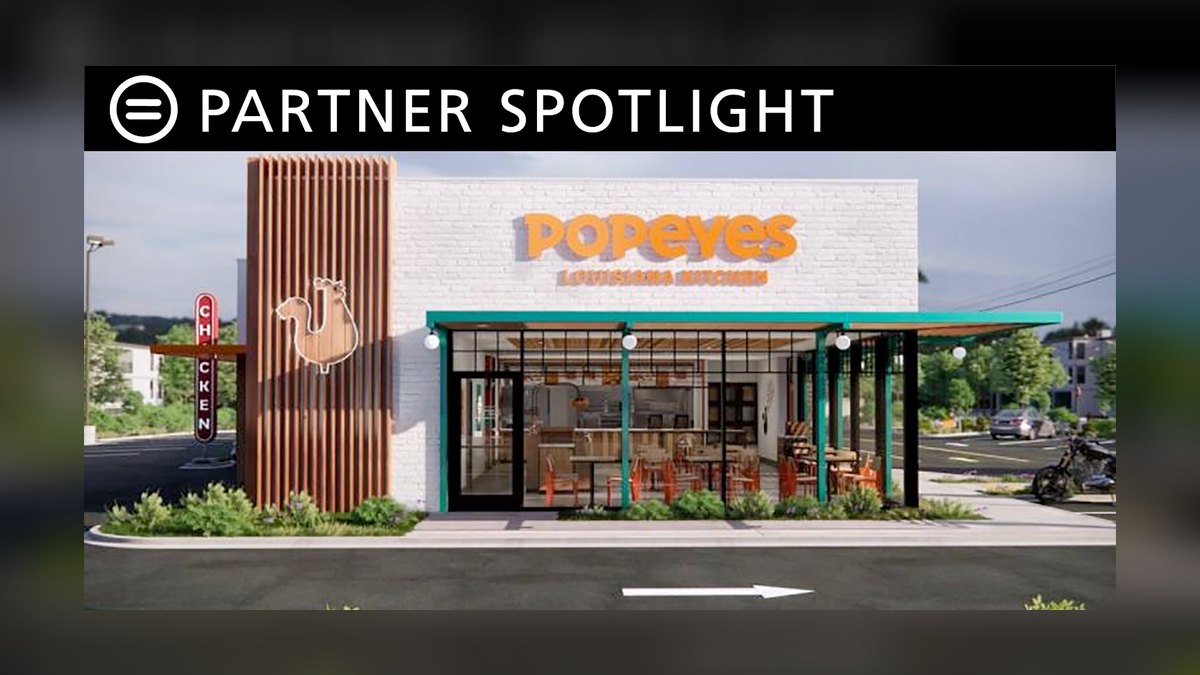
The practical outcome difference shows up in three places. First, time to stabilized sales: a franchise typically gets there faster because trial is brand-driven rather than discovery-driven. Second, margin per transaction: an independent usually keeps more of each dollar, which matters enormously at low volume but less at high volume where the royalty is a smaller absolute drag relative to scale efficiencies. Third, exit value: a franchise unit with a track record can be marketed against known brand benchmarks, while an independent's resale price rests almost entirely on that specific shop's reputation, lease, and trailing financials. Neither outcome is universally better — they simply reward different operator profiles and different appetites for uncertainty.
One more outcome dimension that first-time buyers routinely underweight: the emotional and administrative load. A franchise comes with a corporate cadence — remodels, promotions, compliance reviews, reporting requirements, approved-vendor rules. Some operators find that structure liberating because it removes thousands of small decisions. Others find it suffocating. An independent sandwich shop has no such cadence imposed from outside, which means the owner must manufacture their own discipline around menu reviews, cost audits, and marketing calendars. Operators who thrive without external structure tend to do well independently; operators who need a system to keep them accountable often do better inside a franchise.
What drives that outcome

Three forces determine which path actually performs better for a specific operator: how the deal is capitalized, what the operator is genuinely good at, and how crowded the local market already is.
Capital structure matters because a franchise agreement converts a portion of your gross revenue into contractual obligations — an upfront franchise fee, an ongoing royalty, an ad fund contribution, and periodic remodel requirements. That conversion buys you a system that lowers launch risk. An independent shop carries no royalty line, but it also carries no brand name a lender can underwrite against, so independent operators frequently face higher effective borrowing costs, tighter loan-to-value terms, or a requirement to bring more owner equity to close the same size project. If your access to capital is thin, the franchise route can paradoxically be easier to finance even though the total project cost is higher.
Operator skill set matters because franchise systems are engineered for people who are strong general managers but not necessarily chefs or menu developers. Popeyes tells you what to cook and largely how to cook it; your job is execution, staffing, and local presence. An independent sandwich shop rewards a different toolkit: comfort with food cost percentage math, supplier negotiation, menu engineering, and grassroots marketing. If you have never built a recipe costing sheet or negotiated a bread contract, the independent path will teach you those lessons expensively.
Local market saturation is the third lever and the one most often ignored. National chicken brands protect territory to some degree but continue expanding aggressively, so a new franchisee can end up a few miles from an existing location of the same brand or from a strong regional chicken competitor. An independent sandwich concept avoids competing with its own brand, but it competes against a far wider set of grab-and-go alternatives — delis, convenience store food, grocery prepared foods, and every other lunch option within a five-minute walk or drive.
Benchmarks and realistic ranges
Treat everything below as planning ranges rather than promises. Franchise fees, investment minimums, and royalty percentages are updated periodically by the franchisor and vary by market, footprint, and whether you are building new or converting an existing restaurant. Always confirm current figures in the Franchise Disclosure Document before committing capital.
On the Popeyes franchise side, plan for an initial franchise fee in the tens of thousands of dollars per unit. Total investment commonly lands in the high six figures to low seven figures once you account for lease or land, construction, kitchen equipment, signage, initial inventory, and opening working capital. Ongoing royalty typically sits in the mid-single-digit percentage of gross sales, with a separate marketing or ad fund contribution in the low-single-digit range on top. Multi-unit development agreements often reduce or waive the franchise fee on units beyond the first, which is a major reason experienced multi-brand operators add a chicken concept to an existing portfolio rather than using it as a first restaurant.
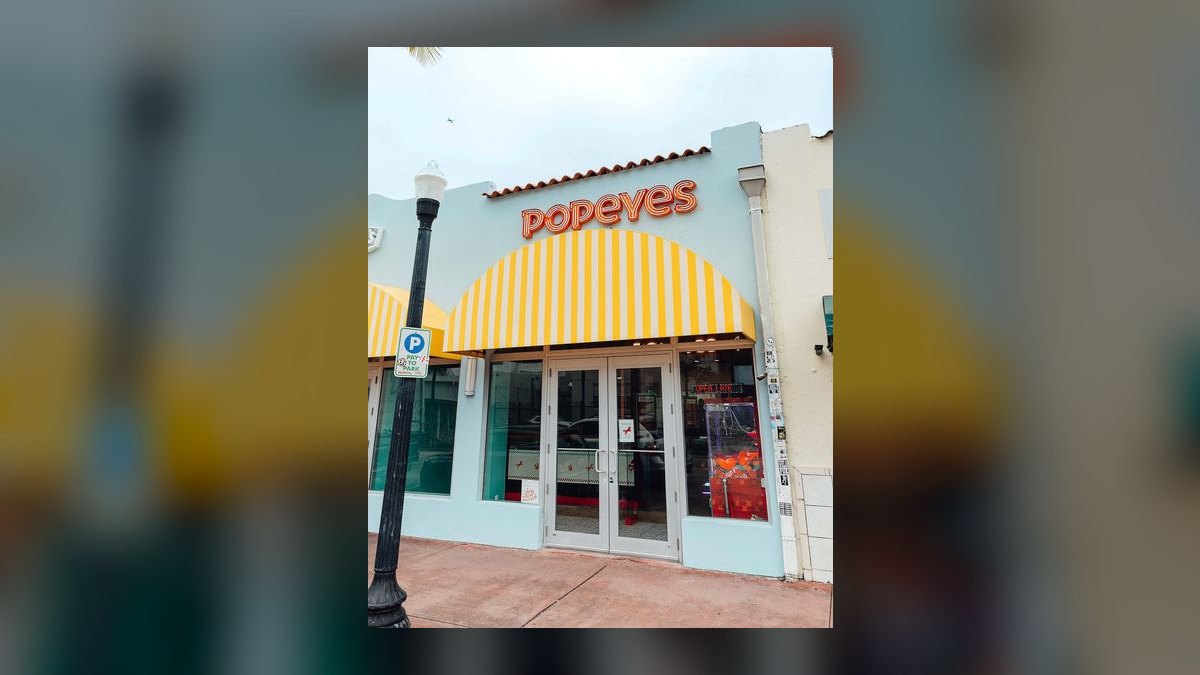
On the independent sandwich shop side, the range is far wider because nothing is standardized. A counter-service shop in a modest-cost market can realistically open for a low-to-mid six-figure total investment if you secure a second-generation restaurant space with usable kitchen infrastructure already in place — hood, grease trap, three-compartment sink, walk-in. Ground-up construction or a high-cost urban market can push that figure dramatically higher. Target food cost percentage for a sandwich concept typically runs in the high-20s to mid-30s percent of sales depending on protein choices and portion discipline. Labor cost percentage commonly lands in a comparable band. Prime cost — food plus labor combined — is the number to watch weekly, because that is where independent shops either preserve their no-royalty advantage or quietly give it away.
Working capital deserves its own line in either plan. Beyond build-out and opening inventory, budget enough cash to cover at least three to six months of rent, payroll, and utilities at below-target sales. A conservative rule many restaurant advisors use is opening working capital equal to 10-15% of total project cost, held specifically to survive the ramp without emergency borrowing. Franchisees sometimes assume brand pull means they can skip this reserve. Independent owners sometimes assume a smaller build-out means they need less. Both assumptions cause the same month-three cash crunch.
Staffing structure differs even when the percentages look similar. A Popeyes location typically runs a drive-thru-heavy model with a small core team working extended shifts across lunch and dinner peaks, and the operations manual specifies minimum staffing by daypart against projected transaction counts. An independent sandwich shop has to build that model from scratch using its own sales-per-labor-hour targets, and new owners frequently overstaff the opening weeks out of caution. Tracking labor as a percentage of sales weekly rather than monthly catches that drift before it compounds.

Average ticket economics also diverge. Chicken is a high-frequency, high-craveability category with strong drive-thru and delivery attach rates, which supports volume. A sandwich shop's average ticket is often lower, but that can be offset by higher transaction frequency in lunch-heavy office or urban locations. Neither format is inherently more profitable — the deciding variable is almost always execution against cost targets.
Risks, edge cases, and failure modes
The largest risk on the franchise side is underestimating total investment and exhausting working capital before the location reaches stabilized sales, which typically takes months rather than weeks. A second risk is territory: buying into a market that already has dense chicken-QSR competition can suppress unit volume well below the system-wide averages you modeled, so validate local competitive density independently rather than trusting franchisor averages alone. A third is treating the franchise fee and build-out as the whole cost — many new franchisees underfund the opening marketing period and the first few months of thin cash flow, which is precisely when undercapitalized operators get pushed into high-cost short-term financing.
On the independent side, the biggest failure mode is opening without a genuinely differentiated concept or real cost-control discipline. An undifferentiated sandwich shop competes simultaneously against national brands, other independents, and grocery prepared foods, with none of the brand recognition that drives walk-in trial. A second risk is menu drift: without a franchisor's menu discipline, owners keep adding items to satisfy every request, inflating inventory complexity, waste, and ticket times without meaningfully growing sales. A third is founder dependency — if quality and speed depend on the owner being on-site every shift, the business cannot scale past one location and is fragile whenever the owner is unavailable.

Two edge cases deserve explicit naming. Buying an existing independent sandwich shop is a fundamentally different decision than building from scratch, because you are underwriting real sales history, lease terms, and equipment condition rather than a pro forma. Likewise, acquiring an existing Popeyes franchise from a selling franchisee differs from a new build, because you inherit actual trailing financials and can request documentation of real unit volume — which materially reduces guesswork compared to a ground-up project in either format.
There is also a contractual risk that is easy to underweight in the excitement of opening. A franchise agreement is a long-term contract, often ten years or more, with renewal terms, transfer restrictions, and a non-compete clause limiting what you can operate nearby or after the agreement ends. Read those clauses closely, because they constrain your exit options years down the road, not just your daily operations. An independent shop has no franchisor contract, but the lease becomes the equivalent long-term commitment, and independent owners sometimes sign leases with personal guarantees and percentage-rent clauses without modeling how those terms behave if sales come in below projection. In both cases, have a franchise attorney or commercial real estate attorney review the agreement before signing — not after you have made a verbal commitment to a landlord or franchisor.

Finally, consider the exit before you enter. A Popeyes location performing at or above system average is generally easier to sell later because a buyer can underwrite it against known brand performance and the franchisor typically has a transfer process already in place. An independent sandwich shop's resale value depends almost entirely on the specific concept's reputation, lease assignability, and trailing financials, with no brand-level comparable to lean on — which can mean a longer sale process and harder price negotiation when it is time to move on.
A practical rollout plan
Whichever path you choose, run the same disciplined sequence instead of skipping steps because you are eager to open.
Step one: get your numbers on paper before touching a lease. For the franchise route, request and read the full Franchise Disclosure Document, focusing on the fee and estimated initial investment items and any financial performance representation the franchisor provides. Then call at least three to five existing franchisees from the disclosure's franchisee list and ask about real unit volume, real costs, and how accurate the franchisor's estimates turned out in practice. For the independent route, build your own pro forma from actual supplier quotes, a realistic labor model, and comparable sales data from similar-sized independent concepts in your market. Stress-test it at a lower-than-expected sales scenario, not just your optimistic case.
Step two: lock financing before you lock a location. Franchise concepts are generally easier to finance because lenders have underwriting history on the brand. Independent concepts usually need a stronger personal financial statement, more owner equity, and sometimes SBA 7(a) financing to reach comparable terms. Either way, secure a financing commitment in writing before signing a lease, not after.
Step three: select the site using the same criteria in both cases — traffic count, visibility, ease of ingress and egress for drive-thru or walk-up, competitive density within a one-to-three mile radius, and labor market access for hourly staffing. A franchise brand's site-approval team validates this as part of the process. An independent owner must do the analysis personally or hire a commercial real estate broker who specializes in restaurant sites.
Step four: build to spec and staff before opening day. Franchise concepts arrive with a training program and an opening support team. Independent concepts require you to write your own training materials, standard operating procedures, and recipe cards, and to run a soft-open period to shake out kitchen and service issues before a full public launch. Budget two to four weeks of soft-open in either case.
Step five: market the opening deliberately. A franchise benefits from national awareness plus a local grand-opening push partly funded by the ad fund. An independent sandwich shop needs a grassroots plan — local media, social content, loyalty offers, and community partnerships — sustained for months, not just opening week.
Step six: review weekly against targets. Track prime cost, labor percentage, and average ticket every week for the first six months. Both paths fail more often from unmonitored drift than from a single catastrophic decision.
Related questions
How much does it cost to open a Popeyes franchise in 2027?
Expect a franchise fee in the tens of thousands of dollars plus total investment commonly in the high six figures to low seven figures, depending on real estate and build type. Confirm exact current figures in the FDD.
Is an independent sandwich shop more profitable than a franchise?

It can be, since there is no royalty or ad fund deduction, but only if the owner hits food and labor cost targets without a franchisor's playbook to lean on.
Do I need restaurant experience to run a Popeyes franchise?
Deep culinary experience is not strictly required because the menu and processes are standardized, but strong operations and people-management skills are essential to run a high-volume location well.
What is the biggest financial risk in either option?
Undercapitalization — underestimating total investment and the months of thin or negative cash flow before the location stabilizes, in both a franchise and an independent build.
Can I finance an independent sandwich shop the same way as a franchise?
SBA loans and conventional lenders are both viable, but independent concepts usually require stronger owner equity and financials because lenders lack brand-level performance history to underwrite against.
FAQ
Should I open or buy a Popeyes franchise or open an independent sandwich shop in 2027? Choose the Popeyes franchise if you want a proven system, faster customer traction, and are comfortable with ongoing royalty and ad fund payments. Choose an independent sandwich shop if you have food-service expertise, a differentiated concept, and want full control and full margin retention, and can tolerate a slower ramp to profitability.

What is the typical royalty and ad fund structure for a Popeyes franchise? Franchise systems in this segment commonly charge an ongoing royalty in the mid-single-digit percentage of gross sales plus a separate ad fund contribution in the low-single-digit range, though exact current figures should always be confirmed in the FDD before signing.
How long does it take an independent sandwich shop to become profitable? It varies widely by market and concept, but independent food-service businesses generally take longer to reach stabilized, profitable sales than a recognized franchise in a comparable location, because brand awareness must be built from scratch rather than inherited.
Is buying an existing Popeyes franchise resale better than building new? A resale gives you real trailing sales and cost history to underwrite, which reduces guesswork compared to a ground-up build, but verify lease terms, equipment condition, and why the current owner is selling before committing.
What menu and supply-chain control do I give up in a Popeyes franchise? You operate within an approved menu, an approved supplier and distributor network, and required recipes and preparation standards. You generally cannot substitute proteins, change core recipes, or source outside the approved supply chain.
Can I run both a franchise and an independent concept as a portfolio? Yes — many multi-unit operators run a franchised chicken concept alongside other franchised or independent concepts to diversify revenue and balance a proven system against a higher-control, higher-upside independent location.
Sources
- https://www.ftc.gov/business-guidance/resources/franchise-rule-compliance-guide
- https://www.franchise.org
- https://www.sba.gov/business-guide/plan-your-business/franchise-businesses
- https://www.entrepreneur.com/franchises/franchise500
- https://www.restaurantbusinessonline.com
- https://www.score.org/resource/business-planning
- https://www.irs.gov/businesses/small-businesses-self-employed
- https://www.popeyes.com
Related on PULSE
- Franchise vs. independent restaurant: comparing real total investment, not headline fees
- How to read a Franchise Disclosure Document before you sign
- Food cost and labor cost benchmarks for quick-service restaurants
- SBA loan options for first-time restaurant owners
- How multi-unit franchise operators evaluate adding a new brand
- Site selection criteria that matter more than rent price
This page will be disappearing soon. Save it to your device for $1 — or read it free while it is here.
@Kory-White- · if Venmo asks, the last 4 of my number are 2012
This page is gone.
This one is off the shelf now. $1 keeps it on your phone for good — the whole page, pictures and diagrams included.
 franchiseShould I open or buy a Great Clips franchise in 2027?
 franchiseShould I open or buy a KinderCare franchise in 2027?
 franchiseShould I open or buy a Subway franchise in 2027?
 franchiseShould I open or buy a Wendy's franchise in 2027?
 franchiseShould I open or buy a Cold Stone Creamery franchise in 2027?
 franchiseShould I open or buy a Cook Out franchise in 2027?
 franchiseShould I open or buy an F45 Training franchise in 2027?
 franchiseShould I open or buy a Smoothie King franchise in 2027?
 franchiseShould I open or buy a Jamba franchise in 2027?
 franchiseShould I open or buy a Massage Envy franchise in 2027?