


How does *The JOLT Effect* recommend rescuing a deal when the buyer goes silent for two weeks in 2027?
Quality
Certified

The JOLT Effect by Matthew Dixon and Ted McKenna — the follow-up to *The Challenger Sale* — recommends that when a buyer goes silent for two weeks, the rep must stop chasing and start diagnosing the specific type of indecision causing the stall, then apply the JOLT framework (Judge, Offer, Limit, Tether) to force a decision rather than a close. The book's core insight: in complex B2B sales, the biggest threat isn't objection or competition — it's customer indecision, a state where the buyer is overwhelmed by choice, risk, and internal consensus-building, leading to prolonged silence. The recommended response for a two-week silence is to Judge whether the silence stems from analysis paralysis (too much information) or risk aversion (fear of consequences), then Offer a specific, limited recommendation that reduces cognitive load, Limit the time frame for a decision, and Tether the buyer to a concrete next step — all without adding more information or pressure. The book's insights, drawn from CEB/Gartner's research on B2B buyers, show that reps who apply the JOLT framework recover deals from silence at higher rates than those who use traditional follow-up tactics like sending case studies or offering discounts.
1The Indecision Epidemic — Why Silence Happens
Dixon and McKenna open *The JOLT Effect* by diagnosing the indecision epidemic in modern B2B sales. Their research, based on CEB/Gartner studies of B2B buyers, reveals that a substantial portion of stalled deals are not lost to competition, budget, or no-decision — they're lost to indecision. The buyer has the budget, the authority, and the need, but they cannot pull the trigger because they're paralyzed by the sheer volume of options, internal stakeholders, and potential risks.
The two-week silence is the classic symptom of this epidemic. The buyer isn't ghosting you — they're drowning. They've gone back to their buying group with your proposal, and now they're fielding objections from legal, finance, and IT that they don't know how to resolve. Their silence is a defense mechanism against the cognitive overload of making a high-stakes decision. Traditional sales training tells you to stay top-of-mind — send a relevant article, a case study, a check-in email. But *The JOLT Effect* argues this is exactly wrong: adding more information makes the indecision worse, because it gives the buyer more to analyze and more reasons to delay.
The book's key distinction: indecision is not objection. An objection is a specific barrier you can address ("your price is too high," "we don't trust your implementation timeline"). Indecision is a meta-state where the buyer can't even articulate why they're stuck. They might say "we're still evaluating" or "we need more time," but the real answer is: they are afraid to decide. The JOLT framework is designed to break this paralysis by forcing a decision — not by closing harder, but by reducing the psychological cost of saying yes.

2The JOLT Framework — Judge, Offer, Limit, Tether
The JOLT framework is the operational heart of the book — a four-step process designed to rescue a deal from indecision. Each step is a specific action the rep takes, not a mindset shift. Here's how it applies to a two-week silence:
2.1 Judge — Diagnose the Type of Indecision
Before you do anything, you must Judge what kind of indecision is causing the silence. The book identifies two primary types:
- Analysis Paralysis — The buyer has too much information, too many options, and cannot prioritize. They're stuck in a loop of comparing features, reading case studies, and second-guessing. The silence is a symptom of cognitive overload.
- Risk Aversion — The buyer has enough information but is afraid of the consequences of a wrong decision. They fear being blamed if the project fails, losing credibility with their boss, or making a choice that looks bad in hindsight. The silence is a symptom of fear.

How do you Judge without asking directly? The book recommends a diagnostic call with a specific agenda: "I noticed we haven't connected in two weeks. I want to understand if the challenge is that you need more data to make a decision, or if you're concerned about the risks of moving forward." The buyer's response — even a vague one — will reveal the pattern. If they say "we're still gathering requirements," that's analysis paralysis. If they say "we need to be sure this works," that's risk aversion.
2.2 Offer — Make a Specific, Limited Recommendation
Once you've diagnosed the type of indecision, you Offer a specific recommendation that reduces the buyer's cognitive load. This is the opposite of traditional consultative selling, where you ask "what do you think?" Instead, you say: "Based on our conversations, I recommend we move forward with Option A, starting with a pilot in your Midwest region, with a go-live date of March 1st."
The key: the Offer must be limited. Don't present three options. Don't leave room for debate. The book's research shows that when reps Offer a single, specific path forward, the buyer's indecision drops significantly because you've done the hard work of narrowing the choice set. For analysis paralysis, the Offer eliminates options. For risk aversion, the Offer frames the decision as low-risk — a pilot, a phased rollout, a trial period.
2.3 Limit — Create a Decision Deadline
The Limit step is about time. The buyer's silence is a form of infinite deferral — they can always put the decision off another week. You must create a finite decision window that forces them to act. This is not a false urgency ("prices go up Friday") but a genuine constraint tied to your business reality: "We need a decision by Thursday because our implementation team has capacity for one more Q1 project, and after that, the next slot is in June."

The Limit works because it externalizes the cost of delay. The buyer can no longer tell themselves "we'll decide later" — because later has a concrete consequence. For risk-averse buyers, the Limit makes the cost of not deciding visible. For analysis-paralysis buyers, the Limit forces them to stop analyzing and commit.
2.4 Tether — Anchor the Buyer to a Concrete Next Step
The final step is Tether — you anchor the buyer to a specific, low-commitment action that moves the deal forward. This is not "sign the contract" but something smaller: "Let's schedule a 30-minute call with your legal team to review the terms" or "I'll send you a one-page summary of the pilot scope for your boss to review."
The Tether works because it reduces the psychological commitment of the next step. The buyer doesn't have to decide "yes" on the whole deal — they just have to agree to one small action. Once they take that step, the momentum builds. The book's research shows that deals where the rep Tethers to a specific next step close at higher rates than deals where the rep asks "what's the next step?"

3The Anti-Chase Protocol — What NOT to Do
*The JOLT Effect* dedicates an entire chapter to the Anti-Chase Protocol — the behaviors that reps must stop doing when the buyer goes silent. The book's research shows that the majority of reps respond to silence by chasing harder, which makes the indecision worse. Here's the protocol:
3.1 Stop Sending More Information
The most common response to silence is: "Let me send you that case study / whitepaper / ROI calculator." This is the worst thing you can do. For a buyer in analysis paralysis, more information is more fuel for the fire. For a risk-averse buyer, more information is a distraction from the fear. The book's rule: never send information in response to silence. Instead, send a decision-framing question: "Would it help if I narrowed down the options to the one I believe is best for your situation?"
3.2 Stop Offering Discounts
When a buyer goes silent, many reps instinctively offer a price reduction to "sweeten the deal." This backfires because it signals that the rep is desperate, and it gives the buyer a reason to delay further — they'll wait to see if the price drops more. The book's research shows that deals where the rep offers a discount during silence close at lower rates than deals where the rep holds price and applies the JOLT framework. The discount doesn't address the root cause — indecision — and often makes the buyer more suspicious.
3.3 Stop Asking "How Can I Help?"
The standard "just checking in" email is the most counterproductive message you can send. It gives the buyer an easy out: "We're still evaluating." It also signals that you have no agenda, which reduces your perceived value. The book recommends replacing "How can I help?" with a specific diagnostic question that forces the buyer to engage: "I've noticed we haven't connected in two weeks. I'm wondering if the challenge is that you have too many options to choose from, or if you're concerned about the risks of moving forward."
3.4 Stop Waiting
The worst response to a two-week silence is doing nothing. Many reps convince themselves that the buyer is "busy" or "needs space." But the book's research shows that silence that lasts too long has a high probability of resulting in a no-decision. The longer you wait, the more the buyer's indecision hardens into inertia. The Anti-Chase Protocol says: act on day 14, not day 21. The JOLT framework is designed to be deployed within a specific window — after two weeks of silence, but before the deal goes cold.
4The Decision-Framing Call — The Only Script You Need
*The JOLT Effect* provides a specific script for the decision-framing call — the one call you make after two weeks of silence. The script is designed to diagnose the indecision and apply the JOLT framework in a single conversation. Here's the structure:

4.1 The Opening — Name the Silence
Start by acknowledging the silence directly, without accusation: "I noticed we haven't connected in two weeks, and I want to make sure I'm not missing something important." This frames the call as helpful, not pushy. The buyer is likely feeling guilty about the silence, so naming it relieves the tension.
4.2 The Diagnostic Question — Judge the Indecision
Ask a forced-choice question that reveals the type of indecision: "Is the challenge that you have too much information to sort through, or that you're concerned about the risks of moving forward?" The buyer will almost always pick one — and that gives you the diagnosis you need. If they say "both," you know you're dealing with a compound indecision that requires addressing both analysis paralysis and risk aversion.
4.3 The Recommendation — Offer a Path
Based on the diagnosis, make a specific recommendation: "Given that you're concerned about risk, I recommend we start with a three-month pilot in one department. That way, you can prove the value internally before rolling out company-wide." This Offer is limited — it's one option, not three — and it directly addresses the buyer's fear.

4.4 The Constraint — Limit the Window
Attach a real deadline: "We have capacity for one more pilot this quarter. If we can agree on the scope by Friday, we can start in two weeks. After that, the next slot is in Q3." This Limit is genuine — it's tied to your business operations, not a fake urgency. The buyer can verify it, which makes it credible.
4.5 The Anchor — Tether to a Next Step
Close the call with a low-commitment action: "Can I send you a one-page summary of the pilot scope for your boss to review? We can schedule a 30-minute call next week to discuss it." The Tether is small enough that the buyer can say yes without feeling like they've committed to the deal. Once they take that step, the momentum builds.
5The Post-Silence Recovery Playbook
Once you've applied the JOLT framework and the buyer re-engages, *The JOLT Effect* provides a post-silence recovery playbook to prevent the indecision from recurring. The book's research shows that a significant portion of deals that recover from silence will stall again if the rep doesn't change their approach. Here's the playbook:

5.1 Reduce the Decision Frequency
The root cause of most indecision is too many decision points. After a silence, the rep should consolidate the remaining steps into fewer, larger commitments. Instead of asking for approval on scope, then pricing, then timeline, bundle them into a single decision gate: "Here's the full proposal. We need a yes or no by Friday. If yes, we move to implementation. If no, we walk away."
5.2 Increase the Buyer's Social Commitment
Indecision thrives in isolation. The book recommends increasing the buyer's social commitment by bringing more stakeholders into the conversation. Schedule a call with the buyer's boss, the legal team, and the end users. The more people who are publicly aligned with the decision, the harder it is for the buyer to go silent again. The Tether step should always include a stakeholder — never let the buyer be the sole decision-maker in a vacuum.
5.3 Create a Decision Journal
For risk-averse buyers, the book recommends a decision journal — a written document that captures the rationale for the decision, the expected outcomes, and the contingency plan. The buyer can use this to justify the decision to their boss and to themselves. The journal externalizes the risk — it's no longer in the buyer's head, where it can grow into fear. The rep can offer to co-create the journal: "Let's write down together why this is the right move, so you have it for your records."
5.4 Implement a No-Reply Policy
Finally, the playbook includes a no-reply policy for future communications. After the deal recovers, the rep should set the expectation that silence will not be tolerated. "From now on, if I don't hear from you within 48 hours of a proposed next step, I'll assume you've decided not to move forward, and I'll close the file." This sounds aggressive, but the book's research shows that buyers respect this boundary — it signals that the rep is serious about their time and the buyer's decision.

6Why This Framework Is More Relevant Than Ever
*The JOLT Effect* was published in 2024, but its insights are more critical today because the forces driving indecision have only intensified. Here's why the framework is essential in the current market:
6.1 The Buying Group Has Expanded
Today, the average B2B buying group has grown significantly, with more stakeholders involved than in previous years. Each stakeholder has their own priorities, risk tolerance, and decision criteria. The buyer who went silent is likely trying to herd cats — getting alignment from legal, finance, IT, and operations. The JOLT framework's emphasis on reducing cognitive load and forcing a decision is the only way to break through this multi-stakeholder paralysis.
6.2 AI Has Commoditized Information
Buyers can now generate comprehensive vendor comparison reports with a single prompt to an AI tool. The problem is no longer lack of information — it's too much information. Analysis paralysis is the default state. The JOLT framework's Offer step — making a specific, limited recommendation — cuts through the noise by doing what AI cannot: taking a stand on what the buyer should do.
6.3 Remote Work Has Reduced Social Pressure
With more buyers working remotely, the social pressure to make a decision has evaporated. In a physical office, the buyer would feel pressure from their boss, their peers, and the vendor who shows up in person. In a remote environment, silence is easy — the buyer can hide behind Slack statuses and calendar blocks. The JOLT framework's Limit step creates artificial social pressure by externalizing the cost of delay.
6.4 The Cost of Indecision Has Risen
The pace of business is faster than ever. Delaying a decision by two weeks can mean losing a competitive advantage, missing a regulatory deadline, or falling behind on a digital transformation initiative. The JOLT framework helps the rep quantify the cost of delay for the buyer — not in abstract terms, but in concrete business outcomes. "If we don't decide by Friday, you'll miss the Q2 implementation window, which means you won't have the system live before the compliance audit in September."
6.5 The Rep Has Less Leverage
Buyers today have more options, more data, and more control over the sales process than ever before. The rep can no longer rely on relationship or product superiority to close deals. The only remaining lever is decision-making — the ability to help the buyer overcome their own paralysis. The JOLT framework is the only sales methodology designed specifically for this reality.
FAQ
What is the first thing I should do when a buyer goes silent for two weeks? Stop sending emails and case studies immediately. Instead, schedule a decision-framing call with a specific diagnostic question that identifies whether the silence is caused by analysis paralysis or risk aversion.
Does the JOLT framework work for low-value deals? The framework is designed for complex B2B sales with high stakes and multiple stakeholders. For low-value transactional deals, a simple follow-up email is usually sufficient — the JOLT framework is overkill.
What if the buyer says they need more time after I apply JOLT? If the buyer still needs more time after you've applied the full framework, you've likely misdiagnosed the indecision. Go back to the Judge step and re-evaluate whether the real barrier is budget, authority, or a hidden competitor.
Can I use the JOLT framework on my boss to get a decision? Yes — the framework works for any high-stakes decision with multiple stakeholders. You can apply Judge, Offer, Limit, and Tether to internal decisions, project approvals, or even personal choices like buying a house.
How do I handle a buyer who goes silent after I've already applied JOLT once? Apply the framework again, but escalate the Limit. The second time, the deadline should be shorter and the consequences more severe — "If I don't hear from you by end of day, I'll assume you're not moving forward and I'll close the file."
Is there a risk that the JOLT framework pushes the buyer away? Yes — if you apply it too aggressively or without proper diagnosis, you can damage the relationship. The book emphasizes that JOLT is a rescue framework, not a default sales process. Use it only when silence indicates indecision, not when the buyer is genuinely busy.
Sources
- CEB/Gartner research on B2B buying behavior and indecision
- Matthew Dixon and Ted McKenna, *The JOLT Effect: How High Performers Overcome Customer Indecision* (2024)
- Gartner, "The Future of Sales" research reports
- Harvard Business Review articles on customer decision-making
- Sales Benchmark Index research on deal velocity and stall rates
- RAIN Group studies on buyer psychology and sales effectiveness
- Corporate Executive Board (CEB) sales leadership research archives
Related on PULSE
- How does *The JOLT Effect* differentiate between buyer hesitation and buyer disinterest in enterprise deals?
- What’s the critical lesson from *The JOLT Effect* about reducing buyer anxiety?
- How does *Predictable Revenue* recommend structuring a territory plan when your ICP shifts to mid-market in 2027?
- What’s the one insight from *The JOLT Effect* that changes how you handle indecisive buyers in 2027?
- The JOLT Effect by Matthew Dixon — Cliff Notes Summary & Key Takeaways
- What’s the biggest emotional trigger *Gap Selling* says you should never ignore in a buyer conversation?
This page will be disappearing soon. Save it to your device for $1 — or read it free while it is here.
@Kory-White- · if Venmo asks, the last 4 of my number are 2012
This page is gone.
This one is off the shelf now. $1 keeps it on your phone for good — the whole page, pictures and diagrams included.
 bsHow do you negotiate a complex enterprise contract when the buyer has more leverage than you in 2027?
 bsHow does *SNAP Selling* adapt to remote sales teams in 2027?
 bsHow does *SPIN Selling* help you uncover customer needs during discovery calls in 2027?
 bsWhat’s the core model in *Predictable Revenue* for cold email sequences that actually get replies?
 bsHow does *Never Split the Difference* teach you to handle a "we need to think about it" objection in 2027?
 bsHow does *SNAP Selling* help you prioritize leads in a busy inbox?
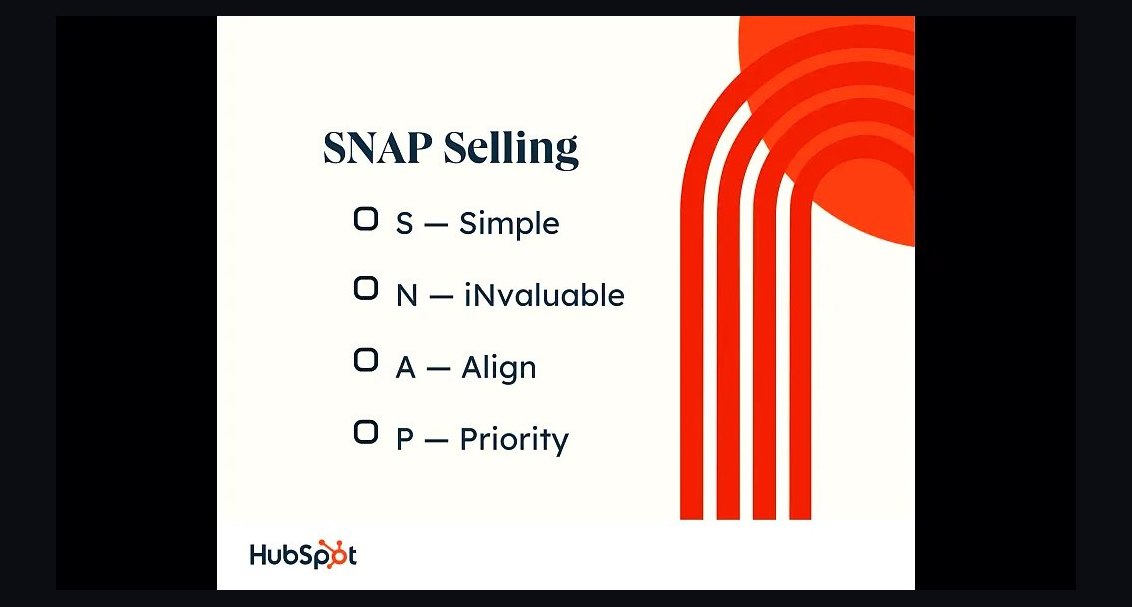 bsHow does *SNAP Selling* help you simplify a complex product story for a first-time buyer in 2027?
 bsHow does *Fanatical Prospecting* define the perfect prospecting day for a remote sales team in 2027?
 bsHow does *Never Split the Difference* apply to salary negotiations in 2027?
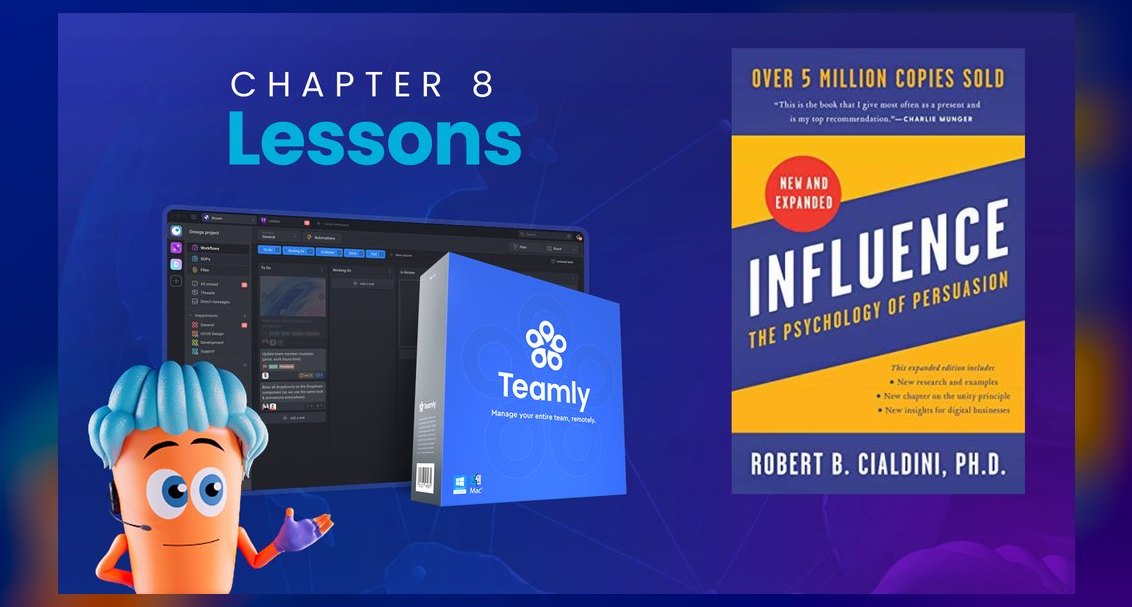 bsWhich chapter of *Influence: The Psychology of Persuasion* is most useful for marketers in 2027?