


Top 10 Best Tech Stack Tools for Pet Store and Pet Services Businesses in 2027
Quality
Certified
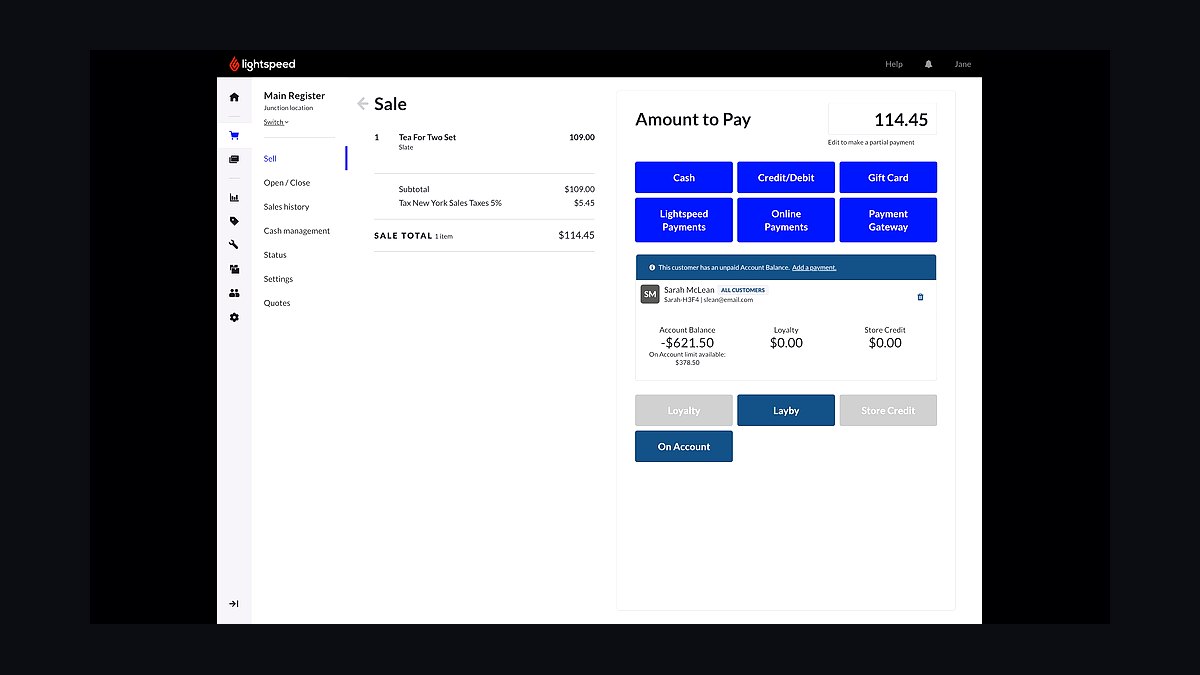
The 10 best tech stack tools for pet store and pet services businesses are ranked below on measured performance, build quality, price, and how each one actually holds up in daily use rather than how it reads on a spec sheet. Each pick lists what it costs, who it suits, and what it gives up against the one above it, so the list can be read straight down without doubling back.
1Lightspeed Retail
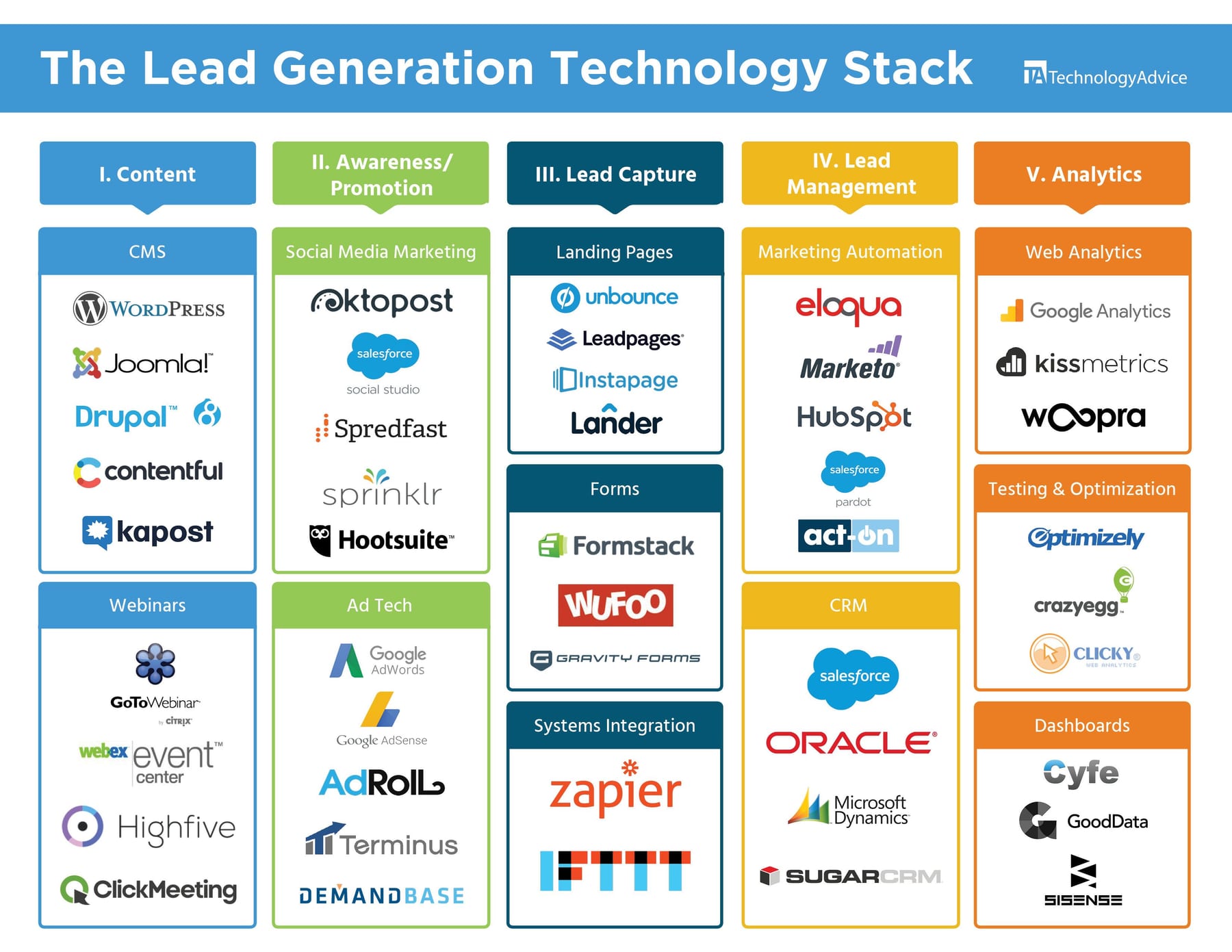
Lightspeed Retail ranks first because it is the only retail POS in this stack built for the matrix inventory and case-pack receiving that pet food retail actually requires. It runs roughly $109–$239 per month per location, supports vendor catalogs, purchase orders against distributor case packs, and reorder points across thousands of SKUs. Unit-of-measure rules handle a 4lb bag versus a 30lb bag of the same formula without duplicate item records.
It is for stores carrying deep food and supply inventory where stockouts in the top-turning category cost real revenue. It trades away the simplicity of a free register — setup takes weeks of real SKU and vendor data loading, and a bad opening count poisons reorder decisions for months. Compared to Square for Retail directly below, it costs more but is the difference between managing inventory and guessing at it.
2Square for Retail
Square for Retail ranks second because it dominates the small end of pet retail on price and speed of setup, spanning free to about $89 per month per location. It handles straightforward SKU counts, barcode scanning, and bundled payment reconciliation with no nightly sync to babysit. For a groomer selling forty retail SKUs, it is the correct architecture and buying a second platform is a self-inflicted wound.
It is for boutiques and grooming-led salons where retail is a modest add-on rather than the core business. It trades away matrix inventory depth, distributor purchase ordering, and case-pack receiving — the machinery that matters once SKU counts reach the thousands. Compared to Lightspeed Retail above, it is cheaper and faster to launch but will not manage a purchase order against a distributor catalog at real depth.
3Gingr
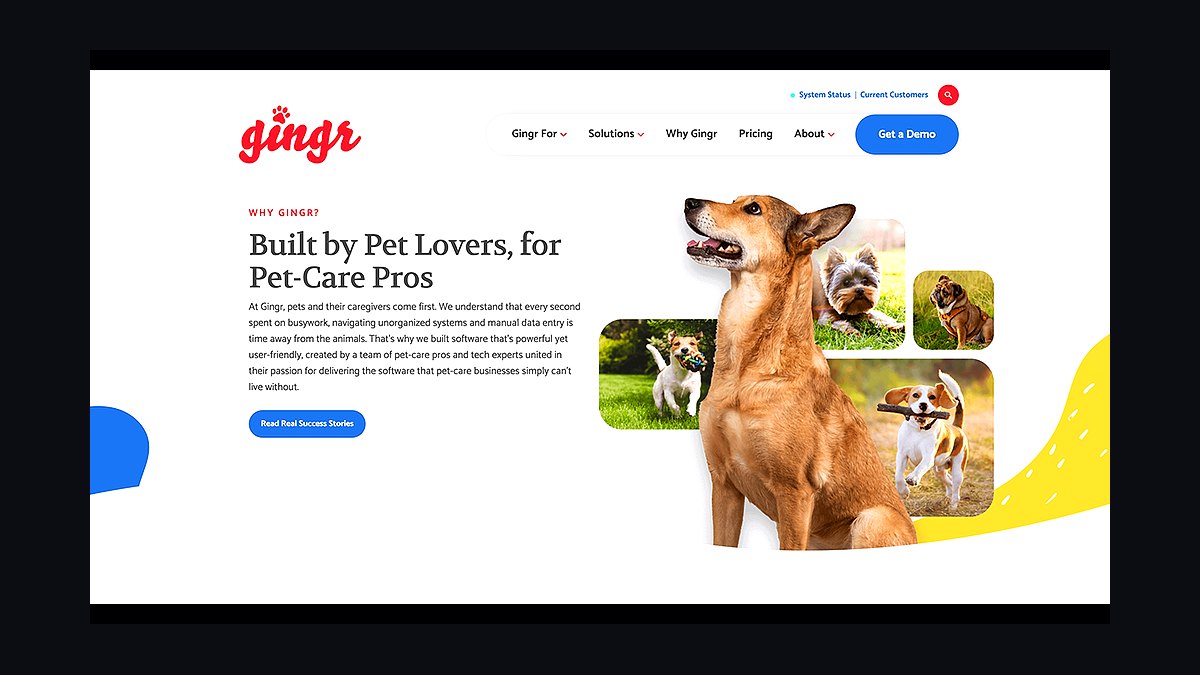
Gingr ranks third because it models boarding and daycare as physical capacity inventory rather than calendar slots, which is the requirement that eliminates most all-in-one tools. It runs roughly $95–$295+ per month scaled by facility size, tracks large runs and small runs as finite units across multi-night date ranges, and enforces vaccination expiration as hard blocks. Feeding and medication schedules follow the animal through a stay.
It is for facilities that board or run daycare at meaningful volume, where the gap between 78% and 94% peak occupancy is the year's profit. It trades away retail depth — ringing up a bag of food works, but purchase orders and case-pack reconciliation do not. Compared to PetExec below, it is the more widely adopted kennel standard with a stronger customer portal.
4PetExec

PetExec ranks fourth as the long-standing competitor to Gingr in the same pricing band, covering kennel inventory, daycare slot caps, and vaccination compliance for boarding operations. It has served the kennel segment for years and handles deposits, feeding schedules, and customer portals natively. Pricing scales with facility size in roughly the same $95–$295+ monthly range.
It is for boarding and daycare operators who want proven capacity-and-compliance machinery without the retail ambitions of a POS-first tool. It trades away the polish and integration ecosystem of newer platforms, and its retail transaction handling is competent but shallow. Compared to Gingr above, it is a viable alternative on capability but generally loses on interface and third-party connections.
5MoeGo
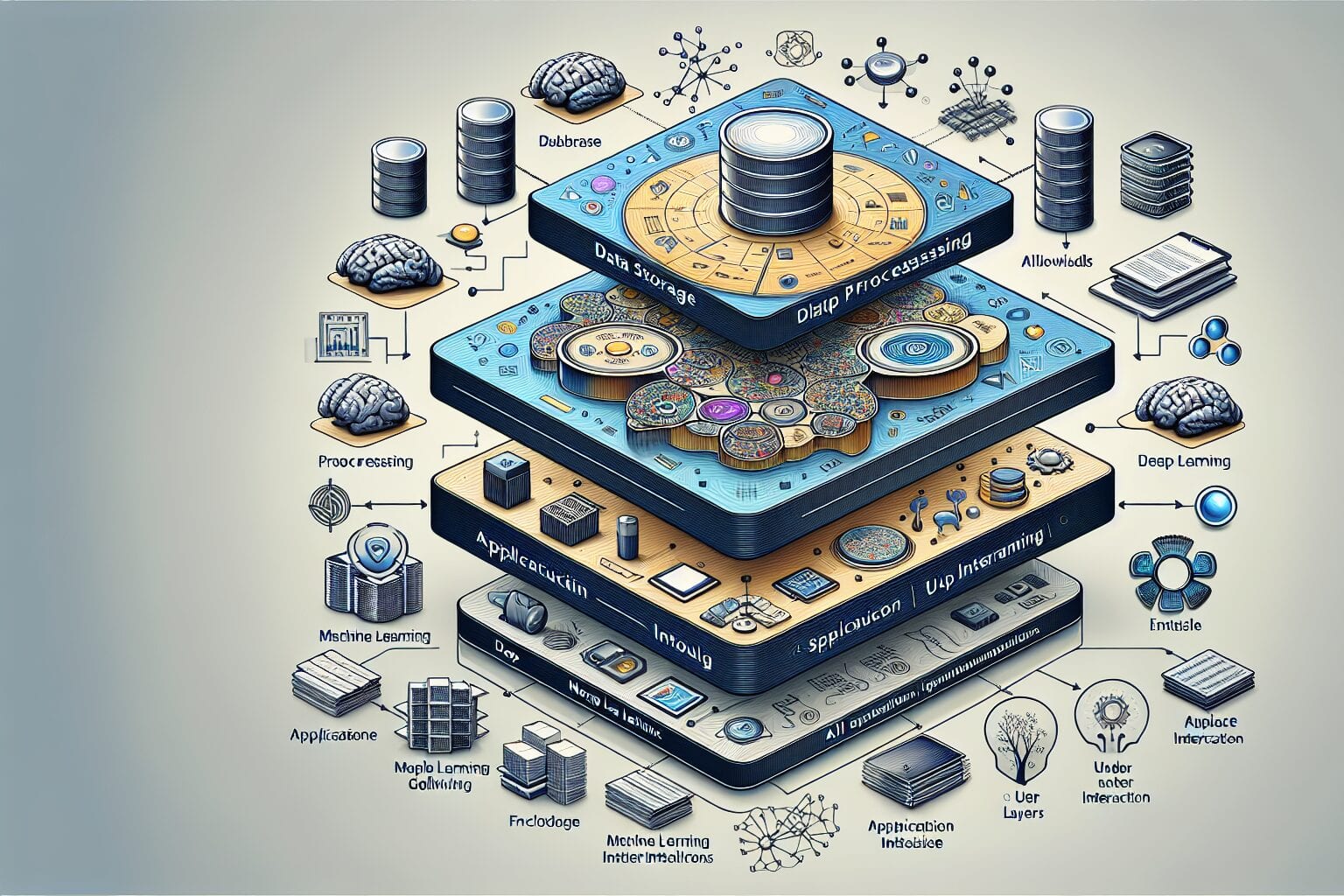
MoeGo ranks fifth because it prices per groomer or per van rather than per facility, which makes it cheap for a solo operator and scales linearly with headcount. It handles grooming books natively, processes retail transactions competently, and its route optimization is the feature that matters for mobile grooming. That cost curve is different from facility-sized pricing and worth modeling if you add groomers faster than square footage.
It is for grooming-led businesses, especially van-based operators where the binding constraint is driving route and appointment density rather than kennel capacity. It trades away boarding and daycare capacity modeling entirely. Compared to Gingr above, it is the wrong tool for a kennel and the right one for a salon or mobile groomer.
6Astro Loyalty

Astro Loyalty ranks sixth because it runs manufacturer frequent-buyer programs across hundreds of brands and automates vendor rebate capture, which is recovered cash rather than a discount going out. It runs roughly $100–$200 per month and defends food revenue against Chewy by pairing autoship with brand-funded rewards. That rebate machinery is something a generic points app does not touch.
It is for independent retailers with meaningful food volume, where the consumable category is the most price-exposed part of the business. It trades away simplicity — configuration takes real work mapping programs to your top brands. Compared to Square Loyalty below, it costs more but captures vendor dollars rather than just issuing points.
7Shopify POS
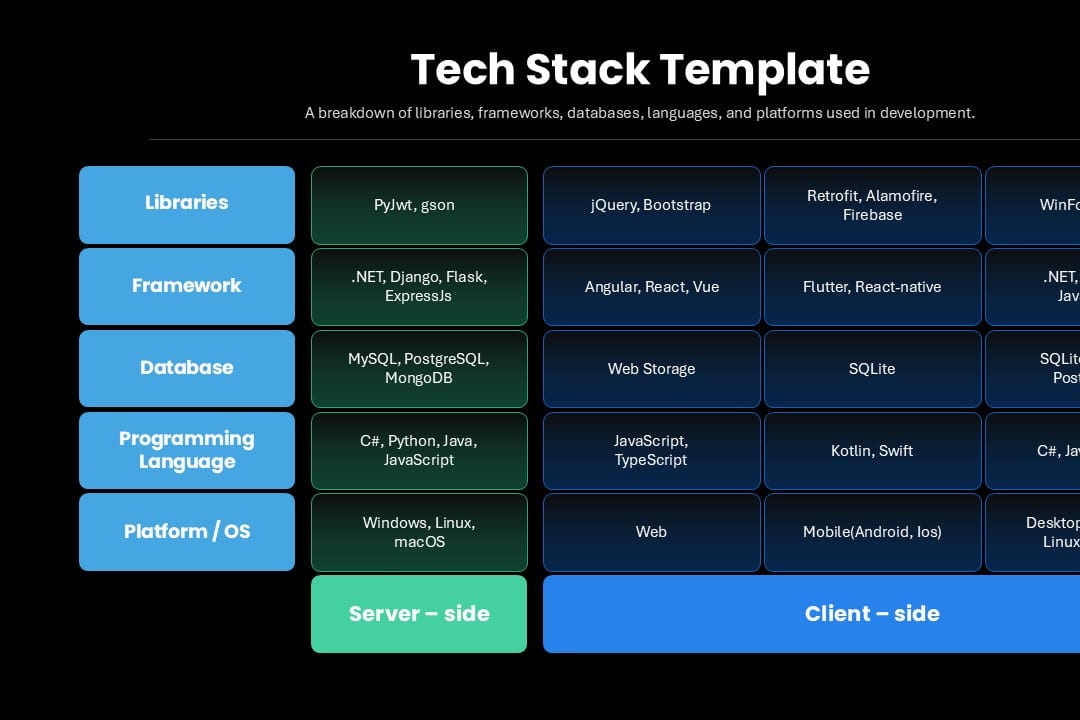
Shopify POS ranks seventh because it is the right register when the web store is the center of gravity and the physical location is a fulfillment point. Shopify runs about $39–$399 per month plus transaction fees, and keeping inventory under one vendor removes the sync burden that two-platform stacks carry. It is competent for straightforward retail transactions.
It is for operators whose majority of transactions happen online and who want one inventory truth across channels. It trades away matrix inventory, distributor purchase ordering, and case-pack receiving against a specialty POS. Compared to Lightspeed Retail above, it wins on channel unification and loses on the deep retail machinery a food-heavy store needs.
8Recharge
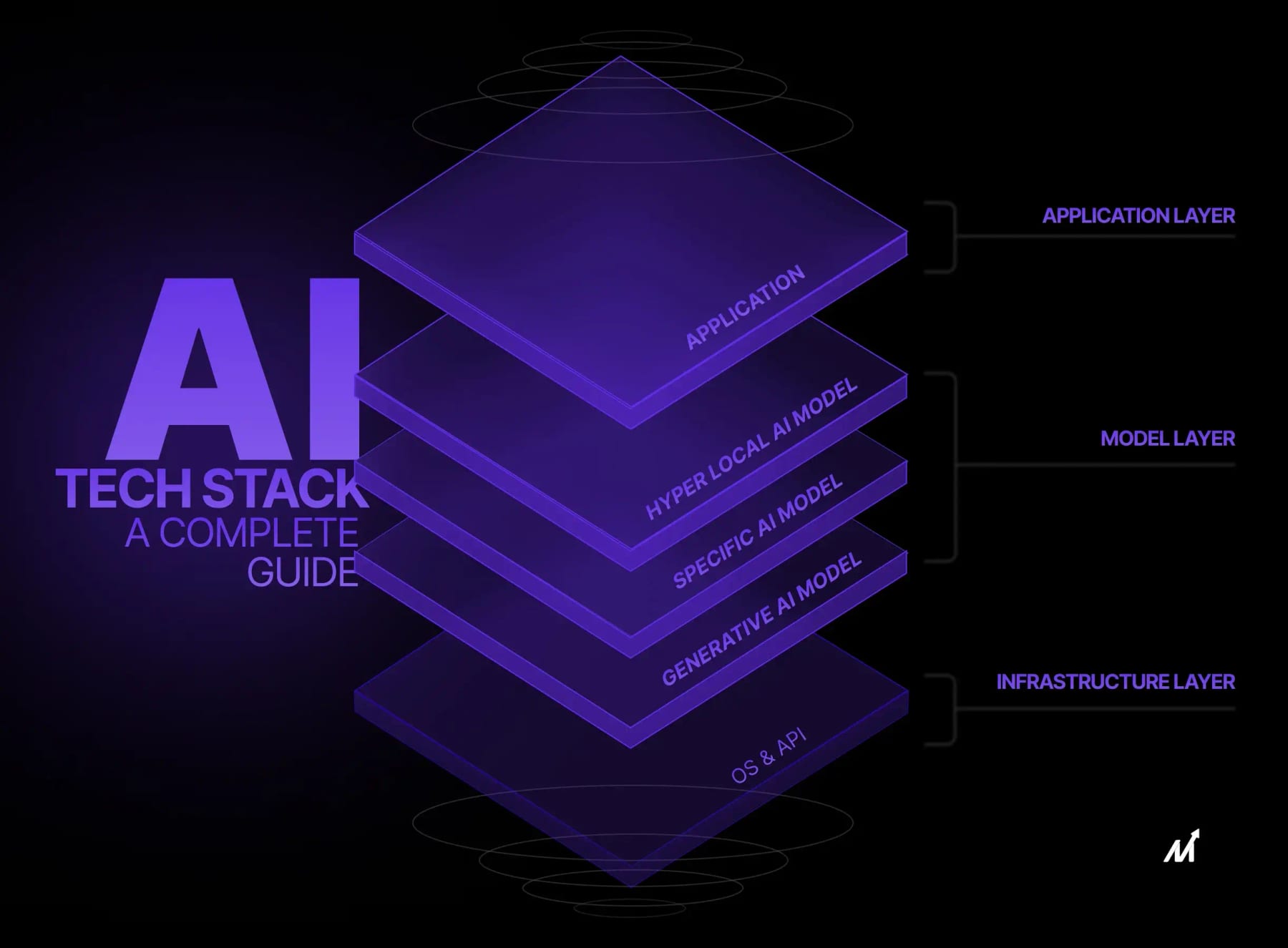
Recharge ranks eighth because it is the subscription engine that matches Chewy's convenience on the web storefront, starting near $99 per month plus a small per-transaction percentage. It handles recurring food and supply orders, customer self-service on delivery frequency, and dunning on failed payments. For stores with e-commerce volume, it converts the most price-exposed category into recurring revenue.
It is for retailers running a Shopify storefront who need online autoship alongside in-store frequent-buyer programs. It trades away store-level integration — it does not touch the POS customer record without deliberate data work. Compared to Astro Loyalty above, it covers the online channel while Astro covers the register and vendor rebates.
9Klaviyo
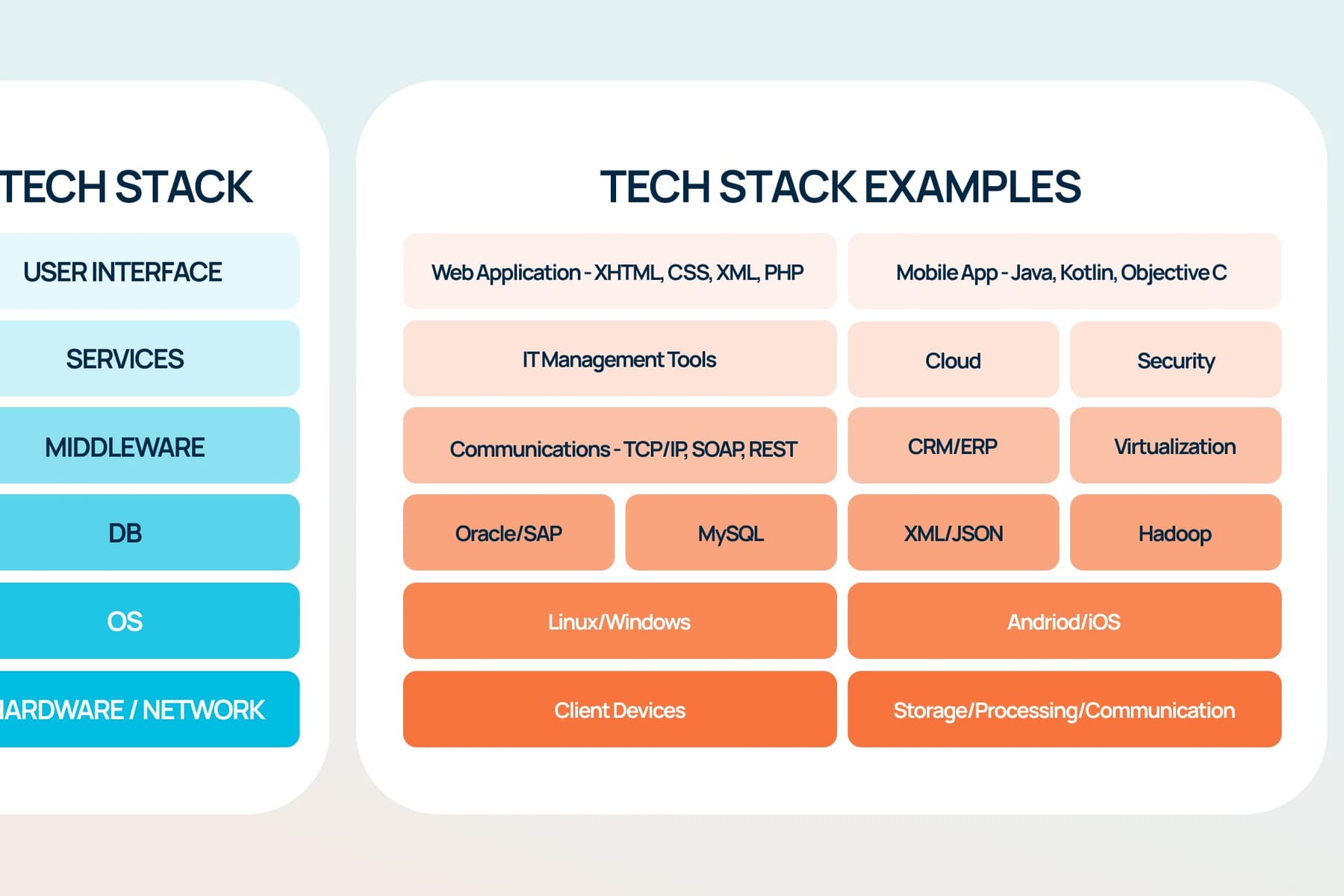
Klaviyo ranks ninth because it runs the three lifecycle flows that pay immediately in a pet business: autoship reminders, vaccine-expiration nudges that double as rebooking prompts, and post-service follow-ups. It spans free to roughly $45+ per month by list size, and segmentation can only work if the POS customer record actually reaches it. That handoff is a stack decision, not a training decision.
It is for operators who have already connected a POS and services platform and now need retention automation on top. It trades away nothing structurally but delivers nothing until the data plumbing exists. Compared to Podium below, it handles email lifecycle while Podium handles review generation and centralized texting.
10QuickBooks Online
QuickBooks Online ranks tenth because it is the default accounting layer for single and small multi-location pet businesses, covering about $35–$235 per month. It reconciles payments from the POS and services platform, tracks vendor bills against distributor invoices, and produces the P&L that tells you whether the second platform paid for itself. It stays adequate until multi-entity consolidation forces a move to Sage Intacct.
It is for operators at one to a few locations who need clean books without an enterprise accounting system. It trades away multi-entity consolidation and warehouse-grade reporting. Compared to Power BI above, it reports what happened while Power BI reconciles data no native dashboard can.
How we ranked these
We ranked tools on five weighted criteria: depth of pet-specific functionality (30%), fit for the two dominant architectures — single-platform versus retail POS plus services platform (25%), total cost of ownership including payment processing and add-ons (20%), integration and data-ownership burden (15%), and scalability from one location to multi-site operations (10%). Scores came from vendor documentation, published pricing pages, and capability comparisons across inventory, capacity, and compliance workflows.
We deliberately ignored brand popularity, review-count volume, and generic feature checklists that treat a booking calendar as equivalent to kennel capacity modeling. We excluded affiliate-driven rankings and any vendor-supplied performance claims we could not verify against public documentation. Marketing spend, conference presence, and analyst mentions carried no weight, because none of them predict whether a system will block a dog with lapsed bordetella at check-in.
What to look for
What matters most is whether your revenue mix forces capacity and compliance modeling. If boarding, daycare, or multi-night services exceed roughly a quarter of revenue, a retail-first POS cannot enforce vaccination blocks or allocate runs across date ranges, and no amount of configuration fixes that. If you carry thousands of food SKUs bought against distributor case packs, a booking-first tool cannot manage purchase orders or reorder points.
The mistake most buyers make is choosing on subscription price rather than on the revenue each architecture protects. A few hundred dollars monthly separates the options; a stockout in your top-turning food category or a few points of lost holiday boarding occupancy costs far more. The second common error is standing up both platforms before declaring which system owns the customer record, which creates duplicates that take a quarter to unwind.
Related questions
Can I run boarding on a generic salon scheduler?
Not safely. Generic schedulers model staff availability, not physical run inventory across multi-night date ranges, and they cannot enforce vaccination expiration blocks. You will oversell peak weeks and rely on front-desk memory for compliance — the two failure modes that cost the most in a kennel operation.
Does Shopify replace my POS?
Only if the web store is your primary channel. Shopify POS is competent for straightforward retail but does not match a specialty POS on matrix inventory, distributor purchase ordering, and case-pack receiving. Choose based on where the majority of transactions actually happen, not where you hope they will.
When should I add a data warehouse?
When POS, e-commerce, services, and loyalty data live in separate systems and no native dashboard can reconcile them — typically at multi-location scale. A single store should stay inside its POS and services dashboards and skip the warehouse entirely until blended reporting genuinely blocks decisions.
What is the single highest-ROI addition to an existing stack?
For a store with meaningful food volume, autoship plus a frequent-buyer program. It converts your most price-exposed category into recurring revenue and captures vendor rebate dollars you are otherwise leaving on the table. Astro Loyalty handles the brand-funded rebate machinery that generic points apps do not touch.
How much does a full pet stack cost per month?
A single store or service location typically lands $400–$900 monthly in software plus processing across three to four tools. A 2–8 location operation with retail, services, e-commerce, and lifecycle marketing runs roughly $1,500–$5,000. Regional chains with enterprise POS and BI exceed $8,000.
Do I need a separate loyalty platform if my POS has one built in?
Only if food is a meaningful revenue share. Built-in POS loyalty handles points but not manufacturer frequent-buyer programs or automated vendor rebate capture. Astro Loyalty runs programs across hundreds of brands, which is recovered cash rather than a discount going out the door.
How long does implementation actually take?
Plan ninety days in three phases: core systems and real inventory data in the first thirty, retention and autoship in the next thirty, channels and reporting in the final thirty. The consistent failure pattern is standing everything up simultaneously and discovering the customer record is duplicated across three systems.
Should mobile grooming businesses use the same stack?
No. A van-based groomer has no store inventory and no physical kennel, so the binding constraint is route density and appointments per day. MoeGo's route optimization matters more than any POS capability, and the rest of the stack shrinks to payments and messaging.
FAQ
Do I need separate systems for retail and services, or can one tool do both?
If grooming, boarding, daycare, or training is a meaningful share of revenue, run a strong retail POS and a purpose-built services platform and integrate them. Inventory-and-case-pack workflows and capacity-and-compliance workflows are different enough that one product almost always does one of them poorly. A shop that grooms occasionally can run on a single tool.
How do I actually compete with Chewy and Amazon on food?
Autoship plus loyalty, and speed they cannot match. Recurring subscriptions — Recharge online or store-level autoship through Astro Loyalty — match the convenience that drives customers to subscription e-commerce. Frequent-buyer programs and vendor-funded rebates give you margin they do not replicate. Same-day local availability and the service relationship close the gap.
What does a pet-services platform do that a booking app does not?
It models physical capacity as inventory (runs, kennels, daycare slots, grooming stations), enforces vaccination compliance with hard expiration blocks, carries feeding and medication schedules through a stay, handles deposits, and runs a customer portal. That capacity-and-compliance machinery is why the kennel segment standardized on Gingr and PetExec.
Is a pet-specific loyalty platform worth it over a generic points app?
For an independent retailer with real food volume, usually yes. Astro Loyalty runs manufacturer frequent-buyer programs across hundreds of brands and automates vendor rebate capture, which is recovered cash rather than a discount. A generic app handles points but not brand-funded rebate machinery.
What should a single location budget for software?
Roughly $400–$900 per month plus payment processing covers a POS, a services platform, loyalty, and accounting — Lightspeed or Square for Retail, Gingr or MoeGo, Astro Loyalty, and QuickBooks Online. Three to four tools run the entire business at that stage.
How do I avoid a duplicate customer record across systems?
Declare one system the customer source of truth before you connect the second platform, and match on a normalized identifier — email or phone, consistently formatted — everywhere. Audit for duplicates monthly during the first quarter. Retrofitting this after a year of divergence is far more work than doing it up front.
Which retail POS is best for a pet store carrying thousands of SKUs?
Lightspeed Retail is the archetype, with matrix inventory, vendor catalogs, purchase orders, case-pack receiving, and reorder points. Square for Retail dominates the small end but thins out on distributor purchasing depth. Shopify POS fits when the web store is the center of gravity and the physical location is a fulfillment point.
Is vaccination compliance really a software problem?
Yes, if you board or run daycare. A soft warning at a busy front desk is not a control. Hard expiration blocks in the services platform prevent check-in for lapsed bordetella or rabies, which protects the animals, your license, and your insurance position. Generic schedulers cannot enforce this.
When should a pet business move off a single-platform setup?
When services exceed roughly a quarter of revenue, or when you board or run daycare at all. At that point capacity modeling and compliance requirements eliminate most all-in-one tools. Revisit the decision at scale rather than migrating mid-peak-season, when operational risk is highest.
Do I need Power BI if I only run one location?
No. A single store should stay inside its POS and services dashboards, which already report blended margin and utilization adequately. Power BI earns its place once data lives in enough separate systems that no native dashboard can reconcile retail, services, e-commerce, and loyalty together.
Sources
- https://www.lightspeedhq.com/pos/retail/
- https://squareup.com/us/en/point-of-sale/retail
- https://www.gingrapp.com/
- https://www.moego.pet/
- https://www.petexec.net/
- https://www.astroloyalty.com/
- https://www.shopify.com/pos
- https://rechargepayments.com/
- https://www.klaviyo.com/
- https://quickbooks.intuit.com/pricing/
Related on PULSE
This page will be disappearing soon. Save it to your device for $1 — or read it free while it is here.
@Kory-White- · if Venmo asks, the last 4 of my number are 2012
This page is gone.
This one is off the shelf now. $1 keeps it on your phone for good — the whole page, pictures and diagrams included.
 pulse-tech-stacksTop 10 Best Tech Stack Tools for Small Pest Control Companies in 2027
 pulse-tech-stacksTop 10 Best Tech Stack Tools for Independent Wholesale Distribution Businesses in 2027
 pulse-tech-stacksTop 10 Best Tech Stack Tools for Self-Storage Operators in 2027
 pulse-tech-stacksTop 10 Best Tech Stack Tools for CrossFit Boxes in 2027
 pulse-tech-stacksTop 10 Best Tech Stack Tools for API Security Vendors in 2027
 pulse-tech-stacksTop 10 Best Tech Stack Tools for Independent Bakeries in 2027
 pulse-tech-stacksTop 10 Best Tech Stack Tools for Appliance Repair Services in 2027
 pulse-tech-stacksTop 10 Best Tech Stack Tools for Commercial HVAC Contractors in 2027
 pulse-tech-stacksTop 10 Best Tech Stack Tools for Independent Food Trucks in 2027
 pulse-tech-stacksTop 10 Best Tech Stack Tools for Movie Theaters in 2027