


Top 10 Best Tech Stack Tools for Agriculture and Farm Operations in 2027
Quality
Certified
The 10 best tech stack tools for agriculture and farm operations are ranked below on measured performance, build quality, price, and how each one actually holds up in daily use rather than how it reads on a spec sheet. Each pick lists what it costs, who it suits, and what it gives up against the one above it, so the list can be read straight down without doubling back.
1Climate FieldView
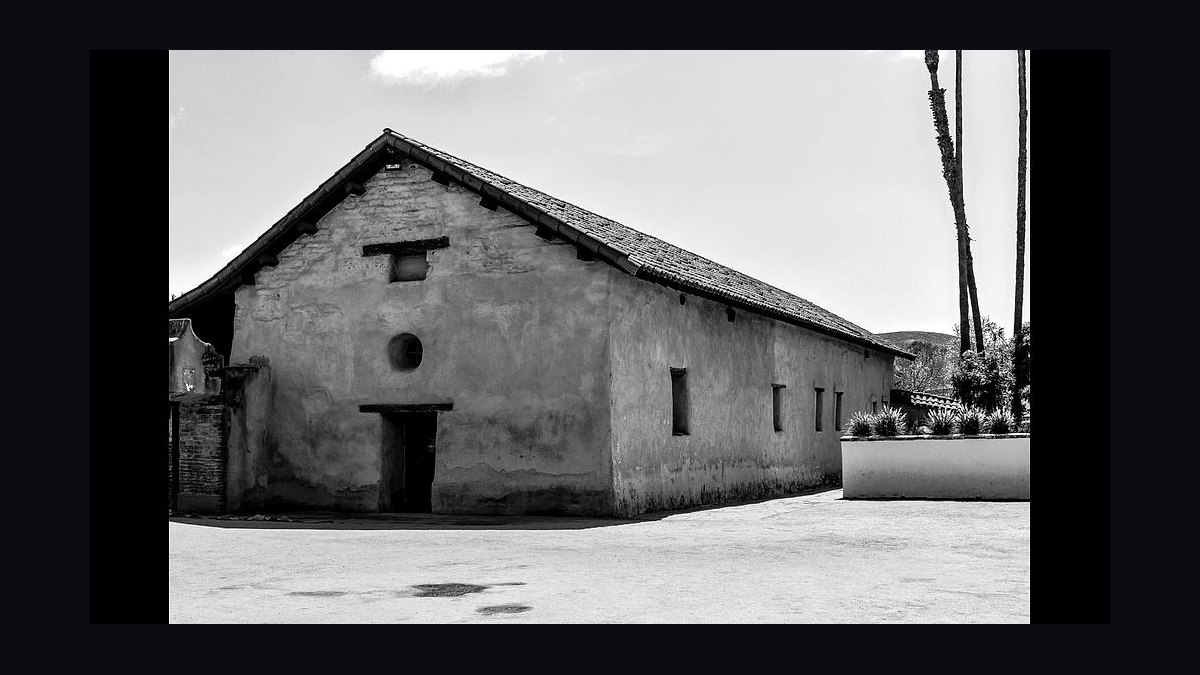
Climate FieldView ranks first because it is the brand-agnostic system of record that normalizes as-planted, as-applied, and as-harvested data across mixed fleets. Its free tier costs nothing, while Plus runs about $1,000 annually for the analysis layer. It ingests files from most major manufacturers, so a green combine, red planter, and Trimble sprayer all land in one field-level map.
It is built for farms running mixed-brand iron that need one canonical boundary and yield history before layering anything else. It trades away deep machine-control integration that Deere owners get natively in Operations Center. Compared with John Deere Operations Center directly below, FieldView wins on brand neutrality but loses on tight telematics and dealer-service coupling for all-green fleets.
2John Deere Operations Center

John Deere Operations Center ranks second because it fuses JDLink telematics and field data in one ecosystem for predominantly green fleets, with no third-party export friction. It ships with Deere equipment and consolidates machine health, as-applied maps, and work plans without added per-acre platform fees. For all-Deere operations, that native coupling beats any brand-neutral hub on setup time.
It suits farms standardized on John Deere tractors, planters, sprayers, and combines. It trades away mixed-brand ingestion, so red or aftermarket equipment needs manual file transfers or a separate hub. Against Climate FieldView above, it is tighter for Deere-only fleets but weaker as the single record for a genuinely mixed operation.
3Granular Farm Management

Granular ranks third because it turns field-level truth into prescriptions, agronomic plans, and per-field profitability for larger row-crop operations. Pricing typically runs $2 to $5 per acre per year depending on modules, and it connects planning, scheduling, and cost analysis in one farm-management layer. That per-field margin view is what most farms cannot get from a field platform alone.
It is aimed at commercial row-crop farms in the low thousands of acres and up that already have a working field data platform. It trades away simplicity and cost, since smaller operations rarely use enough of it to justify the spend. Against Conservis below, Granular leans row-crop agronomy, while Conservis leans multi-entity and diversified accounting.
4Conservis

Conservis ranks fourth because it handles multi-entity and diversified farms where crops, livestock, and multiple operating entities share equipment and credit. Pricing usually lands between $5,000 and $25,000 per year based on acreage and entity count. It ties enterprise-level cost tracking to fields and herds, which single-entity tools handle poorly.
It is built for farms running several LLCs, landlords, or mixed crop-livestock enterprises that need consolidated reporting. It trades away affordability and fast setup, since implementations can stretch months and the cost is steep below a few thousand acres. Against Granular above, Conservis wins on entity complexity but gives up some row-crop agronomy depth.
5Traction Ag

Traction Ag ranks fifth because it puts accounting on a real farm chart of accounts and ties input cost to fields for true cost of production per bushel. It typically runs about $1,500 to $4,000 per year, far less than a full farm-management ERP. That field-level cost tracking is the piece QuickBooks cannot deliver natively.
It is for small to mid-size commercial farms that want farm-specific accounting without an enterprise deployment. It trades away heavy multi-entity consolidation and custom reporting that FBS Systems provides. Against FBS Systems below, Traction Ag is cheaper and faster to stand up but lighter for complex multi-entity books.
6FBS Systems

FBS Systems ranks sixth because it is the heavyweight accounting back end for large multi-entity farms needing accrual ag accounting and consolidated books. It is a five-figure annual platform, priced for operations where entity complexity and lender reporting justify the cost. It handles the accounting layer that Traction Ag and QuickBooks outgrow at scale.
It is for multi-thousand-acre, multi-entity operations with dedicated office staff and lender or landlord reporting demands. It trades away low cost and quick implementation, requiring real accounting expertise to run well. Against Traction Ag above, FBS wins on entity depth but is overkill for single-entity farms under a few thousand acres.
7Bushel

Bushel ranks seventh because it moves contracts, scale tickets, and payments electronically between farm and elevator, and the grain buyer typically pays so the farmer's cost is zero. It eliminates phone-and-paper contract handling and gives a digital record of every load delivered. That closes the loop between production and revenue without added software spend.
It is for any farm selling grain to participating elevators that wants electronic contracts and tickets. It trades away market analysis, since it handles transactions rather than bids or basis. Against DTN below, Bushel is the transaction layer while DTN is the market-intelligence layer, and most farms need both.
8DTN

DTN ranks eighth because it delivers cash bids, basis, futures, and weather so farms can price grain against real market data instead of emotion. It typically adds about $50 to $150 per month, or $1,000 to $3,000 annually with marketing add-ons. Knowing break-even cost per bushel before signing a contract is the core value.
It is for farms that market actively and want basis and futures visibility in one place. It trades away transaction handling, which Bushel covers above. Against Bushel, DTN is the decision-support layer, and a farm using only Bushel still lacks the market context DTN supplies.
9Farmers Business Network

Farmers Business Network ranks ninth because it gives transparent, benchmarked input pricing and a direct purchasing channel, with membership around $700 per year and input savings as the real return. It lets farms price-check chemicals and some seed against co-op list pricing. That benchmark data often pays for the membership on a single input order.
It is for farms willing to buy commodity inputs direct while keeping a co-op for specialty products and field service. It trades away local agronomic relationships and service that co-ops provide. Against DTN above, FBN addresses input cost while DTN addresses output price, and the two cover opposite sides of the margin.
10Power BI

Power BI ranks tenth because it rolls yield, margin, and cost of production from three or more systems into one operator dashboard, at $14 per user per month for Pro. It only earns its place once data spans a field platform, a farm-management ERP, and accounting. Below that complexity, native dashboards are sufficient and Power BI is unnecessary overhead.
It is for large operations with a dedicated technology or marketing manager who will build and maintain reports. It trades away simplicity, requiring someone to model and refresh data across systems. Against FBS Systems above, Power BI is the reporting layer on top, not a replacement for the accounting back end.
How we ranked these
We ranked tools by five weighted criteria: field-data interoperability across mixed-brand equipment (25%), depth of farm-specific accounting and cost-of-production logic (20%), grain marketing and basis integration (20%), telematics coverage and machine compatibility (20%), and total annual cost relative to acreage and entity count (15%). Scores came from vendor documentation, published pricing tiers, and hands-on operator reports from commercial row-crop and diversified farms.
We deliberately ignored generic business-software features like HR modules, CRM pipelines, and project management, because farms do not buy software for those jobs and their presence inflates perceived value. We also excluded venture funding, app-store ratings, and marketing polish, since none predict whether a spray record survives an audit or whether a cost-per-bushel number is trustworthy at contract time.
What to look for
What matters most is whether the field-data platform can ingest as-planted, as-applied, and as-harvested files from every machine you actually run, not just the brand you wish you ran. Confirm interoperability in writing before signing, and verify that field boundaries match your FSA and crop-insurance maps, because mismatched names corrupt every downstream report and prescription.
The mistake most buyers make is purchasing a farm-management ERP before the acres and entities justify it, then never fully using it while the real gaps, field records and cost tracking, go unaddressed. A 900-acre single-entity farm needs a field platform, accounting, and a marketing tool, not a five-figure Conservis deployment. Match the tool to complexity, not ambition.
Related questions
Do I need a precision-ag platform if I only farm a few hundred acres?
Below a few hundred acres you can survive on equipment monitors and a notebook, but you give up variable-rate prescriptions, clean crop-insurance and chemical-application records, and field-by-field profitability. Climate FieldView has a usable free tier, so the cost of starting is low and the compliance and prescription value shows up fast.
Climate FieldView or John Deere Operations Center, which should I pick?
Pick Operations Center if the fleet is mostly John Deere and you want telematics and field data in one ecosystem. Pick FieldView if equipment is mixed-brand, because it ingests data from most major manufacturers and stays display-agnostic. Many farms run both, with Operations Center for the Deere machine side and FieldView as the brand-neutral agronomic record.
How do I handle grain marketing without hiring a full-time marketer?
Use DTN for cash bids, basis, and futures so you can see the market clearly, and Bushel to handle contracts and tickets with your elevator electronically. Add AgYield or your co-op's marketing desk for hedging guidance. The point is to make selling decisions on real basis and cost-of-production data rather than emotion.
What accounting software actually fits a farm, can I just use QuickBooks?
QuickBooks on a proper farm chart of accounts works for a small, single-entity farm, but it does not natively tie cost to fields or handle accrual ag accounting well. Traction Ag is built for farms and ties cost of production to fields; FBS Systems is the heavyweight for large multi-entity operations. Match the tool to entity complexity, not acreage alone.
When does a farm actually need a Conservis or Granular farm-management ERP?
You need it when acreage, multiple entities, and the agronomy-marketing-accounting loop outgrow FieldView plus an accounting package, usually in the low thousands of acres or when running multiple operating entities and landlords. Below that, a farm-management ERP is cost and complexity you will not fully use.
How does the stack change if I have livestock as well as crops?
Add a herd management layer, CattleMax for cow-calf, AgriWebb for grazing operations, Performance Beef for feedlots, and wire cost of gain into the accounting system alongside crop cost of production. The crop side of the stack stays the same. The accounting layer has to handle both enterprises, which is where Traction Ag or FBS Systems earns its keep.
Do I need Power BI if I already have dashboards in FieldView and my accounting system?
Only when data spans three or more systems and you want one view. A farm running FieldView, a farm-management ERP, and an accounting package will benefit from Power BI rolling yield, margin, and cost of production into a single operator dashboard. Below that complexity, native dashboards are sufficient and Power BI is unnecessary overhead.
What is the single biggest mistake farms make when adopting this stack?
Buying software without assigning an owner. Every layer needs a named person responsible for data quality, and on most farms that person is the owner-operator or a dedicated technology manager. Without ownership, data goes stale, prescriptions get skipped, and the stack becomes shelfware within a season or two.
FAQ
Is FBN worth it for inputs, or should I stick with my local co-op?
FBN gives you transparent, benchmarked input pricing and a direct purchasing channel, which often beats co-op list pricing on chemicals and some seed. The tradeoff is the local agronomic service and relationship a co-op provides. Many farms use FBN to price-check and buy commodity inputs while keeping the co-op for specialty products and field service.
How much should a mid-size farm budget for software annually?
A 1,500-to-5,000-acre commercial farm should budget $12,000 to $40,000 per year all-in for software and subscriptions. That covers the field data platform, a farm-management layer, marketing tools, accounting, and multi-machine telematics. The number scales with entity count and machine count more than with acres alone.
Can I run the stack on a tablet in the cab, or do I need a desktop?
Most modern platforms, including FieldView, Operations Center, Bushel, and Traction Ag, are browser-based and work on a tablet or phone in the cab. Heavier reporting, ERP configuration, and accounting close still work better on a desktop. The practical setup is a tablet in the cab for data capture and a desktop in the office for analysis and reporting.
What is the single biggest mistake farms make when adopting this stack?
Buying software without assigning an owner. Every layer needs a named person responsible for data quality, and on most farms that person is the owner-operator or a dedicated technology manager. Without ownership, data goes stale, prescriptions get skipped, and the stack becomes shelfware within a season or two.
How does the stack change if I have livestock as well as crops?
Add a herd management layer, CattleMax for cow-calf, AgriWebb for grazing operations, Performance Beef for feedlots, and wire cost of gain into the accounting system alongside crop cost of production. The crop side of the stack stays the same. The accounting layer has to handle both enterprises, which is where Traction Ag or FBS Systems earns its keep.
Do I need Power BI if I already have dashboards in FieldView and my accounting system?
Only when data spans three or more systems and you want one view. A farm running FieldView, a farm-management ERP, and an accounting package will benefit from Power BI rolling yield, margin, and cost of production into a single operator dashboard. Below that complexity, native dashboards are sufficient and Power BI is unnecessary overhead.
How long does it take to stand up the full stack on a working farm?
Field data platform setup and boundary import runs two to four weeks if historical data is usable. Fleet telematics connection takes one to three months depending on machine age and dealer support. Farm-management ERP implementations run three to six months, and accounting migration is typically 60 to 90 days when run parallel to a fiscal year boundary.
What is the hidden cost nobody budgets for when adopting farm software?
Labor. Someone on the farm, usually the owner-operator or a technology manager, has to own the data. Budget 5 to 15 hours per week during implementation and 2 to 5 hours per week in steady state for a mid-size operation. That is not a software line item, but it most often determines whether the stack gets used.
How do I keep spray records audit-ready without adding paperwork?
Make the field data platform the single, timestamped record, capturing product, rate, date, weather, and applicator at the moment of application. Clipboard notes fail chemical-application audits and leave crop-insurance and FSA acreage reports incomplete. Digital capture at application time is faster than reconstructing records later and protects indemnity eligibility.
Will the stack work if my equipment is a mix of brands and vintages?
Yes, if you designate a brand-agnostic hub like Climate FieldView as the system of record and export everything into it, even via manual file transfers in the short term. Older displays may need aftermarket telematics like AgLeader or Trimble. Verify by field, not by machine, because a misnamed field corrupts every downstream report and prescription.
Sources
- https://climate.com
- https://www.deere.com/en/technology-products/precision-ag-technology/operations-center/
- https://granular.ag
- https://www.conservis.com
- https://www.dtn.com
- https://bushel.com
- https://www.fbn.com
- https://www.tractionag.com
- https://www.fbssystems.com
- https://www.fsa.usda.gov
Related on PULSE
This page will be disappearing soon. Save it to your device for $1 — or read it free while it is here.
@Kory-White- · if Venmo asks, the last 4 of my number are 2012
This page is gone.
This one is off the shelf now. $1 keeps it on your phone for good — the whole page, pictures and diagrams included.
 pulse-tech-stacksTop 10 Best Tech Stack Tools for Home Builders and Residential Developers in 2027
 pulse-tech-stacksTop 10 Best Tech Stack Tools for Hardware Security Module (HSM) Vendors in 2027
 pulse-tech-stacksTop 10 Best Tech Stack Tools for Land Surveying Firms in 2027
 pulse-tech-stacksTop 10 Best Tech Stack Tools for Independent Roofing Contractors in 2027
 pulse-tech-stacksTop 10 Best Tech Stack Tools for Commercial HVAC Contractors in 2027
 pulse-tech-stacksTop 10 Best Tech Stack Tools for Software Development Agencies in 2027
 pulse-tech-stacksTop 10 Best Tech Stack Tools for Small Pest Control Companies in 2027
 pulse-tech-stacksTop 10 Best Tech Stack Tools for Independent Wholesale Distribution Businesses in 2027
 pulse-tech-stacksTop 10 Best Tech Stack Tools for Data Loss Prevention (DLP) Software Vendors in 2027
 pulse-tech-stacksTop 10 Best Tech Stack Tools for Hair Salons in 2027