


Top 10 Best Tech Stack Tools for Equipment Rental Companies in 2027
Quality
Certified
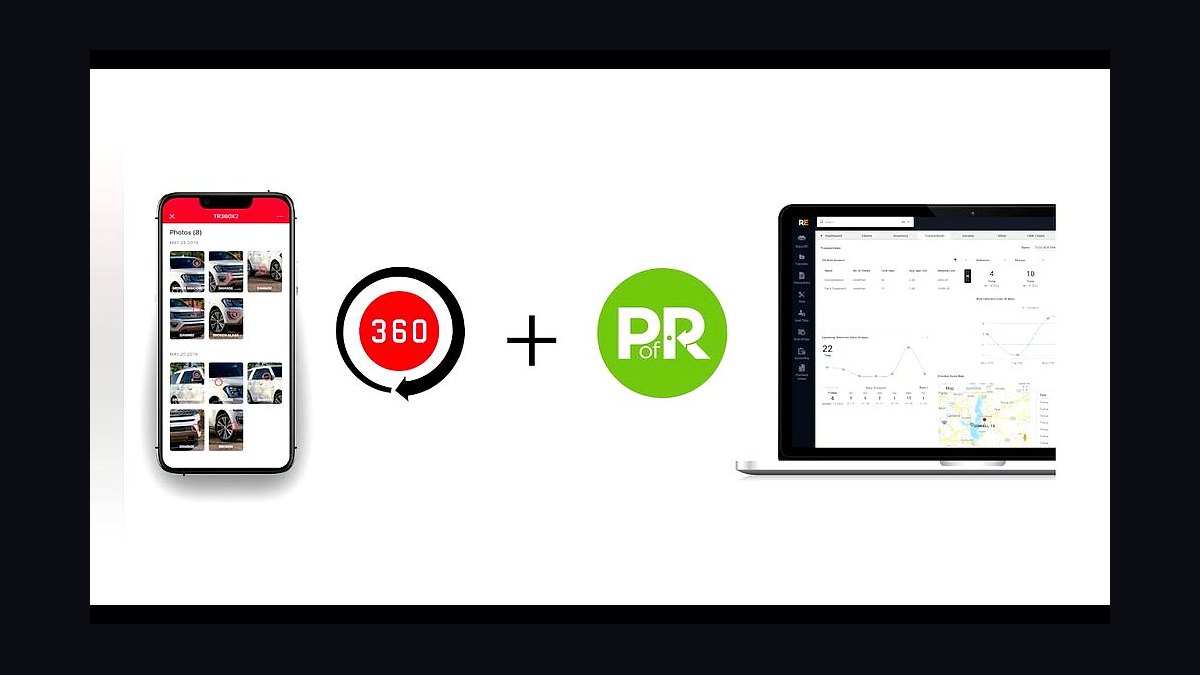
The 10 best tech stack tools for equipment rental companies are ranked below on measured performance, build quality, price, and how each one actually holds up in daily use rather than how it reads on a spec sheet. Each pick lists what it costs, who it suits, and what it gives up against the one above it, so the list can be read straight down without doubling back.
1Point of Rental
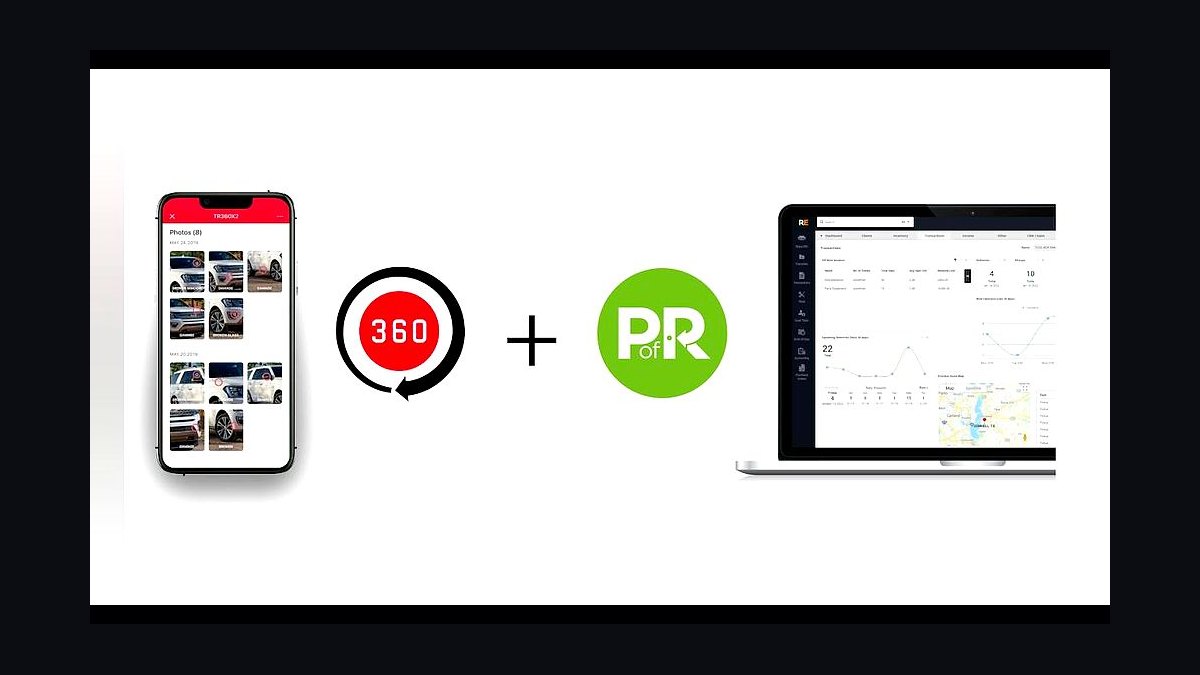
Point of Rental ranks first because it is the system of record every other layer connects to, and it is the dominant North American rental platform. It ships in three tiers — Essentials for single stores, Elite for multi-store regional operators, and Expert for large complex fleets — handling contracts, availability calendars, rate rules, counter operations, and a native online Storefront.
It is built for rental companies of roughly one to fifty branches running mixed construction and general tool fleets, not for dealerships that need sell-and-service unified in one platform. The trade-off is quote-based pricing and a legacy interface that feels heavier than cloud-native challengers. Compared to Texada directly below, Point of Rental wins on rental depth and market footprint, while Texada wins when an equipment dealership sits alongside the rental yard.
2Texada
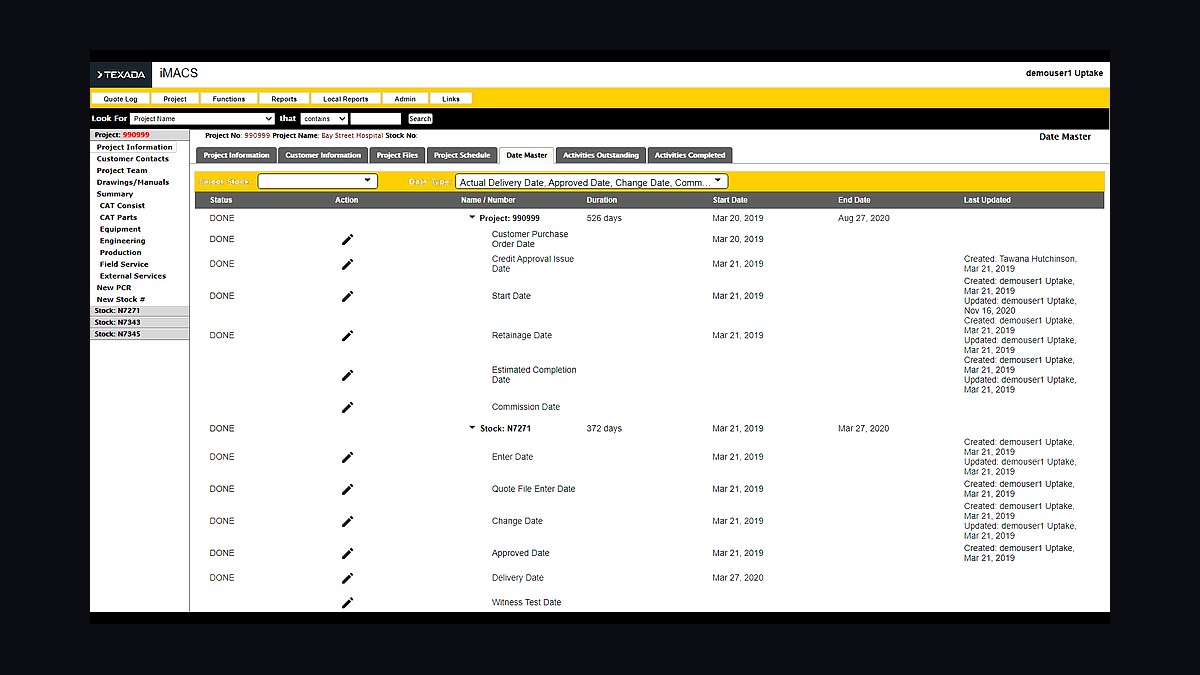
Texada ranks second because it is the strongest alternate rental ERP and the only major platform that unifies rent, sell, and service on one asset record. For operators running a dealership alongside rental, that single-record architecture eliminates reconciling the same machine across two systems. It covers contracts, availability, rate management, dispatch scheduling, and a native maintenance module, with quote-based pricing comparable to Point of Rental Elite at regional scale.
It suits multi-branch regional rental companies and equipment dealers with ten to fifty locations, particularly those with heavy service operations. The trade-off is implementation complexity and cost that strains single-store operators who would be better served by Quipli or Point of Rental Essentials. Against Point of Rental above, Texada gives up some rental-specific rate-engine depth but gains dealer-grade service and sales workflows.
3Wynne Systems RentalMan
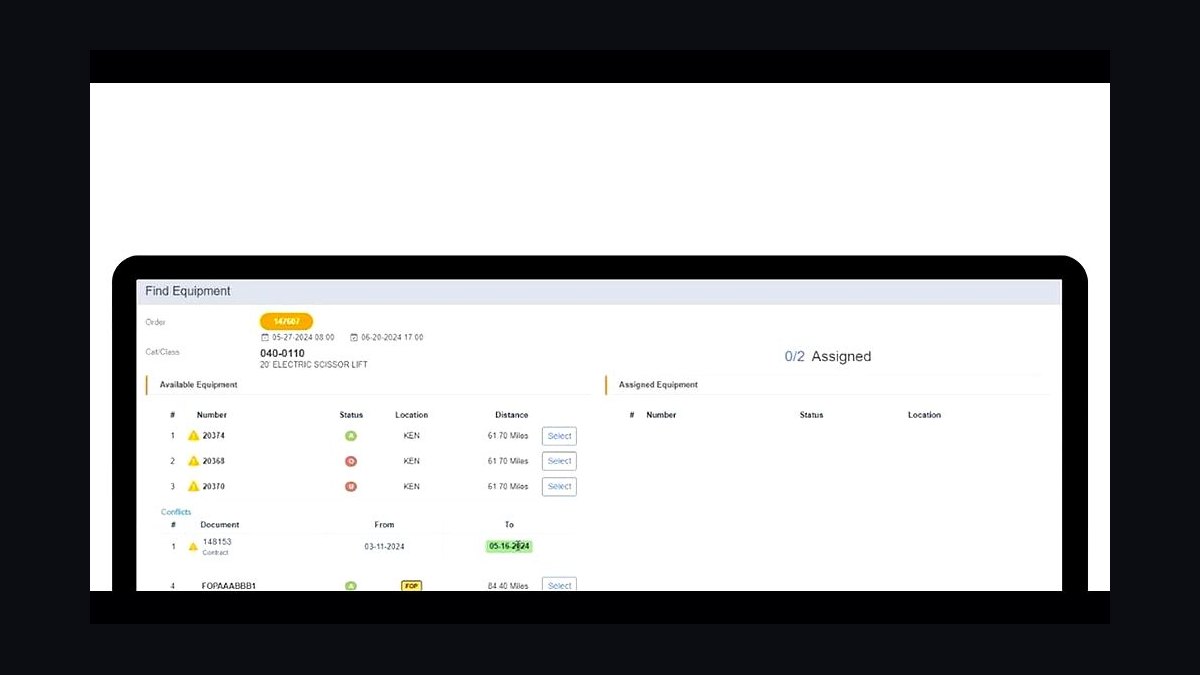
Wynne Systems RentalMan ranks third because it is the enterprise platform behind several of the largest rental fleets, built for tens of thousands of assets across dozens of branches. It scales where mid-market tools strain, supporting complex rate structures, multi-branch availability, and integration-intensive enterprise architectures. Pricing runs six figures annually, and deployment requires significant internal IT and integration work.
It is for national and large multi-branch rental enterprises — the fifty-plus branch tier — not for regional independents who will find it heavy and expensive relative to their needs. The trade-off is cost, implementation time, and a user experience that prioritizes scale over modern interface. Compared to Texada above, RentalMan handles larger fleets and more complex enterprises but lacks Texada's unified dealer sell-and-service model.
4Trackunit
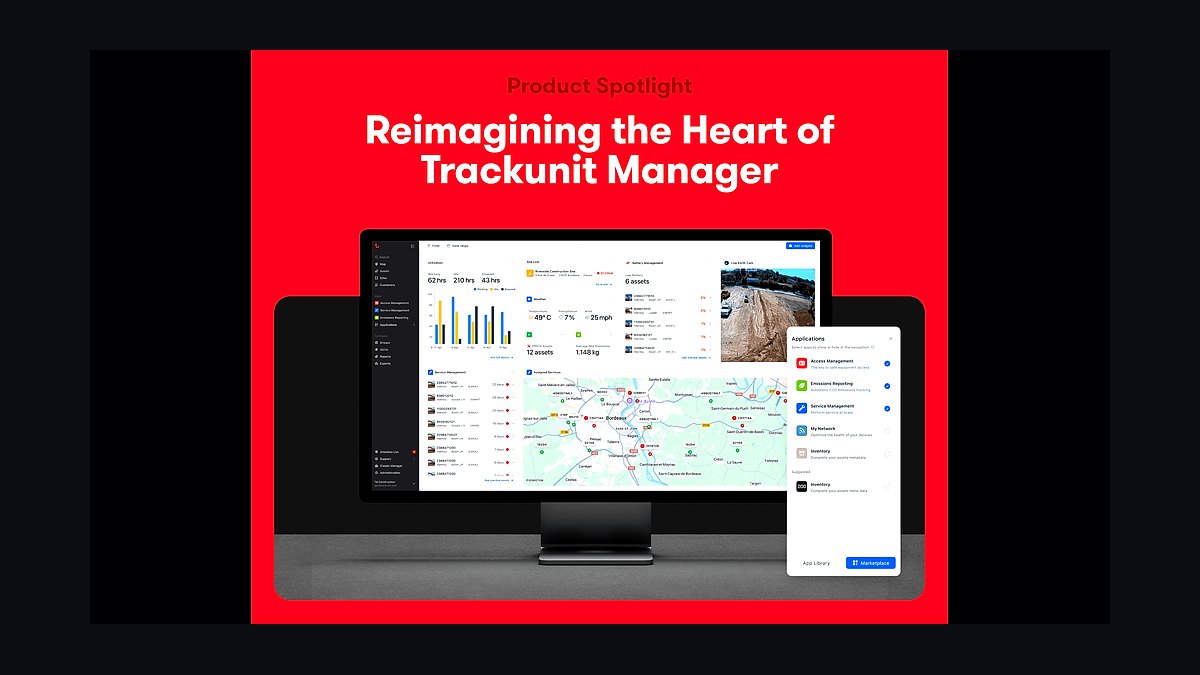
Trackunit ranks fourth because telematics is the layer that turns engine hours into utilization and maintenance triggers, and Trackunit is purpose-built for mixed construction-equipment fleets. It surfaces location, utilization, and machine health in one place, with pricing typically around $10-$25 per asset per month. That data feeds both the ERP's utilization reporting and preventive maintenance schedules tied to actual engine hours.
It is for rental companies with engine-driven iron — skid steers, lifts, generators — not for general tool stores where ONE-KEY or ToolWatch is sufficient. The trade-off is per-asset hardware and subscription cost that only pays off on higher-value machines. Against the ERP above it, Trackunit is a data layer, not a system of record; it must connect to Point of Rental, Texada, or RentalMan to deliver value.
5Record360
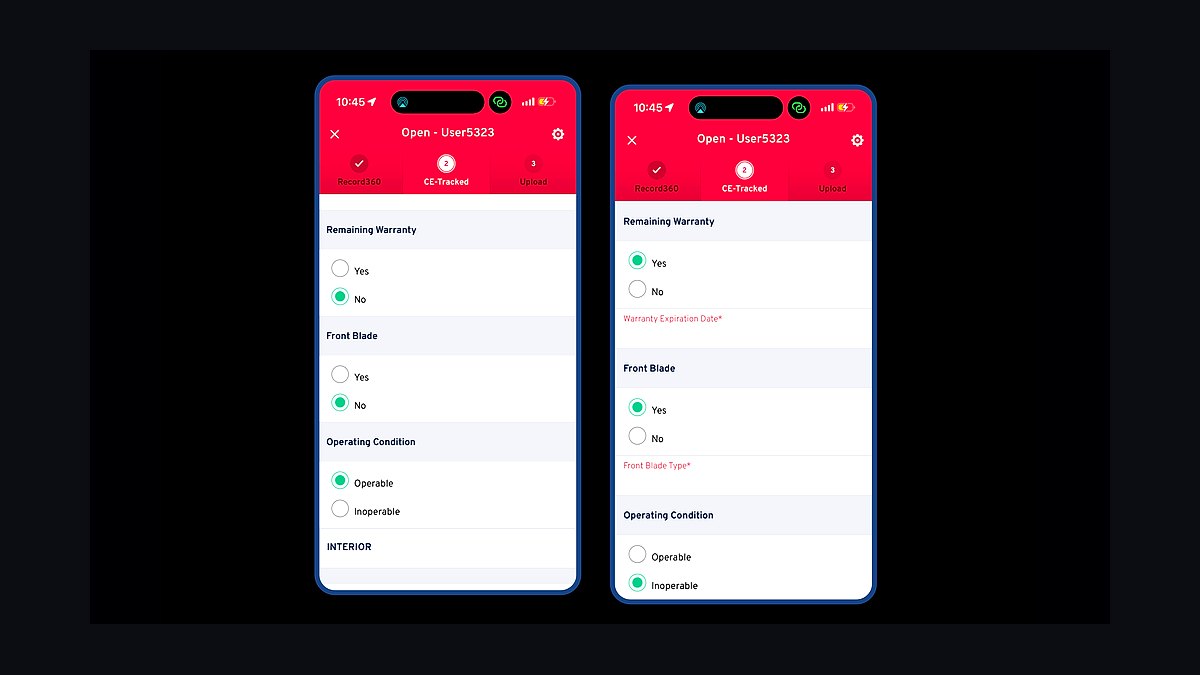
Record360 ranks fifth because condition documentation is the most under-adopted high-ROI layer in rental, and it has no real substitute. It captures timestamped photo and video walkarounds at check-out and check-in, creating the evidence trail that wins damage disputes and protects margin. Pricing typically runs $15-$40 per user per month or per-asset tiers, recovered the first time a disputed repair is billed successfully.
It is for any rental operator with high-value or damage-prone equipment, from specialty aerial and pump yards to regional mixed fleets. The trade-off is workflow discipline: the walkaround must be a hard gate in the contract process, not an optional step, or the evidence trail breaks. Against Trackunit above, Record360 protects revenue on damage while telematics protects asset health — both attach to the ERP.
6Fleetio
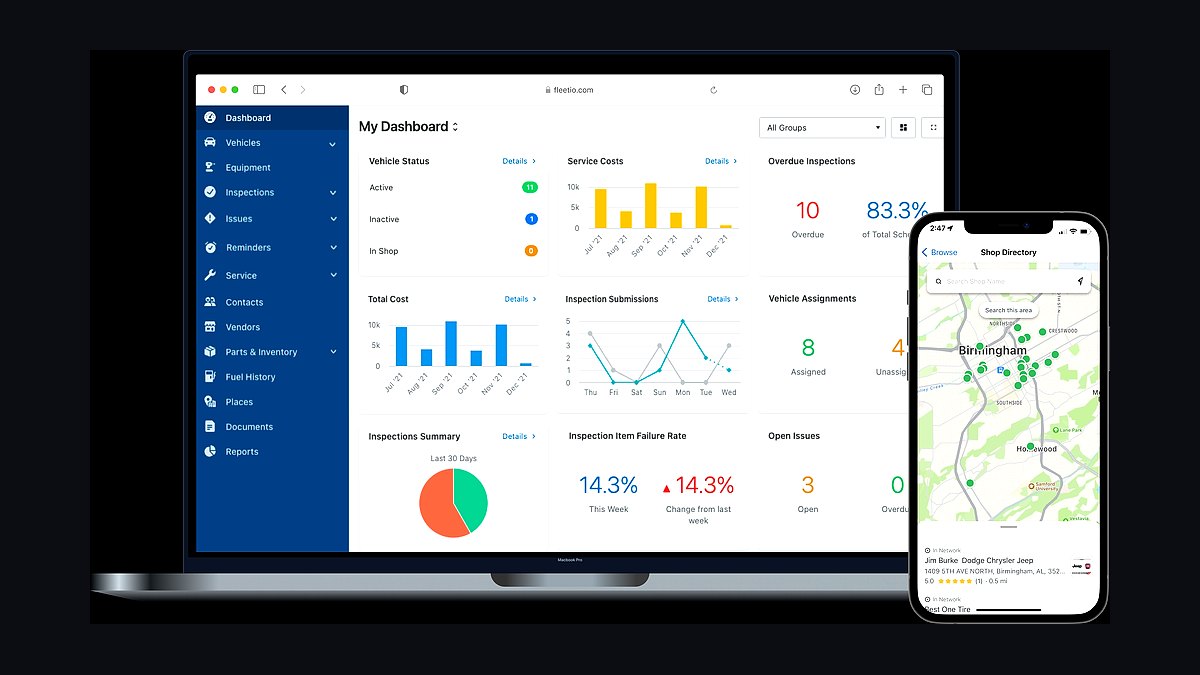
Fleetio ranks sixth because preventive maintenance scheduling, work orders, parts inventory, and meter-based service intervals determine resale value and uptime. It runs about $4-$8 per asset per month and is the leading standalone when the rental ERP's native maintenance module is thin or when the truck fleet needs separate management from the rental iron. Meter-based schedules tie directly to telematics engine hours.
It is for operators whose ERP-native maintenance cannot handle mixed truck and equipment fleets, or who want dedicated EAM depth. The trade-off is a second system to reconcile against the ERP, which is why many operators use the native module instead. Against Record360 above, Fleetio manages the asset's mechanical life while Record360 documents its condition at each rental cycle.
7Sage Intacct
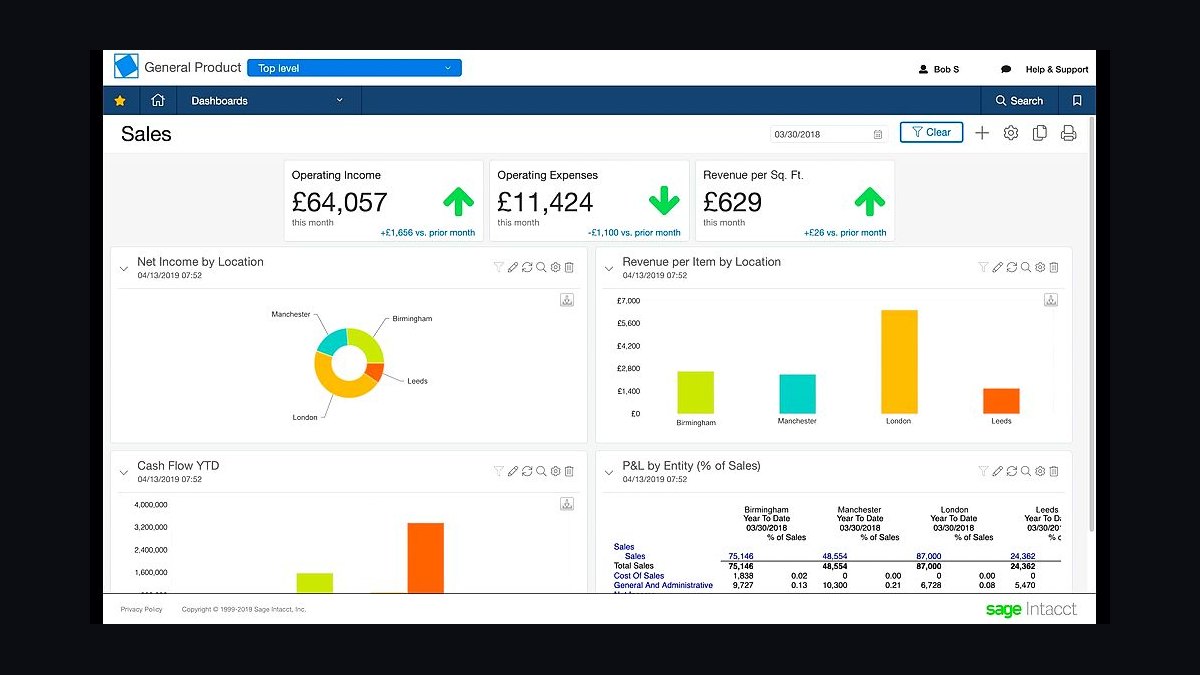
Sage Intacct ranks seventh because fixed-asset depreciation, multi-entity consolidation, and rental-revenue recognition get genuinely hard past a few branches. It handles multi-branch depreciation and consolidation well, with pricing roughly $10,000-$30,000+ per year depending on entities and users. QuickBooks Online at $90-$200 per month remains correct for a single store, so Intacct earns its cost only at multi-entity scale.
It is for mid-size regional rental companies running five to twenty branches that need clean consolidation and serious asset accounting. The trade-off is annual cost and implementation effort that a single-location yard cannot justify. Against Fleetio above, Sage Intacct handles the financial lifecycle of the asset — depreciation and revenue — while Fleetio handles its mechanical lifecycle.
8Power BI
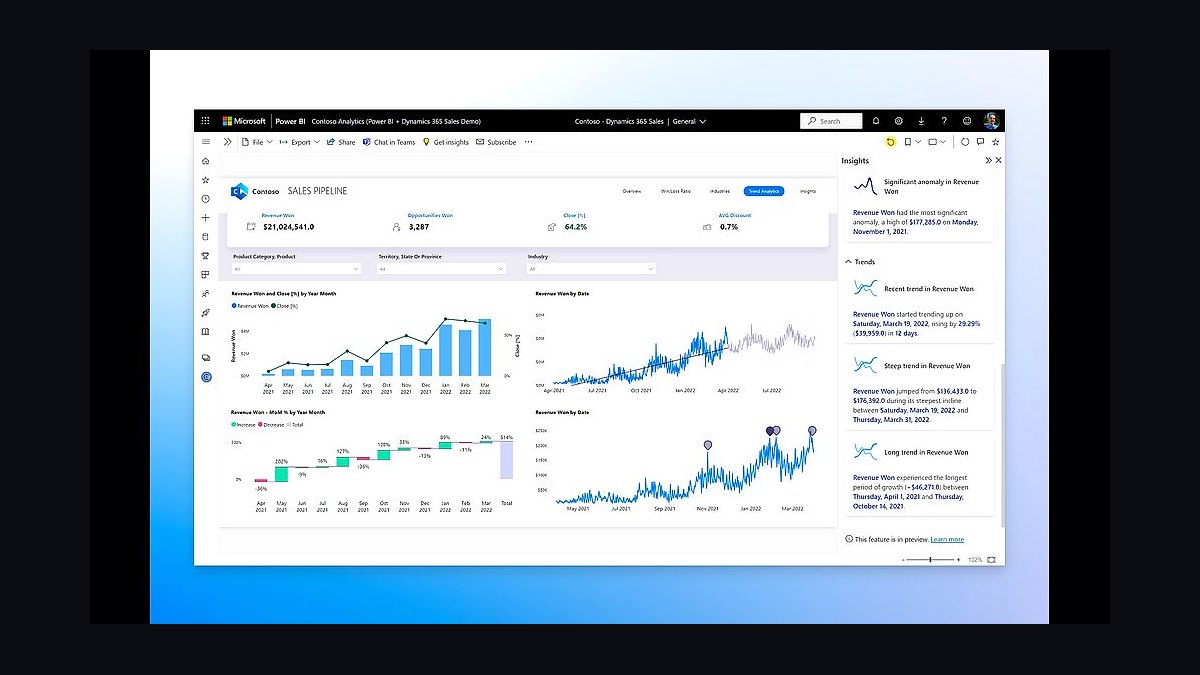
Power BI ranks eighth because it turns ERP and telematics data into the two numbers that decide fleet profitability: time utilization and financial utilization. At roughly $10-$20 per user per month, it pulls utilization by category and branch, ROI per asset, dispatch efficiency, and dead-fleet reports into weekly reviews. Small operators can live inside ERP-native dashboards instead.
It is for operators who already have clean data in the ERP and telematics layers and need cross-system reporting the ERP cannot produce alone. The trade-off is that Power BI is only as good as the data feeding it, so it must come after the ERP and telematics are stable. Against Sage Intacct above, Power BI reports on operational and financial performance while Intacct records the underlying transactions.
9Quipli
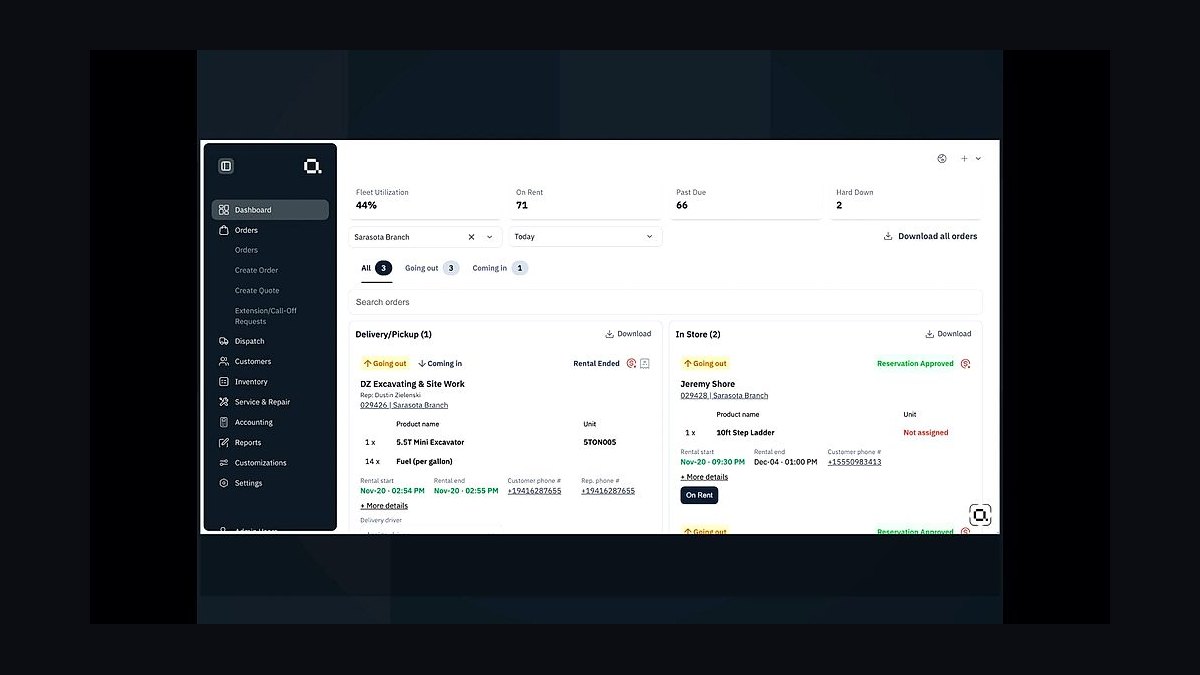
Quipli ranks ninth because it is the cloud-native, e-commerce-forward ERP aimed at independent and growing rental businesses that want online rental without legacy weight. Subscription pricing often lands in the $300-$600 per month range for a small operation, with a clean modern UI and online booking as a first-class feature rather than a bolted-on Storefront. It competes directly with Point of Rental Essentials for single-store and small multi-store operators.
It is for smaller yards that prioritize online rental and ease of use over deep enterprise rate engines and complex multi-branch availability. The trade-off is less depth in contractor contract-rate management and enterprise reporting than Point of Rental or Texada. Against Power BI above, Quipli is the operational system of record while Power BI is the reporting layer on top.
10Samsara
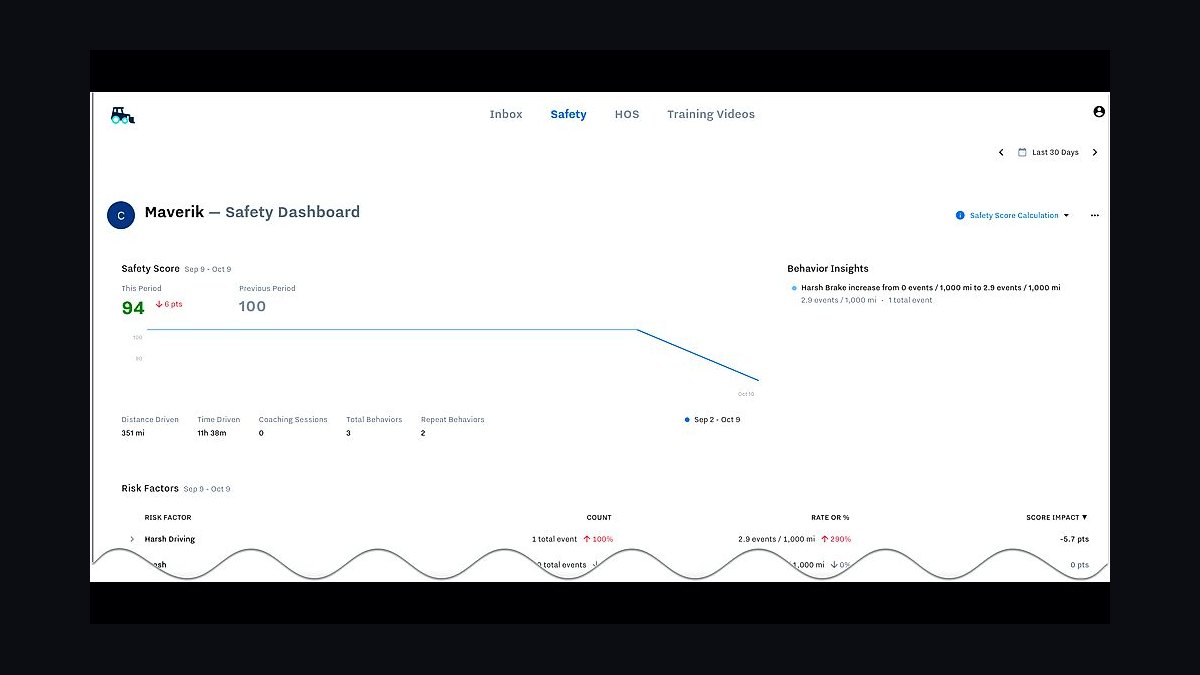
Samsara ranks tenth because many rental companies run trucks and equipment under one connected-operations platform rather than buying telematics twice. It covers fleet and asset tracking, location, and machine data with one vendor, which simplifies procurement and integration for operators whose delivery trucks matter as much as their iron. Pricing is quote-based and typically higher per asset than specialized construction telematics.
It is for rental companies with significant delivery fleets that want one telematics vendor across trucks and equipment. The trade-off is less construction-equipment-specific depth than Trackunit, particularly around mixed-fleet machine health analytics. Against Quipli above, Samsara is a data and tracking layer while Quipli is the rental ERP that consumes utilization and location data.
How we ranked these
We ranked each tool on four weighted criteria: depth of rental-specific functionality (35%), proven integration with rental ERPs and telematics feeds (25%), total cost of ownership at realistic 2027 seat and asset counts (20%), and operator-reported reliability plus analyst validation (20%). Scores came from vendor documentation, G2 and Capterra reviews, published pricing, and named-operator deployments. Tools that only served adjacent industries without rental contract logic scored lower regardless of brand strength.
We deliberately ignored raw feature counts, demo polish, and vendor size. A 400-feature suite that cannot compute prorated weekly-to-monthly rate breaks or answer available-to-promise by branch is worse than a narrow tool that can. We also excluded AI roadmaps, conference hype, and any capability not shippable by 2027. Finally, we ignored generic accounting and CRM leaders unless they handled fixed-asset depreciation or contractor contract rates natively.
Related questions
Why can't a generic ERP run an equipment rental business?
Generic ERPs model one-time sales, not time-based contracts on assets that return and re-rent. They cannot natively answer what is available to promise Thursday at a specific branch, compute prorated daily-weekly-monthly rate breaks, or track time and financial utilization per machine. Bolting those onto a distribution ERP creates reconciliation nightmares and inaccurate availability, which directly causes double-bookings and lost revenue.
Do I really need telematics if my fleet is small?
Below roughly 50 assets, telematics is optional but still valuable for high-value or theft-prone machines. Above that, it pays for itself by automating meter readings for preventive maintenance and surfacing idle assets you can reposition or sell. The mistake is buying trackers before confirming your rental ERP can ingest the data into utilization and maintenance workflows.
How does Record360 actually protect margin?
It creates timestamped photo and video walkarounds at check-out and check-in, attached directly to the rental contract. When a customer disputes damage, you have dated evidence rather than a verbal argument, which converts uncollectable repair costs into billable damage claims. Most yards that adopt it report the subscription pays for itself within a few disputed claims.
What is the difference between time utilization and financial utilization?
Time utilization is days on rent divided by days available, measuring how busy an asset is. Financial utilization is revenue earned divided by original equipment cost, measuring whether that busyness is profitable. A machine can hit 70% time utilization and still lose money if its rate is too low or it was overpriced at purchase. Track both, and tie fleet buying decisions to financial utilization.
Should I use my rental ERP's native maintenance module or buy Fleetio?
Use the native module when it handles meter-based preventive maintenance, work orders, and parts inventory adequately, because one source of truth reduces integration risk. Buy Fleetio when the native module is thin, when your truck fleet needs separate management, or when you want stronger mobile inspections. Running both without clear ownership of the asset record creates duplicate work orders.
When does a rental company outgrow Point of Rental or Texada?
Usually when fleet size crosses tens of thousands of assets, branch count exceeds roughly 50, or project-based billing for cranes and modular structures becomes central. At that scale, Wynne RentalMan or Rental Result handle the complexity, but they cost six figures annually and demand serious integration and IT resources. Most regional operators never need to make that jump.
How should delivery and dispatch fit into the stack?
Delivery is a margin center, not a free add-on. Dispatch must sequence drivers, match trailer capacity to machine weight, and hit contractor jobsite windows. Point of Rental and Texada offer scheduling modules; complex multi-stop operations add dedicated routing. Track on-time delivery as a metric and price delivery explicitly, or late drops will burn contractor relationships faster than rate increases.
What reporting should I build first in Power BI?
Start with utilization by category and branch, ROI per asset, dead-fleet aging, and dispatch on-time performance. These four answer whether you are buying the right machines, renting them at the right rate, and disposing of them before repair costs erode resale value. Pull ERP contract data plus telematics hours; avoid vanity dashboards that do not change a buy, sell, or pricing decision.
FAQ
What is the best tech stack for an equipment rental company in 2027?
A rental ERP as the system of record, typically Point of Rental or Texada, wired to telematics like Trackunit or Samsara, Record360 for condition documentation, a maintenance layer such as Fleetio or the native module, delivery dispatch, integrated payments with contractor contract rates, Sage Intacct or QuickBooks for accounting, and Power BI for utilization and ROI reporting.
How much does a rental tech stack cost per month?
A single store runs roughly $500 to $1,500 monthly all-in. A regional operator with 5 to 20 branches typically spends $5,000 to $25,000 monthly depending on asset count and seats. National enterprises pay six figures to low seven figures annually, plus significant integration and internal IT cost. ERP pricing is quote-based, so validate against your real fleet size.
Which rental ERP is best for a small independent yard?
Point of Rental Essentials and Quipli are the strongest fits. Essentials is the incumbent path with QuickBooks and a familiar counter workflow. Quipli is cloud-native and e-commerce-forward, which suits operators who want online booking and a modern interface without legacy weight. Alert EasyPro is a credible third option for general-tool stores.
Do I need both a rental ERP and a separate maintenance system?
Often no. Many ERPs include a native maintenance module that handles meter-based service intervals, work orders, and parts inventory, keeping one source of truth. Add Fleetio when the native module is thin, when trucks need separate management, or when mobile inspections matter. Avoid running both without clear ownership of the asset record.
How long does implementation take?
A single-store ERP deployment can go live in 30 to 60 days. A multi-branch regional rollout typically takes 90 to 180 days once you include data migration, telematics integration, and staff training. Enterprise replacements run 12 to 24 months. Sequence ERP first, then telematics and condition documentation, then dispatch, accounting, and BI reporting.
What KPIs should the stack report on day one?
Time utilization, financial utilization, ROI per asset, dead-fleet aging, on-time delivery, and damage-claim recovery rate. These six tell you whether you are buying the right iron, renting it at profitable rates, delivering reliably, and collecting for damage. Everything else is secondary until these are stable and trusted by branch managers.
Is telematics data accurate enough to bill customers for usage?
For most construction equipment, engine-hour and location data is reliable enough for maintenance triggers and utilization reporting. Billing customers directly on telematics hours is riskier because OEM feeds, aftermarket devices, and manual readings can disagree. Use telematics for internal decisions and keep contractual billing tied to documented check-in readings unless your agreements specify otherwise.
How do contractor accounts with negotiated rates fit in?
Contract rates live in the rental ERP's rate engine, not in a spreadsheet. The ERP must apply the negotiated rate automatically when a contractor account books, across counter, phone, and online channels, while still showing one availability picture. Standalone payment processors add a reconciliation step, so integrated payments inside the ERP keep invoicing and net terms clean.
What is the biggest mistake buyers make?
Buying telematics or a point tool before the rental ERP can consume the data. Trackers without a destination for engine hours produce reports nobody acts on. Choose the ERP first, confirm the integrations, then deploy hardware and add-ons against a defined workflow. The second mistake is skipping condition documentation and absorbing damage costs.
Will AI change this stack by 2027?
AI will improve demand forecasting, dynamic rate suggestions, and predictive maintenance inside existing modules rather than replace the stack. The core architecture still depends on accurate contract, availability, and telematics data. Operators with clean ERP data will benefit first; those with spreadsheet availability and no condition records will get unreliable AI output regardless of vendor claims.
Sources
- https://www.point-of-rental.com/
- https://www.texadasoftware.com/
- https://www.wynnesystems.com/
- https://www.trackunit.com/
- https://www.samsara.com/
- https://www.record360.com/
- https://www.fleetio.com/
- https://www.sageintacct.com/
- https://powerbi.microsoft.com/
- https://quickbooks.intuit.com/
Related on PULSE
This page will be disappearing soon. Save it to your device for $1 — or read it free while it is here.
@Kory-White- · if Venmo asks, the last 4 of my number are 2012
This page is gone.
This one is off the shelf now. $1 keeps it on your phone for good — the whole page, pictures and diagrams included.
 tkTop 10 Best Tech Stack Tools for Concrete and Paving Contractors in 2027
 pulse-tech-stacksTop 10 Best Tech Stack Tools for Online Travel Agencies (OTAs) in 2027
 pulse-tech-stacksTop 10 Best Tech Stack Tools for Independent Bakeries in 2027
 pulse-tech-stacksTop 10 Best Tech Stack Tools for RV Dealerships in 2027
 pulse-tech-stacksTop 10 Best Tech Stack Tools for Home Builders and Residential Developers in 2027
 pulse-tech-stacksTop 10 Best Tech Stack Tools for AI Legal Tech Companies in 2027
 pulse-tech-stacksTop 10 Best Tech Stack Tools for Hardware Security Module (HSM) Vendors in 2027
 pulse-tech-stacksTop 10 Best Tech Stack Tools for Fine-Tuning Platform Companies in 2027
 pulse-tech-stacksTop 10 Best Tech Stack Tools for Independent Landscaping Companies in 2027
 pulse-tech-stacksTop 10 Best Tech Stack Tools for Plastics and Injection Molding Manufacturers in 2027