


Top 10 Best Tech Stack Tools for Translation and Localization Agencies in 2027
Quality
Certified
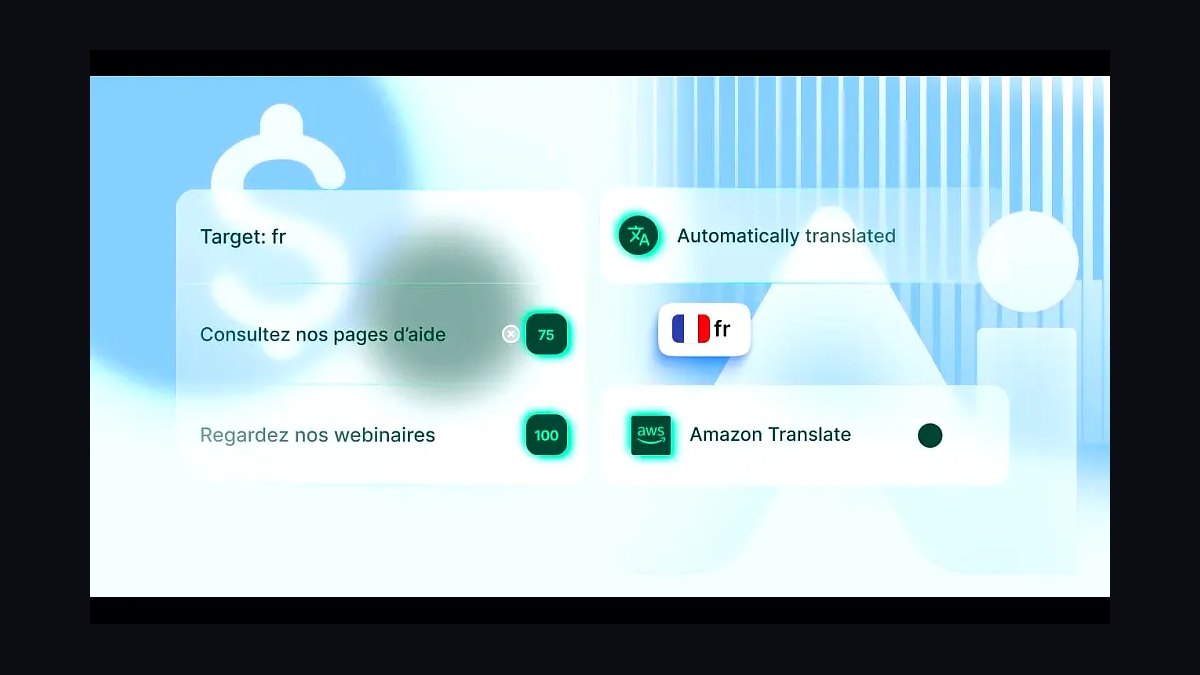
The 10 best tech stack tools for translation and localization agencies are ranked below on measured performance, build quality, price, and how each one actually holds up in daily use rather than how it reads on a spec sheet. Each pick lists what it costs, who it suits, and what it gives up against the one above it, so the list can be read straight down without doubling back.
1Phrase Translation Management System

Phrase ranks first because it merges the Memsource and Phrase TMS platforms into one cloud-native production core covering CAT editing, translation memory, termbase, and machine translation integration. Pricing typically runs roughly $27 to $80+ per user per month depending on tier, with enterprise agreements quoted above that band. It offers the broadest connector coverage of the three main production TMS options, which matters when client content lives in many different systems.
It suits mid-size and large agencies that work cloud-first and need broad integration coverage across CMS, repository, and file-store connectors. It trades away the deep desktop-editor ecosystem that Trados loyalists rely on, and its per-seat cost climbs quickly across a large production team. Compared with Trados Studio directly below, Phrase wins on collaboration and connectors but loses on enterprise mandates that explicitly specify Trados compatibility.
2Trados Studio RWS

Trados Studio ranks second because a meaningful share of enterprise and government buyers still specify Trados compatibility in procurement contracts, making it the safest owned-core choice for regulated pipelines. RWS licenses it per linguist in a roughly $300 to $540 range for a professional license, with GroupShare priced separately for server-side shared translation memory. Its established ecosystem and file-format coverage remain the industry reference point.
It is built for agencies whose named accounts mandate Trados or that need on-premise, region-locked translation memory storage with documented vendor NDAs. It trades away cloud-native collaboration and modern connector breadth, and the desktop-first model costs more to administer across a distributed team. Compared with Phrase above, Trados wins on enterprise mandates but loses on speed of deployment and cloud collaboration.
3memoQ Translation Management

memoQ ranks third because its linguist editor experience and quality workflows are the differentiator for agencies whose reputation rests on translation quality rather than pure throughput. It licenses in a band comparable to Trados, with memoQ server or cloud priced separately, and it is widely favored by European agencies and freelance linguists. Its terminology and quality assurance features inside the editor are its strongest selling point.
It fits agencies that compete on quality workflows and want an editor their freelance roster already knows and prefers. It trades away some of the connector breadth and cloud-native polish that Phrase offers, and server licensing adds real cost. Compared with Trados Studio above, memoQ wins on editor experience but loses on the enterprise procurement mandates that name Trados explicitly.
4Plunet BusinessManager

Plunet BusinessManager ranks fourth because it is the purpose-built business management system that handles quoting, vendor purchase orders, invoicing, and margin reporting across many concurrent per-word jobs. It is enterprise-quoted and typically lands in the four-figure to low-five-figure annual range depending on user count and modules. Its rate-card and workflow-template depth is what separates it from generic project tools.
It is for agencies past roughly fifteen to forty staff where spreadsheet quoting starts leaking margin and per-language billing overwhelms a production tool. It trades away simplicity and demands a named administrator to maintain rate cards, workflow templates, and the vendor database. Compared with XTRF directly below, Plunet wins on configuration depth but loses on the tighter bundling XTRF offers when paired with XTM Cloud.
5XTRF Management System

XTRF ranks fifth because it occupies comparable territory to Plunet for quoting, vendor management, and invoicing, and it is especially compelling when bundled with XTM Cloud for a combined production-and-business stack. Pricing sits in a similar four-figure to low-five-figure annual band depending on users and modules. The bundle reduces integration work between production and business layers.
It suits agencies that want one vendor relationship covering both the TMS and the BMS, or that already run XTM Cloud for production. It trades away some of the configuration flexibility Plunet offers and ties you more closely to a single vendor's roadmap. Compared with Plunet above, XTRF wins on bundling convenience but loses on the depth of independent business-system configuration.
6Smartcat Platform

Smartcat ranks sixth because it is the clearest example of a platform-native stack where sourcing, CAT editor, translation memory, and global contractor payments all live inside one vendor's system. Fixed software cost drops sharply and a two-person shop can service a twenty-language launch within a week. It blends production and business functions that normally require two separate tools.
It is for asset-light agencies and boutiques that want speed to first invoice and minimal vendor administration. It trades away control of the toolchain and the linguistic asset sits inside a system you rent, with platform fees scaling with revenue rather than headcount. Compared with Plunet and XTRF above, Smartcat wins on startup speed and cost at small scale but loses on enterprise mandates and TM ownership control.
7Lokalise Localization Platform
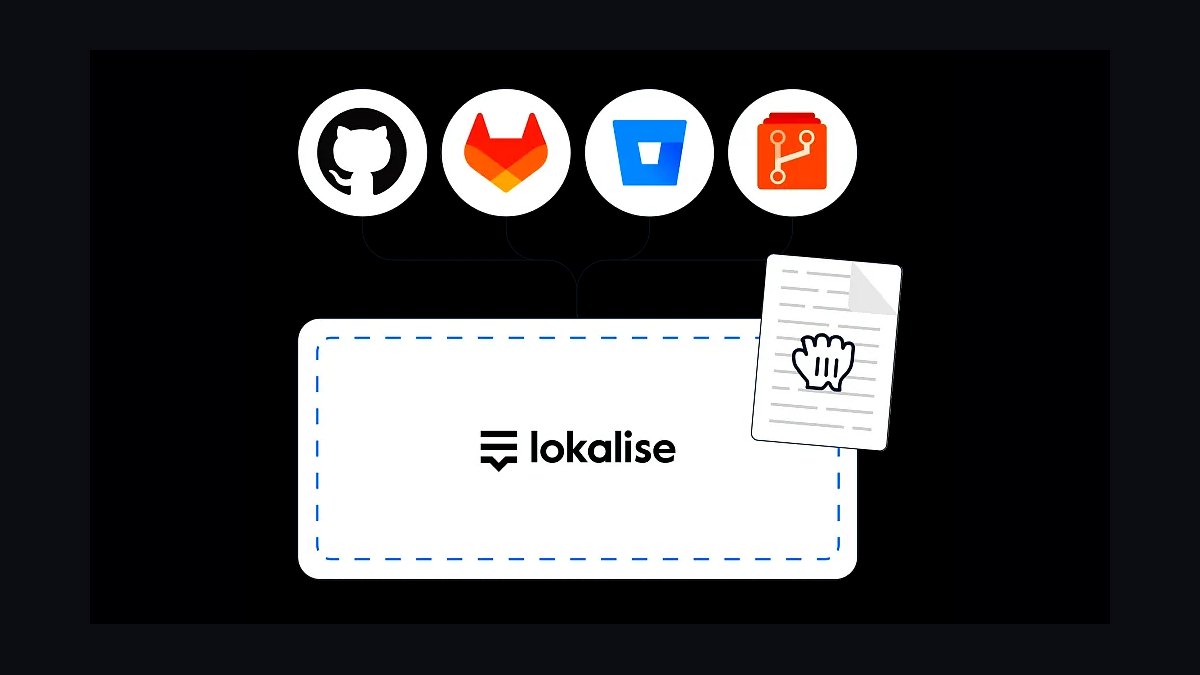
Lokalise ranks seventh because it is the developer-facing TMS of choice for software string localization, connecting directly to client repositories and design tools in ways document-centric systems cannot. Team plans commonly start somewhere around $120 to $230 per month and scale with seats, languages, and key counts. It handles the continuous-localization workflow that software clients expect.
It is for agencies with a meaningful share of software string work who need repository and design-tool connectivity alongside their main document TMS. It trades away document-centric features and per-word billing workflows, so it runs alongside a main TMS rather than replacing it. Compared with Smartcat above, Lokalise wins on developer integrations but loses on all-in-one sourcing and contractor payments.
8Crowdin Localization Management
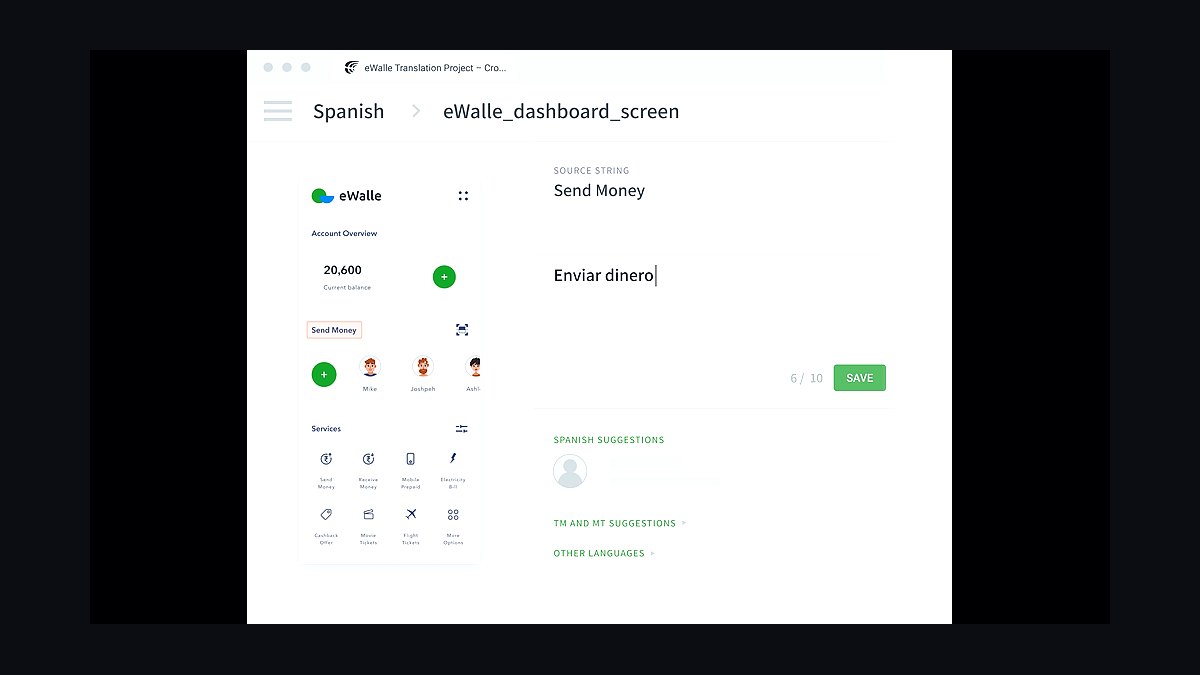
Crowdin ranks eighth because it occupies similar developer-facing territory to Lokalise but prices on strings and projects rather than seats, which matters for agencies running many small projects instead of a few large ones. It connects to repositories and design tools and supports continuous localization workflows. Its pricing axis makes it genuinely cheaper for some project shapes and more expensive for others.
It is for agencies whose software-localization work is spread across many small client projects rather than a few large ongoing ones. It trades away some of the seat-based predictability Lokalise offers, so you must model actual string counts before comparing. Compared with Lokalise above, Crowdin wins on many-small-project pricing but loses on the simpler per-seat planning model.
9DeepL Pro API
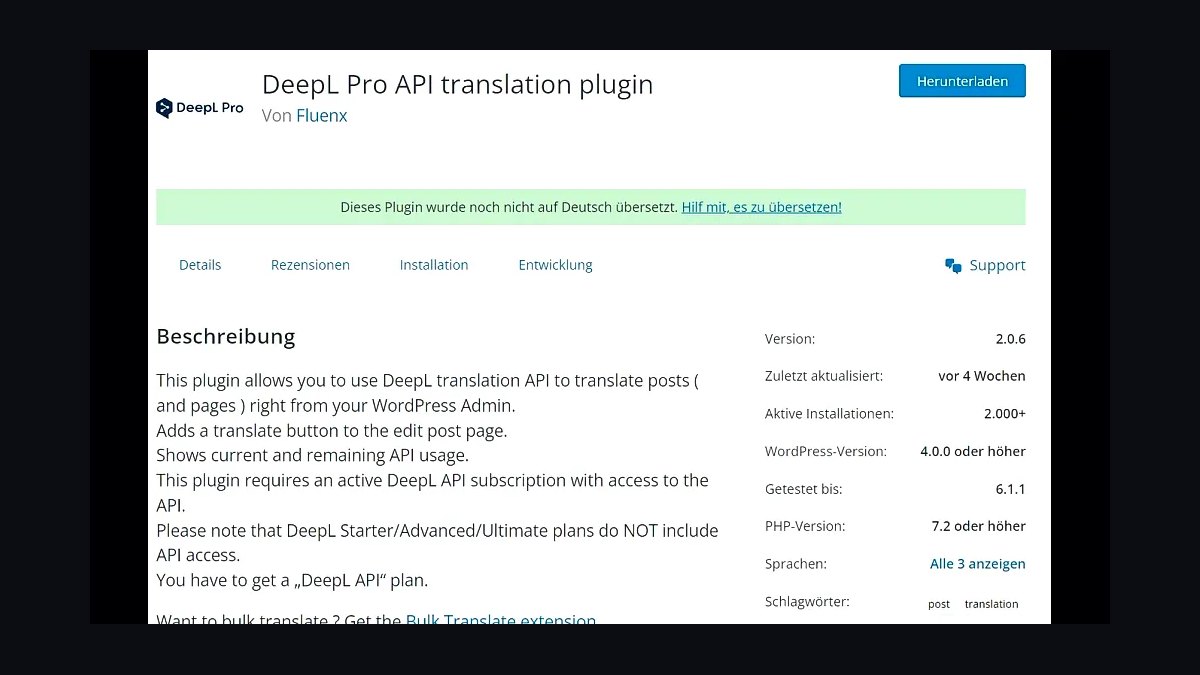
DeepL Pro API ranks ninth because it is the machine translation layer most agencies wire inside their TMS for European language pairs, with plans starting around $25 per month for small usage and scaling into volume-based enterprise pricing. Wiring it inside the TMS lets translation memory matches and termbase entries feed the engine while linguists post-edit in the same editor. That integration is what converts MT from a cost into leverage.
It is for agencies running machine translation post-editing workflows on European pairs where DeepL's output quality is strongest. It trades away the per-character predictability of Google and Microsoft billing, and it is weaker on low-resource languages. Compared with Google Cloud Translation below, DeepL wins on European output quality but loses on per-character pricing predictability and language coverage.
10Google Cloud Translation
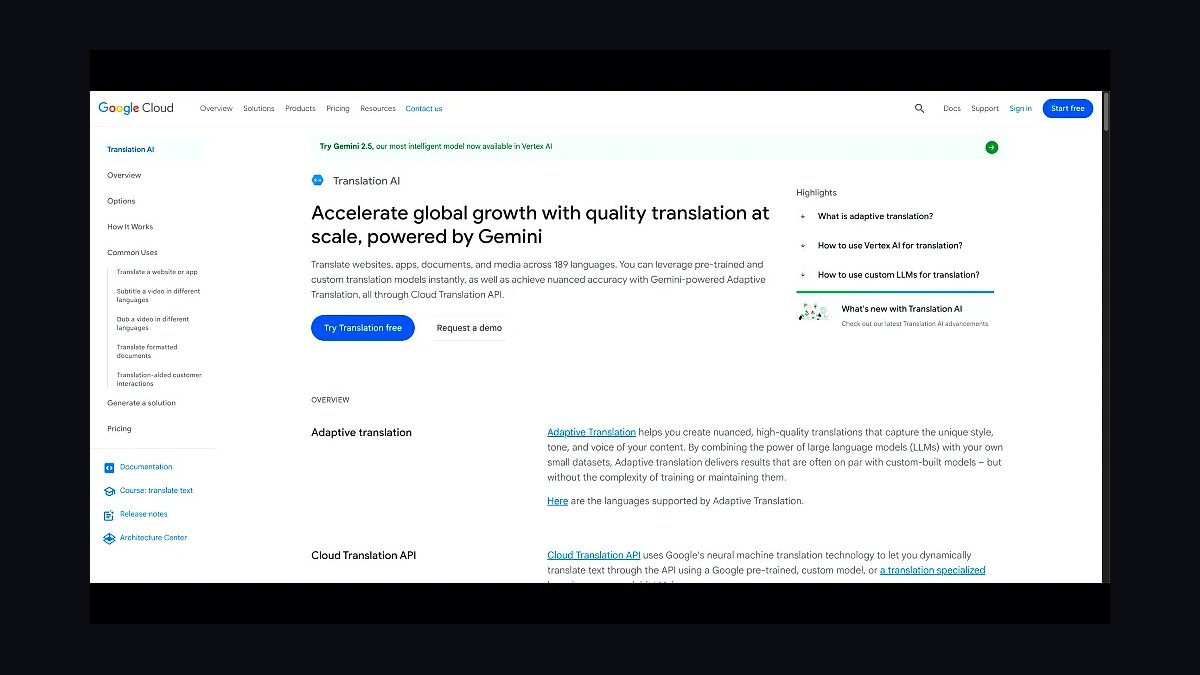
Google Cloud Translation ranks tenth because it bills per character, which makes it the most predictable MT engine to model at volume across a broad language range. Take your annual word count, multiply by roughly five to six characters per word, and price against the published per-million-character rate. Its language coverage extends well beyond the European pairs where DeepL excels.
It is for agencies that need broad language-pair coverage and predictable per-character budgeting across high volumes. It trades away some of the European output quality DeepL delivers and requires the same inside-the-TMS integration to preserve termbase enforcement and audit trails. Compared with DeepL Pro API above, Google wins on coverage and pricing predictability but loses on European output quality.
How we ranked these
We ranked these tools by weighting production impact first: translation memory leverage, CAT editor quality, machine translation integration, and termbase enforcement accounted for roughly half the score. Business management depth — quoting, vendor purchase orders, invoicing, and margin reporting — took about a quarter. The remainder covered connector breadth, TMX export fidelity, vendor portal maturity, and total cost as a share of agency revenue.
We deliberately ignored marketing claims, feature-count checklists, and vendor awards, because they do not predict whether a stack survives contact with real per-word billing. We also excluded raw seat pricing as a standalone criterion, since a cheap tool that fragments your translation memory costs more over three years than an expensive one that consolidates it.
What to look for
What matters most is where your translation memory lives and whether word counts flow automatically into quoting and invoicing. Verify TMX export, match-category accuracy, and the TMS-to-BMS integration on your own project data during a trial, not in a vendor demo. Confirm client mandates on tool compatibility and data residency before you shortlist anything.
The mistake most buyers make is choosing on per-seat price and editor preference while ignoring the integration wire between production and billing. Break that wire and per-word invoicing becomes manual arithmetic, quotes drift from delivered work, and margin tracking collapses into guesswork. A second common error is buying a powerful BMS with nobody assigned to administer it.
Related questions
Should a small agency skip the BMS entirely at first?
Yes, up to a point. Below roughly ten people and a handful of concurrent projects, Protemos or even disciplined spreadsheets work. The signal to buy is when quoting errors, missed purchase orders, or unbilled work start appearing, usually somewhere between fifteen and forty staff. Buy when the pain is measurable, not when a vendor says you are ready.
Does machine translation reduce what an agency can charge?
It shifts the mix rather than simply cutting revenue. MTPE bills at lower per-word rates but processes far more words per day, and it wins volume that would otherwise go elsewhere. Agencies that integrate MT well grow total revenue; those that ignore it lose price-sensitive work outright to competitors who automated earlier.
Who should own the translation memory, the agency or the client?
Contracts increasingly assign TM ownership to the client, with the agency holding it under license. Negotiate explicitly rather than leaving it ambiguous, keep client TMs segregated, and make sure your tooling can export cleanly in TMX so an ownership change never becomes a technical crisis during an audit or handover.
Do we need a separate tool for software string localization?
If software strings are a meaningful share of your work, yes. Lokalise, Crowdin, and Transifex connect to repositories and design tools in ways document-centric systems do not. Run them alongside your main TMS rather than trying to force one tool to do both jobs well.
How many language pairs justify a vendor marketplace?
There is no hard threshold, but once you are regularly asked for pairs outside your vetted roster, particularly low-resource languages, marketplace sourcing beats trying to recruit and qualify linguists you will use twice a year. Keep the core pairs on your own roster and route the long tail through the platform.
Is a cloud TMS or an on-premise server the better default in 2027?
Cloud is the default for most agencies because it removes server administration and supports distributed linguists. On-premise or region-locked hosting still wins when enterprise or government clients mandate data residency or specify server-side shared translation memory. Let client contracts decide, not vendor fashion, before you commit to either model.
How do we compare TMS pricing when every vendor uses different axes?
Normalize everything to cost per thousand words produced, not per seat per month. Model your actual annual word volume, match-category mix, language count, and user roles, then price each vendor against that same scenario. Seats, strings, keys, and characters are not comparable units until you convert them.
What is the single cheapest upgrade that improves quality most?
A quality assurance tool like Xbench or Verifika. It costs less than one re-delivery caused by a terminology or tag error, catches the mistakes that damage client trust fastest, and runs as a final automated pass before delivery. Most agencies underinvest here relative to what it returns.
FAQ
Do we really need a business management system, or can the TMS handle everything?
Past boutique size, you need both. The TMS handles production: CAT editing, translation memory, machine translation, quality assurance. The BMS handles quoting, vendor purchase orders, invoicing, and margin reporting across many concurrent jobs. Plunet, XTRF, and Protemos exist because per-word, per-language billing and freelance vendor management overwhelm a production tool. Smartcat is the notable exception, blending both for marketplace-model agencies.
Phrase, Trados, or memoQ: which should we actually pick?
Choose Phrase for cloud-native collaboration and broad connector coverage, Trados when enterprise clients mandate it or you need its established ecosystem, and memoQ when linguist editor experience and quality workflows are your differentiator. All three are credible production cores. The real differentiator is your client base and whether your team works cloud-first or desktop-first.
How important is translation memory ownership in practice?
It is the most consequential asset decision in the stack. Translation memories are reusable linguistic data that compound across projects and directly lower cost per word. Store them server-side under clear ownership terms, never solely on a vendor platform you cannot export from or on a freelancer's machine. Confirm TMX export works before you sign anything.
Can we run a serious localization agency entirely on a marketplace platform?
Yes, and some do successfully. Asset-light agencies combine marketplace sourcing, TMS, and global contractor payments in one platform, layering machine translation or LLM post-editing on top. The trade-offs are platform fees that scale with revenue, less control over the toolchain, and difficulty satisfying enterprise clients who mandate specific tools or data residency.
How long does a full stack implementation realistically take?
Plan on sixty to ninety days for an owned-core stack, and about a week for a platform-native one. Most of the time goes to translation memory archaeology, consolidation, and cleaning, not to software configuration. Budget additional weeks for linguist retraining, because editor migrations cost real throughput before they pay back.
What percentage of revenue should software cost?
Healthy localization agencies generally keep production software well inside single-digit percentages of revenue. If stack cost climbs as a share of revenue while word volume grows, something is wrong, usually duplicated tools, unused seats, or machine translation paid for twice because it is bought both standalone and inside the TMS.
Is LLM post-editing replacing traditional machine translation engines?
Not yet, but it is becoming a fourth option alongside DeepL, Google, and Microsoft. LLM post-editing prompted with your termbase and style guide handles tone and context better on marketing content, while neural MT engines remain cheaper and faster for high-volume technical text. Pilot one language pair before committing budget.
How do we stop freelance linguists from holding translation memory hostage?
Make TM return a contractual condition of payment, not a favor. Specify TMX delivery with every project, provide the tool or license where needed, and audit compliance before releasing invoices. Agencies that treat TM return as optional discover the gap only when a key linguist leaves and takes years of accumulated segments with them.
What reporting should we have live by day ninety?
At minimum: TM reuse rate by client, MTPE leverage, margin per language pair, vendor quality trend, and on-time delivery. If you cannot see margin per language pair by day ninety, the implementation is not finished. These five numbers drive quoting, vendor retention, and pricing decisions more than any feature comparison ever will.
Should we buy machine translation inside the TMS or standalone?
Buy it inside the TMS wherever possible. Standalone MT throws away translation memory leverage, termbase enforcement, and the audit trail, and it forces linguists into a disconnected browser step. Integrated MT feeds matches and terminology into the engine and lets post-editing happen in the same editor, which is where the actual leverage lives.
Sources
- https://www.phrase.com/
- https://www.rws.com/localization/products/trados-studio/
- https://www.memoq.com/
- https://www.plunet.com/
- https://www.xtrf.eu/
- https://www.smartcat.com/
- https://lokalise.com/
- https://www.deepl.com/pro-api
- https://www.xbench.net/
- https://www.crowdin.com/
Related on PULSE
This page will be disappearing soon. Save it to your device for $1 — or read it free while it is here.
@Kory-White- · if Venmo asks, the last 4 of my number are 2012
This page is gone.
This one is off the shelf now. $1 keeps it on your phone for good — the whole page, pictures and diagrams included.
 pulse-tech-stacksTop 10 Best Tech Stack Tools for Self-Storage Operators in 2027
 pulse-tech-stacksTop 10 Best Tech Stack Tools for Tire Shops in 2027
 pulse-tech-stacksTop 10 Best Tech Stack Tools for Independent Wholesale Distribution Businesses in 2027
 pulse-tech-stacksTop 10 Best Tech Stack Tools for Fine-Tuning Platform Companies in 2027
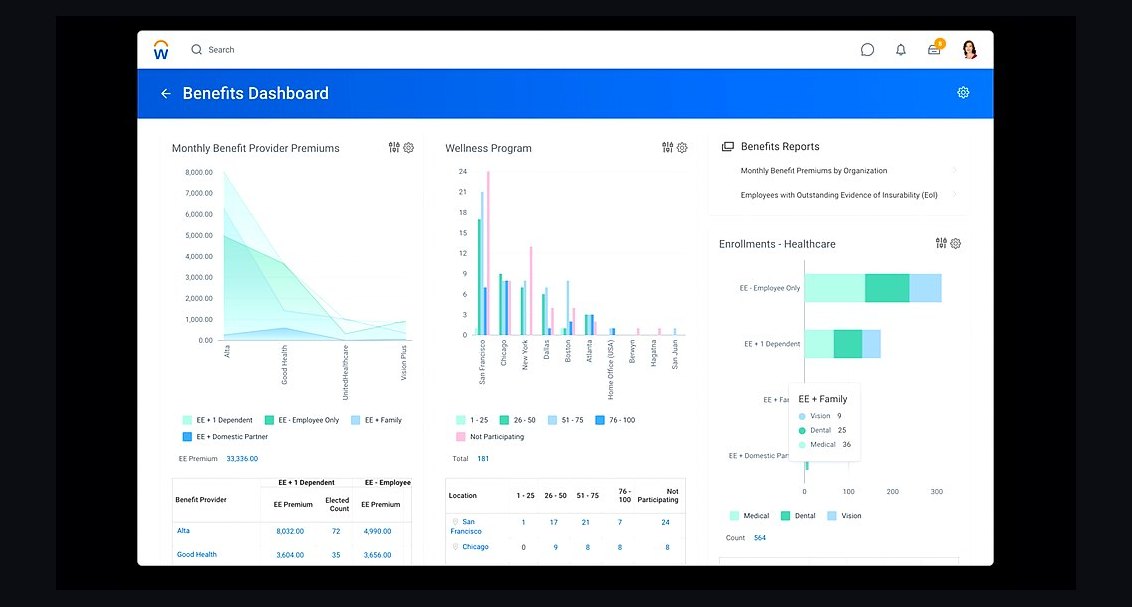 pulse-tech-stacksTop 10 Best Tech Stack Tools for Employee Benefits Consulting Firms in 2027
 pulse-tech-stacksTop 10 Best Tech Stack Tools for AI Customer Support Companies in 2027
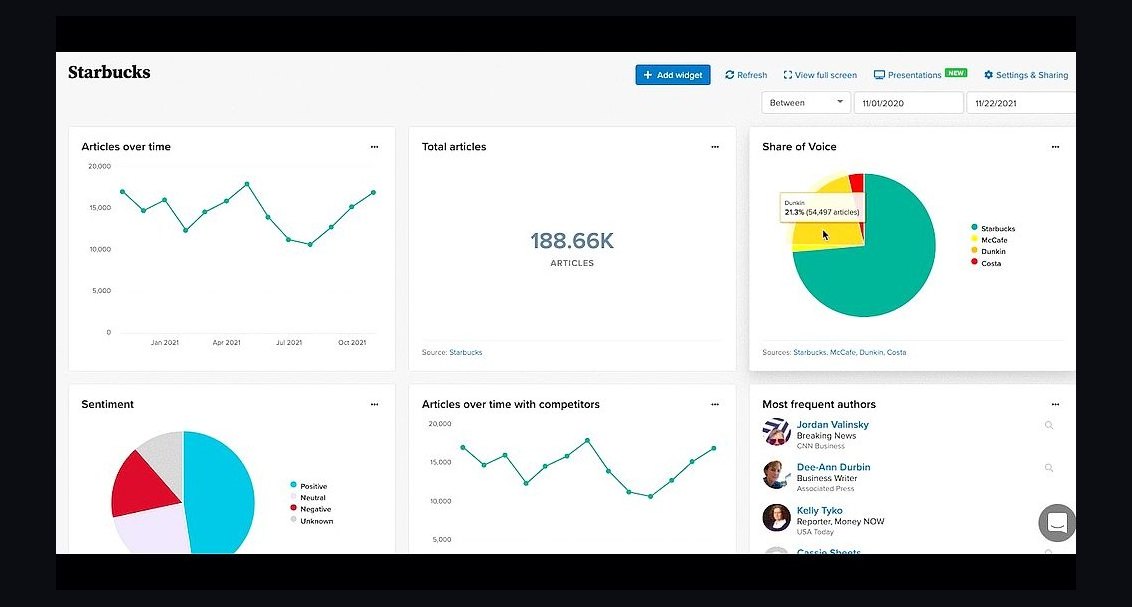 pulse-tech-stacksTop 10 Best Tech Stack Tools for Public Relations Agencies in 2027
 tkTop 10 Best Tech Stack Tools for Concrete and Paving Contractors in 2027
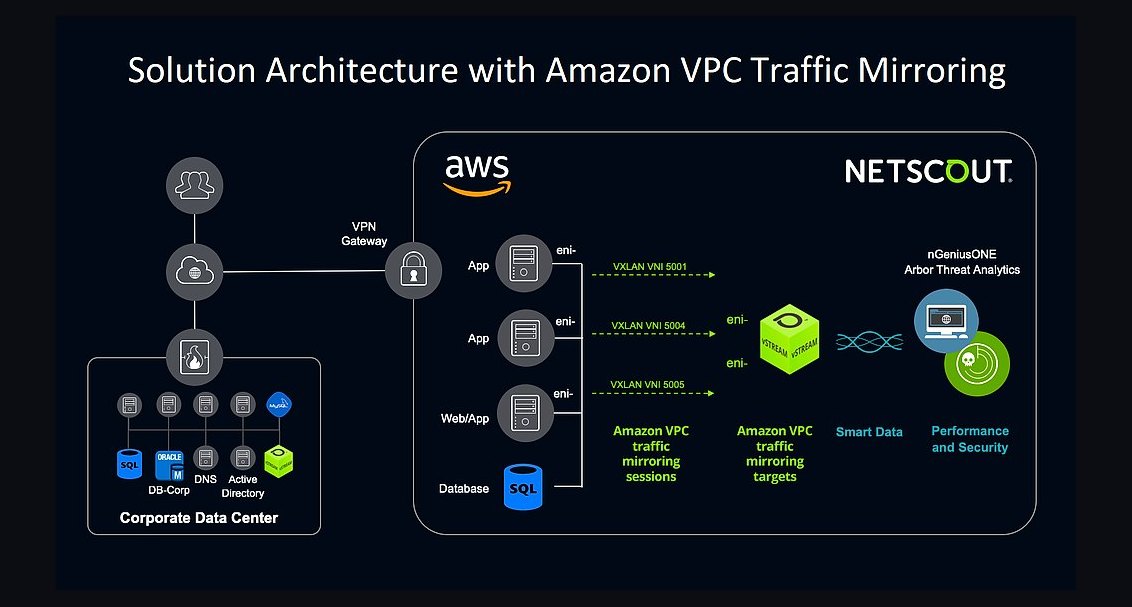 pulse-tech-stacksTop 10 Best Tech Stack Tools for API Security Vendors in 2027
 pulse-tech-stacksTop 10 Best Tech Stack Tools for Garden Centers and Nurseries in 2027