


Top 10 Best Tech Stack Tools for Coffee Shops and Cafes in 2027
Quality
Certified
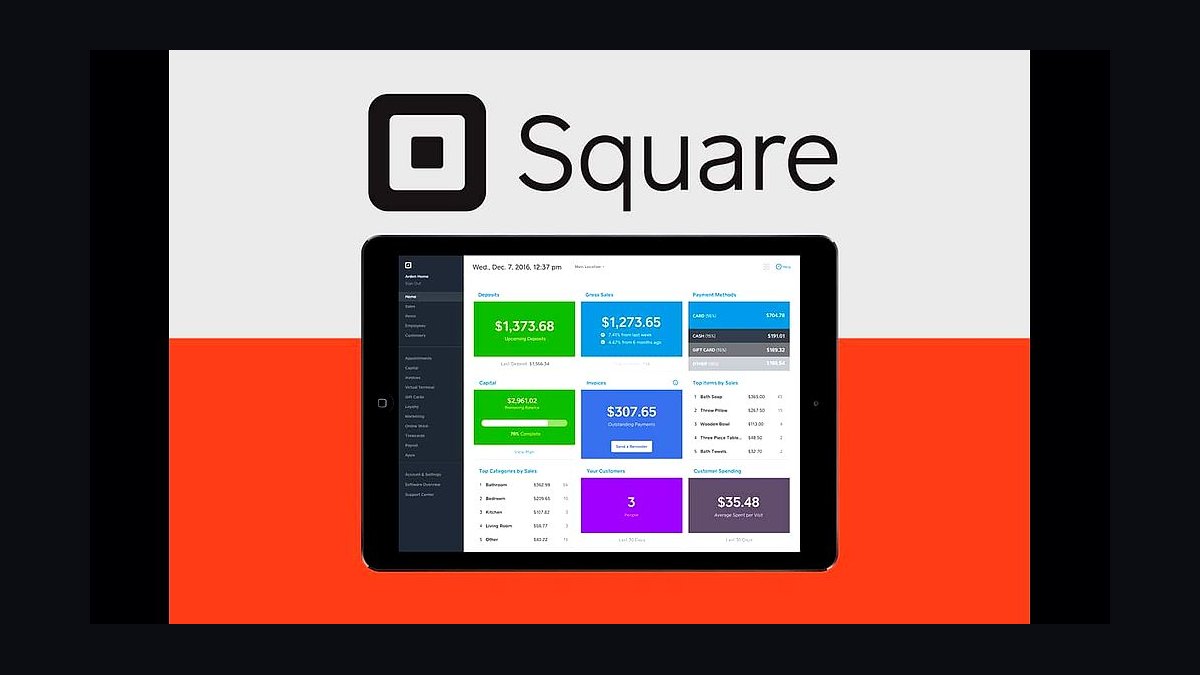
The 10 best tech stack tools for coffee shops and cafes are ranked below on measured performance, build quality, price, and how each one actually holds up in daily use rather than how it reads on a spec sheet. Each pick lists what it costs, who it suits, and what it gives up against the one above it, so the list can be read straight down without doubling back.
1Square for Restaurants
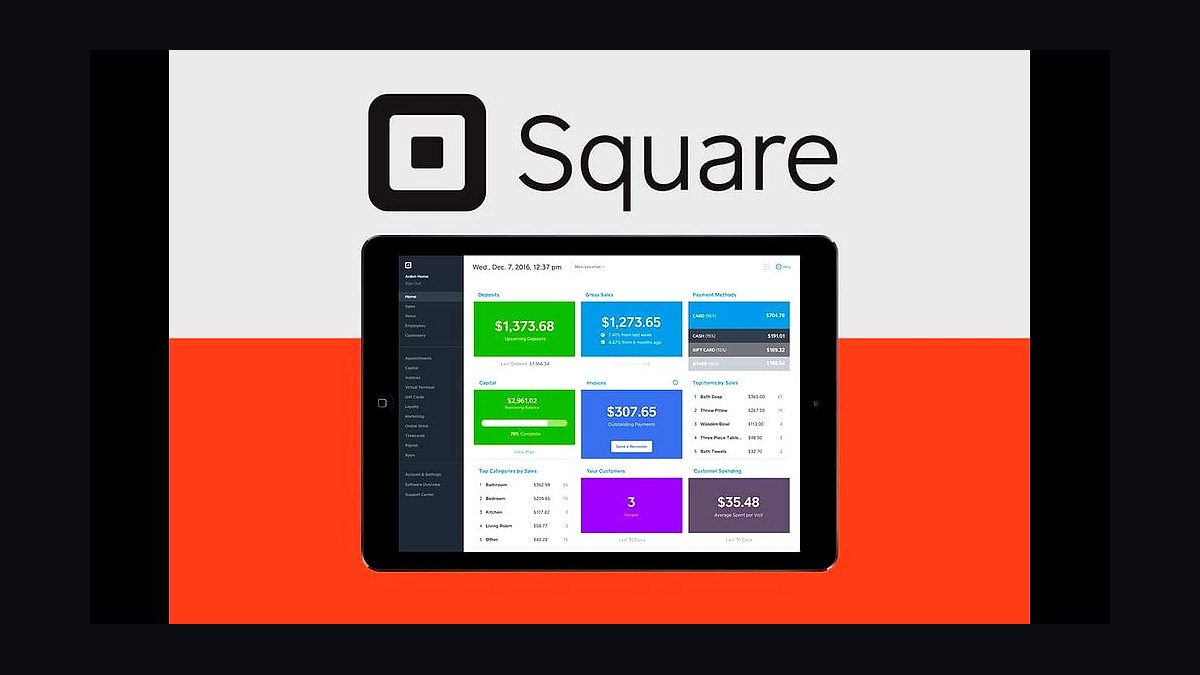
Square for Restaurants ranks first because it is the fastest, cheapest counter brain for a high-velocity cafe ringing 300 to 800 tickets a day. It runs free to about $60/month per location plus roughly 2.6% + $0.10 per tap, with tap-to-pay speed and modifier screens built for oat milk and extra shots. Native loyalty and Square Online ordering remove integration work entirely.
It is for the single-location independent that wants one vendor owning payments, rewards, and order-ahead. It trades away deep kitchen-display and back-office tooling, so multi-location operators outgrow it. Compared with Toast directly below, Square wins on setup speed and transparent processing; Toast wins once you need heavier labor and multi-site control.
2Toast POS
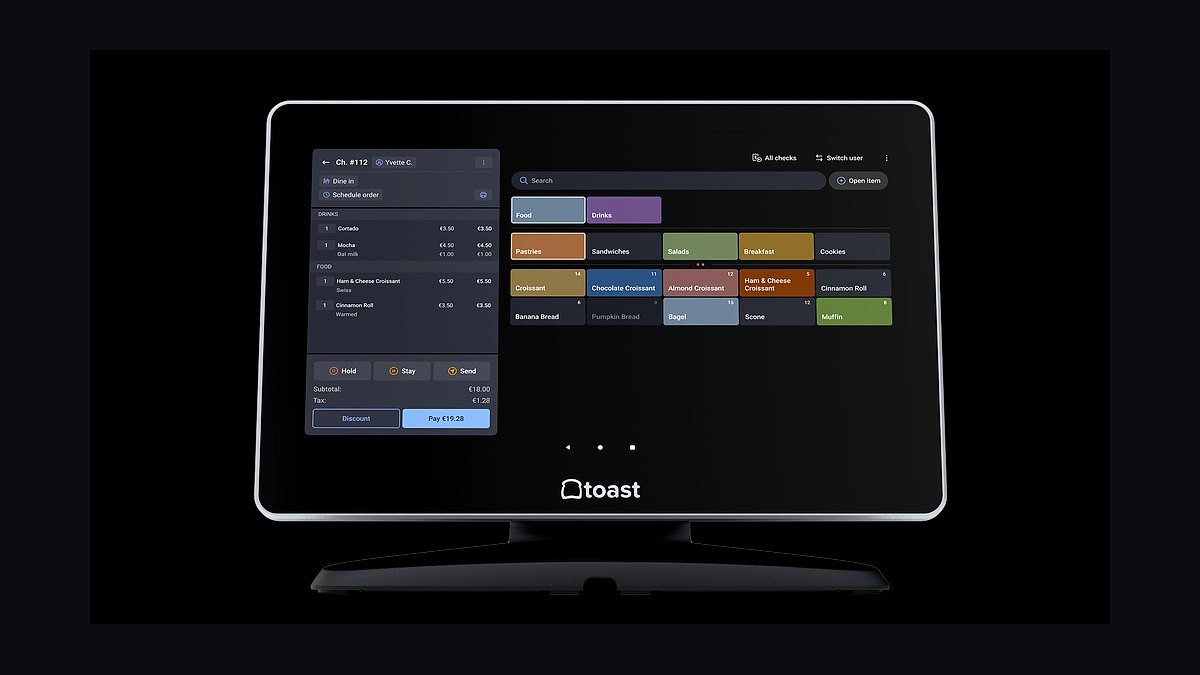
Toast ranks second because it is the stronger choice once a cafe goes multi-location or needs deeper kitchen-display, labor, and back-office tooling. Expect roughly $69+ per month per terminal plus hardware commitment, with integrated online ordering and loyalty available natively. Its reporting handles cross-location menu and pricing control better than Square's free tier.
It suits operators with two or more shops or a drive-thru concept where throughput and labor data matter daily. It trades away Square's low entry cost and fast self-setup, requiring hardware contracts and more configuration time. Compared with Square above, Toast is more powerful but heavier; compared with 7shifts below, it covers labor only partially.
3Joe Coffee
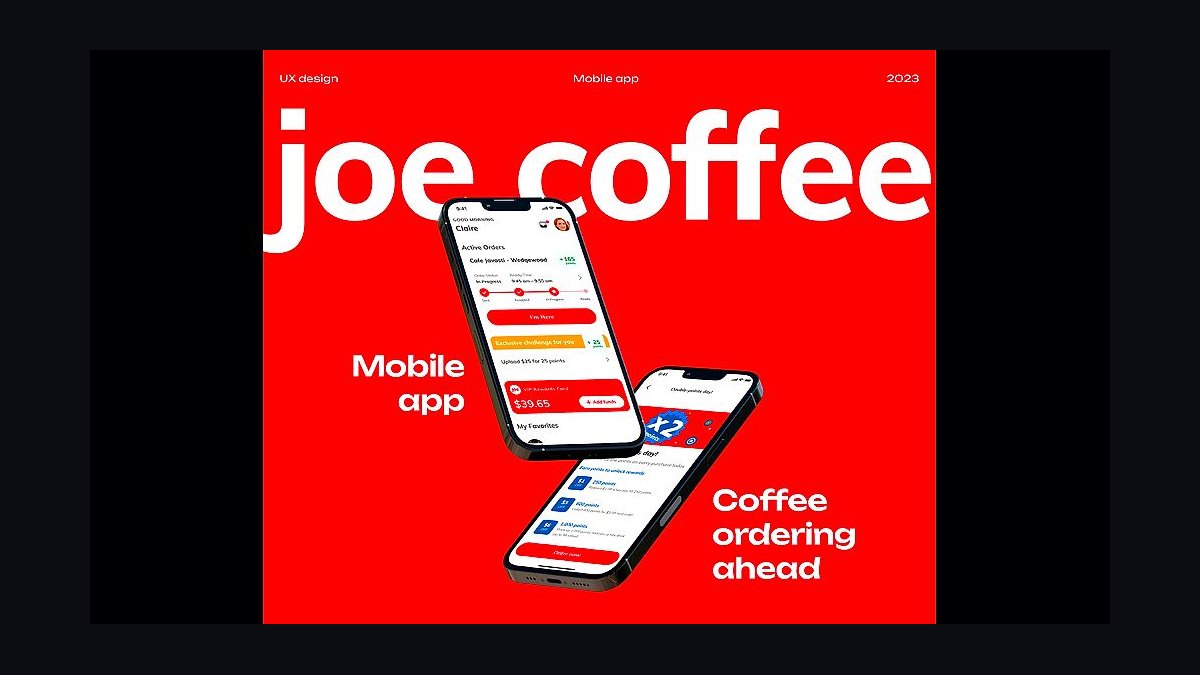
Joe Coffee ranks third because it is purpose-built order-ahead and loyalty for coffee shops, not a generic restaurant add-on. It provides a branded mobile app, points and rewards, and a discovery marketplace, typically charged as a per-order commission plus a modest monthly fee. That marketplace drives new-customer trial that native POS loyalty cannot.
It is for multi-location cafes or high-volume shops where order-ahead volume justifies a dedicated app and commission. It trades away the low cost and tight integration of Square Loyalty, which runs about $45/month per location with no commission. Compared with Square for Restaurants above, Joe Coffee is the growth layer, not the counter brain.
4Odeko
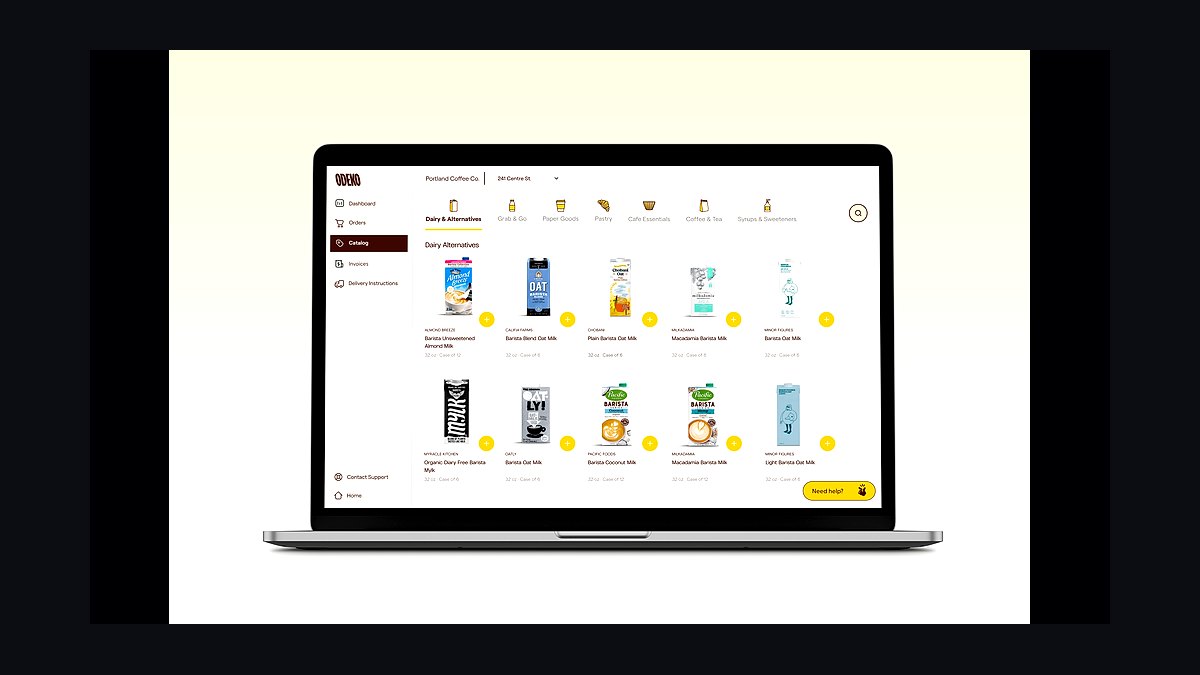
Odeko ranks fourth because supply stockouts on milk, cups, and syrups are pure lost revenue, and Odeko consolidates next-morning cafe ordering with demand forecasting into one delivery. It often carries no software fee because it earns on the supply marketplace, making it cheaper than classic inventory software for daily replenishment.
It is for cafes that want supply ordering and forecasting on autopilot without recipe-level costing rigor. It trades away the invoice scanning and COGS variance tracking that MarketMan or xtraCHEF provide. Compared with Joe Coffee above, Odeko protects margin on the cost side rather than driving repeat visits on the revenue side.
57shifts
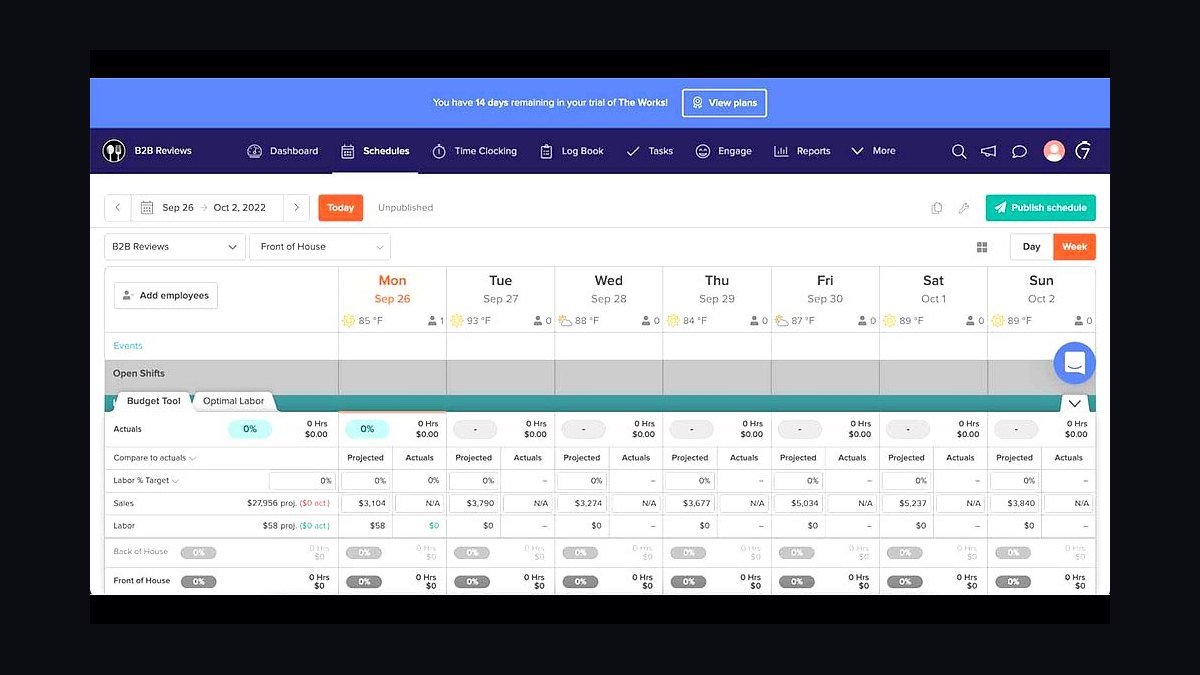
7shifts ranks fifth because labor is a cafe's largest controllable cost, and 7shifts forecasts staffing against actual sales patterns, builds schedules, handles shift swaps, and controls overtime. Plans start free and run to roughly $40+ per location per month for the tiers cafes actually use. It integrates with Square and Toast directly.
It is for any cafe with more than a handful of staff where over-staffing a slow Tuesday quietly erodes margin. It trades away the all-in-one payroll and HR depth of larger suites, focusing on scheduling and labor forecasting. Compared with Odeko above, 7shifts attacks the labor line while Odeko attacks the supply line.
6MarketMan
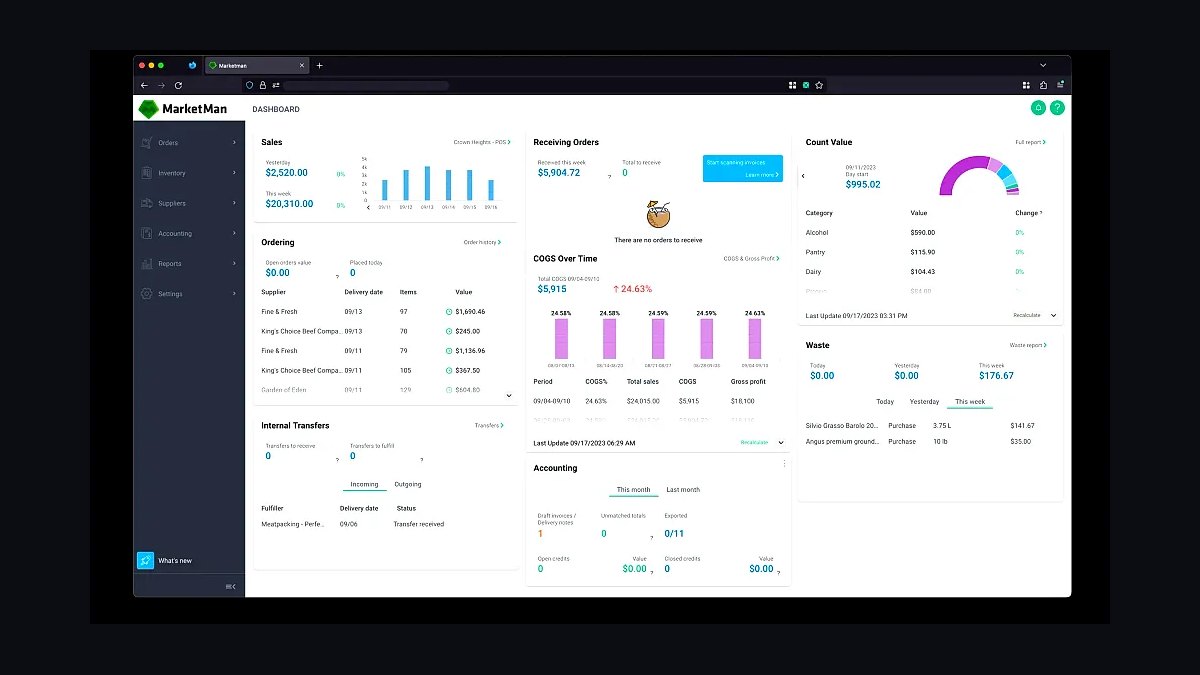
MarketMan ranks sixth because it delivers recipe-level food costing, invoice scanning, and inventory variance that Odeko's supply marketplace does not. Pricing starts around $179/month, and it tracks COGS across every drink and pastry so a few cents of over-pour show up before year-end books do.
It is for cafe-bakeries and roaster-cafes where perishable production and recipe complexity make costing a first-class concern. It trades away Odeko's zero-fee consolidated delivery convenience and forecasting. Compared with 7shifts above, MarketMan owns the cost-of-goods line rather than the labor line, and many roaster-cafes run both.
7Shopify
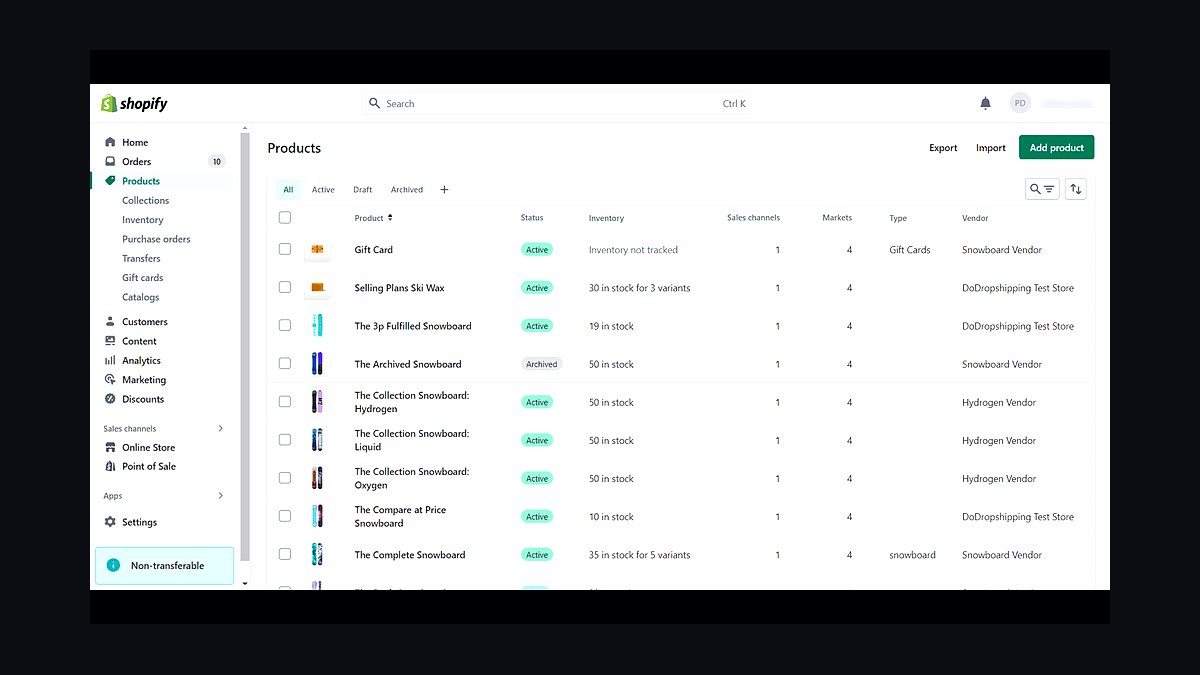
Shopify ranks seventh because it turns a cafe brand into a multi-channel retail business for bags, merch, and shipped beans. The Basic plan runs about $39/month, with a catalog and checkout built for physical product, and it pairs with Recharge for recurring subscription billing. It is only worth adding once shipped retail revenue is real.
It is for cafes and roaster-cafes selling retail bags online or running a coffee subscription. It trades away simplicity: a shop selling a few bags off the shelf should stay on Square Online and skip it. Compared with MarketMan above, Shopify is the revenue channel while MarketMan is the cost-control layer.
8Recharge
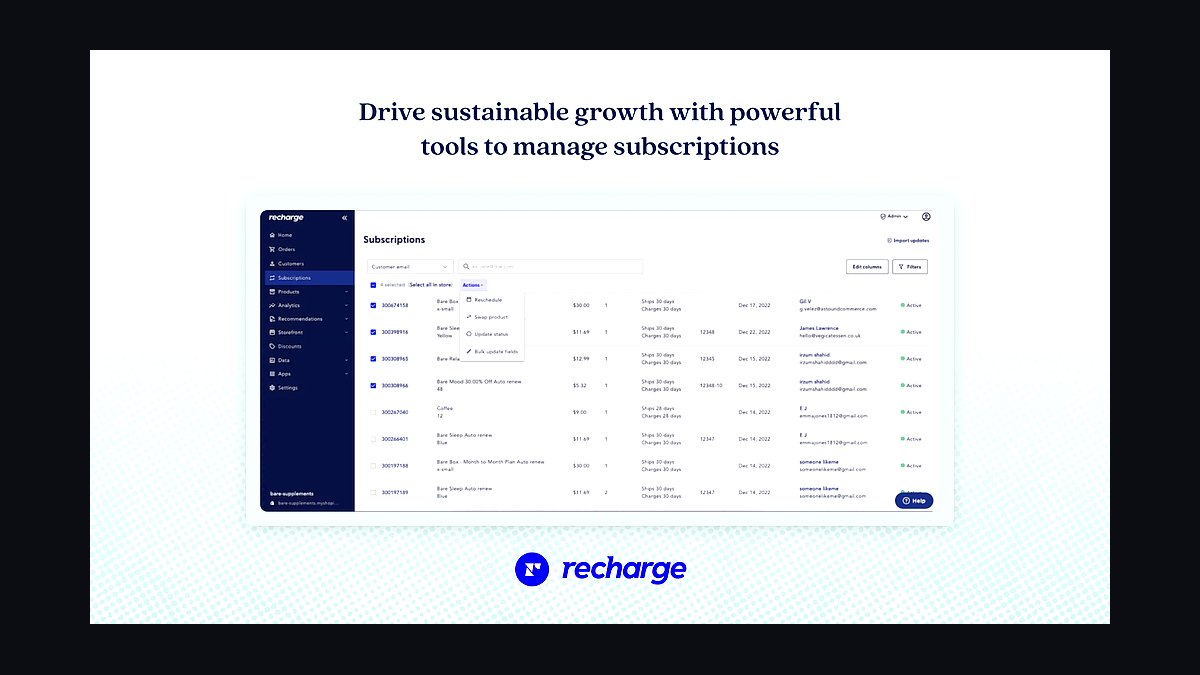
Recharge ranks eighth because coffee subscriptions live or die on recurring billing, and Recharge handles the ship-a-bag-every-two-weeks model that makes them work. Pricing starts around $99/month plus a small per-transaction fee, and it plugs directly into Shopify's checkout and customer records.
It is for roaster-cafes with genuine recurring subscription demand, not a shop testing the idea. It trades away cost and simplicity, since it only earns its fee once subscription volume is meaningful. Compared with Shopify above, Recharge is the billing engine layered on top of the storefront rather than the storefront itself.
9Cropster
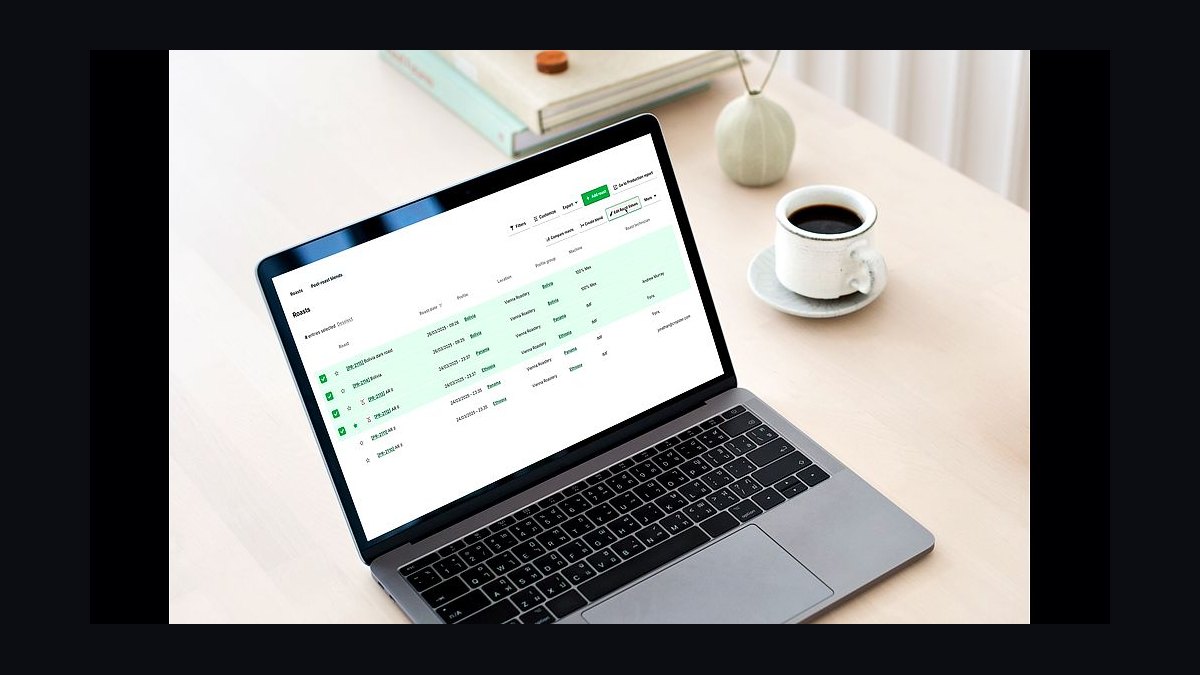
Cropster ranks ninth because it is the coffee-industry standard for roast profiling, green-coffee inventory, production planning, and wholesale order management, typically a few hundred dollars a month depending on volume. It tracks beans from green lot to wholesale invoice, which generic inventory tools cannot do.
It is only for cafes that actually roast, and buying it speculatively before owning a roaster is a costly mistake. It trades away nothing for roasters but is entirely unnecessary for shops buying roasted beans from a supplier. Compared with Recharge above, Cropster manages production and wholesale while Recharge manages consumer subscriptions.
10QuickBooks Online
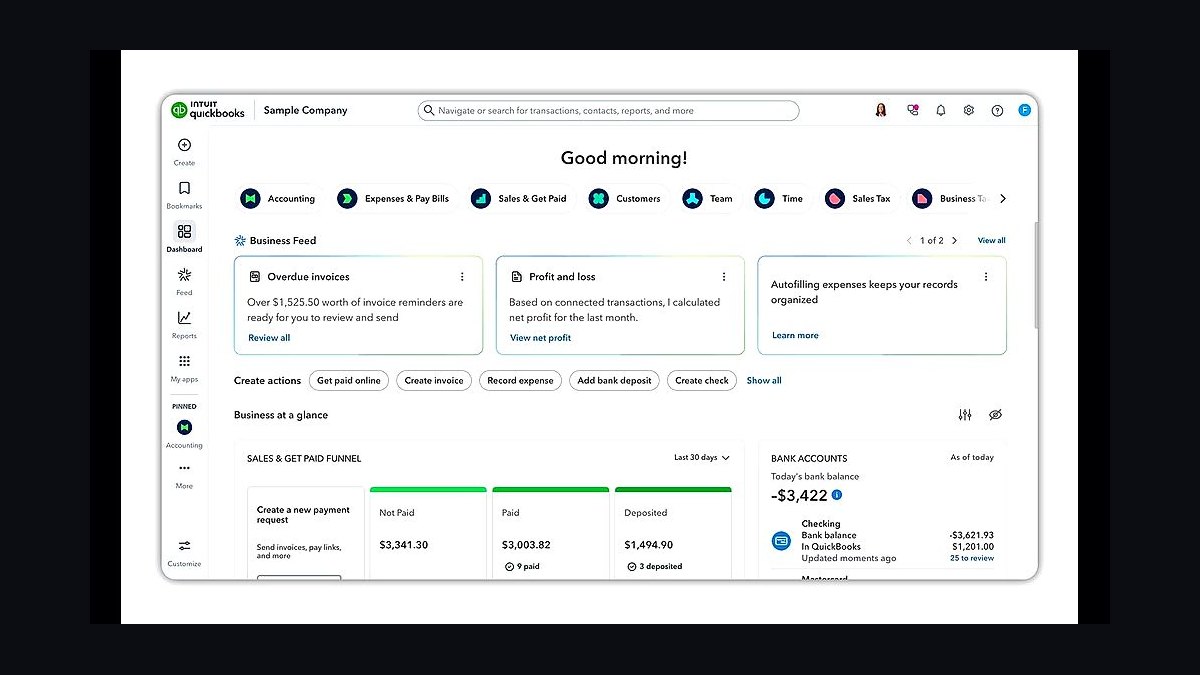
QuickBooks Online ranks tenth because it is the bookkeeping backbone that reconciles daily sales summaries pulled from Square or Toast without manual entry. Pricing runs about $30 to $90 per month, and it is the default accountants expect, with Xero as the common alternate.
It is for every cafe regardless of size, since clean books are non-negotiable infrastructure rather than a differentiator. It trades away nothing meaningful but adds no revenue or operational lift on its own. Compared with Cropster above, QuickBooks handles the money after the sale while Cropster handles production before it.
How we ranked these
We scored each tool on five weighted factors: register speed and order-flow efficiency (30%), mobile order-ahead and loyalty depth (25%), integration with the POS hub (20%), total monthly cost including processing (15%), and supply, labor, or roastery fit (10%). Data came from vendor documentation, published pricing pages, and operator-reported throughput during morning rush windows.
We deliberately ignored feature-count checklists, enterprise scalability beyond eight locations, and vendor awards or analyst quadrants. A cafe rings 300 to 800 low-ticket orders daily, so breadth of features matters far less than whether a barista can ring an oat-milk latte in three taps. Speculative roastery or e-commerce capability was also excluded unless revenue already exists.
What to look for
What matters most is whether the tool protects register speed and repeat frequency, not how many features it lists. Test the actual order flow at rush pace before signing anything, confirm loyalty and order-ahead write into the same POS rather than running parallel, and check that daily sales sync cleanly into QuickBooks. Processing rate and hardware lock-in usually outweigh the monthly software fee.
The mistake most buyers make is buying for the cafe they hope to become. A single shop stands up Shopify, Recharge, and Cropster because roasting and shipping might happen someday, then pays for software it barely touches. The mirror error is choosing a slow, over-configured POS on feature checklists and losing the morning rush. Buy for today's volume, add layers when revenue is real.
Related questions
What POS is best for a single independent coffee shop?
Square for Restaurants is the correct default for most independents: flat transparent processing, fast tap-to-pay, free hardware entry points, and native loyalty and online ordering that remove integration headaches. Pricing runs from a free tier to about $60 per month per location plus roughly 2.6% + $0.10 per tap. Move to Toast only when multi-location needs justify the higher cost and hardware commitment.
How much should a coffee shop budget for software monthly?
A single beverage-led cafe should expect $300 to $900 per month in tooling beyond card processing, covering POS, loyalty, scheduling, supply ordering, and accounting. Multi-location shops run $1,500 to $3,500 monthly. Roaster-cafes selling retail beans and subscriptions land between $2,500 and $5,000 monthly, though those added channels typically pay for the extra software several times over.
Do coffee shops need a separate loyalty app from their POS?
For a single cafe, native POS loyalty such as Square Loyalty at about $45 per month is usually enough and far cheaper to operate. A dedicated layer like Joe Coffee earns its per-order commission once you are multi-location or order-ahead volume is high enough that a branded, discovery-driven app measurably lifts repeat visits. Never run two competing loyalty programs at once.
What does Odeko actually do for a cafe?
Odeko is built specifically for cafes: consolidated next-morning supply ordering for milk, cups, syrups, pastries, and beans, plus demand forecasting and a single delivery. It often carries no software fee because it earns on the supply marketplace. For shops wanting recipe-level food costing and invoice scanning, MarketMan or xtraCHEF handle COGS and inventory variance more rigorously.
Is 7shifts worth it for a four-person cafe staff?
Yes, once sales patterns justify forecasting. 7shifts starts free and runs to roughly $40+ per location monthly for the tiers cafes actually use, forecasting labor against sales, handling shift swaps, and controlling overtime. Homebase is the budget alternate with a genuinely capable free tier for a single shop. Either pays for itself the first time it prevents over-staffing a slow Tuesday afternoon.
When should a cafe add Shopify and Recharge?
Only when retail bean sales or a coffee subscription are real revenue. Shopify Basic runs about $39 monthly for the storefront; Recharge starts near $99 monthly plus a small per-transaction fee for recurring billing. A cafe selling a few bags off the shelf can stay on Square Online and skip both. Add the layer when shipped, recurring revenue is growing, not before.
What is Cropster used for in a roaster-cafe?
Cropster handles roast profiling, green-coffee inventory, production planning, and wholesale order management, typically a few hundred dollars monthly depending on volume. It tracks beans from green lot to wholesale invoice, which a cafe buying roasted beans from a supplier never needs. Artisan is the popular open-source roast-logging alternate for smaller roasters, and Bellwether appears in newer electric setups.
How does a cafe POS connect to accounting?
QuickBooks Online at roughly $30 to $90 monthly is the default, with connectors that pull daily sales summaries from Square or Toast so books reconcile without manual entry. Xero is the common alternate. Pick whichever your accountant prefers, since this is bookkeeping infrastructure rather than a competitive differentiator. Confirm the connector is live before your first month-end close.
FAQ
Do I really need a separate order-ahead app, or is the POS enough?
For a single cafe, native order-ahead such as Square Online or Toast Online is usually enough and far cheaper. A dedicated app like Joe Coffee earns its commission once you are multi-location or order-ahead volume is high enough that a branded, discovery-driven experience meaningfully lifts repeat visits. Start native, upgrade only when the data shows the ceiling.
Square or Toast for a coffee shop?
Square for Restaurants is the right default for most independents: lower cost, faster setup, transparent processing, and excellent native loyalty and online ordering. Move to Toast when you go multi-location or need deeper kitchen-display, labor, and back-office tooling and are willing to pay more and commit to its hardware. Test both order flows at rush speed first.
When does it make sense to add Cropster?
Only when you actually roast. Cropster is for roast profiling, green-coffee inventory, production planning, and wholesale order management. If you buy roasted beans from a supplier, you do not need it, and you should not buy it speculatively before you own a roaster. Wait until roasting is a real, revenue-generating part of the business.
How do I sell coffee subscriptions without it becoming a mess?
Run the storefront on Shopify and the recurring billing on Recharge, which is built for ship-a-bag-every-two-weeks subscriptions. A cafe selling only a few bags off the shelf can stay on Square Online and skip the subscription layer until shipped, recurring revenue is real. Keep the subscription catalog small and the fulfillment promise simple.
What is the most important number this stack should give me?
Speed of service during the rush and repeat-visit frequency. A cafe rings 300 to 800 low-ticket orders daily, mostly compressed into a two-hour morning window, so seconds per order directly determine revenue and walk-offs. Repeat frequency tells you whether loyalty and order-ahead are actually converting occasional visitors into daily regulars.
Can one person administer the whole stack?
Yes for a single cafe. An owner-operator can run Square, Square Loyalty, 7shifts or Homebase, Odeko, and QuickBooks with a few hours a week once everything is configured. Multi-location shops usually justify a part-time ops or marketing role. The complexity arrives with retail e-commerce, subscriptions, and roastery software, not with the core counter stack.
How do I avoid losing the morning rush to a slow POS?
Rush-test the actual order flow with real baristas before signing. If an oat-milk latte takes four taps instead of three, the line backs up and walk-offs cost more than any feature saves. Prioritize tap-to-pay speed, fast modifier screens, and a kitchen or bar display that keeps baristas moving. Speed of service is the throughput metric that matters most.
Should a cafe run loyalty and order-ahead on one platform?
Yes. Running a third-party loyalty program, a separate order-ahead app, and a marketing tool that share no data leaves the customer with two cards and the operator with three partial views of the same person. Pick one layer that owns the customer relationship and integrates with the POS, then let marketing read from that single source.
What should the first 30 days of implementation cover?
Stand up the POS, load the full menu with modifiers and recipes, get hardware and tap-to-pay running, and rush-test the order flow with real baristas. Turn on payments and gift cards, then sync the POS to QuickBooks. The goal is ringing orders fast and clean by day 30. Loyalty, supply, and labor come in the following 60 days.
Does a cafe need a BI tool beyond the POS dashboard?
Not at one location. The Square or Toast dashboard answers nearly every question: sales by daypart, top items, and labor as a percent of sales. Multi-location operators and roaster-cafes that need to blend POS, e-commerce, and wholesale data graduate to Power BI or Looker Studio. Do not buy BI before the native dashboard stops answering your questions.
Sources
- https://squareup.com/us/en/restaurants
- https://pos.toasttab.com/
- https://www.joe.coffee/
- https://www.odeko.com/
- https://www.7shifts.com/
- https://www.shopify.com/
- https://rechargepayments.com/
- https://www.cropster.com/
- https://quickbooks.intuit.com/
- https://www.homebase.com/
Related on PULSE
This page will be disappearing soon. Save it to your device for $1 — or read it free while it is here.
@Kory-White- · if Venmo asks, the last 4 of my number are 2012
This page is gone.
This one is off the shelf now. $1 keeps it on your phone for good — the whole page, pictures and diagrams included.
 pulse-tech-stacksTop 10 Best Tech Stack Tools for Fine-Tuning Platform Companies in 2027
 pulse-tech-stacksTop 10 Best Tech Stack Tools for Vulnerability Management Software Vendors in 2027
 pulse-tech-stacksTop 10 Best Tech Stack Tools for Pressure Washing Companies in 2027
 pulse-tech-stacksTop 10 Best Tech Stack Tools for API Security Vendors in 2027
 pulse-tech-stacksTop 10 Best Tech Stack Tools for Independent Food Trucks in 2027
 pulse-tech-stacksTop 10 Best Tech Stack Tools for AI Customer Support Companies in 2027
 pulse-tech-stacksTop 10 Best Tech Stack Tools for Commercial HVAC Contractors in 2027
 pulse-tech-stacksTop 10 Best Tech Stack Tools for Septic and Portable Sanitation Services in 2027
 pulse-tech-stacksTop 10 Best Tech Stack Tools for CrossFit Boxes in 2027
 pulse-tech-stacksTop 10 Best Tech Stack Tools for Email Security Vendors in 2027