


Top 10 Best Tech Stack Tools for Computer and IT Repair Shops in 2027
Quality
Certified
The 10 best tech stack tools for computer and it repair shops are ranked below on measured performance, build quality, price, and how each one actually holds up in daily use rather than how it reads on a spec sheet. Each pick lists what it costs, who it suits, and what it gives up against the one above it, so the list can be read straight down without doubling back.
1RepairDesk
RepairDesk ranks first because it is the purpose-built hub for phone and computer repair shops in 2027, fusing ticket lifecycle, walk-in POS, parts inventory, and customer SMS notifications in one system. It runs roughly $75-$150 per month per store, tracks a serialized device from intake through pickup, and attaches diagnostic notes and parts to every work order. That single-system fusion is exactly what generic POS tools fail to deliver.
It is for break-fix phone and computer shops that want the cleanest repair-native workflow without bolting on a separate tracker. It trades away the deeper RMM/PSA path that Syncro offers, so shops planning a managed-IT arm should weigh that gap. Against RepairShopr directly below, RepairDesk wins on repair-POS polish while RepairShopr wins on MSP optionality.
2RepairShopr
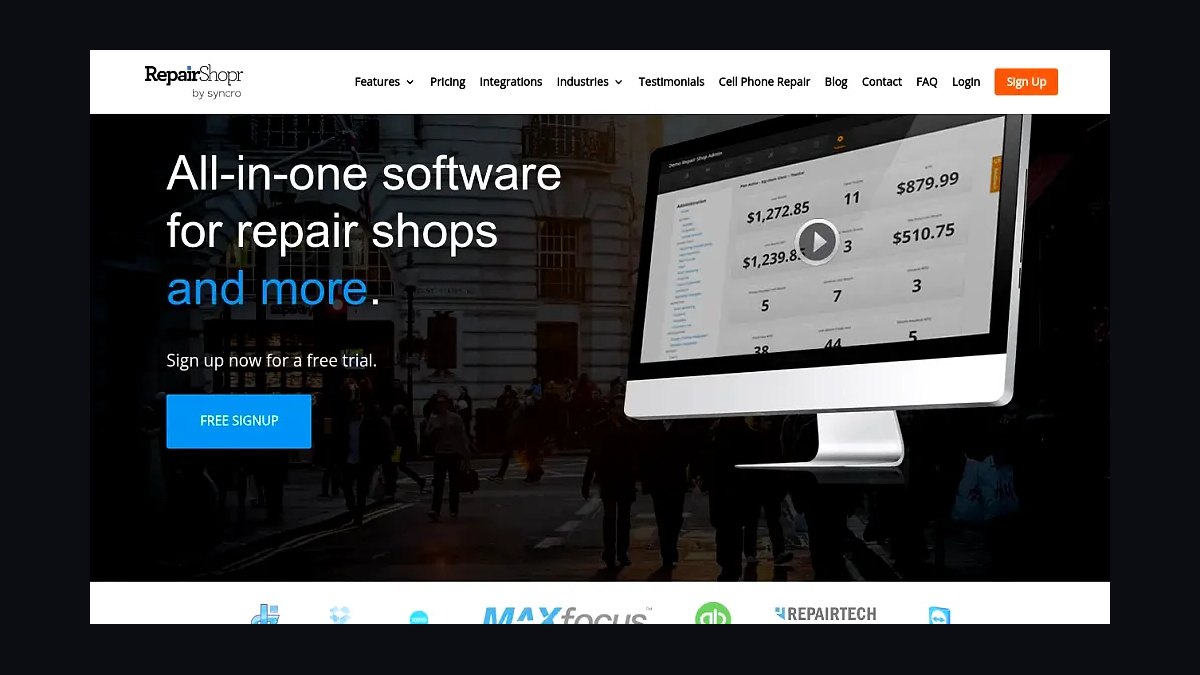
RepairShopr ranks second because it delivers repair ticketing, walk-in POS, and inventory while sharing a platform family with Syncro, giving shops a credible bridge into managed IT. Pricing runs about $99-$169 per user per month, and it handles long multi-step diagnostic tickets that a phone-only shop never sees. The shared Syncro lineage means no migration if a managed-IT arm later emerges.
It is for PC and laptop repair shops with lower volume but higher ticket values, plus shops that may add monitoring contracts later. It trades away some of RepairDesk's repair-counter polish in exchange for that RMM/PSA growth path. Compared with RepairDesk above, it is the better pick when MSP ambitions are real rather than hypothetical.
3Syncro
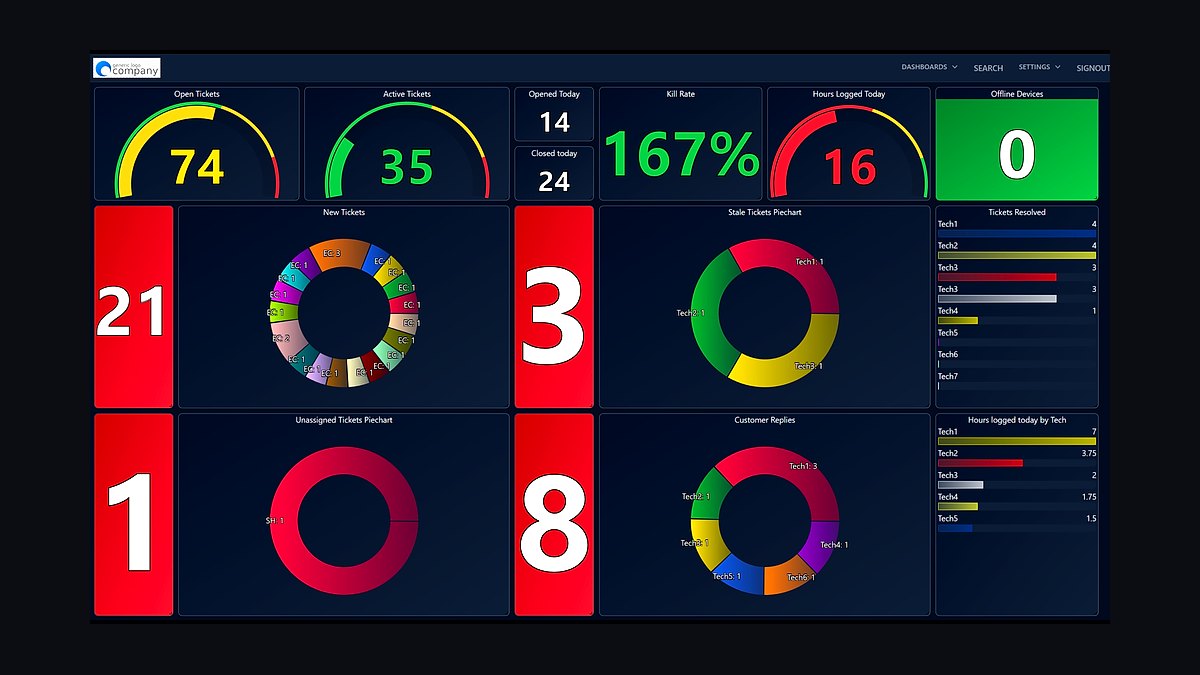
Syncro ranks third because it is the same company's MSP-leaning product, combining repair ticketing with RMM and PSA so a shop straddling break-fix and managed IT runs both motions in one system. Pricing sits around $99-$169 per user per month, and it lets a shop keep the walk-in counter alive while signing small-business monitoring contracts. That dual-model coverage is rare among repair platforms.
It is for shops consciously transitioning into managed services who refuse to run two disconnected systems during the shift. It trades away simplicity, since RMM/PSA depth adds configuration overhead a pure break-fix shop never needs. Against RepairShopr above, Syncro is the deliberate step-up for operators already signing recurring contracts.
4MobileSentrix

MobileSentrix ranks fourth because parts sourcing is the supply chain that keeps repair tickets from stalling, and it is one of the two dominant North American catalogs for screens, batteries, and small parts. There is no software license cost, only the parts themselves, and some platforms including RepairDesk support direct reordering from inside a ticket. A missing common iPhone screen mid-repair sends customers straight to a competitor.
It is for any shop that burns through fast-moving SKUs and needs reliable wholesale availability with reorder thresholds set in inventory. It trades away nothing on price but demands discipline, since dead stock and untracked parts cost quietly erode repair margins. Compared with Injured Gadgets below, MobileSentrix is the primary catalog most shops build their parts bin around.
5Injured Gadgets

Injured Gadgets ranks fifth because it is the second dominant North American repair-parts distributor, giving shops a competitive alternate source for screens, batteries, and tools when one catalog is out of stock. Like MobileSentrix, it carries no license fee, so the cost is purely the parts, and it pairs naturally with the inventory module inside RepairDesk or RepairShopr. Dual sourcing protects against stockouts on high-turnover SKUs.
It is for shops that want supply redundancy and price comparison rather than a single-vendor dependency on their most critical parts. It trades away the direct-ordering integration depth that MobileSentrix enjoys on some platforms, so reordering may be more manual. Against MobileSentrix above, Injured Gadgets is the essential backup catalog, not the primary one.
6Square
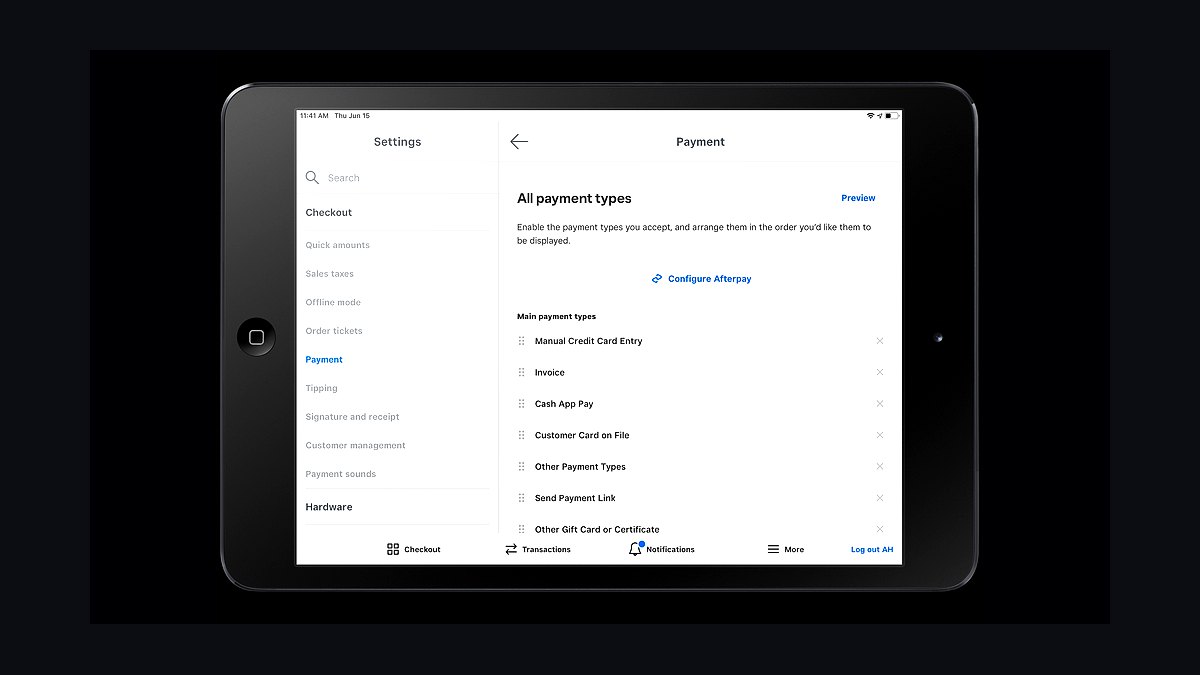
Square ranks sixth because walk-in payments are the moment money actually changes hands, and Square delivers cheap counter hardware, fast checkout, and transparent card-present pricing near 2.6% plus $0.10. It supports tips and rings up both repair labor and retail parts on the same invoice, which suits the repair shop's hybrid retail-plus-service counter. Many repair platforms also offer a native processor as an alternative.
It is for shops that want simple, well-understood counter payments without negotiating merchant rates or buying complex terminals. It trades away the automatic ticket-closing that a native integrated processor provides, so a paid invoice may need a manual status nudge. Compared with Phonecheck below, Square handles the money while Phonecheck handles device grading, two entirely separate layers.
7Phonecheck

Phonecheck ranks seventh because used-device buy and resale is a genuine margin engine, and objective grading lets a shop defensibly price a buy and document true condition before resale. It runs roughly $1-$3 per device check or a monthly plan, running diagnostics and certification on used phones. That documentation protects both the buy price and the resale listing.
It is for shops leaning into refurbishment and resale rather than pure break-fix, where used-device inventory matters as much as the parts bin. It trades away relevance for a pure repair counter, since a shop with no resale operation gains nothing from grading. Against Square above, Phonecheck addresses inventory condition while Square addresses payment collection.
8Podium
Podium ranks eighth because demand for repair shops is local and walk-in, and automated review requests after completed repairs directly feed the Google ranking that brings the next customer through the door. Pricing runs roughly $250-$400 per month, centralizing customer texting and review capture in one place. A strong review profile outperforms almost any paid acquisition for a neighborhood shop.
It is for shops with enough completed tickets that automated review asks compound into visible local ranking gains. It trades away affordability, since a disciplined manual Google review ask plus a strong Business Profile can substitute for solo operators. Compared with Phonecheck above, Podium drives demand while Phonecheck protects resale margin, different but complementary layers.
9QuickBooks Online
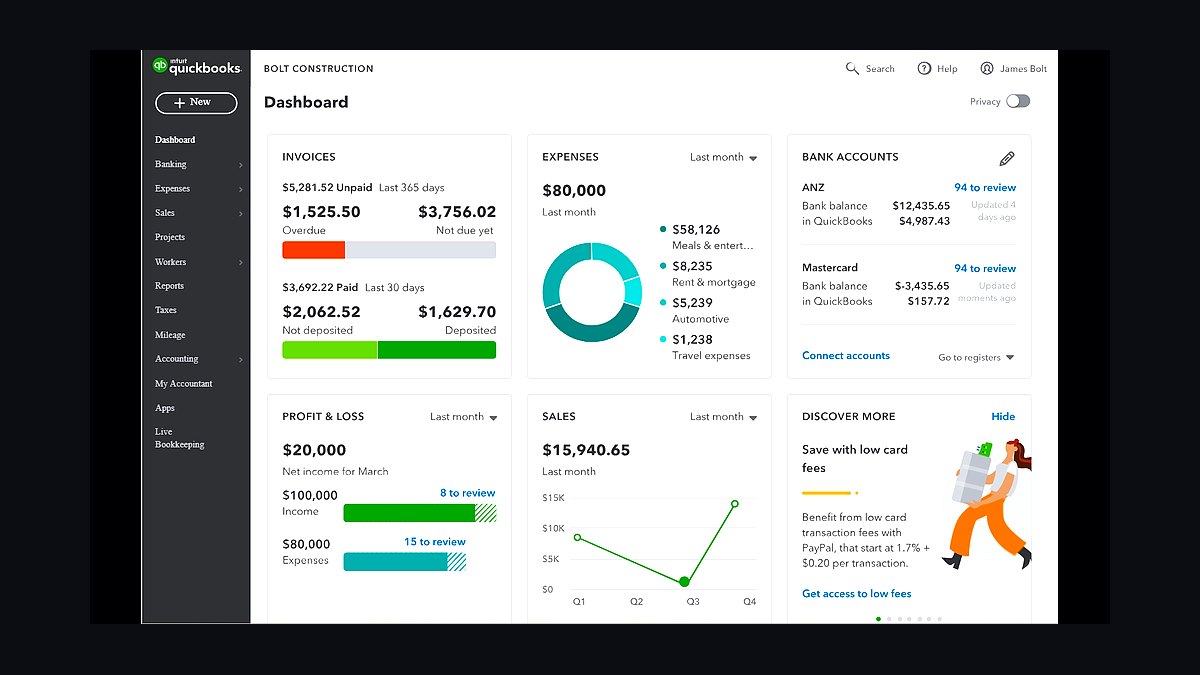
QuickBooks Online ranks ninth because clean books close the loop, and most repair platforms sync invoices, payments, parts COGS, and sales tax directly into it at $30-$90 per month. That automatic push means the owner never re-keys invoices, and parts cost lands correctly against repair revenue. Sales tax handling for taxable parts and labor is a real operational burden it removes.
It is for any shop owner who wants accounting handled without manual data entry from the POS. It trades away nothing essential at this scale, though multi-location operators may eventually outgrow it toward a fuller accounting setup. Against Podium above, QuickBooks handles the back office while Podium handles front-door demand generation.
10Microsoft Power BI
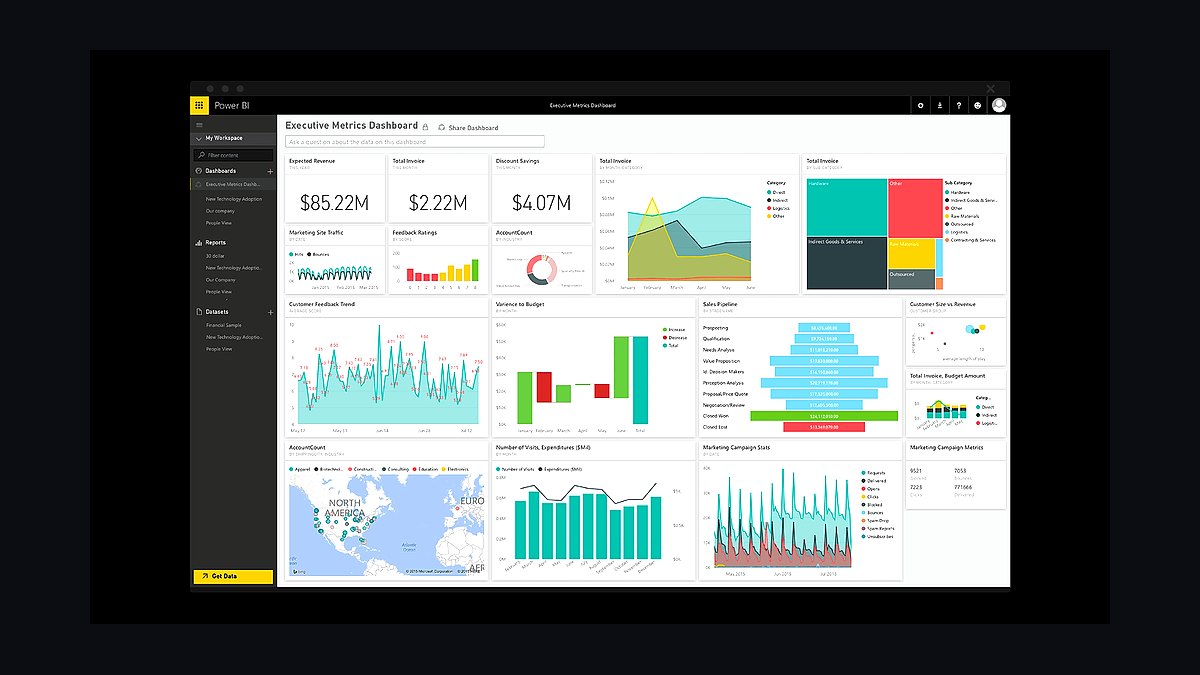
Microsoft Power BI ranks tenth because it only earns its place once a shop has more than one location's worth of data to compare, running about $14 per user per month pulling from a centralized export. It lets a multi-location operator compare store performance, average ticket value, and parts margin across locations. A single shop lives fine on the POS platform's built-in reports instead.
It is for multi-location repair businesses that need cross-store comparison the platform reports cannot provide. It trades away simplicity and adds a data-export pipeline to maintain, which is overkill before scale. Compared with QuickBooks Online above, Power BI analyzes operational performance while QuickBooks records the financial transactions underneath it.
How we ranked these
We ranked tools by weighting the repair-ticket lifecycle as the operational core: ticket tracking, walk-in POS, parts inventory, and customer status notifications carried the most weight, followed by used-device grading, local review capture, and accounting sync. Pricing transparency, integration depth with distributor catalogs, and multi-location scalability were scored next. Each product was assessed against real 2027 subscription costs and the workflow of a device moving from intake to pickup.
We deliberately ignored enterprise MSP features like RMM contract dashboards, SLA reporting, and PSA billing sprawl, because a break-fix repair shop optimizes for device-status tracking and walk-in retail, not recurring monitoring contracts. We also excluded generic field-service and generic retail POS tools, since neither models a parts-attached repair ticket, and skipped long-tail vendors lacking verifiable pricing or distributor integrations.
What to look for
What matters most is whether the platform natively tracks a serialized device through intake, diagnosis, quote approval, repair, and pickup while ringing up walk-in retail on the same invoice. Check parts-inventory depth, distributor ordering integrations, and automated SMS status notifications before comparing feature lists. Multi-location shops should weight centralized inventory and cross-store reporting far above cosmetic dashboard polish.
The mistake most buyers make is choosing a generic POS or field-service tool because it is cheaper, then discovering it cannot attach parts to a work order or notify customers automatically. Retrofitting spreadsheets creates double entry and lost tickets. A second common error is buying full RMM/PSA tooling before any managed-IT contracts exist, paying for MSP infrastructure the shop barely uses while the walk-in counter workflow suffers.
Related questions
What is the best POS and ticketing platform for a phone repair shop in 2027?
RepairDesk is the strongest fit for phone and computer break-fix shops, bundling ticket lifecycle, walk-in POS, parts inventory, and SMS notifications in one system at roughly $75-$150/mo per store. RepairShopr and Syncro are the alternates when a shop wants a light RMM path baked in. Avoid generic field-service tools that cannot model a parts-attached repair ticket.
How much should a solo repair tech budget for software monthly?
A solo owner-operator typically spends $150-$400/mo: RepairDesk or a lean RepairShopr plan, Square for payments, QuickBooks Online for books, and a free Google Business Profile with manual review requests. Parts from MobileSentrix are a separate cost on top. This keeps subscriptions minimal while covering ticketing, payments, parts sourcing, and accounting.
Do repair shops need a separate tool for customer status notifications?
No. The main reason to choose a repair-shop platform is that ticket status and customer SMS or email notifications are native. RepairDesk and RepairShopr both include automated status messages, with SMS usage billed on top at roughly $0.01-$0.03 per message or a small monthly bundle. Buying a separate messaging tool is usually redundant.
Is Phonecheck worth it for a shop that buys and resells used devices?
Yes, if resale is a real margin line. Phonecheck runs a diagnostic and certification on a used phone so you can document true condition, defensibly price the buy, and list it for resale, at roughly $1-$3 per device check or a monthly plan. A pure break-fix shop can skip it, but refurbishers should treat it as core.
What parts distributors integrate with repair-shop POS platforms?
MobileSentrix and Injured Gadgets are the two dominant North American parts catalogs for screens, batteries, and small parts. RepairDesk especially offers direct ordering integrations so a low-stock part can be reordered without leaving the ticket. There is no separate license cost; you pay for parts. Set reorder thresholds on every fast-moving SKU.
When should a repair shop graduate to RepairQ or Syncro enterprise?
Multi-location repair businesses should move to RepairQ or Syncro enterprise when they need centralized inventory across stores and real BI reporting. RepairQ, now under ServiceCentral and Kaseya, is priced by quote. Syncro suits shops straddling repair and managed IT. Single shops rarely need this tier and should stay on RepairDesk or RepairShopr.
Does a computer repair shop need RMM software like Atera or NinjaOne?
Only if the shop is deliberately growing a managed-IT arm with recurring monitoring contracts. Syncro is the natural step-up because it shares a family with RepairShopr, keeping repair tickets and RMM/PSA in one system. A pure break-fix shop should keep this layer optional and small so it does not pull focus from walk-in retail.
How does a repair shop keep parts inventory from stalling tickets?
Set reorder thresholds inside the POS inventory module on every fast-moving SKU, connect MobileSentrix and Injured Gadgets ordering, and track real parts cost so quotes stay profitable. Running out of a common iPhone or Samsung screen mid-repair sends customers to competitors. Parts are the supply chain and deserve the same discipline as the ticket queue.
FAQ
What is the single most important tool in a computer repair shop tech stack?
The repair-shop POS and ticketing platform, such as RepairDesk or RepairShopr and Syncro. It is the hub the entire shop runs through: ticket lifecycle, walk-in POS, parts inventory, and customer notifications in one system. Get this right and the rest of the stack bolts on cleanly.
How is a repair shop tech stack different from an MSP tech stack?
A repair shop optimizes for tracking a serialized physical device through a status pipeline and ringing up walk-in retail on the same invoice. An MSP optimizes for recurring monitoring contracts, SLA dashboards, and RMM endpoints. The unit of work differs: a repair ticket versus a managed contract. That is why generic field-service and MSP tools both fit repair shops badly.
Can a repair shop run on Square alone without a repair platform?
No, not well. Square handles walk-in payments and retail sales but cannot track a device through intake, diagnosis, quote approval, repair, and pickup, nor attach parts to a work order or fire automated status notifications. Shops that start on generic POS quickly add spreadsheets, creating double entry and lost tickets. Use Square for payments alongside a repair-native hub.
What should a repair shop's intake form and warranty paperwork include?
Document the device's condition at intake, record a data-handling consent so customers agree to backup and wipe procedures, and state a written repair warranty. These are trust infrastructure, not optional paperwork. A shop that wipes a machine without a documented backup step or repairs without recording intake condition is one dispute away from a chargeback.
How do repair shops use Podium or Birdeye to drive walk-in traffic?
Podium and Birdeye automate the review request after a completed repair and centralize customer texting, which feeds the Google ranking that brings the next walk-in customer. Expect $250-$400+/mo. A solo shop can substitute a disciplined manual Google review ask plus a well-managed Google Business Profile, saving the subscription until volume justifies it.
What accounting software syncs with repair-shop POS platforms?
QuickBooks Online is the practical default, with most repair platforms syncing invoices, payments, and sales tax automatically at $30-$90/mo. Xero is a fine alternate. The key is that the POS pushes clean sales, cost of goods sold on parts, and tax to the books so the owner is not re-keying invoices by hand each week.
When does a repair shop need Power BI or Looker Studio reporting?
A single shop lives on the POS platform's built-in reports covering tickets closed, average ticket value, parts margin, and tech throughput. A multi-location business that needs to compare stores graduates to Microsoft Power BI at about $14/user/mo or free Google Looker Studio pulling from a centralized data export. Do not buy BI before you have more than one location's data.
What is the biggest mistake repair shops make when choosing software?
Choosing a generic POS or field-service tool because it is cheaper, then discovering it cannot attach parts to a work order or notify customers automatically. Retrofitting spreadsheets creates double entry and lost tickets. A second common error is buying full RMM/PSA tooling before any managed-IT contracts exist, paying for infrastructure the shop barely uses.
How long does it take to implement a repair-shop tech stack?
A realistic 30/60/90 plan works well. Days 0-30: configure the POS and ticketing hub, stand up walk-in payments, and build intake, warranty, and data-handling forms. Days 31-60: load parts inventory with reorder thresholds and turn on automated customer notifications. Days 61-90: connect reviews, sync QuickBooks, and add grading or BI if needed.
Do repair shops need a separate CRM for local marketing?
No. Demand is local and walk-in, so review capture and Google Business Profile management matter more than a sales pipeline. Podium or Birdeye covers review requests and customer texting, while the POS platform holds the customer history. A dedicated CRM adds cost and complexity without addressing the walk-in discovery problem that actually drives repair revenue.
Sources
- https://www.repairdesk.co/
- https://www.repairshopr.com/
- https://www.syncromsp.com/
- https://www.mobilesentrix.com/
- https://www.injuredgadgets.com/
- https://squareup.com/us/en
- https://www.phonecheck.com/
- https://www.podium.com/
- https://quickbooks.intuit.com/
- https://www.gartner.com/en/documents
Related on PULSE
This page will be disappearing soon. Save it to your device for $1 — or read it free while it is here.
@Kory-White- · if Venmo asks, the last 4 of my number are 2012
This page is gone.
This one is off the shelf now. $1 keeps it on your phone for good — the whole page, pictures and diagrams included.
 pulse-tech-stacksTop 10 Best Tech Stack Tools for Fine-Tuning Platform Companies in 2027
 pulse-tech-stacksTop 10 Best Tech Stack Tools for AI Customer Support Companies in 2027
 pulse-tech-stacksTop 10 Best Tech Stack Tools for HOA and Community Association Management Companies in 2027
 pulse-tech-stacksTop 10 Best Tech Stack Tools for Home Builders and Residential Developers in 2027
 pulse-tech-stacksTop 10 Best Tech Stack Tools for Independent Food Trucks in 2027
 pulse-tech-stacksTop 10 Best Tech Stack Tools for B2B SaaS Companies in 2027
 pulse-tech-stacksTop 10 Best Tech Stack Tools for API Security Vendors in 2027
 tkTop 10 Best Tech Stack Tools for Fencing and Deck Contractors in 2027
 pulse-tech-stacksTop 10 Best Tech Stack Tools for CrossFit Boxes in 2027
 pulse-tech-stacksTop 10 Best Tech Stack Tools for Window Cleaning Services in 2027