


Top 10 Best Tech Stack Tools for Casino and Gaming Resorts in 2027
Quality
Certified
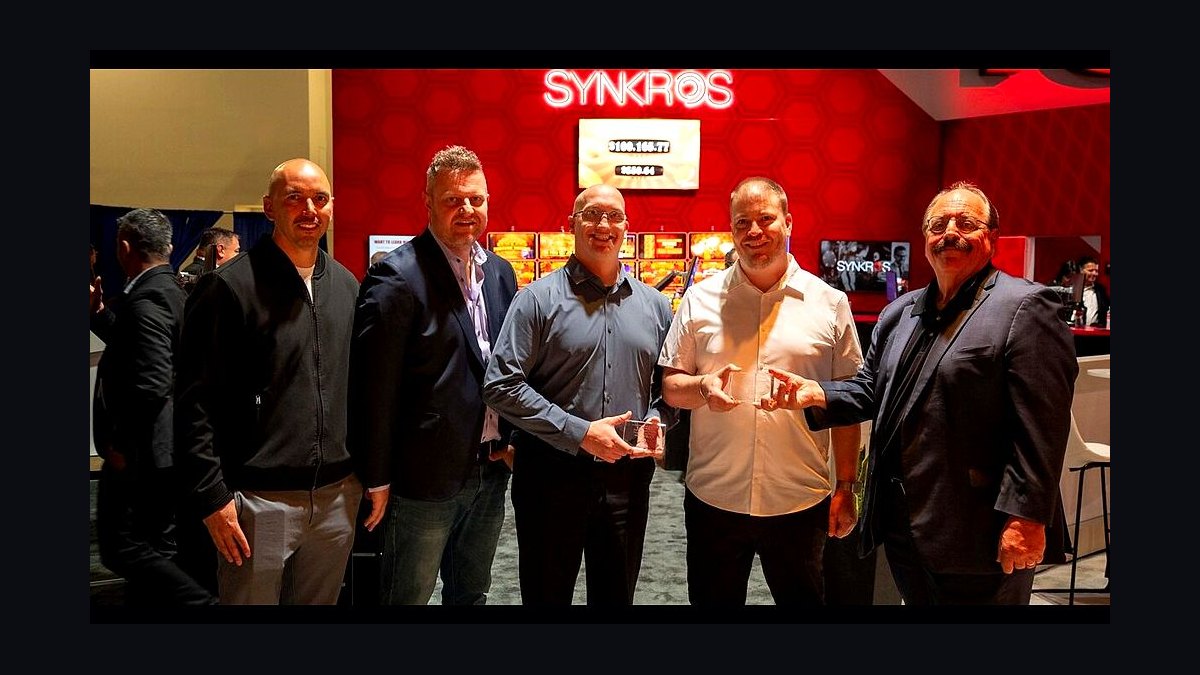
The 10 best tech stack tools for casino and gaming resorts are ranked below on measured performance, build quality, price, and how each one actually holds up in daily use rather than how it reads on a spec sheet. Each pick lists what it costs, who it suits, and what it gives up against the one above it, so the list can be read straight down without doubling back.
1Konami SYNKROS Casino Management System
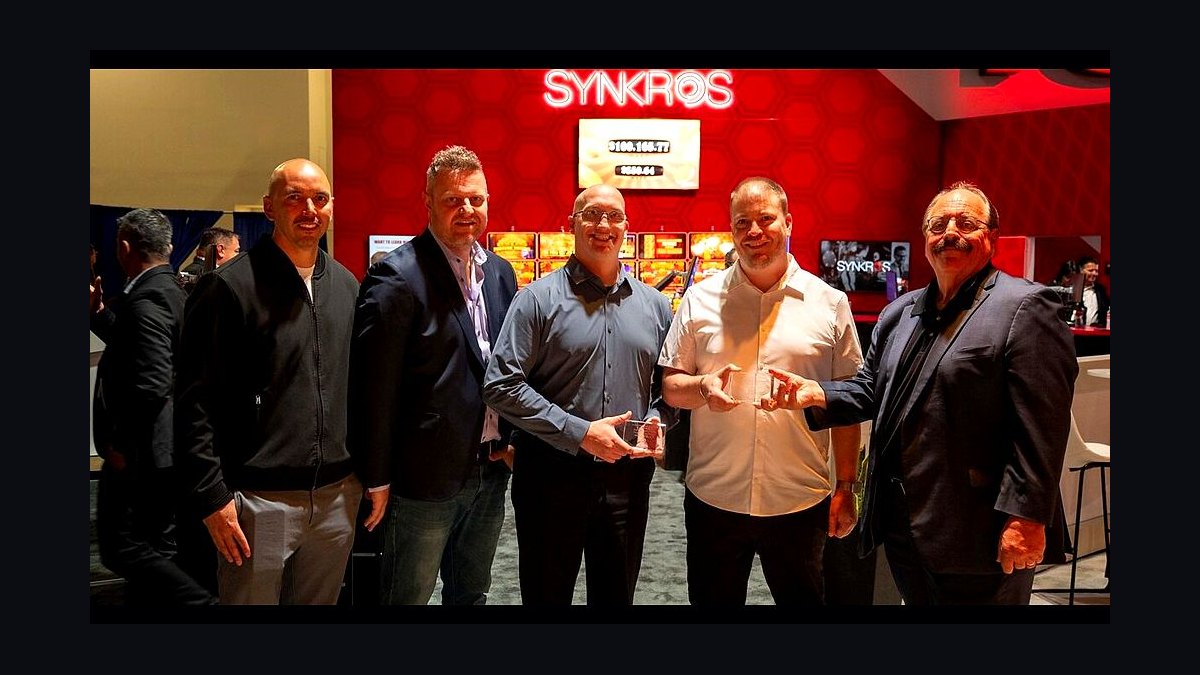
SYNKROS ranks first because it is the cloud-friendly casino management system most greenfield and refresh projects converge on, architected for flexible bonusing logic and near-real-time rated-play event feeds that downstream PMS, POS, and CRM systems subscribe to. It computes slot theoretical win per day and table theoretical loss per hour as the authoritative system of record, which is the number every comp and host decision depends on.
It suits operators building new or replacing an aging CMS who want modern architecture and flexible bonusing rather than maximum slot-floor integration depth. The trade-off is that properties already running a heavy IGT slot floor carry real transition risk moving off IGT Advantage, because hardware-level integration is deeper there. Against IGT Advantage directly below, SYNKROS wins on architecture and loses on installed-base integration with existing IGT hardware.
2IGT Advantage Casino Management System

IGT Advantage ranks second because it is the CMS of record at MGM, Caesars, and Penn-scale properties, where its integration with IGT's own slot hardware and the sheer size of the installed base outweigh architectural modernity. It handles rated play, theoretical win computation, and Title 31 reporting at properties running 5,000-plus slots, where run-rate software spend clears $3 million a month.
It is built for operators with a heavy existing IGT slot floor who value integration depth over cloud-native design. The trade-off is slower movement on flexible bonusing and cloud deployment compared with SYNKROS. Against SYNKROS directly above, Advantage wins on installed-base integration and loses on greenfield architecture, which is why new builds usually pick SYNKROS and existing IGT floors usually stay put.
3Agilysys LMS Hotel PMS
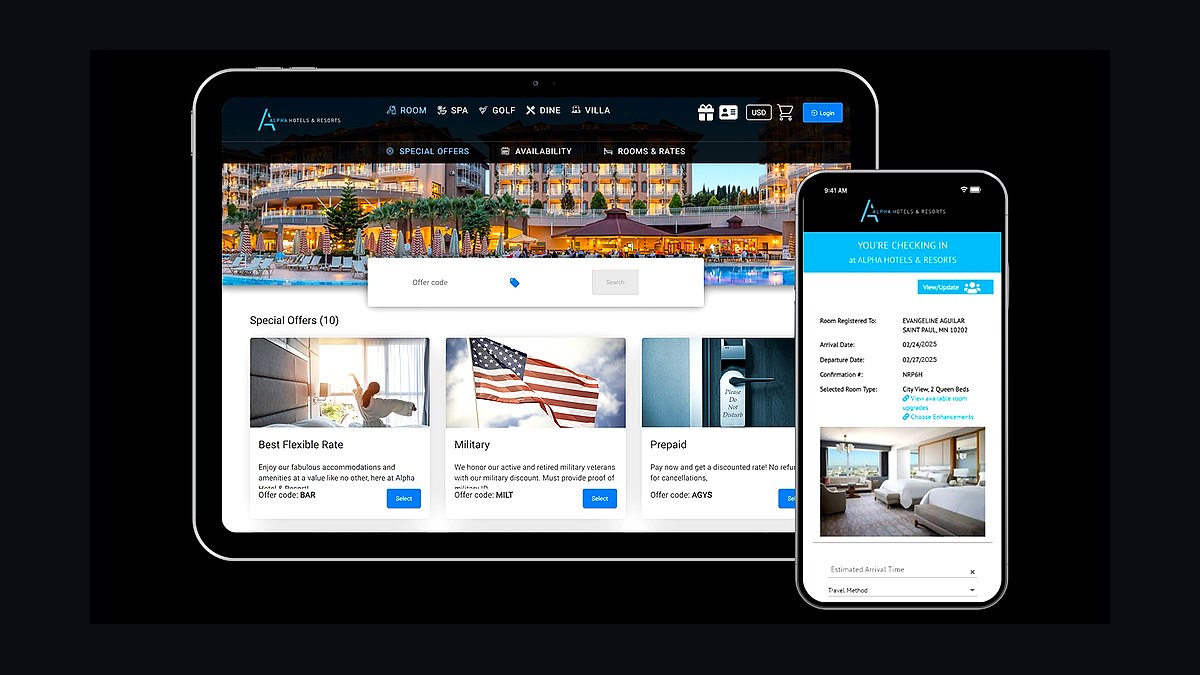
Agilysys LMS ranks third because it is the default hotel PMS across casino resorts, with casino-specific integrations into both SYNKROS and IGT Advantage that are deeper than what Oracle OPERA Cloud offers. Licensing runs roughly $10 to $25 per room per month, and the PMS reconciles comp authority against rated-play data so a host-comped suite is not billed rack rate at check-in. It consumes near-real-time CMS event feeds rather than nightly batch syncs.
It fits properties already inside the Agilysys ecosystem, which is most casino resorts, and especially those with active same-day comp activity. The trade-off is that brand-managed or non-Agilysys regions may reasonably standardize on Oracle OPERA Cloud instead. Against the CMS picks above, LMS is downstream and dependent — it only works as well as the rated-play feed it receives from SYNKROS or IGT Advantage.
4Agilysys InfoGenesis F&B POS
InfoGenesis ranks fourth because its native casino-comp and loyalty integration is the deciding factor for casino resort F&B, letting dining comps clear at the point of sale instead of requiring a manual override. Enterprise contracts price around $200 per terminal per month, and a mega-resort can run 200 to 300 terminals across restaurants, bars, and banquet space. It applies comps against the shared player ID in real time.
It suits properties that want comps to resolve at the POS without host intervention, particularly resorts with high same-day comp volume. The trade-off is that a property already standardized on Oracle hospitality technology may choose MICROS Simphony for ecosystem consistency over marginal integration depth. Against Agilysys LMS directly above, InfoGenesis extends the same Agilysys ecosystem from rooms to restaurants, sharing the player ID rather than duplicating it.
5Salesforce Marketing Cloud
Salesforce Marketing Cloud ranks fifth because it is the guest CRM and campaign layer that turns rated-play data into offers, deciding who gets a $500 free-play email versus a host phone call. Enterprise licensing starts near $165 per user per month, but Marketing Cloud sized to a resort's contact volume is the bigger line item, with major properties spending $500,000 to $3 million a year on that layer alone.
It fits operators with enough contact volume and segmentation complexity to justify the platform, not small properties running basic loyalty outreach. The trade-off is that Marketing Cloud is structurally incapable of computing theoretical win, so it must consume that number from the CMS rather than reconstruct it. Against the operational systems above, it is the marketing brain sitting downstream of the CMS system of record.
6BetMGM Sportsbook Platform
BetMGM ranks sixth because it is the owned sportsbook platform model that MGM runs, giving full control over loyalty integration and odds and risk management. The value is that a mobile wager translates into tier credit on the physical loyalty card within the same session, so a high-volume bettor sees action counting toward casino status immediately. That integration is worth millions in guest retention when it works.
It fits operators at MGM scale, where the platform investment pays for itself and loyalty integration is a competitive weapon. The trade-off is that building and running an owned sportsbook only makes sense at that scale, so regional and tribal operators are better served white-labeling. Against Salesforce Marketing Cloud above, BetMGM is the wagering layer that feeds loyalty signals back into the same player record.
7Caesars Sportsbook Platform
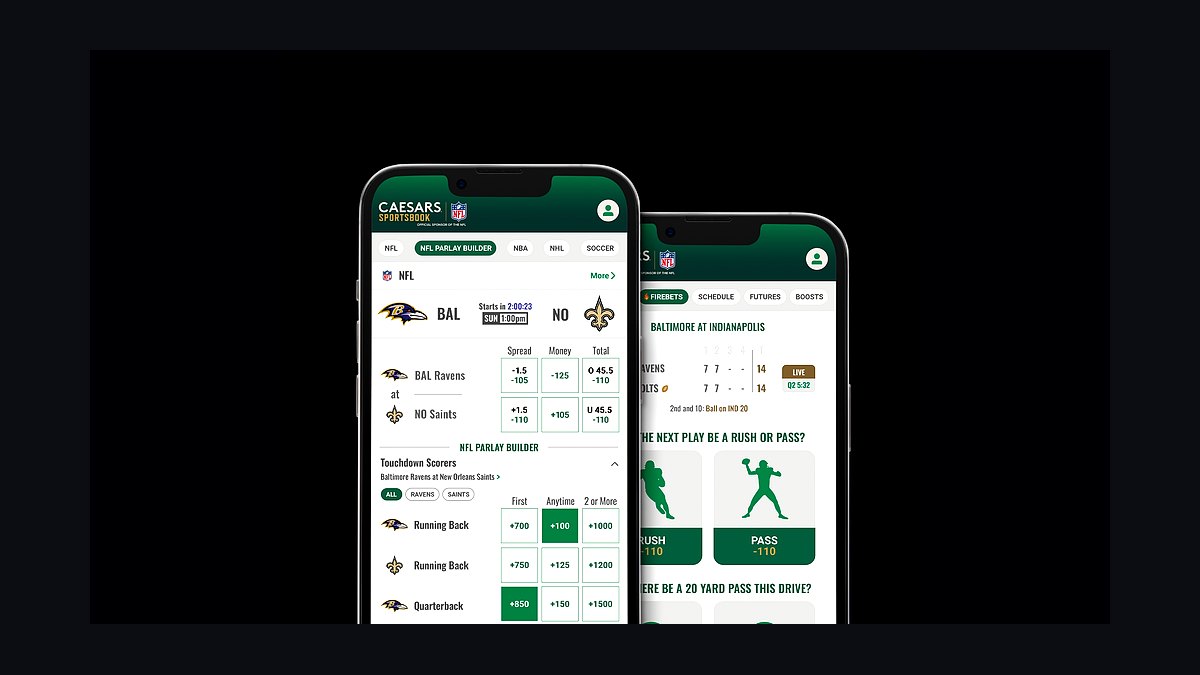
Caesars Sportsbook ranks seventh because it is the second owned-platform model at scale, integrating wager volume into Caesars Rewards so sports action credits tier status alongside slot and table play. Like BetMGM, it gives the operator full control over odds, risk, and the loyalty handoff rather than accepting a revenue-share arrangement. The deciding factor is whether the property has the brand and technology budget to justify an owned platform.
It fits Caesars-scale operators with an existing rewards program large enough to absorb sports wagering as another earning channel. The trade-off is the same as BetMGM's: owned platforms are expensive and only pay off at scale. Against BetMGM directly above, Caesars Sportsbook is the comparable owned alternative, and the choice between them usually comes down to which rewards ecosystem the property already runs.
8DraftKings B2B Sportsbook
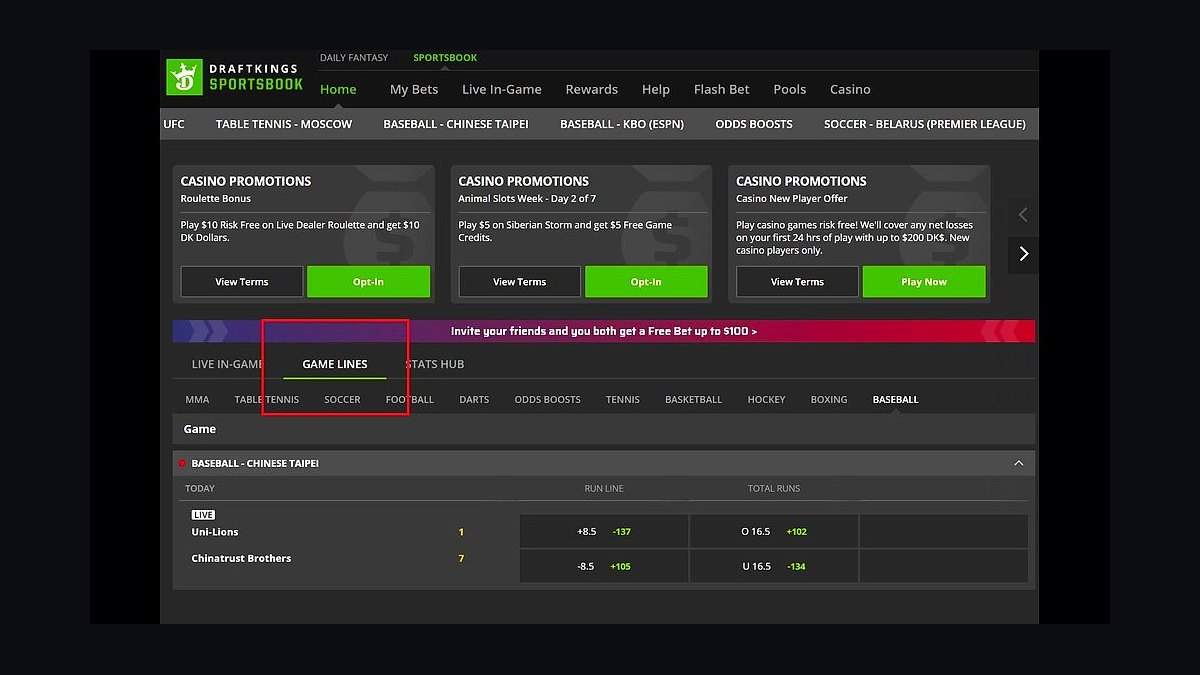
DraftKings B2B ranks eighth because it is the white-label path that lets regional and tribal operators skip the platform build entirely, accepting a revenue-share arrangement in exchange for not owning sports betting technology. For operators without in-house capability, this is almost always the better call than building, since the platform investment only pays off at MGM or Caesars scale. It still needs to reconcile wager volume back into a shared loyalty wallet.
It fits regional and tribal properties that want a branded sportsbook without the engineering and risk-management overhead of running one. The trade-off is revenue share and less control over loyalty integration depth compared with an owned platform. Against BetMGM and Caesars Sportsbook above, DraftKings B2B trades margin and control for speed and lower capital outlay.
9Snowflake Data Cloud
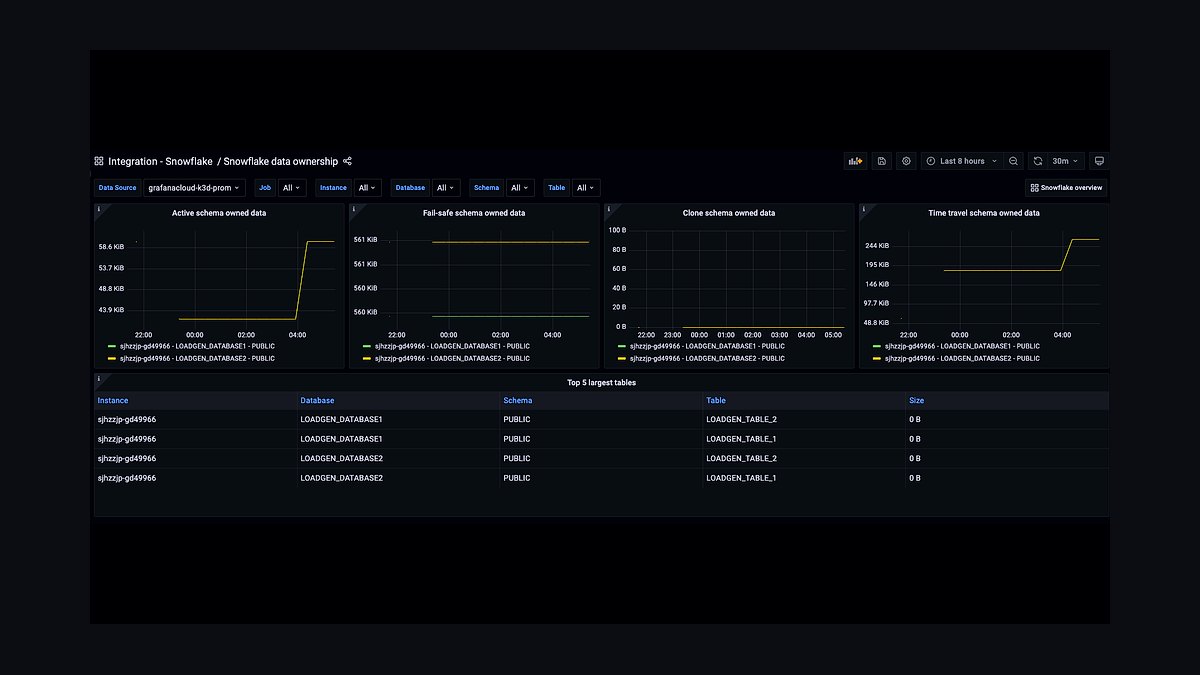
Snowflake ranks ninth because it is the analytics warehouse that consolidates CMS, PMS, and POS data so marketing targeting and host decisions draw on one dataset rather than five disconnected ones. Compute for a large operator runs $500,000 to $3 million-plus annually, and even a 500-to-1,500-slot property usually finds an entry-tier deployment right-sized rather than overkill. It pays for itself in targeting accuracy within the first year at most properties.
It fits operators generating enough CMS, PMS, and POS data that a proper warehouse improves marketing precision, which is nearly all of them above small regional scale. The trade-off is that Snowflake stores and serves data but does not compute theoretical win or apply comps, so it depends entirely on clean feeds from the systems above. Against Salesforce Marketing Cloud above, Snowflake is the data foundation that makes campaign segmentation trustworthy.
10Tableau Analytics Platform
Tableau ranks tenth because it is the visualization layer that turns the Snowflake warehouse into dashboards operations and marketing teams actually read, licensed at roughly $75 per user per month layered on top of warehouse compute. It surfaces rated-play trends, comp liability, and campaign performance for the people making host and budget decisions. Without it, the warehouse data stays locked behind SQL access.
It fits operators who already run a warehouse and need non-technical staff to interrogate rated-play and comp data directly. The trade-off is that Tableau is purely a presentation layer with no computation of its own, so its value is capped by the quality of the Snowflake feeds beneath it. Against Snowflake directly above, Tableau is the last mile that makes the warehouse usable by hosts and marketers rather than only analysts.
How we ranked these
We ranked each tool on five weighted criteria: depth of casino-specific functionality (30%), integration depth with the casino management system as system of record (25%), total cost of ownership at realistic property scale (20%), regulatory and compliance readiness including Title 31 and AML support (15%), and vendor viability plus installed-base track record (10%). Scores came from vendor documentation, published pricing, and operator-reported deployment outcomes.
We deliberately ignored generic hospitality and retail feature checklists, since a rated-play business has requirements a hotel PMS or ERP was never built to satisfy. We also excluded analyst quadrant placement, brand-name recognition, and demo polish, because none of those predict whether a single player ID actually propagates across six systems in production. Integration behavior under load mattered more than any feature list.
Related questions
Do casino resorts need a separate marketing automation platform beyond Salesforce Marketing Cloud?
No. Marketing Cloud already covers multi-channel campaigns, offer personalization, and host outreach when it is properly fed rated-play data from the CMS. A separate marketing automation tool adds integration overhead without adding capability most properties actually use, and it creates a second place where guest tier logic can drift out of sync with the system of record.
Is Snowflake overkill for a small regional casino?
For a 500-to-1,500-slot property without a large hotel, an entry-tier Snowflake deployment is usually right-sized rather than overkill. Even a small property generates enough CMS, PMS, and POS data that a proper warehouse pays for itself in marketing targeting accuracy within the first year, and it avoids the spreadsheet sprawl that plagues smaller operators.
How does a casino resort's stack differ from a standalone commercial sportsbook's stack?
A standalone sportsbook only needs odds, risk, and payout infrastructure. A casino resort's sportsbook layer must additionally reconcile wager volume back into a shared loyalty wallet alongside slot and table play. The integration requirement, not the betting technology itself, is what separates the two architectures and what most often breaks in production.
What happens to this stack when a property is acquired or rebranded?
The CMS almost always survives an acquisition because migrating rated-play history is high-risk and audit-sensitive. Loyalty program branding, PMS, and marketing CRM are far more likely to be replaced or consolidated onto the acquiring operator's existing platforms, so plan integration contracts with that consolidation scenario in mind from day one.
How fast does CMS-to-PMS sync actually need to be?
Near-real-time, not nightly batch. Any property running overnight syncs between rated play and hotel folio status will see comp and billing errors surface at check-in for same-day high-value guests. Event-driven propagation from the CMS outward is the pattern operations teams converge on after their first visible guest-facing failure.
Can a property run rated play on a generic CRM instead of a CMS?
No. Salesforce and its peers are excellent at guest marketing but structurally incapable of calculating theoretical win per slot per day. Properties that try to approximate this end up with hosts comping the wrong players while the highest-value guests go unrecognized, which is the single most expensive mistake in this category.
Where does surveillance fit into the player-ID architecture?
Surveillance sits in a parallel lane that intersects with the player-ID architecture only at the compliance layer. Wynguard or Synectics footage does not need to know who a guest is in real time, but it must be time- and location-indexed well enough to pull footage tied to a flagged cash transaction within minutes.
Should a tribal operator build or white-label its sportsbook?
White-label through DraftKings B2B or BetMGM. Only operators with MGM- or Caesars-scale brand and technology budgets should build an owned sportsbook platform, because the platform investment only pays for itself at that scale. Penn Entertainment's path through multiple sportsbook partnerships before ESPN BET illustrates how much this decision can shift.
FAQ
Konami SYNKROS or IGT Advantage — which CMS should a new property choose?
SYNKROS for greenfield builds or full technology refreshes that want modern, cloud-friendly architecture and flexible bonusing logic. IGT Advantage when the property already runs a heavy IGT slot floor and the deepest installed-base integration matters more than architectural modernity. Neither answer is universally correct; what a property is walking away from drives the decision.
Agilysys LMS or Oracle OPERA Cloud for hotel PMS?
LMS or Stay for properties already inside the Agilysys ecosystem, which is most casino resorts. OPERA Cloud fits non-Agilysys or brand-managed properties where corporate standardization outweighs marginal integration cost. The deciding factor is always how cleanly the PMS reconciles comp authority with the CMS, and Agilysys wins that comparison by design.
Do regional sportsbooks need their own platform or can they white-label?
Regional and tribal operators without in-house sports betting technology should white-label through DraftKings B2B or BetMGM rather than building their own. Only operators with MGM- or Caesars-scale brand and technology budgets should build an owned sportsbook platform, accepting a revenue-share arrangement in exchange for skipping the platform build entirely.
InfoGenesis or MICROS Simphony for F&B POS?
InfoGenesis is the default for casino resort F&B because of its native casino-comp and loyalty integration depth. Simphony fits properties already standardized on Oracle's broader hospitality stack, where ecosystem consistency outweighs the marginal integration advantage. A mega-resort may run 200 to 300 terminals, so this choice compounds across every outlet.
What's the single most expensive integration to get wrong?
Sportsbook-to-loyalty. A high-volume sports bettor who does not see wagers earning tier credit in real time will move to a competitor within weeks. Getting BetMGM Rewards into M life, or Caesars Sportsbook into Caesars Rewards, correctly is worth millions in guest retention and is disproportionately cheap to fix early.
How fast does the CMS-to-PMS sync need to be to avoid guest-facing errors?
Near-real-time, not nightly batch. Any property running overnight syncs between rated play and hotel folio status will see comp and billing errors surface at check-in for same-day high-value guests. The fix operations teams converge on is an event feed the PMS, POS, and CRM all subscribe to.
What does this stack actually cost per month at realistic scale?
A small regional casino lands around $80,000 to $250,000 monthly. A mid-size resort with 2,000 to 5,000 slots and a branded regional sportsbook runs $400,000 to $1.5 million. Top-of-market integrated resorts clear $3 million monthly before internal engineering and compliance headcount.
Is surveillance retention really a technology budget line or a compliance one?
Compliance. If Wynguard or Synectics is not retaining footage for the state-mandated minimum, or cannot produce it on demand during a gaming commission audit, the property faces license sanctions that dwarf any savings from under-investing. Operations leaders should resist cost-cutting pressure here entirely.
Can a property swap its CMS after go-live?
Almost never. Migrating rated-play history is high-risk and audit-sensitive, which is why the CMS is the least replaceable layer in the stack. The sportsbook layer, by contrast, is far more replaceable, and operators should treat it that way when negotiating contracts and integration commitments.
Does a casino resort need a separate AML platform beyond the CMS?
Yes, at any meaningful scale. Hummingbird, Quantifind, or Verafin wrapped around an internal host typically cost a major property $300,000 to $2 million a year depending on transaction volume and rated high-value players tracked. Title 31 reporting and KYC obligations are not something a generic hospitality suite was built to handle.
Sources
- https://www.konamigaming.com
- https://www.igt.com
- https://www.agilysys.com
- https://ir.draftkings.com
- https://www.salesforce.com/products/marketing-cloud
- https://www.snowflake.com
- https://www.tableau.com
- https://www.americangaming.org
- https://www.oracle.com/hospitality
Related on PULSE
This page will be disappearing soon. Save it to your device for $1 — or read it free while it is here.
@Kory-White- · if Venmo asks, the last 4 of my number are 2012
This page is gone.
This one is off the shelf now. $1 keeps it on your phone for good — the whole page, pictures and diagrams included.
 pulse-tech-stacksTop 10 Best Tech Stack Tools for Software Development Agencies in 2027
 pulse-tech-stacksTop 10 Best Tech Stack Tools for Garden Centers and Nurseries in 2027
 pulse-tech-stacksTop 10 Best Tech Stack Tools for Public Relations Agencies in 2027
 pulse-tech-stacksTop 10 Best Tech Stack Tools for Independent Roofing Contractors in 2027
 pulse-tech-stacksTop 10 Best Tech Stack Tools for Mobile Threat Defense (MTD) Vendors in 2027
 pulse-tech-stacksTop 10 Best Tech Stack Tools for Home Builders and Residential Developers in 2027
 pulse-tech-stacksTop 10 Best Tech Stack Tools for Employee Benefits Consulting Firms in 2027
 pulse-tech-stacksTop 10 Best Tech Stack Tools for AI Translation API Companies in 2027
 pulse-tech-stacksTop 10 Best Tech Stack Tools for Medical Billing and RCM Companies in 2027
 pulse-tech-stacksTop 10 Best Tech Stack Tools for Email Security Vendors in 2027