


Top 10 Best Tech Stack Tools for Retail Pharmacy Chains in 2027
Quality
Certified
The 10 best tech stack tools for retail pharmacy chains are ranked below on measured performance, build quality, price, and how each one actually holds up in daily use rather than how it reads on a spec sheet. Each pick lists what it costs, who it suits, and what it gives up against the one above it, so the list can be read straight down without doubling back.
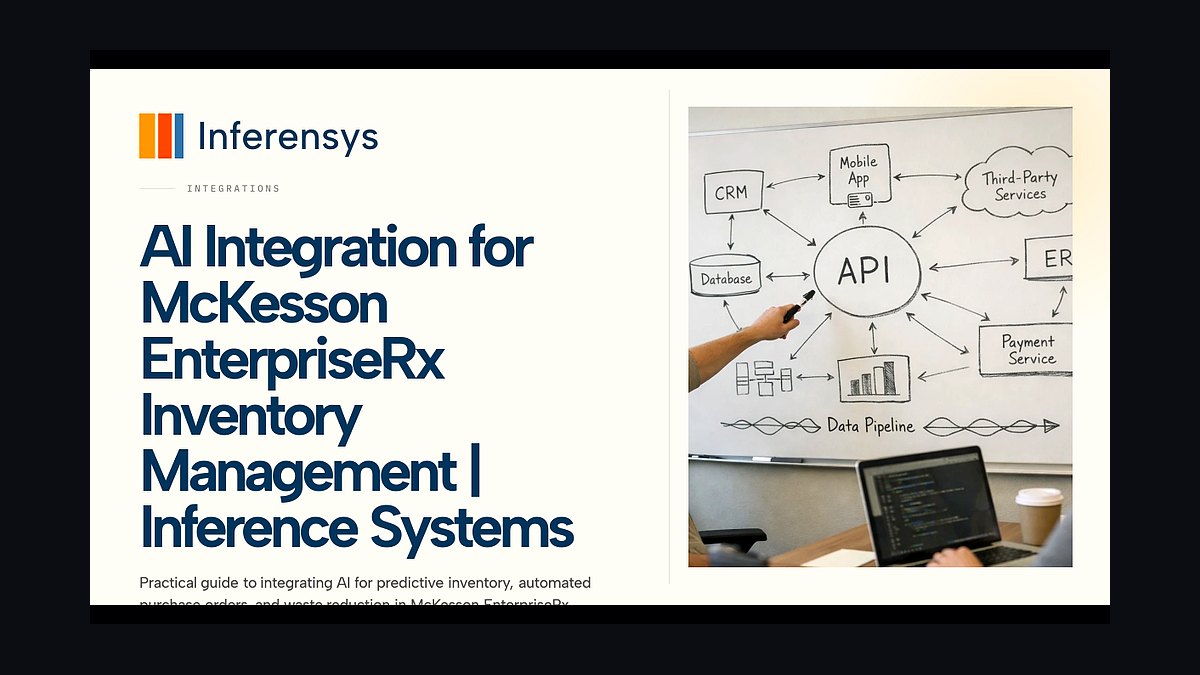
1McKesson EnterpriseRx

EnterpriseRx ranks first because it is the cloud-native multi-store pharmacy management system built specifically for chains, not independents. It runs intake, drug-utilization review, pharmacist verification, label printing, will-call, counseling logs, controlled-substance recordkeeping, and third-party claim submission across a whole store fleet from one platform. Tight alignment with McKesson's supply relationship deepens the PMS-to-wholesaler EDI integration.
It is for regional and national chains that want multi-store administration and clinical workflow depth over store-level polish. The trade-off is lock-in: switching wholesalers and switching dispensing platforms become the same project. PioneerRx, ranked second, wins on store-level user experience and scales up from an independent footprint, but EnterpriseRx carries more chain-grade administration.
2PioneerRx

PioneerRx ranks second because it dominates independents and small chains and scales into multi-store, now under RedSail Technologies. It carries the strongest store-level user experience in the field, which matters when technician turnover is high and every second of queue time compounds. Chains scaling up from an independent footprint can migrate without abandoning familiar workflows.
It is for small and growing chains that prioritize usability and a proven independent track record over deep multi-store administration. The trade-off is that enterprise-grade fleet management and wholesaler bundling are thinner than EnterpriseRx, ranked first. BestRx, ranked third, sits materially lower on price and capability for cost-conscious operators.
3BestRx

BestRx ranks third because it is the budget independent option, priced in the mid-to-high hundreds per store per month versus low four figures for PioneerRx. For a chain that needs compliant dispensing, claims, and controlled-substance recordkeeping without paying for enterprise administration, it delivers the regulated core at the lowest defensible cost. It covers intake, verification, labeling, and third-party claim submission.
It is for cost-conscious small chains and independents where software spend is the binding constraint. The trade-off is depth: clinical workflow, multi-store reporting, and wholesaler integration are leaner than PioneerRx, ranked second. QS/1 and Liberty Software, ranked fourth, round out the field for chains wanting alternatives at similar price points.
4QS/1

QS/1 ranks fourth because it is a long-established pharmacy management system that rounds out the field alongside Liberty Software, giving chains a credible alternative when PioneerRx and BestRx pricing or fit is wrong. It handles the regulated dispensing core: intake, drug-utilization review, verification, labeling, will-call, and third-party claim submission. Its longevity means a deep installed base and referenceable customers.
It is for chains that want a proven, non-McKesson dispensing platform without moving to a newer entrant. The trade-off is that innovation velocity and cloud-native multi-store administration lag EnterpriseRx, ranked first. Liberty Software, ranked fifth, serves a similar independent and small-chain segment with comparable scope.
5Liberty Software

Liberty Software ranks fifth because it serves the independent and small-chain segment with a complete dispensing platform at a price point competitive with BestRx. It covers intake, verification, labeling, will-call, counseling logs, and claim submission, and it carries a loyal installed base among community pharmacies. For a chain wanting a non-McKesson, non-PioneerRx option, it is a real candidate.
It is for small chains and independents that value vendor independence and predictable pricing over enterprise administration. The trade-off is that multi-store fleet management and analytics are thinner than EnterpriseRx, ranked first. Surescripts, ranked sixth, is the network layer every one of these platforms depends on.
6Surescripts
Surescripts ranks sixth because it is effectively mandatory infrastructure: it carries the overwhelming majority of US e-prescription traffic and is certified into essentially every commercial pharmacy management system. Controlled-substance e-prescribing workflows are built around it, and Real-Time Prescription Benefit runs over the same network. Treat it as shared infrastructure rather than a discretionary vendor decision.
It is for every retail pharmacy chain, regardless of size or dispensing platform. The trade-off is that it is not optional and not differentiated — you do not win on Surescripts, you simply cannot operate without it. DrFirst, ranked seventh, supplements it where health-system and long-term-care connectivity is thin.
7DrFirst
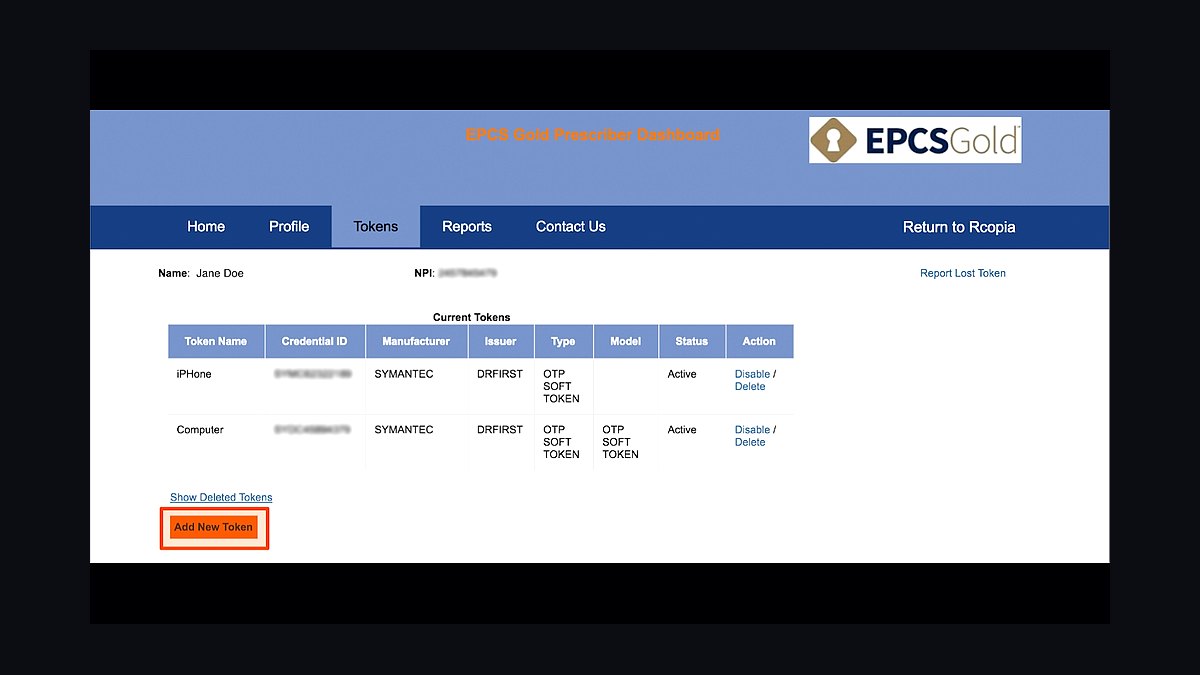
DrFirst ranks seventh because it supplements Surescripts in health-system, long-term-care, and some ambulatory contexts where connectivity is thin. It provides e-prescribing and medication history tooling that fills gaps the primary network does not always reach, which matters for chains serving long-term-care facilities or affiliated health systems. It is a complement, not a replacement.
It is for chains with long-term-care or health-system-adjacent volume that needs connectivity beyond standard retail routing. The trade-off is that it adds a vendor and integration surface for a subset of scripts, so most pure-retail chains skip it. RelayHealth, ranked eighth, handles the claim-switch side of the same transaction flow.
8RelayHealth
RelayHealth ranks eighth because it is the long-standing McKesson-owned claim switch that carries third-party claims from the pharmacy management system to the PBM for adjudication. A clean adjudication returns a paid amount and patient copay; a rejection returns a code the technician must resolve before the label prints. This loop is where revenue is either captured or quietly lost.
It is for chains running McKesson-family dispensing platforms that want a proven switch with deep integration. The trade-off is that switch choice is often dictated by the PMS and wholesaler relationship, so it is rarely a standalone decision. Pharmacy Quality Solutions EQuIPP, ranked ninth, closes the quality loop that feeds reimbursement.
9Pharmacy Quality Solutions EQuIPP
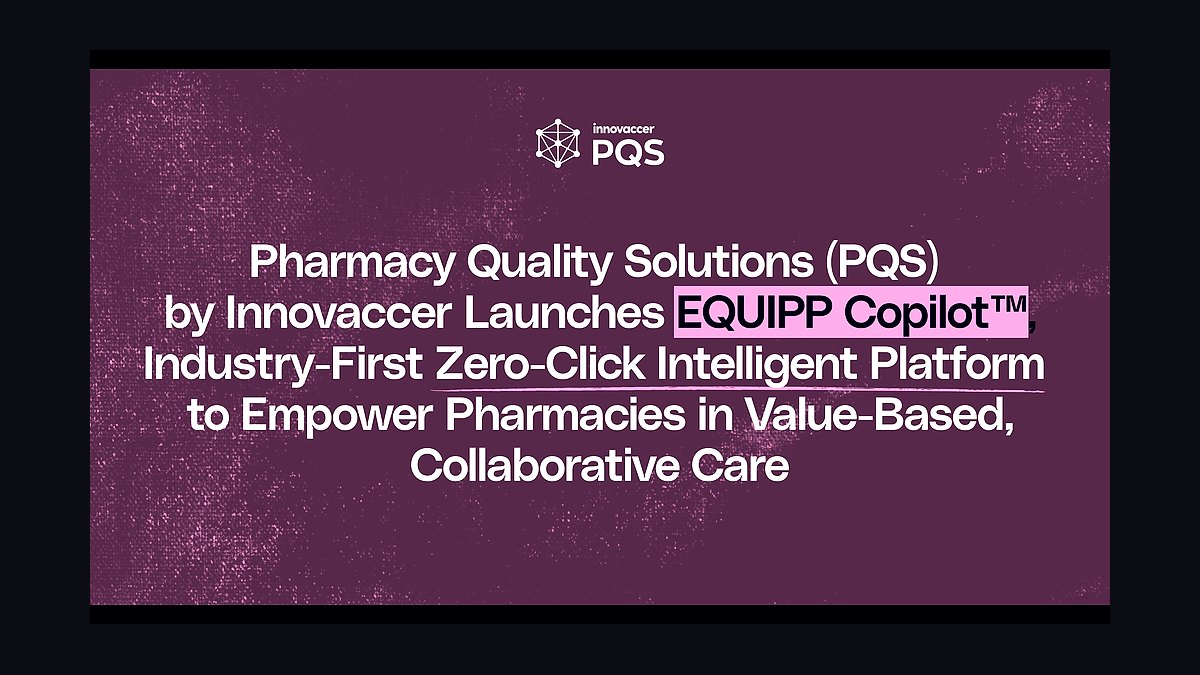
Pharmacy Quality Solutions EQuIPP ranks ninth because it is the industry-standard performance-measurement dashboard for community pharmacy, tracking adherence measures that feed PBM network status and effective reimbursement. Proportion of Days Covered on diabetes, cholesterol, and hypertension medications is the quality number with money attached, and EQuIPP is where chains see it. Measurement periods close permanently and cannot be re-run.
It is for chains large enough that adherence performance moves reimbursement terms — typically above twenty-five stores. The trade-off is that EQuIPP measures; it does not drive outreach, so it must be paired with patient-engagement tooling. EnlivenHealth, ranked tenth, supplies that outreach layer.
10EnlivenHealth

EnlivenHealth ranks tenth because it drives the patient outreach that moves adherence measures: interactive voice response, refill reminders, mobile app, and appointment scheduling. Those adherence events feed performance-measurement platforms, and the scores feed back into PBM network status and reimbursement. Without outreach, a quality dashboard shows a problem the chain cannot act on.
It is for chains that have staffed adherence outreach and want to run it on a defined weekly cadence through a dedicated engagement layer. The trade-off is sequencing: deploying outreach before the labor model can absorb the work produces calls and appointments the store cannot serve. It pairs directly with EQuIPP, ranked ninth, to close the quality loop.
How we ranked these
We scored each tool on five weighted dimensions: regulatory and clinical depth in dispensing workflow (30%), integration surface with Surescripts, wholesaler EDI, and PBM claim switches (25%), multi-store administration and central-fill support (20%), front-store retail capability including POS, loyalty, and merchandising (15%), and total cost of ownership at 25, 90, and 1,000-plus store scale (10%). Scores came from vendor documentation, published pricing where available, and reference-chain interviews.
We weighted dispensing depth highest because a misconfigured production line costs more than any license fee.
We deliberately ignored demo polish, brand recognition, and feature-count marketing. A slick interface does not resolve a rejected claim at 6pm, and a long feature list does not tell you whether the platform can convert controlled-substance history across 90 stores without a script gap. We also excluded generic ERP and CRM suites that cannot adjudicate a pharmacy claim, and we did not credit AI roadmaps without shipped functionality in a live pharmacy.
What to look for
What matters most is the seam, not the vendor count. Decide explicitly which layer owns customer identity, which owns the combined checkout ticket, and which warehouse holds the reconciled truth. Then pick the dispensing platform on regulatory depth and wholesaler alignment, and pick the front-store POS on merchandising strength. Chains that draw this line before signing contracts migrate in waves; chains that defer it discover the seam mid-project, usually during a loyalty integration.
The mistake most buyers make is treating "the pharmacy system" as one purchase and asking IT to consolidate vendors. That framing forces a single vendor to be excellent at regulated dispensing and at seasonal merchandising, which no product is. The second common error is buying clinical-service modules before staffing the pharmacist time to deliver them, which produces booked appointments nobody can serve and erodes trust in the rollout.
Related questions
Does a small chain need a separate front-store POS?
Only if the front store carries real merchandise. A small convenience gondola can run on the pharmacy register. Once planograms, promotions, vendor-funded markdowns, and seasonal buying are involved, a dedicated retail POS is required, because dispensing systems handle merchandising poorly and produce unreliable inventory and margin data.
How long does a pharmacy management system migration take?
Plan in store-group waves rather than a single cutover. Patient profiles, active prescriptions, refill authorizations, and controlled-substance history must be converted and validated per store, and the register cannot go dark. Multi-month timelines are normal for chains above roughly twenty-five stores, with a stabilization window between waves.
Can one wholesaler agreement cover everything?
A Prime Vendor Agreement typically consolidates the large majority of purchasing with one wholesaler for pricing and service commitments, but chains usually keep a secondary source for gaps, shortages, and specialty items. Full single-sourcing removes the fallback that shortages make necessary and weakens leverage at renewal.
What is the smallest viable analytics setup?
Below roughly twenty-five stores, reporting inside the dispensing platform plus the quality dashboard is usually enough. Above that, a shared cloud warehouse with a single BI layer becomes necessary, because per-application reporting starts producing conflicting numbers leadership cannot reconcile and cannot act on.
How should a chain measure whether the stack is working?
Track first-time-fill rate, will-call return rate, scripts per pharmacist hour, Proportion of Days Covered on CMS adherence measures, gross-to-net spread, and front-store attach rate on pharmacy pickup visits. First-time-fill rate is the best single proxy for dispensing configuration quality; attach rate only exists if the two halves are wired together.
Should the chain build or buy the front-store systems?
Buy below roughly a thousand stores. Standard retail POS, loyalty, and workforce platforms are mature and cheaper than building. Above that scale, proprietary front-store systems and loyalty become rational because a one-percent improvement applied across a national script base outweighs the license cost of anything.
Where does central fill fit in the stack?
Central fill pulls maintenance volume into a hub and ships to store or patient, which adds central automation, logistics tracking, and a routing decision on every script. It cuts per-script store labor and frees pharmacist time, but adds a delivery-failure mode and only pays back above a modeled volume threshold.
What integration is most often skipped?
Identity resolution between the dispensing platform and the retail POS. Without shared customer identity, the chain cannot tell whether a pickup visit generated a front-store basket, cannot target promotions to refill timing, and cannot value pharmacy as a traffic driver. It is usually deferred as phase two and never built.
FAQ
Which pharmacy management system should a growing chain choose?
EnterpriseRx suits chains wanting a cloud-native multi-store platform with deep clinical workflow and tight McKesson supply alignment. PioneerRx suits chains that value the strongest store-level user experience and are scaling from an independent footprint. BestRx is the cost-conscious independent choice. Weight multi-store administration, clinical workflow depth, and wholesaler alignment above feature-list breadth, and validate with reference calls to comparable chains.
Is Surescripts optional?
Effectively no. It carries the overwhelming majority of US e-prescription routing, it is certified into every major dispensing platform, and controlled-substance e-prescribing workflows are built around it. Treat it as shared infrastructure rather than a vendor decision. DrFirst supplements it in health-system, long-term-care, and some ambulatory contexts where additional routing or identity proofing is required.
How do controlled substances change the stack?
DEA rules for Electronic Prescribing of Controlled Substances require identity-proofed prescribers and two-factor authentication. State Prescription Drug Monitoring Program checks are required in nearly every state, typically integrated through a gateway such as Bamboo Health. The dispensing platform must maintain controlled-substance recordkeeping that survives audit, and conversion of that history during migration must be validated record by record.
What does pharmacy software actually cost?
Independent and small chain dispensing platforms commonly run from the mid-hundreds to low four figures per store per month. Regional chains see per-store licensing compress but add central platform spend in the mid-five to high-six figures monthly. National chains run eight figures annually on central IT. Pricing is negotiated and rarely published, so treat these as planning ranges and verify against quotes.
Why can't the pharmacy system run the front store too?
Pharmacy systems are built for dispensing: intake, drug-utilization review, verification, labeling, adjudication, and controlled-substance recordkeeping. They handle planograms, promotions, vendor markdowns, and seasonal buying poorly. Forcing merchandising into them produces bad inventory data and worse margin visibility, which is why a real retail POS is required once the front store carries meaningful merchandise.
How should reimbursement reconciliation be staffed?
Assign a named owner and instrument gross-to-net from day one. The claim adjudicates at one number and the chain collects a different one after PBM reconciliation, so compare billed to collected at the claim level on a fixed cadence rather than at close. Treat unexplained spread as an open incident with an owner, not as a cost of doing business.
Do CMS Star Ratings really affect the stack?
Yes. Adherence measures for diabetes, cholesterol, and hypertension medications, plus comprehensive medication review completion, feed network status and effective reimbursement on a lag. Pharmacy Quality Solutions' EQuIPP is the industry-standard dashboard. Measurement periods close and cannot be re-run, so the stack must surface measure performance monthly, not annually.
What does patient-engagement tooling actually do?
It drives the outreach that moves adherence measures: interactive voice response, refill reminders, mobile app, and appointment scheduling. EnlivenHealth is a common choice. The tooling only pays back when paired with a defined weekly outreach cadence and adherence targets assigned to store leadership. Deploying it without staffing the follow-up produces reminders nobody acts on.
When does central fill make sense?
Above a volume threshold the chain should model before committing. Central fill reduces per-script labor at the store and frees pharmacist time for clinical services, but it adds central automation, logistics tracking, and a routing decision on every script, plus a delivery-failure mode retail pickup does not have. Below the threshold the added complexity outweighs the labor savings.
What is the biggest migration risk?
Script continuity. Attempting to cut every store to a new dispensing platform in one window risks gaps in patient profiles, active prescriptions, refill authorizations, and controlled-substance history, which is both a patient-safety and license-exposure problem. Wave by store group, validate converted data per wave, and keep a rollback path until each wave stabilizes.
Sources
- https://www.surescripts.com/
- https://www.deadiversion.usdoj.gov/epcs/
- https://www.cms.gov/medicare/quality/measurement-instrument-development/star-ratings
- https://www.mckesson.com/pharmacy-solutions/enterpriserx/
- https://www.pioneerrx.com/
- https://www.redsailtechnologies.com/
- https://www.pharmacyqualitysolutions.com/
- https://www.enlivenhealth.com/
- https://www.relayhealth.com/
- https://www.bamboohr.com/
Related on PULSE
This page will be disappearing soon. Save it to your device for $1 — or read it free while it is here.
@Kory-White- · if Venmo asks, the last 4 of my number are 2012
This page is gone.
This one is off the shelf now. $1 keeps it on your phone for good — the whole page, pictures and diagrams included.
 pulse-tech-stacksTop 10 Best Tech Stack Tools for Commercial HVAC Contractors in 2027
 pulse-tech-stacksTop 10 Best Tech Stack Tools for Pilates Studios in 2027
 pulse-tech-stacksTop 10 Best Tech Stack Tools for B2B SaaS Companies in 2027
 pulse-tech-stacksTop 10 Best Tech Stack Tools for AI Observability Platform Companies in 2027
 pulse-tech-stacksTop 10 Best Tech Stack Tools for Painting Contractors in 2027
 pulse-tech-stacksTop 10 Best Tech Stack Tools for Tire Shops in 2027
 pulse-tech-stacksTop 10 Best Tech Stack Tools for AI Music Generation Companies in 2027
 tkTop 10 Best Tech Stack Tools for Concrete and Paving Contractors in 2027
 pulse-tech-stacksTop 10 Best Tech Stack Tools for Staffing Agencies in 2027
 pulse-tech-stacksTop 10 Best Tech Stack Tools for Home Inspection Companies in 2027