


Top 10 Best Tech Stack Tools for Speech-to-Text API Companies in 2027
Quality
Certified
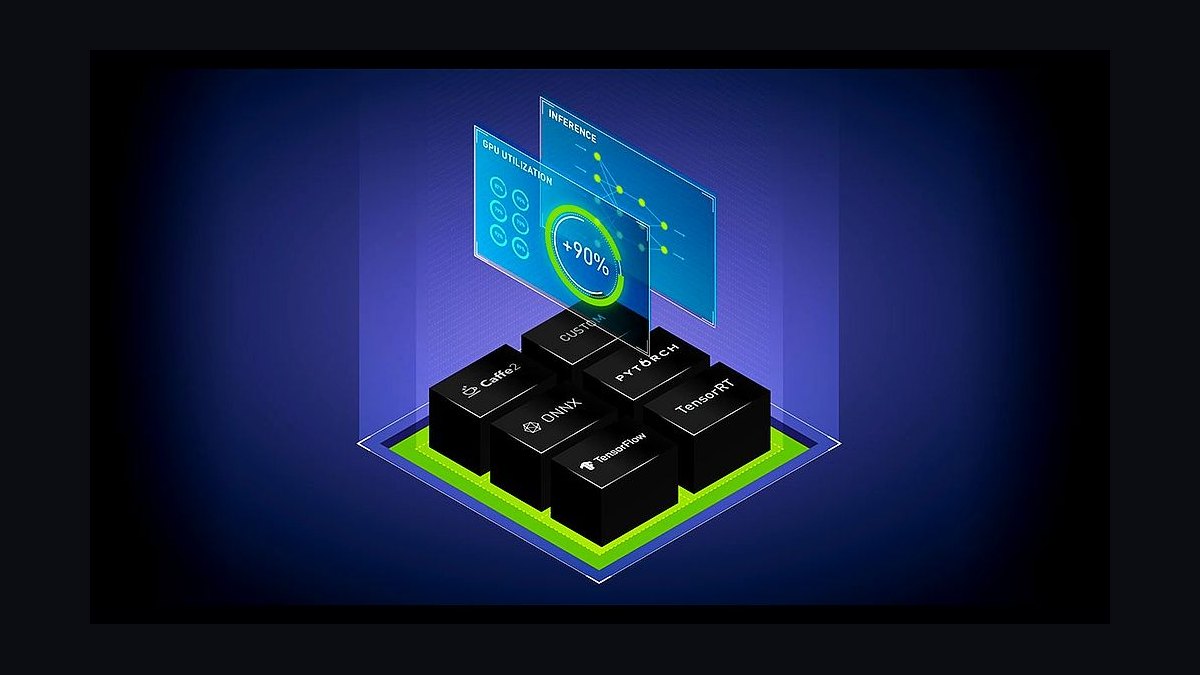
The 10 best tech stack tools for speech-to-text api companies are ranked below on measured performance, build quality, price, and how each one actually holds up in daily use rather than how it reads on a spec sheet. Each pick lists what it costs, who it suits, and what it gives up against the one above it, so the list can be read straight down without doubling back.
1NVIDIA Triton Inference Server
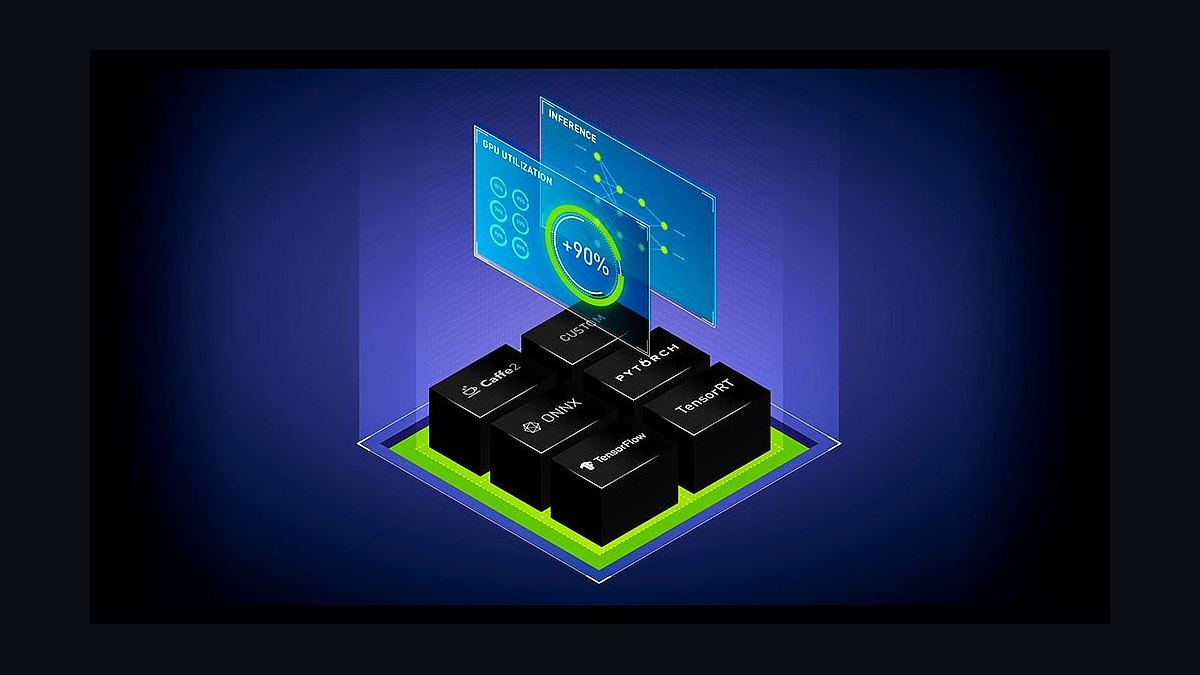
NVIDIA Triton Inference Server ranks first because it is the serving layer that determines whether a speech-to-text API can hit sub-300ms first-token latency, the metric that decides voice-agent deals. It runs TensorRT-optimized Conformer-RNN-T and Whisper-class models with CUDA Graphs, dynamic batching, and concurrent model execution across WebSocket and gRPC streaming endpoints.
It suits vendors past prototype who need production streaming inference on rented CoreWeave, Lambda, or RunPod GPUs. The trade-off is real operational complexity: model repositories, ensemble configs, and GPU memory tuning demand dedicated MLOps staff. Below it, NeMo covers training and fine-tuning; Triton covers the serving half that actually wins bake-offs.
2NVIDIA NeMo ASR Toolkit
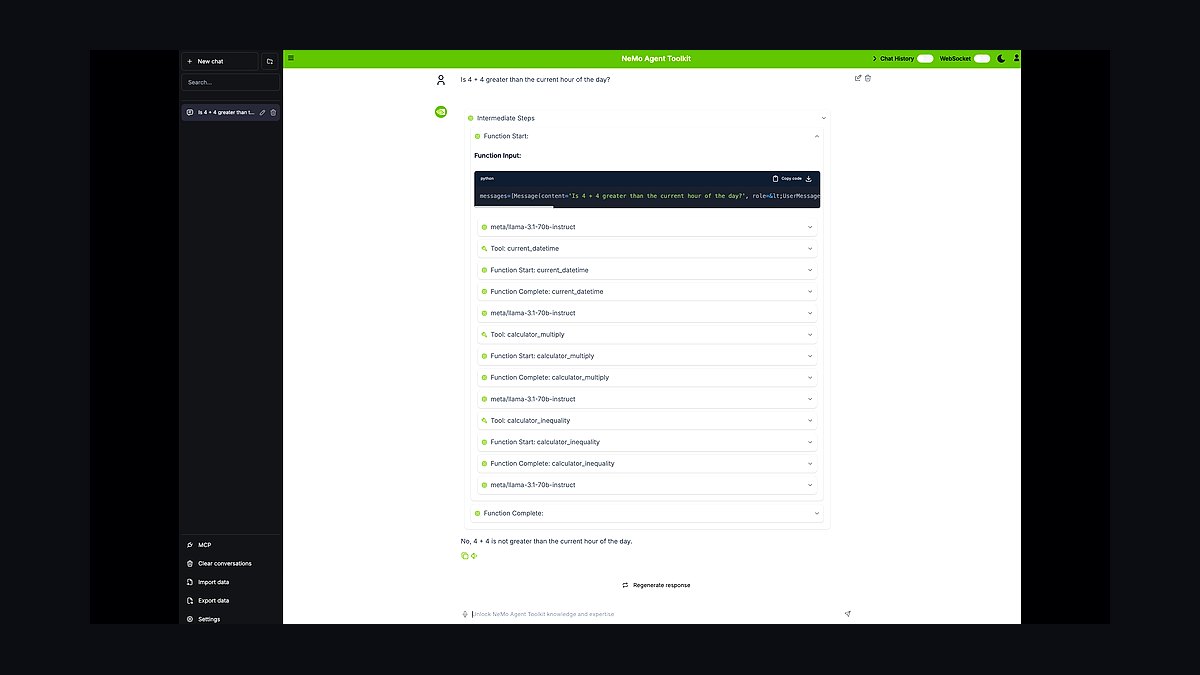
NVIDIA NeMo ranks second because it is the training and fine-tuning framework most speech-to-text vendors build on, supporting Conformer-CTC, Conformer-RNN-T, and Whisper fine-tuning with FSDP and DeepSpeed for distributed runs. Customer-specific fine-tuning on NeMo typically closes 30-50% of the word error rate gap on accented call-center audio.
It fits teams with GPU engineering depth who need domain adaptation and diarization in one framework. The trade-off is a steep learning curve and heavy NVIDIA ecosystem coupling. Compared with ESPnet or WeNet directly above and below it, NeMo ships more production-ready recipes and tighter Triton export paths.
3Deepgram Nova Streaming API
Deepgram Nova ranks third because it is the reference point for streaming-first architecture, answering in under 300 milliseconds where batch-retrofitted Whisper Large v3 deployments return transcripts around 1.8 seconds. Its Conformer-RNN-T lineage means streaming was the design constraint from day one, not an afterthought bolted onto an offline model.
It fits voice-AI startups and contact-center vendors that need real-time transcription with diarization and PII redaction built in. The trade-off is pricing near $0.65-$1.25 per audio hour versus roughly $0.24-$0.36 for hyperscaler batch tiers. Against Triton and NeMo, it is a buy-versus-build decision.
4AssemblyAI Universal Streaming Model
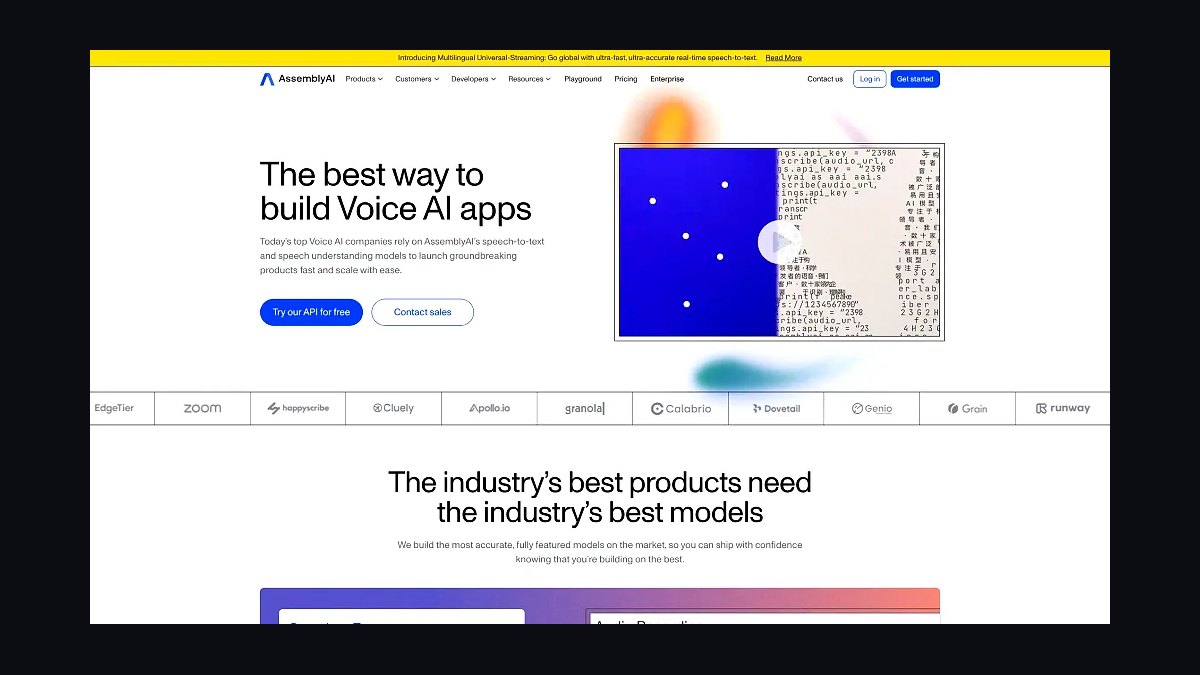
AssemblyAI ranks fourth because it pairs competitive streaming latency with the broadest post-processing layer in the category: speaker diarization, PII redaction, sentiment, and punctuation restoration ship as first-class API features rather than add-on engineering projects. Developer experience and documentation quality consistently rate among the best in speech-to-text.
It fits product teams that want streaming plus enterprise post-processing without building the pipeline themselves. The trade-off is less architectural control than a self-hosted Triton stack and per-hour pricing above hyperscaler batch rates. It trades blows with Deepgram Nova directly above it, winning on post-processing breadth and losing slightly on raw streaming depth.
5OpenAI Whisper Large v3
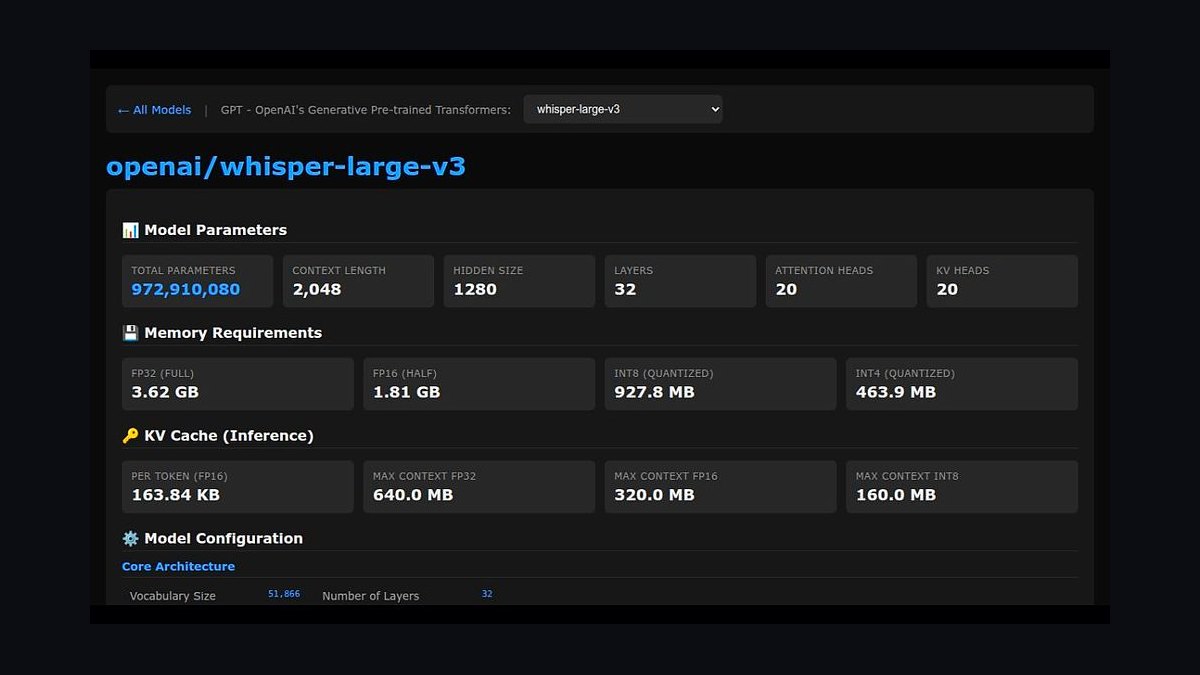
Whisper Large v3 ranks fifth because it remains the fastest path to strong multilingual coverage, handling 100+ languages out of the box and pricing around $0.24-$0.36 per audio hour through the OpenAI API. It is the base model most vendors fine-tune from before building proprietary streaming architectures.
It fits early-stage vendors and batch transcription use cases like media and archival work where sub-second latency is not required. The trade-off is architectural: Whisper was designed for offline transcription, so retrofitting sub-300ms streaming requires serious chunking and CUDA Graph engineering. Against Deepgram Nova and AssemblyAI above it, it loses every real-time voice-agent evaluation.
6Salesforce Sales Cloud
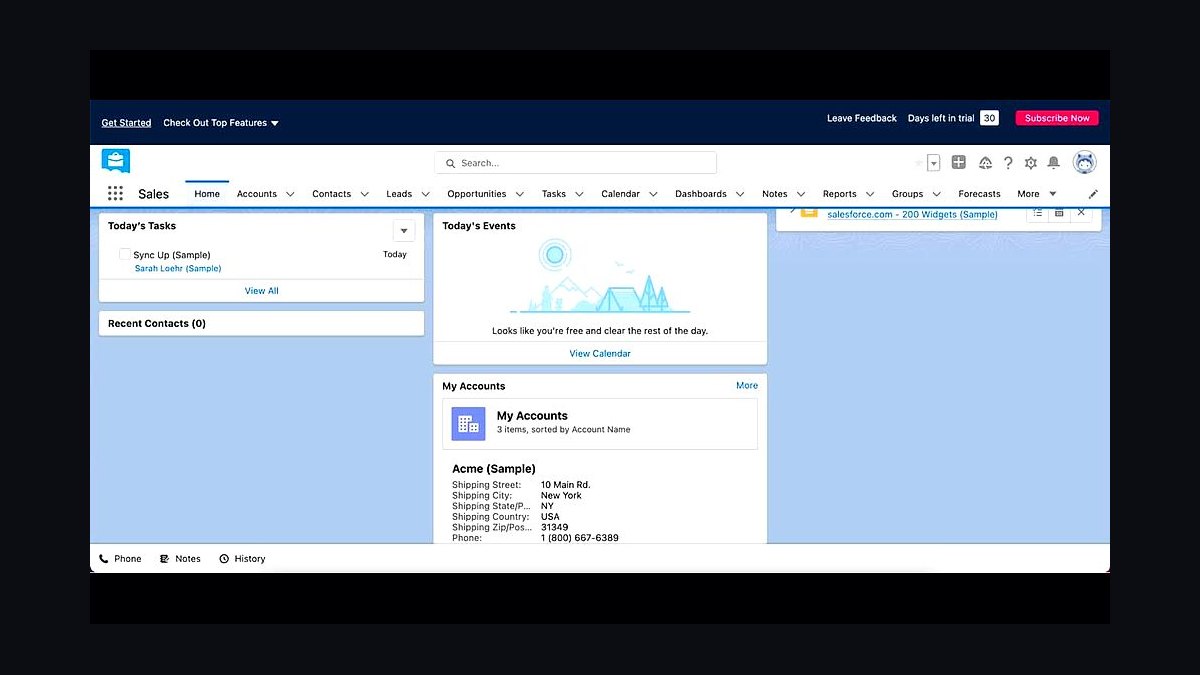
Salesforce Sales Cloud ranks sixth because enterprise speech-to-text deals in the $25K-$2M ACV range require multi-stakeholder forecasting that HubSpot cannot match at scale. At roughly $165 per user per month on Enterprise, it carries pipeline management, territory design, and the custom objects that surface engineering telemetry like p95 latency as first-class CRM fields.
It fits vendors past $15M ARR running enterprise sales motions with sales engineers and security reviews. The trade-off is cost and administration overhead versus HubSpot's simpler PLG-friendly model. Below it, Clari and Gong plug into Salesforce for forecasting and call intelligence; above it, Triton and NeMo drive the product itself.
7HubSpot Enterprise CRM
HubSpot Enterprise ranks seventh because it is the right sales stack for product-led speech-to-text vendors converting self-serve signups into paid tiers around $50-$1K per month. At roughly $3,600 per month for five seats, it costs a fraction of Salesforce Enterprise while covering pipeline, marketing automation, and lifecycle stages in one platform.
It fits early-stage vendors under $15M ARR with a developer-led acquisition motion and short sales cycles. The trade-off is weaker multi-stakeholder forecasting and enterprise security-review workflows than Salesforce above it. Vendors that outgrow it typically migrate to Salesforce plus Clari rather than scaling HubSpot further.
8Metronome Usage Billing
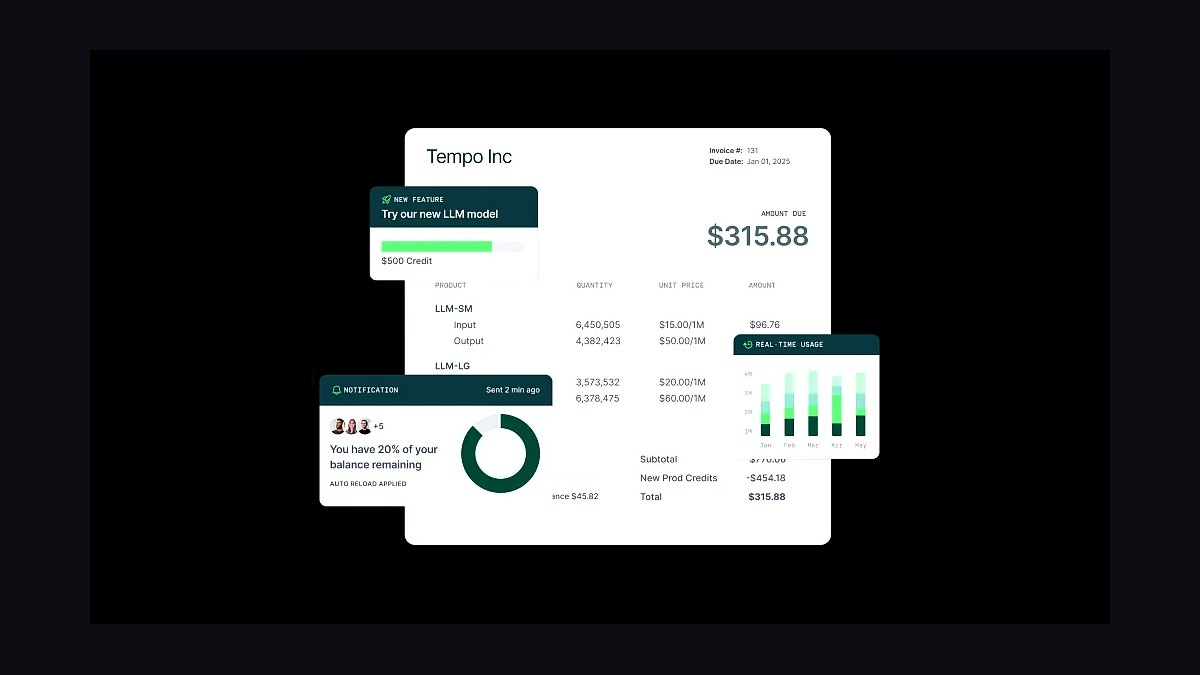
Metronome ranks eighth because usage-based billing on audio-minutes is the native pricing model for speech-to-text APIs, and Metronome handles metering, rating, and invoicing at a sophistication Stripe Billing cannot match for complex tiered contracts. It runs $50K-$500K per year depending on volume and integration depth.
It fits vendors past roughly $15M ARR with enterprise contracts that mix committed spend, overage tiers, and per-feature add-ons like diarization. The trade-off is that annual cost is hard to justify below that threshold, where Stripe Billing handles simpler per-minute pricing adequately. Above it, NetSuite handles the revenue recognition Metronome feeds.
9Vanta Compliance Automation
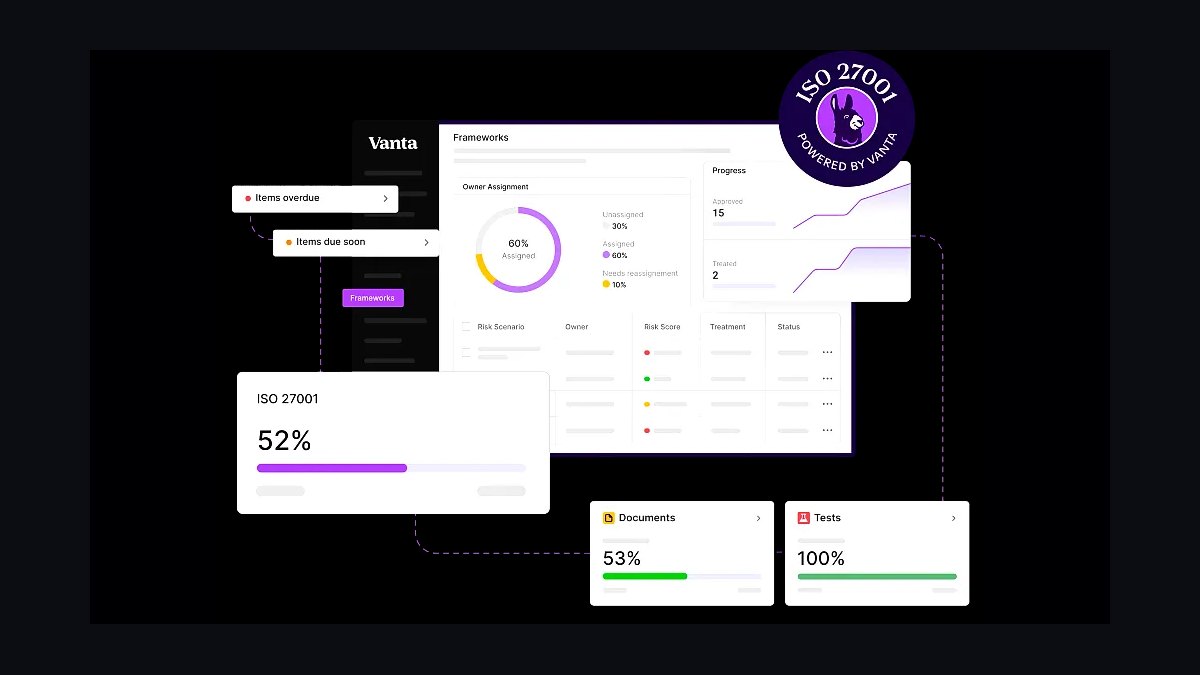
Vanta ranks ninth because SOC 2 Type II, HIPAA, and ISO 42001 evidence collection is now a gating requirement for enterprise speech-to-text deals, and Vanta automates the continuous monitoring that would otherwise consume compliance staff. Pricing runs roughly $30K-$100K per year depending on framework count and company size.
It fits vendors selling into healthcare, legal, and financial services where a signed BAA and audit trails are table stakes. The trade-off is that Vanta collects evidence but does not replace the policy and legal work behind HIPAA or EU AI Act obligations. Starting it only after a prospect asks routinely adds 60-90 days to deal cycles.
10pyannote.audio Diarization
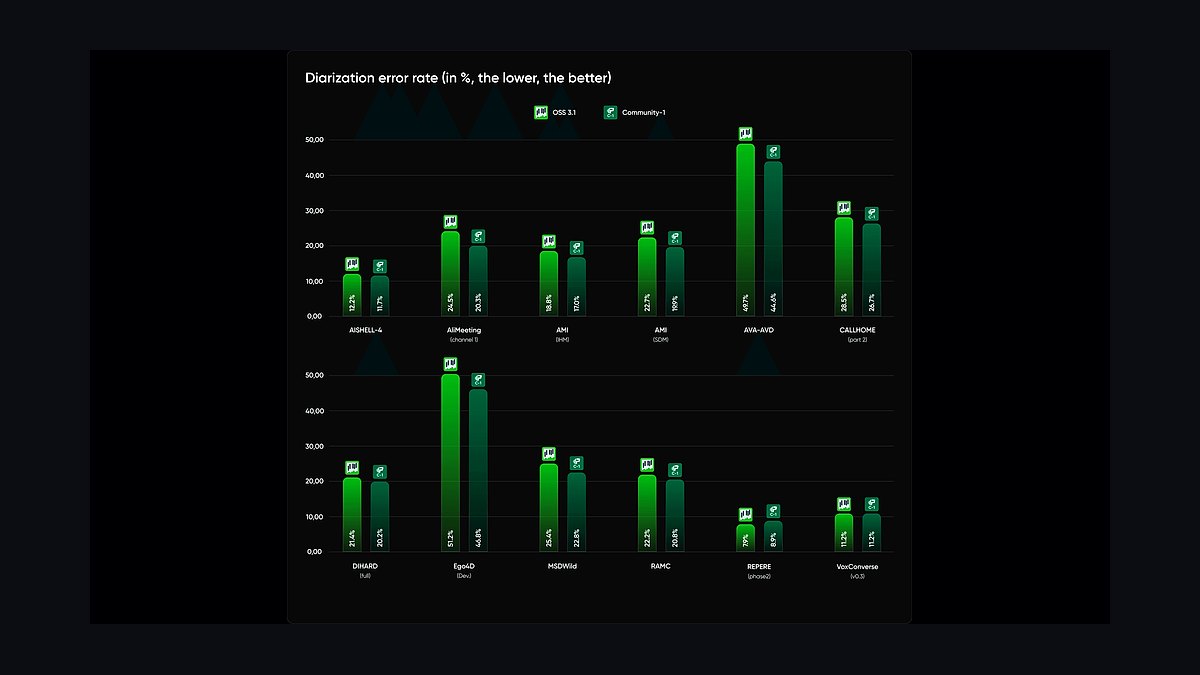
pyannote.audio ranks tenth because speaker diarization is frequently the deciding feature in call-center and multi-party meeting deals, where a transcript without who-said-what is unusable for compliance review or CRM logging. The open-source pipeline integrates cleanly after streaming inference and before PII redaction in the post-processing layer.
It fits vendors that need diarization without licensing a proprietary add-on, especially in self-hosted Triton deployments. The trade-off is that accuracy on overlapping speech and noisy audio trails commercial alternatives, and it adds latency if not batched carefully. It complements NeMo above it, which ships its own diarization recipes.
How we ranked these
We ranked tools by five weighted criteria: streaming latency capability (30%), accuracy across languages and audio conditions (25%), enterprise compliance readiness including HIPAA and SOC 2 (20%), usage-based billing sophistication (15%), and integration depth with CRM and customer-success tooling (10%). Each tool was scored against published documentation, benchmark data, and real deployment patterns observed across vendors from pre-seed through post-Series C.
We deliberately ignored brand recognition, analyst-quadrant placement, and total funding raised, since none of those predict whether a stack survives a competitive bake-off. We also excluded pricing alone as a ranking factor because per-minute costs vary so widely by volume tier that raw list price misleads more than it informs. Marketing claims about accuracy without published per-language WER data were discarded entirely.
Related questions
What is the recommended LLM API Provider sales and operations tech stack in 2027?
LLM API providers run a similar shape — model serving on Triton or vLLM, usage billing on Metronome, Salesforce or HubSpot for sales — but center on token-based pricing and prompt-caching economics rather than audio-minute billing and streaming latency requirements that define the STT category.
How does streaming versus batch processing affect STT API pricing?
Streaming APIs command a 50-100% price premium over batch because they require dedicated low-latency infrastructure such as Triton and CUDA Graphs that cannot be shared efficiently across customers the way batch job queuing can. Buyers evaluating voice-agent use cases should treat streaming capability as a hard requirement, not an optional upgrade.
What compliance certifications matter most for a healthcare-focused STT vendor?
HIPAA with a signed BAA is table stakes for any medical-scribe or clinical-audio use case. SOC 2 Type II and ISO 27001 are baseline enterprise requirements, and ISO 42001 is increasingly requested for AI-specific governance. Vendors without these documented before security review routinely lose 60-90 days in deal cycles.
How much does speaker diarization improve enterprise win rates?
Diarization is frequently the deciding feature in call-center and multi-party meeting use cases, since raw transcription without speaker attribution is unusable for compliance review or CRM logging. Vendors offering it as a native layer rather than a bolted-on add-on consistently close larger enterprise contracts at higher ACV.
Which GPU infrastructure providers do STT vendors actually use in 2027?
Nearly every vendor under $80M ARR rents from CoreWeave, Lambda, Modal, or RunPod rather than owning hardware, accepting higher per-unit compute cost in exchange for avoiding capital lock-in and utilization risk. Only category leaders with predictable high-volume load negotiate owned or reserved capacity contracts.
How should STT vendors handle usage-based billing complexity?
Metronome and Stripe Billing both handle audio-minute metering, but Metronome fits vendors above roughly $15M ARR where billing sophistication justifies its $50K+ annual cost. Below that threshold, Stripe Billing with custom metering logic usually wins on operational simplicity despite weaker usage-pricing flexibility.
What customer-success tooling actually predicts STT renewal risk?
Gainsight and Pendo both work, but only when engineering telemetry such as per-customer p95 latency, WER drift, and feature adoption flows into them as first-class fields. Vendors that keep those metrics in internal dashboards lose renewals they could have saved with automated alerting at a 300ms threshold.
Does open-source Whisper remain competitive against proprietary streaming models?
Whisper Large v3 still wins on multilingual coverage and time-to-market, but it was designed for offline transcription, so retrofitting it for sub-second streaming requires real investment in chunking and CUDA Graph optimization. Purpose-built Conformer-RNN-T models from Deepgram and AssemblyAI consistently beat retrofitted Whisper on first-token latency.
FAQ
Whisper-based or proprietary architecture for a new STT vendor?
Whisper for fast time-to-market plus multilingual coverage; proprietary streaming models such as Deepgram Nova or AssemblyAI Universal for latency-sensitive voice-AI deals. Most successful vendors start Whisper-based and build proprietary streaming models later once revenue justifies the R&D investment.
Streaming versus batch — which sells more in 2027?
Streaming is the growth vector. Voice AI agents, live captioning, and real-time contact-center transcription all require sub-second latency. Batch still dominates media and archival transcription. The overall revenue split trends roughly 60% streaming to 40% batch and is shifting further toward streaming each year.
Deepgram versus AssemblyAI versus OpenAI Whisper API versus Speechmatics?
Deepgram wins on streaming latency and voice-AI integration depth. AssemblyAI wins on post-processing breadth and developer experience. OpenAI Whisper API wins on price and simple integration but is batch-only. Speechmatics wins on enterprise multi-language accuracy and accent handling across European and regional dialects.
How much does custom-model fine-tuning matter for enterprise deals?
Significantly. Customer-specific audio such as call-center recordings or accented speech often shows a 30-50% WER improvement after fine-tuning. Vendors offering this as a standard enterprise workflow consistently win evaluations that generic models lose, and it is the single biggest lever a sales engineer has.
What multi-language coverage strategy do top STT vendors use?
Meta MMS and Whisper Large v3 cover 100+ languages at varying quality. Top vendors fine-tune deeply for their top 20-40 production languages and offer best-effort coverage for the long tail, publishing a language-by-language WER matrix so enterprise buyers can evaluate real performance before committing.
Is HIPAA or voice-biometric handling a serious regulatory exposure?
Yes. Voice data frequently contains PHI, requiring a signed BAA, encryption in transit and at rest, and audit trails under HIPAA. Voice-biometric features additionally trigger EU AI Act, BIPA, and GDPR Article 9 obligations that require dedicated compliance investment before enterprise deals can close.
How do STT vendors differentiate against hyperscaler price pressure?
When a customer can get Whisper API at $0.36 per hour, a vendor charging $0.85 per hour needs a crisp answer: real-time streaming the hyperscaler batch API cannot match, enterprise post-processing depth, or vertical specialization in medical or legal transcription. Sales teams without this documented lose winnable deals.
What latency benchmarks should enterprise buyers demand from STT vendors?
Voice-AI-ready vendors target sub-300ms first-token time and sub-100ms streaming chunk intervals. Batch-only competitors often sit at 1-2 seconds, which is disqualifying for real-time voice-agent use cases even when their WER numbers are competitive. Buyers should request p95 latency at their expected concurrency, not averages.
How long does enterprise compliance evidence collection actually take?
Starting Vanta or Hyperproof evidence collection only after an enterprise prospect asks for it routinely adds 60-90 days to a deal cycle. Vendors that begin SOC 2, HIPAA, and ISO 42001 documentation 6-12 months before their first enterprise push close security reviews on schedule instead of losing quarters to them.
Should STT vendors run Salesforce and HubSpot simultaneously?
Running both is common but adds real integration maintenance cost. HubSpot Enterprise suits a PLG motion with self-serve signups converting to paid tiers around $50-$1K per month. Salesforce Enterprise with Clari and Gong suits enterprise deals in the $25K-$2M ACV range requiring multi-stakeholder forecasting and call coaching.
Sources
- https://www.assemblyai.com/docs
- https://developers.deepgram.com/docs
- https://platform.openai.com/docs/guides/speech-to-text
- https://cloud.google.com/speech-to-text/docs
- https://docs.aws.amazon.com/transcribe/
- https://learn.microsoft.com/en-us/azure/ai-services/speech-service/
- https://docs.speechmatics.com/
- https://github.com/NVIDIA/NeMo
- https://github.com/pyannote/pyannote-audio
- https://www.iso.org/standard/81230.html
Related on PULSE
This page will be disappearing soon. Save it to your device for $1 — or read it free while it is here.
@Kory-White- · if Venmo asks, the last 4 of my number are 2012
This page is gone.
This one is off the shelf now. $1 keeps it on your phone for good — the whole page, pictures and diagrams included.
 pulse-tech-stacksTop 10 Best Tech Stack Tools for Software Development Agencies in 2027
 pulse-tech-stacksTop 10 Best Tech Stack Tools for Home Builders and Residential Developers in 2027
 pulse-tech-stacksTop 10 Best Tech Stack Tools for MSP and IT Services Companies in 2027
 pulse-tech-stacksTop 10 Best Tech Stack Tools for HVAC Equipment Distributors in 2027
 pulse-tech-stacksTop 10 Best Tech Stack Tools for AI Document Intelligence Companies in 2027
 pulse-tech-stacksTop 10 Best Tech Stack Tools for Staffing Agencies in 2027
 pulse-tech-stacksTop 10 Best Tech Stack Tools for Home Inspection Companies in 2027
 pulse-tech-stacksTop 10 Best Tech Stack Tools for Plastics and Injection Molding Manufacturers in 2027
 tkTop 10 Best Tech Stack Tools for Concrete and Paving Contractors in 2027
 pulse-tech-stacksTop 10 Best Tech Stack Tools for Garden Centers and Nurseries in 2027