


Top 10 Best Tech Stack Tools for Martial Arts Schools in 2027
Quality
Certified
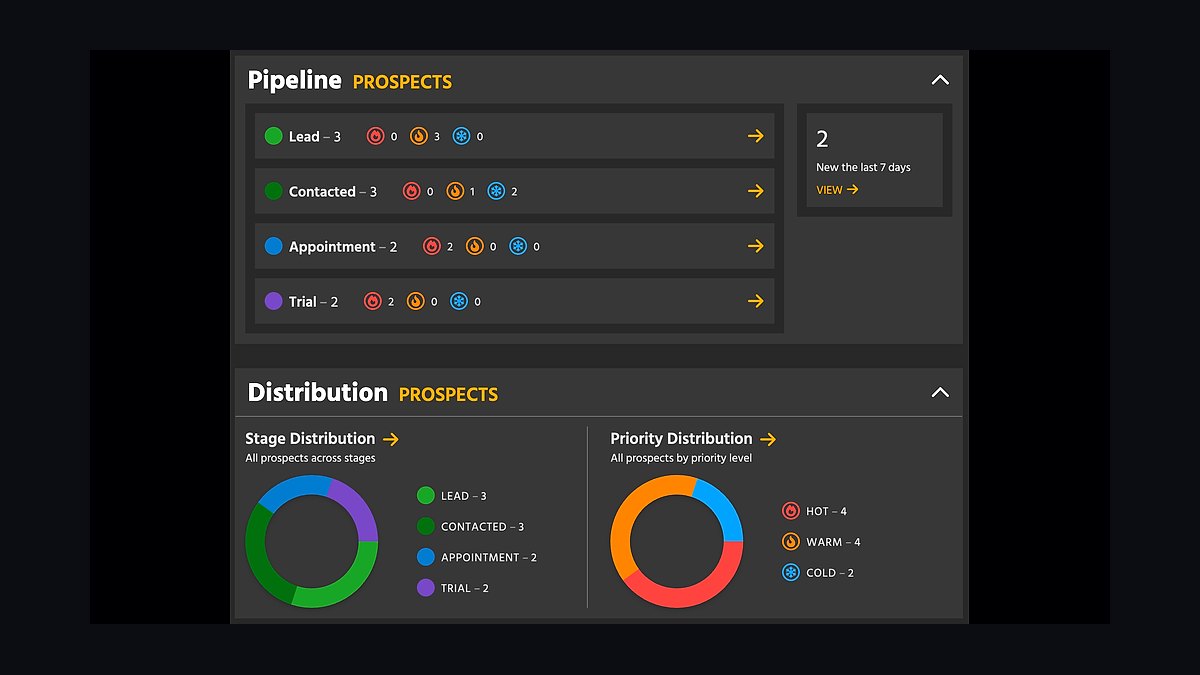
The 10 best tech stack tools for martial arts schools are ranked below on measured performance, build quality, price, and how each one actually holds up in daily use rather than how it reads on a spec sheet. Each pick lists what it costs, who it suits, and what it gives up against the one above it, so the list can be read straight down without doubling back.
1Kicksite
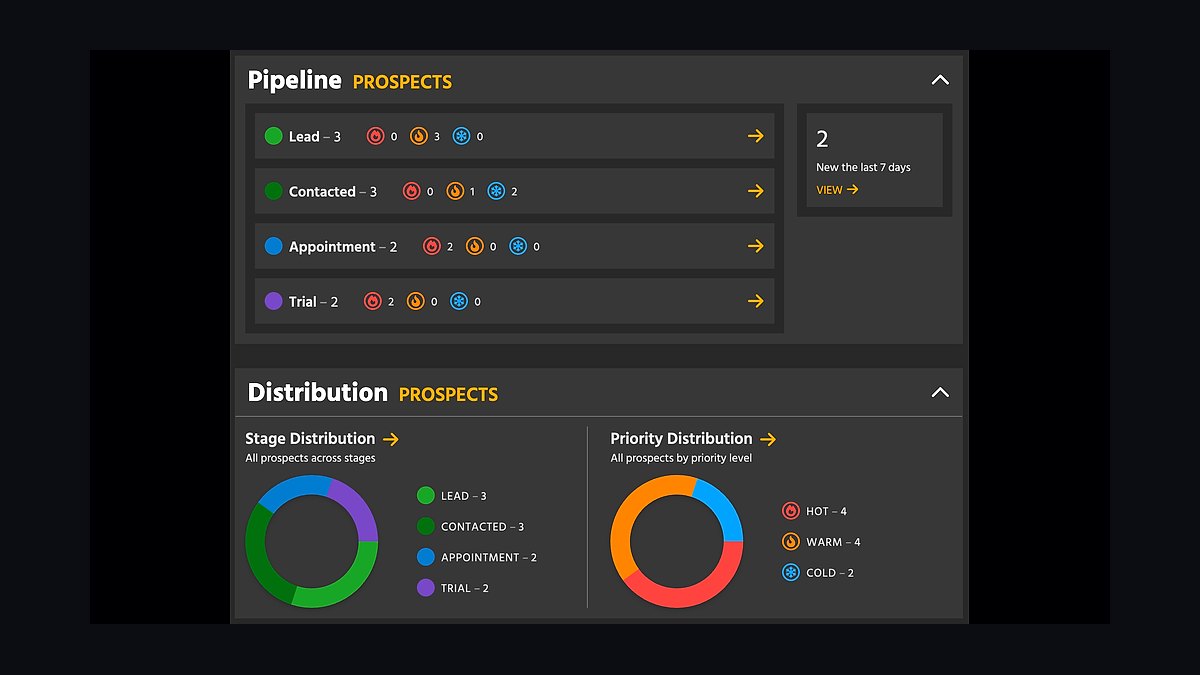
Kicksite ranks first because it is the flat-priced operational core most single-location martial arts schools under 100 students should run in 2027. Pricing is $49/mo up to 25 students, $99/mo for 26-50, $149/mo for 51-100, and $199/mo for 100+, with annual billing saving roughly 10%. It natively models belt rank progression, attendance scanning, kids-program parent comms, and recurring tuition billing without per-revenue cuts or locked features.
It is for solo owners and one-location dojos that want predictable spend and cannot babysit a back office between evening classes. It trades away the branded parent app, multi-location rollups, and deep marketing automation that larger operators eventually need. Compared to Zen Planner Essentials at $198/mo directly below, Kicksite is cheaper and simpler but weaker once you open a second location or run hybrid kids-and-adult BJJ on one calendar.
2Zen Planner
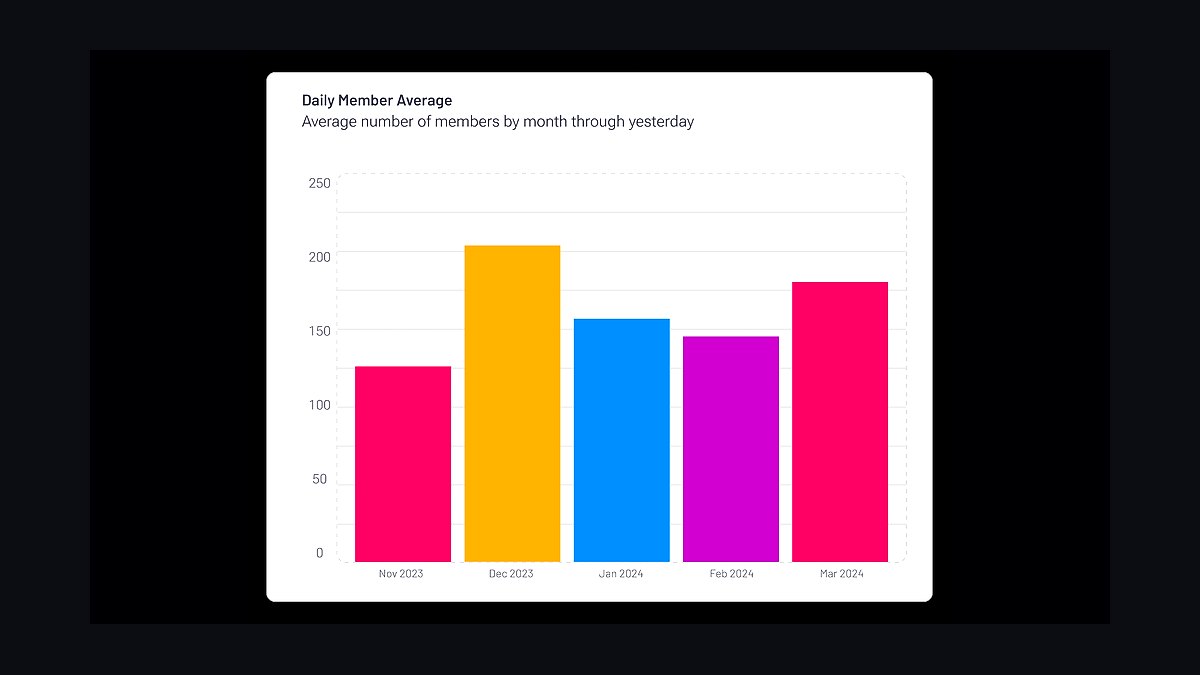
Zen Planner ranks second because it is the school-management platform that scales past one location and past 100 students without forcing a mid-year migration. Studio runs $99/mo, Essentials $198/mo, and Ultimate $348/mo, with Engage marketing at $249/mo, a branded parent app at $39/mo, and a website at $99/mo. A typical 150-student dojo lands at $169-$447/mo depending on add-ons.
It is for 2+ location operators, schools running kids karate and adult BJJ on the same calendar, and anyone who needs the branded parent app for retention. It trades away Kicksite's flat simplicity — add-on creep is real, and the Engage module is expensive if you are not running paid ads. Compared to Kicksite above, Zen Planner costs more but handles multi-location rollups and hybrid programs that Kicksite cannot.
3Stripe ACH
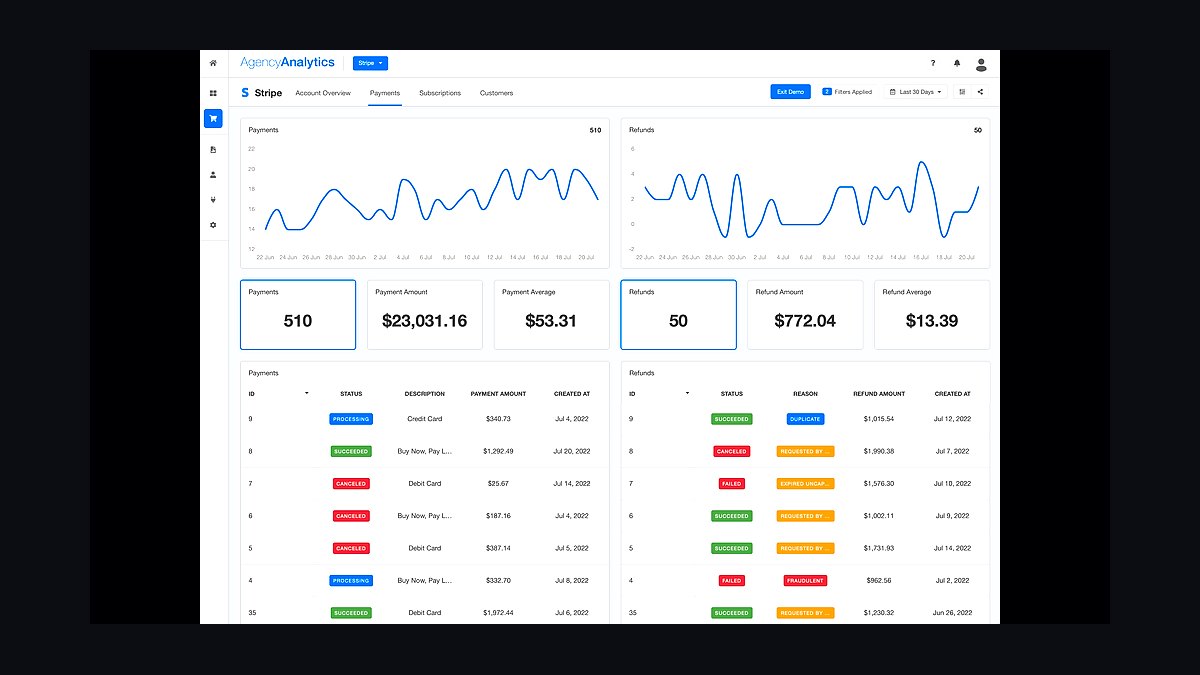
Stripe ACH ranks third because payment processing is the single largest line item at scale, and ACH at 0.8% capped at $5 per transaction beats card at 2.9% + $0.30 by roughly $1,000/mo on $40,000/mo in tuition. For a 150-student school at $160/mo average tuition, ACH costs about $120/mo versus $696/mo on cards — $6,900/year in pure margin. Smart Retries recover 3-7% of failed drafts automatically.
It is for every school running 12-month black-belt-club contracts with EFT autopay, and it should be the default at signup with card as fallback. It trades away the instant settlement and consumer familiarity of card processing, and ACH re-authorization is a 3-4 week nagging bottleneck during migration. Compared to QuickBooks Online Essentials below, Stripe is transactional infrastructure rather than bookkeeping, but it saves more money than any software choice on this list.
4QuickBooks Online Essentials

QuickBooks Online Essentials ranks fourth because it is the correct accounting floor for a school with one owner, one part-time bookkeeper, and a CPA login. At $75/mo post-May-2026, Essentials adds three users, recurring invoicing, and time tracking. Simple Start at $38/mo is single-user and skips bill management, while Plus at $115/mo is unnecessary unless you sell pro-shop inventory and want native inventory accounting.
It is for schools that have graduated past shoebox receipts and need a cloud-native ledger their CPA can access remotely. It trades away the desktop-file portability some old-school CPAs demand, and Stripe deposits land net of fees, so you must gross-up the bank feed. Compared to Gusto Simple below, QuickBooks handles the books while Gusto handles payroll, and the native Gusto-to-QBO GL sync is free and accurate.
5Gusto Simple
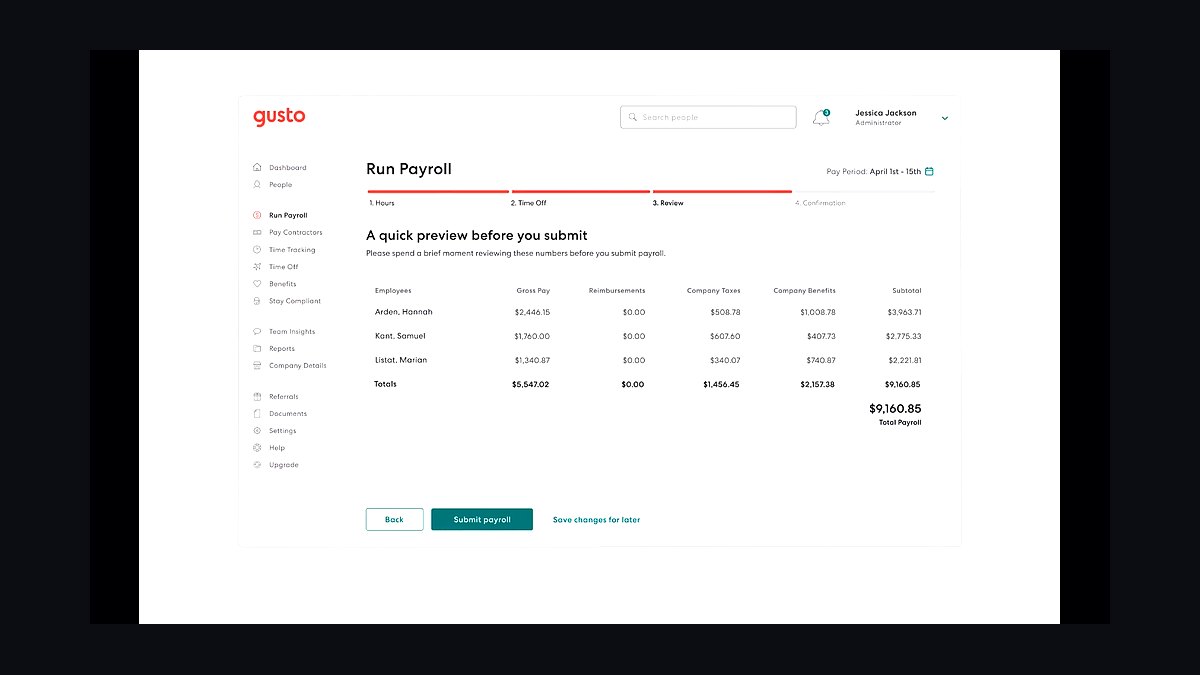
Gusto Simple ranks fifth because it handles the W-2 versus 1099 classification problem that trips up most martial arts schools in their first 18 months. Pricing is $49/mo base plus $6 per person, so a head instructor on payroll plus four part-time assistants runs $79-$109/mo all-in. Gusto prompts reclassification once an assistant instructor teaches more than 10 hours per week.
It is for schools with at least one W-2 employee and a mix of part-time 1099 assistants, and most graduate off Contractor-Only within 18 months. It trades away the multi-state complexity that ADP handles for 50+ location operators like Tiger Schulmann's. Compared to Square for Retail below, Gusto is payroll infrastructure while Square is front-desk POS, and the two do not overlap.
6Square for Retail
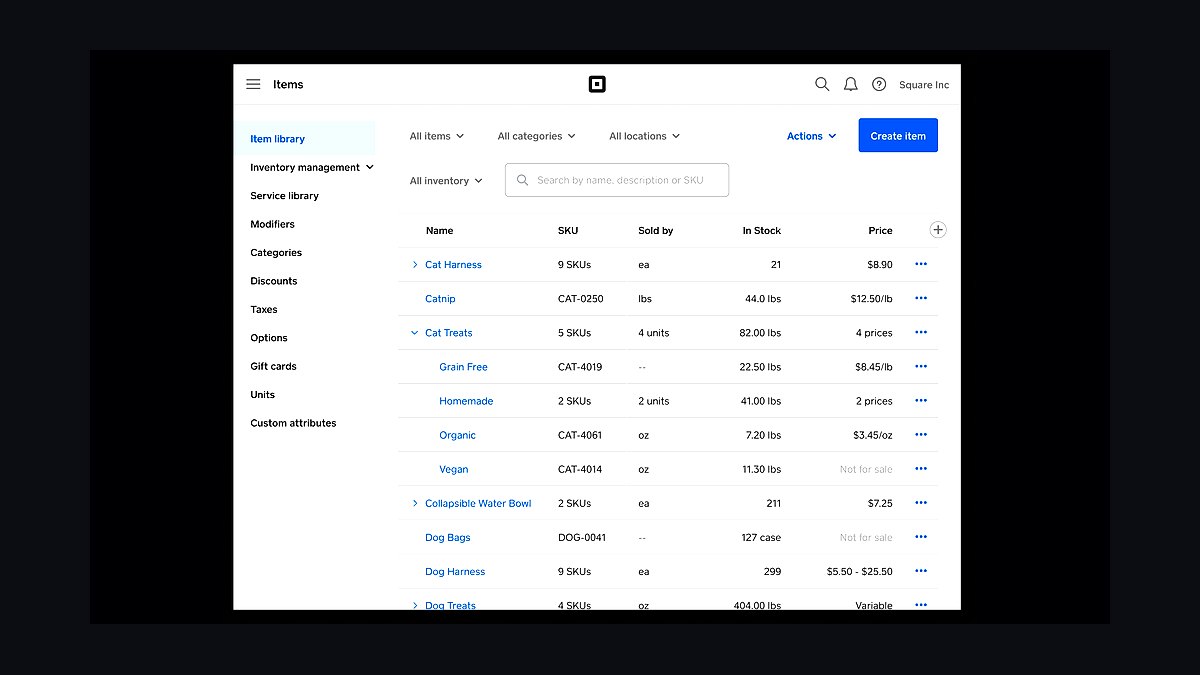
Square for Retail ranks sixth because pro-shop revenue of $8,000-$25,000 per year in uniforms, sparring gear, and rank-test passing belts needs a real POS, not a cash box. The Free tier handles card-present sales at 2.6% + $0.10, and the official Square Connector at $19/mo syncs sales into QuickBooks Online, eliminating manual receipt entry that burns 4-6 hours a month. Paid tiers start at $89/mo for inventory-heavy shops.
It is for schools selling gis, belts, and sparring gear at the front desk, and it pairs naturally with Stripe Terminal tap-to-pay for one-off testing fees. It trades away deep martial-arts-specific inventory logic — Square does not know what a stripe test is. Compared to Vimeo below, Square captures in-person revenue while Vimeo handles belt-test video delivery to parents.
7Vimeo Standard
Vimeo Standard ranks seventh because belt-test recording and parent-only ceremony video need an ad-free, unlisted-link experience that YouTube cannot deliver. At $20/mo, Vimeo Standard gives schools unlisted parent-only links for testing ceremonies and technique libraries, replacing the ad-laden YouTube experience parents complain about. Renzo Gracie Academy NYC uses Vimeo for technique-library videos sold as an upsell on top of tuition.
It is for schools that record belt tests, sell online curriculum, or deliver tournament footage to families. It trades away YouTube's free hosting and search discovery, which does not matter for private parent links. Compared to Calendly below, Vimeo is content delivery while Calendly is booking, and most schools need Vimeo only if they are already recording tests.
8Calendly Standard
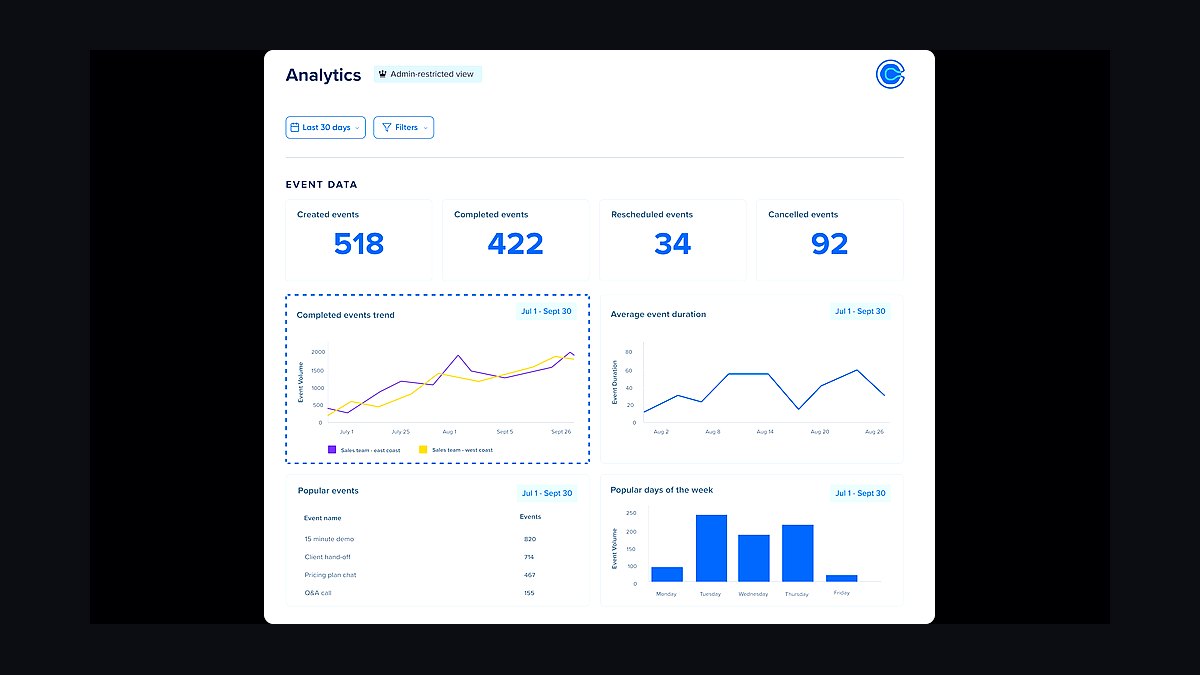
Calendly Standard ranks eighth because new-student trial-class booking is the top of the funnel, and some school platforms have rough booking UX. At $12/mo per seat, Calendly Standard lets the front desk book intro classes without the head instructor touching a calendar. Kicksite users in particular complain about native booking, so Calendly fills a real gap for lead capture before the student record exists.
It is for schools running paid ads or walk-in traffic where the front desk needs to book trials fast. It trades away the platform-native lead attribution you get when booking lives inside Kicksite or Zen Planner, which matters once ad spend exceeds $3,000/mo. Compared to Vimeo above, Calendly is acquisition while Vimeo is retention content, and Calendly is optional if your platform's booking UX is acceptable.
9Martialytics
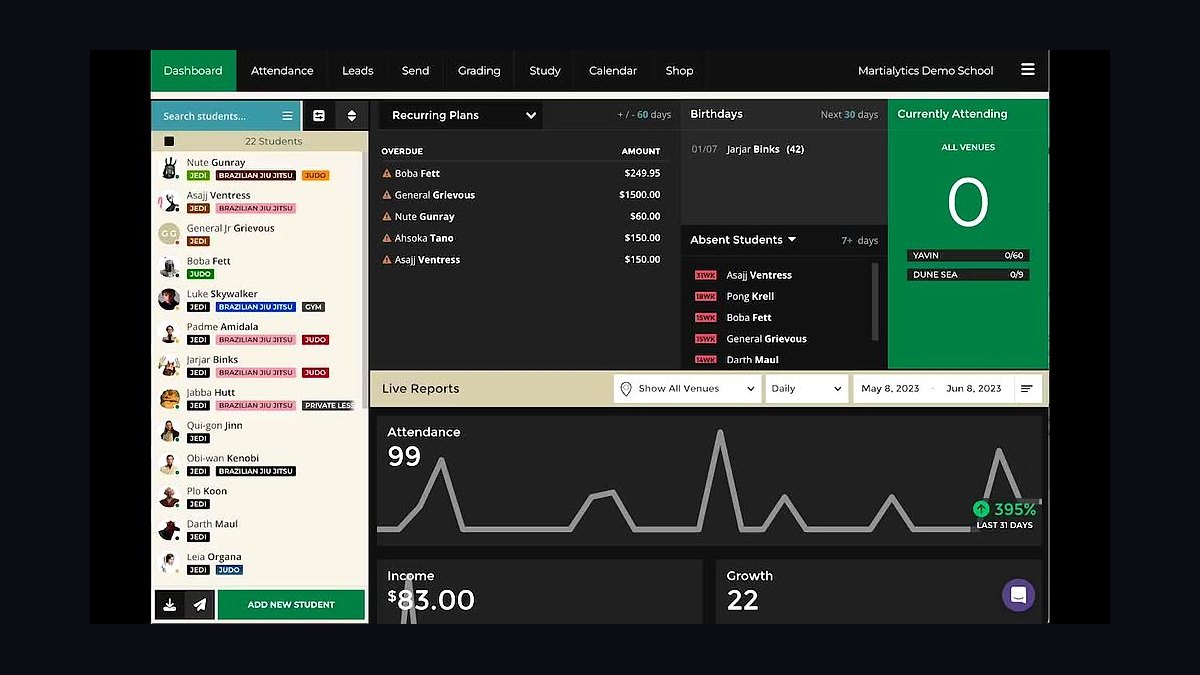
Martialytics ranks ninth because it is the lean alternative for schools that hated Mindbody's revenue-share model but find Zen Planner's add-on stack too expensive. Pricing starts at $69/mo with student-tier volume discounts as you scale, and it has strong native belt-rank tracking without per-revenue markup. Leads and inactives are free, which matters for schools running trial funnels. Gracie Barra affiliates often choose it for the GB belt curriculum.
It is for BJJ-focused schools and Gracie Barra affiliates that want belt-rank depth without Zen Planner's Engage upsell. It trades away the branded parent app and multi-location polish that Zen Planner delivers at scale. Compared to Kicksite above, Martialytics is cheaper at small tiers but lacks Kicksite's flat-pricing predictability and broader kids-program parent comms tooling.
10Bluevine Business Checking
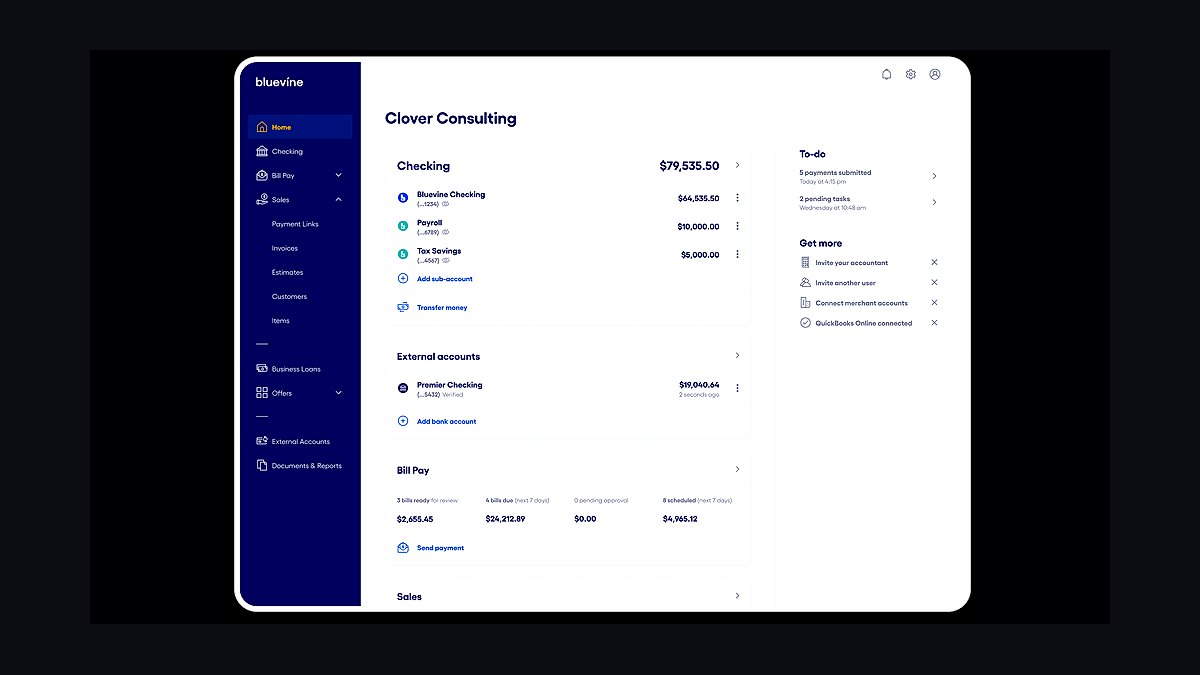
Bluevine Business Checking ranks tenth because mixing personal and school finances is the failure mode that adds $1,500-$3,000 to every March CPA bill for schools under $500K revenue. Opening a dedicated business account on day one, routing Stripe payouts into it, and running Gusto from it keeps the books clean. Bluevine offers no monthly fee and competitive APY on balances, making it the practical default over Chase Business Complete for lean schools.
It is for any school that has not yet separated personal and business banking, which is most schools under $500K revenue. It trades away branch banking and in-person deposits that some operators still want for cash pro-shop sales. Compared to Square for Retail above, Bluevine is where money rests while Square is where it gets captured, and both are required for a clean books pipeline.
How we ranked these
We ranked each tool on five weighted criteria: native belt-rank modeling (25%), kids-program parent communication (20%), recurring tuition billing with ACH support (20%), real 2027 pricing transparency (20%), and integration depth with accounting and payroll (15%). Scores came from vendor pricing pages, published feature docs, and operator-reported real-world costs across single-location and multi-location schools.
We deliberately ignored brand recognition, app store star ratings, and demo polish. Mindbody's market share and slick sales motion do not fix a weak belt-rank model, so it scored low despite ubiquity. We also excluded feature lists that only appear on enterprise tiers, since most schools run under 300 students and never touch them.
What to look for
The decision that matters most is the school-management platform, because belt rank, attendance, and recurring billing all live there. Kicksite wins on flat pricing and simplicity under 100 students. Zen Planner wins on multi-location support, branded parent apps, and hybrid program calendars. Everything downstream, from Stripe to QuickBooks to Gusto, plugs into whichever core you pick.
The mistake most buyers make is choosing on brand recognition or demo polish instead of belt-rank modeling. Schools sign with Mindbody because they have heard of it, then spend 6-12 months discovering that belt rank as a custom field does not work. Pick the platform that natively models rank progression, then let price and add-ons break the tie.
Related questions
What is the best tech stack for a martial arts school in 2027?
Kicksite or Zen Planner as the operational core, Stripe ACH for tuition draft, QuickBooks Online Essentials for books, and Gusto Simple for payroll. Kicksite fits one location under 100 students with flat pricing. Zen Planner fits 2+ locations, branded parent apps, or hybrid BJJ and strength programs. Everything else is downstream of that core pick.
How much does martial arts school software cost per month in 2027?
The realistic floor is about $173/mo plus processing: Kicksite $49, QuickBooks Essentials $75, Gusto Simple $49, and Square POS Free. A 150-student school typically runs $521-$770/mo all-in plus processing. At 4-10 locations, expect $2,329-$3,429/mo including a bookkeeper retainer. Payment processing, not software, is the largest line item at scale.
Should martial arts schools use ACH or card for tuition billing?
ACH, always, as the default. Stripe ACH runs 0.8% capped at $5 per transaction versus 2.9% + $0.30 on cards. A 150-student school at $160/mo average tuition saves roughly $6,900/year by going ACH-first. Keep card as a fallback for one-off charges like testing fees and pro-shop sales, not recurring tuition.
Why is Mindbody a poor fit for martial arts schools?
Mindbody is built for boutique fitness and yoga, not dojos. Its belt-rank model is weak, real-world cost runs $200-$500+/mo, and pricing behaves like a revenue share. Zen Planner, owned by the same parent company, is the correct Mindbody-family product for this vertical. Schools that pick Mindbody usually migrate within 6-12 months after fighting the rank tracking.
How do I track belt rank progression without a spreadsheet?
Keep the belt-rank graph inside the school-management platform and nowhere else. Kicksite, Zen Planner, and Martialytics all support class-count thresholds that auto-trigger testing invitations. Enforce real-time entry at the front desk after every class. Spreadsheets drift within 6 months, and the head instructor ends up guessing who tests Saturday.
What payroll setup works for a martial arts school with part-time instructors?
Gusto Simple at $49/mo base plus $6 per person covers most schools. Assistant instructors usually start as 1099 contractors, then reclassify to W-2 once they teach more than 10 hours per week. Gusto prompts that reclassification. A school with a head instructor plus four part-time assistants runs $79-$109/mo all-in.
Do martial arts schools need a separate CRM for new student leads?
Usually not. Kicksite, Zen Planner, and Martialytics all include lead capture and trial-class booking. A separate CRM like HubSpot or Pipedrive only makes sense once you are spending $3,000+/mo on paid ads and need lead-source attribution the platform cannot provide. Adding a CRM earlier creates duplicate records and staff confusion.
How long does it take to migrate a martial arts school to a new software stack?
Plan for 90 days. Days 1-30 cover platform setup, student import, and ACH re-authorization, which is the slow step. Days 31-60 handle QuickBooks and Gusto onboarding. Days 61-90 configure belt-rank thresholds, launch the parent app, and close the first clean month. Compressing this timeline breaks belt-rank data migration.
FAQ
Kicksite or Zen Planner for a brand-new school opening in 2027?
If you are solo and expect under 100 students for 18 months, Kicksite at $49-$149/mo. Flat tiers, no add-on creep. If you have a partner, plan a second location within 12 months, or run mixed kids-and-adults BJJ, Zen Planner Studio at $99/mo and grow into Essentials when you need the branded parent app.
Can I run my entire martial arts school on free or near-free software?
No, and trying costs more than it saves. The cheapest realistic stack is Kicksite $49 plus QuickBooks Simple Start $38 plus Gusto Contractor-Only $35, totaling $122/mo plus processing. Anything cheaper means a spreadsheet that breaks at 30 students, or Venmo tuition that kills you on chargebacks and at tax time.
How do I handle 12-month black-belt-club contract autopay in this stack?
Both Kicksite and Zen Planner support multi-month contracts with EFT autopay natively. Set term length and monthly amount, and the platform charges Stripe ACH on the 1st. Store the signed contract PDF inside the student record. When a chargeback hits, attach the contract plus attendance log inside the Stripe dashboard as evidence.
My CPA wants QuickBooks Desktop instead of Online. Should I switch?
No, push back. QuickBooks Desktop is being phased out by Intuit and bank-feed reliability is worse. QuickBooks Online Essentials at $75/mo with an Accountant user role gives the CPA everything needed. If the CPA refuses, find one who works with cloud-native small businesses. They exist in every metro now.
What is the biggest hidden cost in a martial arts school tech stack?
Payment processing, not software. A 150-student school processing $24,000/mo in tuition pays roughly $696/mo on cards versus about $120/mo on ACH. That $6,900/year gap dwarfs every software decision on this list. Route tuition through ACH by default and cards only as fallback.
How do I defend against parent chargebacks on recurring tuition?
Use Stripe ACH with contracts and attendance logs attached to each student record. When a parent disputes, submit the signed agreement, the attendance history, and the communication trail as evidence. Stripe accepts all three. Schools that keep contracts in a filing cabinet lose most chargebacks; schools that attach them digitally win most.
Does the branded parent app justify Zen Planner's higher price?
For schools with 60-80% of revenue from under-13 programs, yes. The branded app at $39/mo keeps every parent message inside the platform instead of the head instructor's personal phone. Parents complain for two weeks, then accept it. Schools without it end up with 200 parents texting the instructor at all hours.
What should I do if Stripe holds my funds for review?
Keep two weeks of operating cash in business checking at all times, three weeks if you run paid ads. Stripe holds happen after chargeback spikes and can freeze payouts while rent and payroll stay due. A dedicated business account at Bluevine or Chase Business Complete, separate from personal finances, makes this survivable.
How do I capture belt-test revenue reliably?
Configure the platform to auto-bill testing fees when a student crosses the class-count threshold, rather than collecting at the door. Testing fees are 15-25% of gross and easy to lose. Run a monthly audit: did every student who tested actually get billed? If more than 5% were missed, the front-desk process is broken.
Do I need Vimeo if my school platform already hosts video?
Only if you sell a technique library or record belt-test ceremonies for parents. Vimeo Standard at $20/mo gives unlisted parent-only links without the ad-laden YouTube experience. If your platform hosts curriculum video natively and parents do not complain, skip Vimeo and save the $240/year.
Sources
- https://kicksite.com/pricing/
- https://zenplanner.com/pricing/
- https://www.martialytics.com/pricing
- https://stripe.com/pricing
- https://www.nerdwallet.com/business/software/learn/quickbooks-pricing
- https://gusto.com/product/pricing
- https://squareup.com/us/en/point-of-sale/retail
- https://gymdesk.com/blog/is-mindbody-worth-it
- https://www.capterra.com/martial-arts-software/
- https://www.bytomic.com/blogs/journal/top-7-martial-arts-payment-tools
Related on PULSE
This page will be disappearing soon. Save it to your device for $1 — or read it free while it is here.
@Kory-White- · if Venmo asks, the last 4 of my number are 2012
This page is gone.
This one is off the shelf now. $1 keeps it on your phone for good — the whole page, pictures and diagrams included.
 pulse-tech-stacksTop 10 Best Tech Stack Tools for Home Builders and Residential Developers in 2027
 pulse-tech-stacksTop 10 Best Tech Stack Tools for AI Music Generation Companies in 2027
 tkTop 10 Best Tech Stack Tools for Fencing and Deck Contractors in 2027
 pulse-tech-stacksTop 10 Best Tech Stack Tools for Medical Billing and RCM Companies in 2027
 pulse-tech-stacksTop 10 Best Tech Stack Tools for Independent Wholesale Distribution Businesses in 2027
 pulse-tech-stacksTop 10 Best Tech Stack Tools for Data Loss Prevention (DLP) Software Vendors in 2027
 pulse-tech-stacksTop 10 Best Tech Stack Tools for Movie Theaters in 2027
 pulse-tech-stacksTop 10 Best Tech Stack Tools for Insulation Contractors in 2027
 pulse-tech-stacksTop 10 Best Tech Stack Tools for Appliance Repair Services in 2027
 pulse-tech-stacksTop 10 Best Tech Stack Tools for Home Inspection Companies in 2027