


Top 10 Best Tech Stack Tools for Med Spas in 2027
Quality
Certified
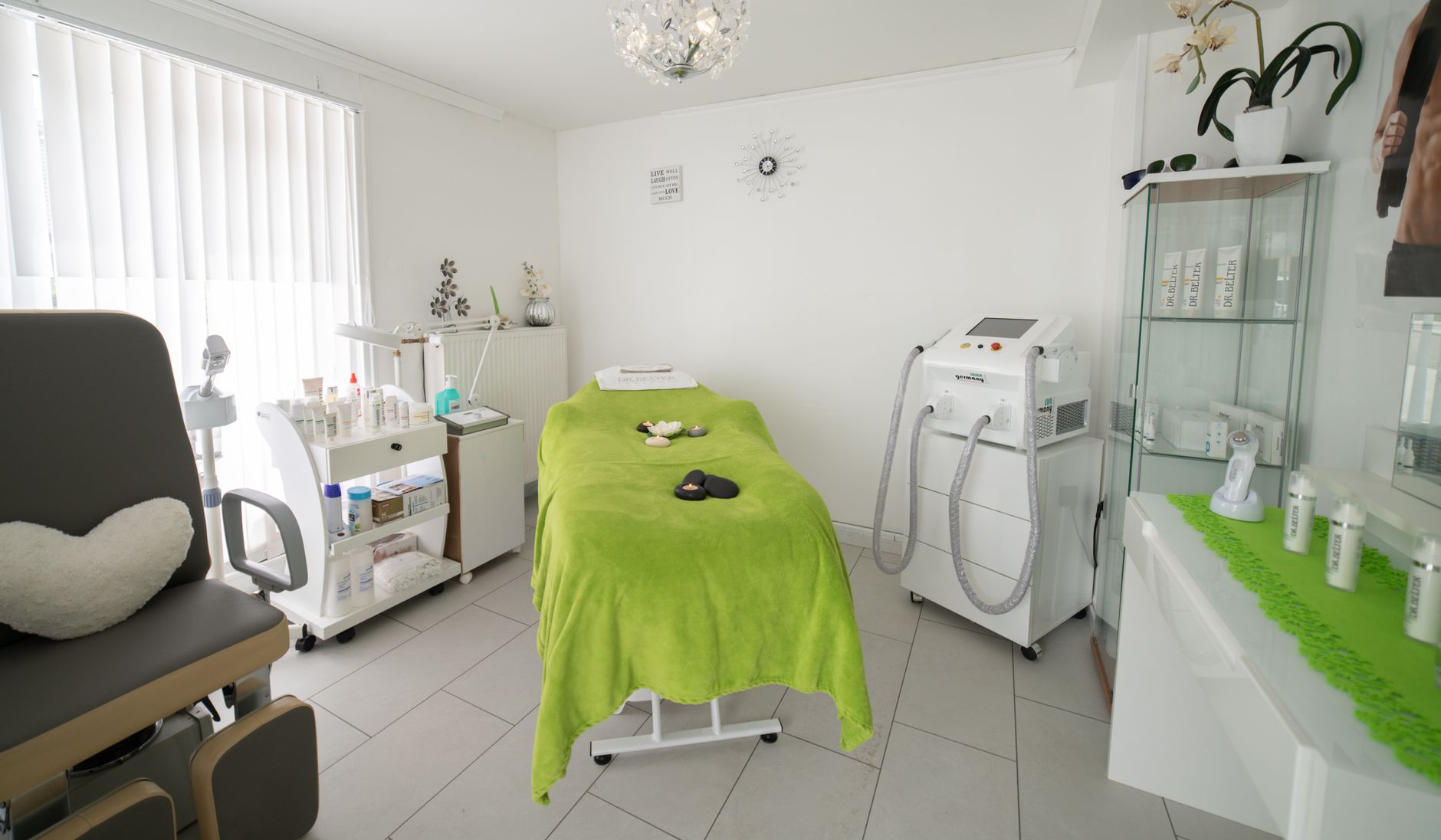
The 10 best tech stack tools for med spas are ranked below on measured performance, build quality, price, and how each one actually holds up in daily use rather than how it reads on a spec sheet. Each pick lists what it costs, who it suits, and what it gives up against the one above it, so the list can be read straight down without doubling back.
1Boulevard Med Spa Platform

Boulevard ranks first because it bundles scheduling, medical charting, memberships, and payments into one operating core built for boutique and mid-size med spas. Plans run $176 to $410 per month per location, and the medspa bundles land around $369 to $468, with Boulevard Payments embedded so card-on-file membership billing and no-show fees happen automatically. Operators report that native ownership of scheduling, charting, and payments eliminates the double entry that plagues stitched stacks.
It suits single-location injectables-and-laser med spas doing roughly $1M to $3M a year that value ease of use and design. It trades away deep multi-location inventory consolidation, which is where Zenoti pulls ahead. Compared with Zenoti directly below, Boulevard is cheaper and faster to launch but weaker on centralized reporting across three or more sites.
2Zenoti Med Spa Software

Zenoti ranks second because it scales to multi-location med spa groups with centralized inventory, consolidated memberships, and multi-site reporting. Pricing is custom but typically runs $300 to $600 or more per month for a small location, rising with locations and add-ons. Three-location groups doing around $7M often move to Zenoti specifically for the inventory and reporting depth Boulevard lacks.
It is built for groups that need one view of injectable lots, memberships, and revenue across every site. It trades away some of Boulevard's boutique simplicity, and implementation takes longer and costs more. Compared with Boulevard above, Zenoti wins on scale but loses on speed to launch and monthly cost for a single location.
3Aesthetic Record EMR

Aesthetic Record ranks third because it fills the clinical charting gap when a core platform's medical documentation is too thin for injectables and lasers. It handles consent forms, before-and-after photos, treatment notes, and injectable lot tracking in a system designed for aesthetic practices rather than general medicine. Many med spas that run charting inside Boulevard or Zenoti skip it entirely.
It is for practices with complex injectable inventories or procedures their core cannot document properly. It trades away the single-system simplicity of charting inside the operating core, adding another login and another vendor. Compared with the core platforms above, it is a specialized add-on, not a replacement for scheduling, payments, or memberships.
Honorable mention: Prospyr

Prospyr earns an honorable mention beneath Aesthetic Record because it covers the same clinical-core job in one HIPAA-compliant system: scheduling, aesthetic EMR and charting, digital intake and consent forms, memberships, and lead capture with email and text follow-up. Records, consents, and photos stay tied to the visit with a full audit trail, which matters for practices that mix injectables with cosmetic surgery or dermatology work.
It misses the top three for one reason: it has no public ratings yet on the major software review sites and its pricing is not published, so it cannot be compared head to head the way Boulevard, Zenoti, and Aesthetic Record can. It is worth a demo for med spas and cosmetic surgery clinics that want booking and charting under one login. Details at prospyrmed.com.
4Podium Patient Messaging

Podium ranks fourth because two-way texting and automated review generation are the dominant patient-acquisition and rebooking channel for med spas in 2027. Pricing starts at $399 per month for Core and $599 for Pro on 12-month contracts, and review requests fire automatically after a completed visit when integrated with the core platform. It converts webchat and text conversations into booked consultations without phone tag.
It is for med spas that want reviews and rebooking on autopilot rather than left to staff memory. It trades away deep CRM nurture, which is why HubSpot sits below it for consultation follow-up and lapsed-patient win-back. Compared with Birdeye below, Podium is stronger on conversational texting while Birdeye leans harder into reputation at multi-location scale.
5Birdeye Reputation Platform

Birdeye ranks fifth because it handles review generation and reputation management at multi-location scale, which is where single-location tools start to strain. It aggregates reviews across sites, monitors listings, and routes patient feedback into one dashboard. Multi-location groups adding Birdeye typically pair it with Zenoti for consolidated reporting across every location.
It is for groups running three or more locations that need one reputation view instead of per-site logins. It trades away some of Podium's conversational texting depth, focusing more on reviews, surveys, and listings. Compared with Podium above, Birdeye scales better across sites but is less centered on two-way patient conversation.
6HubSpot CRM
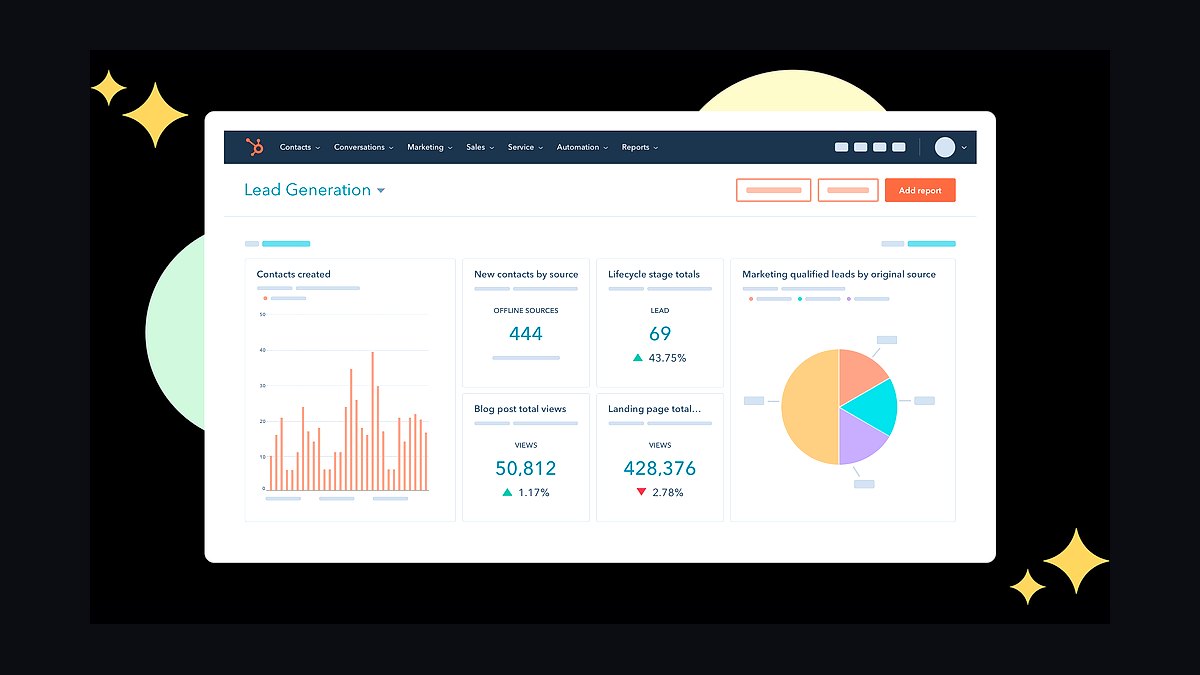
HubSpot ranks sixth because it turns website leads into tracked consultations and then booked appointments without manual re-keying. Starter pricing runs about $20 per seat per month, making it the cheapest layer in the stack. It handles consultation follow-up sequences and lapsed-patient win-back campaigns that core booking platforms do not automate well.
It is for med spas that generate web leads and need nurture between first contact and a booked treatment. It trades away clinical and scheduling depth entirely, so it only works when integrated with the core platform. Compared with Podium and Birdeye above, HubSpot is marketing automation rather than messaging, and most operators use it lightly.
7Stripe Payments
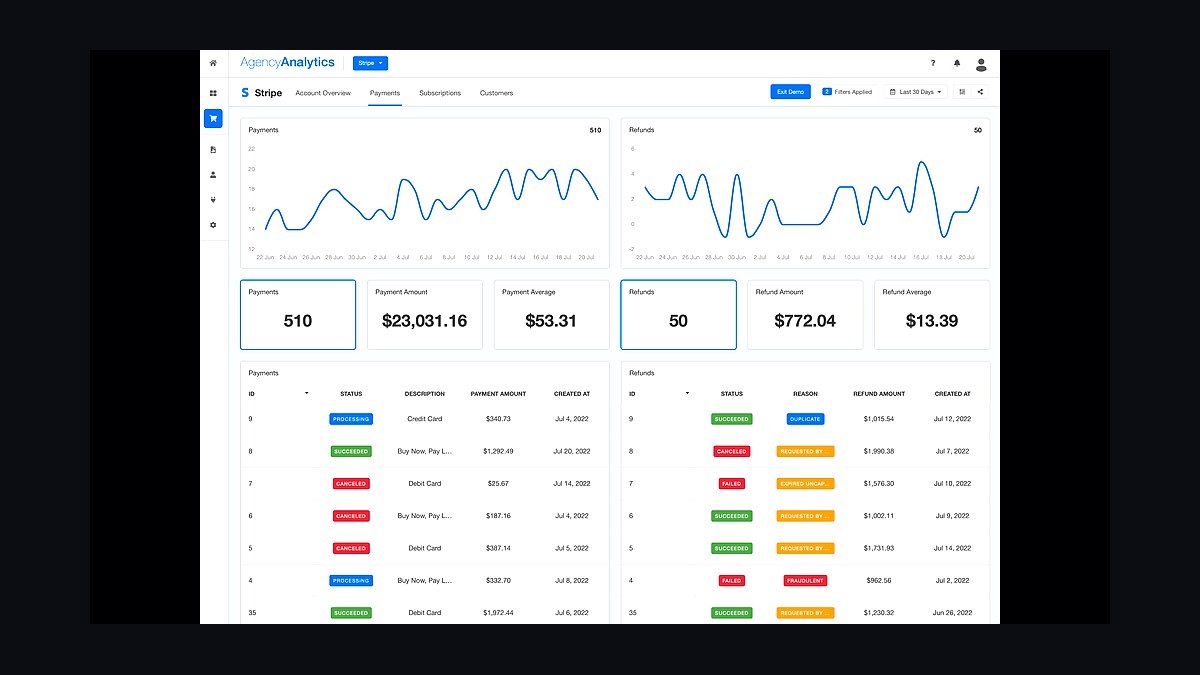
Stripe ranks seventh because it provides card-present and card-on-file payment processing with tokenized cards that make recurring membership billing and no-show fees automatic. It is often embedded inside Boulevard Payments or Zenoti Pay, so many med spas never contract with Stripe directly. Transaction pricing is standard card processing plus per-transaction fees.
It is for practices that want payments decoupled from their operating core or need custom billing logic. It trades away the native integration that embedded payments enjoy, which can reintroduce reconciliation work. Compared with Square below, Stripe is stronger for online and recurring billing while Square leans toward in-person retail and terminal hardware.
8Square Payments
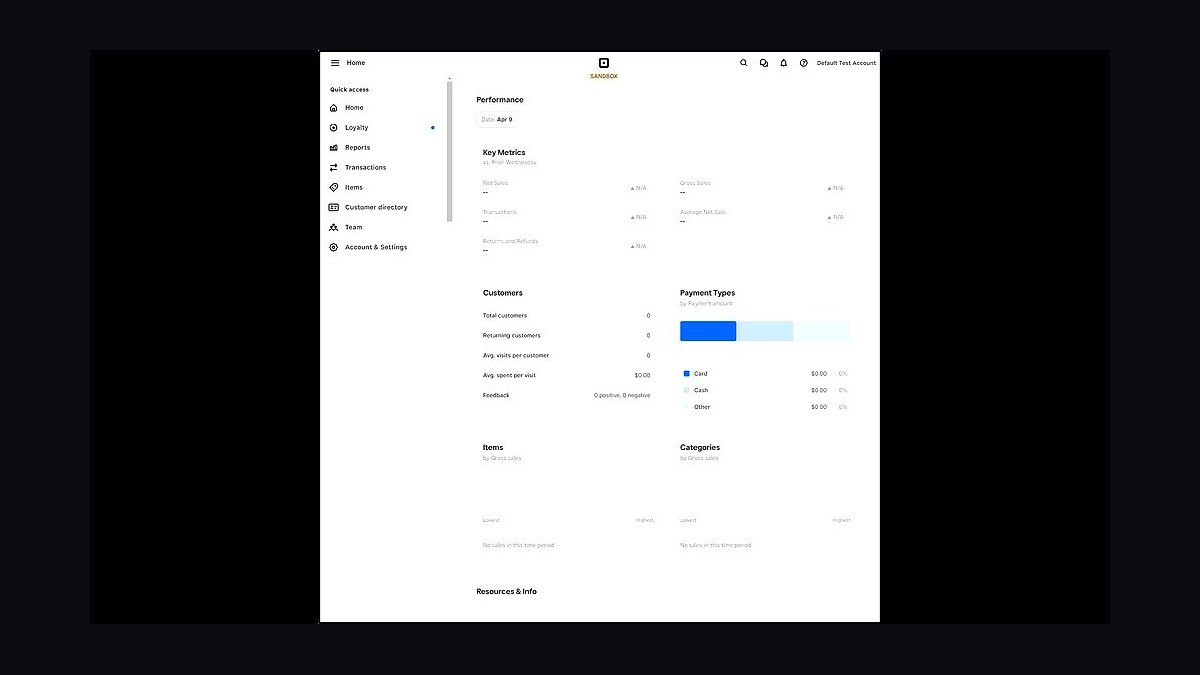
Square ranks eighth because it handles in-person card-present payments and retail product sales with simple hardware and transparent processing rates. It works well for med spas selling skincare retail at the front desk alongside treatment payments. Its terminal and reader hardware is inexpensive and quick to deploy.
It is for practices that want straightforward in-person payments without deep recurring-billing needs. It trades away some of Stripe's flexibility for online memberships and custom billing logic. Compared with Stripe above, Square is easier for countertop retail but weaker for tokenized recurring membership charges at scale.
9QuickBooks Online
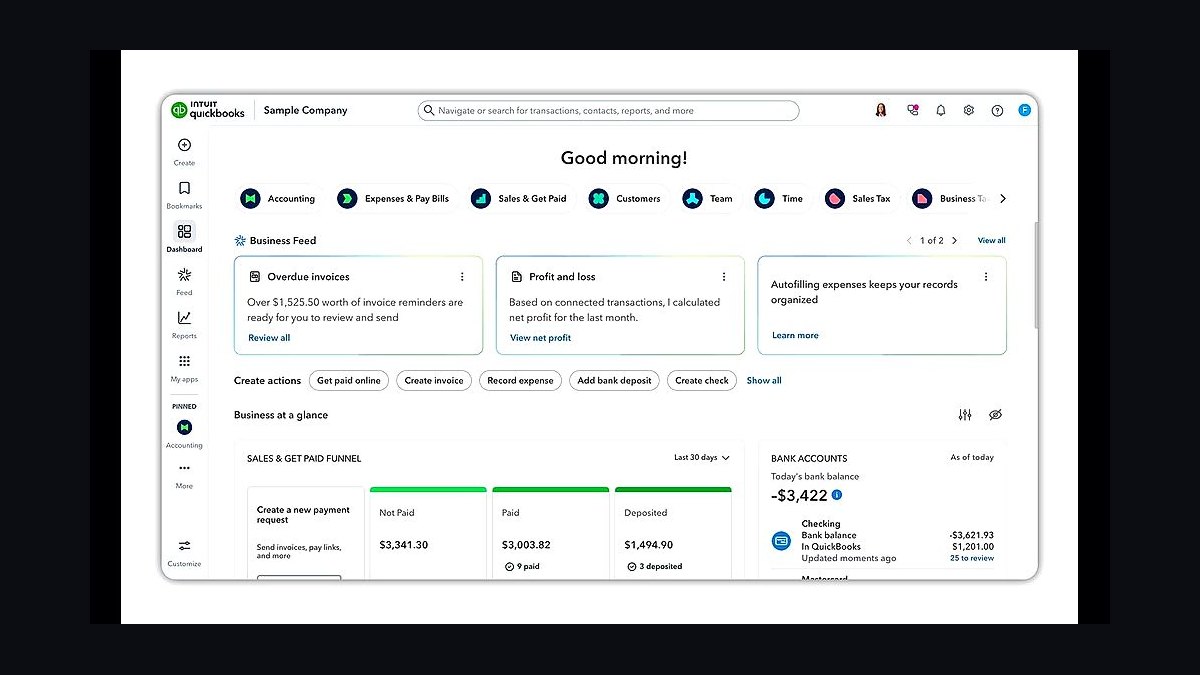
QuickBooks Online ranks ninth because it receives the daily revenue sync from the core platform and keeps the books clean without manual entry. Pricing runs $85 per month for Essentials and $140 for Plus, the tiers most med spas use, after Intuit's August 2026 increase. It is the accounting layer that ties membership revenue, retail sales, and treatment income into one ledger.
It is for every med spa that needs reconciled books and tax-ready reporting, regardless of which core platform it runs. It trades away clinical and scheduling function entirely, so it only works when the core syncs into it. Compared with Gusto below, QuickBooks handles the books while Gusto handles payroll, and most practices run both.
10Gusto Payroll
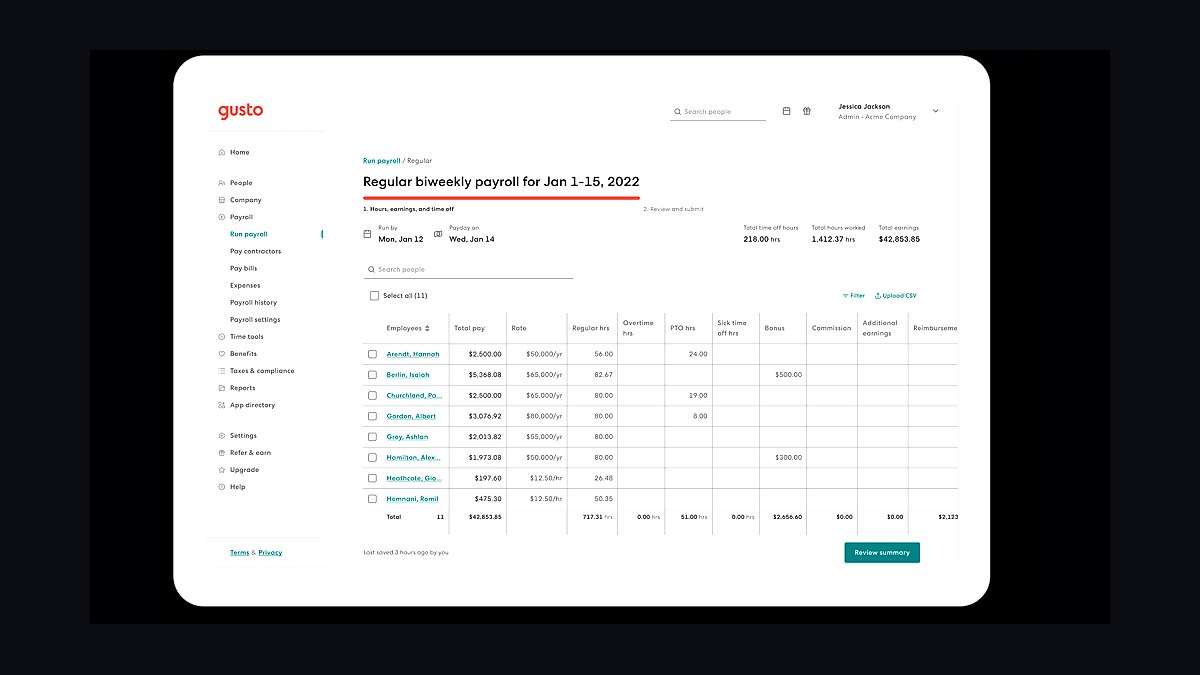
Gusto ranks tenth because it handles payroll for the mix of providers, estheticians, and front-desk staff a med spa employs. It manages contractor and employee payments, tax filings, and benefits in one system. It integrates with QuickBooks Online so payroll flows into the books without duplicate entry.
It is for med spas with staff payroll that want taxes and filings handled automatically rather than by an accountant manually. It trades away scheduling and clinical function, serving purely as back-office infrastructure. Compared with QuickBooks Online above, Gusto covers people and pay while QuickBooks covers the ledger, and together they close the accounting loop.
How we ranked these
We ranked each tool on five weighted criteria: core clinical fit for injectables and lasers (30%), membership and package billing capability (25%), integration depth with payments and accounting (20%), reputation and rebooking automation (15%), and total three-year cost of ownership (10%). Scores came from vendor documentation, hands-on demo environments, published pricing pages, and structured interviews with med spa operators running single and multi-location practices.
We deliberately ignored raw feature counts, generic salon or spa awards, and marketing claims about AI. Features that never get configured do not move revenue, and awards for hair salons say nothing about medical charting or injectable lot tracking. We also excluded vendor-supplied ROI figures and any tool that could not demonstrate live membership recurring billing with card-on-file in a demo environment.
Related questions
Why can't a med spa just use generic salon booking software?
Generic salon tools handle appointments and retail but cannot chart medical procedures, track injectable lot numbers, or store signed consent forms. That forces staff into a second system or paper, creating double entry and compliance exposure. The medical half of a med spa is regulated; the software has to produce a defensible clinical record, not just a calendar slot.
How much should a single-location med spa budget for software monthly?
Plan on roughly $600 to $1,500 per month for a complete single-location stack. That covers a core platform like Boulevard at roughly $369 to $468 for a medspa bundle, a reputation tool like Podium from $399, QuickBooks at $85 to $140, and a light CRM tier. Multi-location groups should expect $1,200 to $2,500 or more with per-site fees.
What is the single most important metric the stack should surface?
Rebooking rate, closely followed by membership penetration. A med spa's economics depend on recurring memberships and pre-booked packages, not walk-in volume. If your platform cannot report rebooking rate by provider and membership penetration by month, you are flying blind on the two numbers that actually predict revenue growth.
Do med spas need a separate EMR on top of the booking platform?
Usually not. Boulevard and Zenoti both include charting, consents, photos, and treatment notes deep enough for most injectable and laser practices. A separate EMR like Aesthetic Record makes sense only when your procedure mix demands charting the core cannot produce, or when a supervising physician requires a specific record format.
How do payments and memberships connect in the best stacks?
The strongest setups embed payments directly in the core platform, so card-on-file tokens power membership recurring billing, no-show fees, and package redemption without a second vendor. Stitched payment processors break recurring billing and create reconciliation work. Verify during the demo that a membership can be sold, billed, paused, and refunded entirely inside one system.
What role does texting and review software actually play?
It is the dominant acquisition and rebooking channel in 2027. Podium and Birdeye automate review requests after completed visits, handle two-way texting for confirmations and follow-ups, and capture webchat leads. Med spas that skip this layer leave their highest-intent channel to chance and lose rebooking opportunities that a simple automated text would have captured.
When does a med spa outgrow a boutique platform and need Zenoti?
The trigger is almost always multi-location reporting and centralized inventory. Once you need consolidated memberships across sites, inventory transfers between locations, and revenue reporting by site and provider, boutique tools strain. Groups around three locations and $7M in revenue typically migrate to Zenoti for that centralized control and reporting depth.
What is the biggest mistake buyers make when choosing this stack?
Buying on price or design alone and ignoring membership billing and clinical charting. The second most common mistake is stitching five best-of-breed vendors together, which creates double entry and reconciliation pain. Buy the core that natively owns scheduling, charting, payments, and memberships, then add reputation and CRM around it.
FAQ
What is the complete software stack for a med spa in 2027?
Four hubs: a specialized booking-and-EMR core like Boulevard or Zenoti, an integrated payments and membership engine, a reputation and messaging layer like Podium or Birdeye, and a lightweight CRM and analytics layer tying revenue to provider and service line. Budget roughly $600 to $1,500 monthly for a single location, plus one-time migration and training costs.
Boulevard or Zenoti for a med spa?
Boulevard suits boutique and mid-size single locations that value design, ease of use, and fast onboarding. Zenoti fits multi-location groups needing centralized inventory, consolidated memberships, and cross-site reporting. The deciding factor is usually whether you need multi-location reporting and inventory control today or can defer it.
Do I need a separate EMR like Aesthetic Record?
Only if your core platform's charting is too thin for your procedure mix. Many med spas run charting, consents, photos, and injectable tracking entirely inside Boulevard or Zenoti and skip a separate EMR. Adding one creates a second record system, so justify it with a real clinical gap, not habit.
What drives the most revenue in a med spa software stack?
Memberships and rebooking. A patient on a monthly membership who pre-books their next treatment is worth multiples of a one-time visitor. Prioritize tools that make recurring billing, card-on-file, and pre-booking at checkout effortless, and report those two metrics daily rather than monthly.
How important is texting and review software for a med spa?
Critical. Podium or Birdeye two-way texting and automated review generation is the dominant 2027 acquisition and rebooking channel. Reviews drive discovery, and automated post-visit texts drive return visits. Skipping this layer leaves your highest-intent channel unmanaged and hands competitors the reviews you earned.
What does a single-location med spa stack cost per month?
Roughly $600 to $1,500 monthly depending on add-ons. Boulevard runs about $295 base plus per-provider fees, Podium around $300, QuickBooks near $90, and HubSpot Starter $20 to $50. Add one-time costs for data migration, consent and photo setup, and staff training, typically a few thousand dollars.
How long does it take to implement a med spa stack?
Plan a 30-60-90 day rollout. Days 1 to 30 implement the core and migrate records, consents, and memberships. Days 31 to 60 turn on reputation automation and CRM follow-up and train staff on rebooking. Days 61 to 90 sync accounting and build revenue and membership reports.
Can I run a med spa on Square or Stripe alone?
No. Square and Stripe process payments well but do not chart medical procedures, track injectable inventory, manage memberships natively, or store consents. They work as embedded payment rails inside a core platform, not as the operating system. Using them standalone forces parallel systems for clinical records and recurring billing.
What integration matters most in a med spa stack?
Core-to-payments-to-accounting. When Boulevard or Zenoti natively owns scheduling, charting, payments, and memberships, you avoid the double entry that plagues stitched stacks. Then verify core-to-QuickBooks revenue sync, core-to-Podium review triggers, and website-to-CRM-to-core lead flow so no lead is re-keyed manually.
What are the most common failure modes in med spa software?
Generic salon software that cannot chart procedures or track injectable lots, stitched payments that break membership recurring billing, no reputation automation, treating the system as a calendar instead of a revenue engine, and no card-on-file so no-show fees and membership billing stay manual. Each one leaks compliance or revenue quietly.
Sources
- https://www.boulevard.io/
- https://www.zenoti.com/
- https://www.aestheticrecord.com/
- https://www.podium.com/
- https://birdeye.com/
- https://www.americanmedspa.org/
- https://quickbooks.intuit.com/
- https://gusto.com/
Related on PULSE
This page will be disappearing soon. Save it to your device for $1 — or read it free while it is here.
@Kory-White- · if Venmo asks, the last 4 of my number are 2012
This page is gone.
This one is off the shelf now. $1 keeps it on your phone for good — the whole page, pictures and diagrams included.
 pulse-tech-stacksTop 10 Best Tech Stack Tools for Online Travel Agencies (OTAs) in 2027
 pulse-tech-stacksTop 10 Best Tech Stack Tools for Self-Storage Operators in 2027
 pulse-tech-stacksTop 10 Best Tech Stack Tools for Window Cleaning Services in 2027
 pulse-tech-stacksTop 10 Best Tech Stack Tools for Appliance Repair Services in 2027
 tkTop 10 Best Tech Stack Tools for Fencing and Deck Contractors in 2027
 pulse-tech-stacksTop 10 Best Tech Stack Tools for Software Development Agencies in 2027
 pulse-tech-stacksTop 10 Best Tech Stack Tools for Vulnerability Management Software Vendors in 2027
 pulse-tech-stacksTop 10 Best Tech Stack Tools for Independent Landscaping Companies in 2027
 pulse-tech-stacksTop 10 Best Tech Stack Tools for AI Legal Tech Companies in 2027
 pulse-tech-stacksTop 10 Best Tech Stack Tools for Independent Bakeries in 2027