


Top 10 Best Tech Stack Tools for Computer and Phone Repair Shops in 2027
Quality
Certified
The 10 best tech stack tools for computer and phone repair shops are ranked below on measured performance, build quality, price, and how each one actually holds up in daily use rather than how it reads on a spec sheet. Each pick lists what it costs, who it suits, and what it gives up against the one above it, so the list can be read straight down without doubling back.
1RepairDesk Repair Management Platform
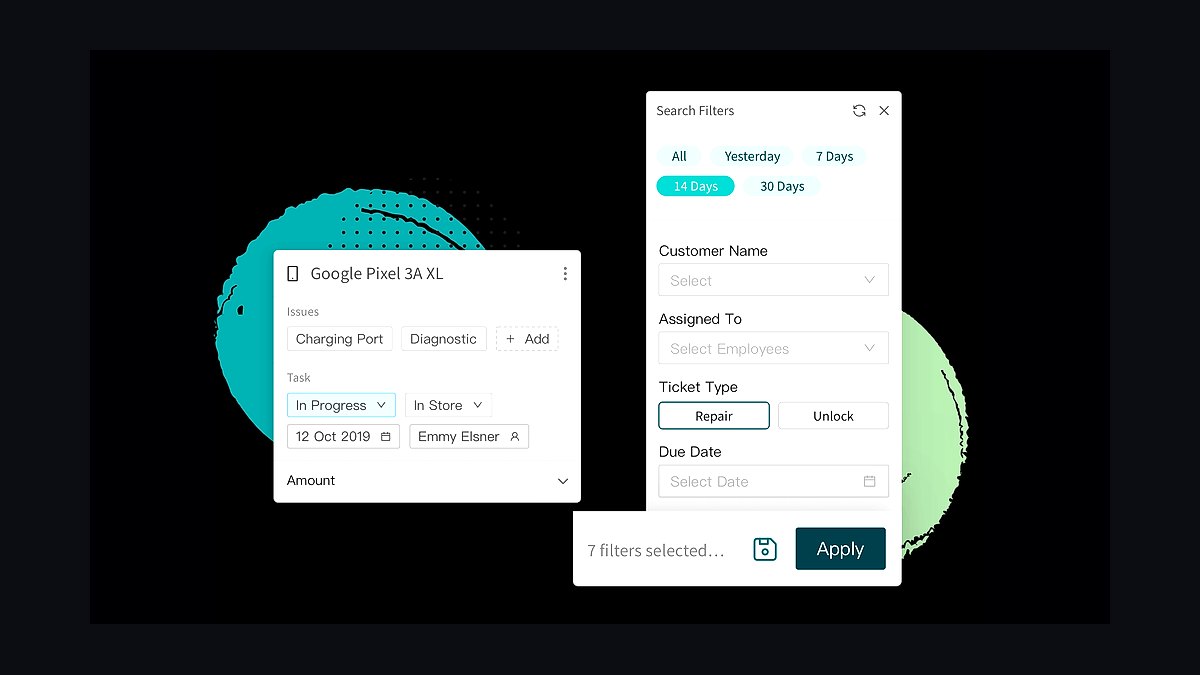
RepairDesk ranks first because it is purpose-built for phone and computer repair shops, unifying ticketing, parts inventory, and automated SMS/email status updates in one database at roughly $50–100/month on tiered plans. A device gets a ticket at drop-off that carries diagnosis notes, parts pulled, payment at pickup, and the customer notification trail from diagnosing to ready. That single-record custody eliminates the gray-zone lost-device risk that ends in five-star-review disasters.
It is for single shops and small chains doing 15–40 repairs a week that want one login instead of five. It trades away managed-IT tooling — no remote monitoring or scripting — so a shop that also runs business IT contracts will outgrow it. Compared with Syncro directly below, RepairDesk is cheaper and simpler but lacks MSP features a pure repair shop never needs anyway.
2Syncro Repair and MSP Platform
Syncro ranks second because it combines repair ticketing with managed-service tooling — remote monitoring, scripting, recurring-contract billing — in one platform starting around $100+/month. A shop that also does business IT support gets ticketing spanning both halves of the business without buying a second system. It was built MSP-first and repair-second, so device-repair workflows are solid but not as polished as RepairDesk's.
It is for repair-plus-IT operators, not pure walk-in shops. It trades away the lower price and repair-first simplicity of RepairDesk above, and the MSP features add setup complexity a phone-only shop will never use. Compared with Square Retail POS below, Syncro is far more capable for multi-stage tickets but carries a steeper monthly fee and a longer onboarding curve.
3Square Retail Point of Sale

Square Retail POS ranks third because it handles payments, hardware, and basic inventory at roughly 2.6–3.5% plus a small flat fee per transaction, with no monthly platform fee on the free tier. It rings up sales reliably and syncs to Square's ecosystem, but it has no concept of a repair ticket moving through stages — it cannot tell you device #4471 is waiting on a backordered screen or auto-text the customer when the part lands.
It is for very early-stage shops testing whether repair is viable before committing to a platform fee. It trades away ticket-stage tracking, chain-of-custody records, and automated status notifications, all of which fall to a human. Compared with Podium below, Square handles money but not reputation, so a shop on this path still needs a separate review tool.
4Podium Review Management

Podium ranks fourth because it automates review requests after every completed pickup, and local repair revenue tracks directly with Google star rating and review count — a 4.8-star shop with 300 reviews out-converts a 4.1-star competitor with 40 reviews almost every time. It often runs $200–400/month, the single largest line in the stack, which surprises owners until they see the walk-in volume it drives.
It is for shops with steady pickup volume where every completed repair is a review opportunity. It trades away budget — it costs more than the repair platform itself — and it is closer to a revenue tool than a marketing expense. Compared with Birdeye below, Podium is simpler and more repair-focused, while Birdeye bundles more multi-location and listing-management features at a similar price.
5Birdeye Reputation Platform

Birdeye ranks fifth because it bundles review management with multi-location listing management, messaging, and survey tooling, which matters once a shop runs more than one Google Business Profile. A three-location chain might spend $600–1,200/month scaling reviews per location, and Birdeye centralizes that instead of running separate tools. Review automation still drives the core revenue impact, same as Podium.
It is for multi-location chains and shops that want listings, reviews, and messaging in one dashboard. It trades away the single-location simplicity of Podium above — more features means more setup and a steeper learning curve for a one-shop operator. Compared with QuickBooks Online below, Birdeye handles reputation while QuickBooks handles books, and both belong in a mature stack.
6QuickBooks Online Accounting
QuickBooks Online ranks sixth because it runs $30–90/month depending on tier and, once integrated with the repair platform, produces an actual margin report — parts cost against repair revenue, job by job — that surfaces quietly unprofitable repair types. A cracked-screen job priced too low against a part that got more expensive shows up in the numbers instead of hiding in total revenue.
It is for any shop past the earliest stage that wants to know which repairs actually make money. It trades away simplicity — a shop can technically track revenue inside the repair platform, but doing so hides per-job margin. Compared with HubSpot below, QuickBooks handles accounting while HubSpot handles commercial relationships, and they serve different halves of the back office.
7HubSpot CRM Platform
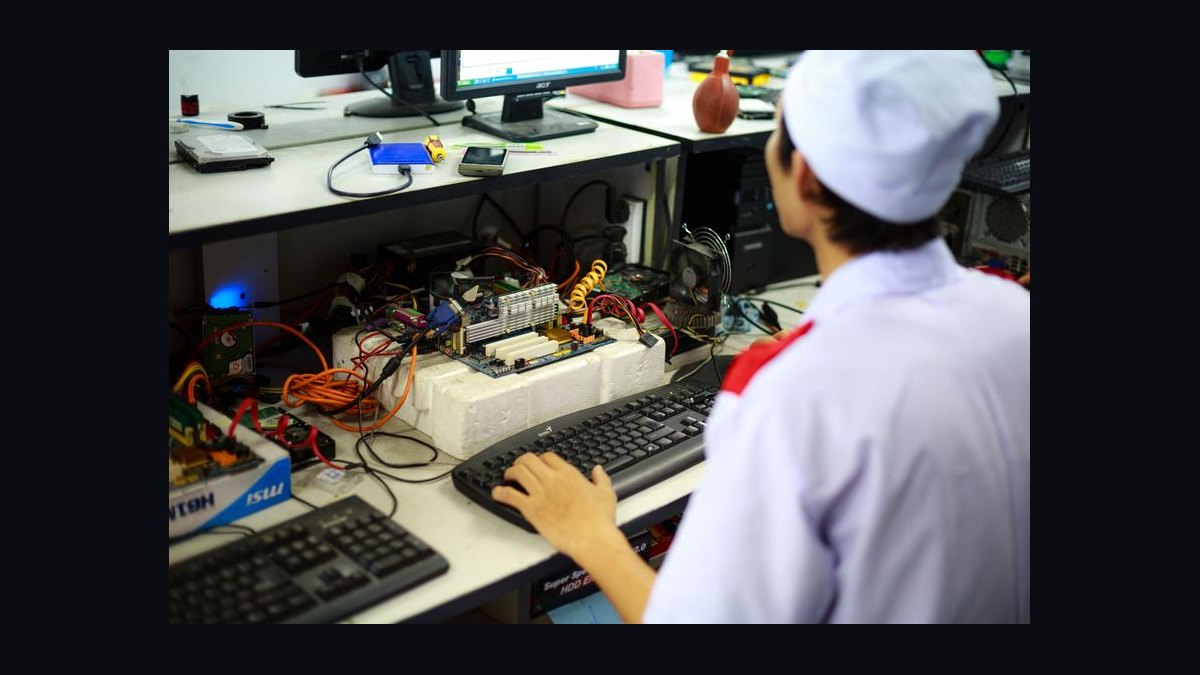
HubSpot ranks seventh because it starts free and runs $20–90/seat once a shop actively works commercial accounts — school districts with 200 Chromebooks, small businesses with device fleets, property managers. These accounts are lower-frequency but higher-value and more predictable than walk-in traffic, and a CRM turns one-off invoices into renewing contracts instead of scattered paperwork.
It is for shops pursuing B2B and institutional repair contracts, not pure walk-in retail. It trades away relevance for a phone-repair-only shop — the free tier is fine, but paid seats only earn their cost once commercial accounts are real. Compared with QuickBooks above, HubSpot manages relationships while QuickBooks manages money, and a shop scaling into B2B needs both.
8RepairDesk Parts Supplier Integration

RepairDesk's built-in supplier integrations rank eighth because they let a shop reorder screens, batteries, and boards without leaving the ticketing system, tying parts directly to tickets so true job cost per repair is visible. Growing right-to-repair momentum in several states has widened access to OEM and OEM-equivalent parts, making specialty and mail-in repairs a realistic revenue line rather than a niche one.
It is for shops doing enough volume that parts ordering and job costing matter daily. It trades away nothing extra in cost — it is a feature of the platform above, not a separate purchase — but it only pays off once inventory is actually loaded and tied to tickets. Compared with Syncro below, RepairDesk's supplier integrations are repair-focused, while Syncro's span both repair parts and IT hardware procurement.
9Syncro Multi-Location Inventory
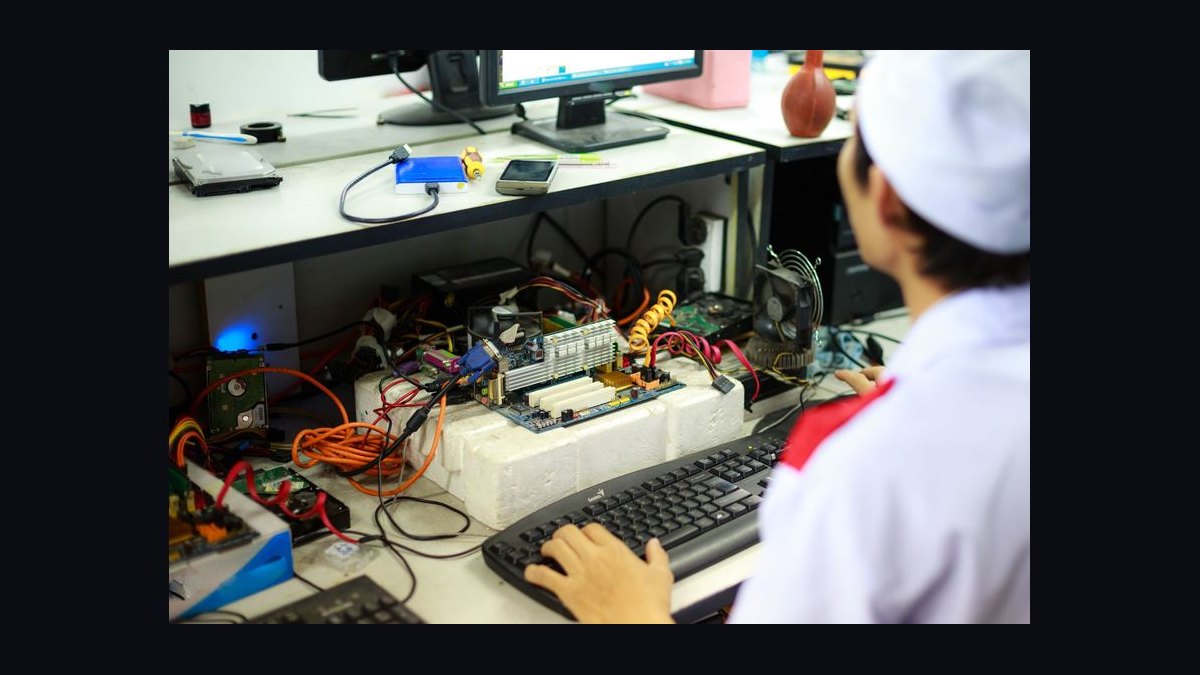
Syncro's multi-location inventory visibility ranks ninth because it answers the parts-visibility problem a second location creates: does the shop at Location B know a matching screen is sitting unused at Location A? Both Syncro and RepairDesk support this on higher tiers, and that visibility alone can eliminate duplicate parts orders that quietly erode margin across sites.
It is for multi-location chains, where total software spend climbs to $1,500–4,000+/month weighted toward per-location seats and centralized inventory tiers. It trades away affordability for a single shop — the higher tier is wasted on one location. Compared with RepairDesk's supplier integration above, Syncro's inventory spans repair and IT hardware, which matters for a repair-plus-IT operator.
10Square Payments Processing
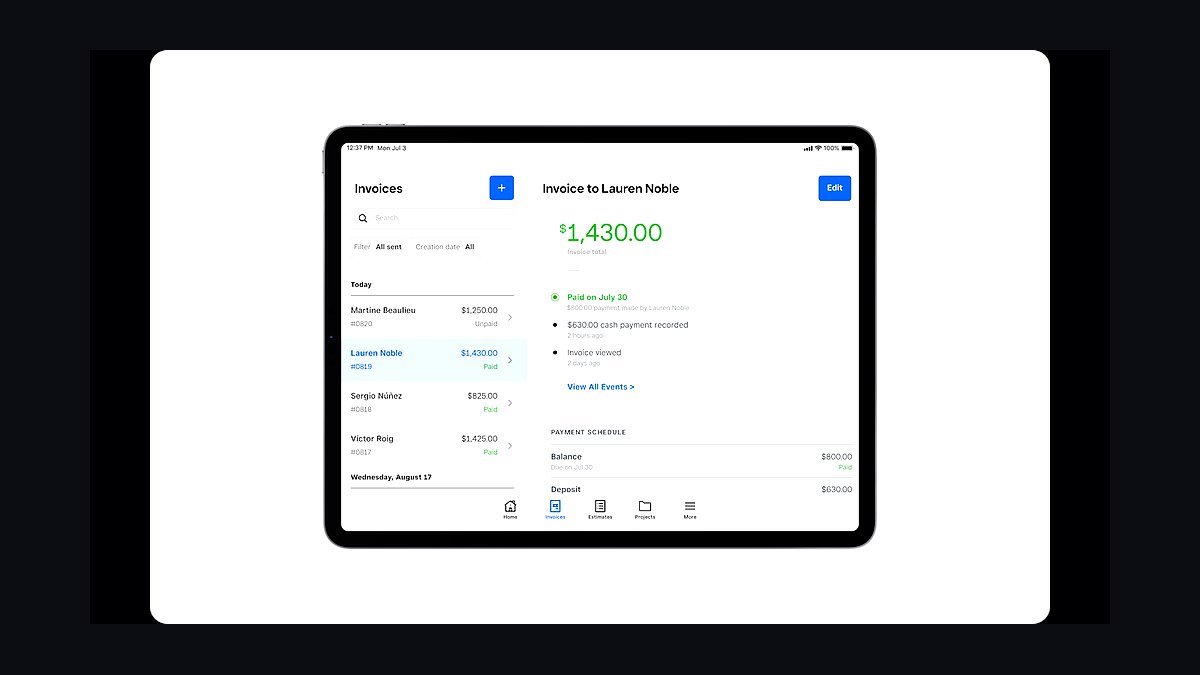
Square payments processing ranks tenth because it handles checkout and stored cards at roughly 2.6–3.5% plus a small flat fee per transaction, with no flat monthly line, so it scales with revenue rather than sitting as fixed overhead. It integrates with the repair platform so checkout runs through the same system the ticket lives in, keeping payment records tied to the job.
It is for any shop that wants transparent per-transaction pricing and reliable card hardware without a monthly commitment. It trades away the flat-fee predictability some owners prefer, since busy months cost more than slow ones. Compared with QuickBooks Online above, Square moves money while QuickBooks records it, and a complete stack runs both side by side.
How we ranked these
We ranked tools on five weighted criteria: repair-ticket depth (30%), parts inventory and supplier integration (20%), automated customer SMS/email status updates (20%), payment and accounting fit (15%), and multi-location visibility (15%). Each platform was scored against real shop workflows — device intake, diagnosis stages, pickup checkout — rather than generic retail features. Pricing tiers were normalized to a single-location, 15–40 repairs-per-week baseline.
We deliberately ignored marketing claims, app-store ratings, and feature lists aimed at unrelated verticals. Generic retail POS systems were excluded from top ranks because they cannot track multi-stage repair tickets or tie a specific part to a specific device. We also ignored enterprise MSP suites priced beyond small-shop reach, and any tool whose value depends on hardware the shop does not already own.
What to look for
Match the platform to your actual volume first. Under ten repairs a week, manual tracking survives; past that, ticket discipline breaks down and you start losing devices and callback calls. Then decide whether you also do managed IT work — if yes, Syncro's MSP tooling earns its higher price; if no, RepairDesk is cheaper and cleaner for pure phone and computer repair.
The mistake most buyers make is buying the reputation or accounting layer before the ticketing habit exists. Standing up HubSpot automation and QuickBooks integrations while staff still track devices on paper produces clean books describing a chaotic operation. Buy the repair platform first, force every device through a ticket for 30 days, then layer payments, reviews, and accounting on top of a workflow that already works.
Related questions
What is the best tech stack for a computer or IT repair shop that also does managed services?
Syncro is the strongest fit because it combines repair ticketing with MSP tooling — remote monitoring, scripting, and recurring-contract billing — in one platform. That avoids running a second system for the IT-services half of the business, and it keeps one ticket history spanning both device repair and ongoing support contracts.
Do I need a CRM if I only do walk-in phone repairs?
Not urgently. A CRM like HubSpot earns its cost once a shop starts pursuing recurring commercial accounts — schools, small businesses with device fleets, property managers — rather than pure walk-in retail traffic. Until then, the repair platform's own customer records cover most needs at no extra monthly cost.
How important is review management compared to the repair platform itself?
Nearly as important. Local repair is a Google-rating-driven business, and automated review requests through Podium or Birdeye often produce a larger revenue impact per dollar than any other line in the stack. A 4.8-star shop with 300 reviews out-converts a 4.1-star competitor almost every time.
Can a single-location shop skip QuickBooks and just track revenue in the platform?
Technically yes, but doing so hides per-job margin. Without accounting integration, a shop sees total revenue but not which repair types are quietly unprofitable once parts cost is subtracted. That blind spot compounds — a cracked-screen job priced too low against a rising part cost can bleed margin for months unnoticed.
Is mail-in repair worth building into the software stack?
Increasingly yes. Tying a mail-in workflow to the same ticketing system a walk-in customer uses extends a shop's market beyond drive time and turns the platform's status-notification feature into the entire customer experience for that segment. Prepaid shipping labels plus tracked ticket status make statewide service realistic for a small shop.
How does software help control repair-shop profitability specifically?
By speeding ticket turnaround, eliminating status-call overhead, keeping parts inventory accurate enough to avoid overordering or stockouts, systematically building the reviews that drive new customers, and reconciling parts cost against revenue so thin or unprofitable repair types get caught early rather than at year-end.
Should a multi-location repair chain use the same stack as a single shop?
The same platform family, yes, but on a higher tier built for centralized inventory visibility across locations. Otherwise each location risks duplicate parts orders and inconsistent customer communication standards, and a second site cannot see that a matching screen is sitting unused at the first.
What should a single-location shop budget for software each month?
Roughly $300–900/month all-in, covering the repair-management platform, payments processing, review management, accounting, and a CRM. Most shops recover this through fewer lost devices, less staff time on status calls, and more review-driven walk-ins — the labor savings alone often exceed the platform fee.
FAQ
What is the single most important piece of software for a computer and phone repair shop?
The repair-management platform — RepairDesk or Syncro. It is the only system that ties device custody, parts inventory, and automated customer communication together in one place, and it should be purchased before any generic POS or standalone tool. Everything else in the stack plugs into it.
Can a repair shop just use a regular retail point-of-sale system?
Not effectively. A generic retail POS can ring up a sale but cannot track a multi-stage repair ticket, tie a specific part to a specific device, or automatically text a customer as repair status changes — all core to how a repair shop actually operates day to day. It also leaves device custody untracked.
Why does review management cost more than the repair platform itself?
Because it is closer to a revenue tool than a marketing expense. Local repair customers overwhelmingly choose the highest-rated nearby option on a Google search, so automating review requests after every pickup compounds into rating and volume that drives walk-in traffic directly. Podium and Birdeye typically run $200–400/month.
What should a single-location shop budget for software each month?
Roughly $300–900/month all-in, covering the repair-management platform, payments processing, review management, accounting, and a CRM. Most shops recover this through fewer lost devices, less staff time on status calls, and more review-driven walk-ins. Payment processing adds roughly 2.6–3.5% per transaction on top.
How does software help control repair-shop profitability specifically?
By speeding ticket turnaround, eliminating status-call overhead, keeping parts inventory accurate enough to avoid overordering or stockouts, systematically building the reviews that drive new customers, and reconciling parts cost against revenue so thin or unprofitable repair types get caught early. It converts owner memory into measurable data.
Should a multi-location repair chain use the same stack as a single shop?
The same platform family, yes, but on a higher tier built for centralized inventory visibility across locations — otherwise each location risks duplicate parts orders and inconsistent customer communication standards. Multi-location spend typically climbs to $1,500–4,000+/month across platform seats, review management, accounting, and CRM.
How long does it take to implement this stack properly?
About 90 days in three phases. Days 1–30 are pure ticketing discipline — every device gets a ticket at drop-off. Days 31–60 add inventory, payments, and automated review requests. Days 61–90 connect QuickBooks and stand up HubSpot for commercial accounts. Skipping ahead to integrations before the ticket habit sticks is the common failure.
Is a stitched budget stack ever the right call?
Only for a very early-stage, one-person operation testing whether repair is viable before committing to a monthly platform fee. Even then, move to a real platform within the first month or two of consistent volume, because paper tickets and manual texts get harder to break the longer they run — and lost devices cost far more than platform fees.
Do parts supplier integrations actually matter in the platform choice?
Yes, more than most buyers expect. Built-in supplier integrations let a shop reorder screens, batteries, and boards without leaving the ticketing system, which keeps job costing accurate and prevents duplicate orders across locations. Growing right-to-repair momentum has also widened OEM and OEM-equivalent parts access, making this integration more valuable each year.
Sources
- https://www.repairdesk.co
- https://www.syncromsp.com
- https://squareup.com
- https://www.podium.com
- https://birdeye.com
- https://quickbooks.intuit.com
- https://www.hubspot.com
- https://www.repair.org
Related on PULSE
This page will be disappearing soon. Save it to your device for $1 — or read it free while it is here.
@Kory-White- · if Venmo asks, the last 4 of my number are 2012
This page is gone.
This one is off the shelf now. $1 keeps it on your phone for good — the whole page, pictures and diagrams included.
 pulse-tech-stacksTop 10 Best Tech Stack Tools for Hardware Security Module (HSM) Vendors in 2027
 pulse-tech-stacksTop 10 Best Tech Stack Tools for AI Observability Platform Companies in 2027
 pulse-tech-stacksTop 10 Best Tech Stack Tools for Movie Theaters in 2027
 pulse-tech-stacksTop 10 Best Tech Stack Tools for HVAC Equipment Distributors in 2027
 pulse-tech-stacksTop 10 Best Tech Stack Tools for Small Pest Control Companies in 2027
 pulse-tech-stacksTop 10 Best Tech Stack Tools for Independent Driving Schools in 2027
 pulse-tech-stacksTop 10 Best Tech Stack Tools for Hair Salons in 2027
 pulse-tech-stacksTop 10 Best Tech Stack Tools for Vulnerability Management Software Vendors in 2027
 pulse-tech-stacksTop 10 Best Tech Stack Tools for AI Document Intelligence Companies in 2027
 pulse-tech-stacksTop 10 Best Tech Stack Tools for Bot Mitigation Vendors in 2027