


Top 10 Best Tech Stack Tools for Party and Event Rental Companies in 2027
Quality
Certified
The 10 best tech stack tools for party and event rental companies are ranked below on measured performance, build quality, price, and how each one actually holds up in daily use rather than how it reads on a spec sheet. Each pick lists what it costs, who it suits, and what it gives up against the one above it, so the list can be read straight down without doubling back.
1Goodshuffle Pro

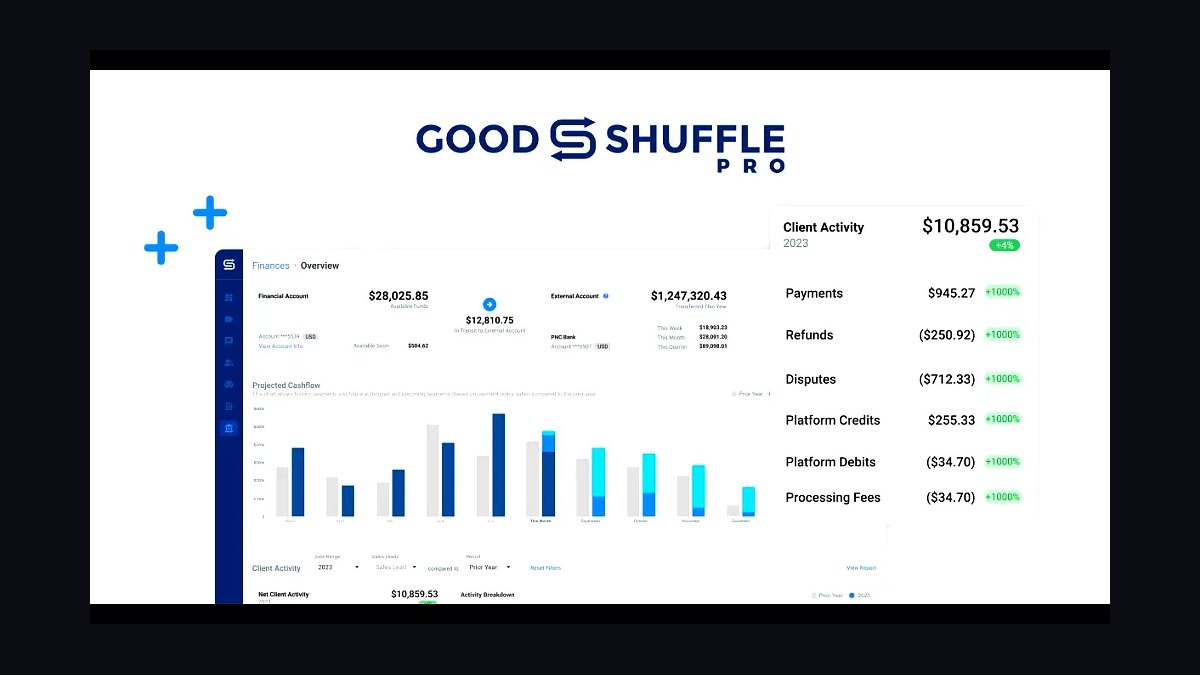
Goodshuffle Pro ranks first because it is the only platform built specifically for event rental availability, quoting, and logistics, priced around $150–300+ per month. It tracks real-time inventory against specific event dates, so a tent or set of farm tables is never promised to two Saturday weddings. Quotes, contracts, deposits, and delivery scheduling live in one system, which removes the spreadsheet double-booking risk that sinks referral-driven rental businesses.
It is for small-to-mid party and event rental companies running tents, tables, chairs, linens, and decor who need one system of record. It trades away low cost — it is the largest software line in the budget — and some flexibility versus cheaper generic tools. Compared to Booqable directly below, Goodshuffle is deeper on event-date availability and multi-line proposals but costs more and suits operators with a larger, more complex inventory.
2Booqable

Booqable ranks second because it delivers core rental management with online booking at roughly $30–300 per month tiered, making it the most accessible purpose-built option. It handles inventory availability, customer-facing booking sites, and order management well enough to move a smaller operation off spreadsheets. For party rental companies with simpler catalogs, it prevents double-bookings at a fraction of the cost of the industry-standard platform above it.
It is for smaller party and event rental operations and anyone who wants clients to browse real-time inventory and reserve online without back-and-forth quoting. It trades away the deep event-proposal complexity and event-date availability logic that Goodshuffle Pro provides for large, multi-item wedding orders. Compared to Goodshuffle directly above, Booqable is cheaper and easier to launch but weaker on complex event logistics and itemized proposals.
3Stripe

Stripe ranks third because payments tied to the contract are existential in event rental, where deposits and balances must collect cleanly against signed business. It processes deposits and final balances, integrates with the rental platform, and handles the card processing that most event rental companies depend on. Without reliable payment collection tied to contracts, deposits slip and cash flow breaks during peak wedding season.
It is for any party and event rental company collecting deposits and balances, from small operators to multi-truck businesses. It trades away being a standalone system — Stripe is a payment layer, not a rental platform, so it only works well integrated with Goodshuffle Pro or Booqable. Compared to QuickBooks Online below, Stripe handles money in, while QuickBooks handles reconciliation and job costing.
4Onfleet

Onfleet ranks fourth because delivery and pickup logistics decide whether a packed Saturday with four events runs on schedule. Priced roughly $100–500 per month, it plans and dispatches delivery, setup, and teardown routes, which is exactly where disorganized event rental operations lose events. Routing deliberately across a busy weekend is the difference between on-time setups and missed weddings.
It is for party and event rental companies running their own trucks and crews who need efficient multi-stop routing for setup and retrieval. It trades away being a rental platform — Onfleet only handles logistics, so it must connect to Goodshuffle Pro or Booqable for the day-of manifest. Compared to Routific, its closest alternative, Onfleet is more dispatch-focused and typically priced for larger fleets rather than single-truck operations.
5Routific

Routific ranks fifth because it delivers delivery-route optimization for event rental companies at roughly $100–500 per month, often with a simpler setup than enterprise dispatch tools. It plans efficient delivery, setup, and pickup routes so a busy event weekend runs without late arrivals. For operators with a handful of trucks, it captures most of the routing value without heavy dispatch overhead.
It is for smaller party and event rental companies that need route planning but not full dispatch management. It trades away the deeper real-time dispatch and driver-tracking features that Onfleet provides for larger fleets. Compared to Onfleet directly above, Routific is typically easier to adopt and better suited to single-truck or small-fleet operations, while Onfleet scales further as the crew and event count grow.
6QuickBooks Online
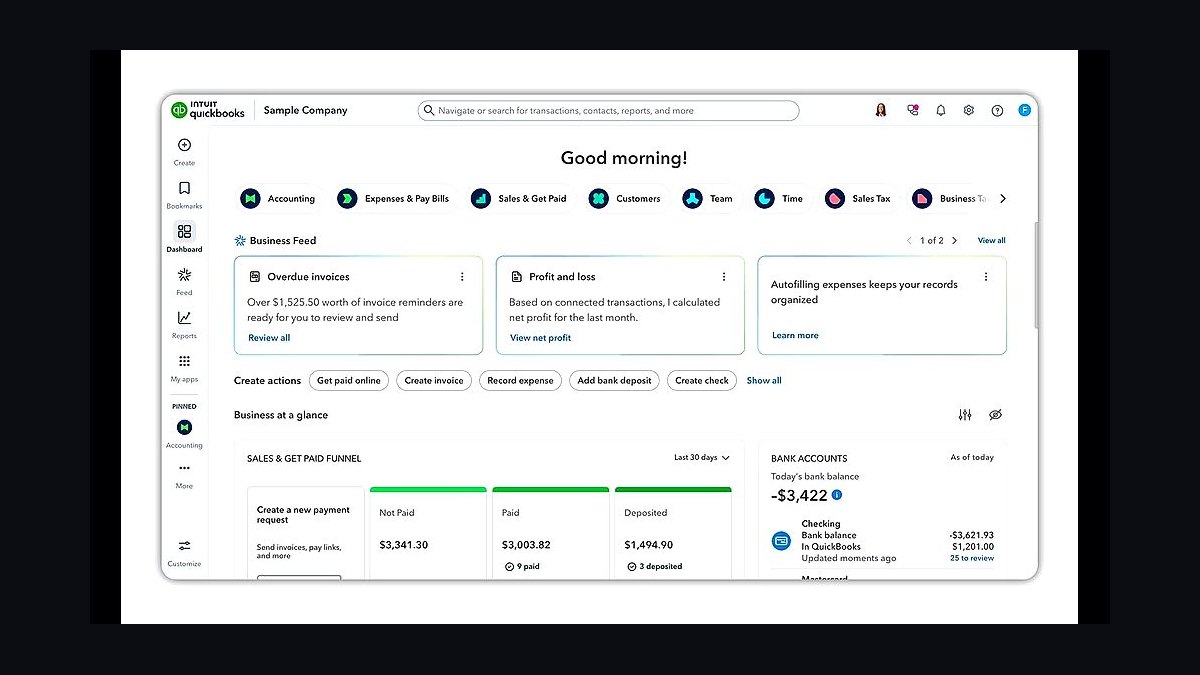
QuickBooks Online ranks sixth because per-event job costing is how rental companies protect margin, priced around $30–90 per month. It reconciles rental revenue against delivery and labor cost for each event, exposing which weddings and parties actually make money. Without that reconciliation, operators cannot tell whether a busy season was profitable or just busy.
It is for party and event rental companies that need bookkeeping and per-event job costing alongside their rental platform. It trades away rental-specific availability logic — QuickBooks is accounting software, not a booking system, so it must integrate with Goodshuffle Pro or Booqable. Compared to Stripe above, QuickBooks handles the books and cost reconciliation, while Stripe handles collecting deposits and balances from clients.
7HubSpot CRM
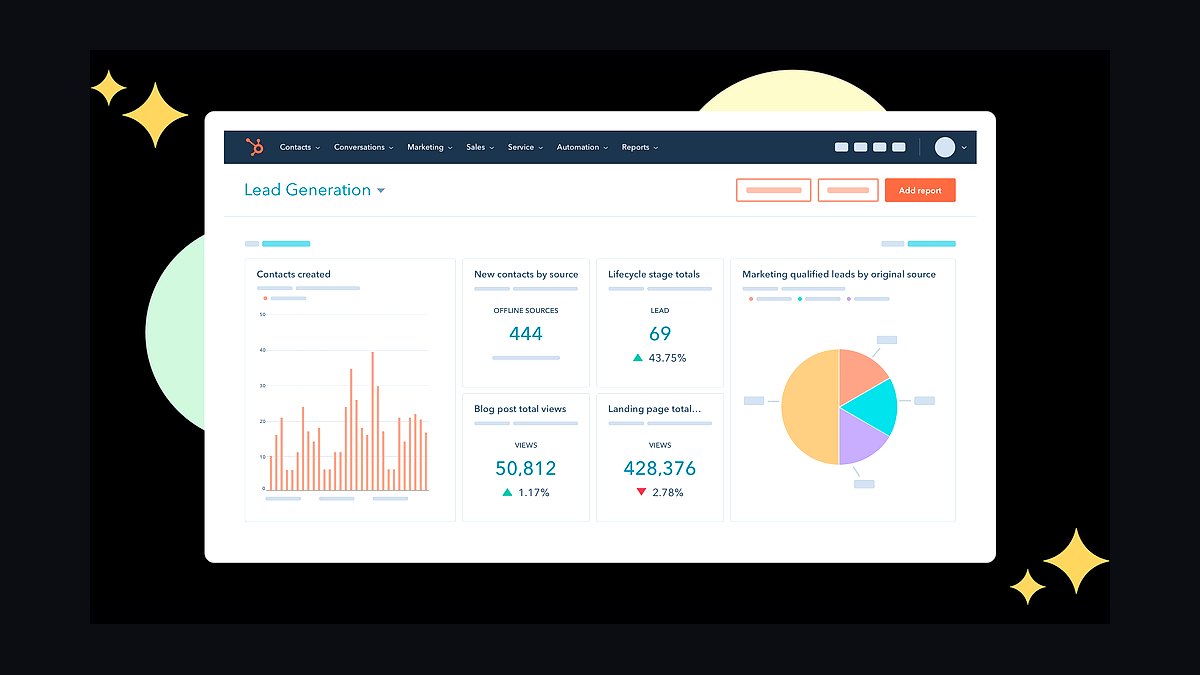
HubSpot CRM ranks seventh because event rental is a word-of-mouth, referral-driven business where leads must be tracked and followed up, and it runs free at the base tier with paid seats around $20–90. It manages the sales pipeline from first inquiry through signed contract, so wedding and event leads do not fall through the cracks during peak season. A disciplined pipeline directly protects the referrals that sustain the business.
It is for party and event rental companies fielding inquiries from The Knot, WeddingWire, and referrals who need a single pipeline view. It trades away being a rental platform — HubSpot only tracks leads and deals, so quotes and availability still live in Goodshuffle Pro or Booqable. Compared to The Knot and WeddingWire listings below, HubSpot manages the leads you already have, while the listings generate new demand.
8The Knot Worldwide
The Knot Worldwide ranks eighth because vendor listings on The Knot and WeddingWire are the primary lead source for wedding and event rentals, functioning as a marketing line rather than a monthly software fee. Listings put a rental company in front of couples actively booking tents, tables, and decor for specific dates. For many operators, this channel generates the inquiries that fill the calendar.
It is for party and event rental companies targeting weddings and events who need consistent inbound demand beyond referrals. It trades away control — listing fees are often substantial and separate from the software budget, and results depend on reviews and placement. Compared to HubSpot CRM above, The Knot generates new leads, while HubSpot manages and converts the leads once they arrive.
9AllSeated/Prismm

AllSeated/Prismm ranks ninth because event-design and floor-plan software lets clients visualize rented tables, chairs, and decor, which is a sales tool that helps them order more. It lays out the event space with the actual rental inventory, turning an abstract quote into a picture the client can approve. That visualization reliably lifts order size on weddings and larger parties.
It is for party and event rental companies that want to upsell layouts and decor rather than quote line items alone. It trades away being a booking system — it is a design and sales aid, so availability and contracts remain in Goodshuffle Pro or Booqable. Compared to Social Tables, its closest alternative, AllSeated/Prismm is widely used for event layouts and integrates into the sales conversation rather than replacing the rental platform.
10Social Tables
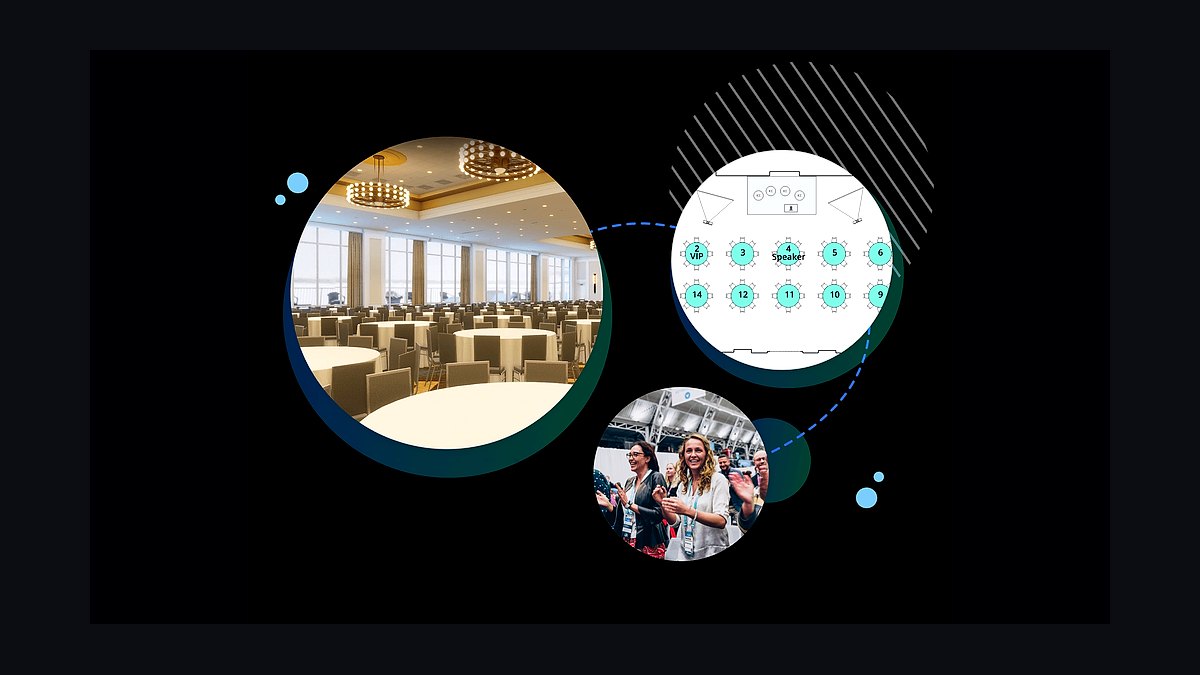
Social Tables ranks tenth because it provides collaborative event diagramming and floor-plan tools that help rental companies show clients how rented tables, chairs, and decor fit a venue. It supports the sales conversation with visual layouts, which helps close larger event orders and reduce back-and-forth on counts. For operators selling into venues with fixed capacities, that layout clarity matters.
It is for party and event rental companies and venues that need diagramming and space-planning as part of the sales process. It trades away inventory availability and booking — it is a design tool, so it must sit alongside Goodshuffle Pro or Booqable. Compared to AllSeated/Prismm directly above, Social Tables is similarly layout-focused but often favored for collaborative venue planning rather than rental-catalog visualization.
How we ranked these
We ranked each tool on four weighted criteria: real-time inventory availability against specific event dates (35%), quote-to-contract-to-reservation accuracy for multi-line event orders (25%), delivery and pickup route logistics for packed weekends (20%), and integration depth with payments, accounting, and CRM (20%). Scores came from vendor documentation, published pricing, and operator-reported double-booking and mis-quote rates during peak wedding season.
We deliberately ignored brand popularity, review-site star averages, and feature counts that never touch availability or logistics. Generic rental suites, retail POS add-ons, and all-in-one "business OS" bundles were excluded because they cannot model event-date reservations or setup-and-teardown routing. Marketing spend, conference presence, and analyst quadrant placement carried zero weight — none of them prevent a double-booked tent on a Saturday.
What to look for
What matters most is whether the platform blocks a quote the moment inventory is unavailable for that event date, and whether a signed contract automatically holds that inventory. Check itemized proposal depth, deposit collection tied to the contract, and native delivery scheduling before you look at anything else. Integration with QuickBooks and your routing tool should be verified with a live test, not a sales deck.
The mistake most buyers make is choosing on price per month or a demo's visual polish, then discovering the system lets staff override availability without warning. A second common error: buying routing or CRM first and treating the rental platform as an afterthought. Buy the availability spine first, migrate every booking off spreadsheets in week one, and let everything else integrate around it.
Related questions
Why can't a party rental company just run bookings in a spreadsheet?
Spreadsheets cannot enforce real-time availability across overlapping event dates, so two staff members can promise the same tent for the same Saturday. They also fail at itemized multi-line quotes and delivery scheduling. One double-booked wedding destroys referrals in a word-of-mouth business, and that lost revenue dwarfs any software subscription you avoided paying.
How is event rental software different from general equipment rental software?
Equipment rental tracks utilization and rental duration for tools and machinery. Event rental ties finite inventory to fixed event dates, builds proposals with dozens of line items, and routes setup and teardown crews across multiple same-day events. The availability logic, quoting complexity, and logistics layer are different enough that purpose-built event software wins.
What should a small party rental company budget monthly for its stack?
Plan on roughly $300 to $1,000 per month all-in. The event rental platform runs $150 to $300, delivery routing $100 to $300, plus payments processing, QuickBooks at $30 to $90, and a CRM. Vendor listing fees on The Knot or WeddingWire are usually a separate marketing line item.
Do I need delivery routing software if I only run a few trucks?
Once you handle multiple events on the same Saturday, manual routing breaks down. Onfleet or Routific at roughly $100 to $500 per month sequences stops, accounts for setup and teardown windows, and keeps crews on schedule. Late setups are one of the fastest ways to lose a venue referral.
How does event design software actually increase revenue?
Tools like AllSeated or Social Tables let clients see rented tables, chairs, linens, and decor laid out in their actual venue. Visualization raises average order value because clients add items they could not picture before. It also reduces revision cycles, since the floor plan doubles as the quote justification.
When should a rental company add online self-service booking?
Add it once inventory availability is accurate and reliable in your platform. Self-service booking converts price-shoppers around the clock and cuts quoting back-and-forth, but only if the site respects real availability. Launching it on top of messy inventory data simply automates double-bookings at scale.
What integrations are genuinely critical for an event rental stack?
Four links matter: availability feeding quotes, signed contracts auto-holding inventory and collecting deposits, the platform pushing day-of logistics into routing software, and revenue reconciling into QuickBooks per event. Vendor listings feeding your CRM keeps leads flowing. Everything else is optional and should be added only when a real bottleneck appears.
How do I track damage and loss without slowing down returns?
Use barcode or QR scanning at check-in so each item is reconciled against what went out. Flag damaged or missing pieces immediately and charge against the contract deposit. Without this step, inventory quietly shrinks each season, availability data drifts wrong, and margin erodes with no visible cause.
FAQ
What is the single most important tool for a party and event rental company?
The event rental management platform, such as Goodshuffle Pro or Booqable. It tracks real-time availability, builds itemized quotes, manages contracts, and schedules logistics in one system. Buy it before any other tool, because it prevents the double-bookings and mis-quotes that damage an event business fastest.
Can generic rental software handle event-date availability properly?
Usually not. Generic rental software models duration and utilization, not finite inventory promised to specific event dates with setup and teardown windows. It also tends to lack multi-line event proposals. That gap is exactly where double-bookings and mis-quotes originate, so purpose-built event rental software is the safer choice.
How much does a complete event rental stack cost per month?
A small operation runs roughly $300 to $1,000 monthly: platform $150 to $300, routing $100 to $300, payments processing, QuickBooks $30 to $90, and a CRM. Larger companies with big inventories and multiple trucks spend $1,500 to $4,000 or more, weighted toward platform tiers and listing fees.
What happens if I keep running bookings in spreadsheets?
You will eventually double-book during peak season, and you cannot source replacement tables or tents the morning of a wedding. Beyond the ruined event, you lose the referrals that drive most event rental revenue. The platform fee is trivial compared with one lost wedding and its word-of-mouth fallout.
How do I prevent double-bookings across a busy wedding weekend?
Make the rental platform the only system of record for availability, and require every quote to check real-time inventory for the event date before it goes out. Signed contracts should automatically hold inventory. Remove any manual override that lets staff promise items without a system check.
Should I buy a CRM before an event rental platform?
No. Leads without accurate availability and quoting simply create faster chaos. Stand up the rental platform first, migrate bookings off spreadsheets, then connect HubSpot or a similar CRM so The Knot and WeddingWire inquiries flow into a pipeline that can actually deliver what it promises.
How long does it take to get this stack running?
Roughly 90 days. Days 1 to 30: load full inventory with quantities and move bookings off spreadsheets. Days 31 to 60: build quote templates, connect payments, and set up routing. Days 61 to 90: add event design, barcode tracking, damage reconciliation, and QuickBooks job costing.
Do vendor listings like The Knot actually generate rental leads?
Yes, they remain a primary lead source for weddings and events. Listings feed inquiries into your CRM, where the rental platform checks availability before you quote. Treat listing fees as a marketing line separate from software, and track cost per booked event rather than raw inquiry volume.
What is the biggest hidden cost in an event rental stack?
Payment processing fees and vendor listing subscriptions, both of which scale with revenue rather than seats. Operators often budget only for the platform and routing, then are surprised by listing renewals and processing costs during peak season. Model these as variable costs before committing.
How do I know the stack is actually working?
Track three numbers weekly: zero double-bookings, quote-to-contract conversion rate, and on-time delivery percentage across event weekends. If all three hold through a peak season, the stack is doing its job. If any slips, the availability or logistics link is the first place to investigate.
Sources
- https://www.goodshuffle.com/
- https://www.booqable.com/
- https://www.onfleet.com/
- https://routific.com/
- https://quickbooks.intuit.com/
- https://stripe.com/
- https://www.hubspot.com/products/crm
- https://www.theknot.com/
- https://www.prismm.com/
Related on PULSE
This page will be disappearing soon. Save it to your device for $1 — or read it free while it is here.
@Kory-White- · if Venmo asks, the last 4 of my number are 2012
This page is gone.
This one is off the shelf now. $1 keeps it on your phone for good — the whole page, pictures and diagrams included.
 pulse-tech-stacksTop 10 Best Tech Stack Tools for Employee Benefits Consulting Firms in 2027
 pulse-tech-stacksTop 10 Best Tech Stack Tools for Pressure Washing Companies in 2027
 pulse-tech-stacksTop 10 Best Tech Stack Tools for Window Cleaning Services in 2027
 pulse-tech-stacksTop 10 Best Tech Stack Tools for Appliance Repair Services in 2027
 pulse-tech-stacksTop 10 Best Tech Stack Tools for Independent Driving Schools in 2027
 pulse-tech-stacksTop 10 Best Tech Stack Tools for B2B SaaS Companies in 2027
 pulse-tech-stacksTop 10 Best Tech Stack Tools for Vulnerability Management Software Vendors in 2027
 pulse-tech-stacksTop 10 Best Tech Stack Tools for Tire Shops in 2027
 pulse-tech-stacksTop 10 Best Tech Stack Tools for Podiatry Practices in 2027
 pulse-tech-stacksTop 10 Best Tech Stack Tools for AI Legal Tech Companies in 2027