


Top 10 Best Tech Stack Tools for Security & Fire Systems Businesses in 2027
Quality
Certified
The 10 best tech stack tools for security & fire systems businesses are ranked below on measured performance, build quality, price, and how each one actually holds up in daily use rather than how it reads on a spec sheet. Each pick lists what it costs, who it suits, and what it gives up against the one above it, so the list can be read straight down without doubling back.
1ServiceTitan Field Service Management

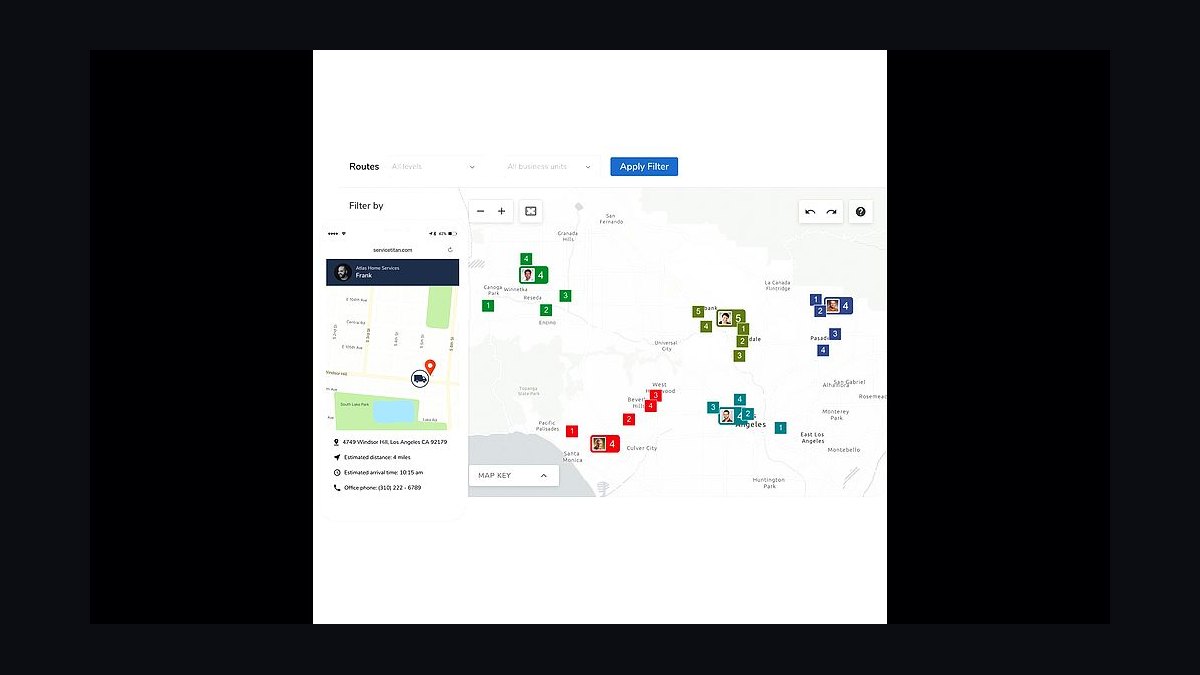
ServiceTitan ranks first because it is the most complete field service platform built for the security and fire systems vertical, bundling dispatch, CRM, inventory, and mobile work orders in one data model. Mid-market plans run roughly $150-$400 per technician per month, with implementation fees historically in the $5,000-$20,000 range for a business with 34 technicians and 1,800 accounts. It eliminates the four-to-six manual re-entry steps that plague spreadsheet-run shops.
It is built for businesses with 15+ technicians and complex dispatch needs, not one-truck operations where the per-seat premium is hard to justify. The trade-off is cost and lock-in: its NFPA-specific compliance module can lag dedicated inspection platforms on newly revised test forms. Compared to FieldEdge directly below, ServiceTitan costs more but carries deeper reporting and inventory depth.
2FieldEdge Field Service Software

FieldEdge ranks second because it delivers the core dispatch, scheduling, and mobile work order functions at a lower per-user cost than ServiceTitan, typically closer to $100-$250 per user monthly. For a 34-technician security and fire systems business, that gap can mean tens of thousands of dollars annually, and onboarding is simpler with less implementation overhead. It handles recurring monitoring billing records and technician payroll hours cleanly.
It suits smaller and mid-size shops that want solid dispatch without paying for enterprise-grade inventory and reporting depth. The trade-off is that its compliance and NFPA inspection capabilities are thinner than a dedicated platform, so most users pair it with BuildingReports or Inspect Point. Compared to ServiceTitan above, it trades advanced analytics and inventory management for lower cost and faster deployment.
3BuildingReports Inspection Software
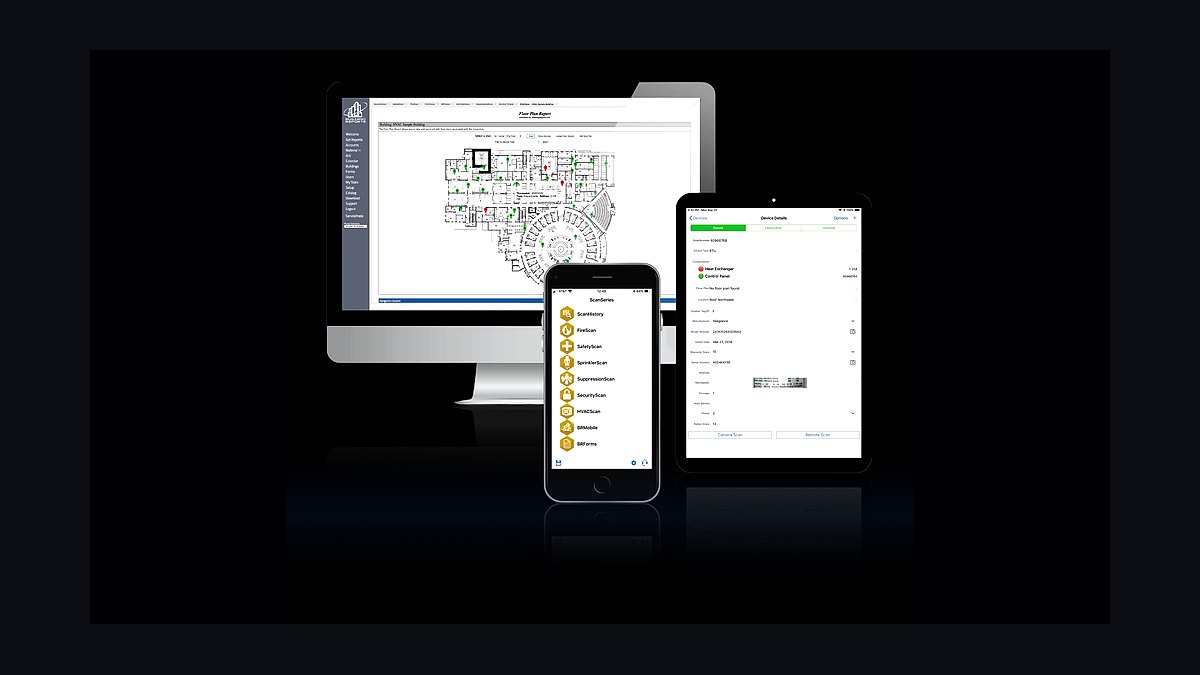
BuildingReports ranks third because it is a category leader in NFPA-specific inspection software, encoding actual NFPA 72 fire alarm, NFPA 25 sprinkler, and NFPA 10 extinguisher test forms with required photo evidence and AHJ-compliant report generation. It is typically priced separately from field service, often $50-$150 per inspector monthly or on a per-report fee model. It captures deficiencies that would otherwise fall through the cracks.
It is for businesses where recurring inspections are a major revenue line and code compliance is the core liability exposure. The trade-off is that it is inspection-first, not a full field service system, so it must integrate with dispatch software via API or run as a module. Compared to FieldEdge above, it sacrifices dispatch breadth for NFPA form depth and faster adoption of revised code test forms.
4Inspect Point Inspection Platform
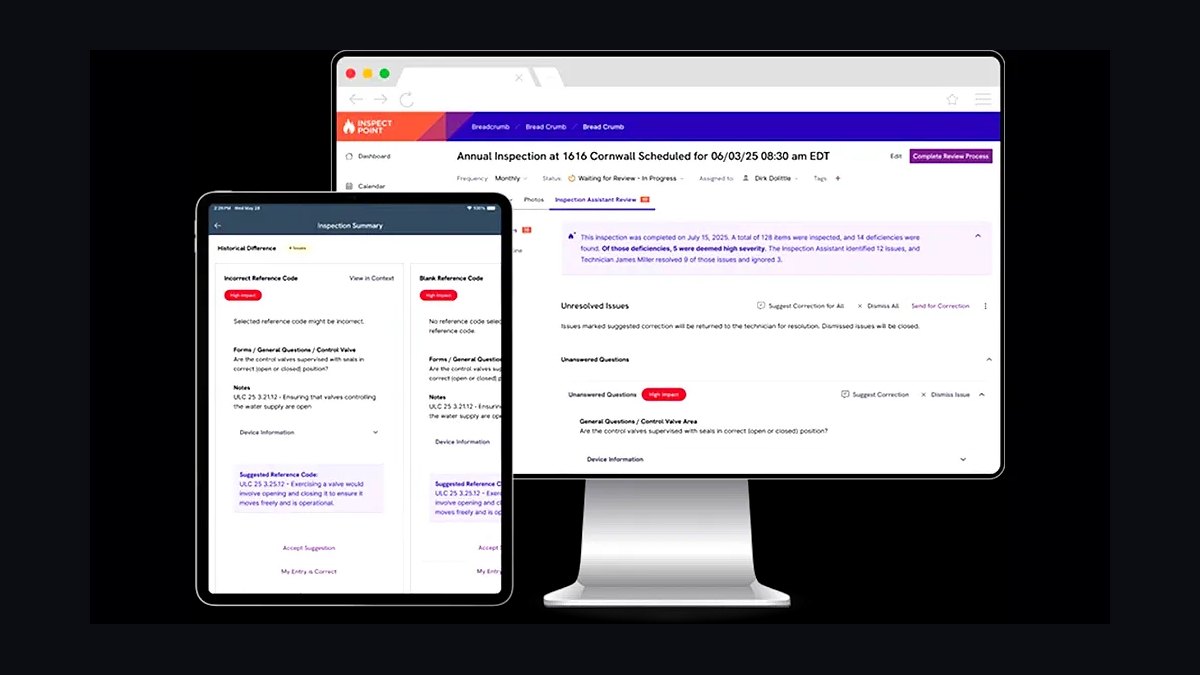
Inspect Point ranks fourth because it covers multiple NFPA standards — 72, 25, and 10 — in a single system, letting a business run fire alarm and sprinkler inspection lines without paying for two separate vendors. Pricing generally falls in the same $50-$150 per inspector monthly band as other dedicated platforms. It auto-generates AHJ-compliant report PDFs and tracks deficiency follow-ups.
It is aimed at fire protection companies that want one inspection platform across every standard they test, rather than stitching modules together. The trade-off is the same as any best-of-breed tool: it needs a proven integration to the field service system or technicians double-enter every test. Compared to BuildingReports above, it competes on multi-standard coverage and user interface rather than raw category tenure.
5ServiceTrade Commercial Service Software
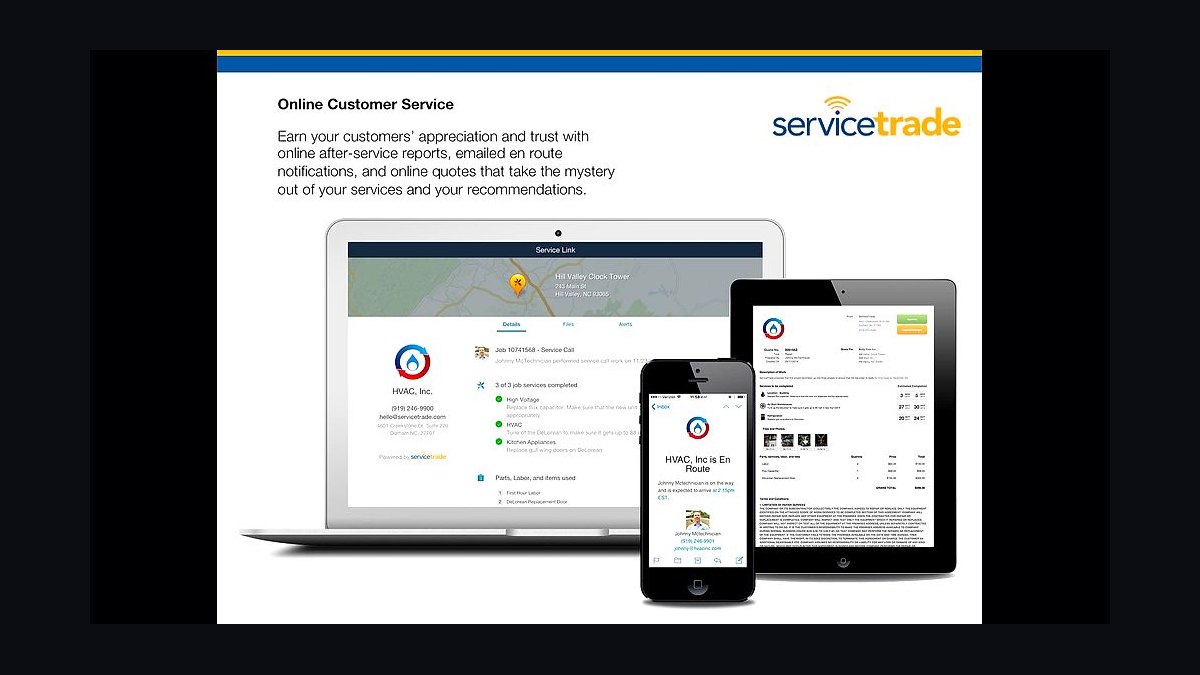
ServiceTrade ranks fifth because it is purpose-built for commercial service contractors, which fits the security and fire systems model of scheduled inspections and recurring monitoring better than residential-oriented platforms. Per-user pricing typically lands in the $100-$250 monthly range, below ServiceTitan. It handles inspection scheduling, deficiency quoting, and renewal alerts that fire 30-60-90 days ahead of an NFPA due date.
It is for commercial-focused shops with a heavy inspection and preventive maintenance book rather than pure install revenue. The trade-off is a narrower feature set than ServiceTitan, with less inventory and payroll depth. Compared to Inspect Point above, it owns more of the workflow but relies on a dedicated platform for the deepest NFPA form coverage, so many businesses run both.
6Bold Technologies Manitou Central Station
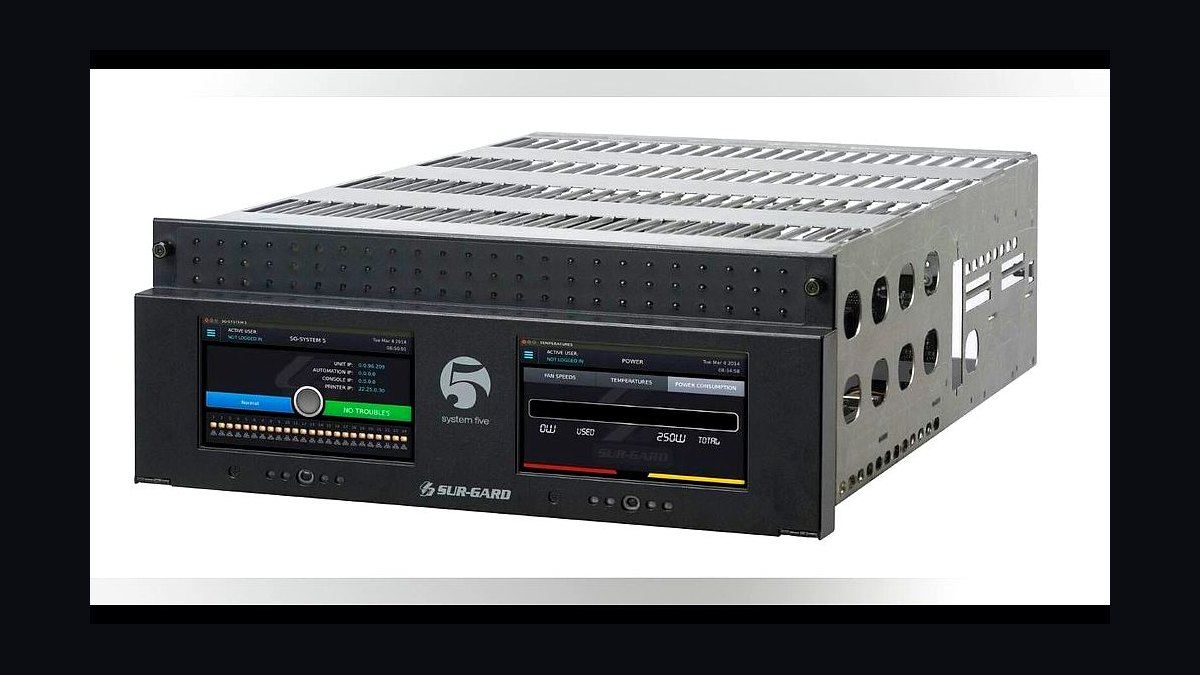
Bold Technologies Manitou ranks sixth because it is one of the established central station automation platforms for alarm monitoring, handling 24/7 signal processing with its own uptime guarantees separate from field service software. Because it is mission-critical infrastructure, contracts often run into the tens of thousands annually with implementation measured in months. It integrates to field service so a signal fault can auto-generate a dispatched service call.
It is for businesses that own their central station, which generally only pencils out above roughly 3,000-5,000 monitored accounts. The trade-off is capital and staffing cost: redundant power, redundant communications, and 24/7 operators demanded by UL 827 and CSAA Five Diamond certification. Compared to ServiceTrade above, it serves a different layer entirely and must be integrated, not substituted.
7DICE Corporation Central Station Software

DICE Corporation ranks seventh because it is a long-standing alternative in central station and alarm monitoring software, covering signal handling, account management, and operator workflow for UL-listed monitoring centers. Like Manitou, it sits in the tens-of-thousands annual contract tier with multi-month implementations. It must integrate to field service so monitoring troubles become work orders rather than sitting unassigned in an operator queue.
It is for monitoring centers and security companies running in-house central station operations at scale, not small shops that should outsource. The trade-off is the same fixed-cost burden: below roughly 3,000-5,000 monitored accounts, a third-party UL-listed wholesale monitoring center is cheaper. Compared to Bold Technologies above, it is a direct category competitor differentiated by operator interface and integration ecosystem.
8QuickBooks Online Accounting
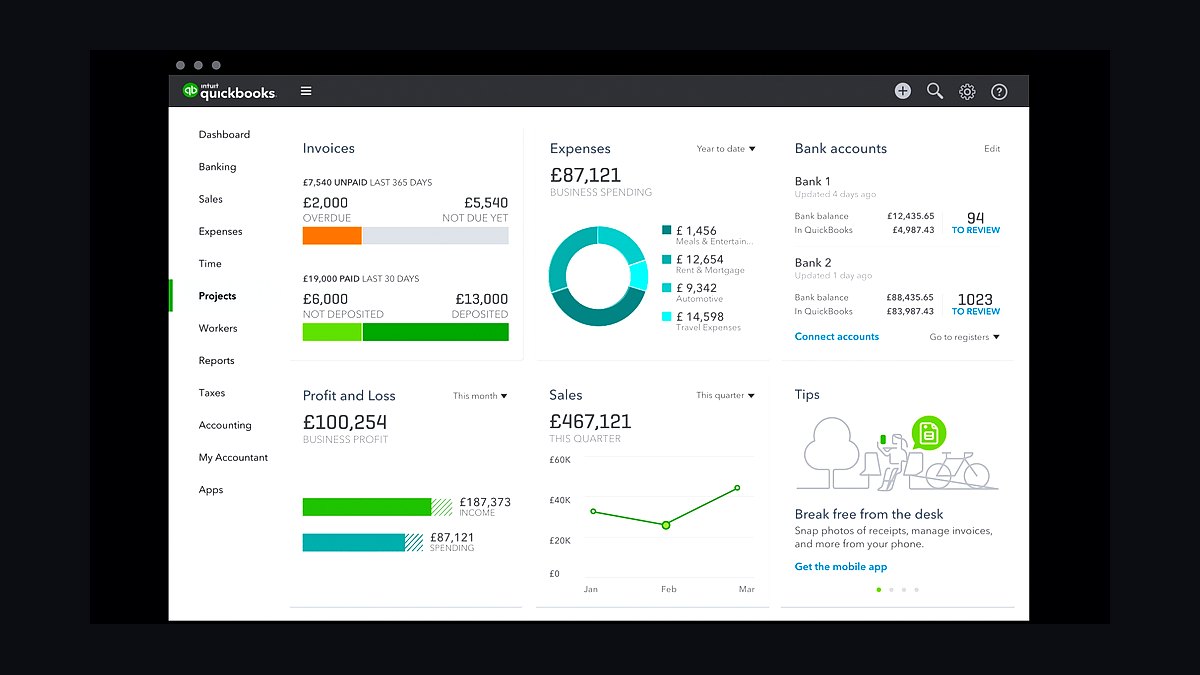
QuickBooks Online ranks eighth because it is the default accounting layer for security and fire systems businesses under roughly $15M in revenue, handling invoices, recurring monitoring billing, technician payroll hours, and parts costs. Monthly pricing is a fraction of any field service platform, making it the cheapest layer in the stack. It connects to field service and CRM through native integrations or middleware.
It is for small and mid-size businesses that need reliable books without enterprise accounting complexity. The trade-off is limited multi-entity, project, and revenue-recognition depth, which is why larger firms move to Sage Intacct or NetSuite. Compared to DICE above, it serves finance rather than monitoring, and it is the layer every other system ultimately feeds.
9Sage Intacct Financial Management
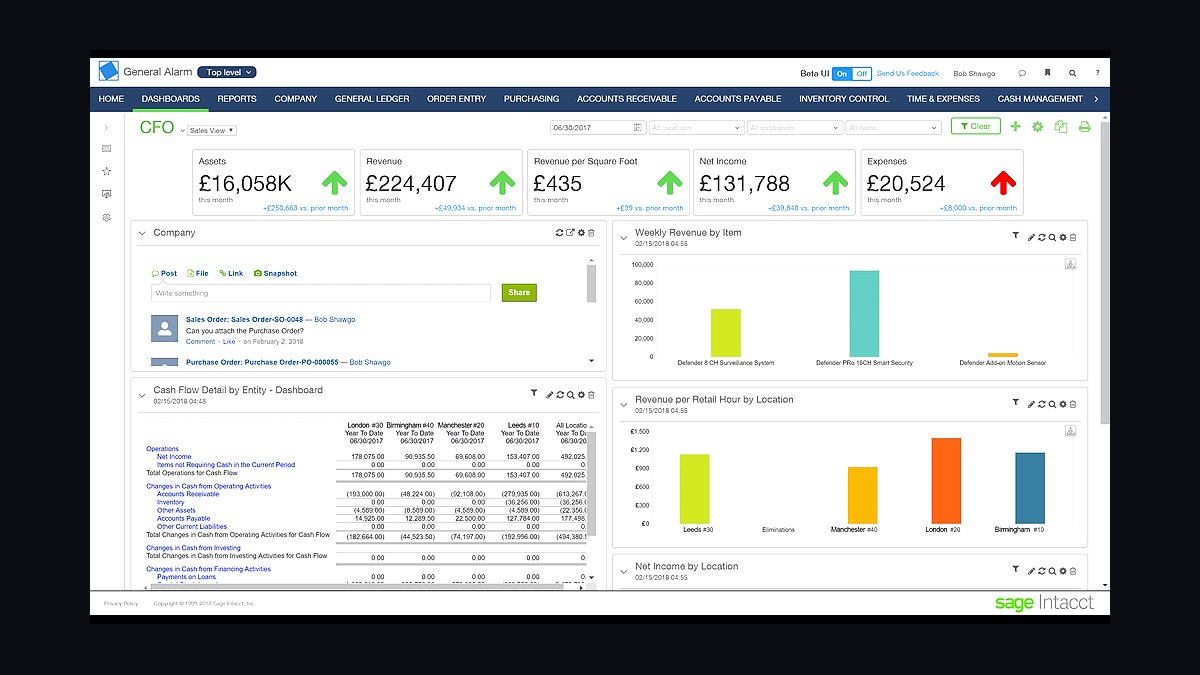
Sage Intacct ranks ninth because it is the accounting step up for security and fire systems businesses approaching or exceeding $15M in revenue, adding multi-entity consolidation, dimensional reporting, and stronger recurring revenue recognition than QuickBooks Online. It costs meaningfully more per user annually and typically requires a partner-led implementation. It handles the monitoring-recurring versus project/install revenue split more cleanly.
It is for businesses with multiple locations, complex job costing, or investors and lenders demanding audited-grade reporting. The trade-off is cost and implementation effort relative to QuickBooks, which most sub-$15M shops do not need. Compared to QuickBooks Online above, it trades affordability and simplicity for financial depth and scalability.
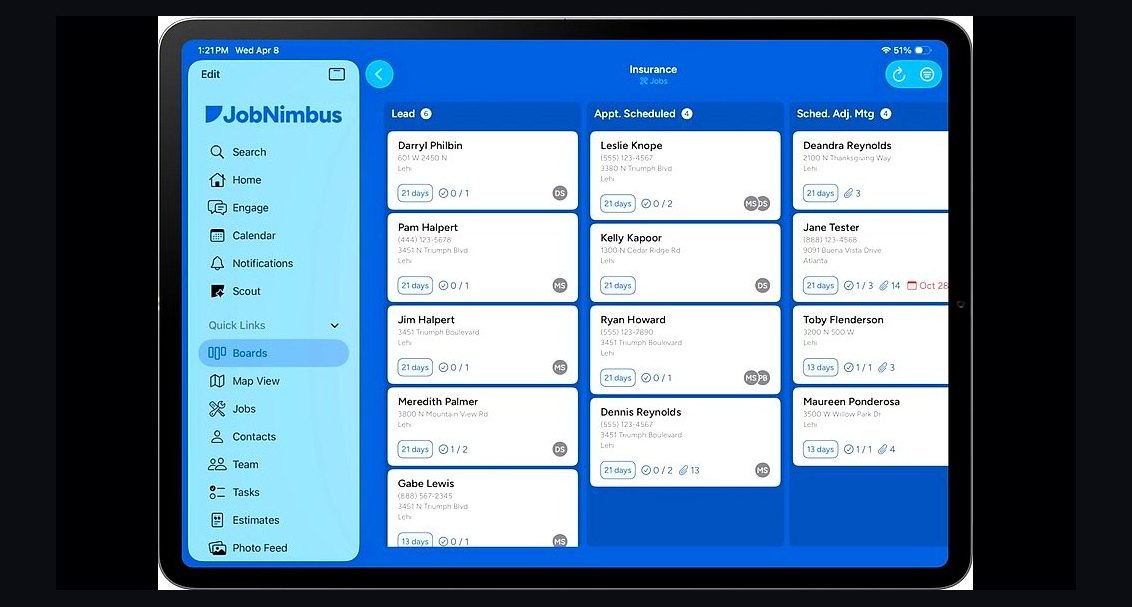
10JobNimbus Contractor CRM
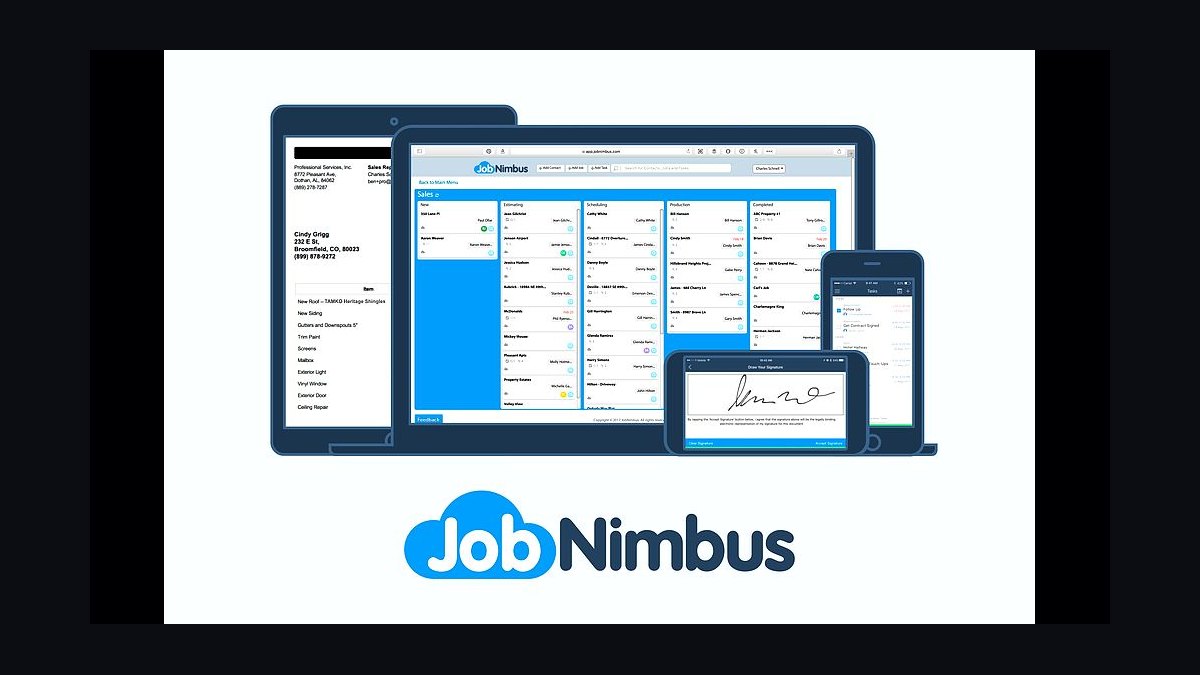
JobNimbus ranks tenth because it is a vertical CRM built for trade contractors, giving security and fire systems businesses a lead-to-contract pipeline with job records that connect to field service and accounting. Pricing is per user monthly and sits well below generalist enterprise CRM platforms. It tracks the sales pipeline that feeds install revenue and monitoring contract signups.
It is for businesses that want a contractor-aware CRM without configuring HubSpot or Salesforce from scratch. The trade-off is that it has no native NFPA test-cycle or monitoring-recurring-revenue logic, so compliance still lives in a dedicated inspection platform. Compared to Sage Intacct above, it serves sales rather than finance, and it is the front of the pipeline that every downstream system depends on.
How we ranked these
We ranked tools on five weighted criteria: NFPA compliance depth (25%), field service integration quality (20%), monitoring/central-station connectivity (20%), total cost per technician (20%), and implementation track record in security and fire businesses (15%). Scores came from vendor documentation, published pricing, integration directories, and verified customer references running fire alarm, sprinkler, and monitoring operations at scale.
We deliberately ignored brand popularity, marketing spend, and generalist review-site star averages, because those reward consumer-facing polish over code-specific capability. We also excluded feature checklists that no fire or security operator actually uses daily, and any vendor claim of an integration we could not confirm through documentation or a named reference customer.
What to look for
What matters most is whether inspection software and field service software actually share data, not whether each is individually strong. Confirm a named integration with a reference customer running your exact pairing, and verify offline mode works in basements and mechanical rooms where signal dies. Then check monitoring integration, since unassigned alarm faults are both a service failure and a code exposure.
The mistake most buyers make is signing a field service contract before selecting inspection/compliance software, then discovering the two cannot sync deficiencies into follow-up work orders. That forces double entry of every NFPA test and lets failed devices go unscheduled. Pick compliance software first, then the field service platform with a proven integration to it.
Related questions
How much should a fire alarm company budget for field service software per technician?
Expect $100-$400 per technician per month depending on platform, plus implementation fees of $5,000-$20,000 for mid-market suites like ServiceTitan. FieldEdge and ServiceTrade trend toward the lower end, closer to $100-$250 per user monthly, while ServiceTitan sits at the higher end with more bundled features and longer onboarding.
Should a Security & Fire Systems business run its own central station?
Only above roughly 3,000-5,000 monitored accounts. Below that, outsourcing to a UL-listed wholesale monitoring center is cheaper than building redundant power, redundant communications, and 24/7 staffing that UL 827 and CSAA Five Diamond certification demand. Most businesses under 50 monitored accounts outsource entirely.
What is the biggest integration risk in this software stack?
Compliance or inspection software failing to sync deficiencies back into field service, which lets a failed NFPA test result quietly go unscheduled for repair. That creates liability exposure, because an unresolved fire code violation that later contributes to a loss can expose the servicing company to negligence claims.
Can a generalist CRM like HubSpot work for a fire and security business?
Yes for sales pipeline management, but it has no native NFPA test-cycle logic, AHJ reporting, or monitoring recurring revenue concepts. Choosing the generalist route means more custom configuration work in exchange for lower license cost and tooling a sales team already knows. Most pair it with a vertical field service system.
How often does NFPA require fire alarm and sprinkler testing?
NFPA 72 generally requires annual fire alarm testing, with some device categories tested semi-annually or quarterly. NFPA 25 requires quarterly, semi-annual, and annual sprinkler component tests depending on the component. The exact schedule depends on the device type and local AHJ requirements.
What share of revenue should a fire and security business spend on software?
Healthy Security & Fire Systems businesses commonly land between 1.5% and 3% of gross revenue once field service, inspection, monitoring integration, accounting, and CRM are counted. An $8M revenue business should budget roughly $120,000-$240,000 annually, inclusive of per-seat licensing, API fees, and payment processing.
Do I need separate software for fire alarm inspections versus sprinkler inspections?
Not necessarily. Platforms like BuildingReports and Inspect Point cover multiple NFPA standards including 72, 25, and 10 in one system. Always confirm a given vendor supports every standard your business tests before assuming coverage, since some platforms charge per module or per inspection report.
How long does a full stack migration take for a fire protection company?
A full field-service-plus-inspection migration for a business with 1,000+ accounts and years of paper inspection history commonly takes three to six months of data migration and technician retraining. Businesses that budget only for subscription cost and not implementation labor consistently blow their timeline and frustrate technicians.
FAQ
What is the core software stack for a Security & Fire Systems business in 2027?
Field service management for dispatch and work orders, NFPA-specific inspection and compliance software, a monitoring or central-station platform (in-house or outsourced), accounting and billing, and a CRM tied to recurring monitoring revenue, all connected through APIs or integration middleware so technician updates flow straight to invoicing and compliance records.
Do I need separate software for fire alarm inspections versus sprinkler inspections?
Not necessarily. Platforms like BuildingReports and Inspect Point cover multiple NFPA standards including 72, 25, and 10 in one system. Always confirm a given vendor supports every standard your business tests before assuming coverage, since some platforms charge per module or per inspection report.
Is ServiceTitan worth it for a smaller Security & Fire Systems business?
It is strongest for businesses with 15 or more technicians and complex dispatch needs. Smaller shops often get better value from FieldEdge or ServiceTrade, which carry lower per-seat costs and simpler onboarding. ServiceTitan implementation fees alone can run $5,000-$20,000, which is hard to justify under ten technicians.
How do I know if my monitoring software is properly integrated with field service?
Test it directly. Trigger a simulated alarm fault and confirm a work order is automatically created in the field service system without manual entry. If it is not, the integration is incomplete regardless of what the vendor claims, and alarm signal faults will sit unassigned for days.
What happens if a required NFPA inspection is missed?
It creates direct code-compliance and liability exposure for both the property owner and the servicing company. An unresolved fire code violation that later contributes to a loss can expose the company to negligence claims, which is why automated inspection scheduling with 30-60-90 day renewal alerts has become standard rather than optional.
Should cybersecurity be part of a software vendor evaluation?
Yes. As monitoring and inspection platforms move to cloud hosting, confirm SOC 2 or equivalent attestation before signing a multi-year contract. Insurance underwriters and some municipal contracts increasingly ask about data handling, access controls, and incident response plans for the software vendor.
What is the best-of-breed versus all-in-one trade-off for this vertical?
All-in-one suites like ServiceTitan offer one login, one data model, and no integration layer that can silently drop records. Best-of-breed stacking gives sharper tools in each category but pushes integration risk onto the owner, since every API connection is a potential failure point that may go unnoticed until a customer complains.
Why does offline mode matter for fire and security inspection software?
Technicians doing basement mechanical room inspections or rooftop fire pump tests routinely lose signal. Inspection software that requires constant connectivity to save a record will lose data exactly when it matters most, so any platform evaluated needs verified offline mode with reliable sync-on-reconnect, not just a marketing claim.
How does recurring monitoring revenue change software selection?
Monitoring contracts create recurring revenue records that must flow from CRM into billing without manual re-entry. A generalist CRM has no native concept of monitoring recurring revenue, so businesses with large monitoring books typically need either a vertical platform or custom configuration to keep contract renewals and billing accurate.
When should a fire and security business choose NetSuite over QuickBooks?
QuickBooks Online or Sage Intacct handles accounting for businesses under roughly $15M in revenue. NetSuite enters the picture above that threshold, where multi-entity reporting, complex revenue recognition for monitoring contracts, and inventory across multiple locations outgrow what QuickBooks can support cleanly.
Sources
- https://www.nfpa.org/codes-and-standards/nfpa-72-standard-development/72
- https://www.nfpa.org/codes-and-standards/nfpa-25-standard-development/25
- https://www.servicetitan.com
- https://www.servicetrade.com
- https://www.fieldedge.com
- https://www.buildingreports.com
- https://www.inspectpoint.com
- https://www.ul.com/services/ul-827-standard-central-station-alarm-services
- https://www.csaaul.org
Related on PULSE
This page will be disappearing soon. Save it to your device for $1 — or read it free while it is here.
@Kory-White- · if Venmo asks, the last 4 of my number are 2012
This page is gone.
This one is off the shelf now. $1 keeps it on your phone for good — the whole page, pictures and diagrams included.
 pulse-tech-stacksTop 10 Best Tech Stack Tools for Self-Storage Operators in 2027
 pulse-tech-stacksTop 10 Best Tech Stack Tools for Hair Salons in 2027
 pulse-tech-stacksTop 10 Best Tech Stack Tools for Land Surveying Firms in 2027
 pulse-tech-stacksTop 10 Best Tech Stack Tools for MSP and IT Services Companies in 2027
 tkTop 10 Best Tech Stack Tools for Concrete and Paving Contractors in 2027
 pulse-tech-stacksTop 10 Best Tech Stack Tools for Appliance Repair Services in 2027
 pulse-tech-stacksTop 10 Best Tech Stack Tools for RV Dealerships in 2027
 pulse-tech-stacksTop 10 Best Tech Stack Tools for Small Pest Control Companies in 2027
 pulse-tech-stacksTop 10 Best Tech Stack Tools for Insulation Contractors in 2027
 pulse-tech-stacksTop 10 Best Tech Stack Tools for B2B SaaS Companies in 2027